

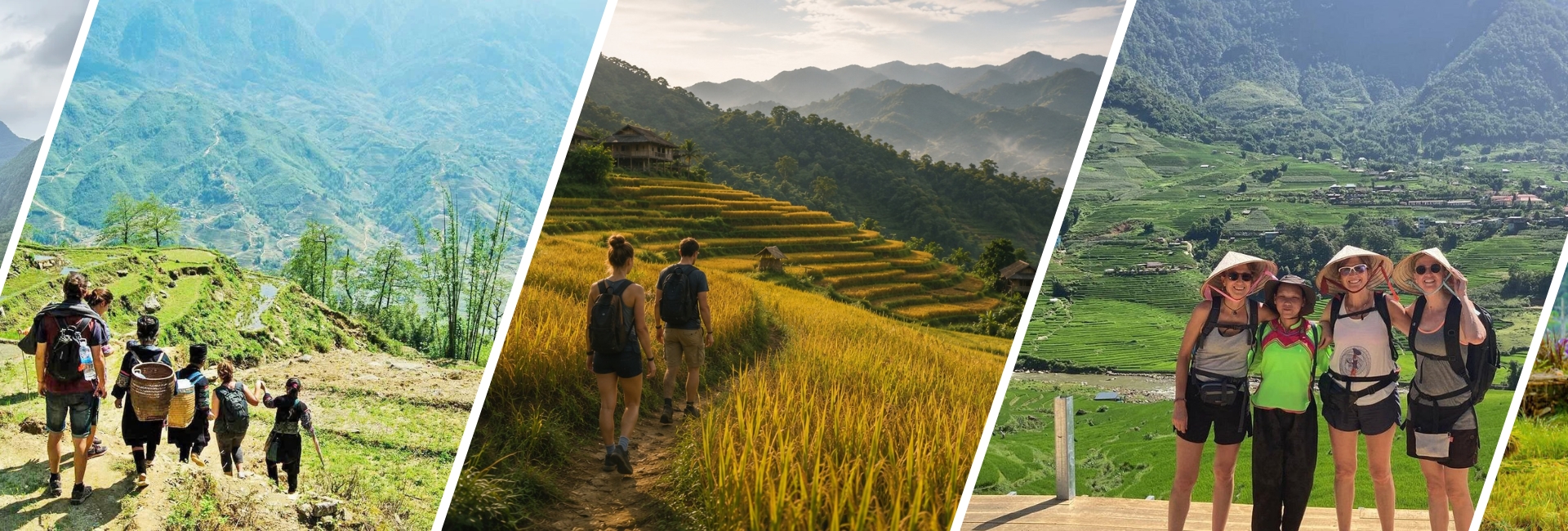
The best trekking routes in Northern Vietnam are, without question, some of the finest in Southeast Asia. Nowhere else packs this much into one region: ancient rice terraces, highland villages, and landscapes that shift from misty jungle valleys to bare limestone plateaus within a single day. Whether you have three days or three weeks, the north rewards every traveller willing to step beyond the tourist trail.
The real question is never whether to trek here. It is the route that actually fits you. Fitness, available time, crowd tolerance, and love of culture all shape the answer differently. This guide helps you choose with confidence.
What can you find in this travel blog?
- What Makes Northern Vietnam Ideal for Trekking?
- Comparing the Best Trekking Routes in Northern Vietnam
- Sapa Valley Trek: The Classic Choice for First-Time Trekkers
- Hoang Su Phi Trek: Northern Vietnam’s Most Spectacular Rice Terraces
- Ha Giang Trekking Routes: Adventure Beyond the Loop
- Pu Luong Trek: Easy Trekking with Stunning Valley Scenery
- Fansipan Trek: Conquer the Roof of Indochina
- Cao Bang Trekking: Hidden Trails and Natural Wonders
- Bac Ha Trek: A Quieter Alternative to Sapa
- Which Northern Vietnam Trekking Route Is Best for You?
- Recommended Northern Vietnam Trekking Itineraries
- Practical Tips for Trekking in Northern Vietnam
- FAQs
What Makes Northern Vietnam Ideal for Trekking?
Northern Vietnam earns its reputation not by accident but by geography. The Hoang Lien Son range forms the backbone of the region, anchored by Fansipan at 3,143 metres. To the north and east, the terrain shifts into karst limestone plateaus and forested valleys. No two trekking regions feel alike, and that variety keeps adventurous travellers coming back.
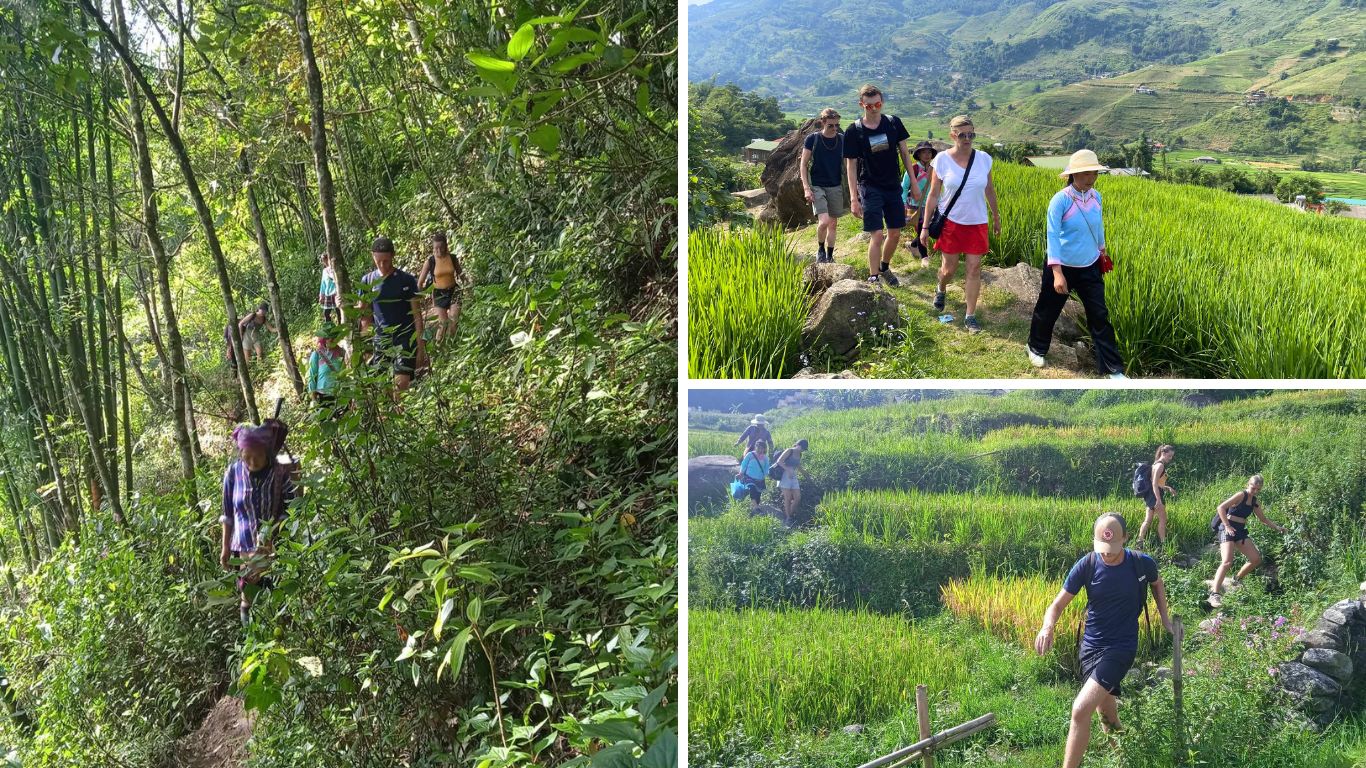
Dramatic mountain landscapes shaped by the Hoang Lien Son range
The mountains here are theatrical. Deep gorges cut between limestone cliffs, terraced hillsides cascade in waves of green and gold, and high passes reveal views stretching into China on a clear day. The Ma Pi Leng Pass in Ha Giang is just one example. When you combine altitude with access, Northern Vietnam offers something few destinations in the world can match at this price point.
Authentic ethnic minority cultures are found nowhere else in Southeast Asia
Vietnam officially recognises 54 ethnic groups. Roughly 20 of them concentrate in the northern highlands. On a single trekking trip, you might pass through villages of Black Hmong, Red Dao, Flower Hmong, Black Thai, Tay, Lo Lo, and La Chi peoples. Each has its own language, farming traditions, and textile patterns. These are living communities, not folklore preserved for tourists. Hiring a local ethnic minority guide does not just improve your navigation. It opens doors that no map can show.
Trekking options for every level
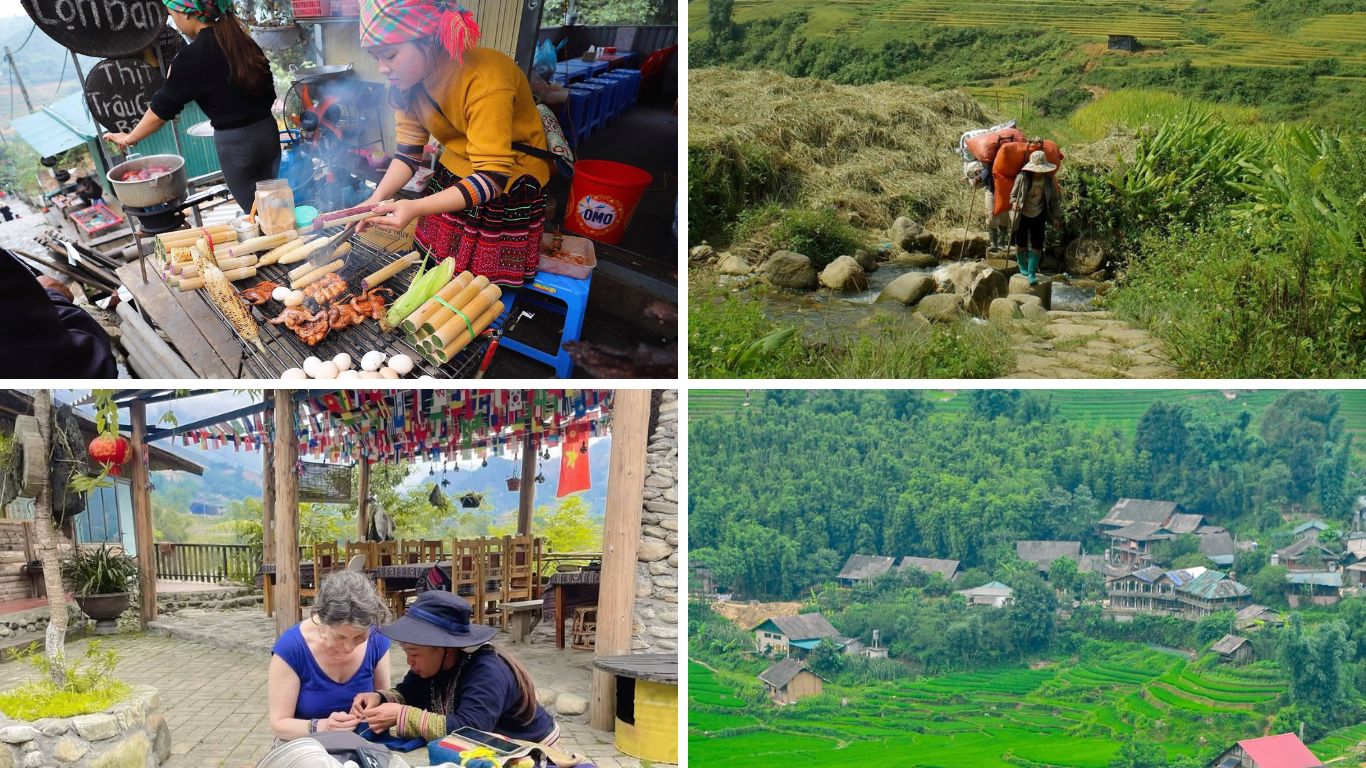
The range here is genuinely unusual. At one end, Pu Luong offers flat paddy walks between stilt-house villages requiring nothing more than comfortable footwear. At the other end, a two-day Fansipan summit attempt demands real cardiovascular fitness and an early start. Most destinations sit comfortably in between: moderate day hikes with real reward at the end, reachable without a training regime.
Homestays and local experiences that most trails still offer
Unlike trekking regions elsewhere in Asia that have been smoothed into resort experiences, much of Northern Vietnam still offers genuine homestays. In Hoang Su Phi, Ha Giang, and Cao Bang especially, you sleep on wooden platforms in stilt houses and eat whatever the family is cooking that evening. Sapa has moved further toward guesthouses, which suits some travellers well. However, if living alongside a community is what you are after, the more remote regions still deliver it authentically.
Best seasons for trekking in Northern Vietnam
September to November is the sweet spot for most regions. The rice harvest turns terraces from deep green to brilliant gold, and skies clear after the monsoon. March to May is the second window, cooler and quieter. June to August brings heavy rain, though the scenery is lush for those willing to tolerate mud. December to February is cold at altitude, particularly in Ha Giang and Sapa, where fog can settle for days. Timing your visit matters just as much as choosing the right route. Our team is always happy to help you match both.
Comparing the Best Trekking Routes in Northern Vietnam
Before diving into each destination, here is a quick side-by-side comparison. Each region has its own personality. The right choice depends on the kind of experience you are genuinely looking for, not simply the most famous name on the map.
| Route | Difficulty | Duration | Ethnic groups | Best for | Crowd level |
|---|---|---|---|---|---|
| Sapa | Easy to moderate | 1 to 3 days | Black Hmong, Red Dao | First-timers, families | High |
| Hoang Su Phi | Moderate | 2 to 4 days | La Chi, Dao, Tay | Photographers, rice terrace lovers | Low |
| Ha Giang | Moderate to hard | 3 to 6 days | H’mong, Lo Lo, Pu Peo | Adventurers, off-grid travellers | Very low |
| Pu Luong | Easy | 1 to 3 days | Black Thai, Muong | Families, beginners | Low to moderate |
| Fansipan | Hard | 1 to 3 days | Black Hmong (en route) | Peak-baggers | Moderate |
| Cao Bang | Easy to moderate | 2 to 4 days | Tay, Nung | Nature lovers, waterfall chasers | Very low |
| Bac Ha | Easy | 1 to 2 days | Flower Hmong | Cultural day-trippers | Low |
Sapa Valley Trek: The Classic Choice for First-Time Trekkers
Sapa is where most people begin their Northern Vietnam trekking story. Perched at 1,600 metres, the town sits at the edge of the spectacular Muong Hoa Valley, a cascading patchwork of rice terraces that has become one of the most photographed landscapes in Southeast Asia. Infrastructure is solid, trails are well-marked, and the overnight train from Hanoi is genuinely enjoyable. For a first trekking experience in Vietnam, Sapa does everything right.
That said, Sapa has changed significantly over the past decade. Mass tourism has brought luxury hotels, cable cars, and souvenir stalls. The experience depends enormously on which trails you choose and who guides you. Go in prepared for that reality, and Sapa still delivers moments of real beauty and connection.
The most-walked routes: Lao Chai, Ta Van, and beyond
The Lao Chai to Ta Van loop is the classic Sapa trek, covering roughly 12 kilometres through valley floors and Black Hmong villages. Most walkers complete it in a half-day to full day. Ta Phin village to the northeast sits in Red Dao territory and sees far fewer visitors. Cat Cat village is the shortest option and more tourist-facing than the valley routes. For detailed day-by-day options, our full Sapa trekking guide covers everything.
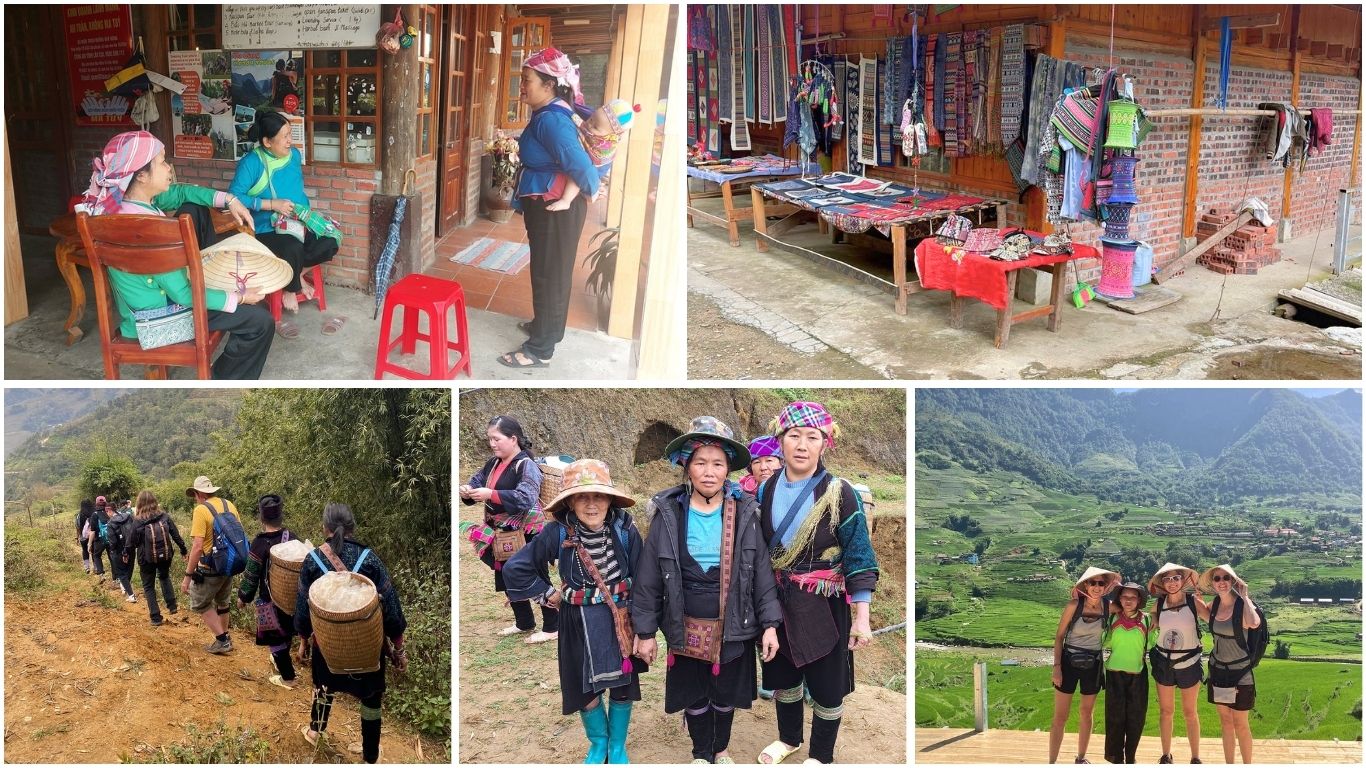
Trekking with Black Hmong and Red Dao communities
The Black Hmong are the dominant group in the Muong Hoa Valley. They are recognisable by their deep indigo-dyed clothing and silver jewellery. Red Dao communities, known for their striking red headdresses, live primarily in Ta Phin and the higher elevations northeast of town. Walking through their villages with a local guide transforms the trek from a scenic walk into a genuine encounter. Additionally, exploring the villages around Sapa and the local markets rounds out the cultural picture beautifully.
Is Sapa trek right for you?
Sapa suits you well if this is your first time trekking in Vietnam, if you travel with family, or if you want easy access to good facilities alongside your trail time. It is less suited to travellers seeking solitude or genuinely untouched villages. In that case, Hoang Su Phi or Ha Giang may be a better fit. Our Sapa or Ha Giang comparison works through that decision directly.
Honest pros and cons of Sapa
Sapa’s strengths are real: excellent transport links, a wide range of accommodation, and experienced guides through established operators. However, the trade-offs are equally real. The town centre is heavily commercialised. Many homestays are now purpose-built guesthouses rather than family homes. Going in with clear expectations makes the experience far more enjoyable. For timing, our best time to visit Sapa is covered in detail by the Sapa guide.
Ready to explore Sapa properly? Our team arranges private guided treks, overnight trains, and handpicked homestays. Take a look at our 3-day Sapa tour or reach out at vietnam@indochinavoyages.com to build something custom.
Hoang Su Phi Trek: Northern Vietnam’s Most Spectacular Rice Terraces
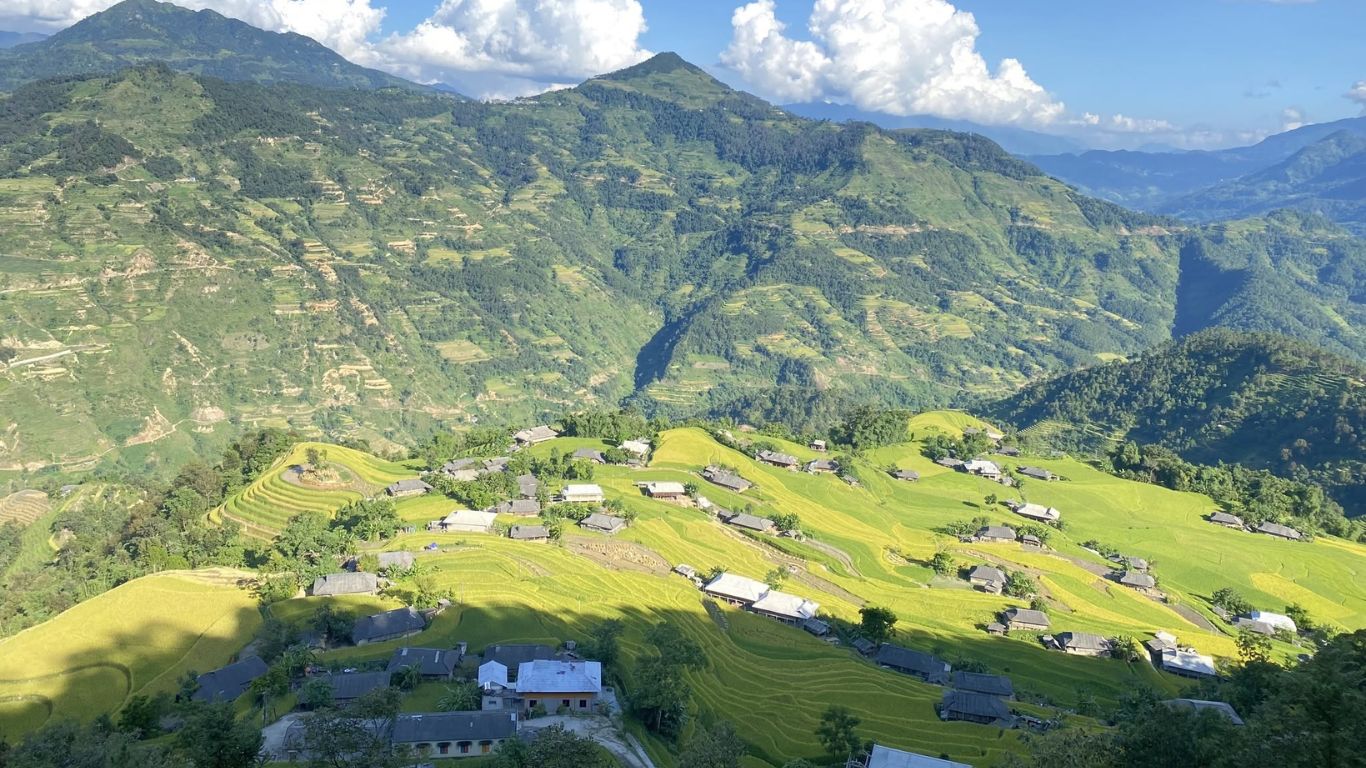
If Sapa is the cover of the magazine, Hoang Su Phi is the feature article most readers never reach. Located in Ha Giang province, roughly five to six hours from Hanoi, this remote highland district holds some of the most breathtaking rice terrace scenery in Vietnam. UNESCO recognised it as a National Heritage Landscape for good reason. What makes it different from Sapa is not just the absence of crowds. It is the sheer scale of the terraces and the sense that you are walking through a landscape shaped by human hands over centuries.
Why Hoang Su Phi beats Sapa for rice terrace photography
The terraces here are wider, higher, and more dramatically sculpted than those in the Muong Hoa Valley. They were carved primarily by the La Chi people into slopes that seem almost impossibly steep. At harvest season in late September and October, the ridgelines turn deep amber gold. There is no cable car, no large tour group infrastructure, and no souvenir-filled town centre. Just trails, terraces, and the sounds of village life. For photographers, this region consistently exceeds expectations.
Trekking through La Chi, Dao, and Tay villages
The La Chi people are the primary architects of the Hoang Su Phi terraces. Their relationship with the land is central to understanding what you are walking through. Unlike the Hmong communities of Sapa, La Chi villages tend to sit lower in the valleys. Dao and Tay communities occupy other parts of the district, each with distinct textiles and traditions. Trekking from Nao Tha commune through Thong Nguyen brings you through all three group territories in a single day. Moreover, that cultural panorama is something few other routes in Vietnam can offer.
Best trekking routes and how to plan access
The main trekking hubs are Ban Luoc and Thong Nguyen communes. The most rewarding multi-day option combines both in a loop, spending one night with a local family in each area. A popular alternative combines a motorbike ridge road ride with short trekking detours into the village valleys below. Access from Hanoi requires either a rental car, a private transfer, or a bus to Ha Giang city, followed by a local connection. There is no direct tourist transport, which is partly why the region has stayed so authentic.
Who is the Hoang Su Phi trek best suited for?
Hoang Su Phi rewards those who have done Sapa and are ready for something more remote. Photographers, experienced trekkers, and anyone prioritising authenticity over convenience will find it a highlight of their Vietnam trip. It requires more planning than Sapa, and a private vehicle transfer is highly recommended. For further context, our Sapa or Pu Luong and Ha Giang or Pu Luong comparisons offer useful guidance.
Ha Giang Trekking Routes: Adventure Beyond the Loop
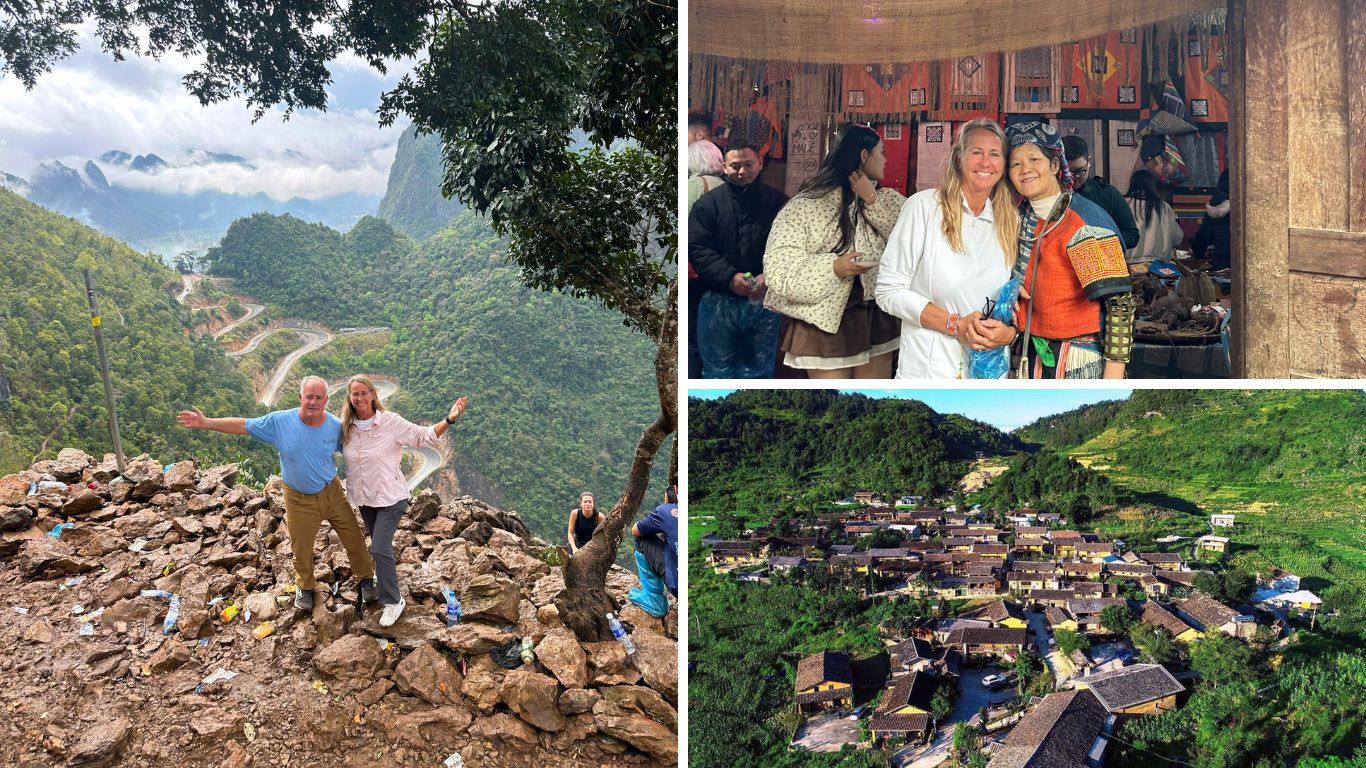
Most travellers know Ha Giang for its motorbike loop. But a parallel Ha Giang exists at walking pace, in deep ravines and limestone village paths no motorbike can reach. Trekking in Ha Giang takes you into landscapes so extraordinary that the Dong Van Karst Plateau earned UNESCO Global Geopark status in 2010. Bare limestone peaks, buckwheat fields flowering purple in October, and the sheer drop of the Nho Que River gorge are sights that stay with you long after you leave.
What makes Ha Giang different from every other trekking region
Ha Giang sits at Vietnam’s extreme northern edge, bordering China. Instead of forested mountain slopes, you walk through a high plateau of eroded limestone karst where the rock itself is the main character. Villages appear in the valleys between these formations, their existence feeling almost defiant against the geological drama surrounding them. The altitude, remoteness, and scale create a trekking atmosphere that is genuinely rare. Our full Ha Giang travel guide covers the logistics from every angle.
Trekking in Dong Van, Meo Vac, and the Ma Pi Leng corridor
The core of Ha Giang trekking runs between Dong Van town and Meo Vac. It follows the ridge above Ma Pi Leng Pass and descends into the Nho Que River gorge below. Walking sections of this on foot, rather than riding past on a motorbike, gives you a completely different level of detail. Lung Cu Flag Tower, near the Chinese border, makes a powerful side trek from Dong Van. It stands at the northernmost point of Vietnam, at over 1,400 metres. For route planning, our Ha Giang loop guide maps out exactly where trekking detours work best.
Encounters with Lo Lo, H’mong, and Pu Peo communities
Ha Giang is home to some of Vietnam’s most extraordinary ethnic communities. The Lo Lo people are concentrated around Lung Cu and Meo Vac, known for their copper drums and matrilineal social structures. The Pu Peo are even rarer, with fewer than 700 people remaining in just a handful of Dong Van villages. The H’mong around Dong Van’s old quarter have maintained a distinctive culture shaped by centuries on this harsh plateau. Walking through these communities with a knowledgeable guide is not sightseeing. It is, in fact, a genuine privilege. The Quan Ba Double Mountain area is also worth building into your route for its dramatic scenery and Dao village access.
How to combine trekking with the Ha Giang motorbike loop
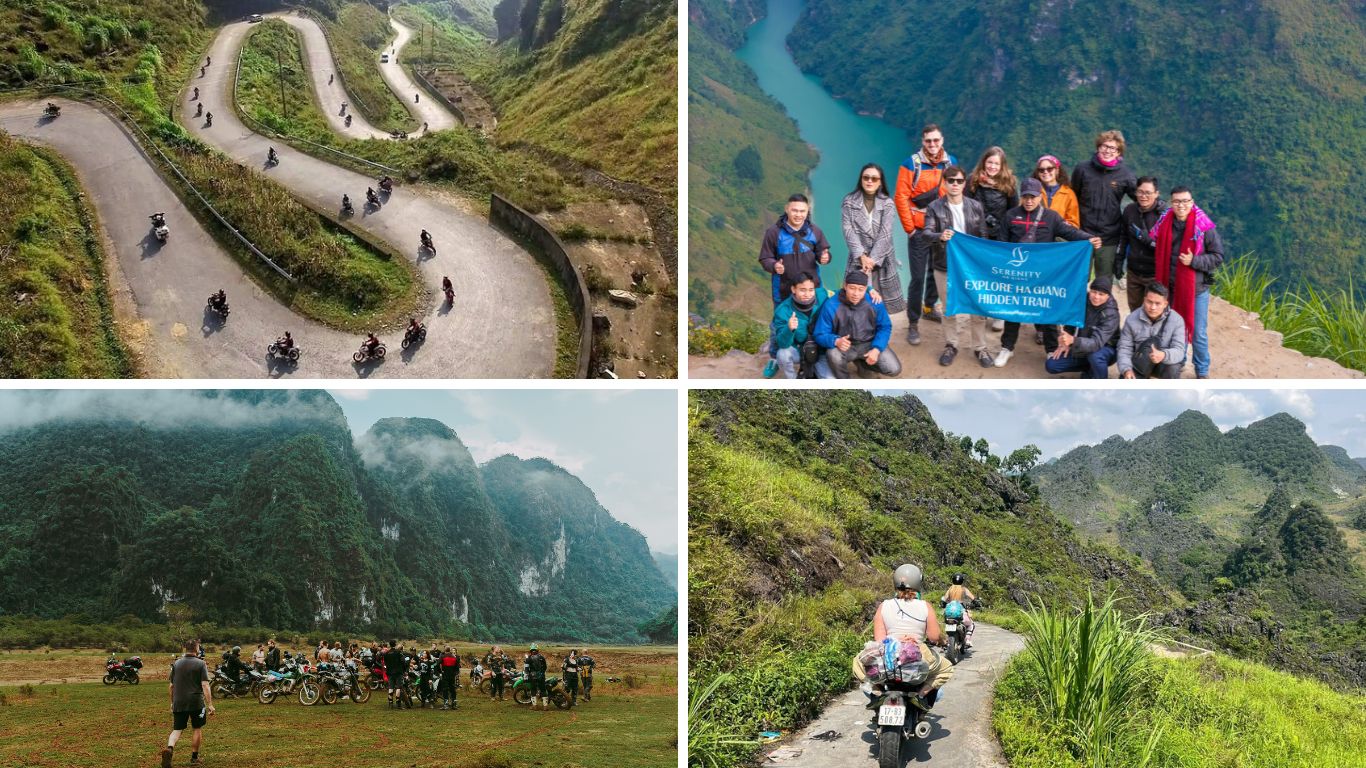
Most Ha Giang visitors ride the loop over three to four days, rarely stopping for more than photographs. Adding one or two trekking detours changes the experience entirely. The best approach is to leave your vehicle at a specific village and spend two to four hours on foot. You reach hamlets and viewpoints the road does not touch, then return and continue. Dong Van to Lo Lo Chai village is a particularly rewarding half-day walk. Our team can build a custom itinerary blending riding and walking based on your pace. Check the Ha Giang weather guide before finalising your dates.
Is Ha Giang trekking right for you?
Ha Giang suits adventurous, independent travellers comfortable with remote conditions and limited English signage. It is not the right choice if you have only two or three days, or if you need reliable comforts at day’s end. However, for those seeking genuinely frontier-level adventure, it is simply the most extraordinary trekking region in the country. Our Cao Bang or Ha Giang guide and three-way comparison help you think it through further.
Thinking about Ha Giang? Our team runs a 5-day Ha Giang trekking tour with private transfers, licensed local guides, and village guesthouse stays. Get in touch at vietnam@indochinavoyages.com to start planning.
Pu Luong Trek: Easy Trekking with Stunning Valley Scenery
Pu Luong is the destination that consistently surprises people the most. Located in Thanh Hoa province, roughly three to four hours south of Hanoi, Pu Luong Nature Reserve sits in a wide, gently sloping valley. Trails run flat between paddy fields, bamboo groves, and wooden stilt-house villages. It is close enough for a long weekend yet remote enough to feel genuinely off the tourist trail. If anyone has told you that trekking in Northern Vietnam requires serious fitness, Pu Luong exists to disprove that entirely.
Walking through rice terraces, water wheels, and stilt-house villages
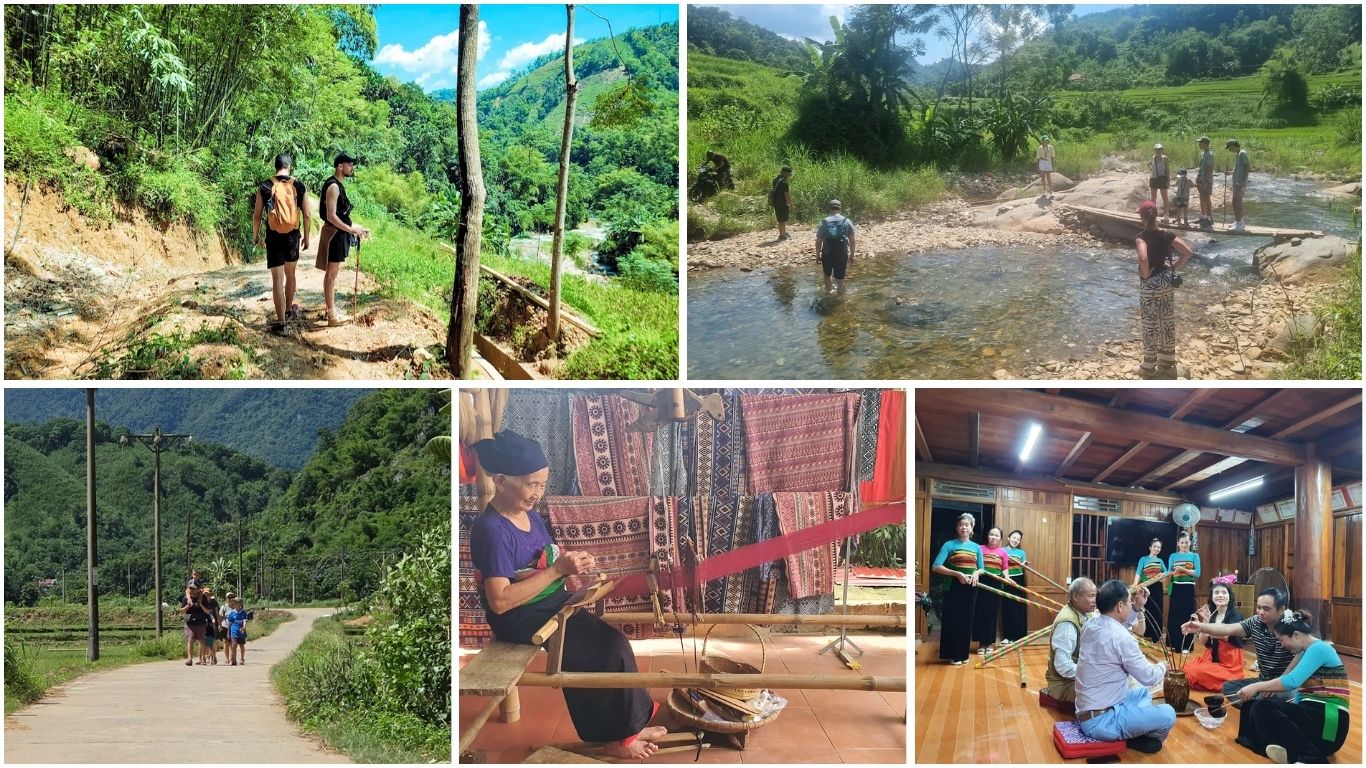
Paths in Pu Luong weave between working rice fields and cross small streams on bamboo footbridges. They pass directly through village centres where children play, and elders sit in doorways. Traditional wooden water wheels, some several metres in diameter, spin slowly in the irrigation channels. The combination of flat terrain, constant visual interest, and genuine village access makes Pu Luong one of the most enjoyable trekking experiences in Vietnam. Our Pu Luong tour and things to do guide covers it in full detail.
Staying with Black Thai and Muong families
The dominant ethnic group in Pu Luong is the Black Thai, known locally as Thai Den. Their stilt-house architecture, hand-woven textiles, and distinctive cuisine are central to the valley’s character. Homes are built on wooden piles above the paddy fields, with open lower floors used for storage. Muong communities live in the forested higher slopes around Pu Luong peak, with traditions centred around forest resources and medicinal plants. A genuine family homestay here, eating grilled fish, sticky rice, and wild vegetables prepared by your hosts, is often what travellers remember most.
Short treks suitable for families, beginners, and older travellers
Pu Luong’s biggest practical advantage is that the terrain requires no prior trekking experience. Main village-to-village routes cover five to twelve kilometres on largely flat ground. They are suitable for children comfortable with a long walk and for older travellers wanting scenic reward without physical strain. Most visitors spend two nights here, using each day for a different valley trail. This makes it an ideal pairing with Hanoi or Ninh Binh on a longer Vietnam itinerary. For timing, our best time to visit Pu Luong guide is worth reading before you book.
Is Pu Luong the right trek for you?
Pu Luong is an excellent choice for first-time trekkers, families, and those wanting a shorter escape from Hanoi. It is also smart if you are debating between Pu Luong and a more challenging destination, but are uncertain about fitness. Our Sapa or Pu Luong comparison breaks down the differences clearly. For itinerary options, take a look at our 3-day Pu Luong tour or the broader 7-day Northwest Vietnam adventure.
Fansipan Trek: Conquer the Roof of Indochina
Standing at 3,143 metres, Fansipan is the highest peak in Vietnam, Laos, and Cambodia combined. That title carries real weight for peak-baggers and adventure seekers. The mountain rises dramatically above Sapa town, visible on clear mornings from the main street. Getting to the top means either earning it on foot or riding the Sun World cable car. That choice shapes the entire experience.
What to expect on a Fansipan expedition
The trekking route begins at Tram Ton Pass, the highest road pass in Vietnam. It climbs through rhododendron forests, rocky ridgelines, and moss-covered cloud forest. The ascent gains roughly 1,400 metres of elevation from the trailhead and involves scrambling sections near the summit. Weather changes fast at altitude. Even in dry season, clouds can descend within the hour, dropping temperatures close to freezing. A summit sunrise on a clear morning is one of the great Vietnam experiences.
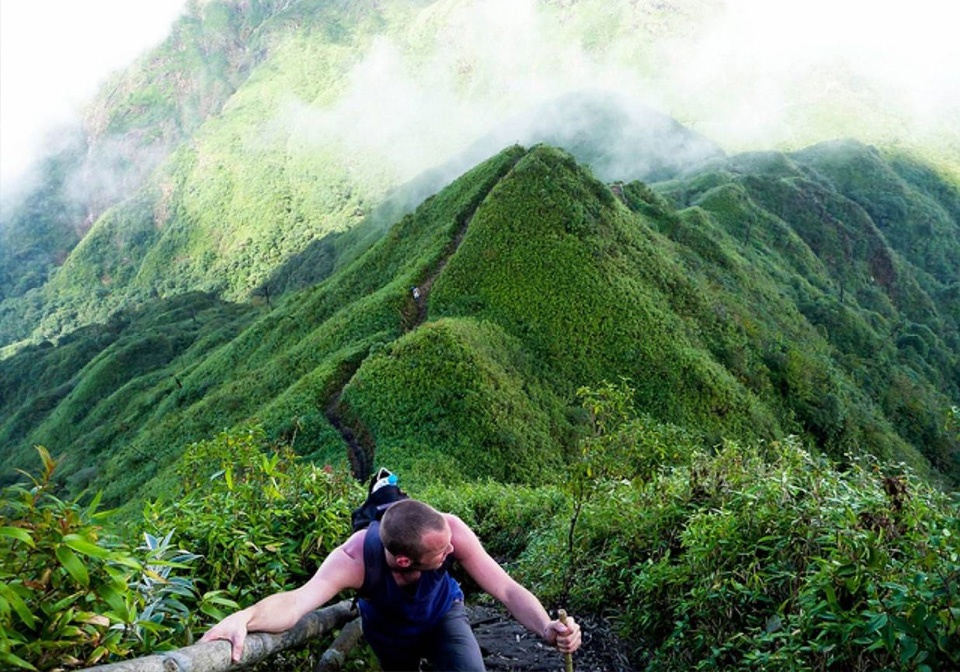
One-day versus multi-day climb: which is worth it?
A one-day push is physically possible but genuinely demanding. It requires a pre-dawn start and eight to ten hours of walking. As a result, it leaves little time to absorb the environment. The two-day option allows a camp near the summit and a sunrise that, on clear mornings, is unforgettable. The three-day itinerary is the most rewarding: slower pace, better acclimatisation, and more time to notice the change in vegetation zones. For first-time Fansipan trekkers, two days is the sweet spot. All routes require a licensed guide and a trekking permit, arranged in advance.
How to prepare: fitness, gear, and permits
Fansipan is not a technical climb, but it is a serious physical undertaking. Cardiovascular fitness matters more than upper-body strength. Training on stairs or regular hill walks for four to six weeks beforehand is strongly recommended. Essential gear includes waterproof layers, thermal base layers, trekking poles for the descent, and proper boots with ankle support. Solo trekking is not permitted. A guide and permit are mandatory for all routes.
Is Fansipan worth the effort?
For challenge-seekers wanting a serious mountain experience, the multi-day trek is absolutely worth it. The sense of achievement at the summit, combined with days of changing highland scenery, makes it one of Vietnam’s most distinctive experiences. For travellers wanting to stand on the Roof of Indochina without a multi-day commitment, the cable car is efficient, and the views are genuine. Our team can arrange permits, licensed guides, and overnight setups as part of a broader Sapa tour package.
Cao Bang Trekking: Hidden Trails and Natural Wonders
Cao Bang answers a question most travellers do not think to ask until after Sapa and Ha Giang: is there anywhere in Northern Vietnam that still feels completely undiscovered? The answer is yes. Located seven to eight hours from Hanoi, this mountainous border province sits within the Non Nuoc Cao Bang UNESCO Global Geopark, covering nearly 3,000 square kilometres of karst mountains, ancient forests, and river valleys. Most foreign visitors never reach it. That, in itself, is reason enough to go.
Why Cao Bang is still one of Vietnam’s least-visited trekking regions
Distance is the moat that protects Cao Bang from crowds. There is no overnight train, no direct tourist bus, and no well-worn backpacker trail. Getting here requires a private car, a rented motorbike, or a local sleeper bus. Each option filters out casual visitors and attracts the kind of traveller who specifically wants to go somewhere most people do not. Once you arrive, the landscapes around every corner justify the journey. Our Cao Bang travel guide walks through the logistics from start to finish.
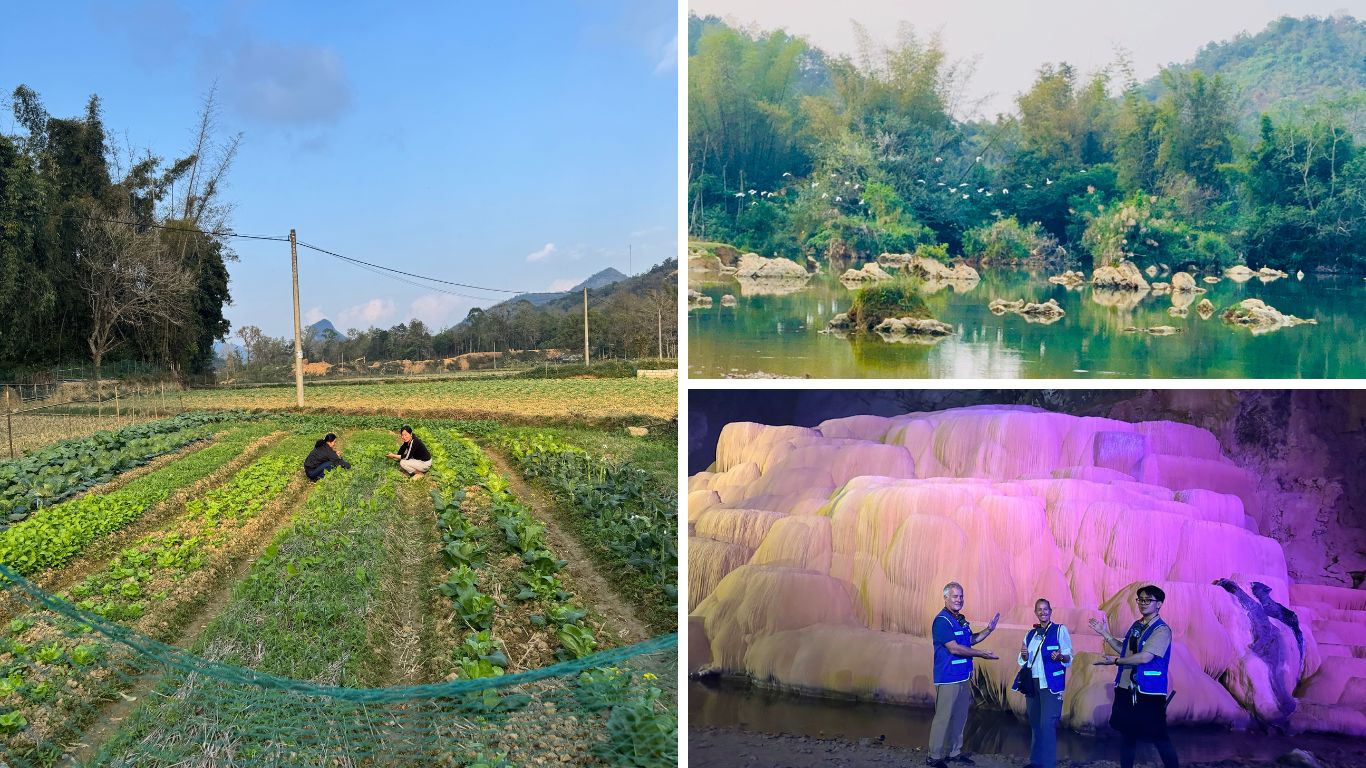
Trekking near Ban Gioc Waterfall and Nguom Ngao Cave
Ban Gioc is the most powerful waterfall in Vietnam. It tumbles in three broad tiers across the border river between Vietnam and China. Walking trails around it connect to forested limestone hills, river viewpoints, and the vast chamber system of Nguom Ngao Cave. A well-planned two-day circuit from the Trung Khanh district combines the waterfall, the cave, and village paths through the surrounding countryside. You get natural spectacle and human scale in equal measure. Our Northeast Vietnam Explorer 7-day tour and 6-day Northeast Vietnam Adventure both include this region in a wider circuit.
Exploring remote valleys with the Tay and Nung communities
The Tay and Nung are the two largest ethnic groups in Cao Bang. Their presence shapes everything from the architecture to the food. Tay stilt houses are among the most elegant in Vietnam, built from hardwood with wide verandahs overlooking paddy fields. Tay cuisine, particularly river fish grilled in bamboo, is genuinely distinctive. Nung communities, closely related to the Tay, are known for their indigo-dyed cotton and highland horse markets. Walking through their villages reveals a cultural world entirely different from the Hmong and Dao communities of the northwest.
Who is Cao Bang trekking best suited for?
Cao Bang suits travellers who have seen Sapa, possibly Ha Giang, and are ready for something with almost no tourist infrastructure but extraordinary natural rewards. It fits independent-minded travellers, nature lovers drawn to the waterfall and cave landscapes, and those wanting a story most travellers cannot tell. A private car or rental vehicle is essentially required. Our team handles all the logistics so they do not get in the way of the experience. Reach us at vietnam@indochinavoyages.com or visit Vietnam Travels Online to start planning.
Bac Ha Trek: A Quieter Alternative to Sapa
Bac Ha sits at a lower elevation than Sapa, around 900 metres. Temperatures are warmer, fog is less frequent, and the landscape rolls in green hills rather than dramatic ridgelines. It is best known for its Sunday market, the largest hill tribe market in Northern Vietnam. However, the trek through Flower Hmong villages and terraced valleys is genuinely underrated. It sees a fraction of the footfall that Sapa attracts on any given weekend, making it a rewarding choice for travellers who want cultural depth alongside their trail time.
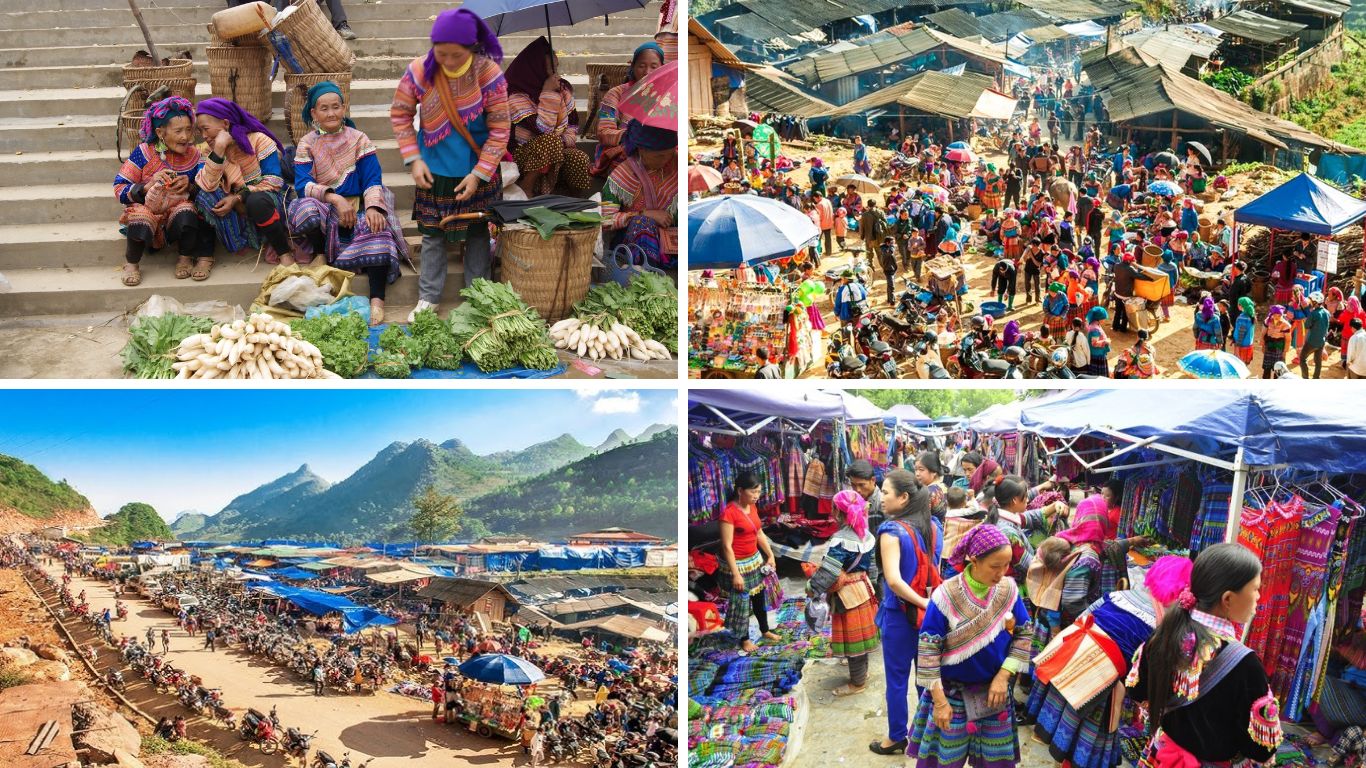
Trekking through Flower Hmong villages and terraced valleys
The Flower Hmong, known as H’mong Hoa, are among the most visually striking communities in Vietnam. Their traditional dress involves layers of brilliantly coloured embroidery, immediately recognisable and entirely distinct from the deep indigo clothing of the Black Hmong in Sapa. Walking through villages around Ban Pho and the slopes toward Lung Phin, you pass through a landscape where people and environment feel equally vibrant. Furthermore, harvest season brings terraced fields in full colour alongside trails that are rarely crowded even in peak months.
Local markets and cultural encounters
The Bac Ha market on Sunday mornings is the cultural centrepiece of any visit. It is a colourful gathering where Flower Hmong women trade embroidered goods alongside livestock, medicinal herbs, and locally distilled corn wine. The Can Cau market, smaller and less touristy, takes place on Saturdays north of town. It attracts mostly local Hmong and Nung traders with barely a foreign face in sight. Building a trekking day around one of these markets gives your visit a social anchor that purely trail-focused itineraries tend to miss.
Is Bac Ha the right off-the-beaten-path choice for you?
Bac Ha works beautifully as a one or two-day extension from Sapa, accessible by road in around two hours. It suits cultural enthusiasts, market lovers, and trekkers wanting a lighter day on the trails. It is not the right standalone destination if dramatic mountain scenery is your main motivation. However, combined with Sapa or as part of a broader northwest loop, it adds cultural depth that most itineraries miss. Our team regularly builds Bac Ha into multi-day northern Vietnam itineraries. Visit vietnamtravelsonline.com to see current tour options.
Which Northern Vietnam Trekking Route Is Best for You?
By now, you have a feel for each destination. This section brings everything together, matching trekking profiles to the routes that genuinely suit them. Use it to make your decision with confidence rather than overwhelm.
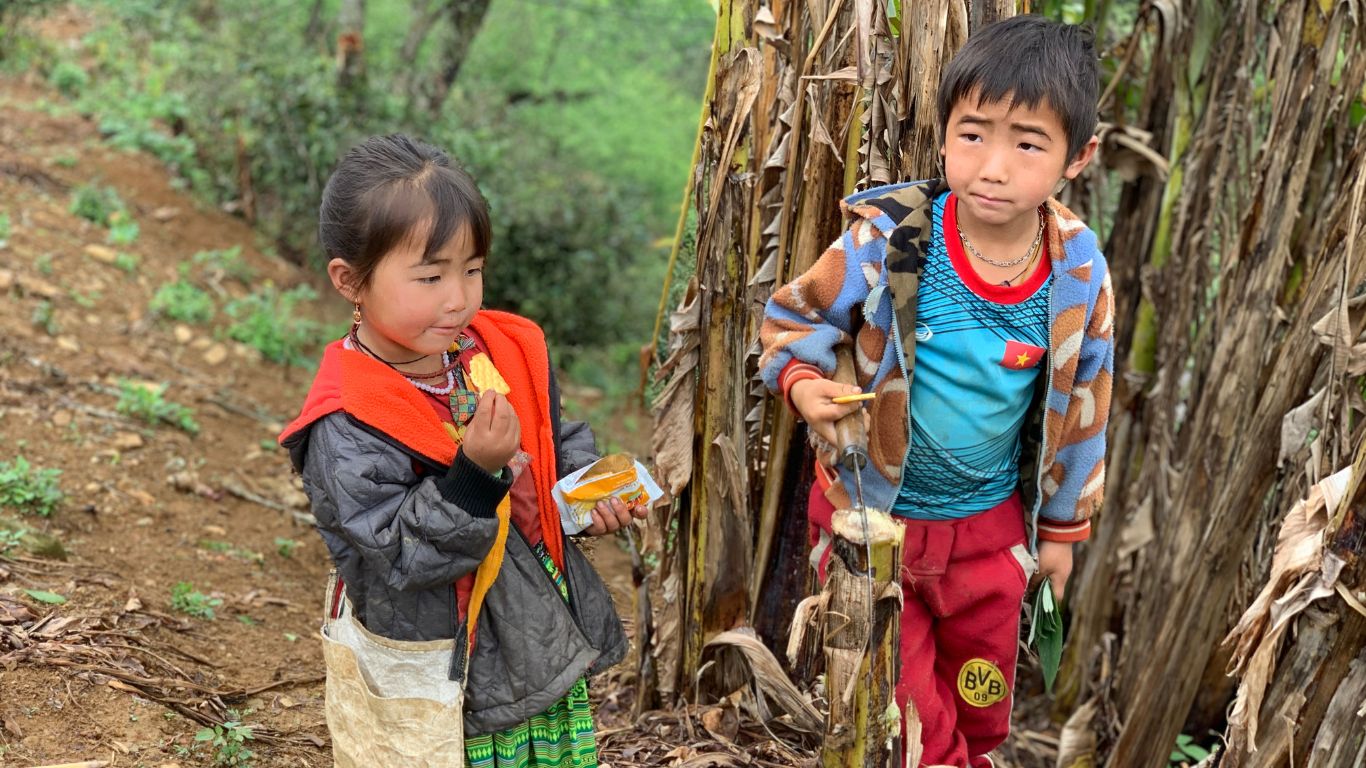
Best for beginners and families
Pu Luong is the clear first choice. Flat terrain, short daily distances, and family homestay culture make it accessible to almost anyone, including children and older travellers. Sapa is the second option, with better infrastructure and more guided tours available. However, trails are hillier and the town more crowded. Our Sapa or Pu Luong comparison works through that decision directly.
Best for photographers and rice terrace landscapes
Hoang Su Phi in late September or October is, without serious competition, the finest rice terrace photography destination in Vietnam. The scale, the ridgeline compositions, and the near-total absence of tourist infrastructure combine to produce images that look genuinely different from Sapa shots. Sapa is more accessible and still beautiful, particularly in early morning light. For a photographer willing to invest extra travel time, however, Hoang Su Phi is worth every hour.
Best for experienced trekkers and peak-baggers
Fansipan for the summit challenge, Ha Giang for frontier wilderness. They differ in character: Fansipan is a single mountain objective with a defined start and finish, while Ha Giang is an entire region to explore over multiple days. If you want both in one trip, our 7-day Northwest Vietnam adventure builds a circuit visiting both alongside other highlights.
Best for cultural immersion
Ha Giang edges ahead here, with its extraordinary concentration of rare ethnic communities, including Lo Lo, Pu Peo, and H’mong peoples. Bac Ha is the specialist pick for market culture and Flower Hmong encounters. Hoang Su Phi rounds out the top three with its La Chi terrace-farming traditions. All three reward slow travel and a knowledgeable local guide far more than self-guided exploration.
Best for avoiding crowds
Cao Bang and Ha Giang share the top of this ranking. Both require effort to reach, and neither has the infrastructure that draws large groups. Cao Bang, in particular, feels almost undiscovered by international standards. Hoang Su Phi is similarly quiet outside of the October harvest rush. In contrast, Sapa and Fansipan during Vietnamese public holidays can feel overwhelmingly busy.
Best if you only have 2 to 3 days from Hanoi
Pu Luong or Sapa. Both are reachable from Hanoi on an overnight train or sleeper bus, meaning you do not lose a full travel day in each direction. Pu Luong is closer; Sapa is more dramatic in mountain scenery. Ha Giang and Cao Bang, on the other hand, need five or more days to experience properly. Our train or sleeping bus to Sapa guide helps sort out that first logistical decision.
Recommended Northern Vietnam Trekking Itineraries
Choosing a destination is one thing. Building an itinerary that uses your time well is another. The following four routes give you a realistic sense of how each region plays out day by day. Each can be tailored by our team depending on your pace, interests, and travel dates.
3-day Sapa rice terrace trail
Day 1: Depart Hanoi by overnight train. Arrive in Sapa early morning, settle in, and take a short orientation walk around the valley rim.
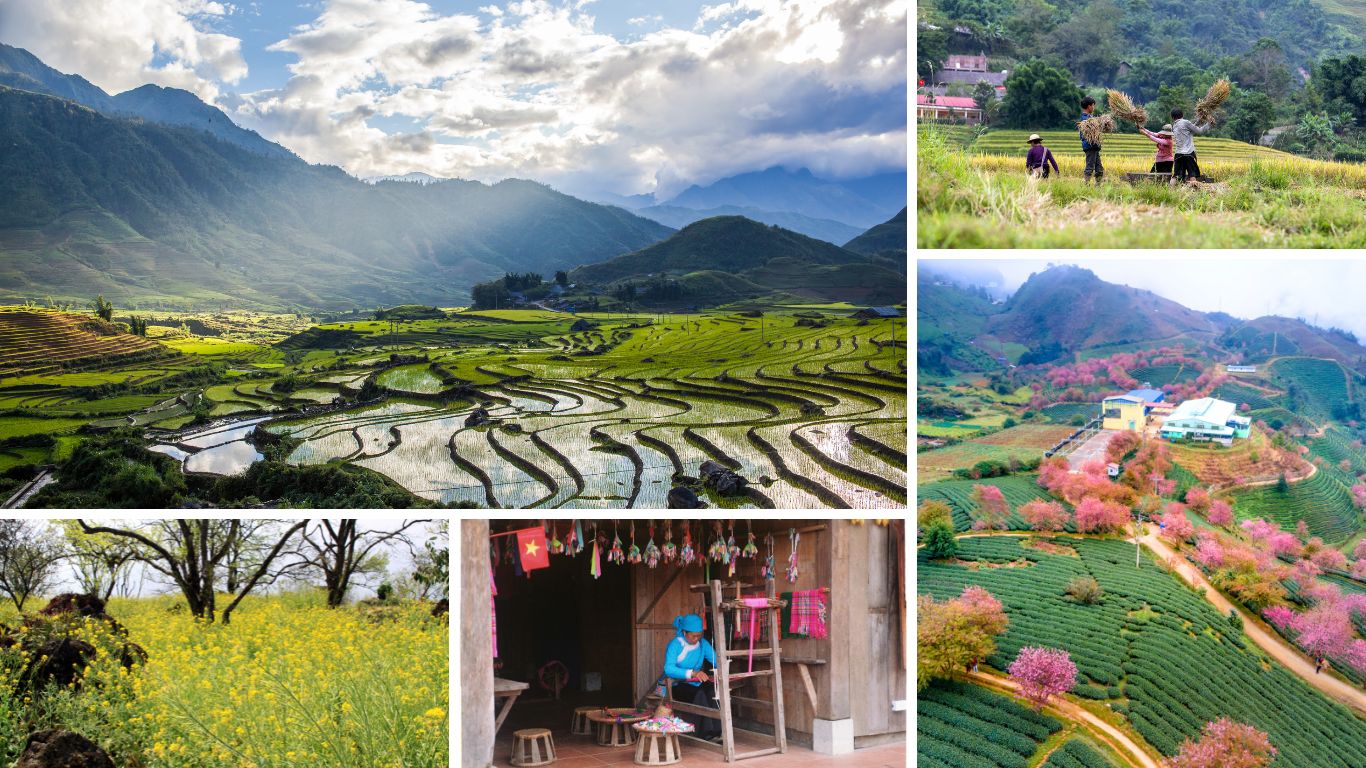
Day 2: Full-day guided trek along the Lao Chai to Ta Van route through the Muong Hoa Valley. Walk through Black Hmong villages and arrive in Ta Van for a family homestay overnight.
Day 3: Morning walk to Ta Phin for a Red Dao village visit. Transfer back to Sapa for the afternoon train to Hanoi.
This itinerary is best in September to November for terrace colour. See the full 3-day Sapa tour for booking details.
4-day Hoang Su Phi: venture into remote mountain communities
Day 1: Private car transfer from Hanoi to Ha Giang city. Overnight in Ha Giang.
Day 2: Continue to Hoang Su Phi town. Afternoon introductory walk through Nao Tha commune with a La Chi guide. Overnight homestay.
Day 3: Full trekking day through Thong Nguyen terraces, visiting Dao and Tay villages en route. Second homestay night.
Day 4: Morning walk, then return to Hanoi by private car. Optional stop at the Bac Ha Sunday market if timing aligns.
Private transfer is strongly recommended for this route. There is no direct tourist transport, which is precisely what keeps the region so authentic.
5-day Ha Giang loop with trekking detours
Day 1: Hanoi to Ha Giang city by private car or overnight sleeper bus.
Day 2: Ha Giang to Quan Ba. Short Dao village walk and Quan Ba Double Mountain viewpoint stop.
Day 3: Dong Van old quarter walking tour and half-day trek to Lo Lo Chai village. Overnight with a Lo Lo family.
Day 4: Ma Pi Leng gorge walk above the Nho Que River to Meo Vac. This stretch is the trekking highlight of the entire loop.
Day 5: Meo Vac to Hanoi via Bao Lac and the southern return road. Book the full 5-day Ha Giang trekking tour through our team.
10-day Northern Vietnam ultimate trekking adventure
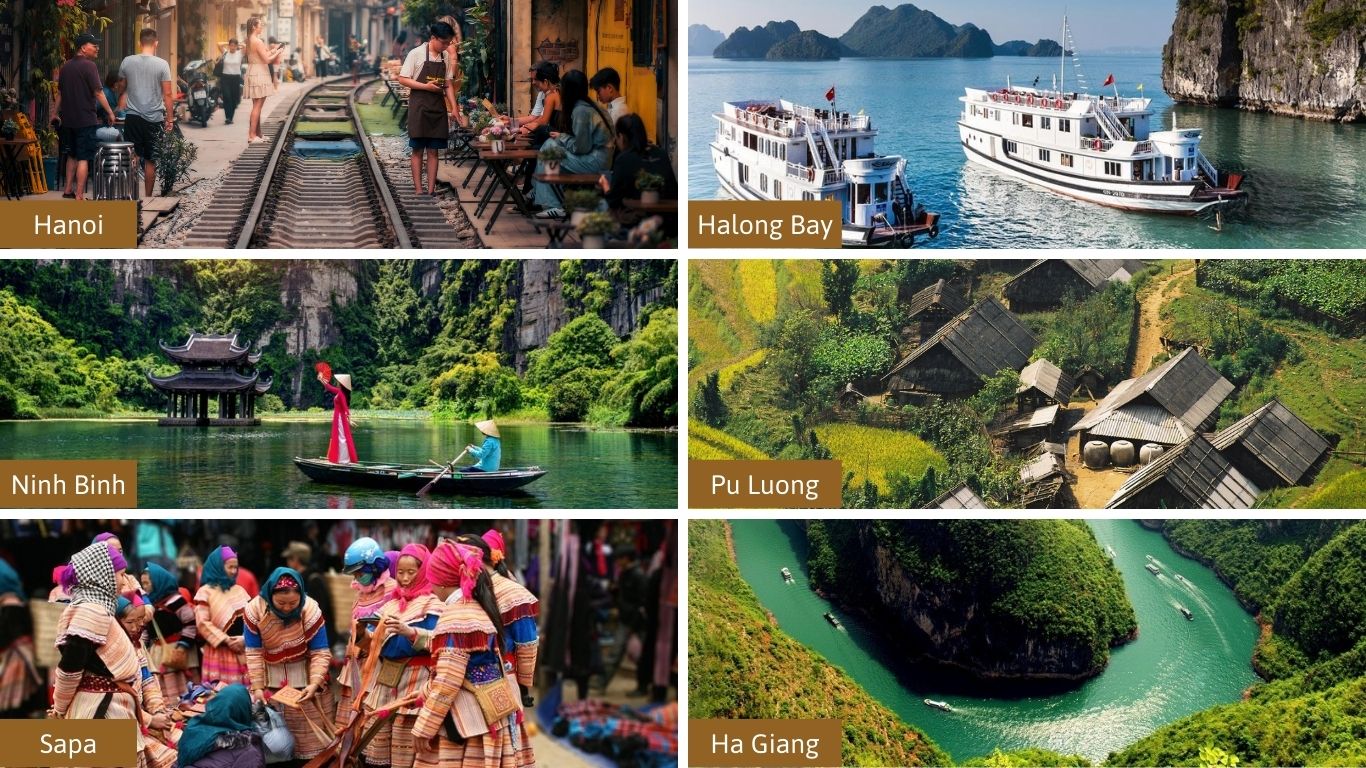
This is the full circuit for travellers wanting to experience the breadth of the best trekking routes in Northern Vietnam in one trip, combining three major regions without rushing any of them.
Days 1 to 3: Hanoi to Sapa by overnight train. Muong Hoa Valley and Ta Phin trekking, Ta Van homestay overnight.
Days 4 to 6: Private transfer to Hoang Su Phi via Ha Giang city. Two full trekking days through La Chi and Dao villages.
Days 7 to 9: Continue north into Ha Giang. Dong Van, Lo Lo Chai village trek, and Ma Pi Leng gorge walk to Meo Vac.
Day 10: Return to Hanoi by private car, arriving in the evening.
This route works best with a private vehicle and a guide who knows all three regions. Our 7-day Northwest Vietnam is a condensed version if ten days are not available.
Ready to book your Northern Vietnam trekking adventure? Whether it is one region or all three, our team at Indochina Voyages handles private transfers, licensed local guides, homestay bookings, and custom itinerary design. Start the conversation at vietnam@indochinavoyages.com or browse current tours at vietnamtravelsonline.com
Practical Tips for Trekking in Northern Vietnam
What to pack for a multi-day trek
Northern Vietnam’s mountains are famous for temperature swings. A day starting at 8°C in the valley can climb to 24°C by midday on an exposed ridge, then drop again fast after sunset. A proper layering system covers every scenario without overloading your pack. Leech socks are worth every gram from June through September. Trekking poles are genuinely useful on steep descents, particularly after rain.
Other essentials specific to this region:
- Headtorch for early morning starts and power cuts in village homestays
- Cash in small denominations, as ATMs are scarce outside Sapa and Ha Giang city
- Sunscreen and lip balm for high-altitude UV exposure, even on overcast days
- Small gifts for homestay families, as local snacks or fresh fruit work better than money for children
Do you need a local guide, and how to hire one responsibly
On Fansipan, a licensed guide and trekking permit are legally required. In Ha Giang and Cao Bang, a guide is not mandatory for most routes but is strongly recommended. Trail markings are inconsistent, and the best cultural encounters happen because your guide opens the door. In Sapa and Pu Luong, a guide adds enormous value even on well-trodden routes. When hiring, look for ethnic minority guides native to the region. The economic benefit flows directly into the communities you are visiting, and our team works exclusively with local guides in each area.
Homestay etiquette: how to be a respectful guest
Most homestay protocols are intuitive once you know them. Remove your shoes before entering the main living area. Accept food when offered, even if the dish is unfamiliar. Ask before photographing anyone, particularly elders and children. Bring a small gift for the household. Do not hand money directly to children, as it creates problematic dynamics in communities that receive many visitors. Follow the household’s sleep schedule, as most families rise before 5 am and retire early.
Getting between trekking regions: transport options and realistic times
- Hanoi to Sapa: Overnight train is the best option. It is comfortable, scenic, and arrives in the morning with your energy intact. Our train or sleeping bus to Sapa guide covers the full comparison.
- Sapa to Hoang Su Phi: No direct public transport exists. A private car through Ha Giang city takes around five to six hours and is the recommended approach.
- Hanoi to Ha Giang: Overnight sleeper bus is comfortable and affordable. A private car is faster and more flexible for combining trekking with sightseeing stops.
- Hanoi to Cao Bang: A private car or rental vehicle is the practical option. No tourist transport serves this route, which is part of its appeal.
- Pu Luong from Hanoi: Three to four hours by private car. It is the most convenient trekking destination in the entire north for a short break.
FAQs
Is trekking in Northern Vietnam suitable for beginners?
Absolutely, provided you pick the right route. Pu Luong and the Sapa valley walks need no prior experience. Ha Giang and Fansipan suit those who have done some preparation.
What is the best month for trekking in Northern Vietnam?
September to November is the prime window, with golden harvest terraces and clear skies. March to May is the second-best period. June to August brings heavy rain; December to February is cold and often foggy, particularly around Sapa and Ha Giang.
How many days should I spend trekking in Northern Vietnam?
A minimum of three days for a single region done properly. Seven to ten days if you want to combine two or more destinations without rushing. Ha Giang, in particular, should never be squeezed into less than five days.
Which trekking route has the best rice terraces?
Hoang Su Phi for scale, drama, and photographic impact. Sapa for accessibility. Both peak in September and October during harvest season.
Can I combine multiple trekking destinations in one trip?
Yes, and it is highly recommended if you have the time. The most popular circuit links Sapa, Hoang Su Phi, and Ha Giang in a ten-day loop. Pu Luong pairs naturally with a Ninh Binh extension further south.
Is Northern Vietnam trekking safe for solo female travellers?
Generally yes. Vietnam is one of Southeast Asia’s safest countries for independent travel. For remote regions like Ha Giang and Cao Bang, booking a local guide adds both safety and a richer experience overall.