

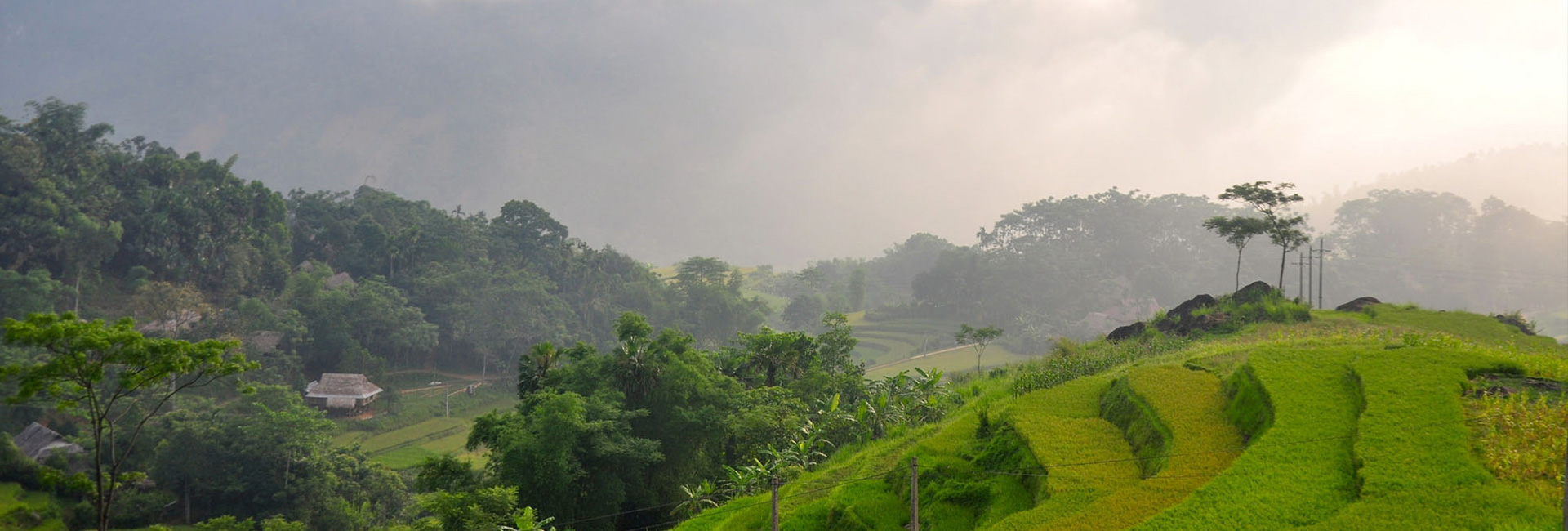
Tucked into the limestone hills of Thanh Hoa Province, Pu Luong is the kind of place that slows you down in the best way. Sapa gets the headlines, but Pu Luong has quietly become Northern Vietnam’s top slow travel destination. Visitors come for something more genuine: rice terraces without the crowds, trekking trails through living villages, and nights quiet enough to hear the river below.
What makes Pu Luong stand out in 2026 goes beyond the scenery. The valley offers community-based tourism rooted in Muong and Thai minority culture, eco-lodges built to blend into the landscape, and a pace of travel that feels genuinely restorative. Planning a 3-day escape or a fuller 4-day journey through Mai Chau and Ninh Binh? This guide covers everything you need for a Pu Luong tour worth every moment.
Pu Luong at a Glance
| Best Time to Visit | May to June and September to October |
| Ideal Duration | 3 to 4 days |
| Getting There | Limousine shuttle from Hanoi, around 4 to 4.5 hours |
| Best For | Slow travel, eco-trekking, cultural immersion, digital detox |
| Top Vibe | Untouched nature, rice terraces, and minority village life |
| Connectivity | Good Wi-Fi at eco-lodges; expect 4G to drop on the trails |
Why Pu Luong in 2026?
Pu Luong has always been beautiful, but it has never been more relevant. Trail infrastructure inside the nature reserve has improved significantly. Eco-lodges now offer far more than just a bed. And the valley has earned a strong reputation for mindful trekking and digital detox travel. Still choosing between heading north or southwest? Our Sapa vs Pu Luong guide can help you decide.
Unlike Sapa, Pu Luong has kept its authenticity intact. The villages still feel like villages. Farmers still work the terraces by hand. And when you sit on an eco-lodge porch at dusk watching mist roll into the valley, there are no souvenir stalls in sight. That is the Pu Luong difference, and it is exactly why slow travellers keep returning.
Getting to Pu Luong
From Hanoi by Limousine Shuttle
The most comfortable way to reach Pu Luong is by luxury limousine shuttle from Hanoi. The journey takes around 4 to 4.5 hours, depending on traffic. These modern shuttles depart from central Hanoi, typically near the Old Quarter, and deliver a smooth, air-conditioned ride that bears no resemblance to the old minibus experience. Travelling as a group? A private transfer gives you full flexibility to stop wherever the road tempts you.
💡Traveler Tip: Eco-lodges and homestays across Pu Luong offer solid Wi-Fi. But once you head out onto the trails and deeper into the valleys, 4G and 5G signals disappear entirely. Honestly, that is part of the charm. Pu Luong is one of the rare places where a digital detox happens naturally, not by effort.
Things To Do in Pu Luong
Pu Luong is not a destination you rush through. Every corner of the valley offers something worth slowing down for: ancient caves, cascading waterfalls, cultural encounters, and open skies that remind you just how many stars exist. Here is everything worth putting on your list.
Trekking the Eco-Trails
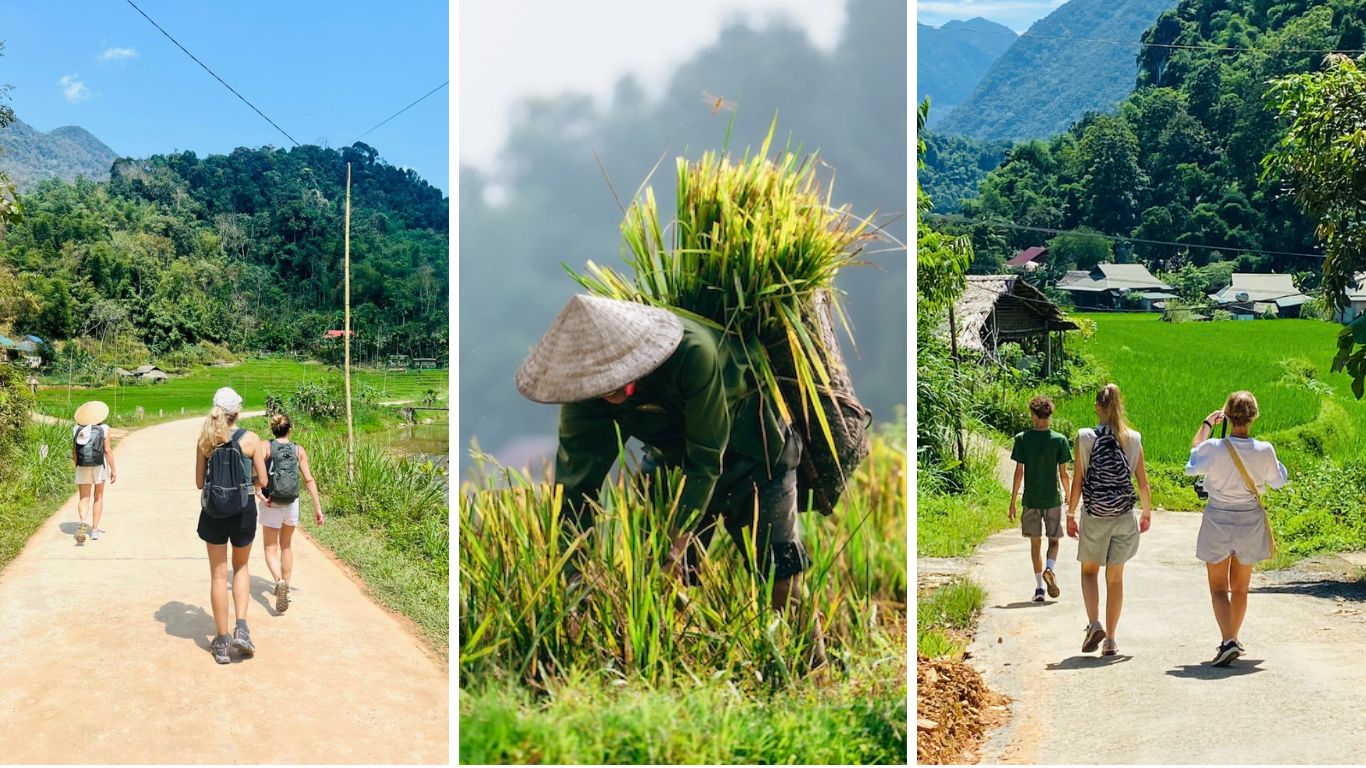
Trekking is the heartbeat of any Pu Luong tour, and the trail network has never been in better shape. Paths are now clearly marked, making both guided and self-guided routes far more accessible than before. Popular options include the descent from Pu Luong Retreat down to Don Village, roughly 5 kilometres of paddy views and forested hillside, and the climb toward Bam Village, where terraced fields unfold beneath you in layers.
For a bigger challenge, the Pu Luong Peak summit at 1,700 metres takes a full day and suits those who want to camp overnight at the top. Most visitors find that a 5 to 10 kilometre day trek through the villages and valleys hits the perfect balance. A local guide adds real value here, both for navigation and for the stories behind what you see.
Kho Muong Bat Cave
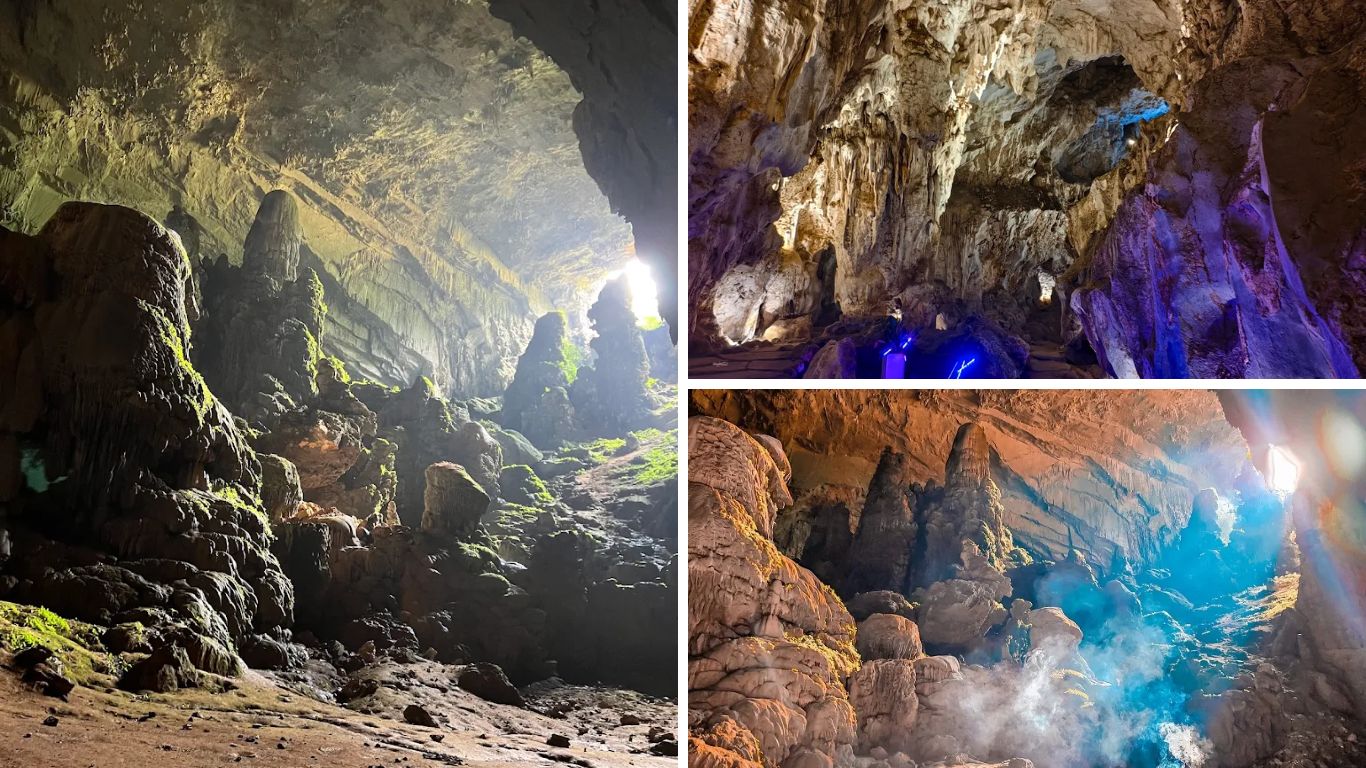
Kho Muong Bat Cave sits within the nature reserve and delivers one of Pu Luong’s most dramatic natural experiences. Step inside and you find extraordinary stalactite formations and the sound of thousands of roosting bats overhead. It feels genuinely wild. Before you visit, pack closed-toe, non-slip footwear. The entrance now requires it, and helmets are provided on-site to meet conservation and safety guidelines introduced to protect the cave environment.
Village Visits
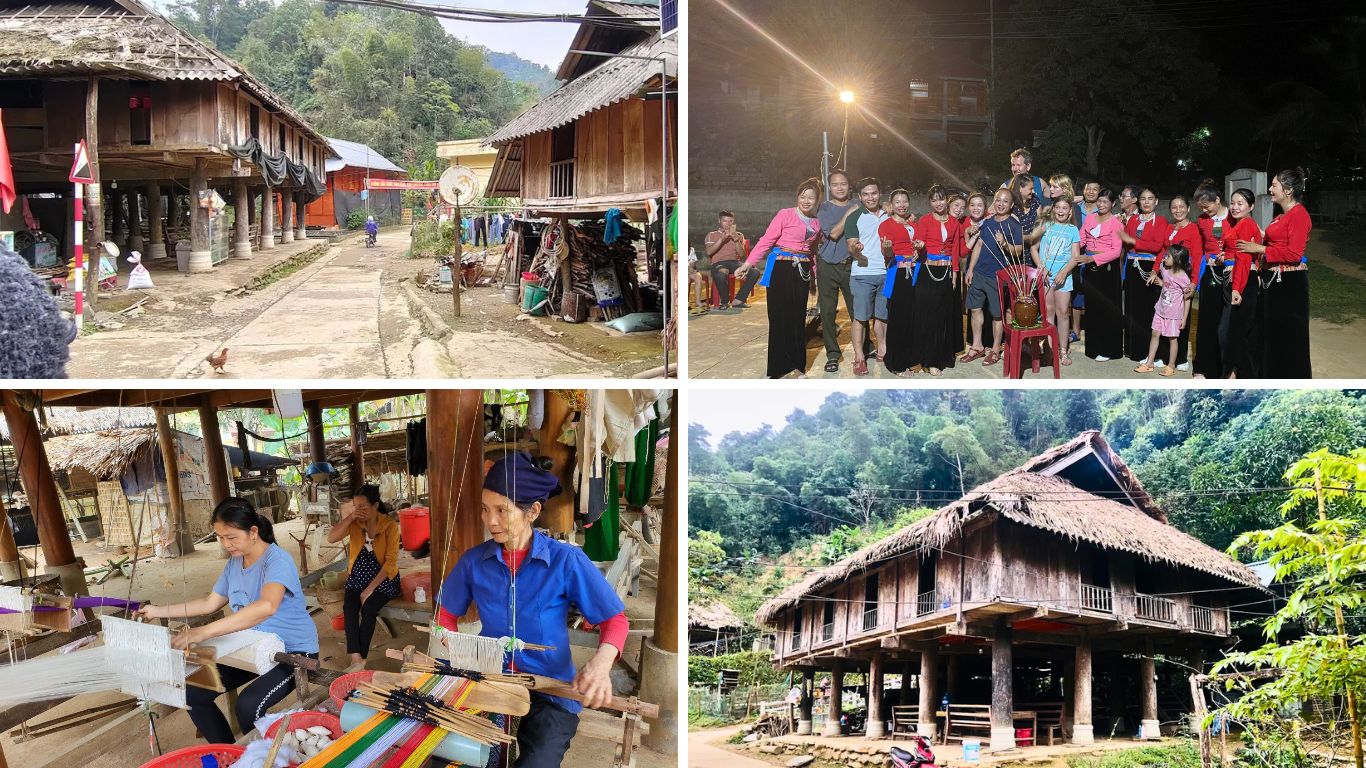
Some of the most memorable moments in Pu Luong happen not on the trails but inside the villages. Muong Kho, Don Village, Ban Hieu and Son Ba Muoi each carry their own rhythm and character. Walk through these communities and daily life unfolds around you: women weaving in doorways, children chasing each other down the lanes, and elders gathered in the shade of wooden stilt houses. This is community-based tourism in Thanh Hoa at its most genuine. Take your time with it.
Waterfall Hopping
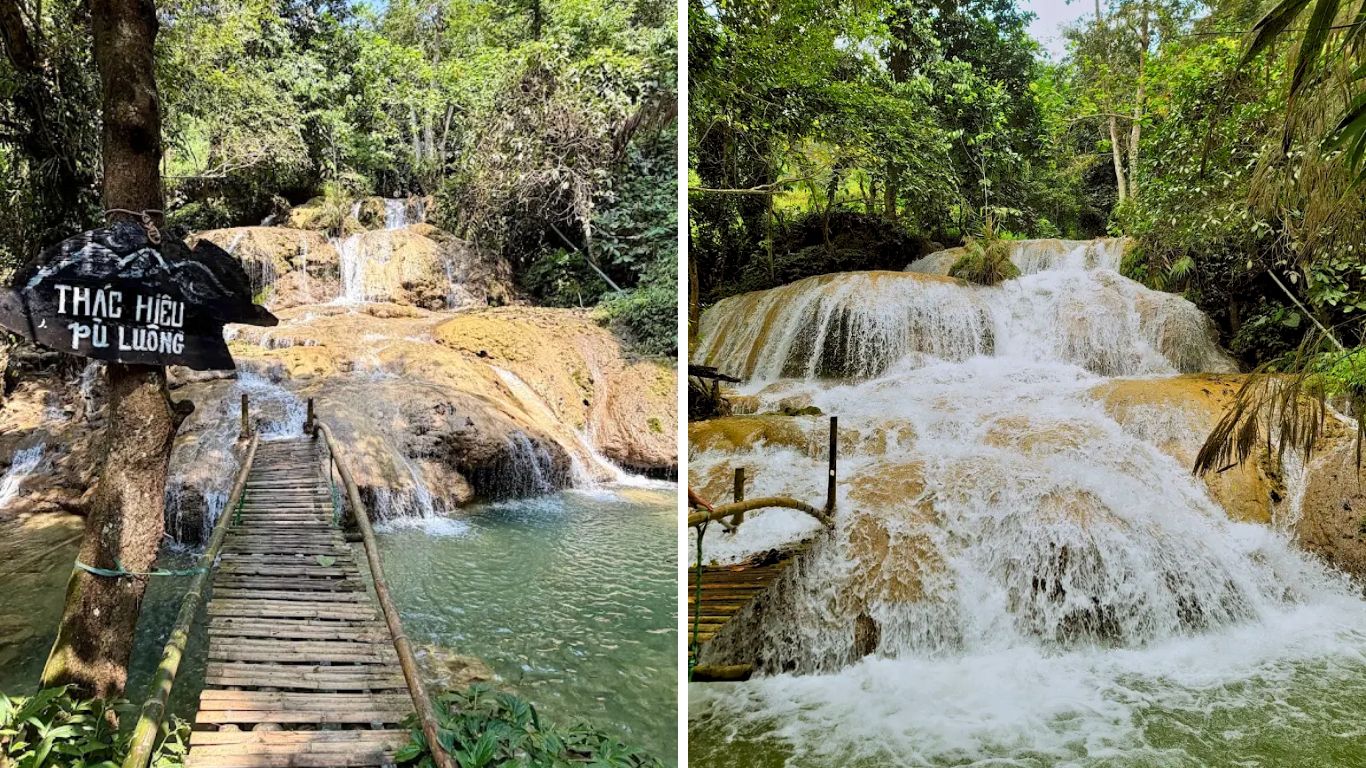
Pu Luong hides waterfalls around every other bend, and visiting at least one or two is non-negotiable. Hieu Waterfall in Hieu Village is the most accessible, tumbling into a natural pool wrapped in greenery. Further east, May Waterfall and Mu Waterfall offer equally stunning scenery with far less foot traffic. Visit between May and October for the most dramatic water volume and the deepest, most vivid green in the surrounding landscape.
Bamboo Waterwheels at Chieng Lau
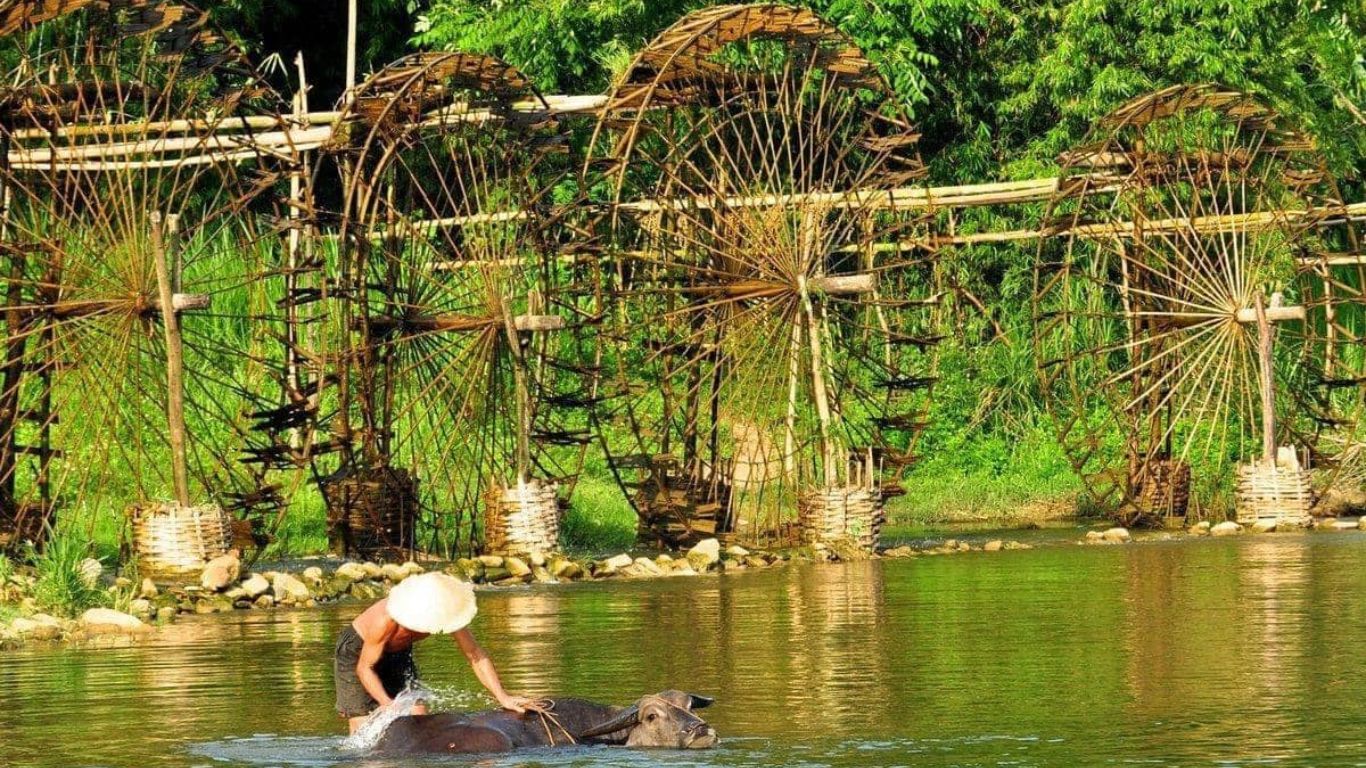
The giant bamboo waterwheels along the Chieng Lau area rank among Pu Luong’s most iconic sights, but they deserve more than a quick photo. Local communities built these structures entirely without nails or modern materials, using them for centuries to channel river water into the rice terraces above. They represent indigenous engineering at its most elegant. Conservation efforts now actively document and preserve their construction methods. Stop here, watch them turn, and take a moment to appreciate what you are actually looking at.
Stargazing and Dark Sky Tourism
When the sun goes down in Pu Luong, the sky takes over. Light pollution across the valley is minimal, making the night sky here genuinely extraordinary. A growing number of eco-lodges now offer telescope rentals and dedicated stargazing points for guests. On a clear night between September and November, you can spot the Milky Way with the naked eye. Urban travellers rarely get this kind of experience, and it fits perfectly into the slow travel rhythm that defines a great Pu Luong trip.
Thai Cooking Classes and Culinary Tourism
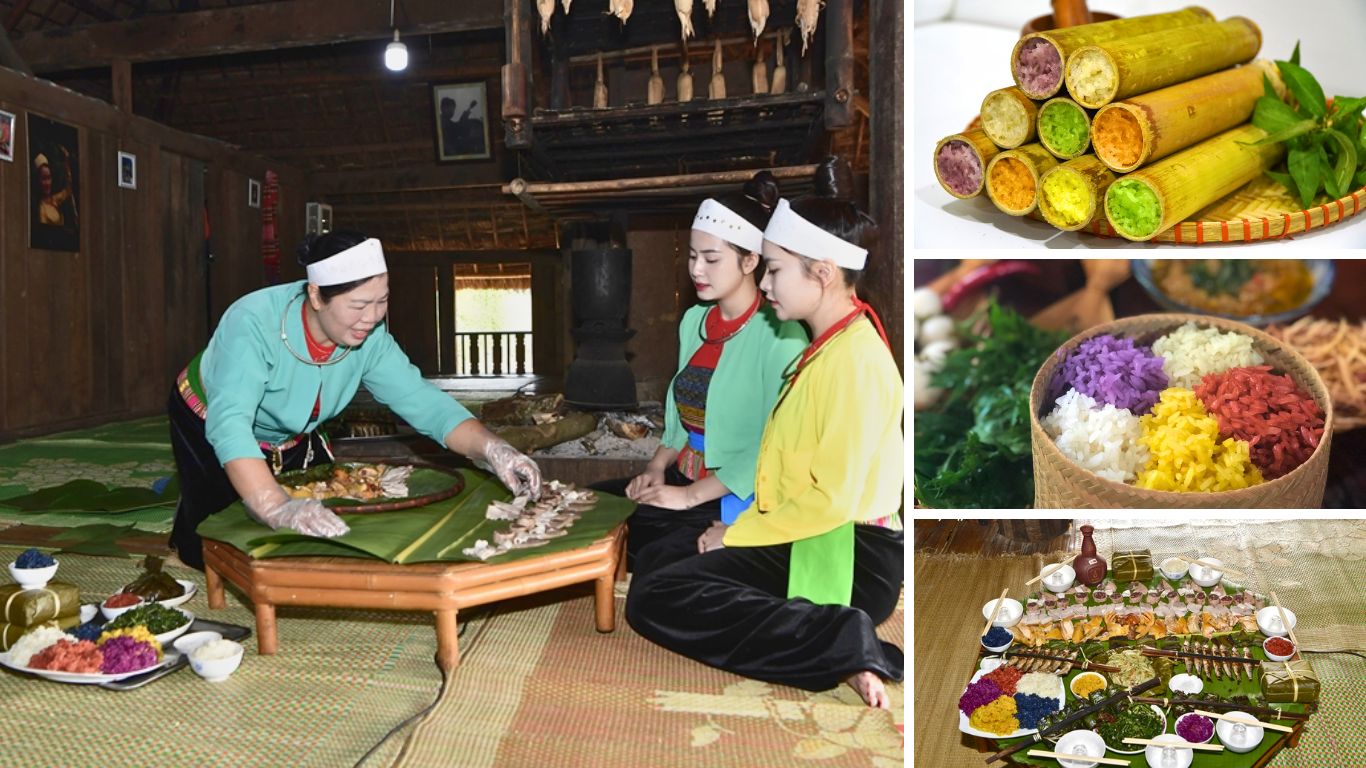
Eating local food in Pu Luong is wonderful. Making it is even better. A growing number of homestays and community hosts now run informal Thai cooking classes where you forage ingredients from the valley before cooking over an open fire. Expect to prepare Com Lam (bamboo tube rice), Co Lung Duck slow-cooked with local herbs, and a handful of dishes impossible to replicate elsewhere. It is hands-on, personal, and one of the most meaningful ways to spend a morning in the valley.
Cycling and Motorbike Through the Valley
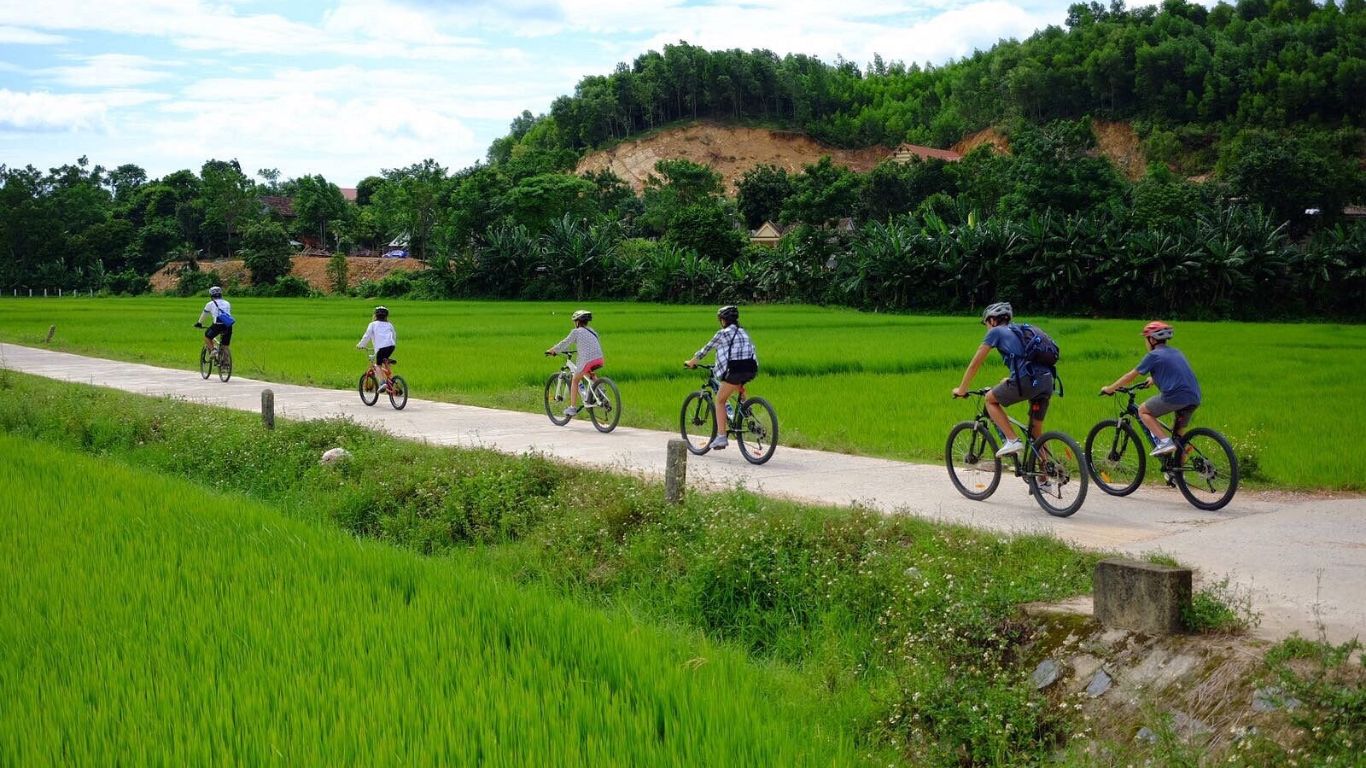
Want to cover more ground without trekking? Exploring Pu Luong by bicycle or motorbike is an excellent alternative. Valley roads wind through paddy fields, cross wooden bridges and pass through villages at a pace that still lets you stop whenever something catches your eye. Most eco-lodges provide bicycles, while private motorbike rentals and guided motorbike tours give you even more freedom for a full day out.
Pu Luong Nature Reserve and Conservation
Spanning over 17,000 hectares, Pu Luong Nature Reserve ranks among the most biodiverse protected areas in Northern Vietnam. It shelters limestone forest, tropical evergreen woodland and wetland rice ecosystems within a single connected landscape. Recent conservation initiatives have strengthened the reserve considerably, with better trail management and active wildlife monitoring now in place. Local Muong and Thai communities co-manage the reserve, making it a genuine model for community-led eco-tourism.
Among the reserve’s rarest residents is the Delacour’s langur, a critically endangered primate found in very few places on earth. Birdwatchers will also find the forest rewarding, with over 130 recorded species across the canopy. Choose a responsible tour operator, one that gives back to local communities, and your visit actively contributes to keeping this ecosystem healthy for the long term.
Where To Eat and What To Try
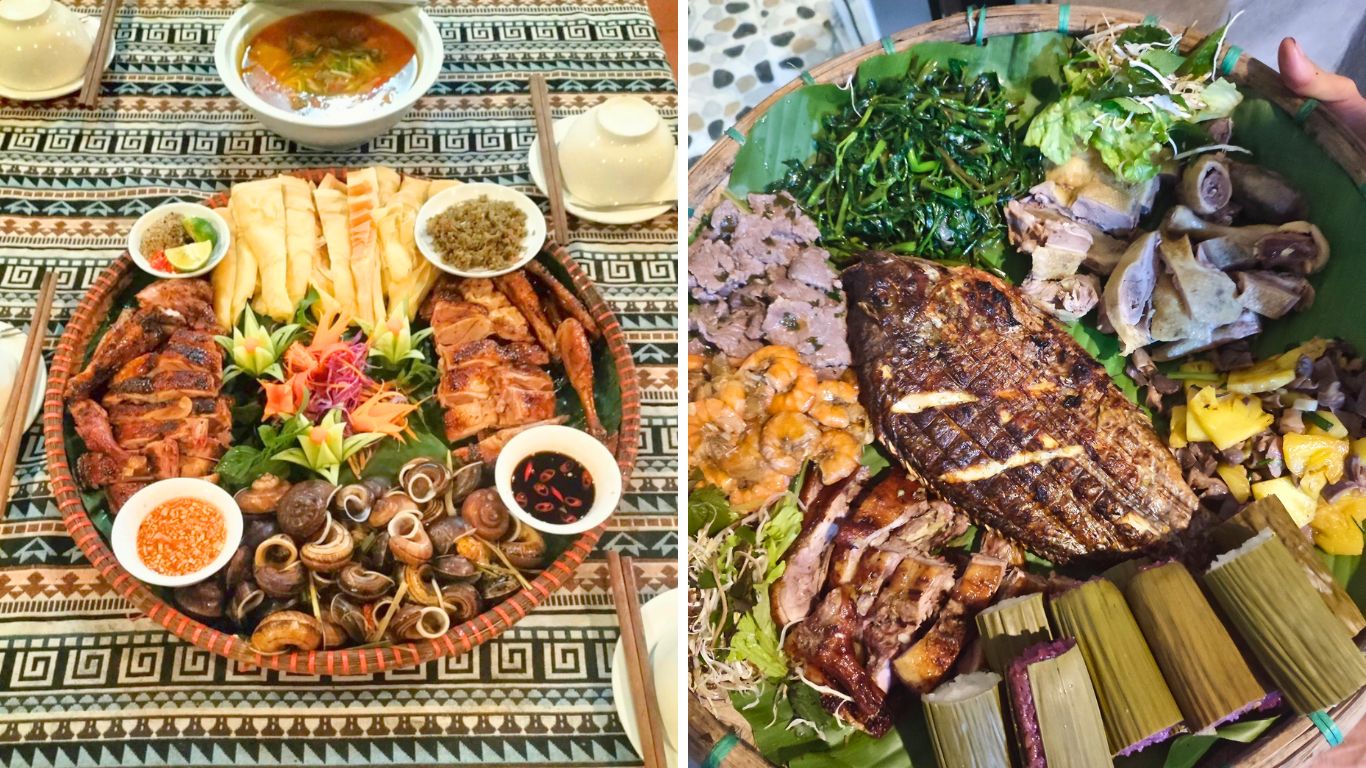
Pu Luong cuisine draws from the culinary traditions of the Thai and Muong minorities, and it stands as one of the most distinctive food cultures in Northern Vietnam. The flavours lean toward wood-smoke, wild herbs and fermented notes. Grilled meats, mountain vegetables and river fish form the core of most meals. Eco-lodges and homestays serve set menus built around locally sourced ingredients, and that is both the freshest and most authentic way to eat in the valley.
💡Key dishes to try: Com Lam, sticky rice cooked inside a bamboo tube over an open fire; Co Lung Duck, slow-cooked with valley herbs; and grilled stream fish seasoned with lemongrass and chilli. Staying at a homestay? Ask about a morning cooking class before your trek. Foraging your own ingredients from the land around you before cooking them over fire is the kind of experience that stays with you long after you leave Pu Luong.
4-Day Itinerary: Hanoi to Mai Chau to Pu Luong to Ninh Binh
This route combines cultural immersion, natural landscapes and historical depth into four days that never feel rushed. Each stop earns its place, and every transition between them feels natural. Here is how to make the most of every moment.
Day 1: Hanoi to Mai Chau
Your journey starts with an early morning departure from Hanoi, heading southwest toward Mai Chau Valley. The first stop, Thung Khe Pass, offers sweeping views over limestone mountains and forested valleys that are well worth stepping out of the vehicle for. From there, a visit to Lac Village introduces you to White Thai culture through traditional stilt houses, local handicrafts and a community that has welcomed visitors with genuine warmth for decades.
Spend the afternoon on two wheels. Cycling through the Mai Chau Valley, past brocade weaving workshops, rice paddies and wooden bridges, at your own pace ends up being a quiet highlight of the trip for many visitors. In the evening, settle into a traditional stilt house, enjoy a locally prepared dinner, and if the timing works out, join a traditional Thai music and dance gathering around the fire.
Day 2: Mai Chau to Pu Luong
Catch the sunrise over the Mai Chau Valley, enjoy a light breakfast, and head into Pu Luong without rushing. The drive winds through passes and forest roads that gradually open into the broader valley. On arrival, the afternoon suits village exploration well: wander through Muong Kho or Don Village, follow the sound of water to the bamboo waterwheels at Chieng Lau, and make your way to Hieu Waterfall before the light fades.
In the evening, settle into your eco-lodge and enjoy a proper Thai dinner. If the sky is clear, head to the stargazing point after you eat. With no city light for miles, this becomes one of those nights that remind you exactly why you travel.
Day 3: Pu Luong Trekking Day
Start the morning with a local Thai cooking class if your lodge offers one. Forage ingredients from the valley, learn to cook Com Lam over bamboo, and then set out on the trail. Trekking options range from the 5-kilometre descent from Pu Luong Retreat to Don Village, the most scenic route in the reserve, to the Kho Muong Village loop and the Hieu Village trail combined with waterfall swimming. Bring closed-toe footwear if Kho Muong Bat Cave is on your plan.
By late afternoon, return to your lodge and rest your legs. Take one last slow walk through the valley before dinner. This day feels full without ever feeling frantic, and that balance is exactly what a Pu Luong slow travel itinerary is built around.
Day 4: Ninh Binh to Hanoi
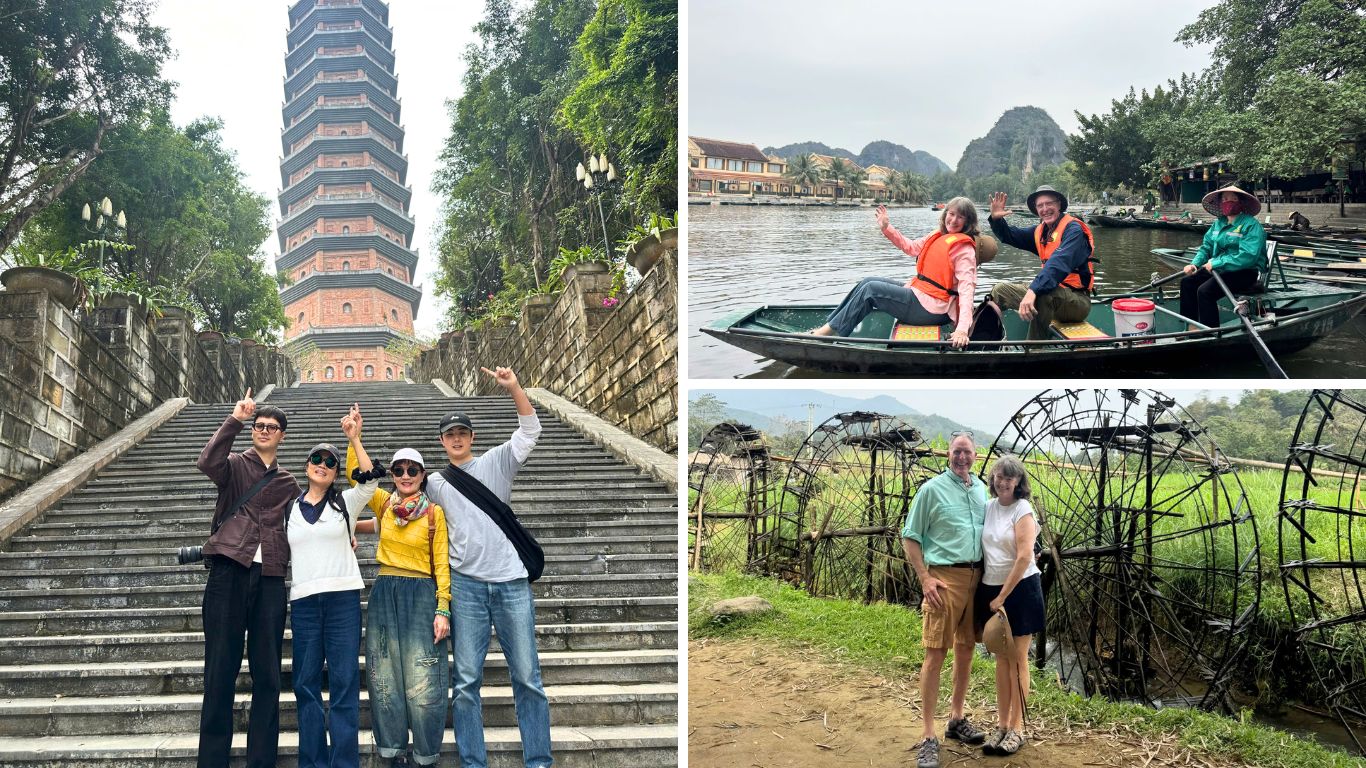
Leaving Pu Luong, you head east toward Ninh Binh for the final chapter of the journey. The first stop, Hoa Lu Ancient Capital, sits among karst peaks that frame the old citadel walls with quiet grandeur. From there, a boat journey along the Sao Khe River through Trang An passes through river caves, primeval forest and limestone cliffs. It is one of the most peaceful water scenes in Vietnam and a fitting close to the trip.
After the boat tour, your private transfer carries you back to Hanoi, arriving in the early evening with the kind of satisfied exhaustion that comes from a trip done properly. Thinking about reversing the route or combining Ninh Binh with Pu Luong as a standalone journey? Our Ninh Binh to Pu Luong guide is worth reading before you finalize your plans.
Want this trip taken care of? Our team at Vietnam Travel builds private Pu Luong tours around your pace, group size and interests. From fully guided 4-day itineraries to flexible packages with hand-picked eco-lodge stays, we handle every detail. Start planning with us here, and let us put something genuinely worth travelling for together.
Best Time To Visit Pu Luong
Pu Luong works as a year-round destination, but timing your visit well makes a real difference to what you experience. For a full seasonal breakdown, our best time to visit Pu Luong guide covers everything in detail. Here is the practical overview.
Peak Season: May to June and September to October
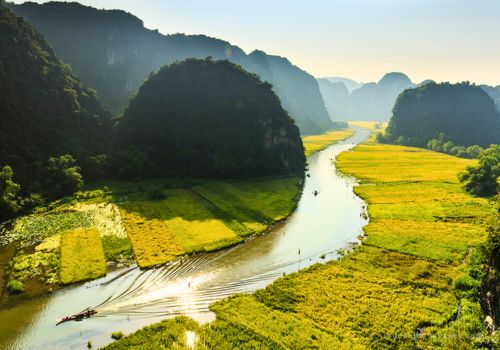
These are the golden windows for a Pu Luong visit. In May and June, the terraces flood with water and reflect the sky in sheets of silver and green, a landscape photographers travel specifically to capture. September and October bring the harvest, turning the terraces amber and gold while the valley glows with warm afternoon light. Temperatures stay mild, trails look their most scenic, and the atmosphere across the valley reaches its peak.
Dry Season: November to April
Cooler temperatures define the dry season, especially from December to February, when early mornings in the valley can feel genuinely cold. The landscape loses some lushness but gains clarity. Trails are firm and dry, skies stay clear, and the valley sees fewer visitors overall. If you want a quieter, more private experience, this is your window. Stargazing and cooking classes are especially good in the cool, still nights of winter.
Monsoon Season: July to August
July and August bring the heaviest rain, making some trails slippery and river crossings more unpredictable. That said, the valley turns its deepest and most dramatic green during this period. Visitor numbers drop, giving you a more solitary experience. Build flexibility into your daily schedule, expect afternoon showers, and lean into the atmosphere rather than fight it.
Suggested Pu Luong Tours
Our team designs every Pu Luong tour around private service, experienced local guides and carefully chosen accommodation. Whether you are travelling solo, as a couple or with family, there is an itinerary that fits.
- Pu Luong to Ninh Binh Escape — 4 Days: The full journey in this guide, from Mai Chau through Pu Luong and on to Ninh Binh, with private transport and flexible pacing throughout.
- Pu Luong Authentic Adventure — 3 Days: A tighter itinerary that gets straight into the valley. Ideal for those with limited time but no intention of compromising on experience.
- Essence of Northern Vietnam — 7 Days: For those who want the full picture, this journey combines Halong Bay, Ninh Binh and Pu Luong into one seamless Northern Vietnam adventure.
Want something built entirely around your own schedule? Write to our team at vietnam@indochinavoyages.com and we will put together an itinerary from scratch.
Frequently Asked Questions
Is Pu Luong better than Sapa? Pu Luong suits slow travellers who want fewer crowds and a more authentic cultural experience. Sapa works better for those who prefer more developed facilities. Our Sapa vs Pu Luong guide breaks it down fully.
Can I see the golden rice terraces in July? Not quite. July falls in the green monsoon season. Come back in late September or October for the golden harvest colours.
Is the trek suitable for beginners? Yes. Most routes in Pu Luong sit at a moderate difficulty level. Your guide adjusts the pace and route to suit your fitness and comfort throughout the day.
How do I get from Hanoi to Pu Luong? Take a luxury limousine shuttle for around 4 to 4.5 hours. Our team also arranges private transfers directly from your Hanoi hotel for a door-to-door experience.
Is community-based tourism available in Pu Luong? Absolutely. Homestays with Muong and Thai families, village cooking classes and community-guided walks form some of the most rewarding parts of any Pu Luong tour.
How does Pu Luong compare to Ha Giang or Ninh Binh? Each destination offers something completely different. Our Ha Giang vs Pu Luong and Ninh Binh vs Pu Luong guides compare them side by side.

Other tours you might consider
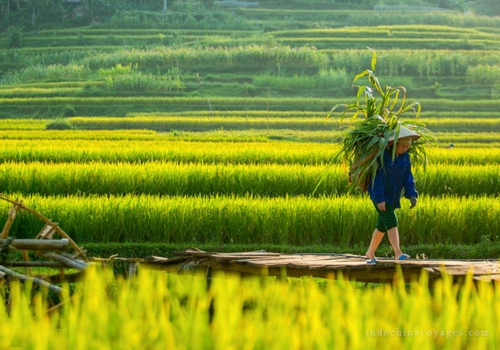
 Hanoi - Mai Chau - Pu Luong - Ninh Binh
 - Cultural, history & local learning
- Eco & nature lovers
- Adventure & outdoor activities
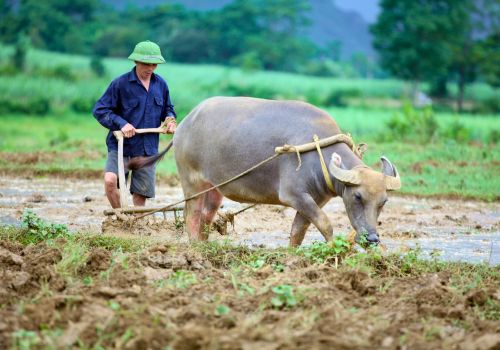 Hanoi - Pu Luong
 - Photography interest
- Eco & nature lovers
- Adventure & outdoor activities
 Hanoi – Halong Bay – Ninh Binh – Pu Luong
 - Cultural, history & local learning
- Photography interest
- Eco & nature lovers