

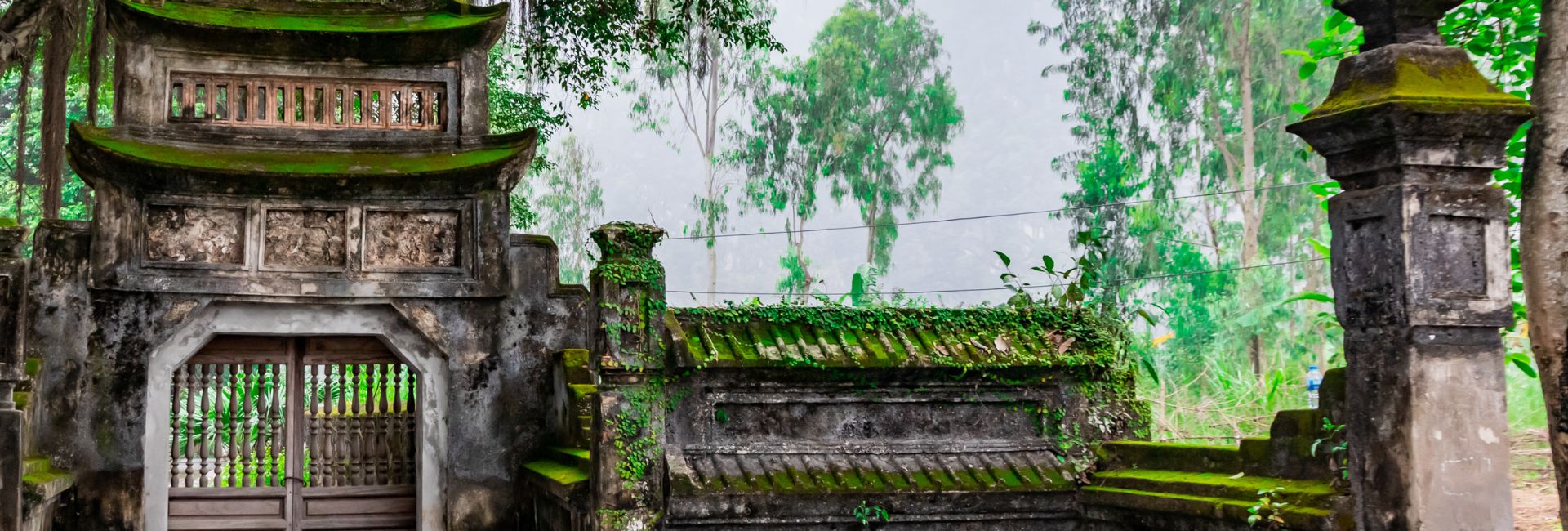
Located in Ninh Binh, about 100 km south of Hanoi, Hoa Lu Ancient Capital is a historical and scenic gem. Ninh Binh is known for limestone mountains, winding rivers, and peaceful rice fields, part of the UNESCO-listed Trang An Landscape Complex.
Hoa Lu, Vietnam’s first capital, combines cultural depth with natural beauty. Visiting it is a chance to step back into the 10th century and experience Vietnam’s history, temples, and landscapes in one stop.
What can you find in this travel blog?
- Everything You Need to Know About Hoa Lu
- What to See in Hoa Lu
- Highlights of Hoa Lu’s Ancient Capital Region
- Why You Shouldn’t Miss Hoa Lu
- Suggested Itineraries
- Practical Tips for Visiting
- FAQs
Everything You Need to Know About Hoa Lu Ancient Capital

History
Hoa Lu Ancient Citadel became Vietnam’s capital in 968 under King Dinh Tien Hoang, after a period of division. It remained the political and cultural center during the Early Le dynasty. Later, the capital moved to Thang Long (today’s Hanoi).
Surrounded by limestone mountains, the citadel was naturally fortified. Walking through the ruins and temples today, visitors can feel the historical significance and strategic importance of Hoa Lu.
Location, Transportation & Opening Hours
-
Location: Truong Yen Commune, Hoa Lu District, Ninh Binh Province.
-
From Hanoi: About two hours by car or train + taxi.
-
From Ninh Binh City: 10 km; accessible by taxi, motorbike, or bicycle.
-
Opening hours: Daily, 7:00 AM – 5:00 PM.
💡 Tip: We can help you arrange private car transfers in advance, making it easier to travel around Ninh Binh comfortably. If you prefer more flexibility, just contact us and we’ll tailor the transport to your schedule.
Tickets & Entrance Fees
-
Cost: approximately 20,000 VND per person (~$1).
-
Tickets are available at the entrance.
💡 Tip: For convenience, we can assist with pre-booking tickets so you can avoid lines and focus on enjoying your visit.
Best Time to Visit
-
Spring (Feb–Apr): Pleasant weather; Hoa Lu Festival in the 3rd lunar month.
-
Autumn (Sep–Nov): Cool, dry, rice fields at their peak.
-
Summer: Hot but lush green scenery.
-
Winter: Cooler and quieter, perfect for reflective visits.
💡 Tip: If you want to know more about the best time to explore Ninh Binh, check out this detailed guide: Ninh Binh Weather & Best Time to Visit
What to See in Hoa Lu Ancient Capital
Temples of the Kings
-
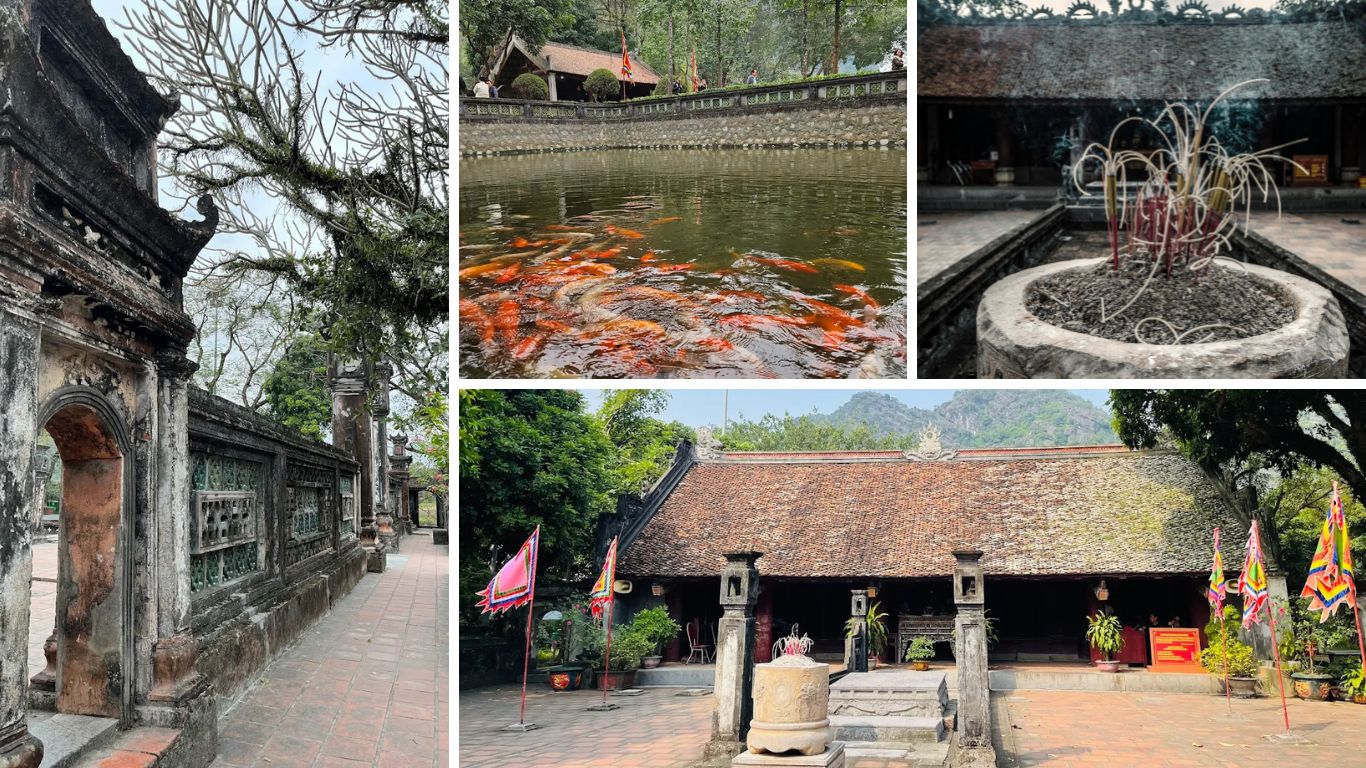
Dinh Tien Hoang Temple: Honors King Dinh with wooden carvings, stone dragons, and peaceful courtyards.
-
Le Dai Hanh Temple: Dedicated to King Le, featuring traditional architecture and serene spaces.
Both temples are active worship sites, giving visitors a glimpse into Vietnam’s spiritual traditions.
Citadel Remains & Natural Scenery
While most citadel structures have disappeared, remnants of gates and walls remain. Limestone karsts and rice fields surround the area, showing the natural defense that protected Vietnam’s first capital.
Local Festivals & Traditions
The Hoa Lu Festival, in the 3rd lunar month, honors the Dinh and Le kings. Expect traditional processions, folk games, and cultural performances that bring history to life.

Highlights of Hoa Lu’s Ancient Capital Region
-
Trang An: UNESCO site with boat rides through caves, valleys, and limestone mountains.
-
Tam Coc: “Halong Bay on land,” a peaceful river cruise among rice fields and karst peaks.
-
Bai Dinh Pagoda – Vietnam’s largest Buddhist complex, with giant statues, hundreds of Arhat sculptures, and mountain views.
-
Mua Cave (Hang Mua): A short climb to Dragon Mountain viewpoint, offering one of Ninh Binh’s best panoramas.
-
Cuc Phuong National Park: Vietnam’s first national park, home to rare wildlife, ancient trees, and conservation centers.

These sites make Hoa Lu a central hub for exploring both history and nature in Ninh Binh.
Why You Shouldn’t Miss Hoa Lu
Visiting Hoa Lu is like stepping into Vietnam’s first chapter of history. Beyond temples and ruins, it tells the story of independence, strategy, and culture. Quiet courtyards, incense-filled temples, and dramatic landscapes create a unique atmosphere. For travelers who value meaning alongside scenery, Hoa Lu is essential.
Suggested Itineraries
Northern Vietnam Discovery (1–3 days)
Start with Hoa Lu and its nearby highlights. Explore the temples and citadel ruins, enjoy a boat ride in Trang An or Tam Coc, and climb Mua Cave for panoramic views. If time allows, extend your trip to Hanoi’s Old Quarter, Halong Bay, or Pu Luong for more scenic landscapes. Discover the full itinerary with our Amazing Ninh Binh & Halong Bay Tour
Full Northern Experience (3–5 days)
Combine Hoa Lu with all major Ninh Binh attractions, including Bich Dong Pagoda and Cuc Phuong National Park. Add nearby northern highlights like terraced mountains in Sapa, local ethnic villages, or even a short Halong Bay cruise. This gives a complete northern Vietnam experience, mixing history, culture, and nature. Explore the full tour with our Best of Northern Delta Discovery – 5 Days
 Vietnam & Indochina Adventure (7–14 days)
For a longer journey, link Hoa Lu with northern highlights (Hanoi, Halong, Sapa, Pu Luong), then travel south to Hue, Hoi An, and Ho Chi Minh City. You can also extend the trip beyond Vietnam to Laos or Cambodia, exploring Luang Prabang or the Angkor temples. This itinerary offers a panoramic view of Vietnam and Indochina, blending heritage, landscapes, and culture.
💡If this journey speaks to you, just connect with us at Vietnam Travel Online. We’ll craft a fully customized tour that matches your style and pace, from Vietnam’s rivers and mountains to Indochina’s hidden gems. Reach us at [email protected] or through this form to explore more than just Vietnam tours.
Practical Tips for Visiting
-
Plan your time wisely: One day is enough for Hoa Lu and Mua Cave, but two days allow for Trang An, Tam Coc, and Bai Dinh Pagoda.
-
Travel efficiently: Private cars or taxis save time, especially if visiting multiple attractions in a single day.
-
Dress appropriately: Light clothing and walking shoes; bring a hat and sunscreen for sunny days.
-
Start early: Morning visits avoid crowds and provide better photo lighting.
-
Stay nearby: Accommodation near Tam Coc or Trang An makes it easier to explore Hoa Lu and surrounding sites.
-
Combine attractions: Linking Hoa Lu with nearby scenic spots ensures a full experience of Ninh Binh’s history and nature.
FAQs
How long should I spend at Hoa Lu?
1–2 hours to explore temples and the citadel area.
Is Hoa Lu family-friendly?
Yes, safe and easy to walk, suitable for children and seniors.
Can I visit Hoa Lu from Hanoi in a day?
Yes, often combined with Trang An or Tam Coc tours.
Do I need a guide at Hoa Lu?
Not required, but a guide enriches the historical experience.
What makes Hoa Lu special?
It is Vietnam’s first capital, where history and nature merge uniquely.