

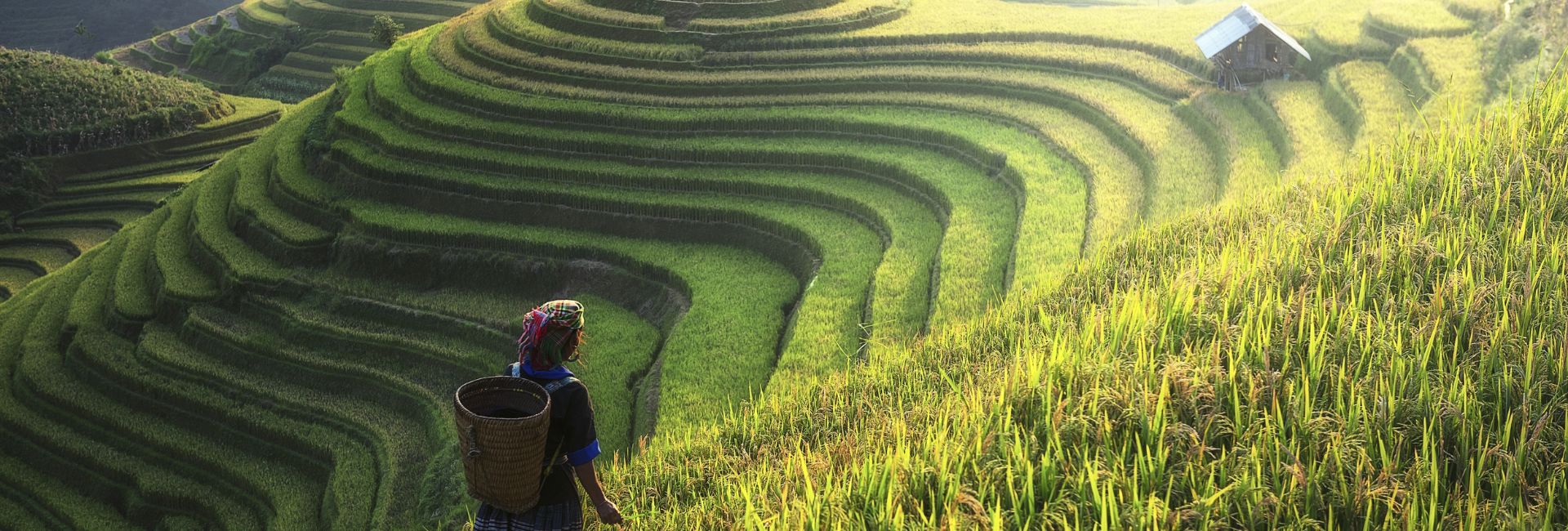
Northern Vietnam offers some of the most breathtaking mountain landscapes in the world, where emerald valleys, jagged peaks, and ethnic cultures meet. Among these, Sapa and Ha Giang stand out as two destinations that promise unforgettable experiences, yet in very different ways. Sapa is celebrated for its terraced rice fields, misty valleys, and cozy mountain town atmosphere. Ha Giang offers raw adventure, winding passes, and remote villages where life seems almost untouched by time. But which one should you travel to, Sapa or Ha Giang?
If you are asking yourself whether to visit, this guide will help you experience the sights, sounds, and local life of both, so you can make an informed choice or plan a trip that includes both.
What can you find in this travel blog?
- Sapa: Gentle Mountains and Cultural Warmth
- Ha Giang: Raw Beauty and Unspoiled Mountains
- Sapa or Ha Giang: Similarities and Differences
- Guided Itineraries for Every Traveler: Plan Your Northern Escape
- Practical Tips for Your Northern Vietnam Adventure
- FAQs
Sapa: Gentle Mountains and Cultural Warmth
Location
Sapa sits in Lao Cai Province near the Chinese border. It is surrounded by the Hoang Lien Son mountains, including Fansipan, the highest peak in Indochina. The town rests at 1,500 meters above sea level, giving it a cool, refreshing climate, perfect for leisurely exploration.
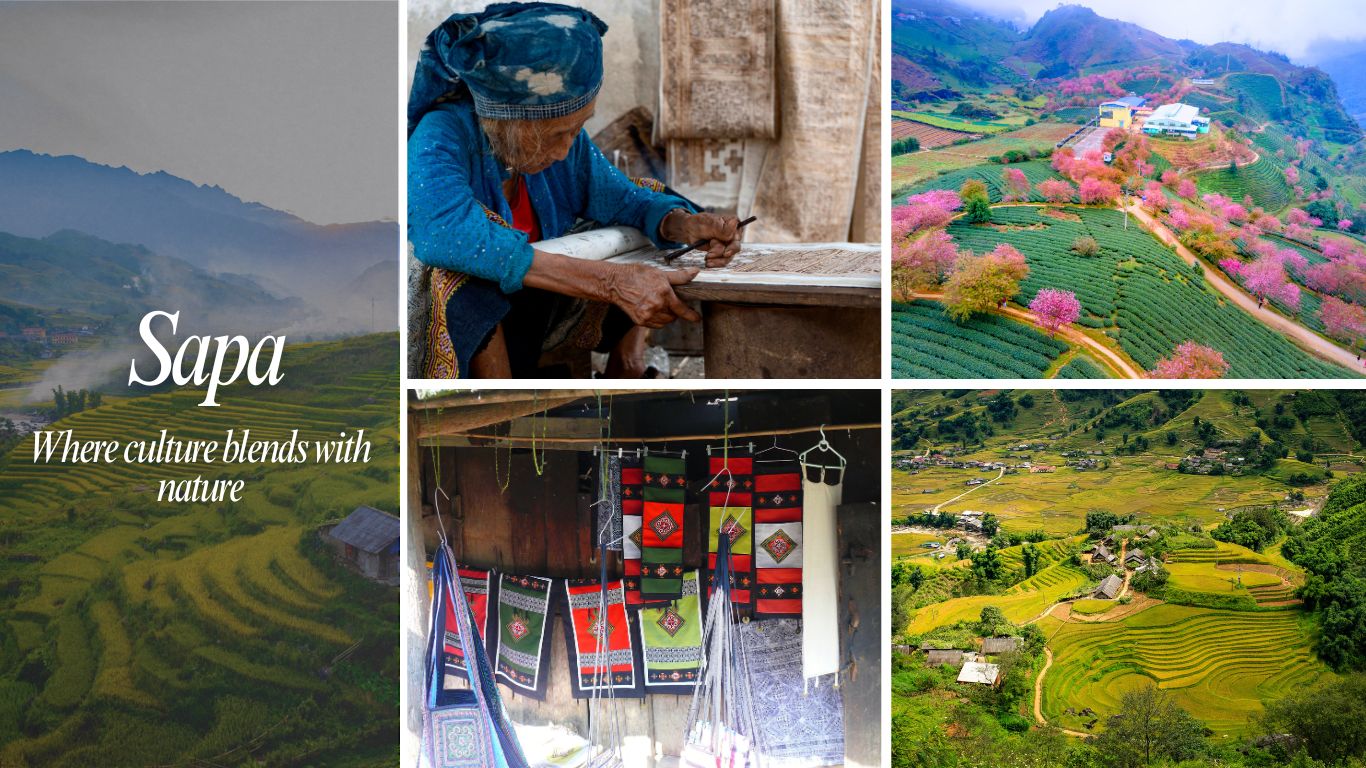 Sapa- The Rooftop of Vietnam
How to Get There
From Hanoi, you can reach Sapa by overnight train to Lao Cai, followed by a short scenic drive. Alternatively, private cars and express buses take about six hours, offering comfort and flexibility.
A private, customized trip through Vietnam Travel Online ensures smooth transfers, local guides, and accommodation options that suit your pace and style.
Best Time to Visit Sapa
Sapa enjoys a cool, temperate mountain climate, with misty mornings, crisp air, and occasional rain. The weather can shift quickly, giving the valleys and terraced fields a constantly changing, almost magical atmosphere. The ideal time for you to visit Sapa:
-
March to May: Flowers bloom and valleys glisten with fresh green, perfect for trekking and photography.
-
September to October: The golden rice harvest turns the terraces into shimmering layers of color, creating iconic landscapes.
-
December to February: Misty mornings and cool air give the mountains a serene, tranquil feel, ideal for quiet walks and cozy evenings in town.
Where to Stay
Luxury resorts such as Topas Ecolodge or Hotel de la Coupole offer spectacular mountain views and comfort. Homestays in Ta Van or Lao Chai villages give you a closer connection to local life, from sharing meals with a Hmong family to listening to the wind rustle through terraced fields.
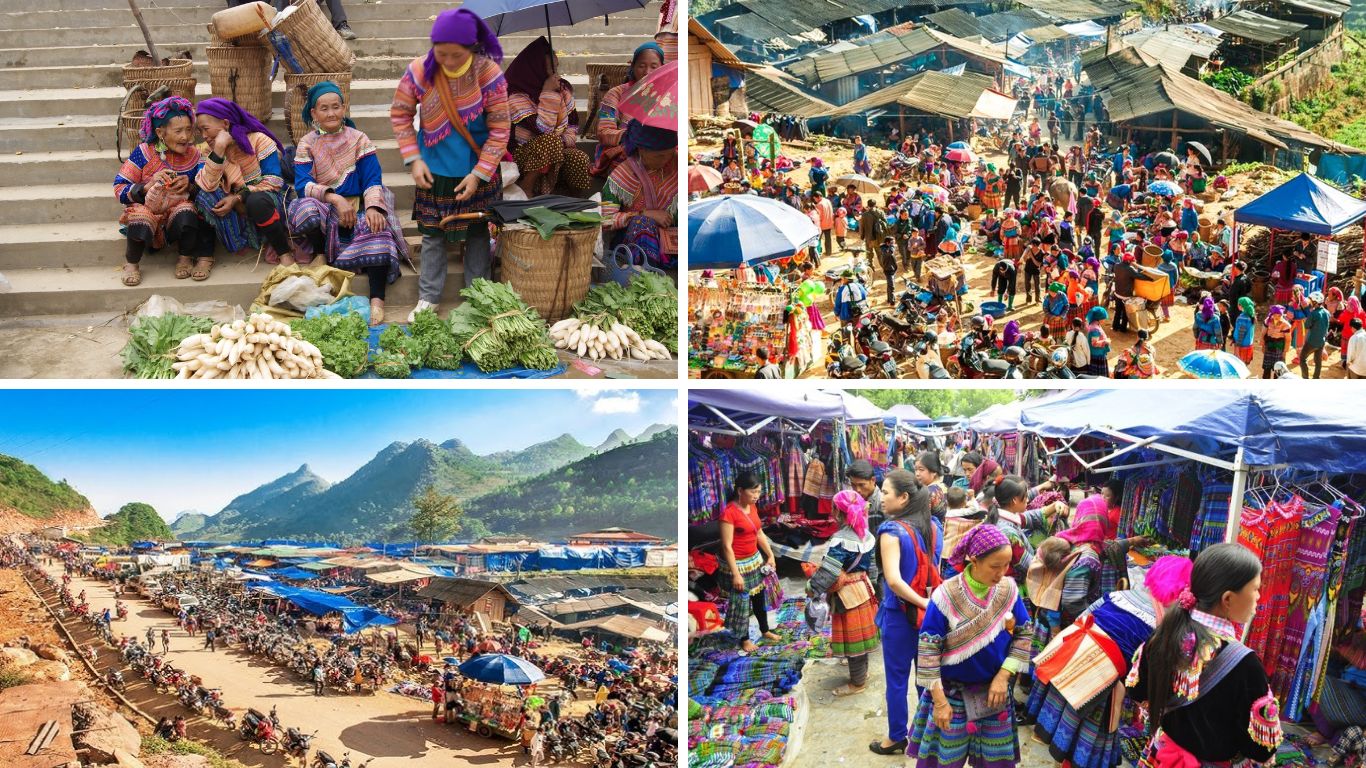
Experiencing Sapa
You will wake up to soft sunlight spilling over rice terraces. Trekking through Muong Hoa Valley, where narrow paths wind past wooden stilt houses, and children wave from afar. Stop in some villages like Cat Cat or Ta Phin to see embroidery workshops, herbal baths, and traditional Dao practices. Evenings in Sapa town are lively yet cozy, with street food smells mingling with the mountain air. Sitting in a small café, sipping a warm herbal drink, you will understand why Sapa feels both adventurous and comforting.
Ha Giang: Raw Beauty and Unspoiled Mountains
Location
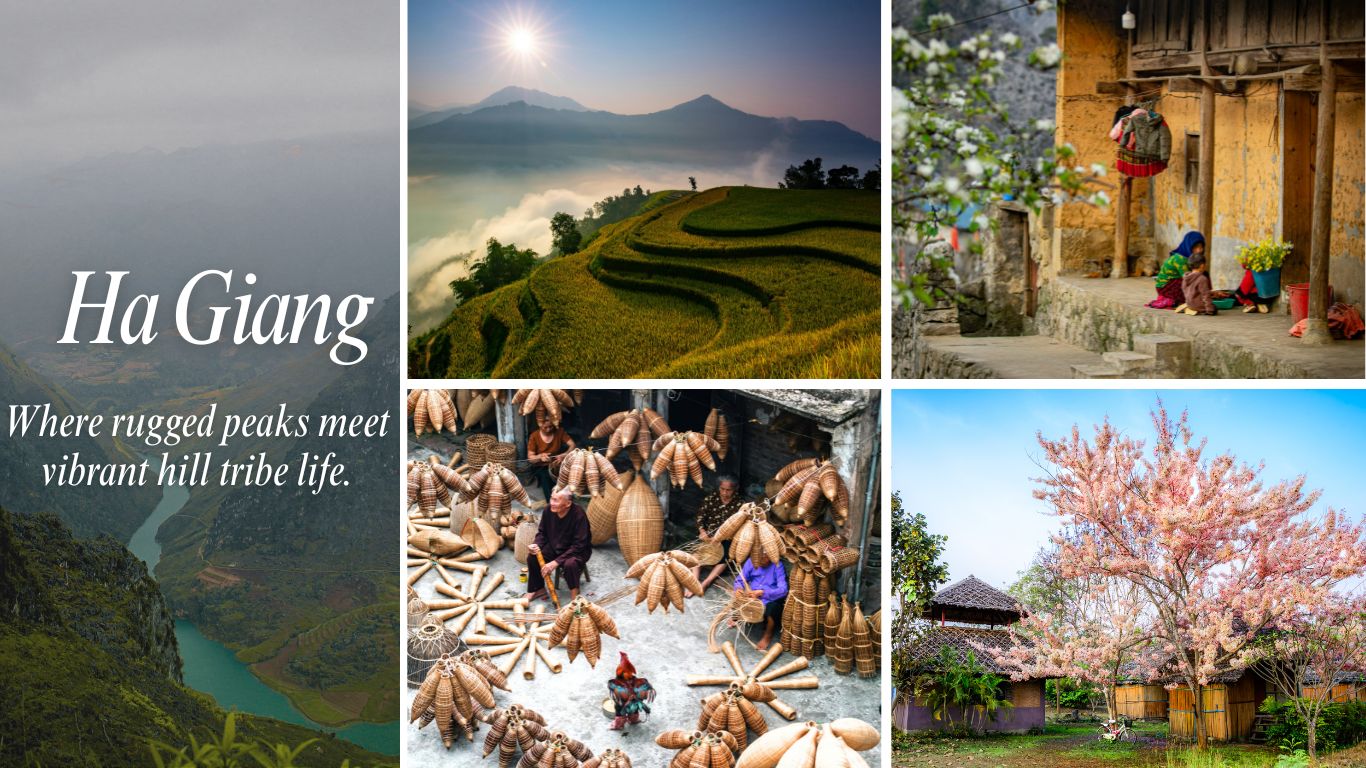
Ha Giang lies at Vietnam’s northernmost edge, bordering China. The Dong Van Karst Plateau spreads across the province, revealing dramatic limestone cliffs, deep valleys, and traditional villages. This landscape feels untamed, where every winding road opens to a new panorama.
How to Get There
The drive from Hanoi takes six to eight hours, but the scenery makes every hour worthwhile. Guided loops through Dong Van, Meo Vac, and Yen Minh ensure you experience the best landscapes safely.
Customized tours through Vietnam Travel Online provide professional drivers, local guides, and stays that immerse you in authentic village life.
Best Time to Visit Ha Giang
Ha Giang’s weather is pretty nice; it enjoys a cool, refreshing climate throughout the year, with crisp mountain air and gentle breezes sweeping across its high valleys. The weather changes often, bringing clear mornings, drifting clouds, and soft sunlight that reveal the rugged beauty of the karst peaks.
- September to October: Golden rice terraces glow across the hillsides, offering some of the most stunning scenery for photography and exploration.
- November: Buckwheat flowers bloom and cover the mountain slopes in soft pink and white, creating a romantic and peaceful landscape.
- March to May: Clear skies and mild temperatures make this the best time for trekking, motorbiking, and admiring the panoramic views along the winding passes.
Where to Stay
Accommodations focus on authenticity. Eco-lodges and homestays in villages like Du Gia or Thon Tha allow you to share meals with local families and experience everyday life in the mountains. Nights are quiet and filled with starry skies, a perfect contrast to the energy of daytime trekking.
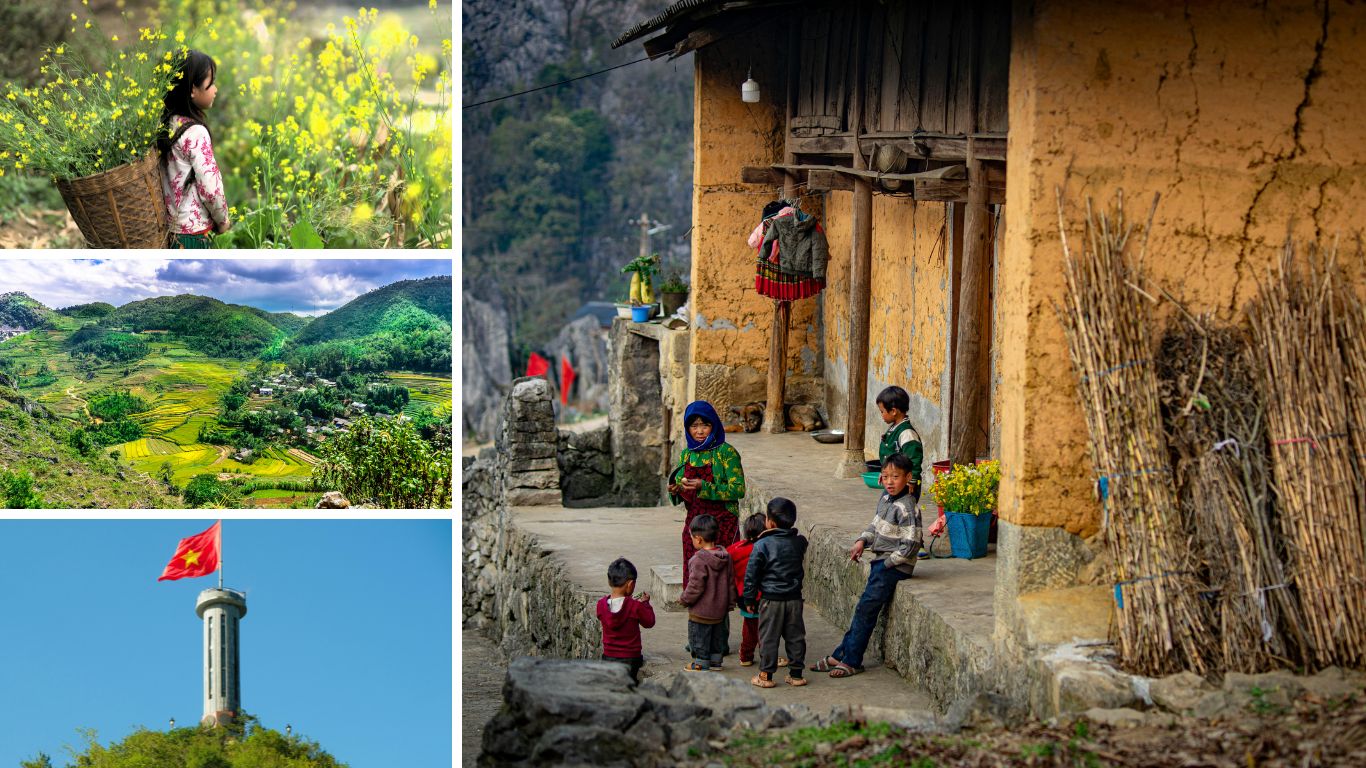
Experiencing Ha Giang
Riding along the Ha Giang Loop, the wind on your face and the mountains rising around you create a sense of freedom few places can match. Ma Pi Leng Pass feels almost cinematic, with the Nho Que River carving deep through the canyon below. Visiting pretty villages like Lo Lo Chai or Thon Tha villages, you can see traditional houses, attend local markets, and learn about ethnic customs. The feeling of stepping off the road into genuine local life is what makes Ha Giang unforgettable.
Sapa or Ha Giang: Similarities and Differences
Common things you might encounter at both
When choosing either Sapa or Ha Giang, it helps to see what they share first. Both destinations immerse you in Northern Vietnam’s mountain landscapes, surrounded by valleys, peaks, and clouds that shift with the weather. You will encounter diverse ethnic communities, from Hmong and Dao in Sapa to Lo Lo, Hmong, and Tay groups in Ha Giang. Villages are central to the experience, offering traditional homes, local markets, and warm hospitality. Trekking, photography, and small culinary discoveries are highlights in both places, giving you a sense of connection to nature and culture.
However, the differences are what define each journey.
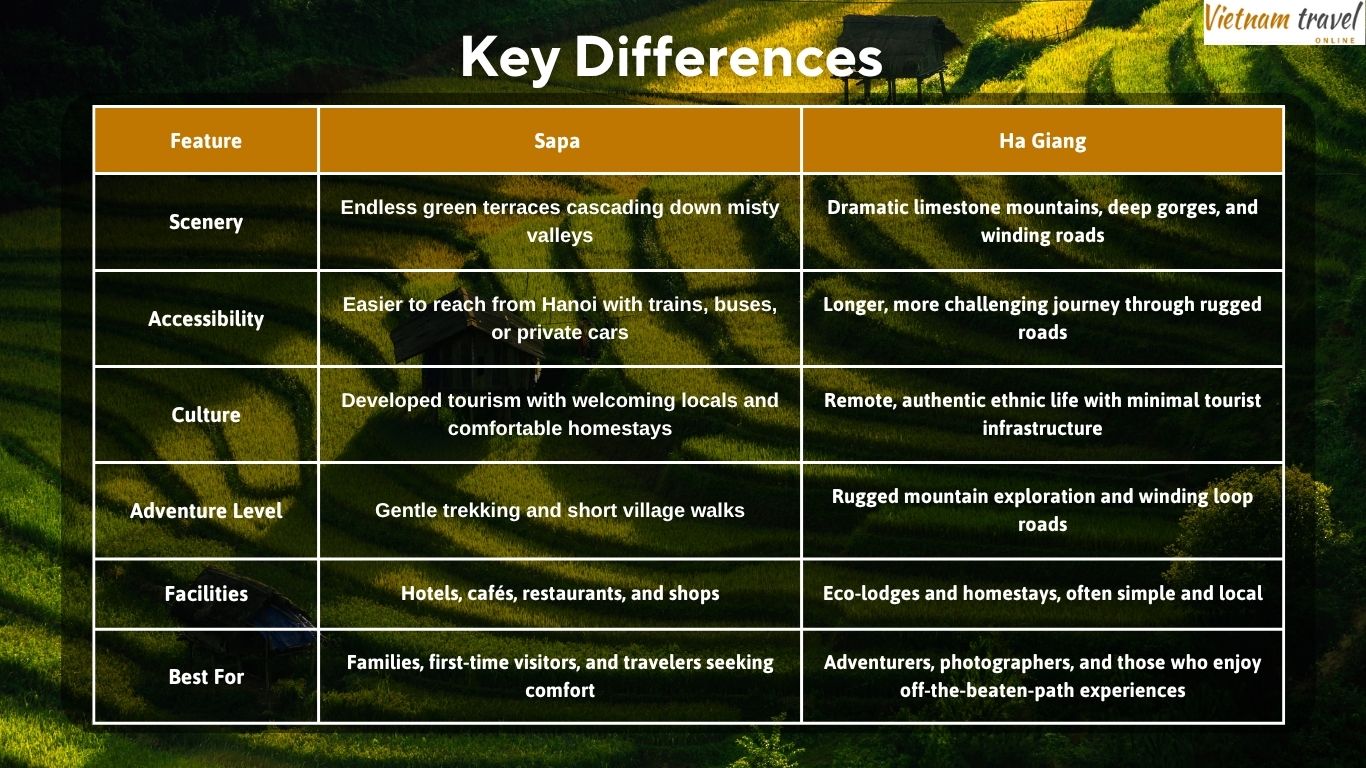
In short, if you enjoy waking up to misty rice terraces, soft trekking, and cozy evenings in a small mountain town, Sapa is your ideal choice. If you crave raw landscapes, thrilling mountain passes, and deep cultural immersion in remote villages, Ha Giang will reward every effort.
Many travelers decide that the best approach is to experience both, starting with Sapa’s comfort and finishing with Ha Giang’s wild adventure. This combination gives a complete perspective of Northern Vietnam, from cultivated terraces to untamed cliffs.
Connecting Sapa and Ha Giang: Travel Made Easy
Traveling between Sapa and Ha Giang can be an adventure on its own, as the route winds through Northern Vietnam’s dramatic mountains and valleys. The journey typically takes around 8–10 hours by road, passing through scenic landscapes, remote villages, and riverside stretches that give you a glimpse of everyday mountain life. For convenience and comfort, a private transfer through Vietnam Travel Online ensures a smooth ride with a professional driver, flexible stops for photos, and the option to include a local guide who can provide insights along the way. This service not only saves time but also allows you to fully enjoy the scenery without worrying about navigation or logistics.
Guided Itineraries for Every Traveler: Plan Your Northern Escape
💡Inspired by Sapa’s serene terraces or Ha Giang’s wild passes? Whether one or both, Vietnam Travel Online can create a tailor-made trip just for you. Enjoy private transfers, local guides, and accommodations that suit your pace and style. Contact us today to start planning your northern Vietnam adventure. Or explore more with our Vietnam tours, just email us at vietnam@indochinavoyages.com.
A Friendly Mountain Escape in Sapa
Explore Hanoi and Sapa on the Best of Hanoi and Sapa 5 Days tour. Trek gentle paths through rice terraces, visit local villages, and wander colorful markets at a relaxed pace. You will enjoy the adventure of the mountains while staying in comfortable accommodations, making it ideal for families and first-time visitors.
An Adventurous Journey Through Ha Giang
Experience the thrill of Northern Vietnam on the Explore the Trails of Ha Giang 5 Days tour. Ride winding mountain passes, hike to panoramic viewpoints, and meet ethnic families in remote villages. The route offers an exciting adventure while staying in friendly homestays and small lodges that make the journey approachable for most travelers.
The Ultimate Northern Adventure
Combine the best of both worlds on the Insightful Northwest Adventure 7 Days journey. Begin with gentle treks and cultural experiences in Sapa before venturing into Ha Giang’s dramatic mountain loops. This itinerary balances adventure and comfort, giving you a complete experience of Northern Vietnam while keeping the pace friendly and enjoyable.
Practical Tips for Your Northern Vietnam Adventure
-
Dress in layers and be ready for rain. Mountain weather changes fast, so a warm jacket and waterproof clothing will keep you comfortable on treks and scenic stops.
-
Carry enough cash. ATMs are rare in remote villages, and small markets or homestays often only accept cash.
-
Respect local customs. Always ask before taking photos of people, especially in ethnic villages, and follow traditional etiquette.
-
Hire a local guide when needed. Guides provide safety, insider knowledge, and enrich your experience with cultural stories you won’t get on your own.
-
Travel Ha Giang safely. If riding the Ha Giang Loop, use licensed drivers, reliable vehicles, and proper insurance to enjoy the stunning passes without worry.
FAQs
Can I visit both Sapa and Ha Giang in one trip?
Yes, combining both in seven to ten days provides a complete northern Vietnam experience.
Which is better for photography?
Ha Giang offers dramatic mountain roads and cliffs, while Sapa is stunning during rice harvest.
Is Ha Giang safe for motorbiking?
Yes, but roads are challenging. Guided tours or local drivers are recommended.
Which destination suits families more?
Sapa is more family-friendly due to easier access and developed facilities.
When is the best time to visit both?
September to November, when the weather is dry and landscapes are at their peak.