

Seven days in Vietnam is a wonderful window. But it comes with a decision most travelers overlook until they are already mid-trip: which part of the country deserves that time. Vietnam stretches from misty mountains in the north to sun-soaked river deltas in the south. No single week can do justice to all of it. The good news is simple. Once you stop asking “can I see everything” and start asking “which region fits how I like to travel,” the whole trip becomes far easier to plan. This guide breaks down three classic regional routes, a hybrid option for those chasing highlights, and everything else needed to turn seven days into a trip that feels complete rather than rushed.
What can you find from this travel blog?
- The Core Dilemma: Is 7 Days Enough?
- Where to Visit in Vietnam in 7 Days
- 3 Icons You Shouldn’t Skip
- Which Region Fits You?
- The 3 Classic Regional Itineraries
- The Fast Track Highlights Route
- What a Week in Vietnam Actually Costs
- Real 2026 Travel Logistics
- Frequently Asked Questions
The Core Dilemma: Is 7 Days Enough?
The honest answer is yes. But only when the itinerary is built with intention rather than ambition. Here is what that actually means in practice.
The Transit Trap Most Itineraries Fall Into
Vietnam runs over 1,600 kilometers from north to south. Each region, whether it is the mountainous north, the heritage-rich center, or the fast-moving south, genuinely deserves its own dedicated visit. The most common mistake in generic itineraries is trying to squeeze Hanoi, Halong Bay, Hoi An, and Ho Chi Minh City into a single week. On paper, it looks achievable. In practice, nearly two of those seven days end up lost to airports, transfers, and overnight journeys rather than actual exploring.
Choosing Depth Over Distance
A simple rule of thumb solves this. Choose one geographic slice of the country and experience it properly. Or follow a streamlined route designed to link two regions without the usual logistical headache. Rushing means a different hotel every night and a suitcase that never fully unpacks. A relaxed pace means two to three nights per base, enough time to actually settle into a place before moving on. Every itinerary in this guide is built around that second, more rewarding rhythm.
Who This Trip Is Really For
This kind of trip suits first-time visitors with limited vacation days who want a genuine feel for Vietnam rather than a checklist. It also suits travelers combining Vietnam with another Southeast Asia stop, where a longer trip is not realistic. For anyone whose must-see list already includes Sapa, the full Mekong Delta, Hue, and Halong Bay together, a 10 to 14 day trip is the better fit. Planning that kind of journey is exactly where our travel experts can help shape something more tailored.
Where to Visit in Vietnam in 7 Days
Every region of Vietnam has its own personality. Knowing what each place actually offers makes it far easier to build a week that feels right. Here’s a closer look at where to go and why each stop earns its place on the map.
Northern Vietnam
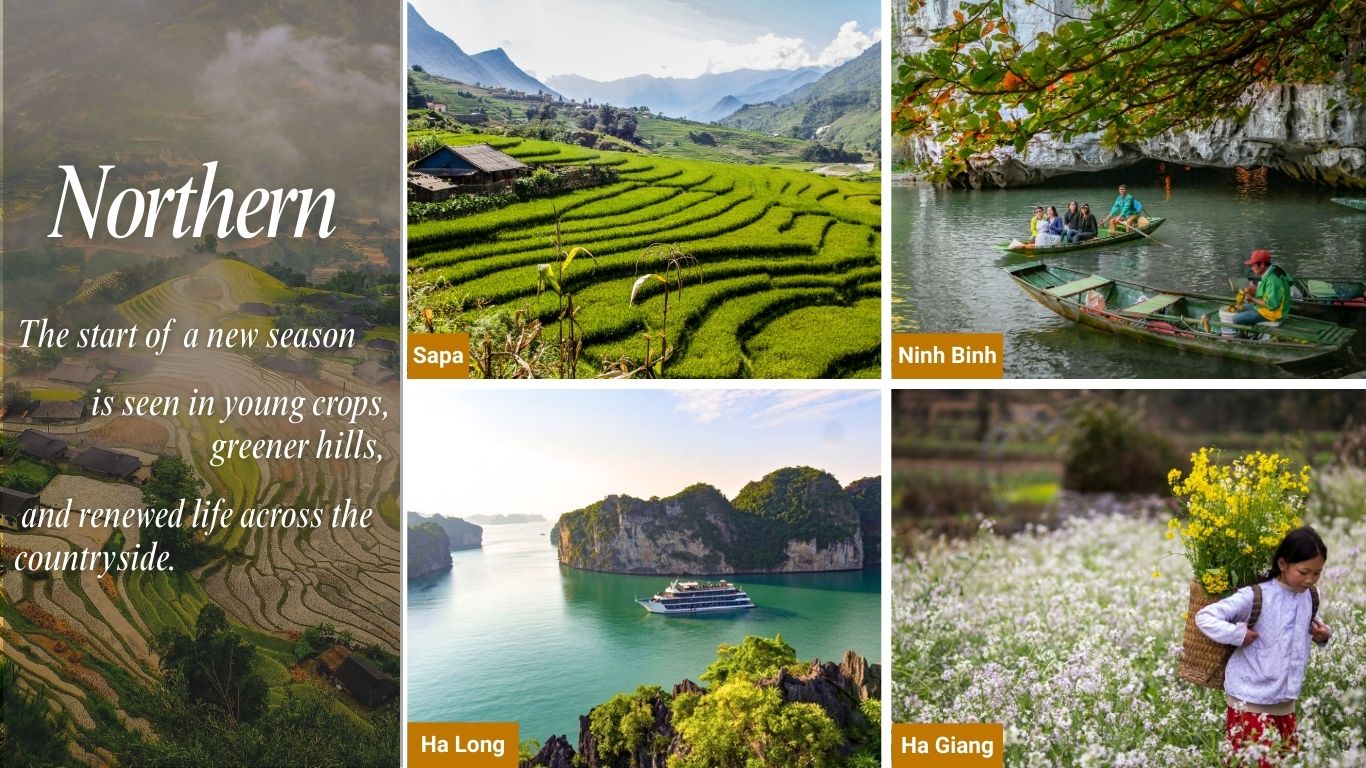
- Hanoi: the capital blends old-world charm with a lively modern pulse. Wander the Old Quarter’s narrow streets, sample street food that ranks among the best in Asia, and step into history at the Temple of Literature.
- Halong Bay: emerald waters and thousands of limestone islands make this one of the most photographed seascapes on earth. Travelers seeking a quieter version can head to Bai Tu Long Bay instead. An overnight cruise captures the bay at both sunset and sunrise.
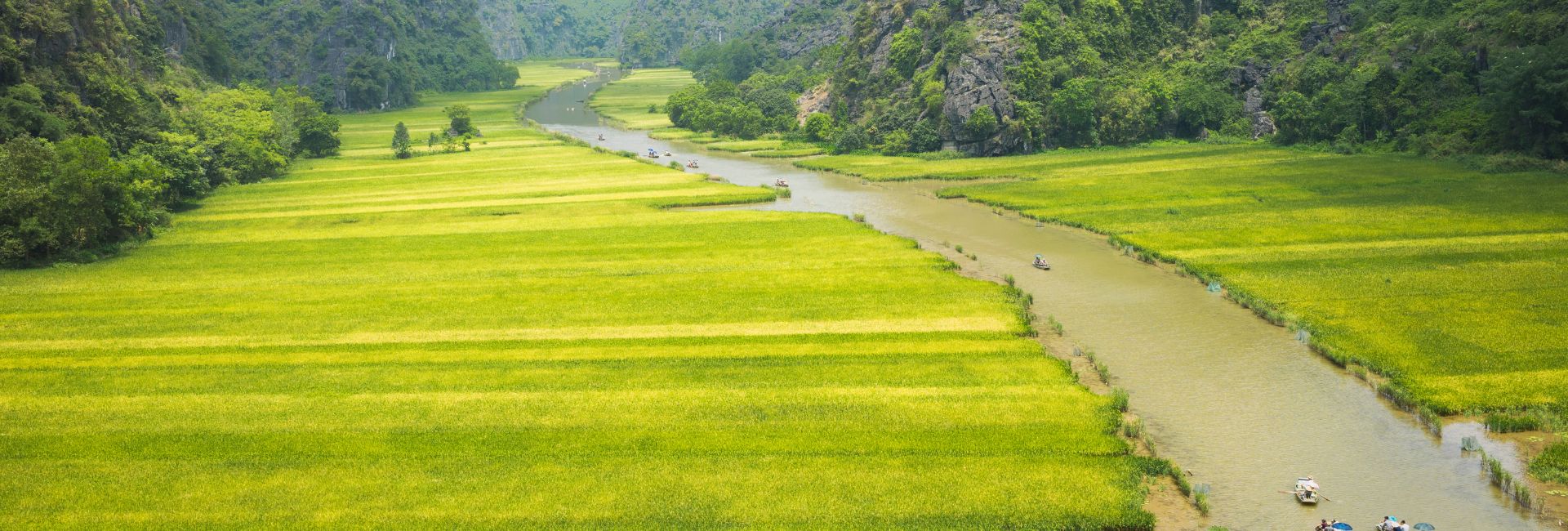
- Ninh Binh: often called Halong Bay on land, this destination pairs rich history with landscapes that feel almost painted. A boat tour glides through rivers framed by karst mountains. Cycling past peaceful villages adds an extra layer of charm.
- Mai Chau: a quiet valley wrapped in rice fields and home to several ethnic minority communities. Scenic walks, local culture, and a taste of homemade rice wine make it an easy escape into nature.
- Pu Luong: a hidden gem tucked into northern Vietnam, with rice terraces and forest trails that few travelers ever see. Hikers and adventure seekers looking to step off the well-worn path will find it especially rewarding.
- Sapa: a mountain town famous for terraced rice fields and vibrant hill tribe markets. It suits travelers with a bit more time to spare, given the distance from Hanoi, but rewards the journey with dramatic scenery.
- Ha Giang: the wildest stretch of northern Vietnam, where the Ha Giang Loop winds past jagged limestone peaks and remote ethnic villages. This is the pick for travelers chasing an off-the-beaten-path motorbike adventure.
- Cat Ba Island: the largest island in Halong Bay, offering national park hikes, quiet beaches, and a more laid-back alternative to a cruise-only itinerary. It works well as a base for exploring the bay by day and unwinding on land by night.
Central Vietnam
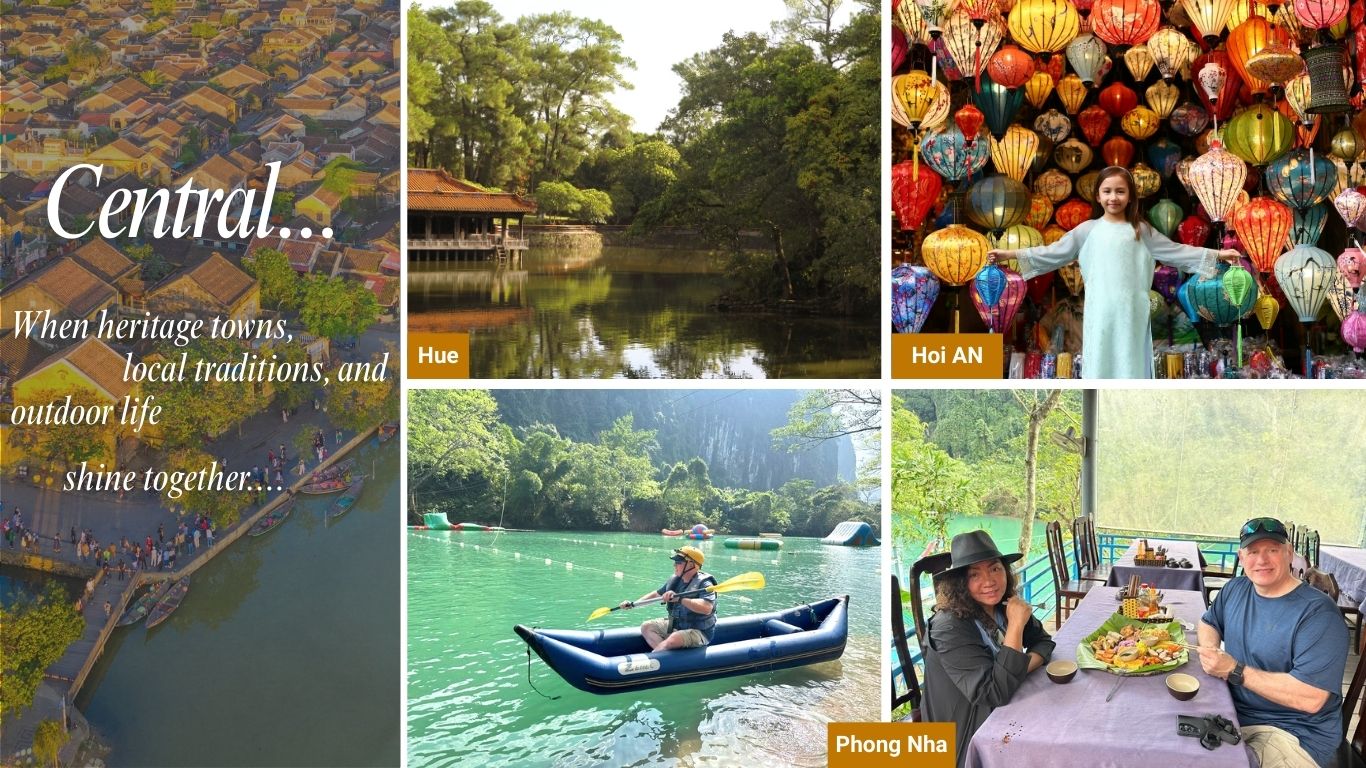
- Hue: once the imperial capital, this city carries centuries of royal history within its ancient citadel and tombs. Local markets and traditional cuisine add warmth to a place already known for its calm atmosphere.
- Hoi An: a beautifully preserved old town lined with colorful facades and glowing lanterns. Shopping for handmade goods, relaxing by the riverside, and exploring nearby beaches make this one of the most loved stops in the country. The food scene alone is worth the trip.
- Da Nang: a modern coastal city that bridges Hue and Hoi An, known for the Marble Mountains, the Golden Bridge, and a long stretch of beach. It’s an easy add for travelers who want a city base with beach access in one stop.
- Phong Nha-Ke Bang: home to some of the largest cave systems on the planet, including Son Doong for the most adventurous travelers. Best suited to nature lovers willing to trade a day of sightseeing for genuine exploration underground.
Southern Vietnam
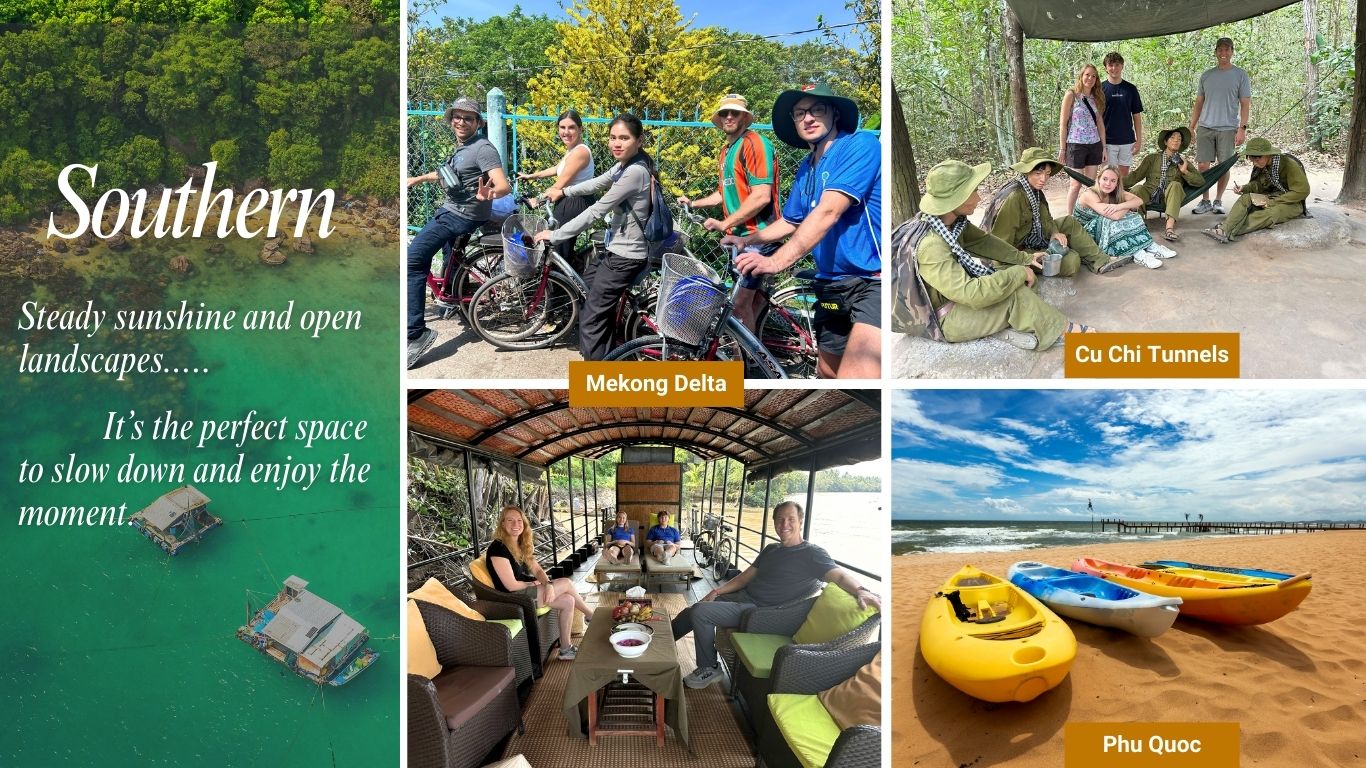
- Ho Chi Minh City: formerly Saigon, this fast-moving metropolis mixes modern skyscrapers with historic landmarks. Lively markets and the War Remnants Museum offer two very different ways to understand Vietnam’s story.
- Mekong Delta: a sprawling network of rivers and lush greenery just beyond the city limits. Boat trips reveal floating markets and riverside villages, and the region’s biodiversity, friendly locals, and tropical fruit make it a highlight for many travelers.
- Phu Quoc: an island escape known for white sand beaches, clear water, and a slower rhythm than the mainland. It suits travelers who want to end a busy itinerary with a few days of pure relaxation.
- Con Dao: a quieter, more remote island chain with pristine beaches and rich marine life. Best for travelers seeking a genuine off-grid escape.
3 Icons You Shouldn’t Skip
Before diving into full itineraries, a few destinations simply define the Vietnam experience, no matter which region ends up on the itinerary.
- Halong Bay: thousands of limestone islands rise straight out of emerald water, forming one of the most photographed seascapes in the world.
- Hoi An Ancient Town: lantern-lit streets and centuries-old merchant houses make this town feel frozen in the best possible way.
- Mekong Delta: floating markets and quiet river villages sit just an hour outside Saigon, offering a completely different pace of life.
Which Region Fits You?
Choosing a region comes down to pace, scenery, and the kind of experience being sought.
| Region | Pace | Landscape | Best For |
|---|---|---|---|
| North | Moderate | Limestone karsts, rice terraces, cooler air | History and nature lovers |
| Central | Relaxed | Heritage towns, coastline | Food lovers, couples, photographers |
| South | Fast | Urban energy, river delta | First-timers, foodies, city lovers |
Weather plays a role too. The north stays cooler and can turn chilly in winter. The center enjoys a warm, fairly consistent climate most of the year. The south remains tropical and humid nearly year-round.
The 3 Classic Regional Itineraries
Each route below removes the overland bottlenecks that usually turn a relaxed week into a tiring one.
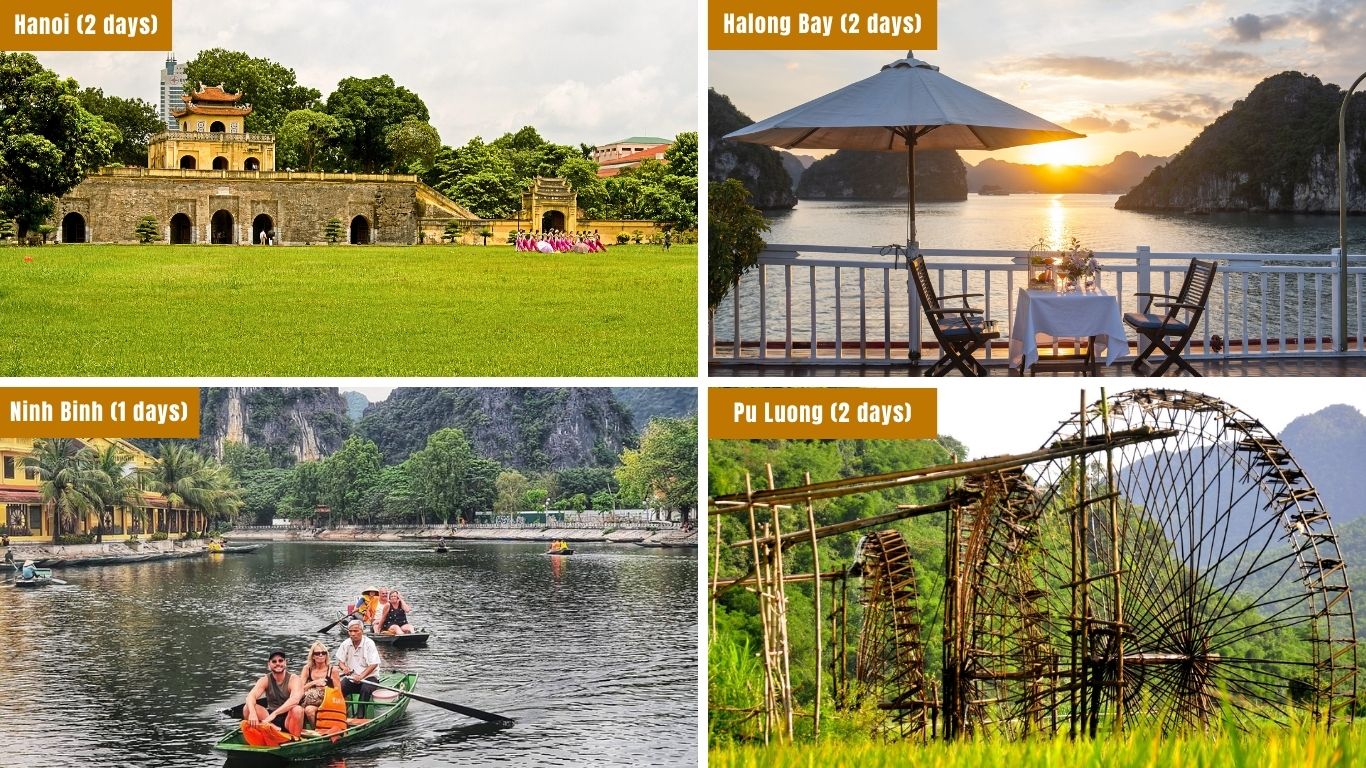
Option 1: Northern Dramatic Landscapes
This route keeps distances short and the scenery dramatic. Days one and two settle into Hanoi. Old Quarter streets mix centuries of history with a lively modern buzz, and the street food scene alone could fill an entire trip. This Hanoi travel guide covers where to eat, walk, and wander first.
Days three and four move to Ninh Binh, often called Halong Bay on land. A boat ride through Trang An glides past towering karsts reflected in still water. Find more ideas in things to do in Ninh Binh. Days five and six head to Halong or Lan Ha Bay for an overnight cruise that catches both sunset and sunrise. Ha Long Bay vs Lan Ha Bay breaks down which bay suits which traveler. Day seven returns to Hanoi for departure.
This version skips Sapa on purpose. It’s a stunning destination, but the five to six hour transit each way turns it into its own trip rather than a quick add-on. Curious readers can explore Sapa Vietnam tours or compare regions in Cao Bang or Ha Giang or Sapa. The Essence Northern Vietnam 7 Days tour covers this exact path with private transport and guiding included.
Option 2: Central Heritage & Beach Loop
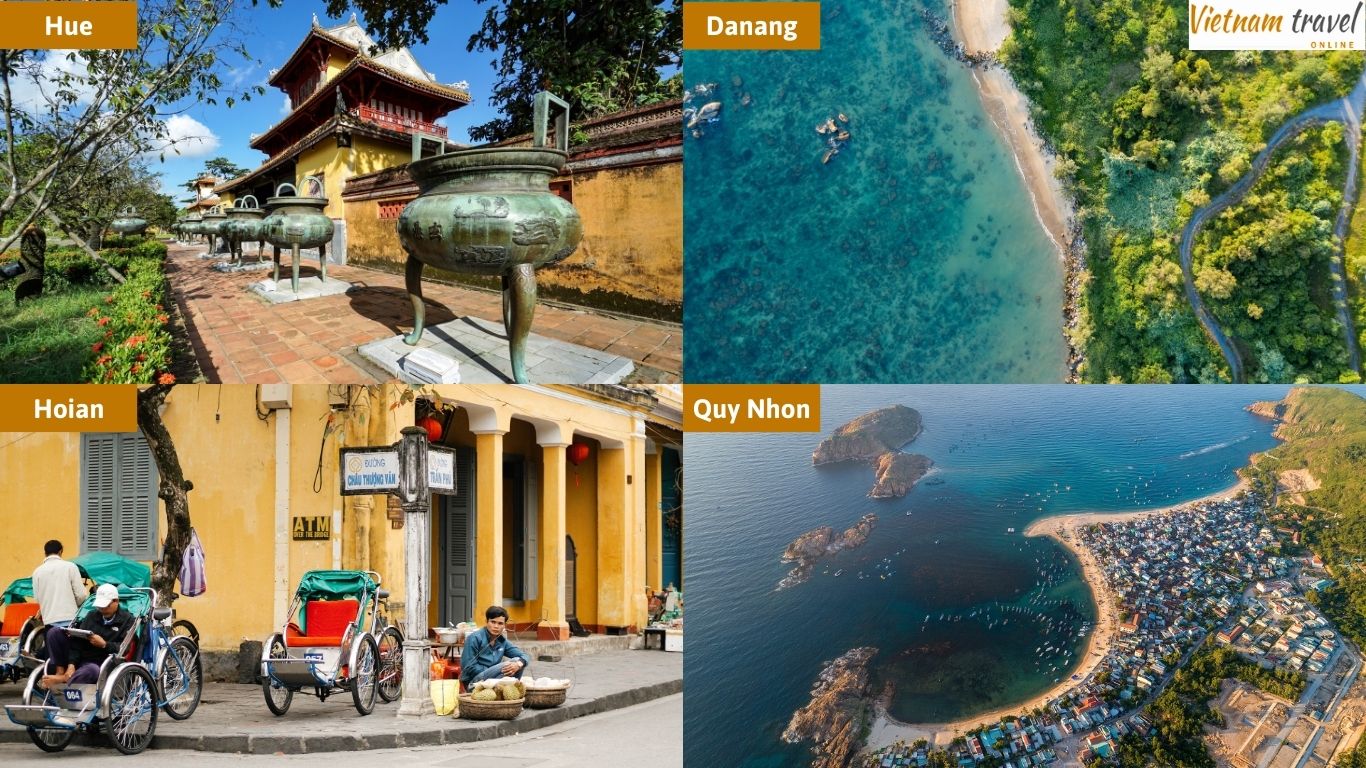
This loop suits travelers who want history and downtime in equal measure. Couples and photographers love it. Days one and two settle into Hue, the former imperial capital. The ancient citadel and quiet royal tombs set a slower, reflective tone. Things to do in Hue covers the city’s best stops.
Day three crosses the Hai Van Pass toward Da Nang, one of the most scenic coastal drives in the country, with mountains dropping straight into the sea. Days four through six settle into Hoi An. Lantern-lit lanes, tailor shops, and riverside cafes make it easy to slow down. An Bang Beach sits nearby for anyone craving sand and saltwater. 2 days in Hoi An lays out a focused plan for the town. Day seven departs from Da Nang.
One practical fix: fly directly into Da Nang instead of Dong Hoi. It saves a full transit day, unless cave exploring tops the list. The Historic Central Vietnam 7 Days tour builds this exact route with private guiding. Central Highland to the Sea 7 Days adds highlands scenery to the coast.
Option 3: Southern Energy & Waterways
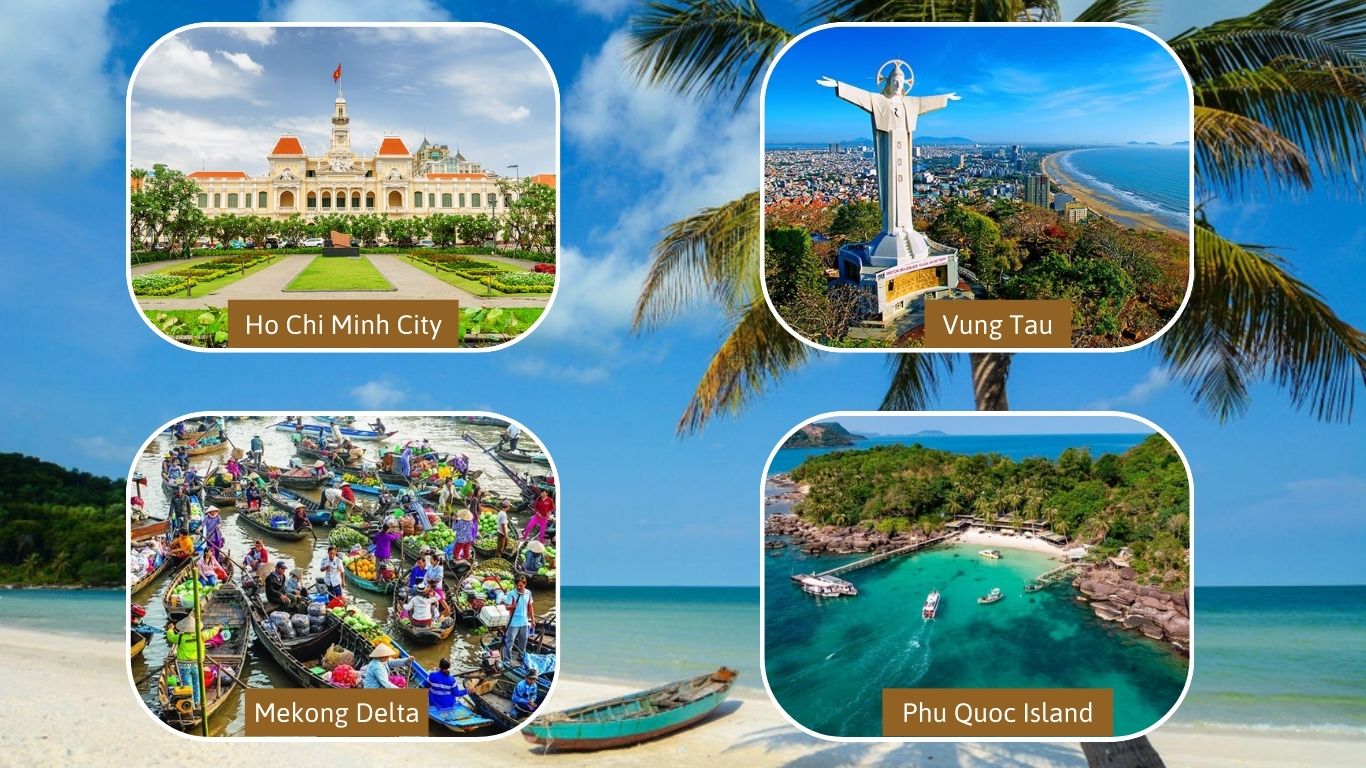
This route balances the fast pace of Ho Chi Minh City with the slow, green rhythm of the delta. Days one and two dive into the city itself. Modern skyscrapers sit beside war-era history, and cafe culture thrives on nearly every corner. The Saigon travel guide covers the essentials. Ben Thanh Market and the War Remnants Museum deserve a full afternoon. Take a wider look at the city’s museums in Ho Chi Minh City too.
Day three heads out on a day trip to the Cu Chi Tunnels and the striking Cao Dai Temple, each offering a different window into Vietnamese history and belief. Days four and five move into the Mekong Delta, where floating markets and river villages feel worlds away from the city’s noise. The Can Tho floating markets rank among the highlights. This travel guide for the Mekong Delta helps with the finer planning details. Day six returns to Saigon for any hidden gems left unexplored. Day seven is set aside for departure.
The Southern Vietnam Highlights 6 Days tour covers this exact route, with private transport and a local guide throughout.
Not sure which of these three fits best? Reach out to our team, and we’ll shape a private itinerary around your exact travel dates, pace, and interests.
The Fast Track Highlights Route
This hybrid route is built for travelers who picture Hanoi, Halong Bay, and Hoi An all in one trip. It offers a realistic way to make that happen. Days one and two settle into Hanoi. Day three brings a Halong Bay day cruise rather than an overnight stay, which saves a full day without sacrificing the view. Day four involves a short flight from Hanoi to Da Nang with a transfer straight into Hoi An. Days five and six are spent wandering lantern-lit streets and riverside cafes. Day seven flies home from Da Nang.
This route does involve one internal flight and slightly tighter mornings compared to the single-region options above. But it delivers two of the country’s most iconic experiences in a single week. Travelers drawn to this style of trip often also enjoy exploring the Northeast Vietnam Explorer 7 Days tour, which covers a similarly efficient multi-region path with private transport arranged throughout.
Planning Beyond 7 Days
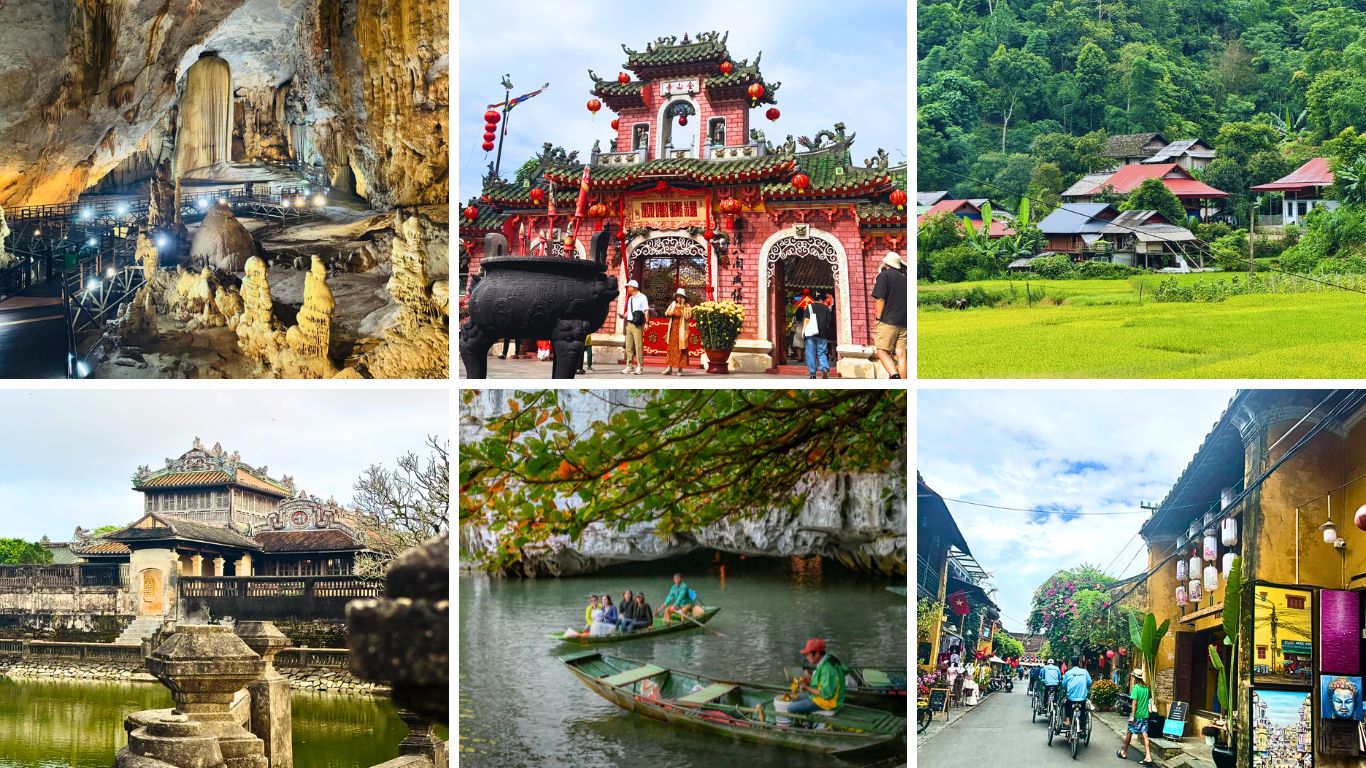
For anyone whose curiosity stretches beyond a single region, a 10 to 14-day trip opens up destinations like Ha Giang, Mai Chau, Pu Luong, and Phong Nha. All of these deserve more time than a seven-day trip allows. The Insightful Northwest Adventure 7 Days and Ha Giang travel guide are great starting points for that kind of deeper exploration. The Central Highland Discovery 7 Days tour offers a completely different side of central Vietnam.
Whichever route ends up on the itinerary, a well-paced trip always beats a rushed one. Our team is happy to help shape a private itinerary around specific dates, interests, and pace. You can also browse the full range of Vietnam tours and Indochina tours directly. Questions can also be sent to vietnam@indochinavoyages.com, or explored further through our full range of tours still flagged.
What a Week in Vietnam Actually Costs
Budgeting for Vietnam varies more by travel style than by region. The north tends to run slightly higher than the center or south due to cruise pricing.
| Tier | Accommodation | Food | Transport | Activities | Approx. Total/Week |
|---|---|---|---|---|---|
| Budget | Hostels, guesthouses | Street food, local eateries | Buses, shared transfers | Free walking tours, temples | $250 to $400 |
| Mid-Range | 3 to 4 star hotels | Mix of local and Western dining | Private car transfers | Guided day trips, boat tours | $600 to $900 |
| Comfort | 4 to 5-star hotels, boutique cruises | Fine dining, curated food tours | Private driver throughout | Private guides, exclusive experiences | $1,200 and up |
The single biggest cost swing usually comes from the Halong or Lan Ha Bay cruise choice. A shared dorm-style boat and a private boutique cruise can differ by hundreds of dollars for the same one or two nights. For travelers who want cost certainty from the start, private tours bundle transport, accommodation, and guiding into one clear price.
Real 2026 Travel Logistics
Planning has gotten noticeably smoother in recent years. A few updates are worth knowing before departure. The e-visa process runs entirely online, though processing can take a few business days. Applying at least two to three weeks ahead is still the safest approach.
Cash needs have also dropped significantly. Grab, the region’s dominant ride-hailing app, links directly to a credit card and covers most in-country transport. VietQR payment codes now appear even at small street stalls, letting travelers pay by scanning rather than counting bills. Setting up the Grab app and linking a card before landing saves a good chunk of airport friction on arrival.
Connectivity has improved too. Rather than queuing for a physical SIM card at the airport, most travelers now buy an eSIM before the flight and land already connected. Between these three shifts, a week in Vietnam in 2026 runs considerably smoother than it did even a few years ago.
Frequently Asked Questions
Is 7 days enough for Vietnam?
Seven days is enough to explore one region properly or two regions using a streamlined route. It is not enough to cover the entire country without feeling rushed.
Is Thailand or Vietnam better for a first-time 7-day trip?
Thailand offers more developed tourism infrastructure. Vietnam delivers more diverse landscapes and a richer, less touristy food scene. The better choice depends on personal travel style.
How do I travel between cities fast on a 1-week budget?
Domestic flights connect major cities quickly and affordably. Private transfers work best for shorter regional hops like Hanoi to Ninh Binh.
What month has the best overall weather across all regions?
March and April tend to offer the most balanced weather nationwide, though the north and south still follow slightly different seasonal patterns.
Is North or South Vietnam better for travelers?
The north suits travelers chasing cooler weather, mountains, and history. The south suits those drawn to beaches, warmth, and a faster city pace. Many travelers eventually visit both.