

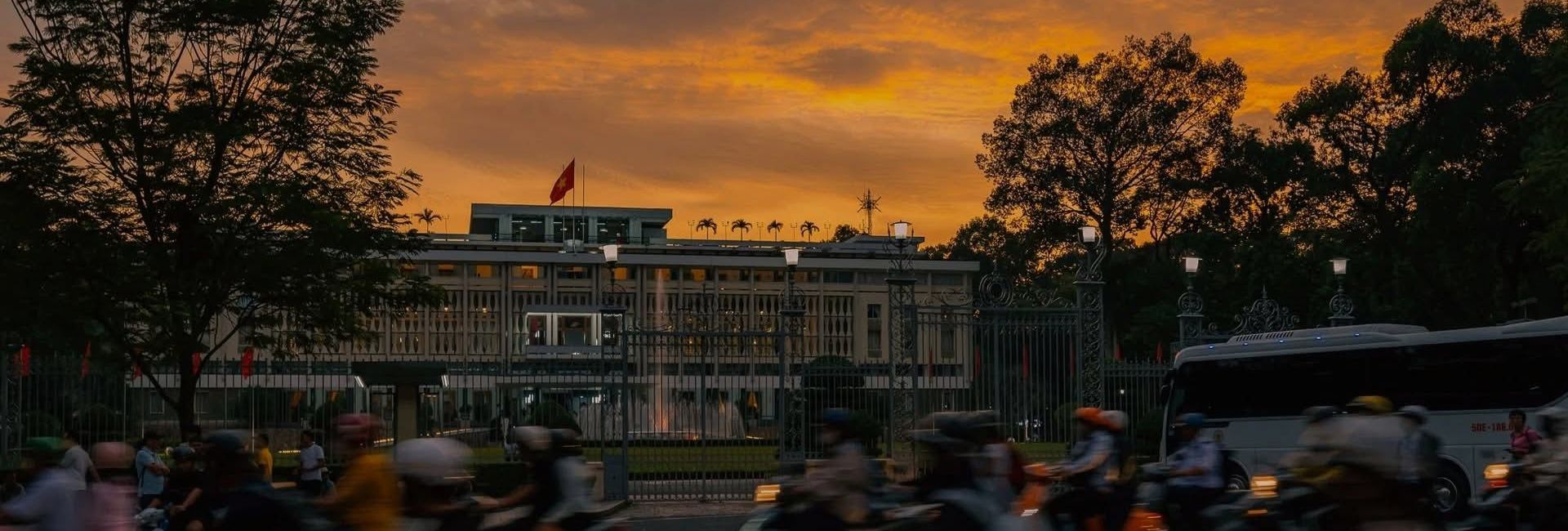
Saigon pulses with a kind of energy that is hard to describe until you are standing in the middle of it. Fast-moving streets, sizzling street food, and French colonial facades pressed up against glass skyscrapers create a city unlike anywhere else in Southeast Asia. On top of that, the warmth from locals makes you feel welcome within hours of arriving. Whether this is your first visit or a return trip, this guide helps you move through the city with confidence, eat well, spend wisely, and experience Saigon the way it deserves.
What can you find in this travel blog?
- Essential Things to Know Before Visiting Saigon
- Best Time to Visit Saigon
- Top Attractions You Cannot Miss in and around Saigon
- Cu Chi Tunnels: What Most Guides Do Not Tell You
- Mekong Delta: Southern Vietnam’s Other World
- Hidden Saigon: Beyond the Tourist Trail
- Best Experiences in Saigon
- Ben Thanh Market: How to Visit Like You Actually Live Here
- How Many Days Do You Need in Saigon?
- Saigon for Every Type of Traveler
- Suggested Itinerary Ideas
- Practical Tips for First-Time Travelers
- FAQs
Essential Things to Know Before Visiting Saigon
A few fundamentals will save you time, money, and the kind of confusion that turns a good trip into a stressful one. Saigon is remarkably easy to navigate once you know the basics, so here is where to start.
Quick Facts About Saigon
Saigon is the name locals use, and the name most of the world recognizes. After the Vietnam War ended in 1975, the government officially renamed it Ho Chi Minh City, but on the street, in markets, and in conversation, Saigon is what sticks. It is Vietnam’s largest city, home to over 9 million residents, situated in the south along the Saigon River. Internationally, it earned the nickname “Pearl of the Far East,” and spending even a few days here makes that easy to understand.
The currency is the Vietnamese Dong (VND). Vietnamese is the official language, though English is widely understood across tourist areas, hotels, and most restaurants. Motorbikes dominate every street, so your transport options range from Grab, the local ride-hailing app and by far the most reliable option, to cyclos, rented bicycles, and private transfers for longer journeys.
A Brief History Worth Knowing
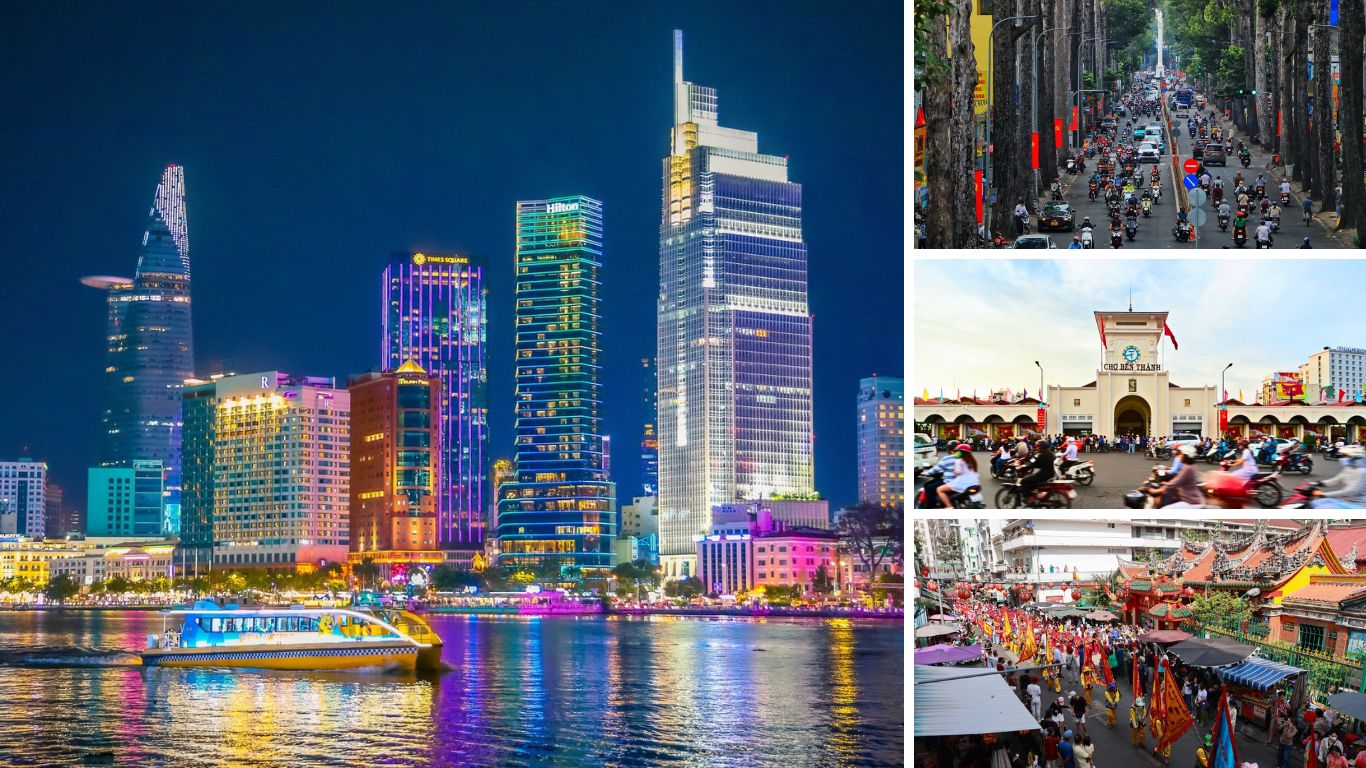
Saigon’s character today is inseparable from its past. The French colonial era left behind architectural landmarks that still define the skyline, most notably the Notre Dame Cathedral and the ornate Central Post Office, both still in active use. The Vietnam War then reshaped the city in ways that remain visible and deeply felt, preserved through the War Remnants Museum and the Independence Palace. Today, Saigon is one of Southeast Asia’s fastest-growing commercial hubs, where traditional wet markets share a street with rooftop cocktail bars and Michelin-recommended kitchens. That layering of eras is precisely what makes it so compelling.
How to Move Around
Grab is the single most practical tool for getting around safely and affordably. Download it before you land and use it for almost everything. For a more immersive experience, a private guided tour handles all logistics while giving you access to local knowledge that no app can offer. Cyclos are worth trying once, particularly around the historic center.
Where to Stay
District 1 is the natural base for first-time visitors, putting you within walking distance of most major landmarks, markets, and restaurant strips. Boutique guesthouses in District 3, meanwhile, offer a quieter and more residential feel without sacrificing convenience. For travelers who want accommodation handled as part of a wider itinerary, our team handpicks properties that match your travel style and budget. Reach out to Vietnam Travels Online, and we will take care of the details.
Best Time to Visit Saigon
Saigon is a year-round destination, but the time of year you choose shapes the experience considerably. Understanding the seasonal rhythm helps you plan smarter, spend less, and enjoy more. For a full monthly breakdown, our Saigon weather guide covers every detail.
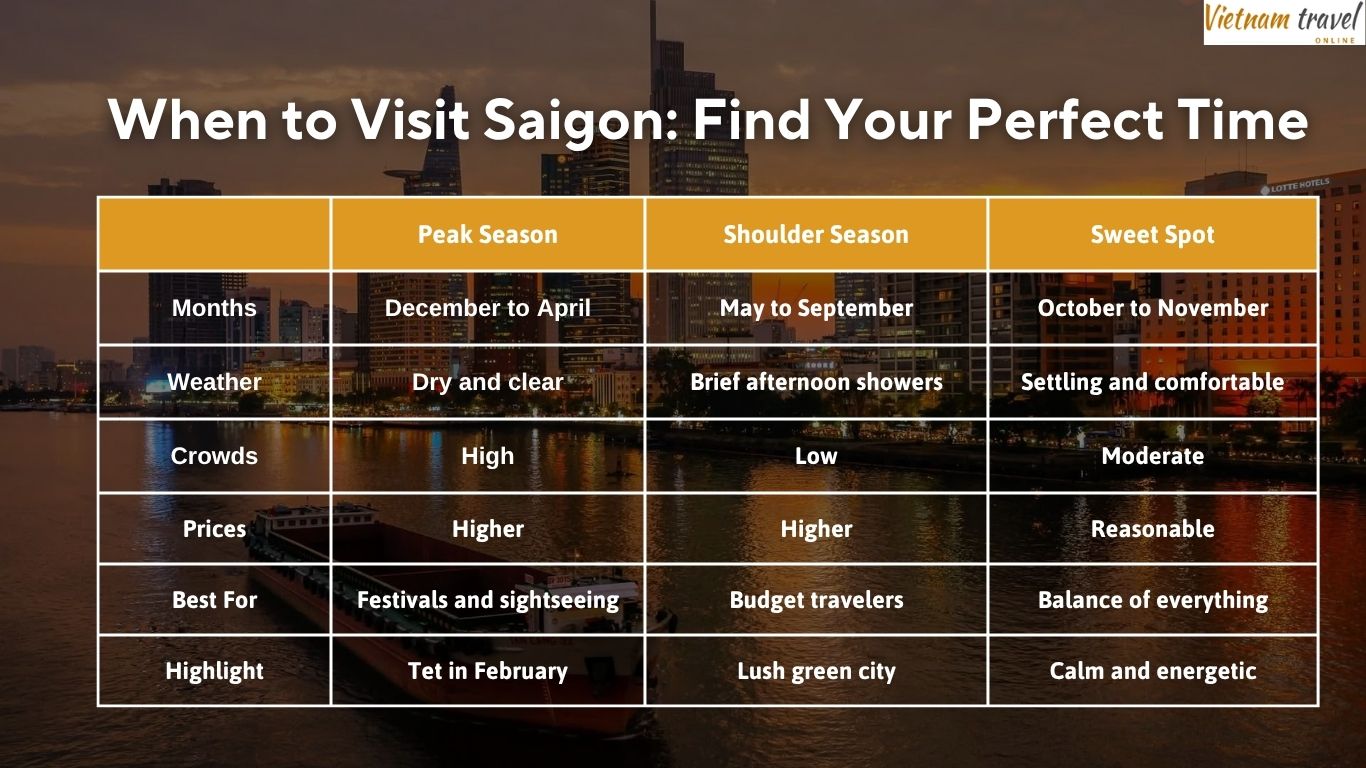
Peak Season: December to April
This is the dry season and the most popular window to visit. Skies are clear, humidity is manageable, and outdoor sightseeing is genuinely comfortable. February is the highlight of the calendar if your dates are flexible, as Tet, the Vietnamese Lunar New Year, transforms the city completely. The Nguyen Hue Flower Street installation alone draws visitors from across the country, and the atmosphere across every district is unlike anything else in Southeast Asia. Book accommodation and private tours well in advance for this period, since availability fills quickly.
Shoulder Season: May to September
The rainy season carries an undeserved reputation. Showers here are typically sharp afternoon bursts lasting 30 to 60 minutes before clearing entirely. Mornings are almost always dry, which makes sightseeing perfectly viable. Beyond that, hotel rates drop noticeably, crowds thin out at major attractions, and the city’s greenery looks its best after the rain. For travelers who are flexible on timing, this window offers real value.
October and November: The Sweet Spot
This brief shoulder period sits between the tail end of the rains and the peak season rush. Prices remain reasonable, the weather settles into its most comfortable range, and the city feels energetic without being overwhelmed by tourist traffic. If the dates work for you, this is quietly one of the best times to visit.
Top Attractions You Cannot Miss in and around Saigon
Saigon rewards curiosity at every turn. From French colonial masterpieces to raw wartime history and streets that feel like open-air food markets, each landmark carries genuine weight. Here is where to start.
Notre Dame Cathedral and the Central Post Office
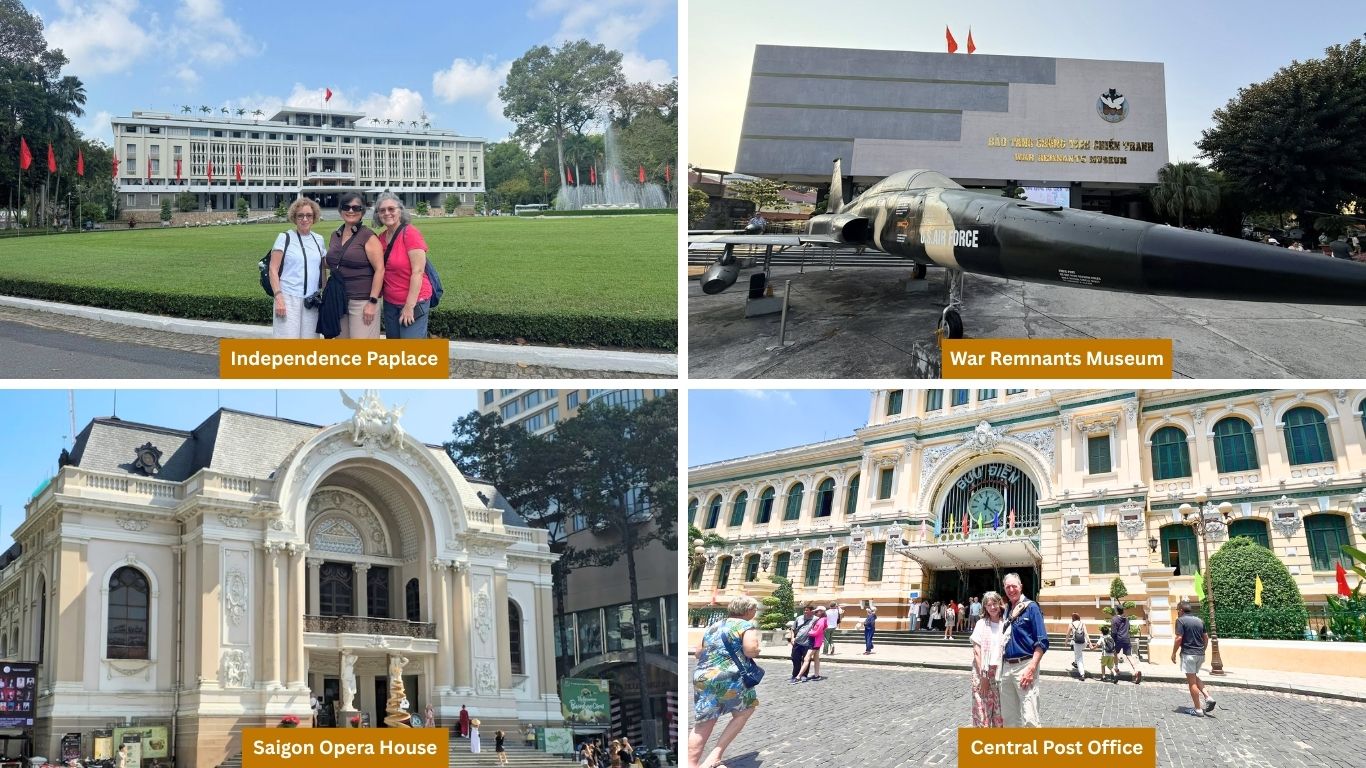
Two of the most photographed buildings in Vietnam stand within steps of each other in the heart of District 1. The Notre Dame Cathedral, with its twin bell towers, is a remarkable piece of French colonial architecture built entirely from materials imported from France in the 1880s. Directly opposite, the Central Post Office features a sweeping vaulted interior that doubles as one of the city’s most atmospheric spots for a quiet moment. Both are free to visit and best explored in the early morning before the crowds arrive.
The War Remnants Museum
Few travel experiences in Southeast Asia are as affecting as an hour inside the War Remnants Museum. The exhibits are unflinching, the photography is historically significant, and the military hardware displayed in the courtyard provides a scale of context no textbook can replicate. Give it time to absorb it properly. Consider pairing it with a visit to the Independence Palace nearby for a fuller picture of the era.
Independence Palace
Known also as the Reunification Palace, the Independence Palace is one of those rare places where history feels genuinely present rather than curated. Original furniture, intact war rooms, and presidential-era halls sit exactly as they were left. A private guided visit adds an entirely different layer of understanding to what you are walking through.
Saigon Opera House
A French-designed landmark that has anchored the cultural life of the city for over a century. Even without attending a performance, the exterior is worth pausing at, particularly in the evening when it is lit, and the surrounding square fills with locals.
Nguyen Hue Walking Street
This is Saigon at its most social. The pedestrian boulevard runs through the heart of District 1, lined with cafes, public art installations, and a constant flow of evening energy. It is the right place to decompress after a full day, find a cold drink, and watch the city move around you.
Cu Chi Tunnels: What Most Guides Do Not Tell You
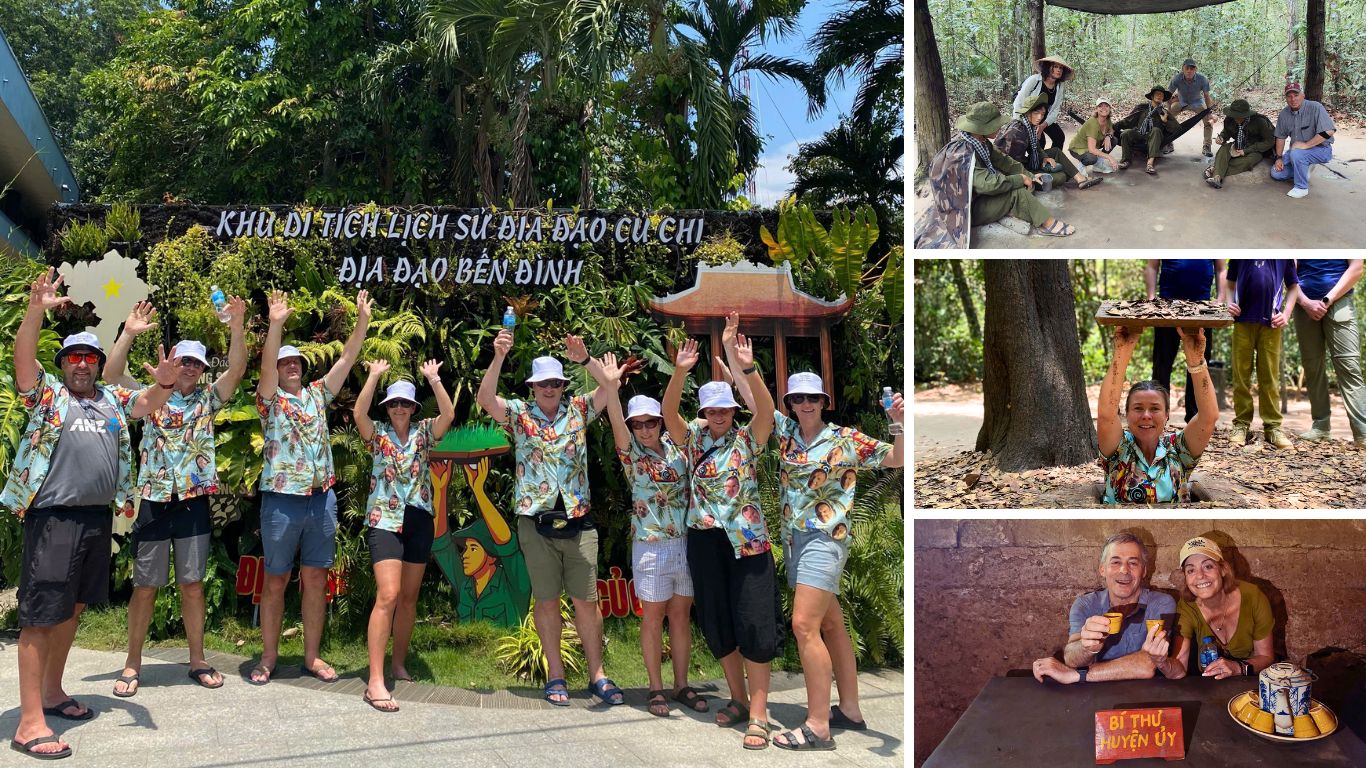
The Cu Chi Tunnels are one of the most visited sites outside Saigon, and for good reason. This vast underground network served Vietnamese fighters as living quarters, supply routes, and command centers, stretching over 250 kilometers beneath the jungle floor. Crawling through a section yourself, even the widened tourist-accessible version, makes the history viscerally real in a way no exhibit can match.
Ben Dinh vs Ben Duoc: Which Should You Choose
Most group tours default to Ben Dinh, the closer and more heavily visited site. Ben Duoc, located further into the tunnel network, receives significantly fewer visitors and offers a more immersive, less staged experience. If atmosphere and authenticity matter to you, Ben Duoc is the stronger choice. A private day trip makes the logistics straightforward and gives you the flexibility to spend time where it actually counts.
Half-Day or Full Day
A half-day is sufficient for the tunnels themselves. Combining them with a stop at the Cao Dai Temple in Tay Ninh, one of Vietnam’s most visually extraordinary religious sites, turns it into a genuinely varied and full day out of the city. Our team regularly designs this combination for travelers looking to make the most of a single excursion. Visit our Cao Dai Temple guide for more details on what to expect.
Want a private Cu Chi day trip built around your schedule? Our team handles transport, a knowledgeable English-speaking guide, and all logistics. Contact us at Vietnam Travels Online to put it together.
Mekong Delta: Southern Vietnam’s Other World
An hour south of Saigon, the landscape shifts completely. The Mekong Delta is a vast web of waterways, rice paddies, floating markets, and river villages moving at an entirely different pace to the city. It is one of the most distinctive regions in Southeast Asia and, as a result, one of the most rewarding day trips available from Saigon.
Ben Tre and My Tho: The Best Options for a Day Trip
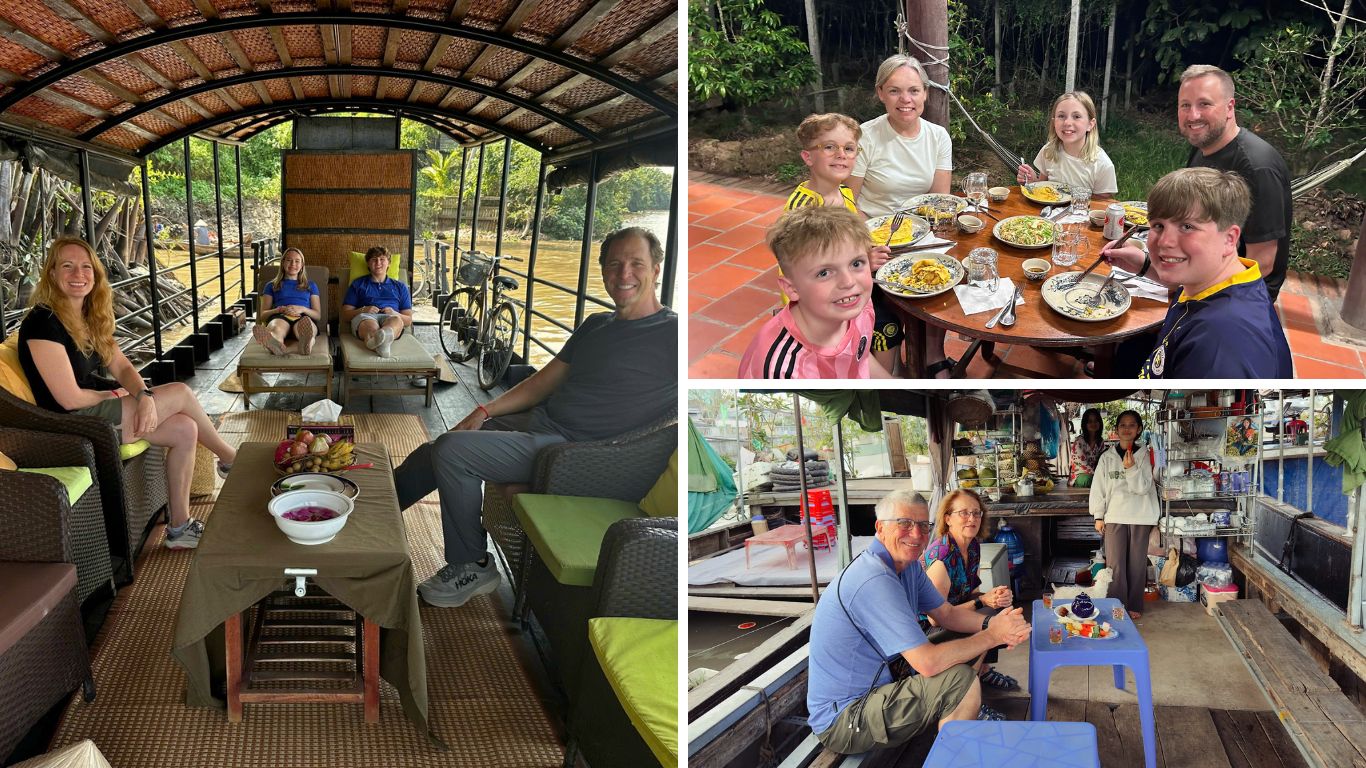
My Tho is the closest entry point into the Delta and suits travelers with limited time well. Ben Tre, slightly further, offers a quieter and more genuinely rural experience, with narrow canals, coconut palm groves, and villages where daily life has changed little in generations. Both destinations are best explored by a small wooden rowing boat, drifting through channels too narrow for motor vessels. That is where the real character of the Delta reveals itself.
Going Deeper: Overnight and Luxury Cruise Options
For travelers with more time, an overnight trip transforms the Delta from a day excursion into a proper destination. A luxury river cruise allows you to cover more ground while traveling in genuine comfort, waking up on the water and arriving at villages before the day-trip crowds. Explore options at Luxury Cruise Mekong to find the right fit for your itinerary.
Hidden Saigon: Beyond the Tourist Trail
Most visitors tick off the main landmarks and leave feeling like they have seen Saigon. The city, however, rewards those who wander a little further. Beneath the surface of the well-worn tourist map lies a version of Saigon that feels entirely your own, rawer, more local, and far more memorable.
District 4: The Street Food Capital Locals Swear By
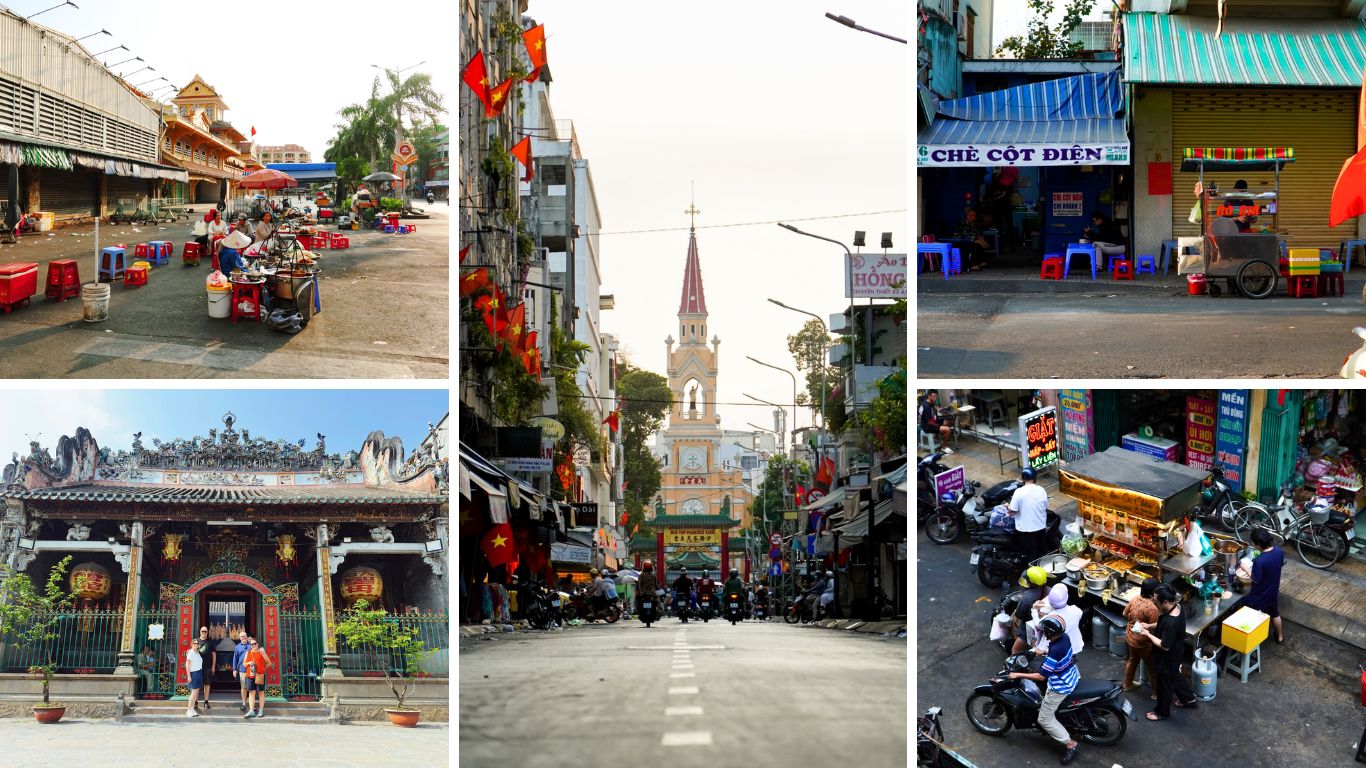
Just across the bridge from District 1, District 4 is where Saigon truly eats. Narrow alleys spill onto the pavement with plastic stools, smoking grills, and vendors who have been perfecting the same dish for decades. Bun mam, banh xeo, and grilled skewers here hit differently when there is no English menu in sight. Come hungry, come after 6 PM, and let the smell guide you.
District 3: War Bunkers Hidden in Plain Sight
Tucked beneath ordinary streets, the wartime bunkers of District 3 are one of Saigon’s most overlooked secrets. Far fewer visitors make it here compared to the Cu Chi Tunnels, yet the stories embedded in these spaces are just as powerful. A knowledgeable local guide makes all the difference, turning what looks like a quiet neighborhood into a living history lesson.
Cholon and Binh Tay Market: Chinatown Done Right
Ben Thanh gets the fame, but Binh Tay Market in Cholon is where serious shoppers and curious travelers end up. This is Saigon’s Chinatown, a layered, aromatic, and visually overwhelming district where wholesale spice traders, traditional medicine shops, and ornate pagodas sit side by side. The architecture alone is worth the Grab ride over.
Planning to go beyond the guidebook? Our team designs private Saigon experiences that take you exactly where the crowds are not. Reach us at vietnam@indochinavoyages.com or visit Vietnam Travels Online to start planning.
Best Experiences in Saigon
Saigon is not a city you observe from a distance. The best moments come from being inside it, on a motorbike threading through back streets, at a plastic stool with a bowl of something extraordinary in front of you, or on the river watching the skyline shift colors at dusk. These are the experiences worth building your days around.
Where and What to Eat
Street food is the foundation of Saigon’s culinary identity. Pho, banh mi, fresh spring rolls, and bun bo Hue are the essentials, though the city’s food scene goes far beyond the classics. Vietnamese drip coffee and coconut coffee have developed devoted followings among travelers, and rightly so. For something more structured, a private street food tour with a local guide covers ground that would take days to find independently.
Saigon on a Vespa
A Vespa tour through Saigon is one of those experiences that sounds fun on paper and exceeds expectations in person. Weaving through the city on the back of a vintage scooter, stopping at hidden street food stalls, market laneways, and rooftop spots that most visitors never find, it is genuinely the best way to understand how the city actually works. Evening departures hit particularly well.
River Cruise on the Saigon River
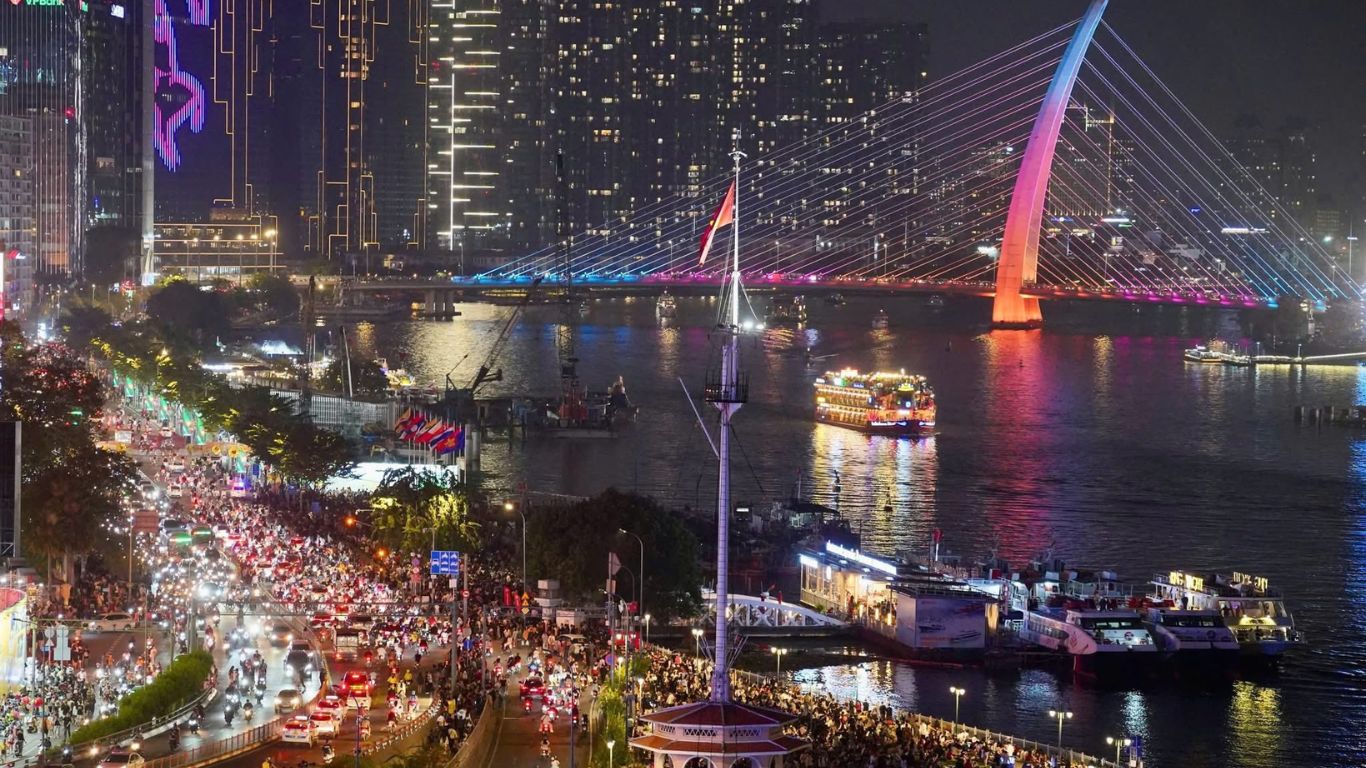
Sunset on the Saigon River reframes the entire city. From the water, the skyline, the bridges, and the constant movement of river traffic create a perspective that is genuinely different from anything you get on land. Dinner cruises work especially well for couples and families looking for a relaxed evening after a full day of sightseeing.
Cooking Classes and Craft Villages
A half-day cooking class grounds you in the flavors you have been eating all trip, giving you something tangible to take home. Nearby craft villages, reachable on a private day trip, offer a window into traditional Vietnamese artisanship that is increasingly rare to find in the city itself.
Ben Thanh Market: How to Visit Like You Actually Live Here
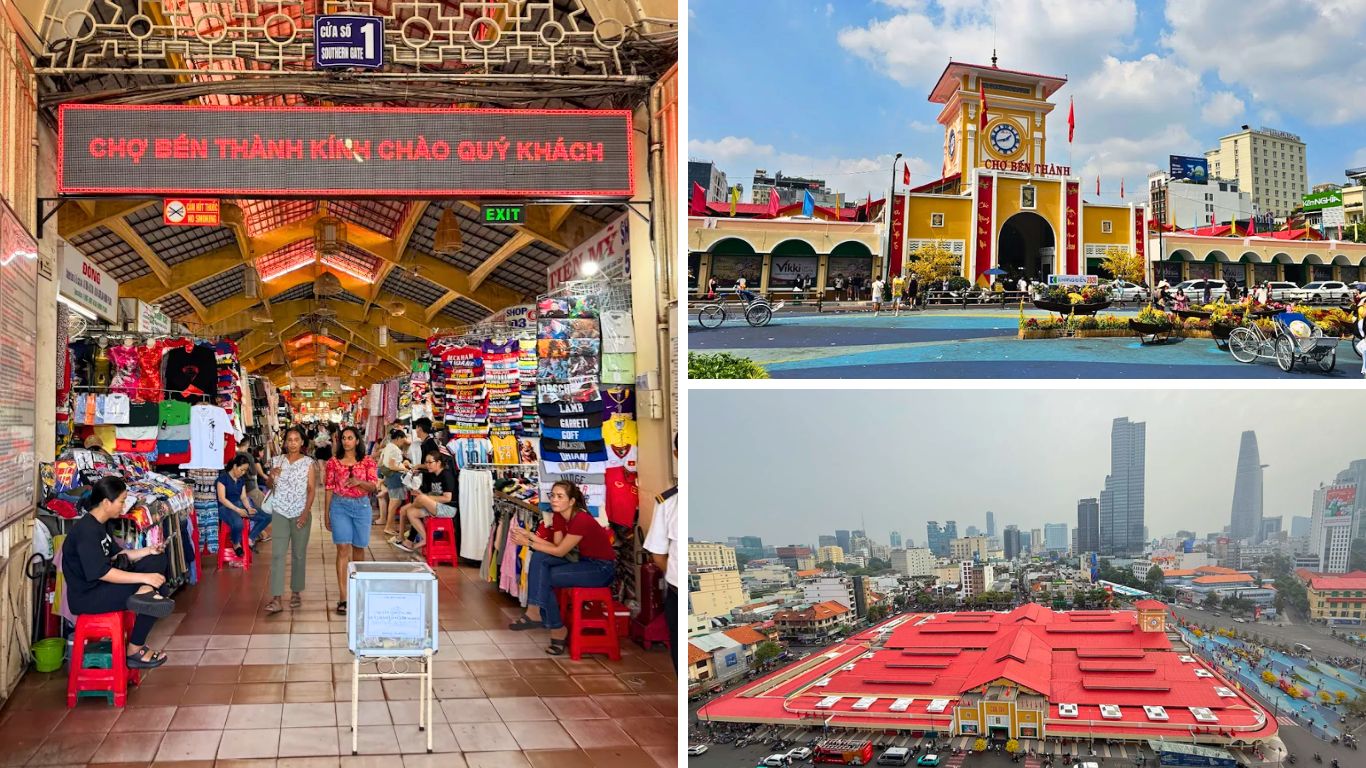
Ben Thanh is iconic for good reason, but walking in without a strategy means overpaying, overheating, and leaving underwhelmed. Visited the right way, it is one of the most energetic stops in the city. Our full guide to Ben Thanh Market covers every angle, but here is what actually matters on the ground.
- When to Go
Arriving between 7 and 9 AM gives you the best light for photos, the coolest temperature of the day, and vendors who are genuinely happy to chat before the rush. If mornings are not your preference, showing up after 6 PM shifts the market into its night format, with fresh grilled food, cold drinks, and a far more relaxed atmosphere overall.
- How to Bargain Without Awkwardness
Start at 40 to 50 percent of whatever price is quoted first. It sounds aggressive, but vendors price with negotiation built in. Stay friendly, smile, and be willing to walk away. That last move usually brings the price down faster than anything else.
- When Ben Thanh Is Not the Right Call
For fixed-price clothing and fashion at fair rates, Saigon Square nearby is the smarter option. For a more authentic, less tourist-facing market experience, head to Binh Tay in Cholon instead. Both are easy to reach and well worth adding to your day.
How Many Days Do You Need in Saigon?
Saigon is generous with its rewards regardless of how much time you have. A single day gives a genuine taste. Three days give depth. Five days let you slow down and discover the city on your own terms.
1 Day: The Essential Saigon
Start at Ben Thanh Market before the crowds arrive, then walk to the Notre Dame Cathedral and Central Post Office while the morning light is still soft. After that, the War Remnants Museum deserves at least 90 minutes. End the day with an evening street food tour in District 1 or a Vespa ride through the back streets. It is a full day, and a memorable one.
2 to 3 Days: City Plus Day Trips
The first day covers the city highlights above. Day two is best spent outside entirely, either at the Cu Chi Tunnels or on a Mekong Delta river trip. Day three, meanwhile, opens up rooftop bars, Cholon’s markets, the Opera House district, and the kind of unhurried wandering that Saigon handles particularly well. Most first-time visitors find this the right amount of time.
4 to 5 Days: Going Deeper
With more time, the city reveals itself differently. Hidden pagodas in District 5, the emerging art cafe scene across Districts 2 and 4, additional day trips to the Delta, and evenings spent along the river all become part of the rhythm. This pace suits travelers who prefer to absorb rather than tick boxes.
Saigon for Every Type of Traveler
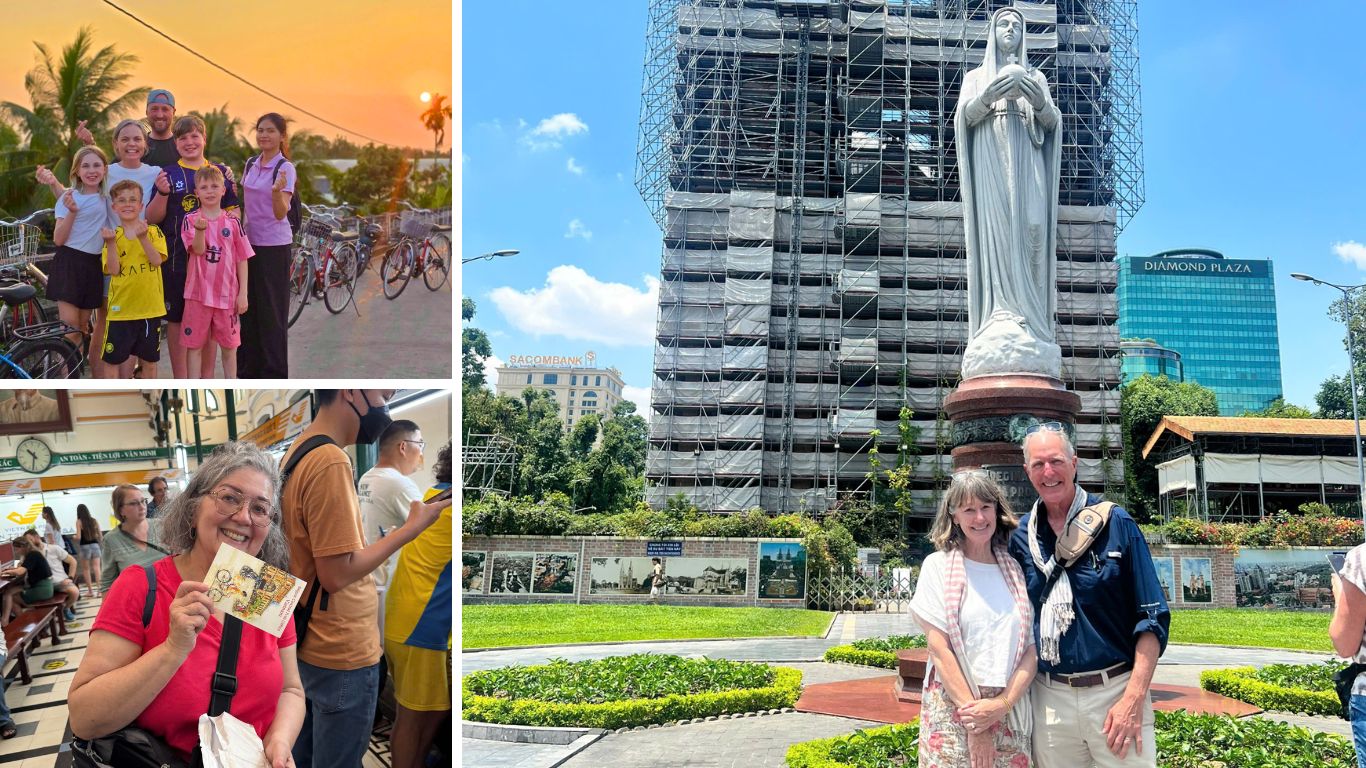
Saigon does not ask you to travel a certain way. It adapts. Whether you are here alone with a loose agenda or coordinating a family itinerary down to the hour, the city has a version of itself ready for you.
Solo Travelers
Saigon is one of the most solo-friendly cities in Southeast Asia. It is easy to navigate, affordable at almost every level, and socially open in a way that makes connecting with people effortless. The backpacker strip around Pham Ngu Lao is well-established, though solo travelers with a preference for comfort are increasingly choosing boutique hotels in District 3 and private guided days over group tours. Both approaches work exceptionally well here.
Couples
The city’s range makes it naturally suited for couples. Days can be built around history and food, while evenings shift toward river cruises, rooftop cocktails, and the kind of atmospheric side streets that Saigon does better than almost anywhere in the region. A private two or three-day itinerary removes all planning friction and lets you focus entirely on the experience.
Families
Saigon with children works best when the pace is managed carefully. The War Remnants Museum is powerful but graphic, so consider the ages in your group beforehand. The Cu Chi Tunnels are genuinely exciting for older children and teenagers, and river trips, cooking classes, and Vespa tours with sidecar options are engaging across all age groups. Our team has built family itineraries across Vietnam for years and knows exactly how to calibrate the balance. Reach out to Vietnam Travels Online to discuss your group’s needs.
Budget Travelers vs Luxury Travelers
Street food, public transport, and guesthouses make Saigon one of the most affordable cities in the region without sacrificing the quality of experience. For those at the other end of the spectrum, the city now has genuine luxury credentials, from five-star properties along the river to private guided days, fine dining, and tailored itineraries managed from arrival to departure. Whichever end of that range fits you, Saigon delivers.
Suggested Itinerary Ideas
Culture and Adventure: 3 to 5 Days in Southern Vietnam
Combine Saigon’s city highlights with a Cu Chi Tunnels day trip and a Mekong Delta river excursion. Evenings work well for a Vespa tour or sunset river cruise. This is the most complete introduction to Southern Vietnam available in a short window, and the balance of history, nature, and food reflects the region’s character well. Browse our Vietnam Tours for a fully structured version of this itinerary.
Deep Dive into Vietnam: 7 to 10 Days
A week opens the door to the full country. Moving north through Hoi An, Hue, and Hanoi, with a Ha Long Bay cruise as the finale, delivers an experience that covers Vietnam’s geographical and cultural range properly. Each destination adds a distinct layer, and the journey as a whole leaves you with a far richer understanding of the country than any single city can offer.
Indochina Explorer: 2 to 3 Weeks Across Borders
For travelers with time and appetite, extending beyond Vietnam into Cambodia, Laos, and Thailand creates one of the great regional journeys available anywhere in the world. Angkor Wat, Luang Prabang, and Bangkok each earn their place on the route. Connecting them through Saigon as a starting point makes both geographical and experiential sense. Our team at Indochina Voyages specializes in exactly this kind of multi-country design.
Practical Tips for First-Time Travelers
Saigon is easier to navigate than it looks from the outside. A handful of ground-level habits will make your time here smoother from day one.
Carry small bills in Vietnamese Dong at all times. Markets, street food vendors, and motorbike taxis all operate on cash, and large notes create unnecessary friction. For rides, Grab is the most reliable and transparent option available. The fare is fixed before you confirm, which removes all negotiation from the equation entirely.
Crossing the street is an acquired skill. The technique that works is to walk at a steady, predictable pace and let motorbike traffic flow around you. Stopping suddenly is the one thing that causes problems, so trust the system and keep moving.
For connectivity, picking up an eSIM or a physical SIM card at Tan Son Nhat Airport on arrival is the simplest solution. Local data plans are inexpensive and available from multiple providers right at the terminal. On payments, cash remains standard at markets and smaller street food spots. That said, most cafes, restaurants, and hotels in tourist areas now accept credit cards and increasingly Apple Pay and Google Pay as well.
Finally, stay hydrated throughout the day. The heat is constant, and most travelers underestimate how much fluid they are losing simply by walking between sites.
FAQs
Is Saigon safe for travelers?
Yes, and consistently so. Standard street awareness around traffic and bag security applies, as it would in any large city.
Is Saigon safe for solo female travelers?
Generally yes. Using Grab rather than unmarked taxis and staying in well-reviewed accommodation makes a practical difference.
What is the difference between Saigon and Ho Chi Minh City?
Ho Chi Minh City is the official government name adopted after 1975. Saigon is what locals call it, and the name that carries the city’s cultural identity.
What is the best area to stay in Saigon?
District 1 for first-time visitors who want everything walkable. District 3 suits those looking for a quieter, more residential feel with easy access to the center.
How many days do I need?
Two to three days cover the city well. Add one or two more if you plan to include Cu Chi or the Mekong Delta.
Do I need to speak Vietnamese?
Not at all. English is widely spoken in hotels, restaurants, and tourist areas across the city.
Is Saigon more expensive than Hanoi?
Slightly, in tourist-facing areas. Street food, local transport, and markets remain very affordable regardless.