

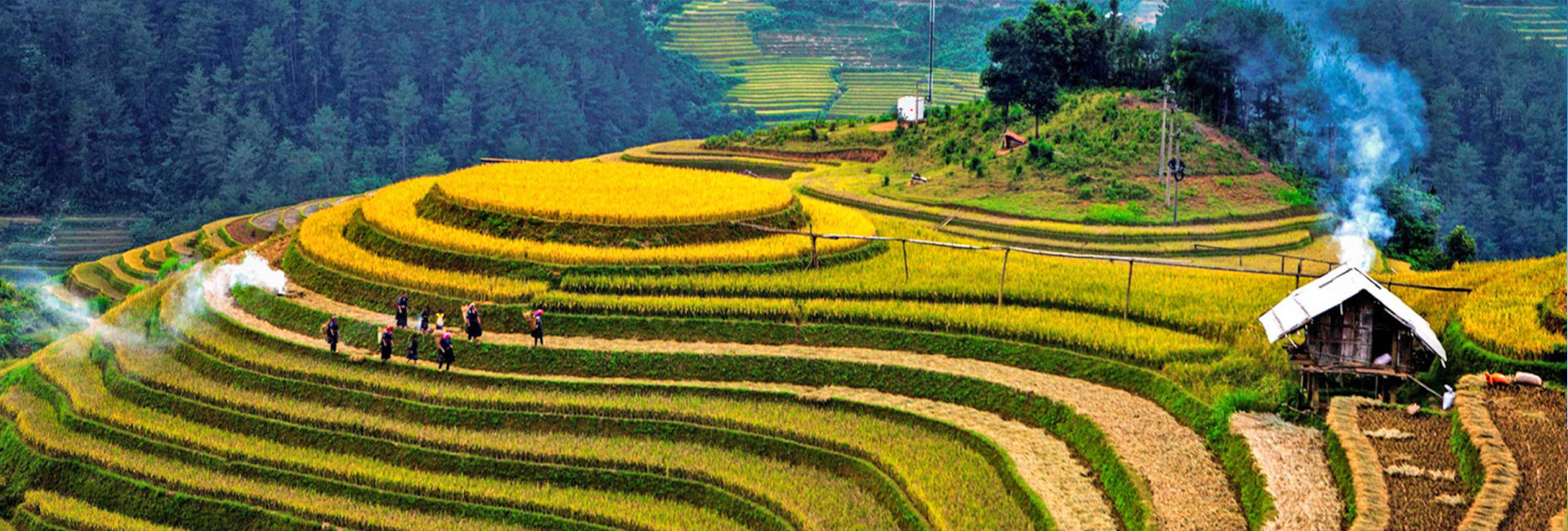
Ha Giang, situated in the northern part of Vietnam, is a popular tourist destination. There are numerous exciting things to to in Ha Giang, such as exploring the stunning landscapes of hills adorned with various types of blooming flowers and terraced fields, as well as experiencing the cultural diversity of the locals. To plan a perfect Ha Giang loop, check out this travel guide.
Here is what you can expect from this travel guide:
- When is the best time to visit Ha Giang?
- How to get to Ha Giang from Hanoi?
- Ha Giang loop routes
- 9 Highlights On Ha Giang Loop Journey
- Ha Giang accommodation
- Suggested Ha Giang tours
- Beyond Ha Giang: Exploring Neighboring Destinations
- FAQs
When is the best time to visit Ha Giang Loop?
The best time to visit Ha Giang is from August to October and January to March.
From August to October, rice terraces turn golden across the mountains. As a result, the scenery becomes incredibly photogenic. The weather is cooler, and rainfall is lower than in mid-summer.
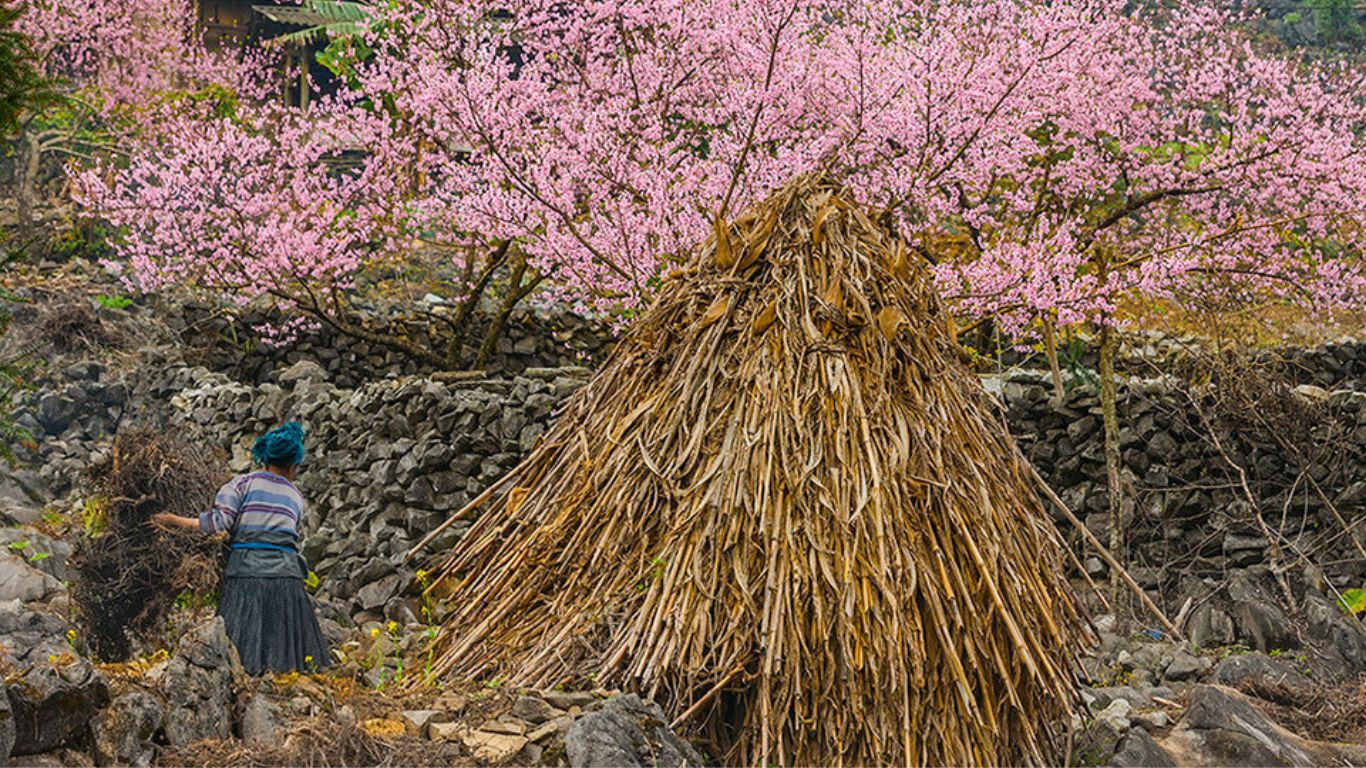
Meanwhile, January to March marks spring in Ha Giang. During this time, peach blossoms, plum flowers, and mustard flowers bloom across hillsides. Temperatures stay mild, which makes trekking and village visits more comfortable.
Because of these seasonal highlights, both periods are ideal for exploring the Ha Giang Loop at a relaxed pace.
>>> Read more: Best time to travel to Ha Giang & Highlights by Season
How to get to Ha Giang from Hanoi?
Ha Giang is about 300 km from Hanoi, so travel time is quite long.
By private car
A private car is the most comfortable option. It suits travelers who prefer flexibility, safety, and scenic stops. The journey usually takes 8–10 hours, depending on traffic and breaks.
By bus
Buses are a popular budget option. You can choose between express buses or sleeper buses. Most travelers prefer overnight buses, which arrive in Ha Giang early in the morning.
Prices range from VND 250,000 to 500,000, depending on service quality.
Getting around Ha Giang
Once you arrive, renting a motorbike is the most common way to explore the loop. Alternatively, some travelers send their motorbike by bus in advance. However, you should confirm space availability with the bus company beforehand.
Although National Road 2 is easy to follow, using GPS is still essential. This is especially helpful in remote mountain areas.
>>> Read more: How to get from Ha Noi to Ha Giang? Road Trip Essentials and Tips
Ha Giang loop routes
The Ha Giang Loop isn’t just a road trip – it’s a legendary motorcycle journey that winds through the most spectacular mountain landscapes in Northern Vietnam. Typically, you have two main route options: a classic 4-day circuit and a more extended 5-6 day exploration. These routes traverse approximately 350 kilometers of challenging mountain roads, connecting some of the most remote and stunning regions of Vietnam’s northernmost province.
Option 1: The Classic Ha Giang Loop Highlights Route (4 Days)
Day 1: Hanoi to Quan Ba
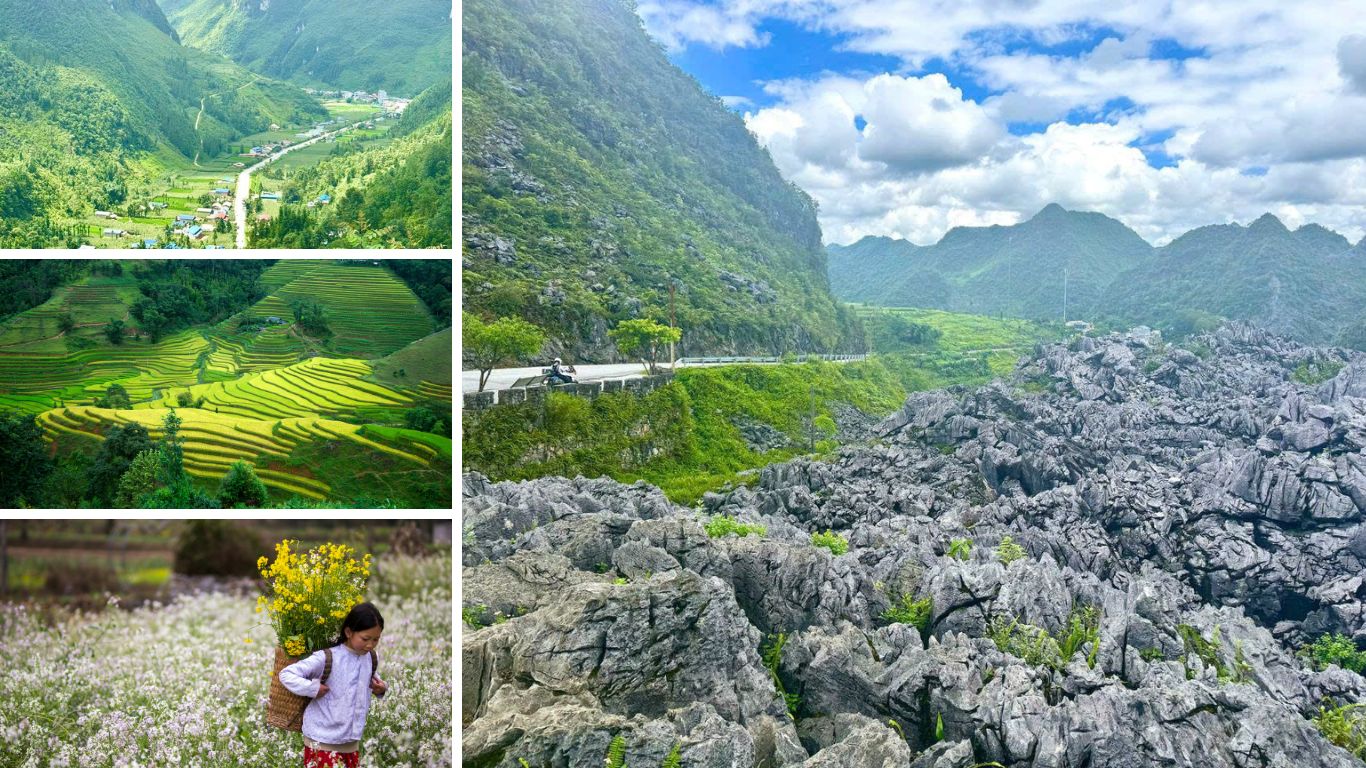
Begin your adventure with a journey from Hanoi to Quan Ba. As you climb into the mountains, you’ll witness the landscape transform dramatically. Quan Ba welcomes you with its twin mountains, known locally as the “Fairy Bosom,” offering breathtaking views that will make you stop and marvel at nature’s artistry.
Day 2: Exploring Dong Van Plateau – Meo Vac village
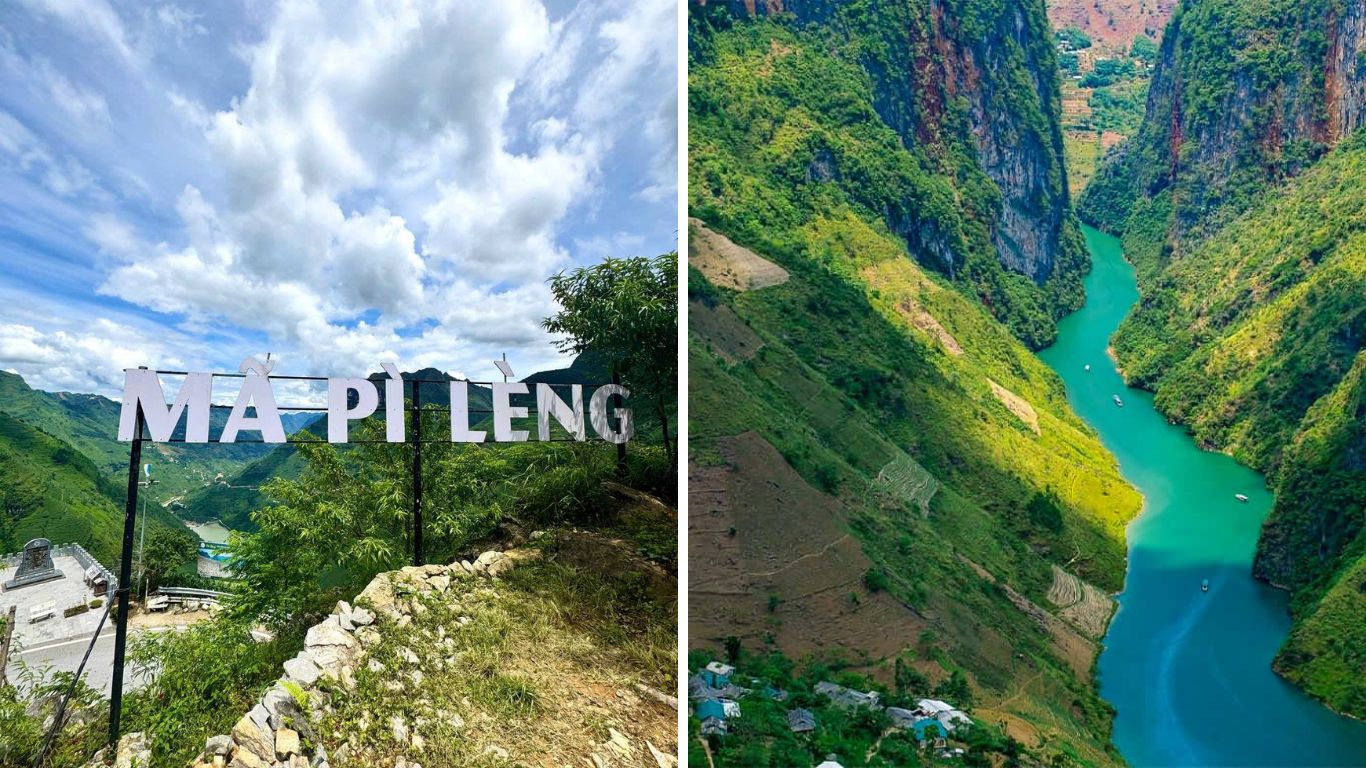
This day takes you through the legendary Dong Van Plateau, a UNESCO Global Geopark that feels like riding through the backbone of the earth. You’ll traverse the Ma Pi Leng Pass – often called the “King of Passes” – with views so spectacular they’ll take your breath away. The journey continues to Meo Vac, a remote town nestled among towering limestone mountains.
Day 3: Visit Meo Vac market on every Sunday – Relaxing by taking a boat trip on the Nho Que river
If you time your trip right, you’ll experience the famous Meo Vac Sunday market, a vibrant gathering of local ethnic minorities in their traditional costumes. For the adventurous, a boat trip along the emerald Nho Que River offers a different perspective of the landscape. Trekking options provide an even deeper connection to this remarkable region.
Day 4: Return Journey
Your final day winds through Quan Ba, Bac Me, and finally to Ha Giang City, completing the loop. Each kilometer brings a new perspective, a different view, and memories that will last a lifetime.
Option 2: A Well-Balanced Ha Giang Loop for Motorbike Riders
This route follows Ha Giang – Du Gia – Meo Vac – Dong Van – Yen Minh – Tam Son – Ha Giang.
It suits riders who prefer a steady pace, scenic variety, and frequent photo stops instead of long, exhausting riding days.
Compared with the classic loop, this option flows more gently. It combines mountain passes, open valleys, and quiet villages. As a result, the journey feels immersive rather than rushed.
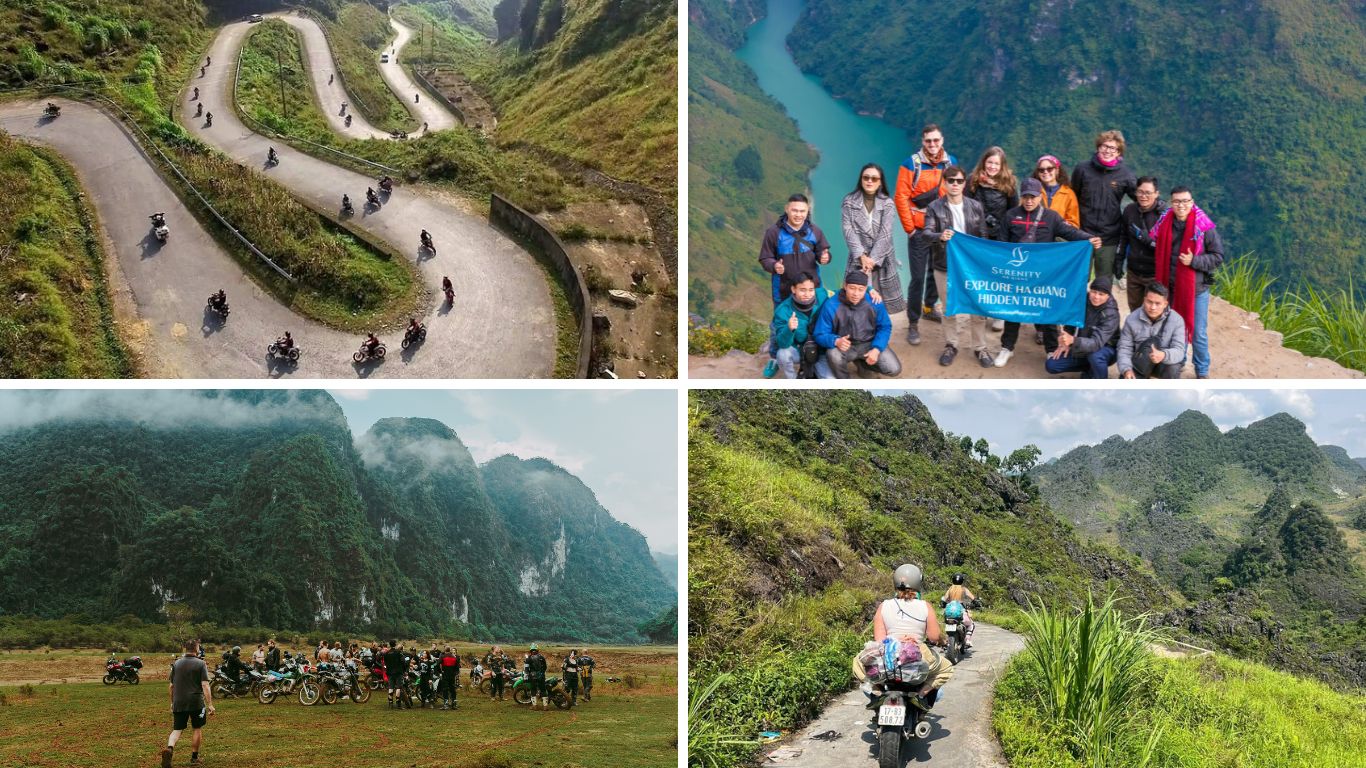
Day 1: Ha Giang City – Du Gia
Start early from Ha Giang City and ride toward Du Gia. Very quickly, traffic thins out and the road becomes calmer. This stretch is especially enjoyable if you prefer gentle curves and relaxed riding.
Along the way, you pass small villages, rivers, and rice fields set between low mountains. Du Gia itself feels peaceful and authentic. In the late afternoon, you can stroll through the village or relax near Du Gia Waterfall, which is ideal for a refreshing swim.
Although the distance is not long, this day sets the rhythm for the entire loop.
Day 2: Du Gia – Meo Vac
From Du Gia, continue toward Meo Vac as the terrain grows more dramatic. Mountains rise higher, and valleys become narrower. Even so, the ride remains comfortable, with many natural places to stop for photos and short breaks.
As you approach Meo Vac, limestone peaks dominate the landscape. If you arrive on a Sunday, the Meo Vac market is well worth a visit for its colorful ethnic atmosphere. In the evening, the town feels quiet and remote, making it a satisfying place to rest after a full riding day.
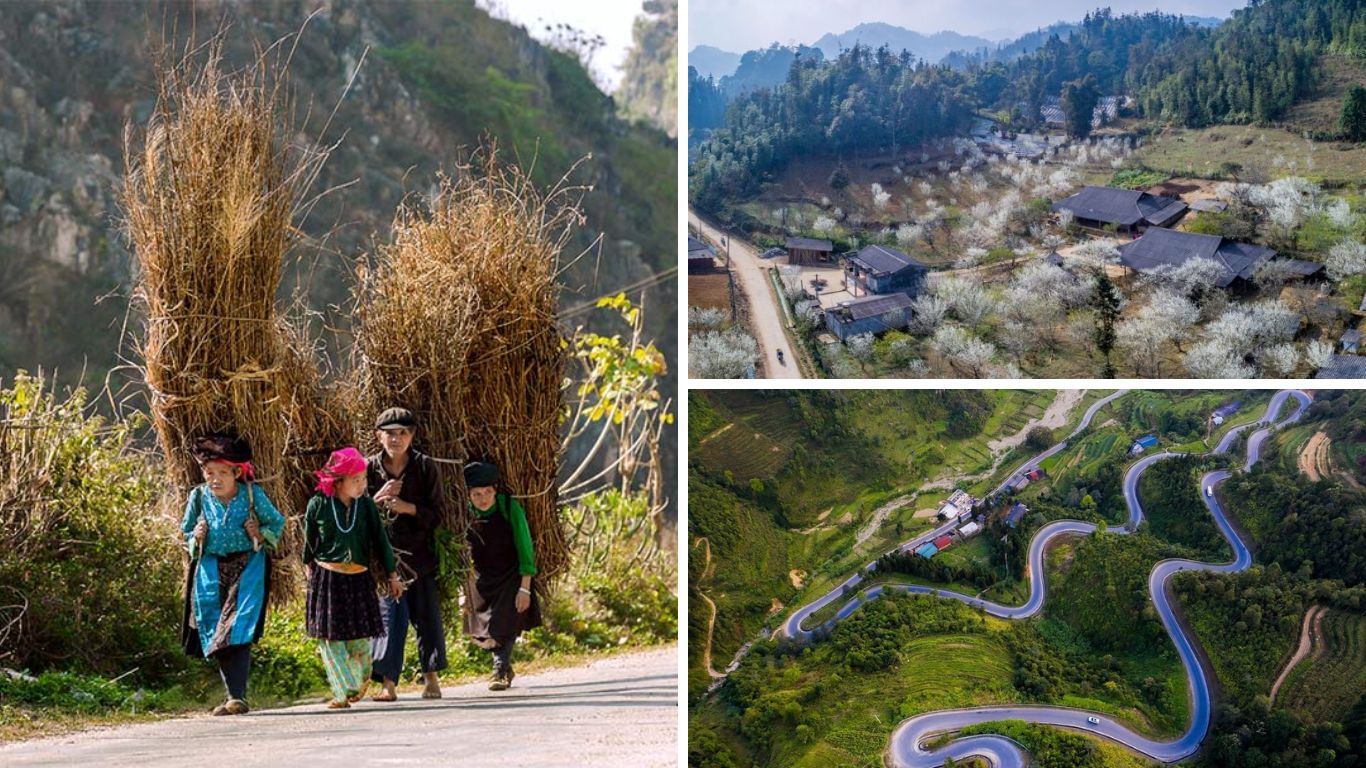
Day 3: Meo Vac – Dong Van
This is one of the most visually striking days of the loop. Leaving Meo Vac, you ride through sections near the Ma Pi Leng area, where deep gorges and winding roads create a strong sense of scale.
Even if you have seen these views in photos, they feel far more powerful in person. The road requires focus, yet it remains manageable when you ride patiently.
Dong Van town offers more accommodation options and a slightly livelier evening scene. It is a good place to recharge and prepare for the next stage.
Day 4: Dong Van – Yen Minh
The ride from Dong Van to Yen Minh feels smoother and more open. Gradually, the scenery shifts from sharp limestone formations to rolling hills and wider valleys.
This day is less intense, which helps balance the loop after earlier dramatic sections. You can stop at viewpoints or take short detours into villages along the way. Yen Minh is quieter and less touristy, making it a comfortable overnight stop for riders who enjoy calm evenings.
Day 5: Yen Minh – Tam Son – Ha Giang
The final day offers flexibility. From Yen Minh, you can ride toward Tam Son (Quan Ba area) to enjoy open valleys and familiar mountain views before returning to Ha Giang City.
If you prefer a shorter riding day, you can skip Tam Son and head directly back to Ha Giang. This choice does not reduce the overall experience, especially if you have already enjoyed plenty of scenery earlier in the loop.
Either way, you finish the journey without rushing, which is one of the biggest strengths of this route.
>>>Before You Ride: To better understand what this route feels like in real conditions, and what you need to prepare for a motorbike journey, you can read this detailed guide: Can Foreigners Ride the Ha Giang Loop by Motorbike?
It covers riding requirements, safety considerations, and practical tips that are especially useful before starting the Ha Giang Loop.
9 Highlights of the Ha Giang Loop Journey
When planning your visit to Ha Giang, you’re in for a treat with an array of captivating things to do. From exploring ancient karst plateaus to immersing yourself in ethnic minority culture, here’s a guide to ensure you make the most of your time in this enchanting region.
Exploring the Dong Van Karst Plateau
Dong Van Karst Plateau beckons with its UNESCO World Heritage status and unique geological wonders. Start your adventure by wandering through ancient villages, soaking in the rich history, and marveling at the breathtaking landscapes that have stood the test of time.
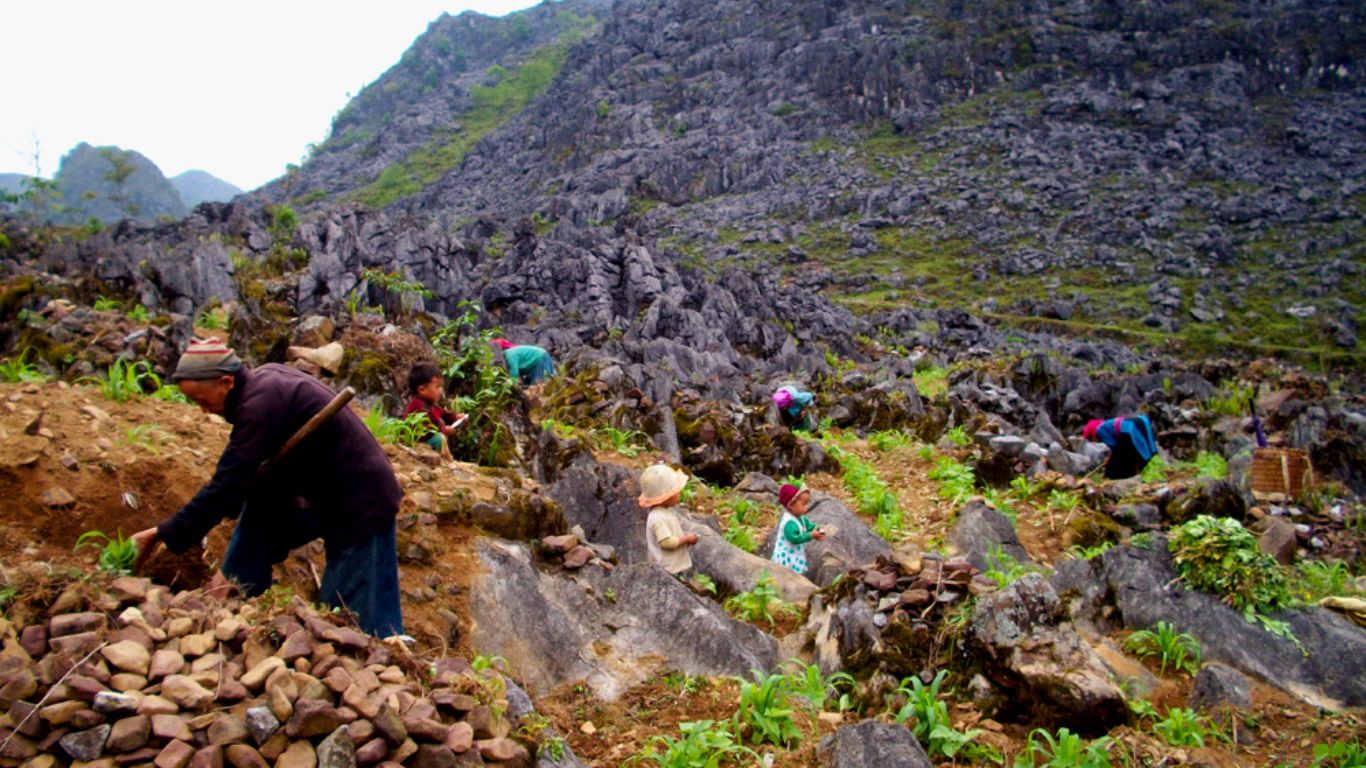
Discovering the Hoang Su Phi terraced fields
A visit to Ha Giang isn’t complete without witnessing the mesmerizing beauty of the Hoang Su Phi Terraced Fields. Plan your trip during the rice planting or harvesting season to witness the terraces adorned in vibrant hues, creating a picturesque backdrop you won’t soon forget.
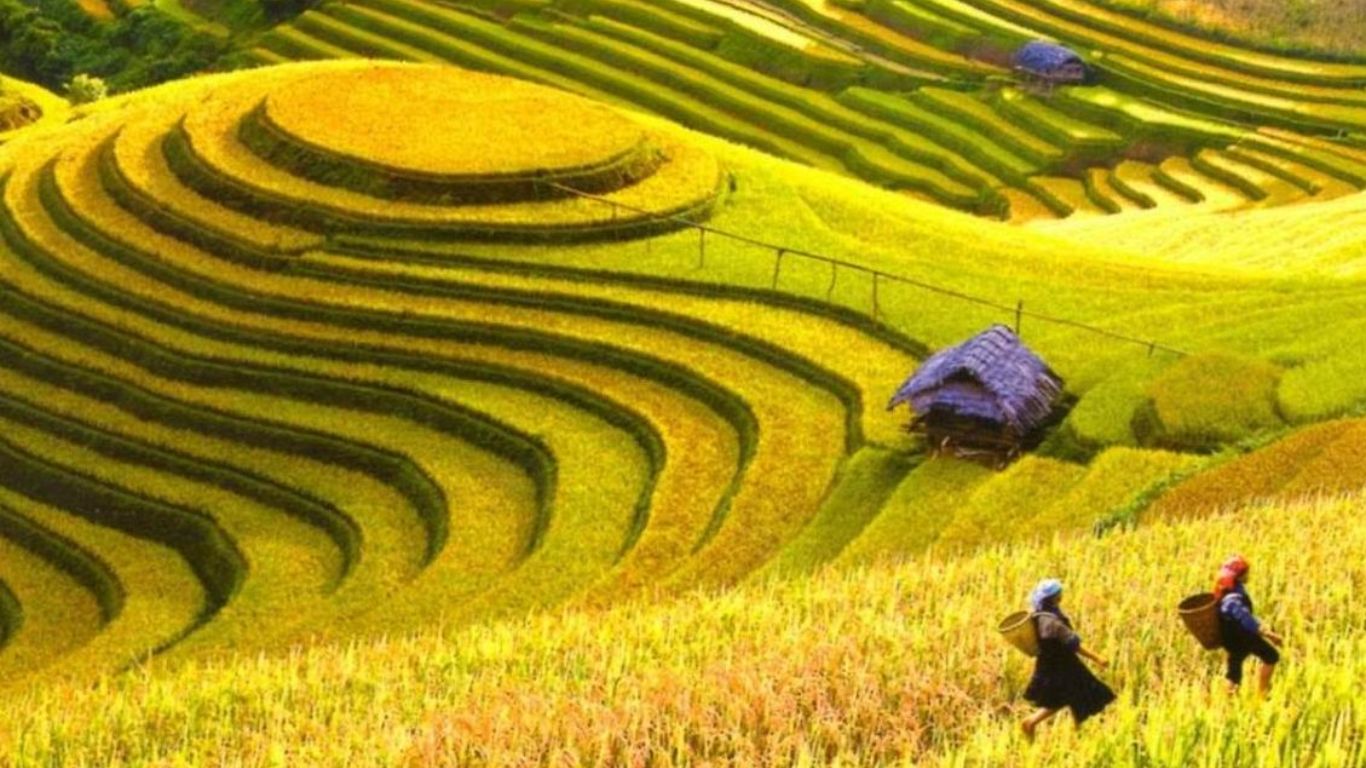
Immersing yourself in ethnic minority culture
Step into a world of cultural diversity by exploring the ethnic minority villages scattered across Ha Giang province. Stay in traditional homestays, savoring authentic cuisine, and participating in cultural activities to gain insight into the rich tapestry of local traditions and customs.
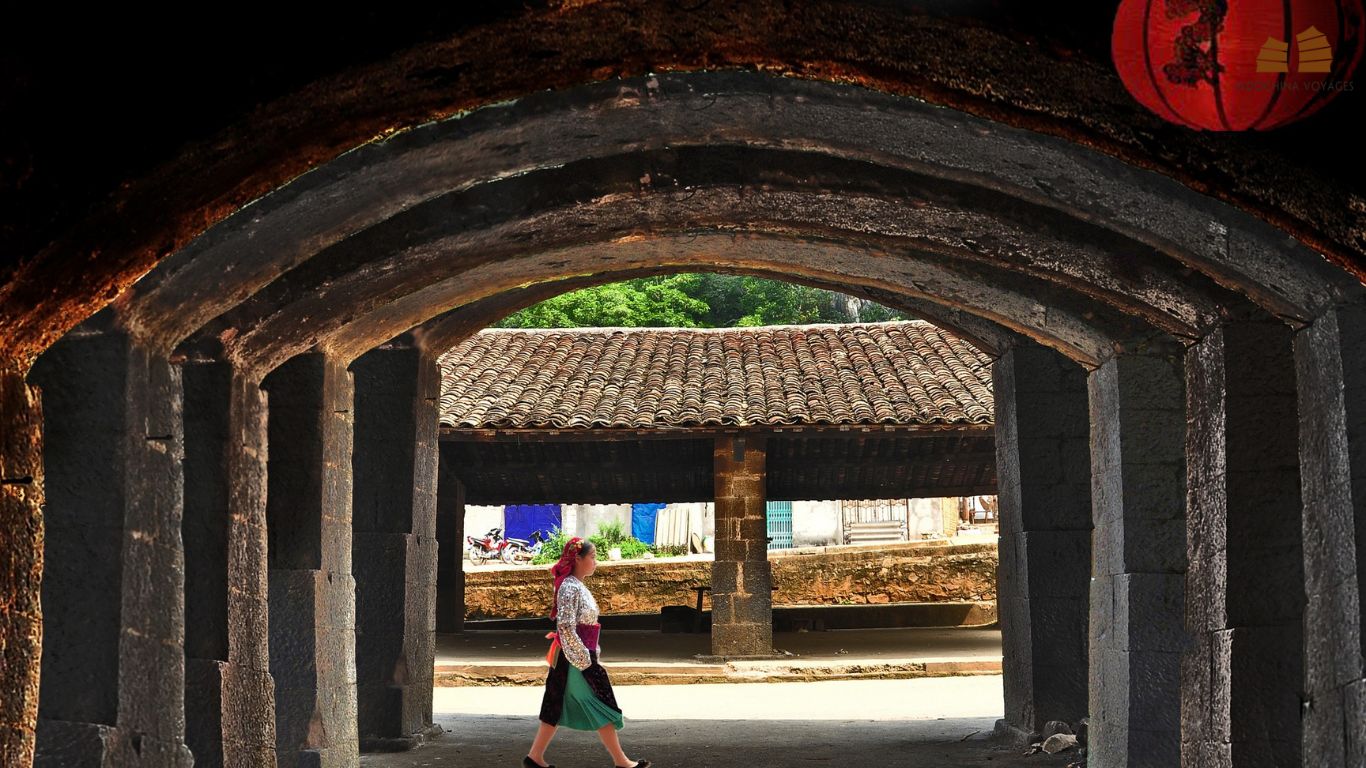
Trekking through beautiful villages
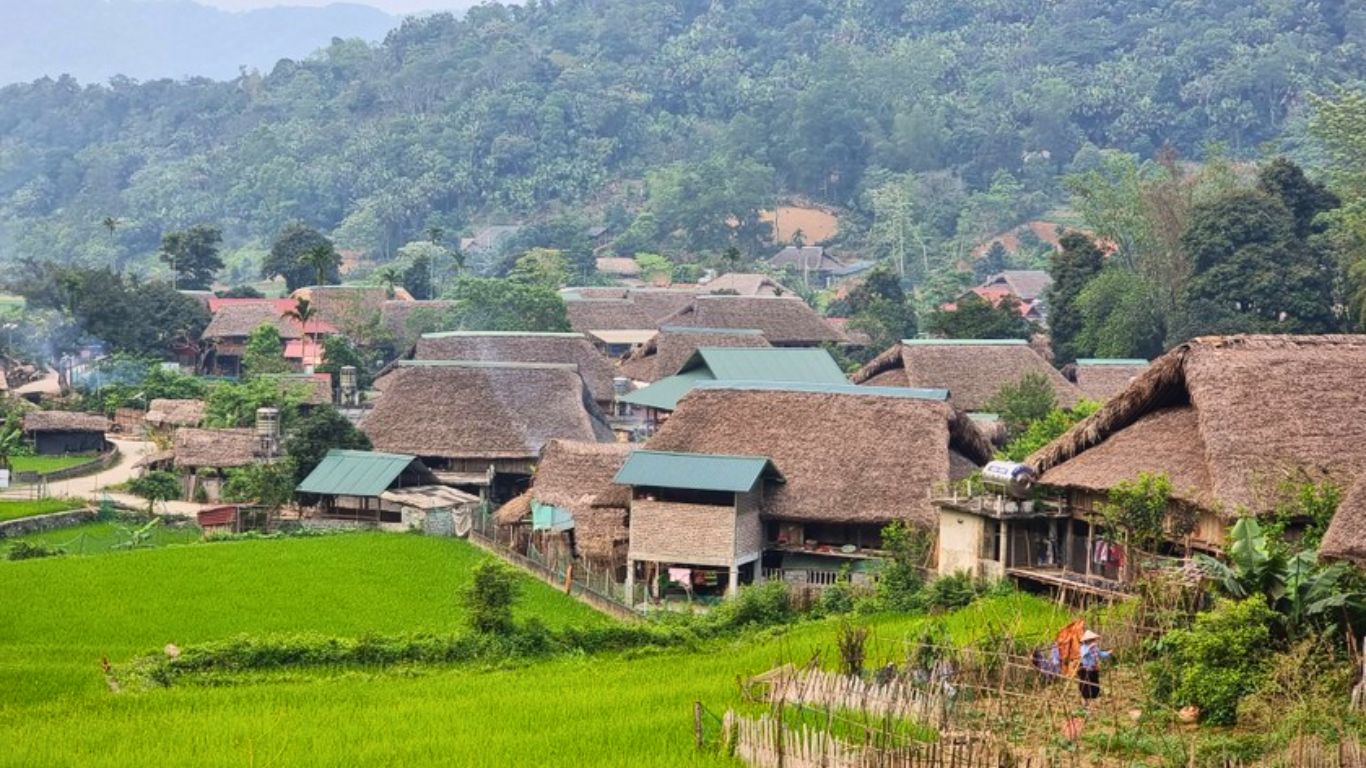
For nature lovers and outdoor enthusiasts, trekking through the lush landscapes of Ha Giang is a must-do activity. You can take a short trek along the beautiful village of Phuong Do to Thon Tha. Then, continue to feast your eyes with splendid views along the ride until we get to Quan Ba, which is home to Dao and Tay minorities, seasonal farmlands, and verdant hillocks. You can do some hiking on a green and dirt track to walk to some villages and discover their daily life.
>>> Read more: Ha Giang trekking tour – The best way to get off-the-beaten-track
Experiencing a local market
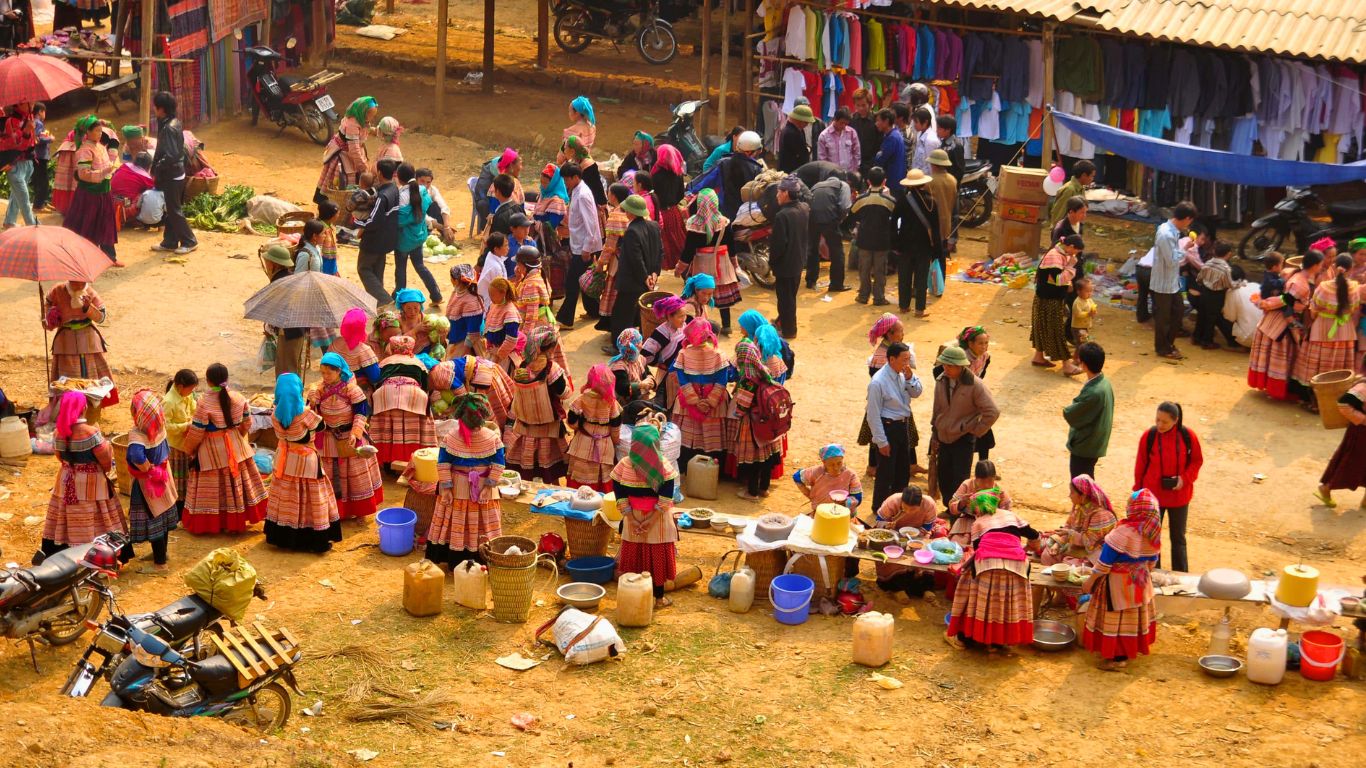
Indulge your senses at one of the bustling local markets in Ha Giang province. Explore the vibrant stalls, sampling fresh produce, and interacting with friendly vendors as you immerse yourself in the sights, sounds, and smells of authentic Vietnamese culture.
Learn about Hmong Indigo dyeing
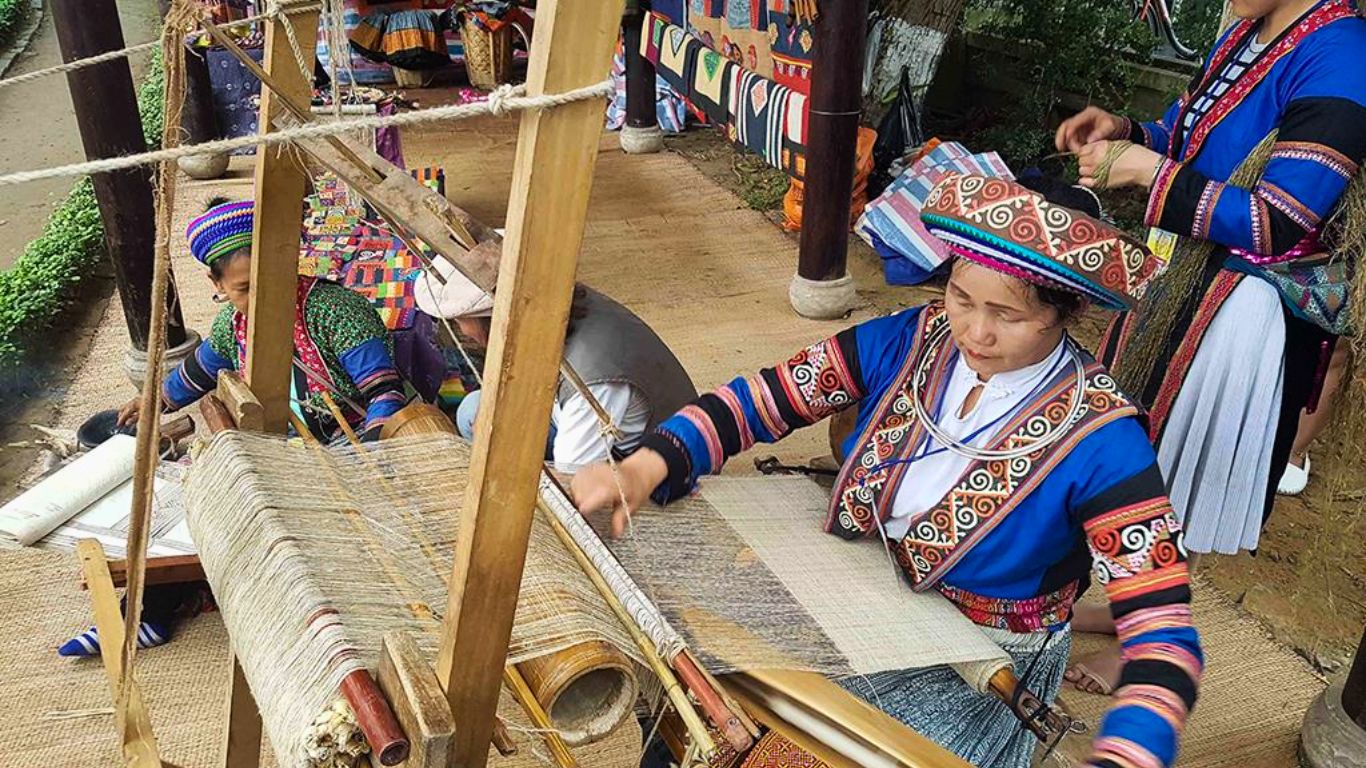
Delve into the traditional art of Hmong indigo dyeing by visiting local workshops and observing the intricate dyeing process. Take home a piece of Ha Giang with handmade textiles dyed with natural indigo plants, serving as a unique and meaningful souvenir of your trip. You can visit line weaving Lung Tam village where you see women are really dedicated to making beautiful line products.
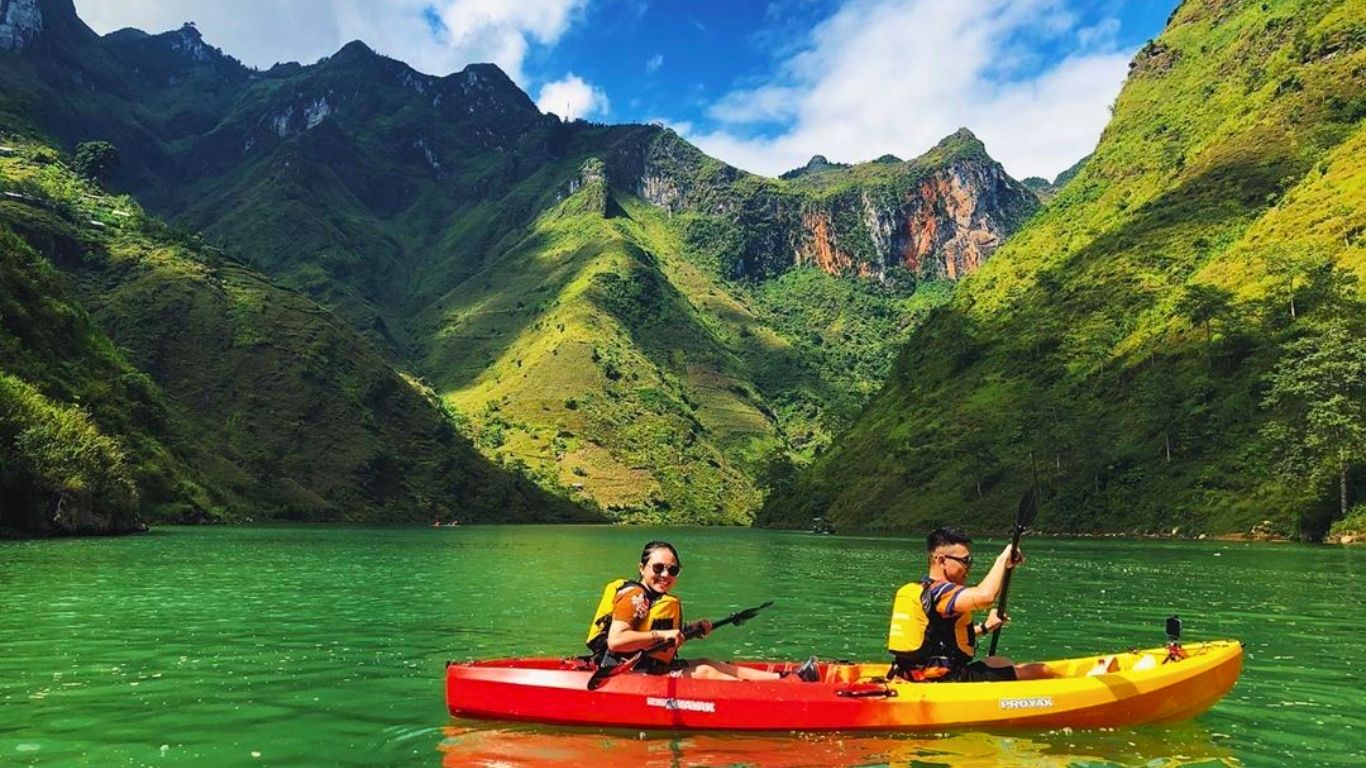
Kayaking on the Nho Que River
For a thrilling adventure on the water, head to the Nho Que River for a kayaking excursion. Paddle through crystal-clear waters, surrounded by towering limestone cliffs and lush greenery, as you soak in the stunning natural scenery of Ha Giang.
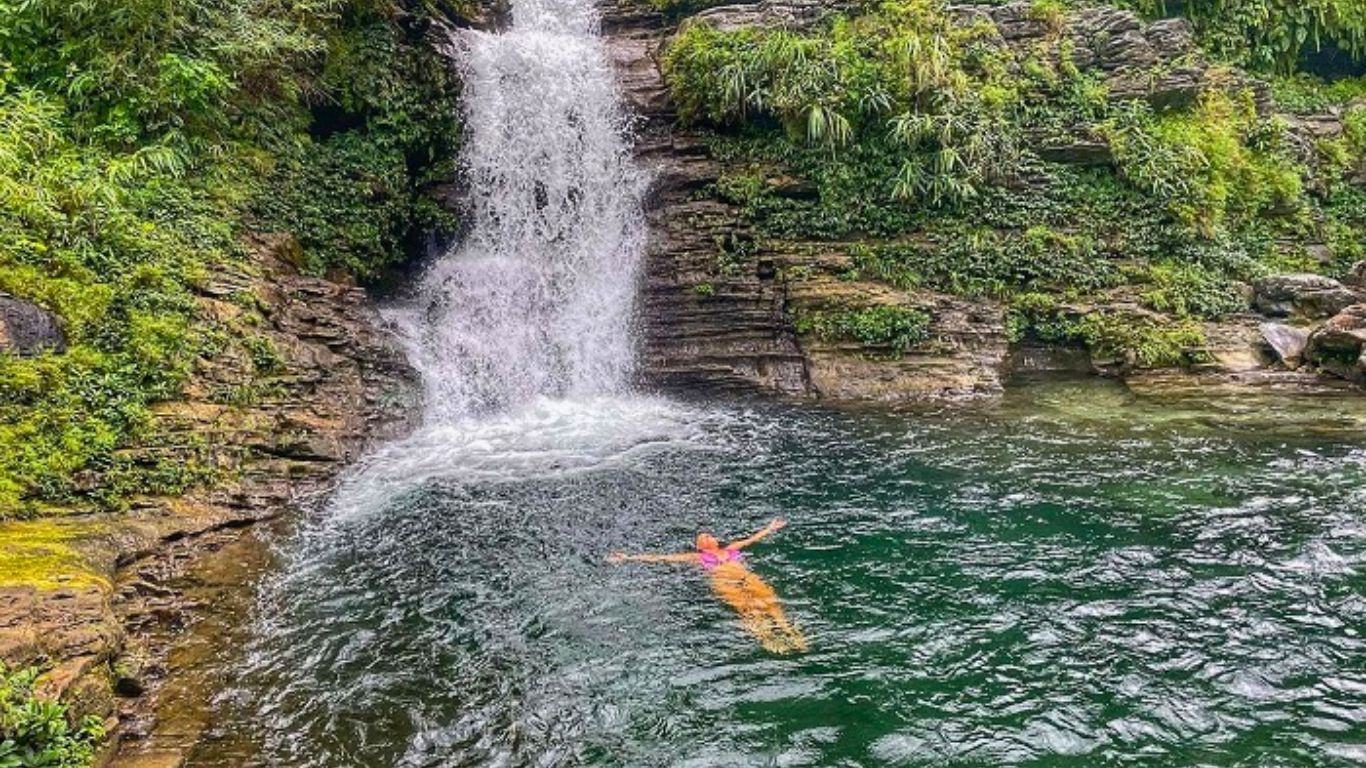
Hike to the Du Gia Waterfall
When visiting Du Gia Waterfall, you can expect a breathtaking natural beauty that will leave you in awe. The waterfall is surrounded by lush greenery, adding to the serene and peaceful atmosphere. You can take a refreshing dip in the cool waters of the waterfall, capturing beautiful moments and photographs. It’s a perfect spot to relax and enjoy a picnic amidst nature’s beauty. You can sit on the rocks, listen to the sound of water, and soak in the peaceful ambiance.
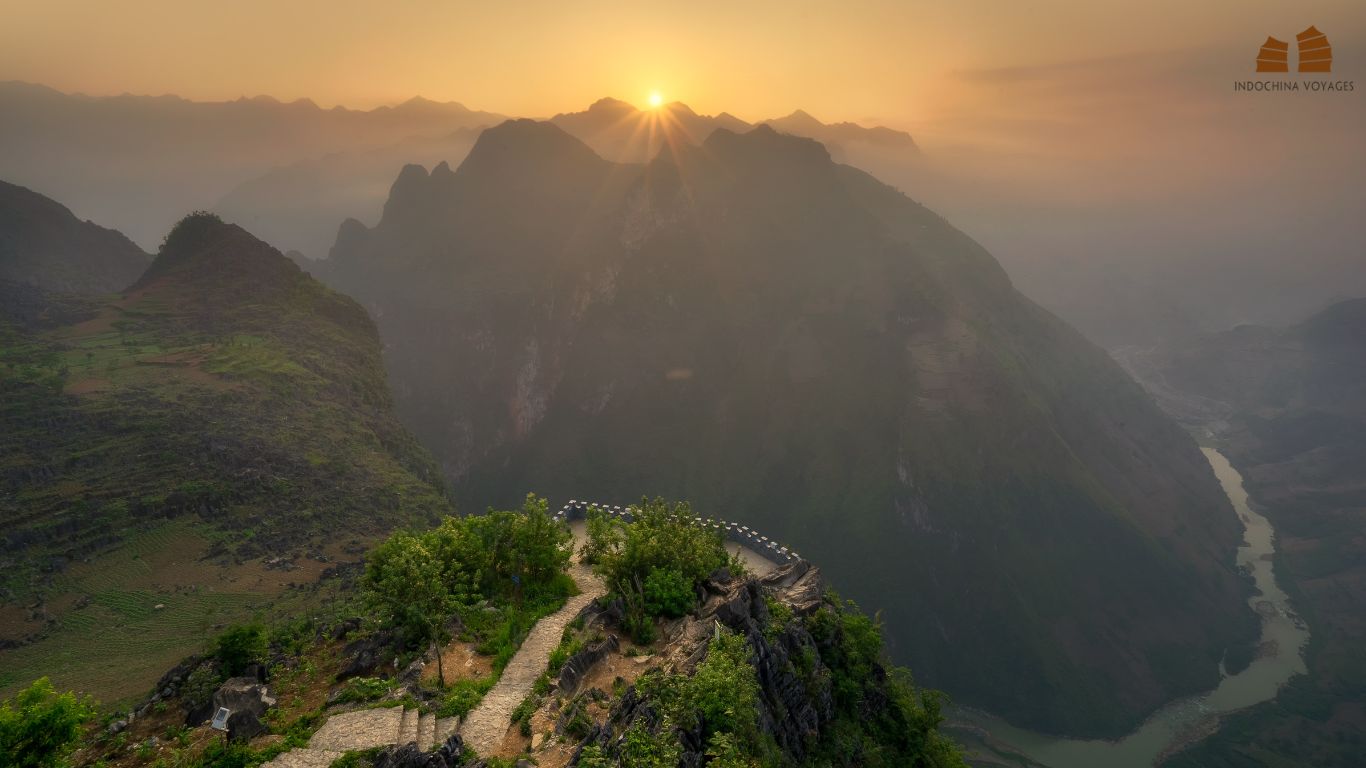
Visit the Ma Pi Leng Pass Viewpoint
No visit to Ha Giang is complete without a stop at the Ma Pi Leng Pass Viewpoint. Marvel at the breathtaking panoramic views of the rugged mountains and deep valleys below, capturing memories that will last a lifetime.
Ha Giang accommodation
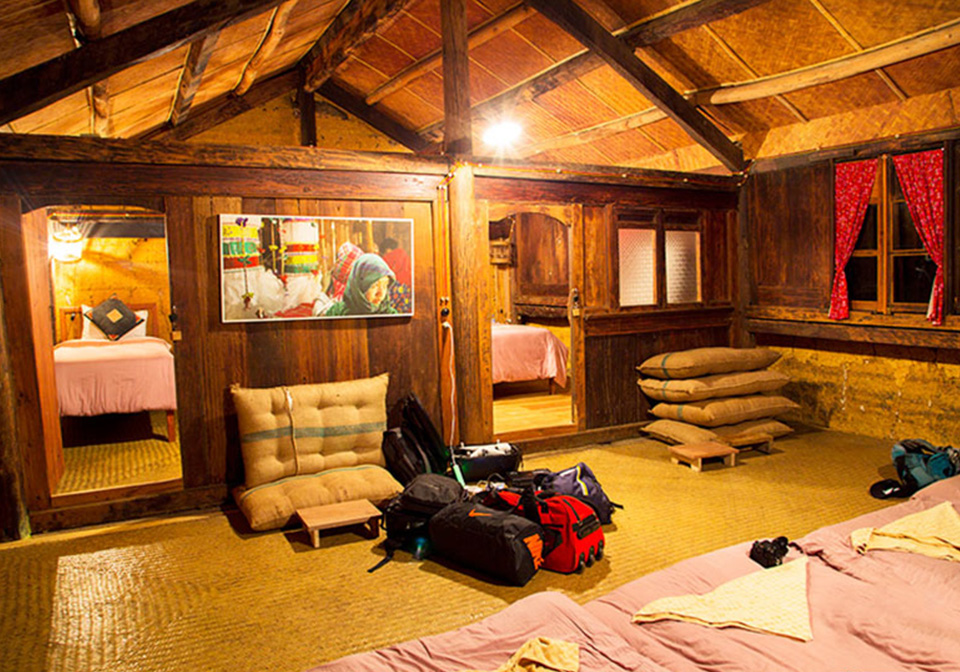
Where to stay in Ha Giang is an important question you need to answer before your trip to this site. There are 3 kinds of accommodation in Ha Giang you can take into consideration: hotel, guesthouse, and homestay.
If you want to use more qualified facilities and professional service, hotels are the best option for you, though hotels in Ha Giang are not as modern as those in big cities. Guesthouses are for a more reasonably priced service; however, most domestic backpackers choose to stay overnight there, so it is not as a good choice. Yet for those who are interested in the local culture, staying in a homestay will give opportunities to know more about the daily lives of ethnic groups as well as their special dishes.
Visitors often take a rest at Dong Van Plateau to enjoy interesting activities; but in case of having no room left, you can think of moving to nearby places like Lung Cu and Pho Bang, or even further, Meo Vac.
Suggested Ha Giang tours
Below are a few itinerary ideas to help you picture how your Ha Giang journey could unfold. Each option reflects a different travel style and can be easily adjusted to match your schedule, preferences, and travel rhythm.
A Vietnam tour designed around your pace and personal interests is always possible with Vietnam Travels Online. Our team specializes in creating private Vietnam tours that go beyond Ha Giang, combining scenic routes, cultural encounters, and comfortable travel arrangements. To begin planning a customized journey, feel free to contact us at [email protected] or fill in this form.
A Deeper Look into the Northwest Highlands
If you want to understand northern Vietnam beyond famous viewpoints, the Insightful Northwest Adventure 7 Days is an excellent choice. This journey connects Ha Giang with lesser-visited highland areas, combining dramatic passes like Ma Pi Leng with rice terraces in Hoang Su Phi and authentic village encounters. The route moves at a comfortable pace, allowing time to observe daily life, enjoy short walks, and appreciate how landscape and culture shape each other across the northwest.
A Complete Northeast Vietnam Experience (7 Days)
For travelers who prefer variety, the Northeast Vietnam Explorer 7 Days expands well beyond Ha Giang. In addition to classic loop highlights such as Dong Van and Meo Vac, the itinerary continues to Cao Bang and Ba Be. Along the way, you experience Ban Gioc Waterfall, limestone caves, and peaceful lake scenery. This route is ideal if you want to see how Ha Giang fits into the wider northeast region, rather than visiting it in isolation.
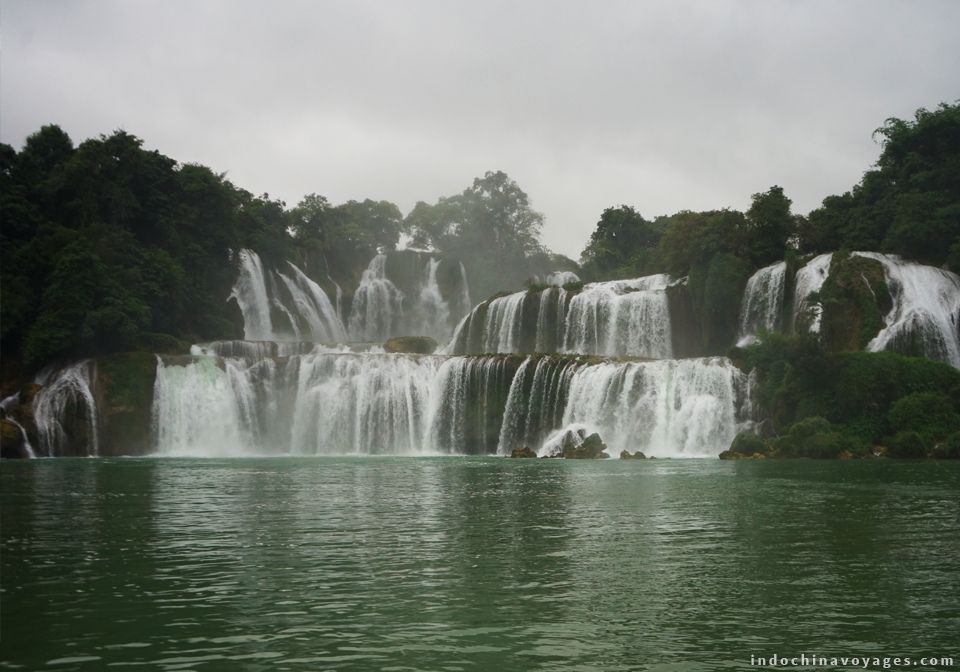
Focusing on the Heart of Ha Giang (5 Days)
If Ha Giang itself is your main priority, Explore the Trails of Ha Giang 5 Days offers a focused and rewarding journey. This itinerary concentrates on the most scenic loop sections, ethnic villages, and mountain landscapes, without extending too far into neighboring provinces. It works especially well for travelers with limited time who still want a meaningful experience of Ha Giang’s roads, culture, and viewpoints.
Beyond Ha Giang: Exploring Neighboring Destinations
Ha Giang is a beautiful destination in itself, but exploring the neighboring areas can offer even more wonders. From the stunning landscapes of Sapa to the peacefulness of Mai Chau, there are plenty of places to enhance your Vietnam experience.
If you’re looking for a more off-the-beaten-path adventure, head to Cao Bang. This hidden gem in the northern mountainous region boasts breathtaking natural beauty, including attractions such as Ban Gioc Waterfall, Nguom Ngao Cave, and ancient villages.
>>> Read more: 15+ things to do in Sapa, Vietnam: Ultimate Travel Guide
FAQs
How long is the Ha Giang Loop?
The total distance of the Ha Giang Loop is around 300 to 350 kilometers, depending on the route and side trips included.
How many days is the Ha Giang Loop?
Most travelers spend 3 to 5 days on the Ha Giang Loop. This allows time for sightseeing, cultural stops, and safer driving on mountain roads.
Can you do the Ha Giang Loop by car?
Yes, the Ha Giang Loop can be explored by private car with a driver. This option suits families, senior travelers, or those who prefer comfort over riding a motorbike.
Can you drive the Ha Giang Loop yourself?
You can ride the loop yourself if you are confident with steep mountain roads. Many visitors choose an easy rider or guided tour for added safety and local insight.
How much is the Ha Giang Loop?
Costs depend on travel style. Motorbike trips usually cost between USD 150 and 300, guided or easy rider tours range from USD 300 to 600, and private car tours are higher depending on comfort and services.
How far in advance should you book the Ha Giang Loop?
Booking 1 to 2 weeks in advance is generally enough. During peak seasons from September to November and March to May, earlier booking is advised.
Where to go after the Ha Giang Loop?
After completing the loop, travelers often continue to Sapa, Cao Bang, Hanoi, or Ninh Binh, depending on their route and travel interests.

Other tours you might consider
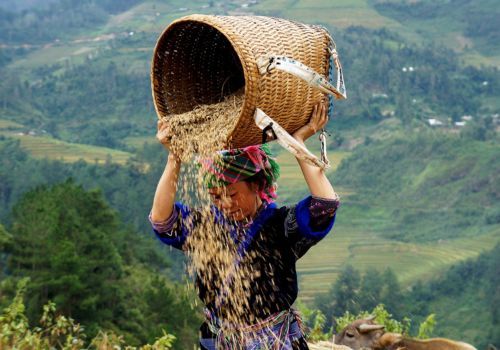
 Ha Giang - Quan Ba - Dong Van - Meo Vac - Hoang Su Phi - Bac Ha - Sapa
 - Cultural, history & local learning
- Photography interest
- Eco & nature lovers
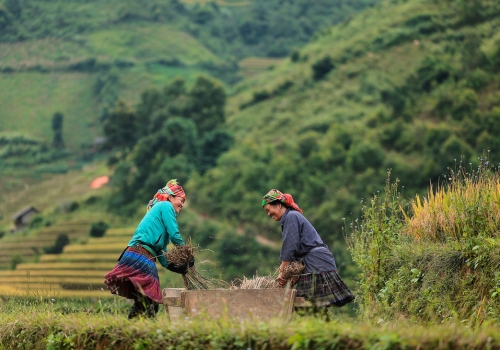 Hanoi - Ha Giang - Dong Van - Meo Vac - Bao Lac - Ban Gioc - Ba Be Lake
 - Cultural, history & local learning
- Photography interest
- Eco & nature lovers
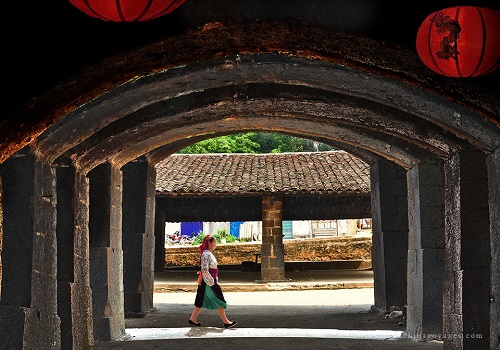 Hanoi - Ha Giang - Quan Ba - Dong Van - Meo Vac
 - Photography interest
- Eco & nature lovers
- Adventure & outdoor activities