

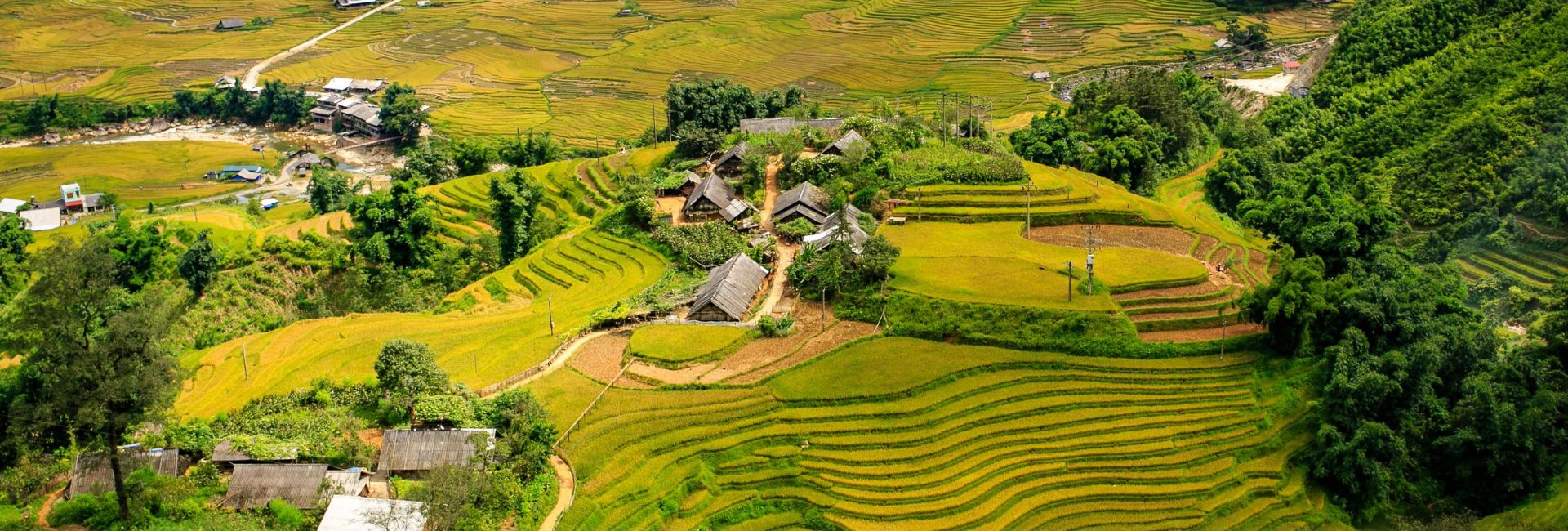
Sapa villages are among the most fascinating cultural highlights in Northern Vietnam. Located in Lao Cai Province, this highland town is well-known for its dramatic rice terraces, cool climate, and colorful ethnic minority groups. Beyond the postcard landscapes, the villages around Sapa offer something even more special: the chance to step into real local life. Trekking between rice paddies, staying in wooden homestays, and learning the traditions of communities like the H’Mong, Dao, and Tay turn a trip to Sapa into a deeply rewarding experience.
What can you find in this travel blog?
- Planning Your Visit to Sapa
- Highlights of Sapa Villages
- Which Sapa Villages Are Best for an Authentic Homestay?
- Other Things to Do in Sapa Beyond the Villages
- Suggested Itineraries
- Practical Information
- FAQs
Planning Your Visit to Sapa
Before diving into an adventure in Sapa, it’s worth getting the basics right. Think about the best time to visit, how you’ll get there, and the kind of accommodation that suits your style. These small details make a big difference in how smooth and enjoyable your journey will be. And if you’d rather not worry about the logistics, our customized services like private transfers, hotel arrangements, and local guides can make the trip effortless, leaving you free to simply enjoy Sapa’s beauty and rich culture.
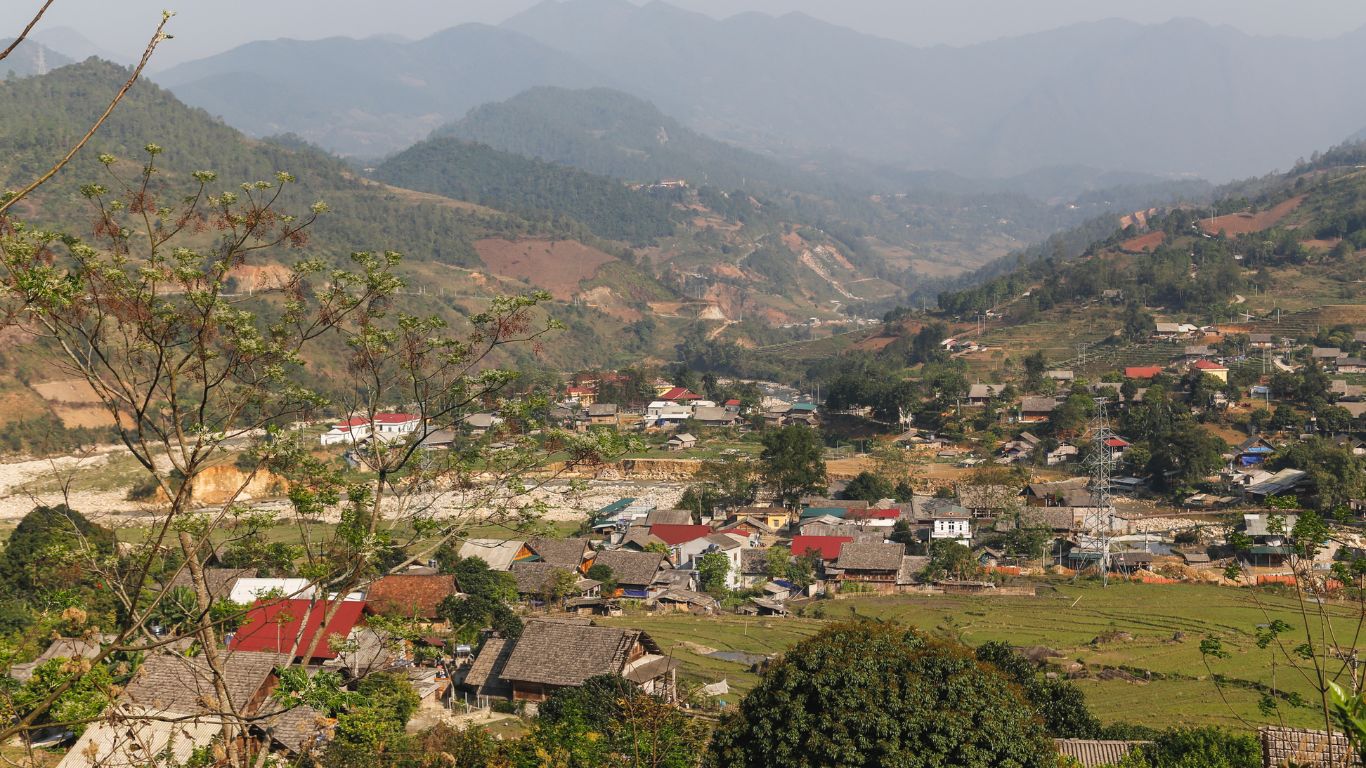
Best Time to Visit
The most popular months to visit Sapa are March to May and September to November. Spring brings fresh greenery and blooming flowers, while autumn offers golden rice terraces ready for harvest. Winter (December to February) can be cold, but the mist-covered valleys add a mystical charm.
How to Get There
Sapa is situated approximately 320 km northwest of Hanoi, and travelers have several reliable options to make the journey. You can take a private car (approximately 5–6 hours), which gives you flexibility, comfort, and scenic stops along the way. Or you can choose the classic overnight train to Lao Cai, followed by a 1-hour transfer to Sapa — a more relaxed rhythm of travel. Another solid option is the limousine bus, offering direct service at an affordable price.
If you’d like a full breakdown of each route, with timings, advantages, and tips, check out our detailed guide Hanoi to Sapa: Best Routes & Tips. With Vietnam Travel Online, we customize transport, hotel bookings, and local guides so you can enjoy a stress-free journey.
Where to Stay
Options range from boutique hotels in town to rustic homestays in the villages. Eco-lodges are a popular middle ground, offering comfort with nature views. Staying overnight in a village is highly recommended if you want a deeper cultural experience.
Highlights of Sapa Villages
Visiting the ethnic villages around Sapa isn’t just about sightseeing; it’s about connection. Here, you can step into daily life, meet local families, admire breathtaking rice terraces, and discover traditions that have been passed down for generations. Each visit brings both authentic encounters and stunning landscapes, while also directly supporting local communities as making your journey more meaningful and memorable.
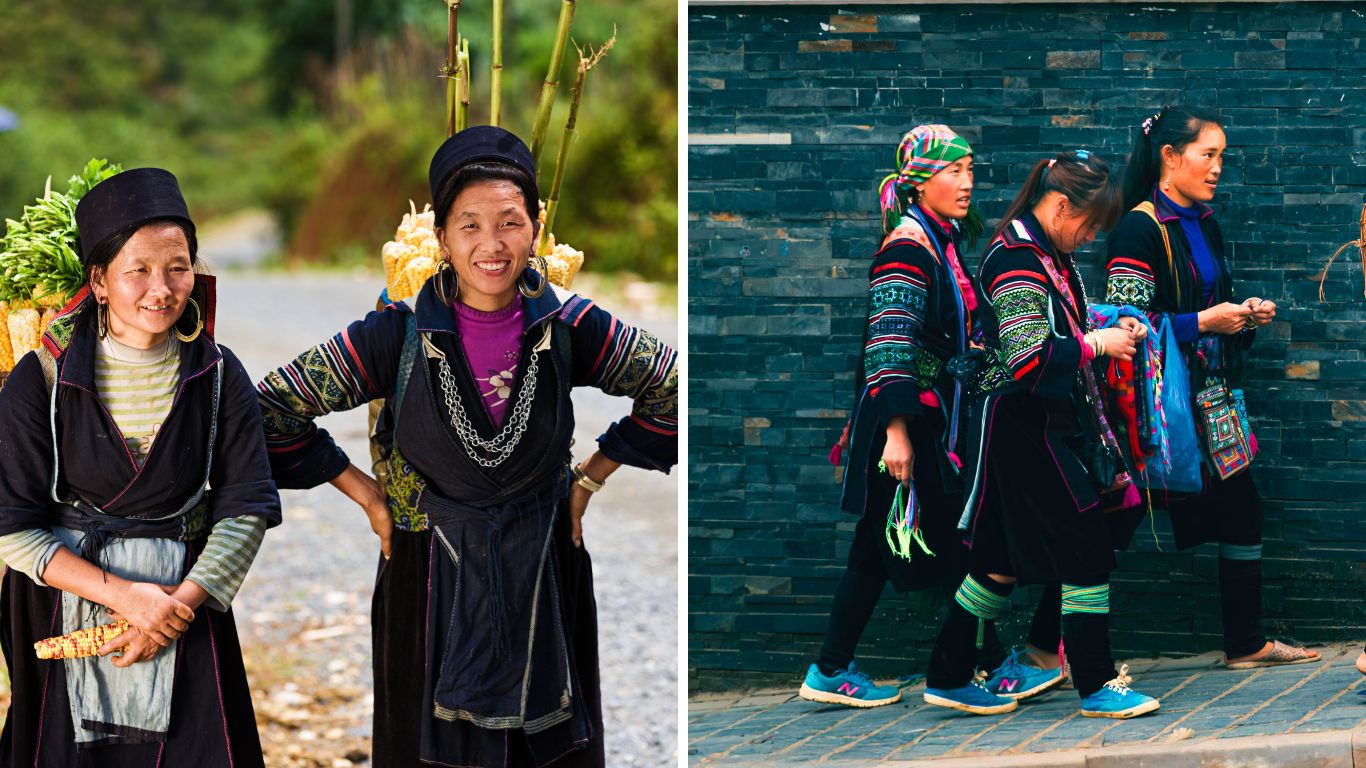
Ban Ho Village (30 km southwest)
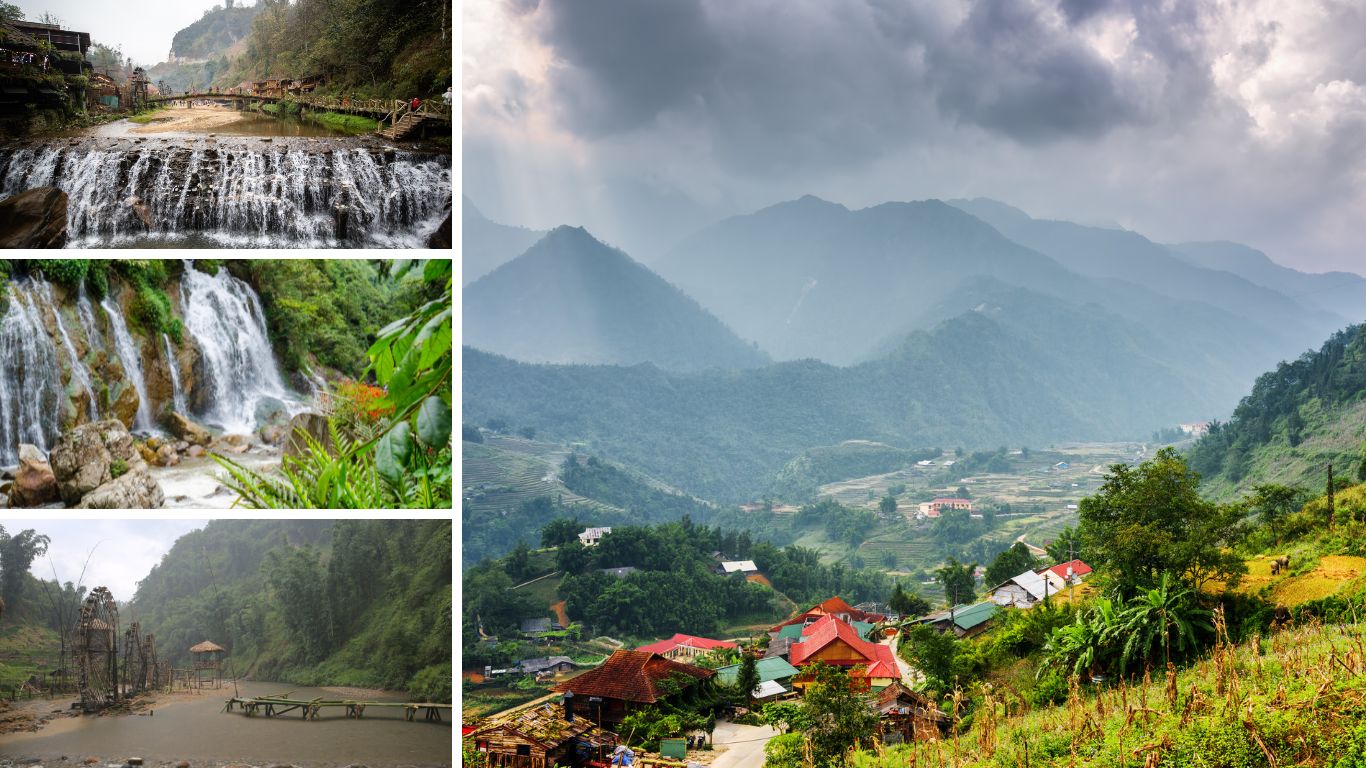
Hidden in a lush valley, Ban Ho is home to the Tay ethnic group. The road can be rough during rainy months, but those who make the effort are rewarded with waterfalls, flower fields, and peaceful stilt houses by the river. Staying here means joining locals in their kitchens, eating over a fire, and enjoying quiet evenings surrounded by nature.
Lao Chai Village (7 km southeast)
Easily accessible from Sapa, Lao Chai belongs to the Black H’Mong. It’s perfect for travelers with limited time but who still want a taste of authentic life. Walking through the rice terraces here, you’ll see children playing, farmers working in the fields, and families welcoming visitors with warm smiles.
Ta Van Village (10 km in Muong Hoa Valley)
Set in one of the region’s most beautiful valleys, Ta Van is shared by the H’Mong, Giay, and Dao minorities. Trekking routes to Ta Van pass through breathtaking terraced landscapes, with chances to stop in smaller hamlets. Many travelers choose Ta Van for overnight stays, where they can sleep in wooden houses, share meals, and wake up to mountain mist rolling over the fields.
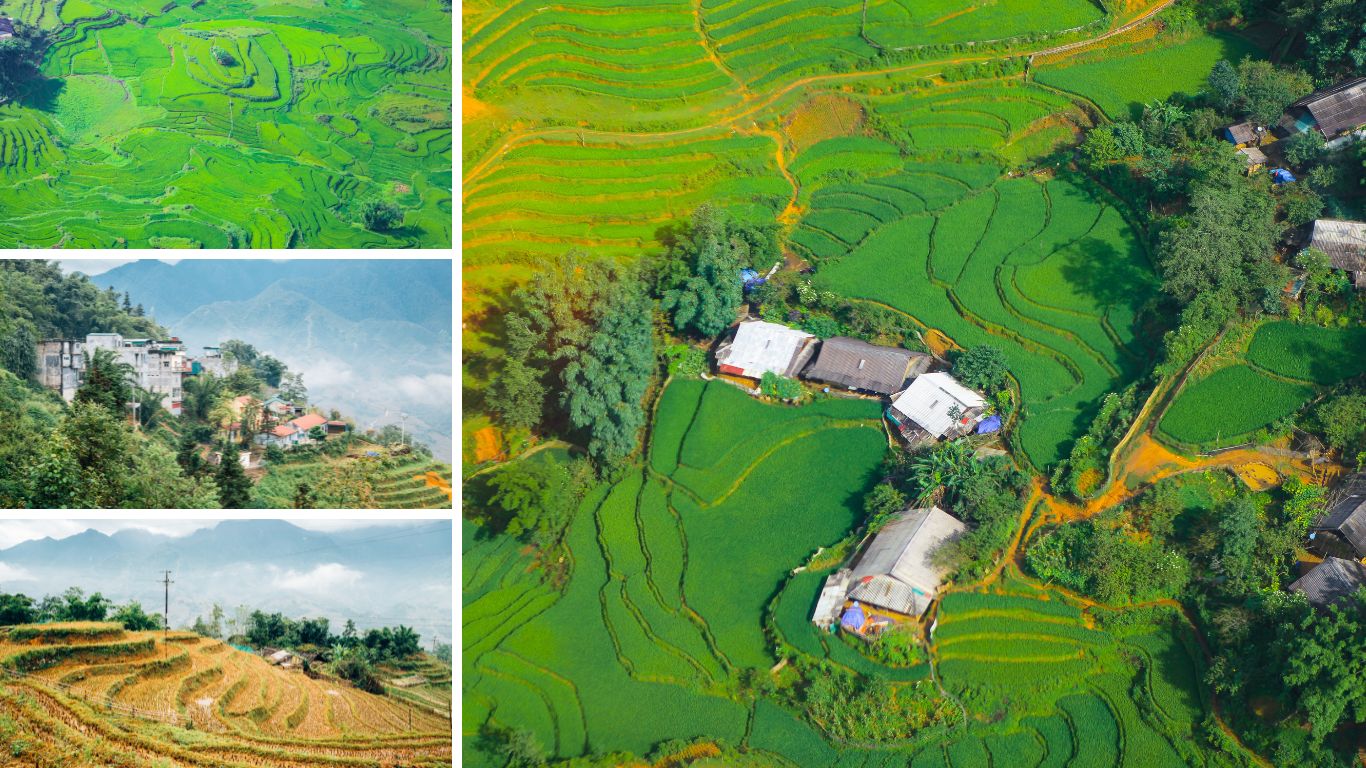
Ta Phin Village (12 km northeast)
Famous for the Red Dao community, Ta Phin is a cultural gem. Visitors can watch women weaving intricate textiles, join a traditional herbal bath, or listen to stories about Dao customs. The mix of H’Mong and Dao groups also makes it one of the most colorful and photogenic villages in the area.
Ma Tra Village (13 km northwest)
Ma Tra is a quieter village inhabited by Red Dao and H’Mong families. The terraced rice fields here are expansive, and the slower pace makes it ideal for travelers who want to escape crowds. Walking through the village, you’ll observe traditional farming, stilt houses, and local crafts, while evenings can be spent sharing stories and meals with welcoming locals.
Cat Cat Village (3 km southwest)
Just a short trek from Sapa town, Cat Cat is a compact H’Mong village renowned for its waterfalls and terraced fields. It’s perfect for a day trip, combining scenic hikes with cultural insight. Visitors can watch traditional handicrafts, stroll along narrow paths, and enjoy the fresh mountain air.
Sin Chai Village (6 km southeast)
Sin Chai offers a tranquil escape along the Muong Hoa Valley. The village is home to Black H’Mong families who still practice traditional farming. Trekking here provides stunning views of rice terraces and the chance to see locals going about their daily life, making it a peaceful alternative for travelers seeking authenticity and calm.
Y Linh Ho Village (5 km southeast)
Y Linh Ho lies along the main Muong Hoa trekking path and is inhabited by Black H’Mong families. Its terraced fields and surrounding mountains create picture-perfect scenery. The village is ideal for hikers and photographers, offering cultural encounters and panoramic views without straying too far from Sapa town.
Which Sapa Villages Are Best for an Authentic Homestay?
If you want to truly immerse yourself in highland life, staying overnight in a Sapa village is the way to go. While each village offers its own charm, some are especially suited for homestay experiences:
Lao Chai Village – Perfect for First-Time Visitors
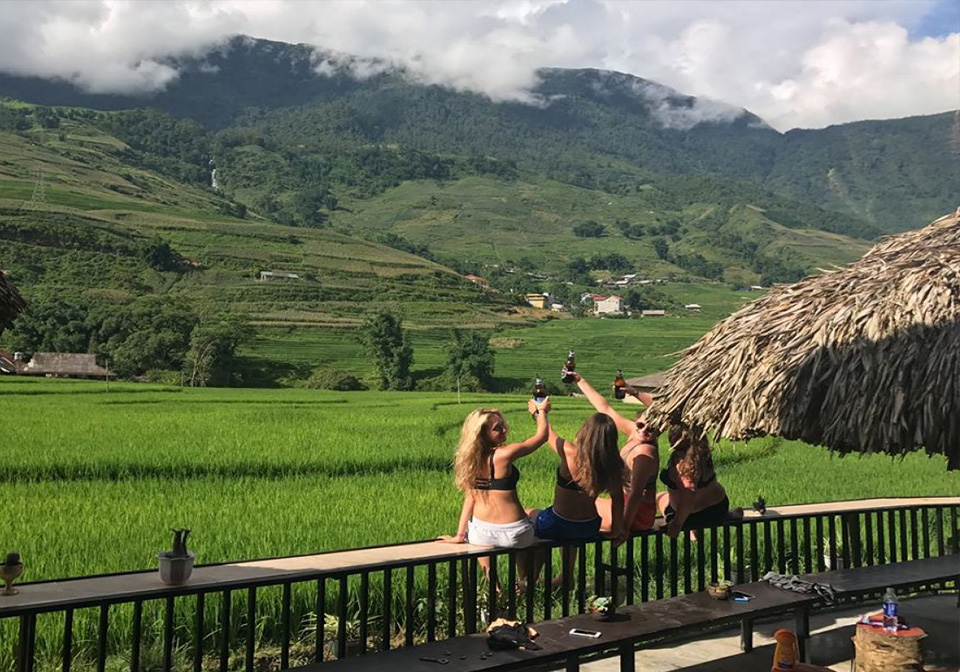
Lao Chai is just a short walk from Sapa town, making it an easy introduction to ethnic village life. Staying here means sharing meals with Black H’Mong families, wandering through rice terraces, and enjoying a cozy evening in traditional stilt houses. Its accessibility and welcoming locals make it ideal for travelers with limited time or those new to the region.
Ta Van Village – Scenic and Cultural Immersion
Set in the stunning Muong Hoa Valley, Ta Van combines H’Mong, Giay, and Dao communities. Overnight stays allow you to sleep in wooden houses, join locals for home-cooked meals, and wake up to misty mountain views. It’s a favorite for travelers who want a balance of breathtaking scenery and authentic cultural experiences.
Ban Ho Village – For Peace and Tranquility
Hidden deep in a lush valley, Ban Ho is perfect for travelers seeking a slower pace. Staying here gives you a chance to cook with Tay families, relax in nature, and enjoy waterfalls and flower fields nearby. The village’s remote location offers serenity and a genuine escape from crowds.
Ta Phin Village – Cultural Richness and Red Dao Traditions
Ta Phin is ideal for those who want to dive deeper into local culture. Visitors can watch Red Dao women weaving intricate textiles, try traditional herbal baths, and learn about Dao customs. The mix of H’Mong and Dao communities makes it visually stunning and culturally enriching.
💡Tip: For a first-timer homestay adventure, consider combining Lao Chai and Ta Van. If you want deeper cultural immersion or a peaceful retreat, add Ban Ho or Ta Phin to your route.
Other Things to Do in Sapa Beyond the Villages
While Sapa’s villages are the highlight for many travelers, the region has so much more to offer. To truly understand its beauty and culture, it’s worth exploring every corner on foot. Trek through the valleys, wander past rice terraces, and take your time soaking in the landscapes. The slower you go, the more Sapa reveals itself. By trekking and exploring at your own pace, you’ll discover hidden gems that make your journey unforgettable.
-
Trek through Muong Hoa Valley: Known for its sweeping rice terraces and romantic scenery, it’s perfect for both day hikes and photography.
-
Conquer Fansipan Peak: Whether you hike or take the cable car, reaching the “Roof of Indochina” is an unforgettable experience.
-
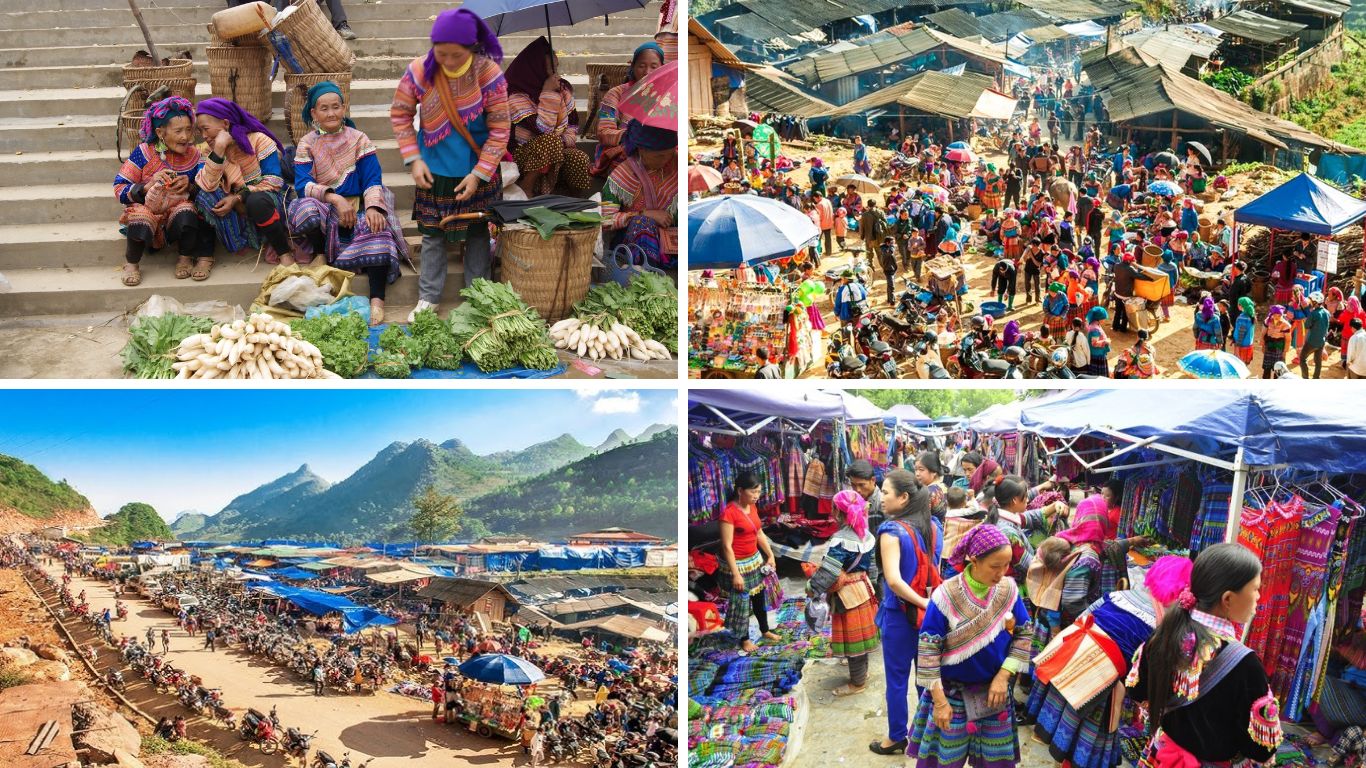
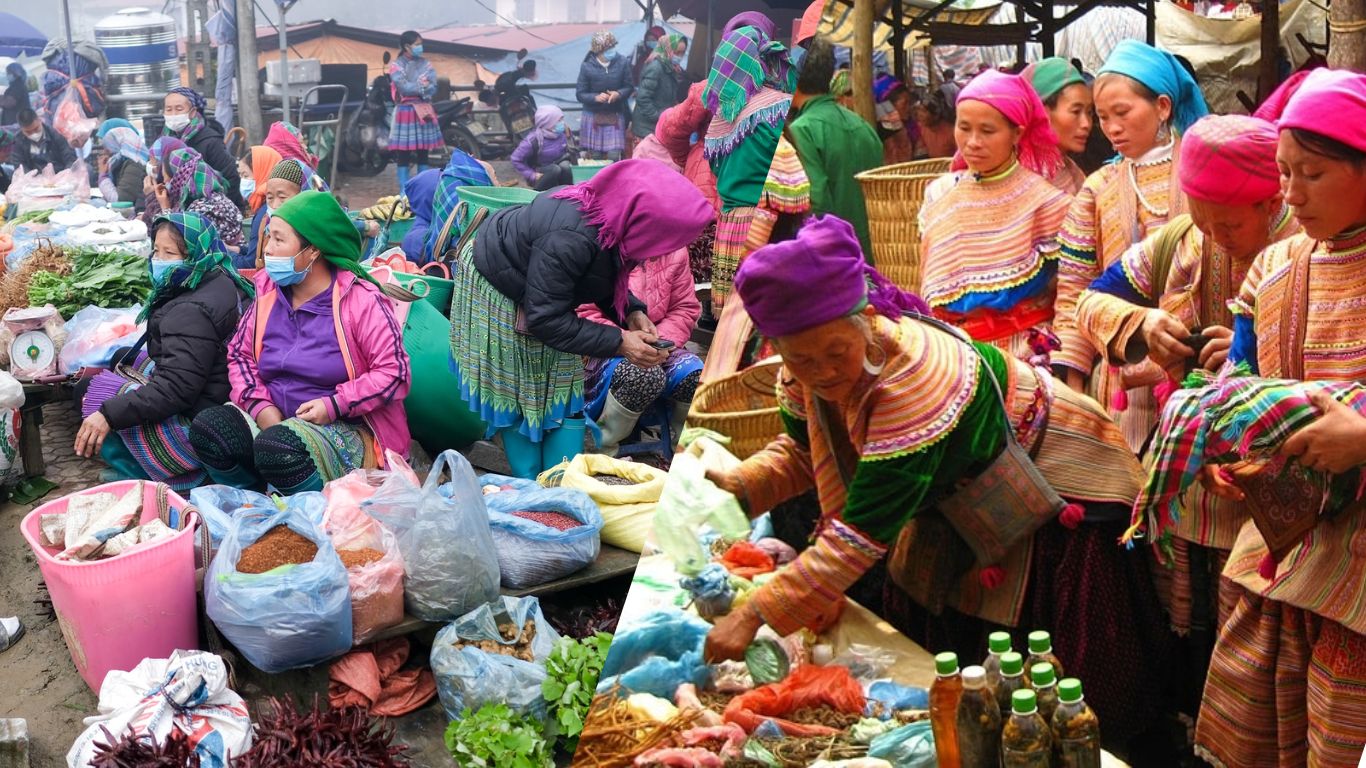
Discover Sapa markets: From Bac Ha Market to local weekend gatherings, markets are where you truly see the vibrant highland culture.
-
Chase waterfalls: Silver Waterfall and Love Waterfall are among the most stunning natural spots for those who love the outdoors.
-
Stroll around Sapa town: Relax in its French colonial atmosphere, enjoy mountain-view cafes, or browse handicraft shops.
-
Experience local performances: Traditional dance and music shows let you connect with the spirit of ethnic minority cultures.
-
Stay with a local family: A homestay experience not only supports the community but also gives you a taste of authentic highland life.
Suggested Itineraries
Whether you’re planning a short trek or a full Vietnam journey, Sapa villages can easily be woven into your adventure. Here are a few inspiring options:
2–3 Days in Sapa
Spend a couple of days walking through the rice terraces of Lao Chai and Ta Van. You’ll enjoy warm homestays, taste traditional meals by the fire, and wake up to valley mist rolling over the fields. Add in a short visit to Ta Phin for a herbal bath and handicraft shopping, and you’ll already feel the heartbeat of the mountains.
If this journey speaks to you, just connect with us at Vietnam Travel Online. We’ll craft a fully customized tour that matches your style and pace, from Vietnam’s rivers and mountains to Indochina’s hidden gems. Reach us at [email protected] or through this form to explore more than just Vietnam tours.
7-Day Northwest Adventure
For travelers who want more than a snapshot, this route combines Sapa with Mai Chau and Dien Bien Phu. Expect winding mountain passes, vibrant weekly markets, and encounters with many different ethnic communities. Our Spectacular Northwest Journey 7 Days balances trekking, cultural immersion, and stunning scenery in one unforgettable loop.
10–20 Days Across Vietnam
Sapa also fits beautifully into a broader itinerary. On our North Vietnam 10 Days, you’ll pair Sapa’s terraced landscapes with Hanoi, Ninh Binh, and Halong Bay. If you have three weeks, the In-Depth Vietnam Explore 20 Days gives you the full picture, from the highlands of the north to the Mekong Delta in the south. It’s the perfect way to see how Sapa’s traditions connect to Vietnam’s wider story.

Practical Information
-
Trekking & Preparation: Trails are generally easy, but muddy roads in rainy season require sturdy shoes and a rain jacket. Evenings can get chilly, so bring layers.
-
Local Guides: Recommended for navigation, cultural insights, and respectful village visits. They can help you join family meals and understand traditions.
-
Accommodation: Village homestays are simple but cozy, offering warm hospitality. Eco-lodges provide more comfort while staying close to nature.
-
Transport: Reach villages via private car, motorbike, or guided trek. Short treks are possible independently.
-
Packing Essentials: Shoes, layered clothing, rain gear, hat, sunscreen, and reusable water bottle.
-
Cultural Etiquette: Ask before taking photos, respect homes, and engage politely.
-
Health & Safety: Stay hydrated, follow local guidance, and enjoy trekking responsibly.
💡Tip: Always ask before taking photos, and bring small cash for markets or buying handicrafts directly from villagers. These little gestures go a long way in supporting the communities you visit.
FAQs
How many days should I spend in the Sapa villages?
At least two nights is ideal: one in town and one in a village homestay. This gives you enough time to trek, rest, and experience villages like Lao Chai and Ta Van without feeling rushed.
How do I get to the villages from Sapa town?
You can reach the villages via private car, motorbike, or even on foot for the nearby ones. Guided tours are highly recommended if you want to explore hidden paths and learn local stories along the way.
Do I really need a guide?
While it’s possible to explore independently, a guide helps you discover secret trails, understand cultural traditions, and ensure safety while trekking through the rice terraces.
What should I pack for village treks?
Bring comfortable shoes, layered clothing (the weather can change quickly), a hat, sunscreen, and a reusable water bottle. Rain gear is essential in the wet season.
Are the homestays comfortable?
Yes. Most homestays offer cozy rooms with basic facilities, home-cooked meals, and an authentic experience of local life. Staying with a family also supports the community directly.