

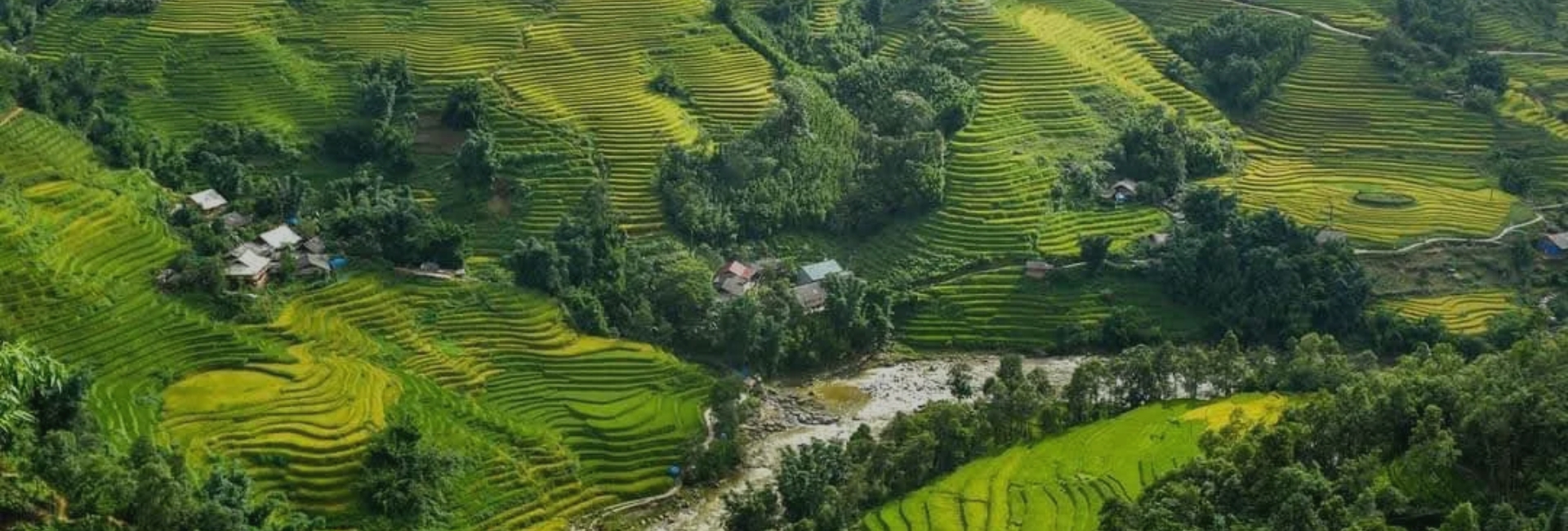
Pu Luong to Sapa is a route many travelers add once they discover what Pu Luong actually offers: quiet valleys, terraced rice fields, and a pace of life far removed from Vietnam’s busier tourist stops. Sapa, further north in the high mountains, brings a different kind of scenery altogether, with steeper terraces, cooler air, and ethnic villages spread across the hillsides. Combining the two gives you both sides of northern Vietnam’s mountain landscape in a single trip. This guide covers the distance, transport options, and how to plan the time between them well.
What can you find in this travel blog?
- Why Combine Pu Luong and Sapa?
- How Far Is Pu Luong from Sapa?
- Getting from Pu Luong to Sapa
- How Many Days Should You Spend Between Pu Luong and Sapa?
- What to Do in Pu Luong Before You Leave
- What to Do in Sapa After Arriving
- Best Time to Travel Between Pu Luong and Sapa
- Frequently Asked Questions
Why Combine Pu Luong and Sapa?
Pu Luong and Sapa often get compared rather than paired, since both offer terraced valleys and a slower travel pace. But they complement each other more than they compete. Pu Luong feels intimate and undiscovered, with limestone hills, rice paddies, and traditional stilt houses tucked into a quieter corner of Thanh Hoa province. For a full sense of what makes it worth the visit, Pu Luong Nature Reserve covers the landscape and villages in detail.
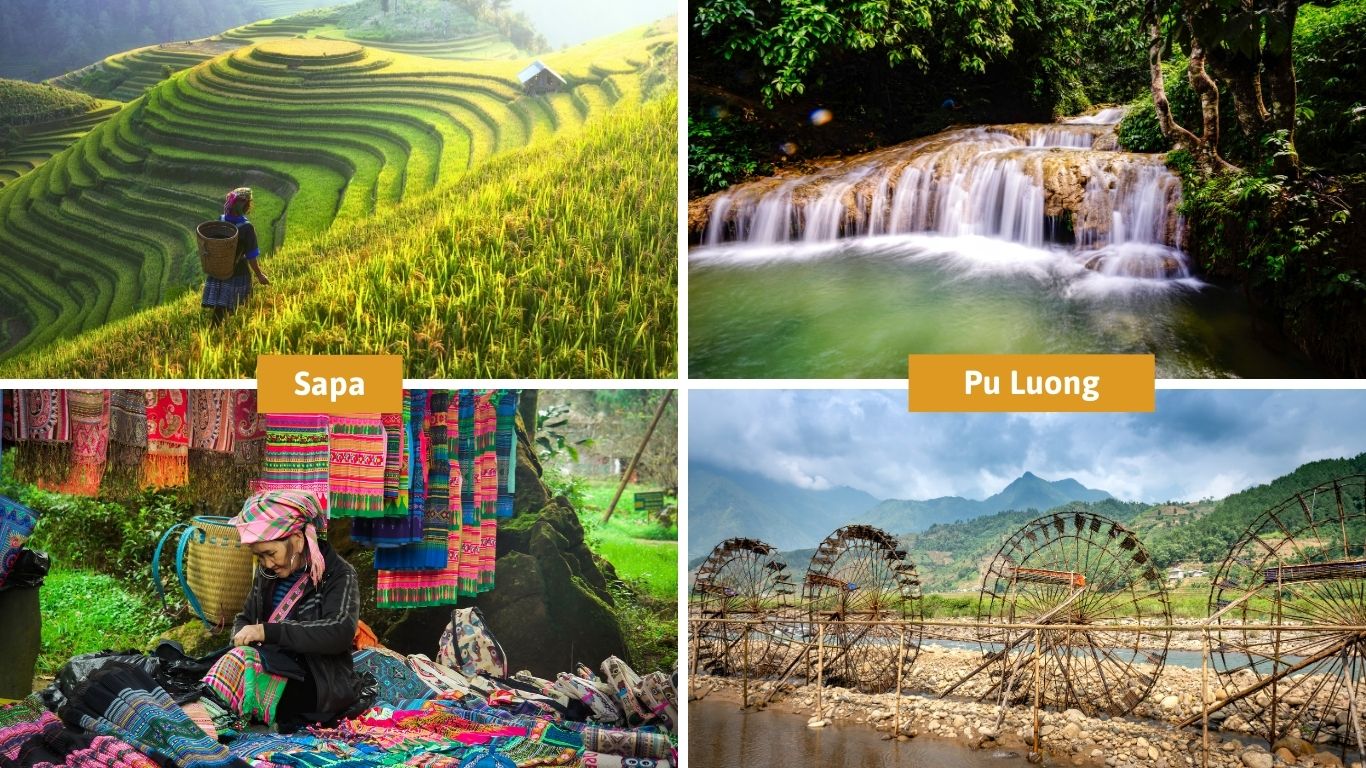
Sapa, by contrast, sits higher and further north, known for dramatic mountain views, the Fansipan summit, and a livelier town center with markets and cafes. Traveling from one to the other lets you experience both moods within the same trip, rather than choosing one over the other. Still deciding whether to visit one, the other, or both? Sapa or Pu Luong breaks down the differences, and Ninh Binh or Pu Luong helps if Pu Luong is competing with a different stop on your itinerary. For most travelers with enough time, though, combining Pu Luong and Sapa back to back makes the most of what northern Vietnam offers.
How Far Is Pu Luong from Sapa?
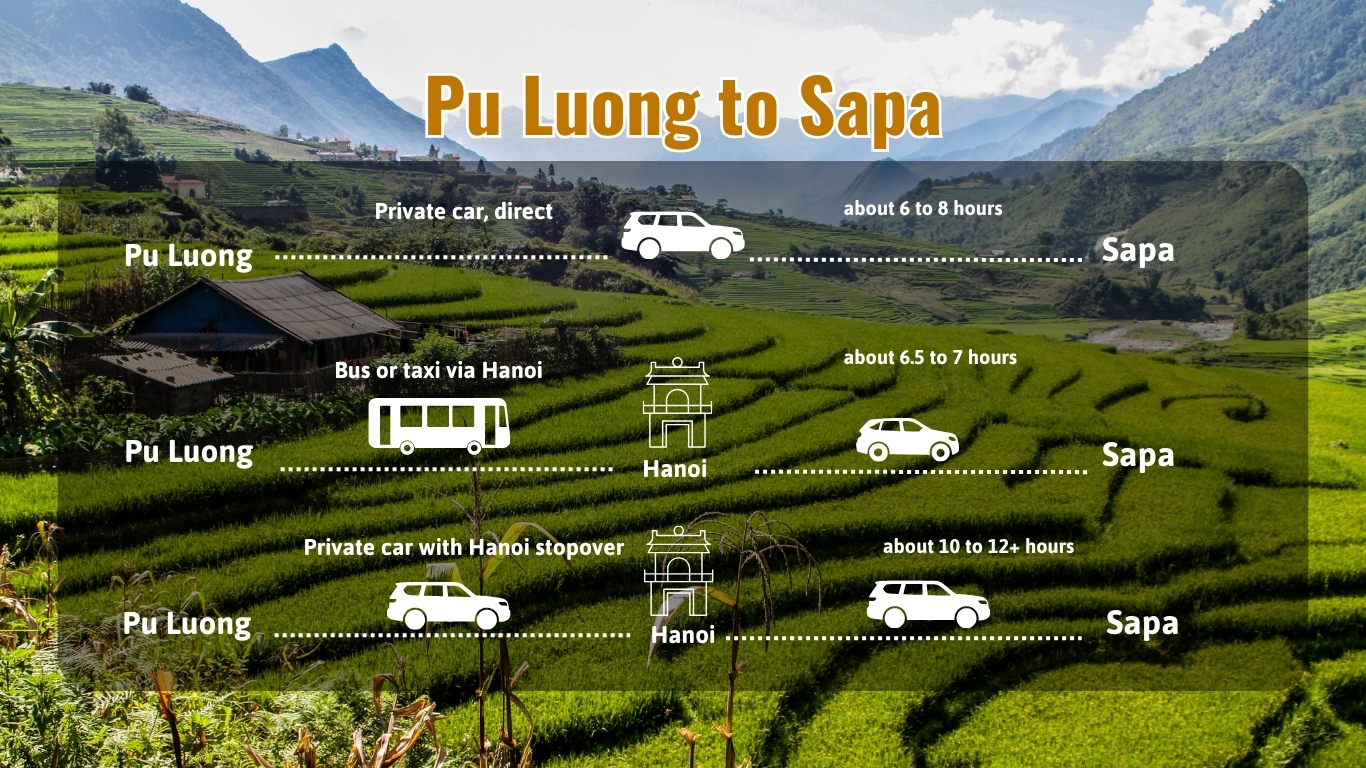
The road distance between Pu Luong and Sapa runs roughly 330 to 360 kilometers, depending on your exact starting point within the Pu Luong area. Driving time typically falls between six and eight hours, since the route climbs through Hoa Binh and Yen Bai provinces before reaching the mountain roads near Sapa. No direct route connects the two destinations in a straight line, so most journeys pass through or near Hanoi at some point along the way.
This adds some distance compared to more direct routes elsewhere in the north. It also creates an opportunity: travelers who want a break partway through the drive can split the journey with a stop in Hanoi, turning one long travel day into two manageable ones. A few things worth planning around:
- Mountain roads near Sapa involve winding sections that slow average driving speed
- Fog in the highlands can extend the final stretch of the drive
- Newer highway sections closer to Hanoi move much faster than the older mountain roads
- Private transport handles unpredictable conditions far better than fixed-schedule public transport
Given the length of this drive, most travelers depart early in the morning to arrive in Sapa well before evening.
Getting from Pu Luong to Sapa
No direct public bus or train service connects Pu Luong and Sapa, so the real choice comes down to a private car straight through, or a public transport combination with a transfer in Hanoi.
A private car covers the distance in a single comfortable day and removes the guesswork of coordinating separate legs through Hanoi. You can browse real vehicles and past trips on our Rental Car Vietnam Facebook page for a closer look at what’s available. The sections below cover what each option looks like in practice.
Traveling by Private Car – Most travelers – ⭐⭐⭐⭐⭐
A private car door-to-door is by far the easiest way to make this journey. Pickup happens directly from your Pu Luong homestay or resort, and drop-off happens directly at your Sapa hotel, with no transfer points or waiting around in between. The drive itself takes six to eight hours, and a private vehicle lets you shape that time around your own group instead of a fixed schedule.
Stops along the way turn a long drive into part of the experience. Many travelers pause for lunch around the halfway point, or stop for photos where the mountain views open up near the Sapa approach. None of this works on a shared bus, where the schedule stays fixed regardless of what you’d like to see. Luggage stays with you the whole way, and the ride remains fully private throughout.
This option suits couples, families, and anyone who wants the day to feel relaxed rather than rushed. A private tour service can also match you with a driver experienced on these mountain roads, along with a fixed price agreed before departure. Travelers who’d like to break the drive into two days and see Hanoi along the way can pair this with Hanoi to Sapa for the second leg of the journey.
Traveling by Bus and Public Transport – Budget travelers with flexible time – ⭐⭐
Public transport between Pu Luong and Sapa involves a transfer through Hanoi, since no direct service runs the full route. A common combination pairs a shared minivan or taxi from Pu Luong to Hanoi with a sleeper bus or train onward to Sapa, bringing total travel time to somewhere between ten and thirteen hours.
This route suits travelers with a flexible schedule and a tighter budget, though it does require more planning than a single private car. Connection times between legs need to line up, and a delay on one leg can throw off the rest of the day. Booking each leg through a private travel service in advance still helps here, since it confirms pickup times and avoids the uncertainty of arranging tickets on arrival.
Given the extra hours involved, most travelers find the time saved by a private car outweighs the cost difference, especially on a route this long.
Planning this leg of the trip? Our team at Vietnam Travels Online can arrange a private car for the full route, or split it into two days with a Hanoi stop built in. Reach out through the contact page or email vietnam@indochinavoyages.com to get it scheduled around your dates.
How Many Days Should You Spend Between Pu Luong and Sapa?
A well-paced trip combining both destinations usually runs six to seven days total, giving each place enough time without feeling rushed. Two to three days in Pu Luong allows time to properly explore the valleys and villages, while three to four days in Sapa covers trekking, Muong Hoa Valley, and the Fansipan cable car.
| Trip length | Suggested split | Best for |
|---|---|---|
| 5 days | 2 days Pu Luong + 3 days Sapa | Shorter trips |
| 6 days | 3 days Pu Luong + 3 days Sapa | Balanced pace |
| 7 days | 3 days Pu Luong + 4 days Sapa | Deeper trekking and village stays |
Want this route planned out for you? Check out our sample tours:
Prefer to break up the drive with a stop in Hanoi along the way? We can arrange a private car with a Hanoi overnight built in, turning one long travel day into two relaxed ones.
If you want to explore more of Vietnam, or routes that combine multiple destinations together, discover more here: Indochina Voyages Tours
What to Do in Pu Luong Before You Leave
Pu Luong rewards a slower pace, so spending at least two full days here before heading to Sapa makes the drive north feel like a continuation of the trip rather than a rushed exit. Cycling through the valley floor past rice terraces and small villages offers an easy introduction, while a short trek up to one of the viewpoints overlooking the terraces delivers some of the best scenery in the region.
Local stilt house homestays add a cultural layer that hotels simply cannot match, with home-cooked meals and a firsthand look at daily life in the valley. For a fuller breakdown of activities, routes, and homestay options, Pu Luong Tour and Things to Do in Pu Luong covers everything worth building into your stay. Arranging a private guide here makes a real difference too, since local knowledge opens up trails and villages that are easy to miss traveling independently.
What to Do in Sapa After Arriving
Sapa rewards travelers who give it more than a single day, and after the long drive north, there’s plenty to fill the time. From mountain villages to waterfalls to markets that only run on certain days, the region offers enough variety to shape an itinerary around your own pace. Here’s where to start.
Explore Muong Hoa Valley and Sapa’s Villages
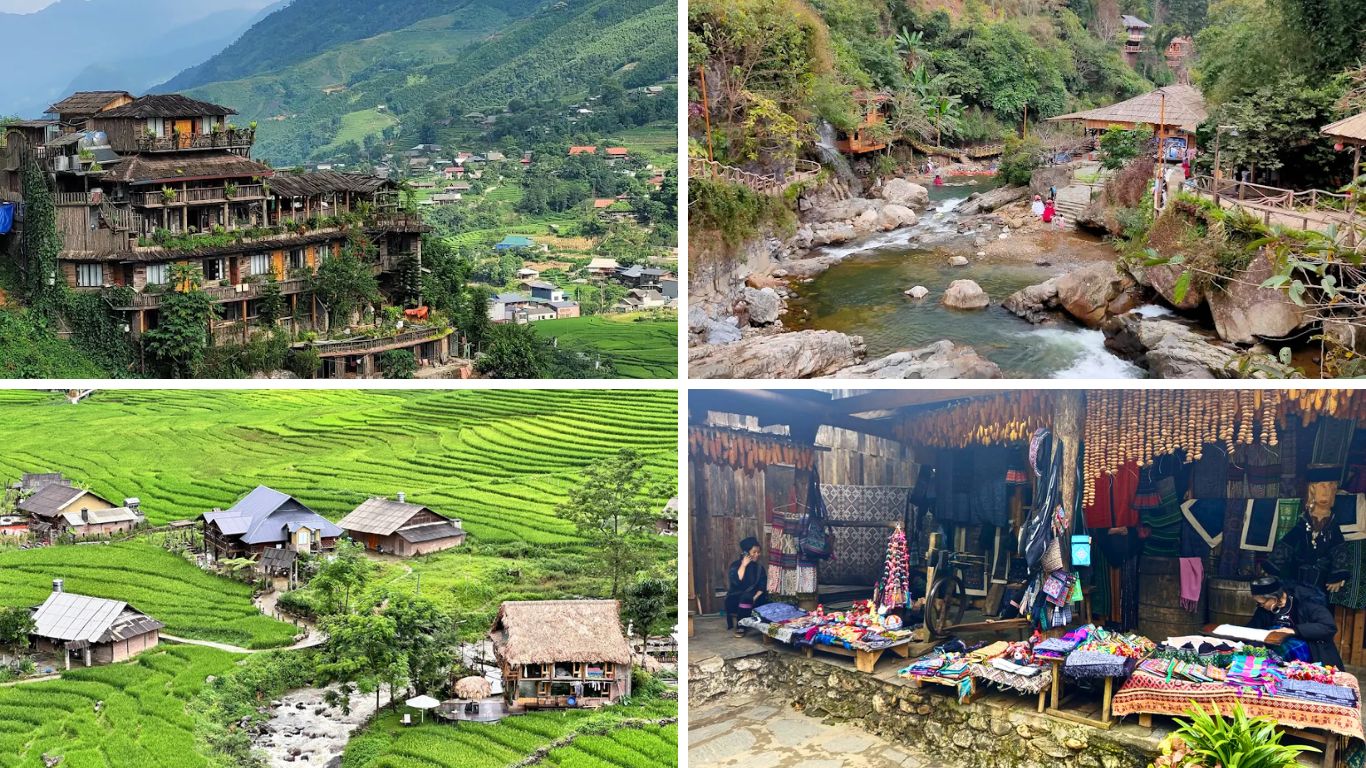
Muong Hoa Valley delivers some of the most photographed rice terraces in the country, with trails passing through villages like Lao Chai and Ta Van. A private guide through the valley keeps the pace comfortable, which matters after a full day on the road. For a broader look at the villages worth visiting across the region, Sapa Villages covers the standout stops and what makes each one distinct.
Trek Further into the Mountains
For travelers with an extra day, trekking further into the mountain villages reveals a deeper side of the region, away from the trails closest to town. Routes vary from gentle valley walks to longer treks connecting several villages in a single day, covered in more detail at Sapa Trekking.
Visit Sapa’s Waterfalls and Local Markets
Beyond the terraces, Sapa’s waterfalls offer an easy add-on for travelers with a spare afternoon, with a few sitting close enough to town for a short visit. Sapa Waterfalls rounds up the best ones worth the detour. Markets add another layer entirely, especially the region’s ethnic minority markets that rotate through different villages on a weekly schedule. Sapa Markets and the Sapa Buffalo Market both offer a genuinely local experience, far removed from anything staged for tourists.
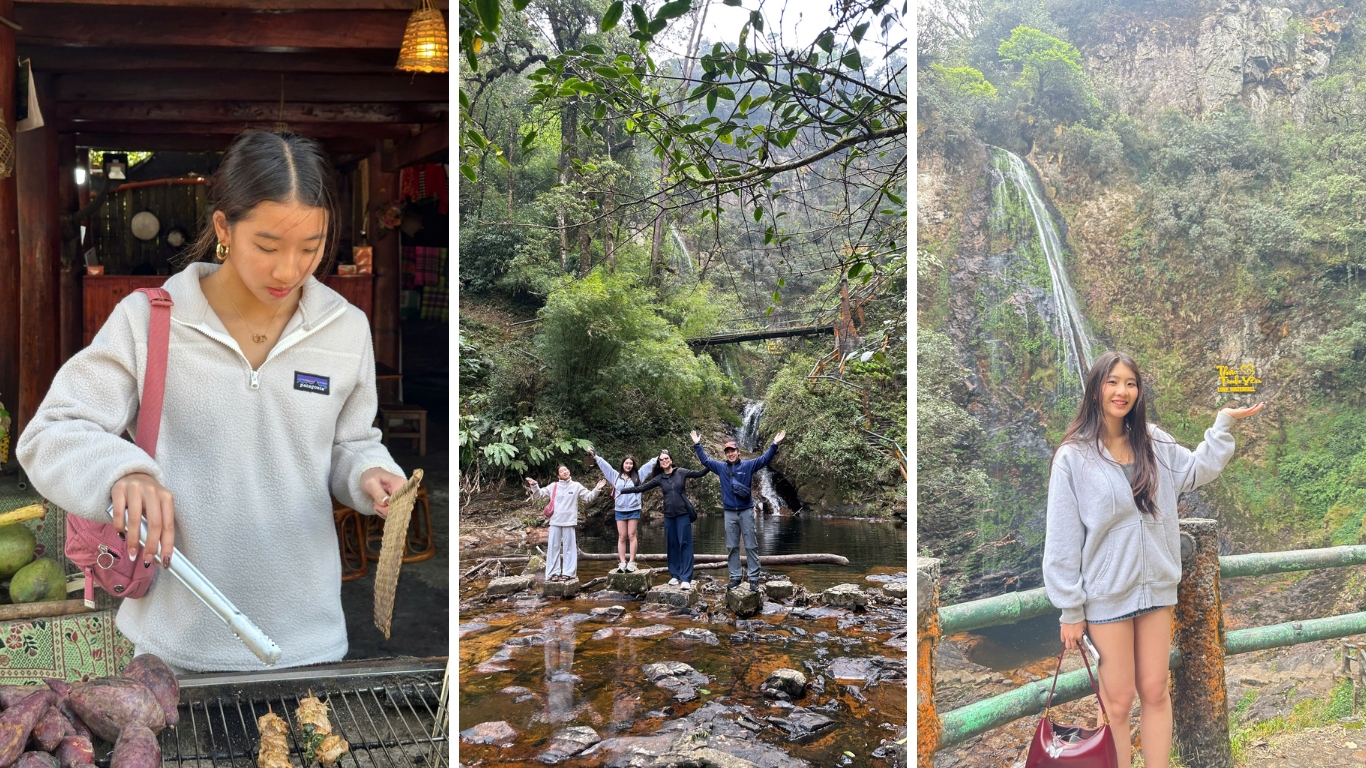
Ride the Cable Car to Fansipan
For those who prefer mountain views without a long trek, the Fansipan cable car climbs to the summit in minutes, offering sweeping views without the physical demands of a full day hike. Browse the wider list of things to do at Sapa Vietnam Tours to round out your stay, and for travelers with more time and an appetite to go further, the In-Depth Vietnam Explore 20 Days tour folds Sapa into a much longer journey across the country.
Best Time to Travel Between Pu Luong and Sapa
Pu Luong and Sapa each have their own ideal seasons, so timing this route well takes a bit of planning. Autumn, from September to November, offers the strongest conditions for both destinations, with golden rice terraces in Pu Luong and clear mountain roads on the drive to Sapa. Spring, from March to April, brings milder temperatures across both regions and works well for travelers who prefer greener landscapes over the golden autumn terraces.
Summer turns warmer and wetter in both areas, and heavy rain can occasionally disrupt mountain roads near Sapa, so building flexibility into your schedule helps during these months. Winter cools down considerably in Sapa and can bring fog to the higher elevations, while Pu Luong stays noticeably milder by comparison. For seasonal details specific to each stop, Best Time to Visit Pu Luong and Best Time to Visit Sapa both go further into what to expect month by month.
Frequently Asked Questions
Is there a direct bus from Pu Luong to Sapa? No. No direct bus service runs this route, and public transport requires a transfer through Hanoi.
How long does it take to get from Pu Luong to Sapa? Around 6 to 8 hours by private car, or 10 to 13 hours using public buses and taxis via Hanoi.
Is there a direct train from Pu Luong to Sapa? No. Pu Luong has no train station, so rail travel would still require connecting through Hanoi and Lao Cai.
Should I stop in Hanoi along the way? It’s optional. A direct private car covers the full distance in a day, though splitting the trip with a Hanoi stop suits travelers who prefer shorter driving days.
How many days should I spend between Pu Luong and Sapa? Six to seven days total works well, with three days in Pu Luong and three to four days in Sapa.
Is a private car worth it for this route? Yes, for most travelers. It cuts several hours off the trip and removes the stress of coordinating multiple transfers through Hanoi.
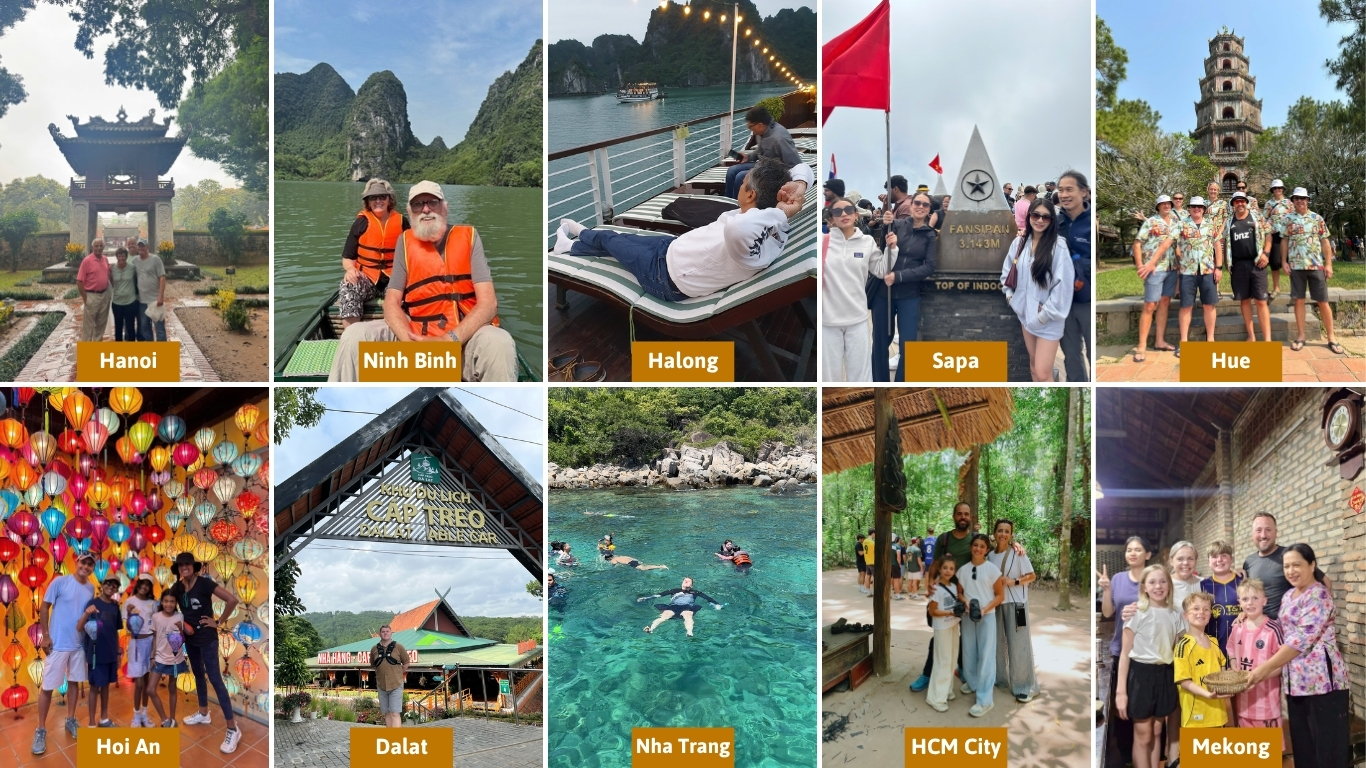
Combining Pu Luong and Sapa gives you two distinct sides of northern Vietnam’s mountain landscape, and a well-arranged private car turns the journey between them into part of the experience rather than a logistics hurdle. Browse the full collection of Vietnam tours or explore Indochina tours for multi-country itineraries. Or take a look at 35+ curated tour options to find the right route for your dates and pace.