

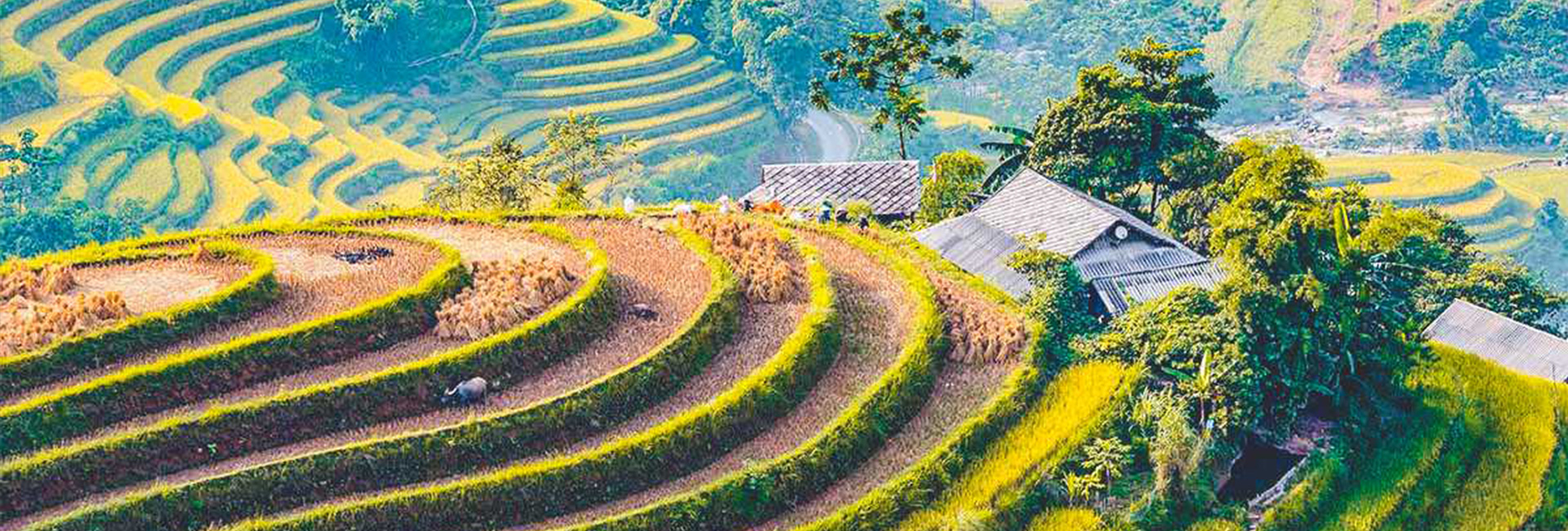
Tucked away in northern Vietnam, Ha Giang is where dramatic mountains meet winding passes and vibrant ethnic culture. This remote province remains one of Vietnam’s most authentic destinations, a true paradise for adventurers and nature lovers alike. If you are dreaming of an unforgettable journey to Vietnam’s northern frontier, this Ha Giang travel guide will help you plan everything, from the best time to visit to what to eat and where to stay.
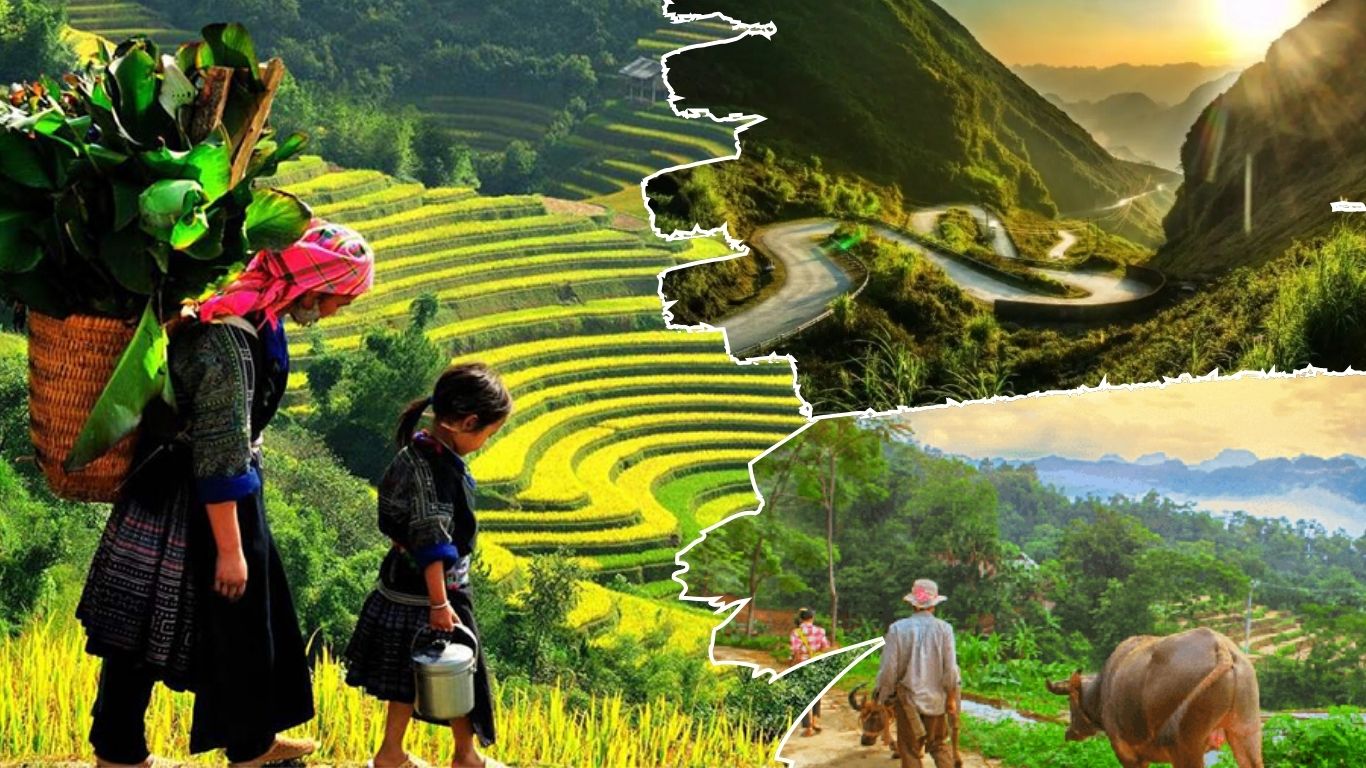
Unlike Sapa’s growing popularity, Ha Giang still feels raw and untouched. Travelers come here not just for the landscapes but for the warmth of its people and the freedom of exploring the open road.
What can you find in this travel blog?
- Where Ha Giang Is and Why You Should Visit
- Is Ha Giang Worth Visiting?
- Best Time to Visit Ha Giang
- How to Get to Ha Giang
- Where to Stay in Ha Giang
- Top Things to Do in Ha Giang
- What to Eat in Ha Giang
- Suggested Itineraries Including Ha Giang
- Practical Tips for Visiting Ha Giang
- FAQs
Where Ha Giang Is and Why You Should Visit
Ha Giang lies about 300 kilometers north of Hanoi near the border with China. It is home to the Dong Van Karst Plateau Geopark, a UNESCO-listed wonder with ancient limestone formations and diverse ethnic cultures.
Every turn in Ha Giang reveals something new, from children waving beside rice terraces to mist rolling over valleys and winding passes that seem to touch the clouds. Unlike other destinations, Ha Giang is less touristy, giving travelers a chance to connect with the local communities and experience rural life in Vietnam.
Visiting Ha Giang is not just about seeing mountains; it is about feeling the freedom and serenity of a land that still preserves its traditions.
Is Ha Giang Worth Visiting?
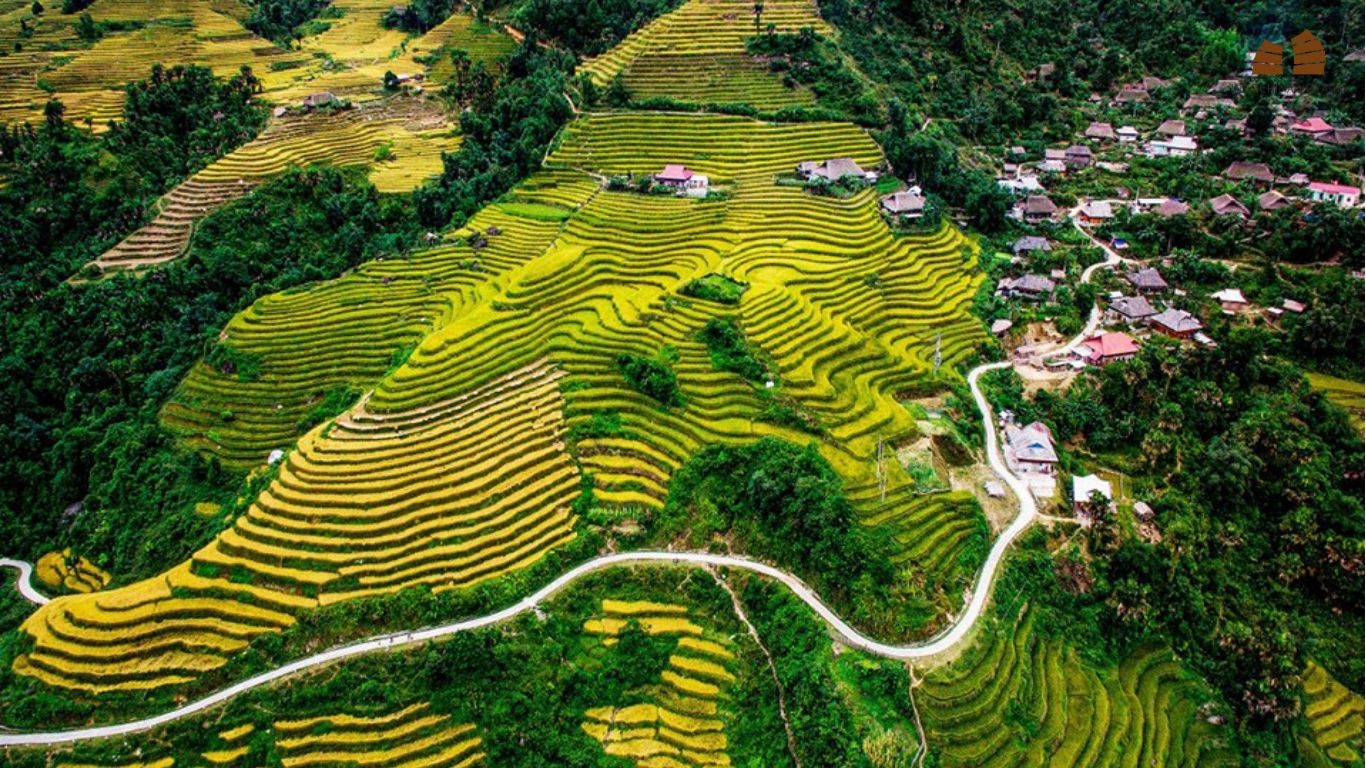
Ha Giang is one of Vietnam’s last untouched regions, where natural beauty and cultural authenticity combine perfectly. Every corner reveals a new wonder, from mist-covered valleys to smiling locals and golden rice terraces.
If you want a journey full of adventure, culture, and breathtaking landscapes, Ha Giang should be at the top of your list. This Ha Giang travel guide will help you explore the province safely, comfortably, and deeply, making your northern Vietnam adventure unforgettable.
Best Time to Visit Ha Giang
Ha Giang offers different experiences at every time of the year. Spring, from February to April, brings peach blossoms and mild temperatures, while summer, from May to August, covers lush green landscapes and occasional rain.
Autumn, from September to October, is the most popular time for photography, with golden rice terraces and clear skies. Winter from November to January, offers cool mornings and the famous buckwheat flower season, one of Ha Giang’s most iconic sights.
For those who enjoy festivals and cultural experiences, late October is ideal, when the Buckwheat Flower Festival takes place. If you want clear skies and comfortable weather for riding, aim for March to May or September to October.
How to Get to Ha Giang
Travelers usually start from Hanoi, which is approximately six to seven hours away by bus or private car. Overnight buses depart from My Dinh or Giap Bat stations, while private cars offer more comfort.
From Ninh Binh or Sapa, it takes about eight to ten hours by car. Roads are scenic but winding, so plan for breaks along the way. Motorbike trips are popular for adventure seekers, but it is safer to begin the Ha Giang loop from Ha Giang City.
Foreigners need a travel permit to enter certain border areas, which can easily be arranged through local hosts or tour agencies.
Where to Stay in Ha Giang
Accommodation options vary from city hotels to mountain homestays. Ha Giang City is convenient for your first or last night, while Dong Van and Meo Vac offer charming lodges and homestays with beautiful views.
Du Gia Village is perfect for travelers seeking tranquility among rice terraces and waterfalls. Expect friendly hospitality, simple comforts, and sometimes limited internet. Staying in these locations allows you to fully immerse yourself in the local environment.
Travel with Vietnam Travel Online
Planning a trip to Ha Giang can feel overwhelming, from arranging transportation to finding the right accommodations. That’s where Vietnam Travel Online comes in. We offer customized tours and transfers that take care of all the logistics, so you can focus on enjoying the scenery and culture.
Whether you prefer a private car from Hanoi, a guided motorbike experience around the Ha Giang Loop, or homestay arrangements in Dong Van and Meo Vac, our team can tailor your journey to your pace and interests. We also handle travel permits, local guides, and itinerary planning, ensuring a safe and immersive experience.
By choosing our services, you save time and avoid stress while discovering Ha Giang’s breathtaking landscapes and vibrant communities in comfort.
Top Things to Do in Ha Giang
Explore the Ha Giang Loop Adventure
The Ha Giang Loop is Vietnam’s most famous road trip. Covering approximately 350 kilometers, it winds through Dong Van, Meo Vac, and Yen Minh. Most travelers spend three to five days completing the loop, stopping at villages and viewpoints along the way.
If you are not confident riding a motorbike, you can join as a passenger with a local driver and still enjoy the stunning scenery. This loop is perfect for anyone looking to combine adventure with cultural experiences.
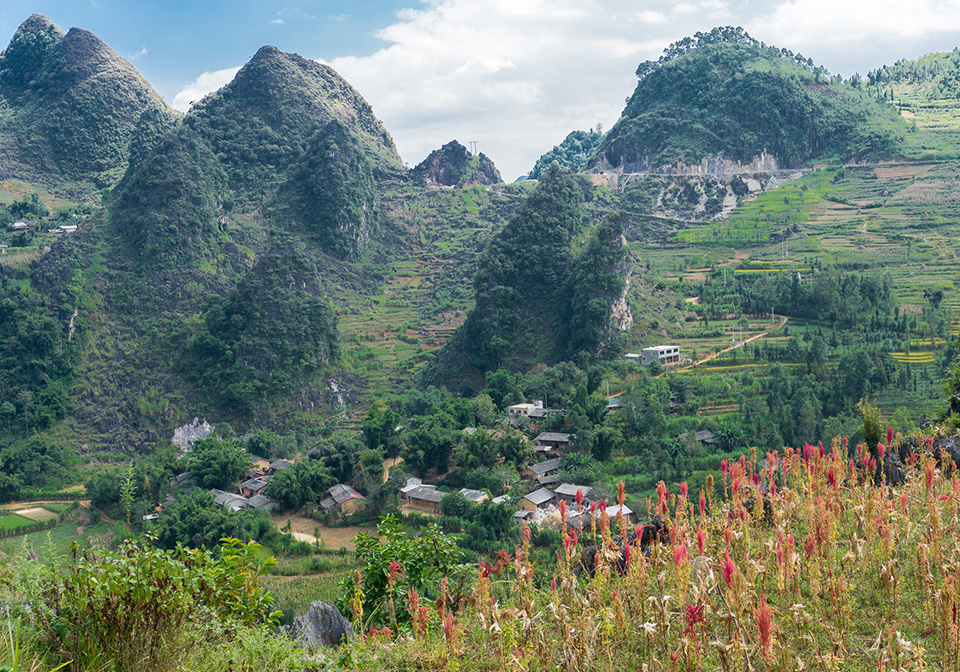
Discover the Dong Van Karst Plateau
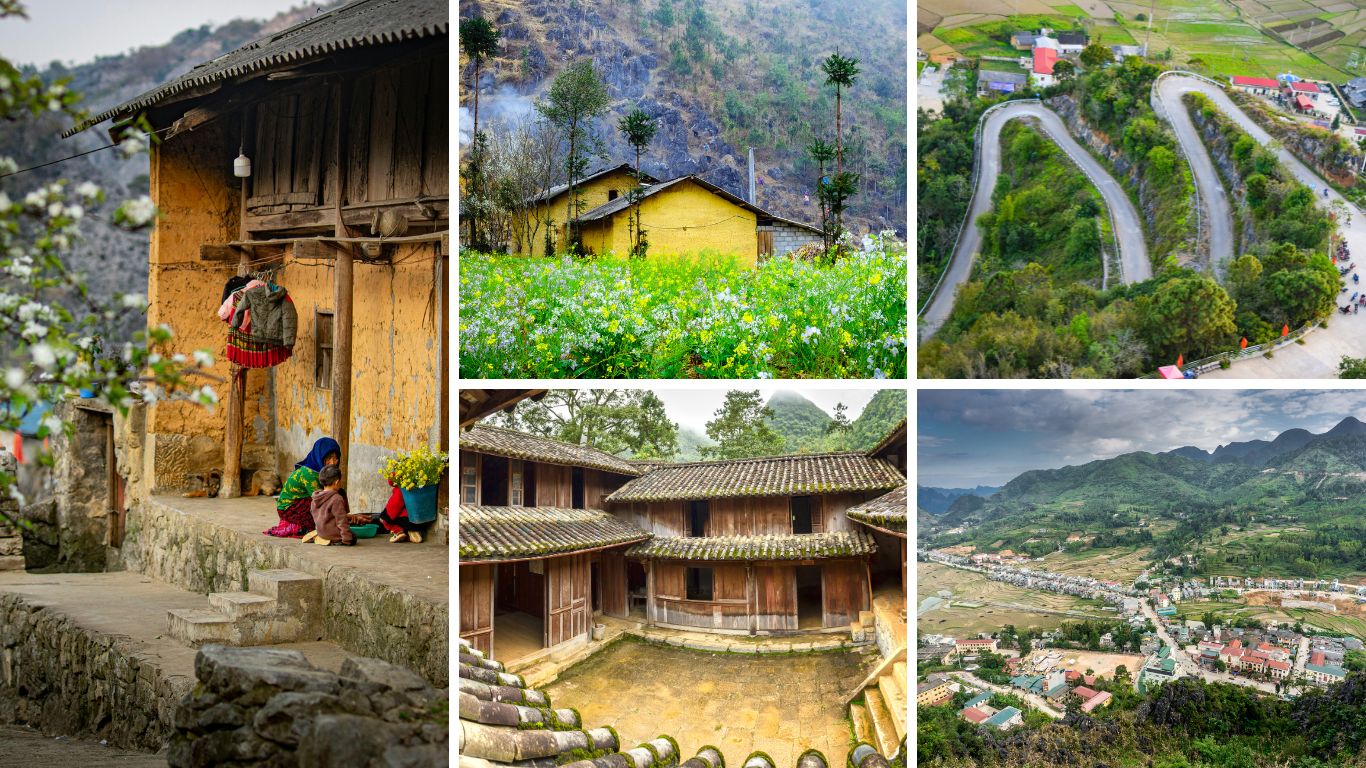
The Dong Van Karst Plateau Geopark is a living masterpiece of nature and culture. The plateau features ancient rock formations, traditional houses, and diverse ethnic communities.
Must-see spots include Lung Cam Cultural Village and Sa Phin Valley, where visitors can meet local people and learn about customs that have survived for centuries. It is a place where history and natural beauty coexist beautifully.
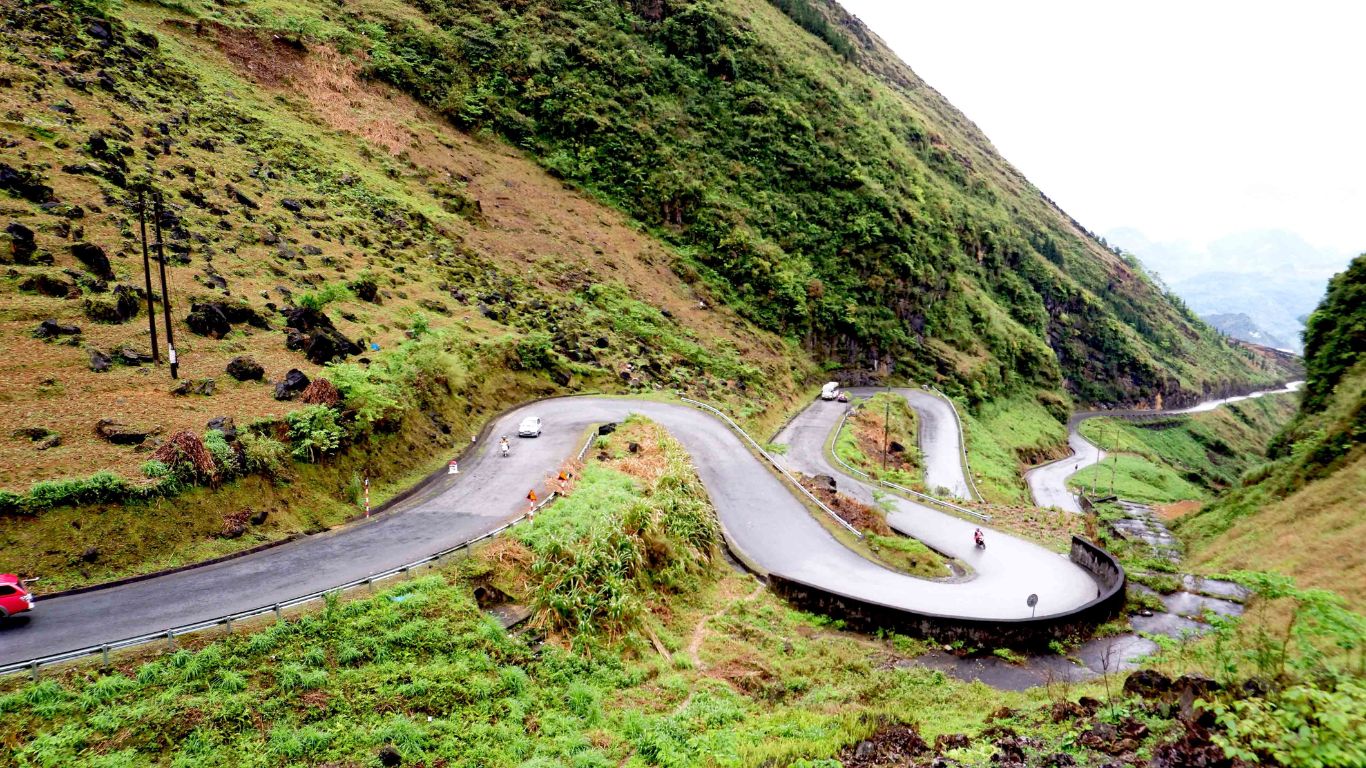
Drive Through the Ma Pi Leng Pass
The Ma Pi Leng Pass is often described as one of the most scenic roads in Vietnam. Driving along it offers panoramic views of the Nho Que River below and the surrounding mountains.
Visitors can also take a short boat trip on the river for a completely different perspective. Every viewpoint along the pass is an opportunity for photography or simply to pause and admire the breathtaking landscapes
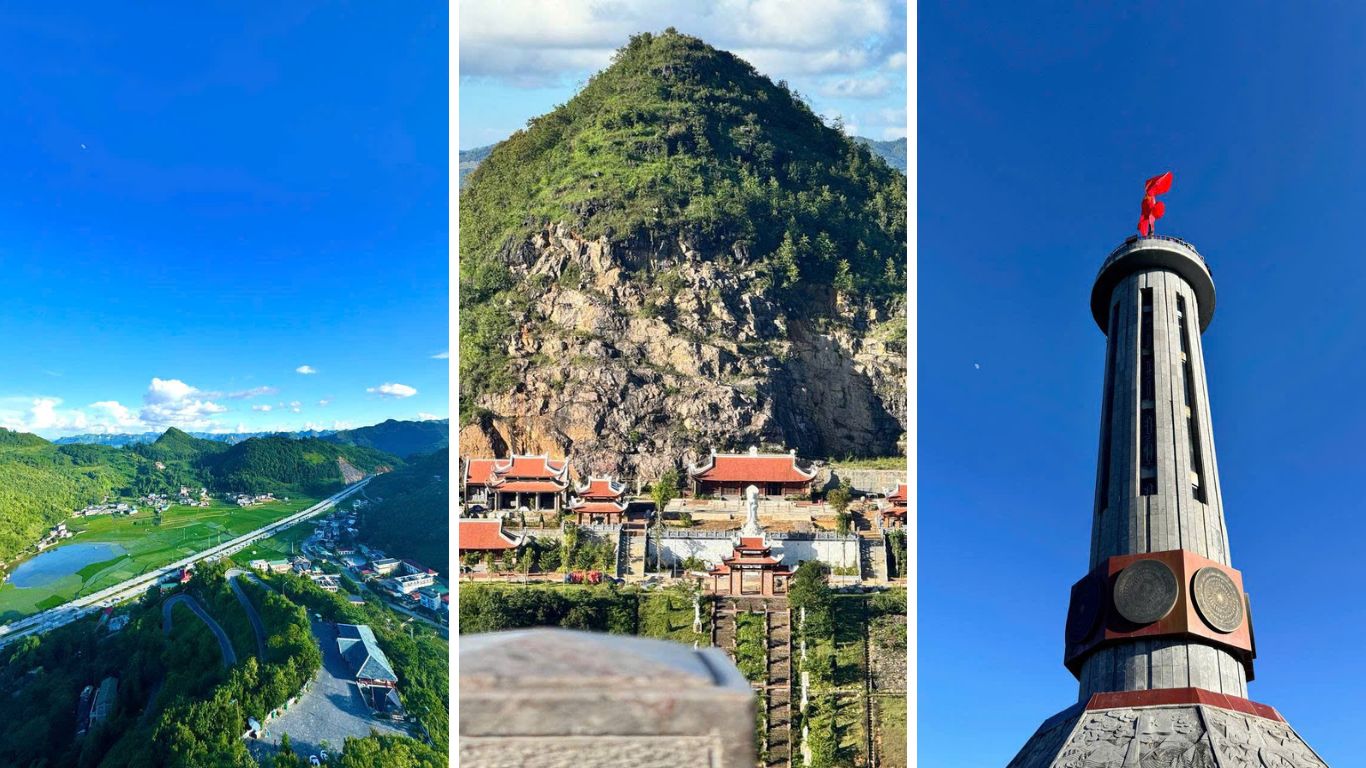
Visit the Lung Cu Flag Tower
The Lung Cu Flag Tower marks the northernmost point of Vietnam. Climbing the tower gives sweeping views of the surrounding mountains and the border with China.
Nearby Lo Lo Chai Village is a wonderful place to stop for coffee and photos while interacting with the Lo Lo ethnic community. It is an excellent spot to experience local culture firsthand.
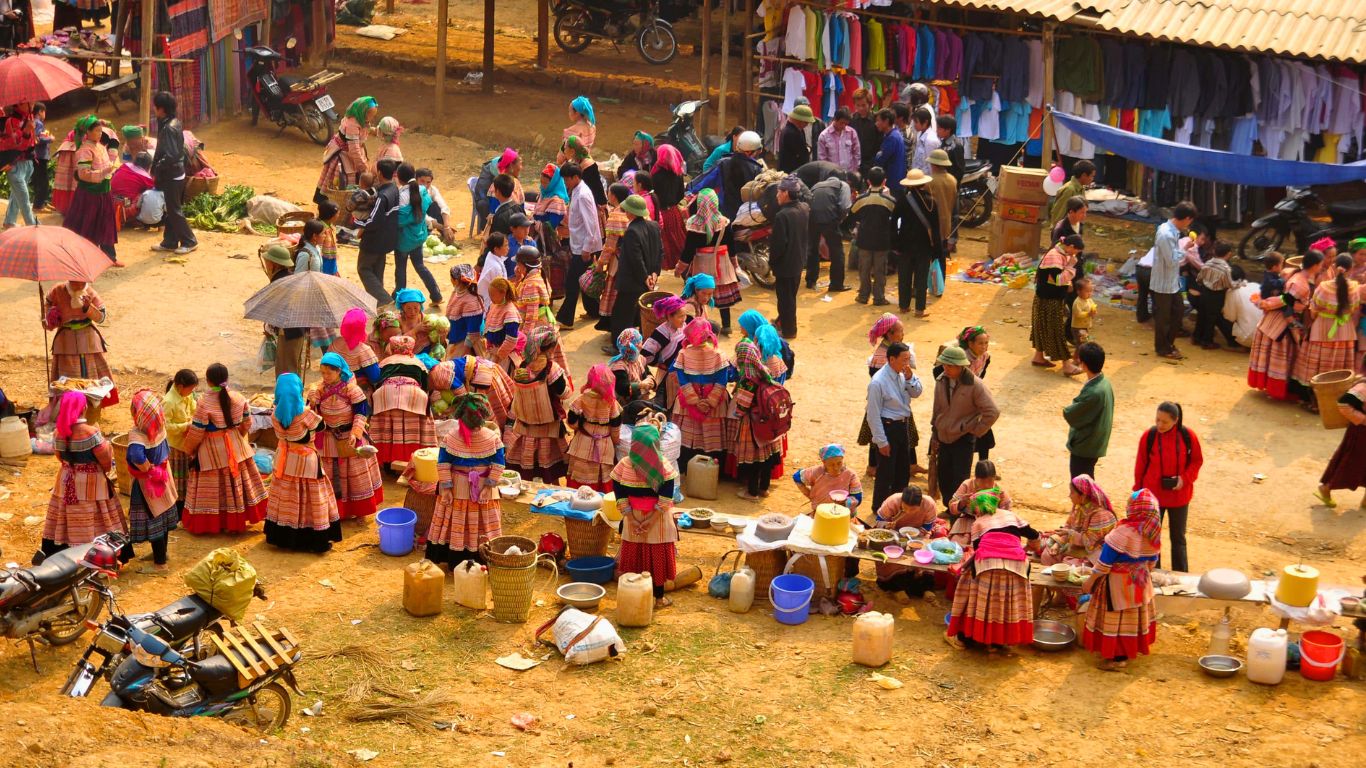
Experience Local Markets and Villages
Ha Giang’s local markets are where the region’s vibrant culture truly comes to life. The Dong Van Sunday Market and Meo Vac Market burst with color as ethnic communities gather to trade goods, showcase handmade crafts, and share local dishes. Arrive early in the morning for the liveliest atmosphere, bring small cash, and always ask before taking photos. These moments offer a genuine glimpse into the daily rhythms and traditions that have endured for generations.
For a more immersive cultural encounter, visit the peaceful Du Gia Village, where waterfalls and rice terraces surround cozy homestays run by welcoming families. Nearby, Lo Lo Chai Village near the Lung Cu Flag Tower captures the charm of Ha Giang’s highlands with its stone houses, colorful attire, and warm hospitality of the Lo Lo people. Sharing a cup of corn wine or watching the sunset over the village brings an unforgettable sense of connection and peace.
Exploring these markets and villages allows travelers to experience the true essence of Ha Giang, where nature, culture, and community exist in perfect harmony.
What to Eat in Ha Giang
Ha Giang cuisine is a reflection of its mountains and diverse ethnic groups. Popular dishes include thang co, a traditional stew often found at local markets, men men, a cornmeal specialty, and black chicken hotpot, believed to restore energy.
Try five-color sticky rice dyed with forest plants and Shan Tuyet tea grown in high-altitude gardens. The best meals are often found at homestays, where families cook fresh ingredients and welcome guests into their homes. Eating in this way allows you to experience Ha Giang culture directly through its flavors.
Suggested Itineraries Including Ha Giang
Northern Mountain Adventure for Nature Lovers
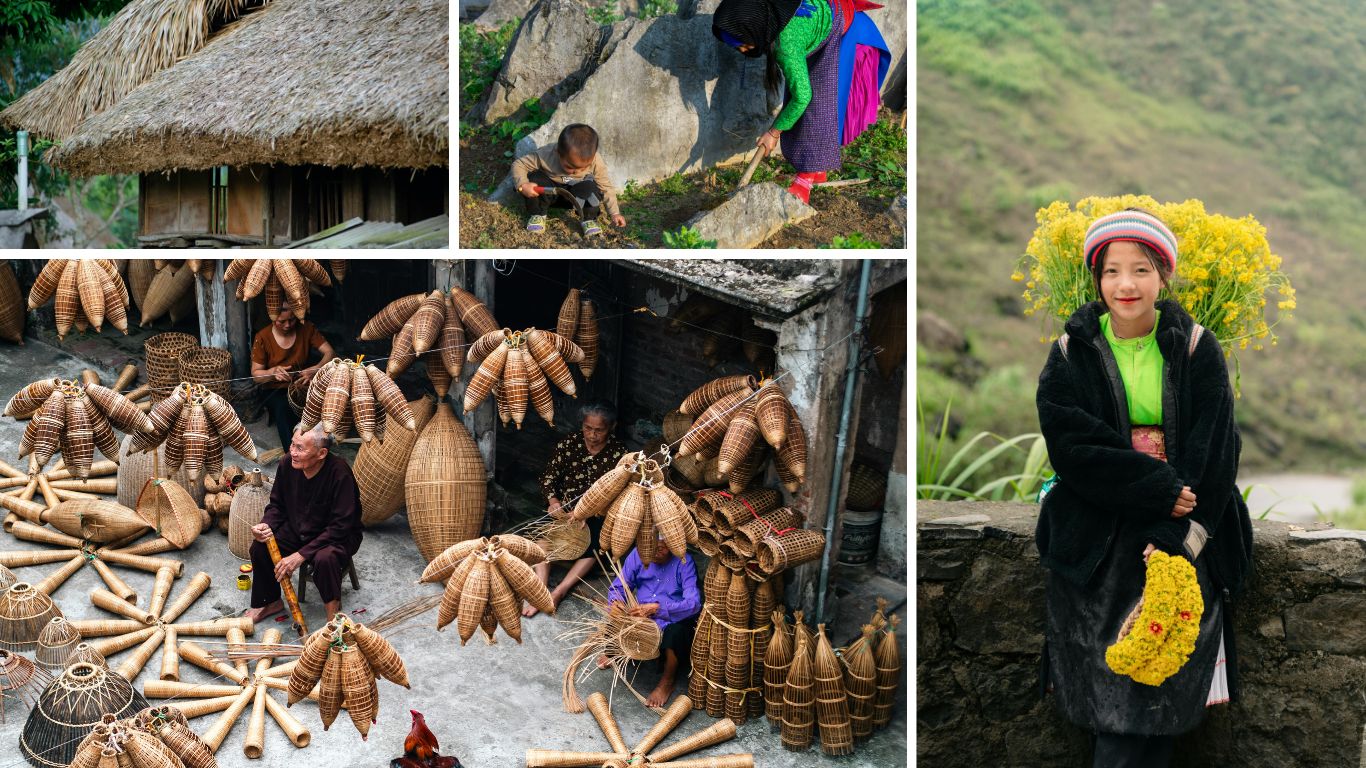
If you have limited time but still want to experience Ha Giang’s wild beauty, the Explore the Trails of Ha Giang 5 Days itinerary is a perfect choice. This journey follows the legendary Ha Giang Loop, passing through the majestic Ma Pi Leng Pass, Dong Van, and Lung Cu Flag Tower. Along the way, you’ll see breathtaking mountain views, meet friendly ethnic communities, and explore peaceful villages tucked between limestone cliffs. The itinerary blends adventure and comfort, ideal for those who wish to enjoy both freedom and ease while discovering northern Vietnam’s most stunning landscapes.
Extending Your Northern Journey through Vietnam
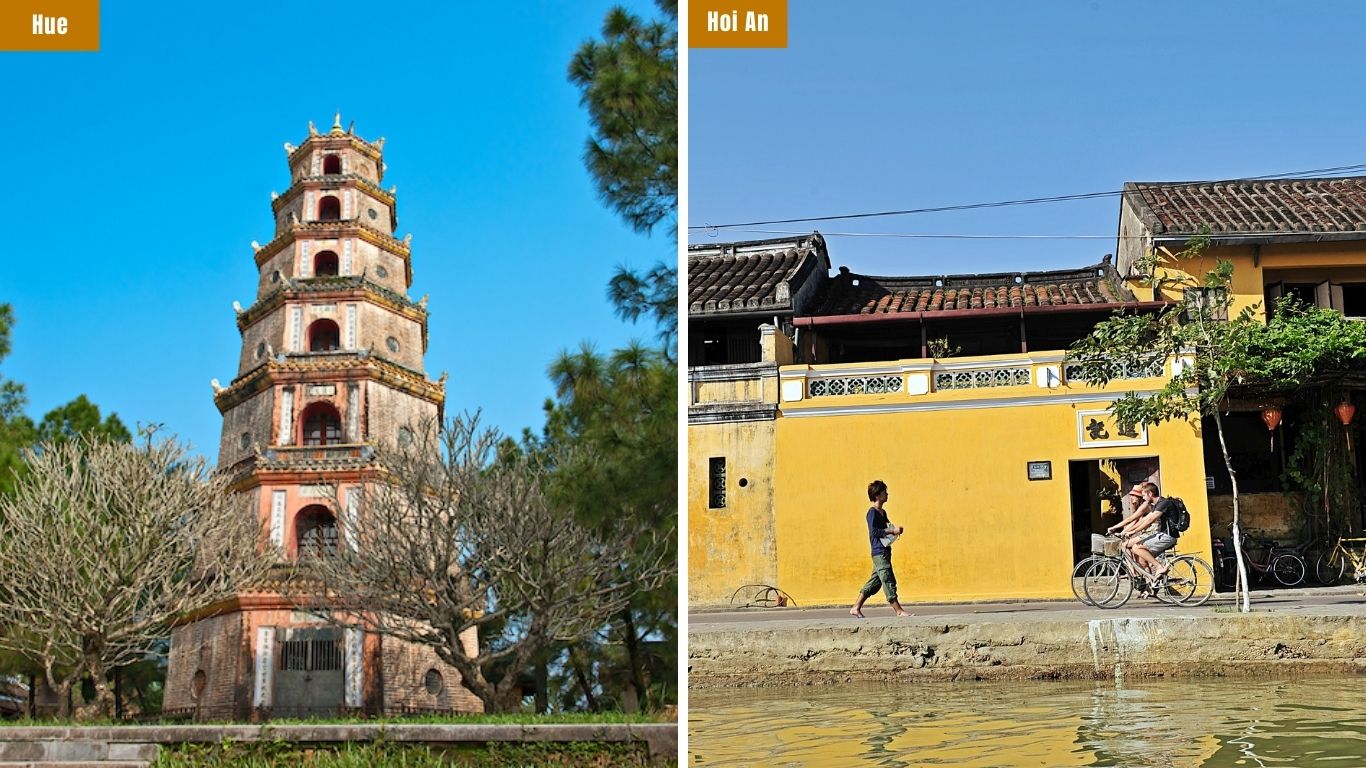
The Vietnam Highlights Experience 14 Days itinerary offers a balanced route through Vietnam’s most iconic destinations, including Hanoi, Hue, Hoi An, and Ho Chi Minh City. Although Ha Giang is not part of the original plan, this tour serves as an excellent reference for travelers who wish to add a three to five-day detour into the northern mountains. By doing so, you can enrich your trip with Ha Giang’s dramatic scenery, winding passes, and diverse ethnic culture. This combination lets you experience both Vietnam’s cultural heart and its untouched natural beauty, the best of both worlds.
Deep Cultural Exploration across Vietnam
💡If you’re dreaming of exploring Vietnam’s northern frontier, don’t stop at Ha Giang. Whether your journey focuses on the North or spans the entire country, Vietnam Travel Online can create a fully customized tour that matches your style and pace. From misty mountains and ethnic villages to rivers, beaches, and hidden gems across Indochina, we make every trip meaningful and effortless. Reach us at [email protected] or through our contact form to start planning your Vietnam journey today.
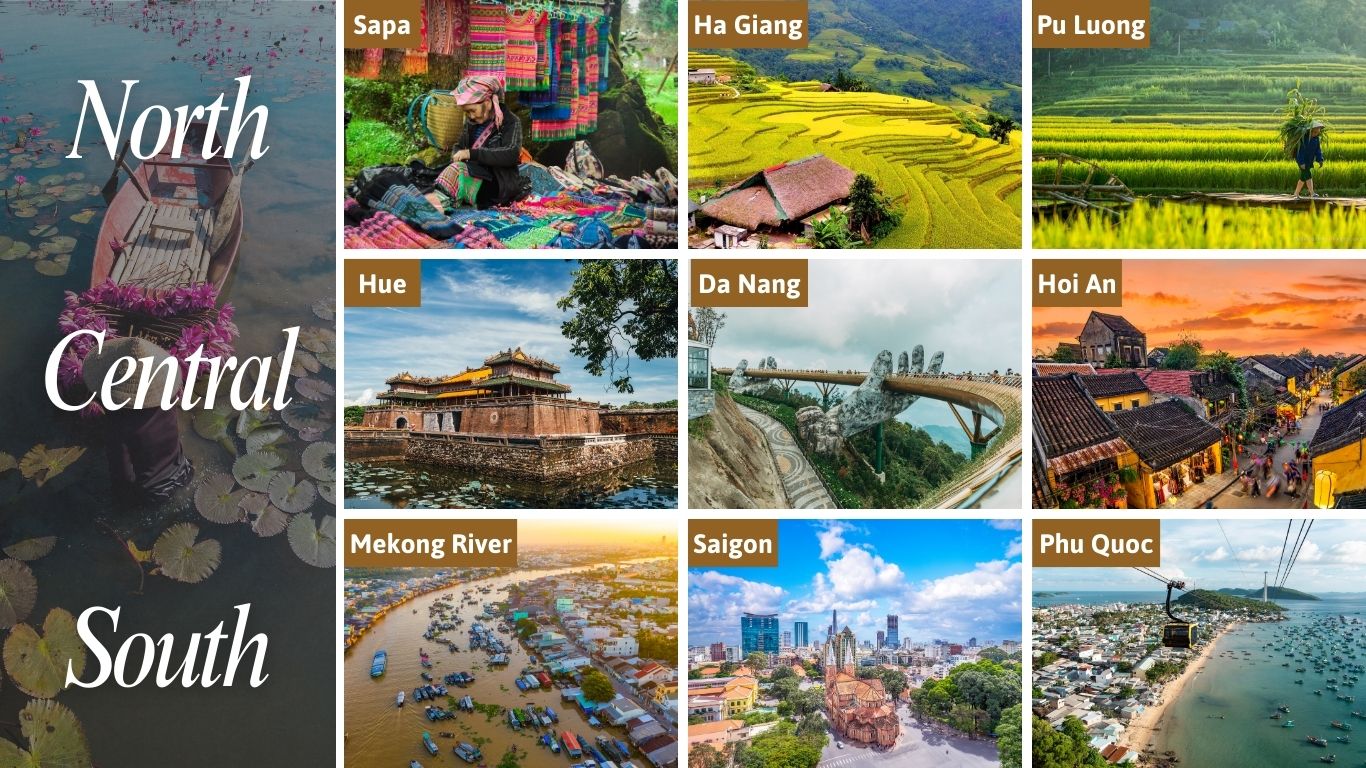
For travelers who love slow, immersive journeys, the In-depth Vietnam Explore 20 Days itinerary is ideal. While Ha Giang is not originally included, the route can easily be customized to feature a few days in the province. Adding Ha Giang brings an authentic touch to your journey. You’ll wander through traditional villages, learn about local customs, and enjoy panoramic mountain views that few travelers get to see. This tailored approach allows you to dive deeper into Vietnam’s culture while uncovering the raw beauty of the far north.
Practical Tips for Visiting Ha Giang
-
Transport: Motorbikes offer flexibility, while private cars provide comfort and safety.
-
Safety: Always wear a helmet, avoid night riding, and drive cautiously on winding roads.
-
Cash: ATMs are limited; bring enough Vietnamese dong for the trip.
-
Packing: Layered clothing, rain gear, sunscreen, and sturdy shoes are essential.
-
Connectivity: Internet is limited in remote areas; download maps and guides offline.
-
Cultural Etiquette: Ask before taking photos, respect local customs, and learn a few Vietnamese greetings.
-
Health: Bring basic medication, stay hydrated, and avoid drinking untreated water.
-
Weather: Check forecasts and be prepared for sudden changes, especially in the mountains.
FAQs
When is the best time to visit Ha Giang?
The best months are March to May and September to October for clear skies, mild temperatures, and stunning scenery. Late October is perfect for the buckwheat flower season.
How many days do I need to explore Ha Giang?
A minimum of three days covers the Ha Giang Loop highlights. Five days allow a more relaxed pace with visits to villages, markets, and hidden spots.
Is it safe to ride a motorbike in Ha Giang?
Yes, if you are an experienced rider and follow safety precautions. Beginners can hire local drivers to ride as passengers.
Do I need a permit to visit Ha Giang?
Foreigners need a travel permit to access certain border areas. Local guides or accommodations can arrange this easily.
What should I pack for a Ha Giang trip?
Layered clothing, rain gear, sun protection, good shoes, cash, and basic medication are essential.
Where can I stay in Ha Giang?
Options include Ha Giang City for convenience, Dong Van and Meo Vac for homestays with mountain views, and Du Gia Village for peaceful, immersive experiences.