

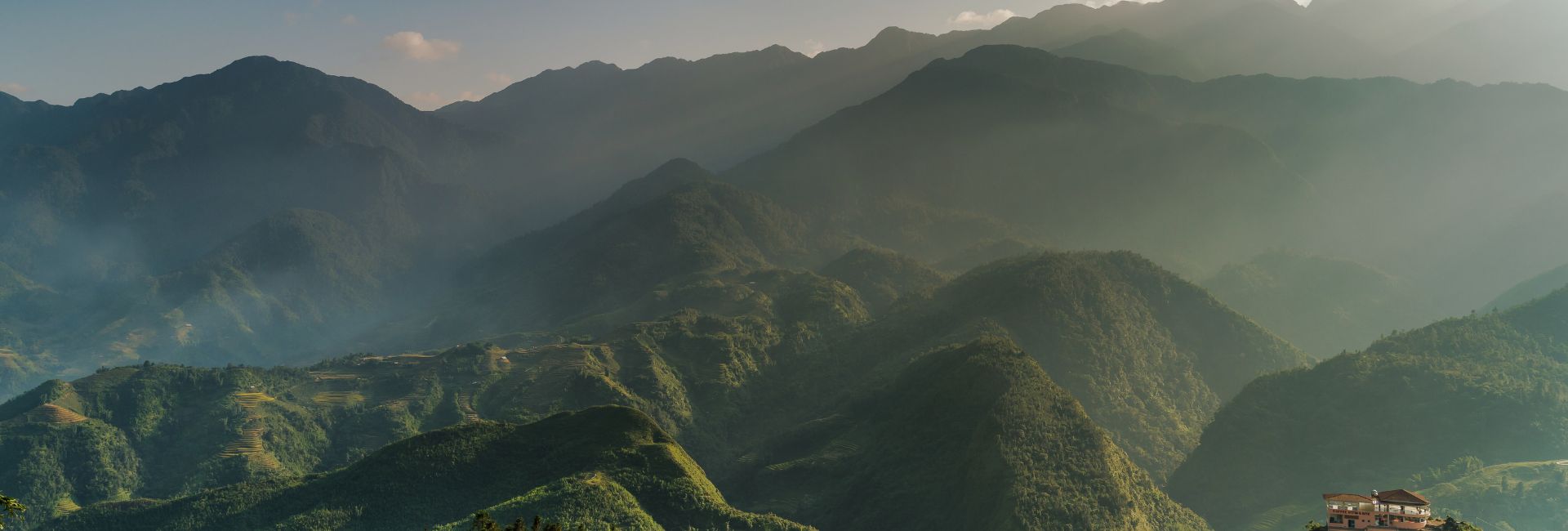
Sapa is a serene escape in northern Vietnam’s Lao Cai province. Surrounded by towering mountains, winding rivers, and endless rice terraces, it offers stunning scenery and a peaceful pace. Additionally, ethnic minority villages dot the hillsides, giving travelers a chance to experience local culture. Whether you want to take photos, enjoy gentle treks, or simply relax in nature, November is the perfect month.
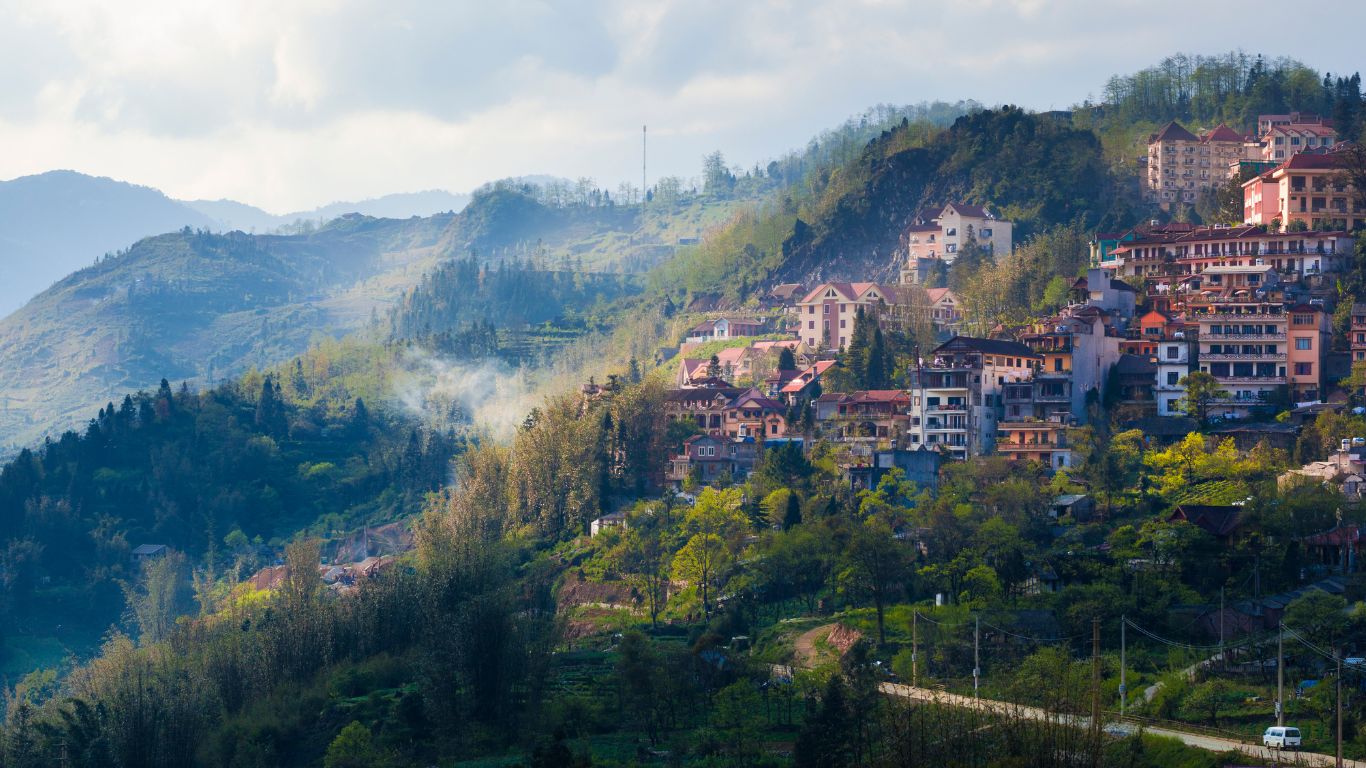
During this time, the weather is cooler, and mornings are often misty. Moreover, fewer tourists make the area calm, ideal for slow-travel experiences. You can stroll through rice terraces, sip tea at a village homestay, or simply soak in the views. Sapa in November encourages you to pause, enjoy every moment, and connect with local life.
What can you find in this travel blog?
- Why You Shouldn’t Miss Sapa?
- Top Experiences in Sapa in November
- Eat in Sapa – Local Dishes & Seasonal Fruits
- Suggested Sapa Travel Itineraries
- Practical Tips for Visiting Sapa in November
- FAQs
Why You Shouldn’t Miss Sapa in November?
Is It Worth Visiting Sapa in November?
Yes! In November, Sapa transforms into a tranquil paradise with misty mountains, serene rice terraces, and quiet trails. Moreover, this is the perfect time to capture stunning photos, immerse yourself in local culture, and truly unwind away from crowds. As a result, travelers seeking slow-paced adventures, authentic village experiences, and breathtaking scenery will find Sapa in November unforgettable.
Location
Sapa sits in northwest Vietnam, about 1,500 meters above sea level. It is surrounded by the Hoang Lien Son mountains, rivers, and terraced rice fields. As a result, the area is perfect for photography and peaceful walks.
Weather in November
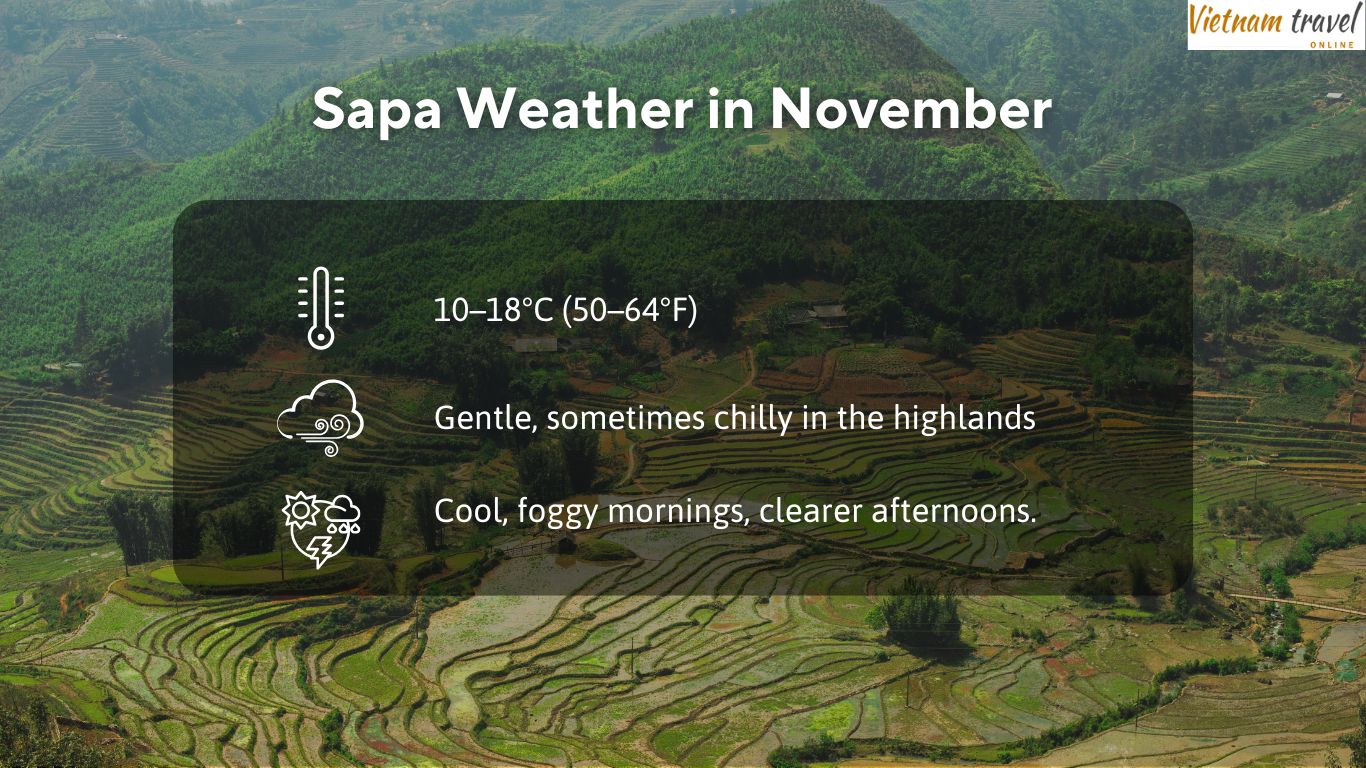
November in Sapa is cool, with temperatures around 10–18°C (50–64°F). Mornings are often foggy, creating magical views over rice terraces, while afternoons are clearer and ideal for trekking, photography, and exploring ethnic villages. Fewer tourists make it a calm, slow-travel month.
How to Get There
You can reach Sapa in several ways, but mostly from Hanoi
-
Train: Overnight trains; scenic and relaxed.
-
Bus: Comfortable sleeper buses; budget-friendly.
-
Private car: Direct and flexible, ideal for personalized travel.
Where to Stay
-
Homestays: Stay with local families and enjoy traditional meals.
-
Hotels/Boutique stays: Comfortable, ideal for relaxing after trekking.
-
Private booking services: Reservations for a worry-free experience.
Travel & Stay – Seamless Sapa Experience
You can reach Sapa by overnight train, sleeper bus, or private car. Once there, stay in homestays to enjoy local life or hotels for comfort after trekking. Moreover, we can help you book both transportation and accommodations in advance. Our customized tours and services ensure a smooth, stress-free journey. Contact us here to tailor your perfect Sapa experience.
Top Experiences in Sapa in November
Trekking to Ethnic Villages
Visit Lao Chai, Ta Van, and Muong Hoa Village. Walk through rice terraces, see traditional homes, and learn about Hmong and Dao cultures. Additionally, trails are gentle, suitable for all travelers. Meanwhile, you can enjoy authentic interactions with locals.
Fansipan Mountain & Cable Car
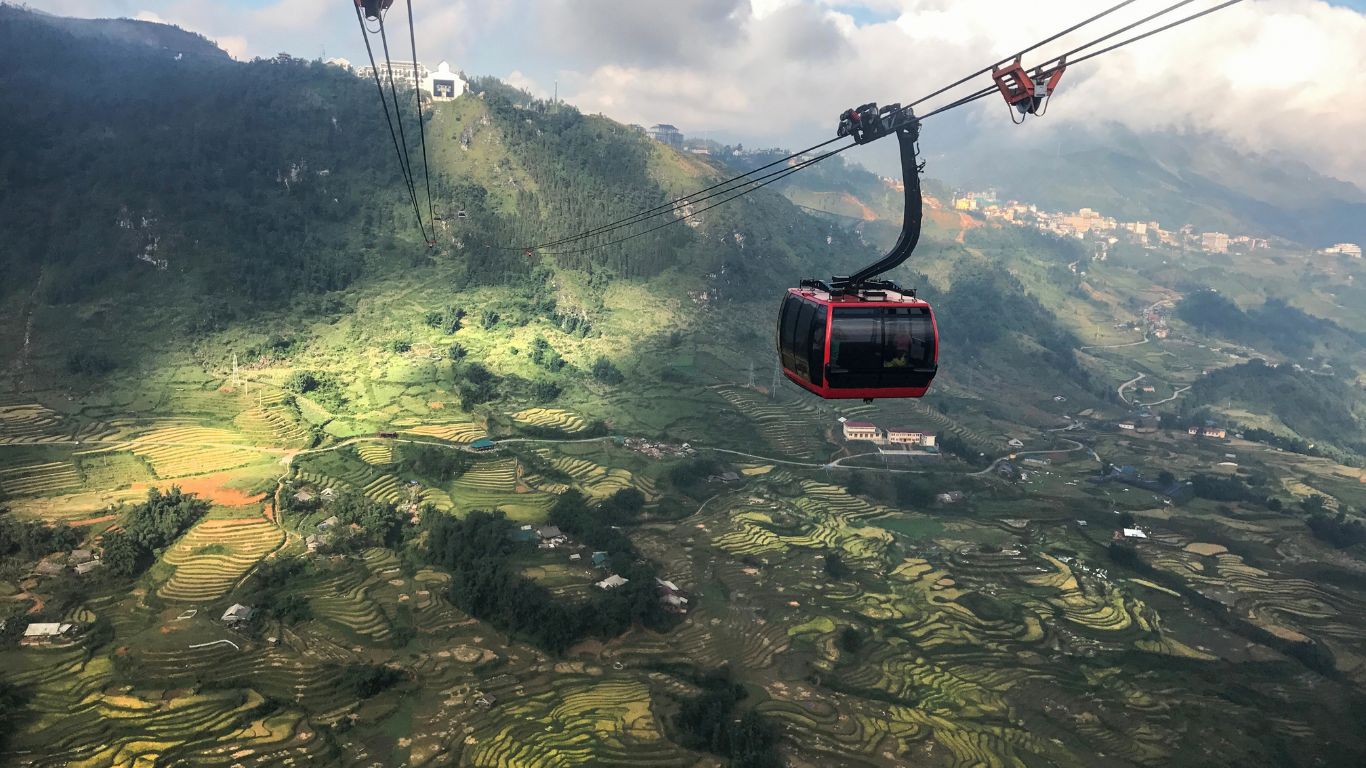
Fansipan, Vietnam’s highest peak, is reachable by cable car. Sunrise or sunset trips offer breathtaking views of the Hoang Lien Son mountains. Moreover, this suits travelers who prefer a slower pace without strenuous climbing.
Cloud Hunting & Scenic Viewpoints
Ham Rong Park, O Quy Ho Pass, and Silver Waterfall are perfect for morning fog. In fact, the misty scenery makes quiet walks and photography truly magical. Similarly, these viewpoints offer a calm retreat before the day begins.
Local Markets & Cultural Interaction
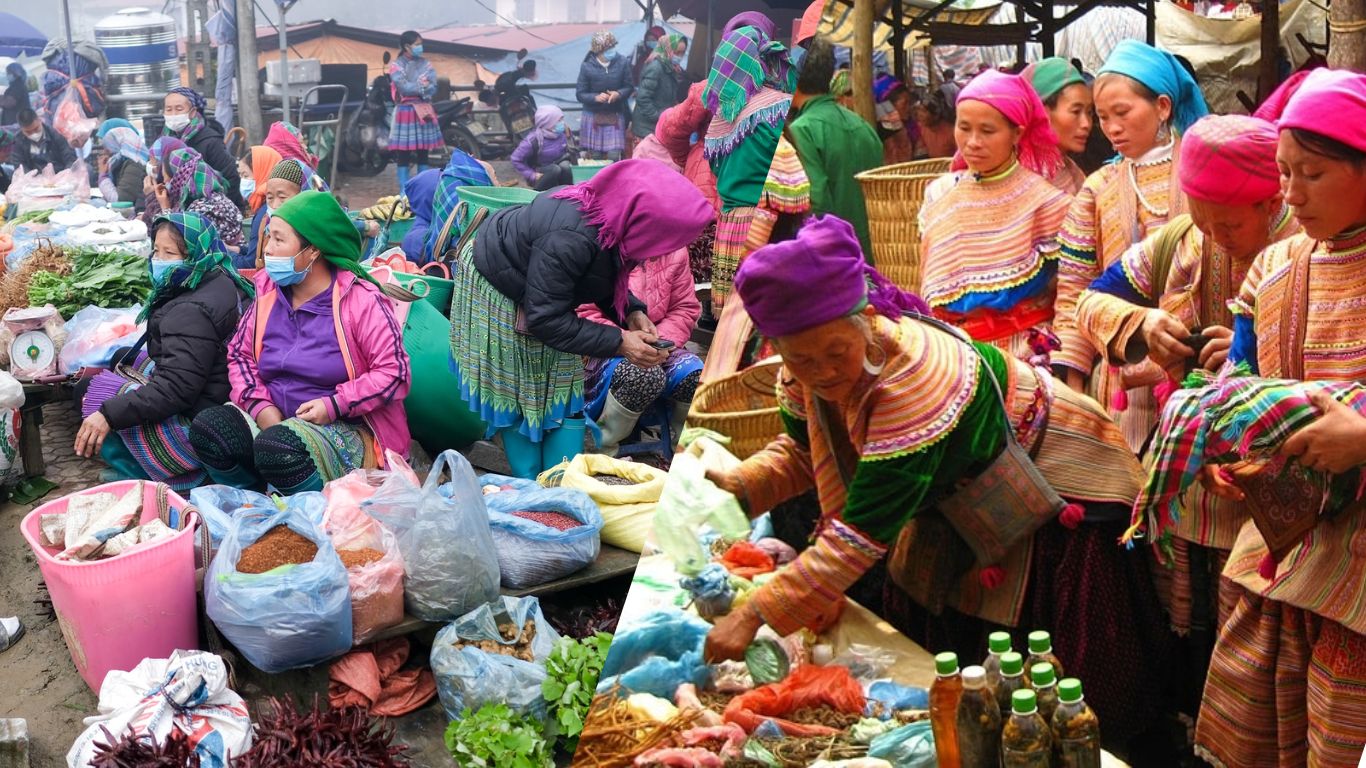
Sapa Market runs daily, and Bac Ha Market is open on weekends. Browse handicrafts, taste local foods, and watch traditional customs. Likewise, these markets provide insight into northern Vietnam’s rich ethnic culture.
Eat in Sapa – Local Dishes & Seasonal Fruits
November is ideal for hearty, warming meals:
-
Hotpot with local vegetables and meat
-
Grilled corn and mountain herbs
-
Seasonal fruits like persimmons and tao meo
Additionally, homestay meals add authenticity, letting you enjoy local flavors while connecting with village life.
Suggested Sapa Travel Itineraries
2–3 Days – Sapa Highlights
Explore Sapa town, Ham Rong Park, evening markets, village treks, and the Fansipan cable car. This short trip focuses on relaxation, scenic views, and cultural experiences. For inspiration, check out our Taste of Sapa 3 Days tour. It’s a perfect way to experience the highlights at a slower pace.
10–12 Days – Northern Vietnam Discovery
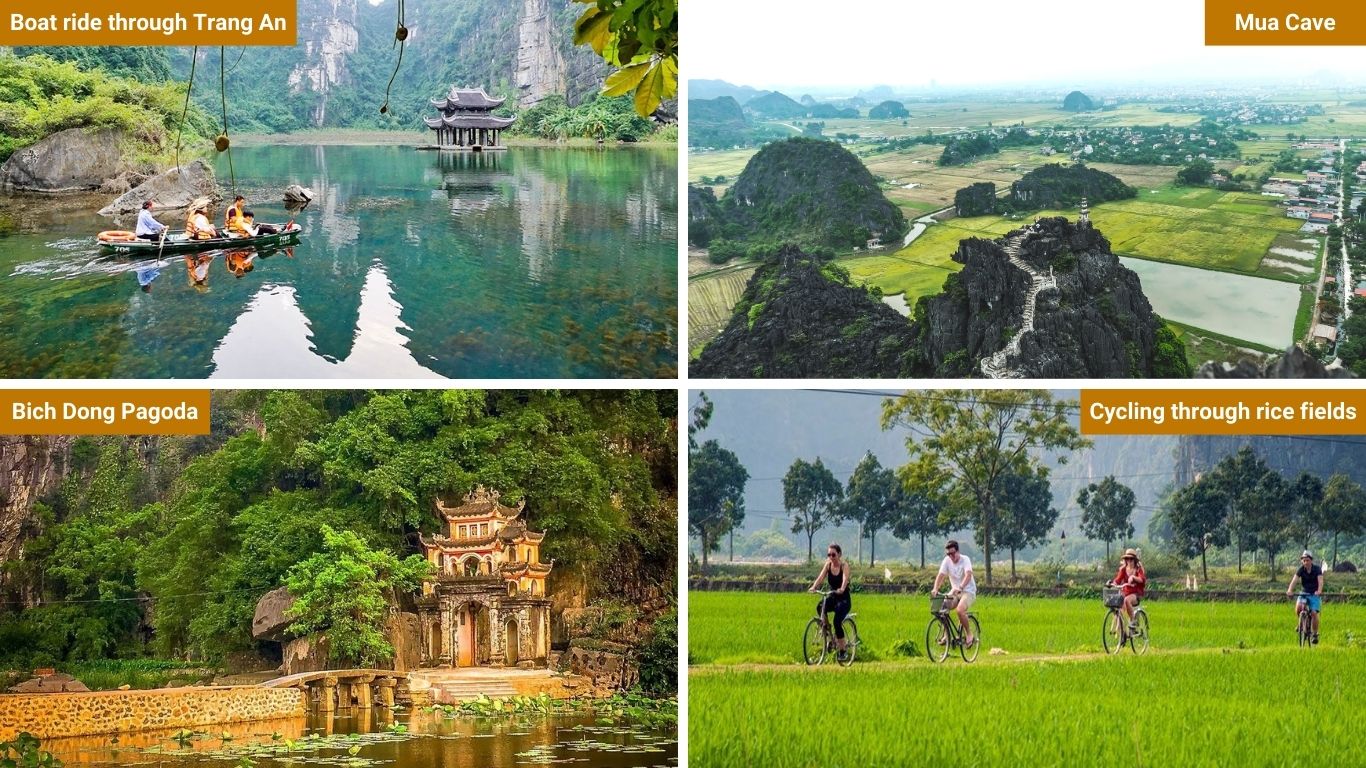
Discover Sapa, Bac Ha, Muong Khuong, Ha Giang Loop, Ninh Binh/Tam Coc, and Hanoi. Moreover, you’ll enjoy diverse landscapes and deep cultural experiences across northern Vietnam. For a sample route, explore our North Vietnam 10 Days tour, which showcases the best of the region at a relaxed pace.
2–3 Weeks – Extended Vietnam Adventure
Combine northern, central, and southern Vietnam with Halong Bay or Lan Ha Bay overnight cruises. In fact, this longer trip is ideal for slow travel, immersive experiences, and exploring varied landscapes.
If you’re interested in our tours but prefer something tailored just for you, we’ve got you covered. At Vietnam Travel Online, we offer a wide range of Vietnam tours, so you can easily pick one that suits you, or let us design a journey from scratch. From Vietnam’s mountains and rivers to Indochina’s hidden gems, simply reach us at [email protected] or through this form to start planning.

Practical Tips for Visiting Sapa in November
-
Pack warm layers, waterproof jackets, and gloves
-
Use private cars or guided tours for comfort
-
Stay in homestays for cultural immersion, or hotels for relaxation
-
Drink bottled water and take care on foggy trails
-
Respect local customs and traditions
-
Take rest breaks during treks and sightseeing
FAQs
What is the weather like?
Cool mornings with fog; bring warm layers.
Are there festivals in November?
Some local events may happen; check schedules locally.
Is it cold at night?
Yes, nights can drop below 15°C.
Which villages and markets are best to visit?
Lao Chai, Ta Van, Cat Cat; Sapa and Bac Ha markets.
Can I do trekking safely?
Yes, with guides and proper gear, fog may require caution.
How many days are ideal for Sapa/Northern Vietnam?
2–3 days for Sapa, 10–12 days for northern Vietnam, longer for extended trips.