

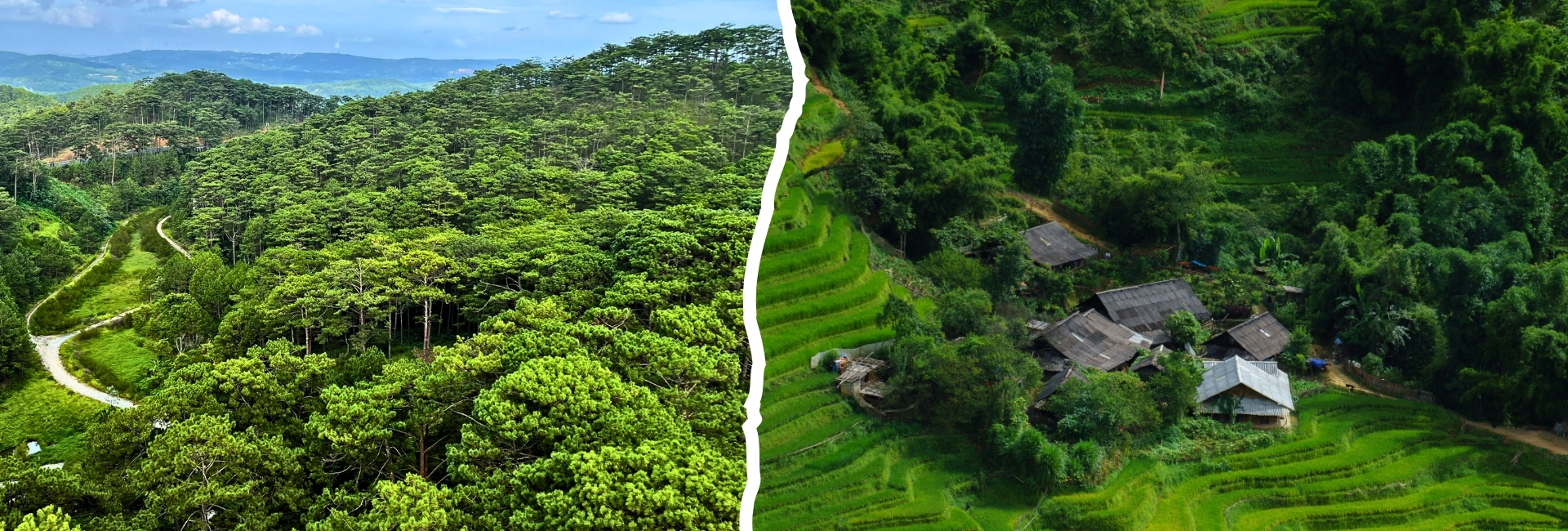
Sapa or Da Lat? Two places in Vietnam escape the tropical heat completely. Neither one feels like the country most travelers picture. Head north into the mountains, and mist wraps around a world of rice terraces and hill tribe villages. Many of these villages have barely changed in generations. Head south into the Central Highlands instead, and pine forests, lakeside cafes, and flower gardens greet you with a softer, slower kind of charm.
Sapa and Da Lat both promise cooler air. Even so, standing in each one feels like a completely different journey. This guide walks through both destinations the way a real trip actually unfolds. It compares landscape, culture, food, and pace, so the decision feels natural rather than overwhelming. Once a favorite starts to take shape, our team can turn it into a fully private itinerary. Every detail gets tailored, from the first morning to the last. A quick chat through our contact page is all it takes to get started.
What can you find in this travel blog?
- Two Very Different Personalities
- Landscape and Natural Scenery
- Things to Do Beyond the View
- Weather Through the Year
- Food, Stays, and Getting Around
- Sapa or Da Lat: Which Destination Matches Your Travel Style
- Practical Tips Before You Go
- Turning This Into One Unforgettable Trip
- FAQs
Two Very Different Personalities
In fact, understanding what each town feels like on the ground makes this decision far easier than scrolling through a list of attractions.
Sapa, Wild and Steeped in Tradition
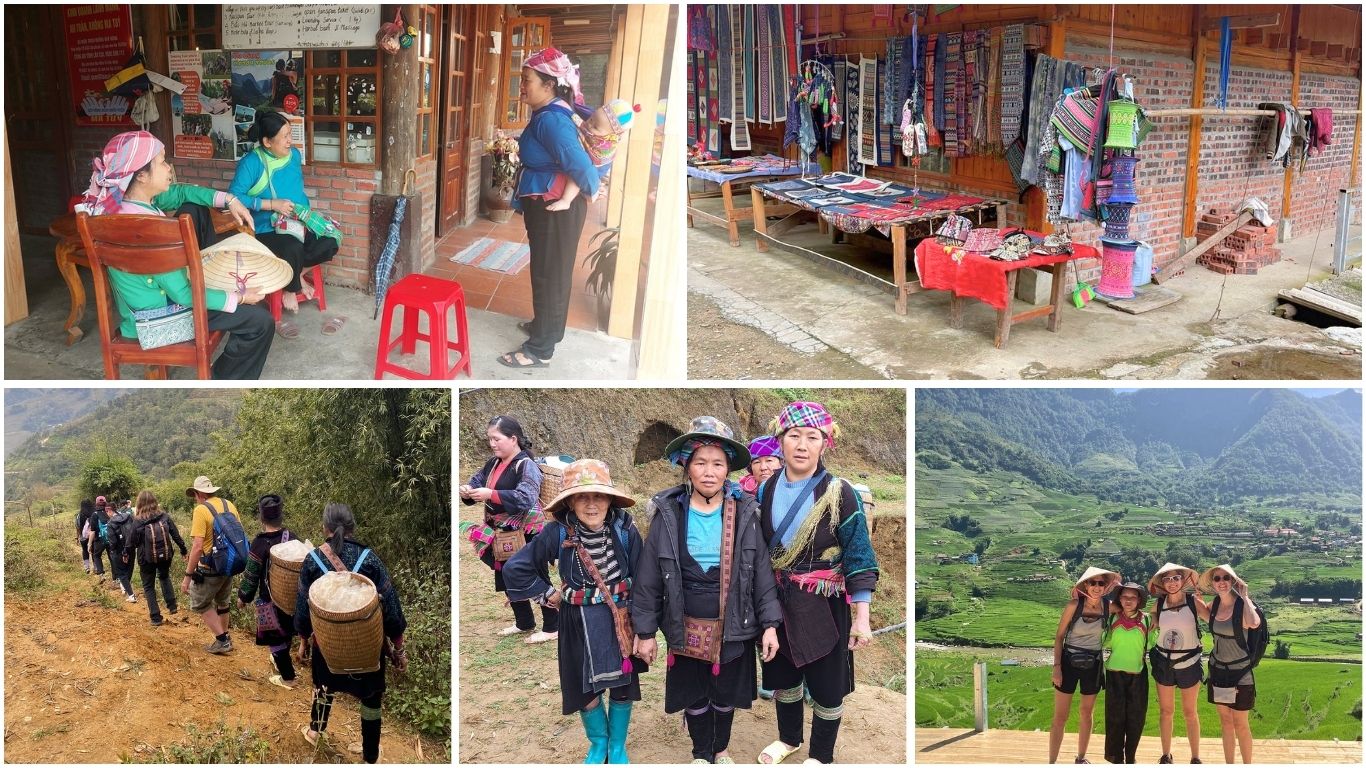
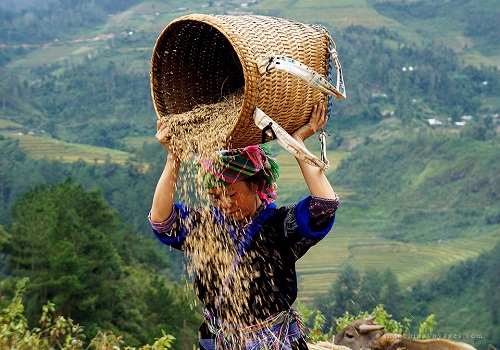
Fansipan rises above Sapa at over 3,100 meters. It is the tallest peak in Indochina, and its presence shapes everything about the town below it. Rice terraces ripple across the hillsides, shifting from bright green to deep gold as the seasons turn. H’mong, Red Dao, Tay, and Giay communities still call these mountains home. Their weaving, farming, and market trading remain part of daily life, not a display staged for visitors. Trails connect remote hamlets across the valley, threading through villages like Ta Van and Lao Chai, and this guide to the best villages for a Sapa homestay is a good place to start planning which one to visit. These spots reward travelers who go with a knowledgeable local guide, and browsing a few Sapa Vietnam tours beforehand makes it easy to see how a village stay can fit into a wider itinerary. Winters here turn genuinely cold, and frost sometimes dusts the higher slopes. So, layering up matters more than most first-time visitors expect.
Da Lat, Gentle and Full of Color
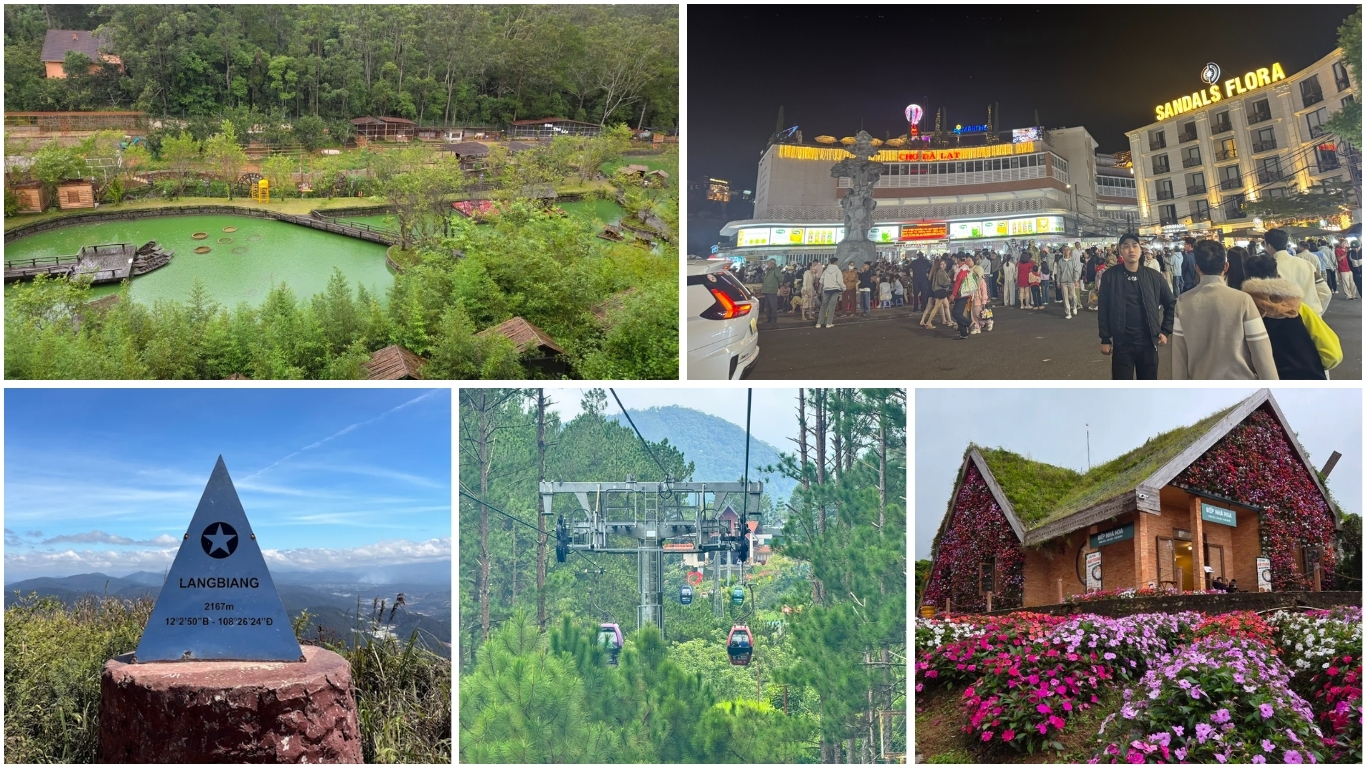
Meanwhile, Da Lat sits in the Central Highlands, where life simply moves slower, and the air stays mild in every season. Pine forests roll across the hills, and quiet lakes mirror the sky. Flowers bloom year-round here, which is exactly why locals call it Vietnam’s flower capital. French colonial villas add a nostalgic softness to the streets. Meanwhile, the cafe culture here borders on obsession, and a beautiful spot to pause is never far away. Travelers looking for a fuller picture of the town’s charm often start with this list of hidden gems in Da Lat.
Quick Snapshot
| Sapa | Da Lat | |
|---|---|---|
| Best for | Trekking, dramatic scenery, ethnic culture | Relaxation, cafes, flowers, romance |
| Landscape | Towering peaks, terraced rice valleys | Pine hills, lakes, waterfalls |
| Weather | Cool to cold, misty, occasional frost | Mild, spring-like year-round |
| Signature experience | Trekking Muong Hoa Valley, hill tribe villages | Cafe hopping, Xuan Huong Lake, night market |
| Ideal trip length | 3 to 4 days | 3 to 5 days, easy to extend |
| Getting there | Bus or train from Hanoi plus a mountain transfer | Direct flights from major cities |
Landscape and Natural Scenery
Scenery tends to decide a trip before anything else does. So, it helps to know just how different these two landscapes really feel.
Peaks, Valleys, and Waterfalls in Sapa
Sapa’s mountains rise sharply. Deep valleys like Muong Hoa cut through the terrain in dramatic folds. Love Waterfall and Silver Waterfall sit further into the mountains, and both feel genuinely wild by the time trekkers reach them. Photographers chasing that misty, golden light should aim for the harvest season between August and September. That is when the terraces glow at their best.
Pine Hills and Quiet Lakes in Da Lat
By contrast, Da Lat rests on a much softer plateau, where hills like Langbiang roll gently beneath a blanket of pine. Datanla and Elephant Falls sit close to the road and frame beautifully against the forest. That makes them easy to fold into a relaxed afternoon. Since itineraries here often involve moving between several viewpoints in a single day, arranging a private car and driver tends to make the whole experience far smoother.
Things to Do Beyond the View
Views set the mood, yet the daily activities are what really shape the character of a trip once travelers settle in.
Adventure and Culture
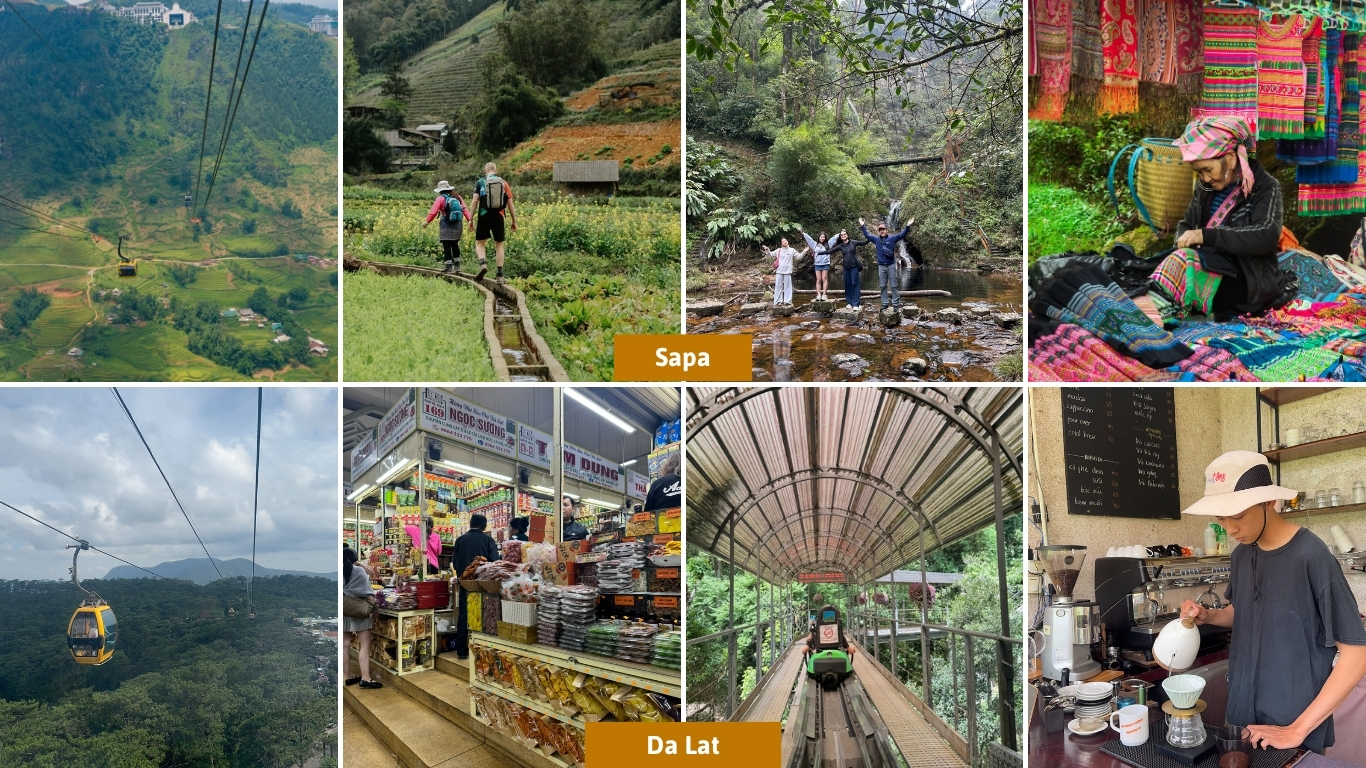
Sapa draws hikers toward multi-day treks. The climb up Fansipan stands as the ultimate highlight, and a private guide from our Sapa trekking routes makes navigating the trails far safer. Da Lat, on the other hand, pulls in a different crowd of thrill seekers. Canyoning, ziplining, and its well-known alpine coaster fill the day instead. Culturally, Sapa offers direct access to living hill tribe traditions. Da Lat, meanwhile, leans into French colonial history and highland coffee farms run by the K’Ho community.
Evenings and Local Life
As the sun sets, Sapa quiets down into a cozy night market filled with grilled skewers. A stroll through the Sapa markets makes a relaxed way to close the day. Da Lat comes alive instead, with street food, live music, and a buzzing crowd taking over. This guide to Da Lat night market dishes is worth bookmarking before arrival.
Weather Through the Year
| Season | Sapa | Da Lat |
|---|---|---|
| Spring (Mar to May) | Warm, clear, blossoms bloom, ideal for trekking | Mild and pleasant, flowers in full bloom |
| Summer (Jun to Aug) | Warm but rainy, terraces vividly green | Afternoon showers, cool evenings |
| Autumn (Sep to Nov) | Peak season, golden harvest terraces | Dry season begins, sunflowers bloom |
| Winter (Dec to Feb) | Cold, foggy, occasional frost | Sunny, cool, cherry blossoms appear |
Timing shapes a trip more than most travelers expect. So, it helps to plan around the season that matches the goal. Hikers generally get the best conditions in Sapa during September to November or March to May. This guide to the best time to visit Sapa breaks it down month by month. Da Lat stays mild for most of the year. Even so, anyone arriving between May and October should check this note on visiting Da Lat during rain season before locking in a schedule.
Food, Stays, and Getting Around
Once the sights and activities start falling into place, the practical side of the trip matters just as much. What to eat, where to sleep, and how to get from one town to the next all shape how smooth the journey feels.
Food and Coffee Culture
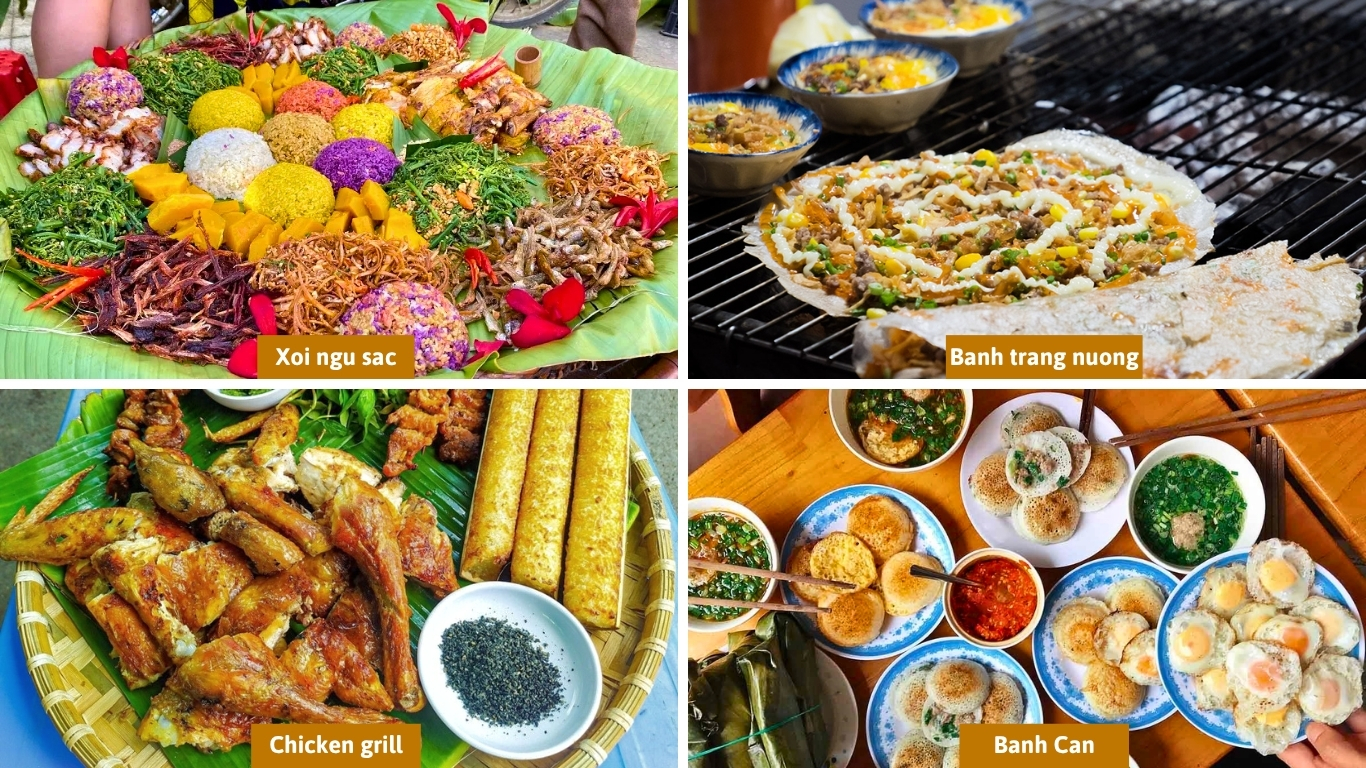
Sapa’s mountain kitchens lean hearty, built for travelers coming in from a long day outdoors. Thang Co stew, fresh salmon hotpot, and sticky rice cooked inside bamboo all warm the body back up after a trek through the hills. Da Lat feels lighter and more playful in comparison. Crispy Banh Trang Nuong, baguette dipped in Xiu Mai sauce, and creamy avocado ice cream draw steady crowds through its streets. Coffee culture follows a similar split. Da Lat has earned its reputation as Vietnam’s coffee capital, surrounded by Arabica plantations and hillside roasteries that welcome visitors for a tasting. Sapa, however, keeps things simpler, with fireside cafes serving traditional egg coffee over misty valley views. It is a quieter ritual that suits its slower rhythm.
Where to Stay and What It Costs
Both towns welcome every kind of traveler, from backpackers counting every dollar to those chasing full luxury.
- Sapa balances authentic homestays inside ethnic villages with cliffside luxury resorts, Topas Ecolodge being a standout example.
- Da Lat leans toward trendy boutique stays, with converted French villas and lakeside retreats like Ana Mandara Villas filling the town.
- Budget travelers can expect $25 to $40 USD per day in either destination.
- Mid-range travelers should plan for $50 to $80 USD per day.
- Full luxury, private tours included, runs $100 USD or more.
Da Lat tends to edge out Sapa slightly on food and transport costs. Still, Sapa offers strong value through its immersive homestays. Either way, booking accommodation through a trusted local partner via our tour packages helps avoid the inflated rates that pop up during peak season.
Getting There and Getting Around
Logistics quietly shape the entire trip, and this is where the two destinations diverge the most.
Sapa has no airport of its own. So, most travelers arrive from Hanoi by sleeper bus or overnight train before finishing with a short mountain transfer. Da Lat connects far more directly. Lien Khuong Airport welcomes daily flights from Hanoi, Ho Chi Minh City, and Da Nang. Once on the ground, Sapa is best explored on foot with a guide, since steep roads and mountain fog make independent driving genuinely risky. Da Lat, however, is easy to navigate solo by scooter or ride-hailing app. That makes it especially comfortable for families and senior travelers. For anyone who would rather skip the logistics altogether, arranging a private transfer through vietnam@indochinavoyages.com removes the stress from both legs of the journey.
Sapa or Da Lat: Which Destination Matches Your Travel Style
| Traveler | Better Choice | Why |
|---|---|---|
| Couple | Da Lat | Romantic villas, cozy cafes, floral scenery |
| Family | Da Lat | Easy flights, smooth roads, gentle activities |
| Solo traveler | Either | Sapa for group treks, Da Lat for social hostels |
| Photographer | Sapa | Dramatic terraces and misty peaks |
| Hiker | Sapa | Deep valley trails and mountain passes |
| Food lover | Da Lat | Vibrant night market and coffee culture |
| Digital nomad | Da Lat | Reliable wifi cafes and a relaxed pace |
| Multi-generation family | Da Lat | Comfortable pace for all ages |
Travelers with twelve days or more rarely need to choose at all. In fact, a full Sapa Vietnam tour pairs beautifully with a few relaxed days in the Central Highlands afterward.
Practical Tips Before You Go
A few small details make the difference between a smooth trip and a stressful one, especially since Sapa and Da Lat call for slightly different packing lists and habits.
- Pack layers for Sapa. Mornings and evenings turn cold fast, even outside of winter, so a warm jacket earns its space in the bag.
- Bring proper shoes for trekking. Trails around Muong Hoa Valley get muddy and uneven, and solid footwear matters more than style here.
- Keep a light rain jacket handy in Da Lat. Showers roll in quickly, and the hilly roads get slippery for anyone on a scooter.
- Book transport ahead during peak season. Both towns fill up fast between September and December, and a private driver avoids the scramble for last-minute rides.
- Carry some cash. Homestays, local markets, and small cafes in both towns often don’t take cards.
- Let a local guide handle the trickier trails. Sapa’s terrain rewards it, and a private guide keeps the day both safer and far more informative.
Turning This Into One Unforgettable Trip
Why choose between misty peaks and blooming hillsides when a single journey can hold both? The north and the Central Highlands connect naturally. So, one trip can carry the drama of Sapa straight into the calm of Da Lat without ever feeling rushed.
For travelers chasing the trekking side of the country first, the Insightful Northwest Adventure, 7 Days threads through Sapa’s valleys and villages, with a private guide leading the way at every turn. Those craving the softer, cafe-filled pace of the highlands can settle into the Central Highlands Discovery, 5 Days, built around Da Lat’s lakes, waterfalls, and coffee estates instead.
For anyone with three weeks to spare, the In Depth Vietnam Explore, 20 Days links both regions together, along with the rest of the country’s highlights. Each leg is handled by a private guide and driver, so the only thing left to do is enjoy the view. A quick message to vietnam@indochinavoyages.com is all it takes to shape any of these into a route built entirely around personal pace and interests.
FAQs
Is Sapa or Da Lat better for first-time visitors to Vietnam?
It depends on the route. Sapa fits naturally into a northern Vietnam trip, while Da Lat suits travelers moving between Ho Chi Minh City and the coast.
Which destination is colder?
Sapa is noticeably colder. Winter temperatures can drop below 5 degrees Celsius, while Da Lat stays mild all year.
Is Da Lat cheaper than Sapa?
Generally yes. Food, scooters, and local transport all cost a little less in Da Lat.
How many days should be spent in Sapa or Da Lat?
Three to four days works comfortably for either destination.
Is Sapa worth visiting without trekking?
Absolutely. The Fansipan cable car, local markets, and Cat Cat village offer plenty without any demanding hikes.
Is Da Lat suitable for families?
Very much so, thanks to smooth roads, direct flights, and gentle attractions throughout the town.
Can both be visited on the same trip?
Yes. A train or bus ride back to Hanoi from Sapa connects easily to a direct flight south to Da Lat.
Which is better for a honeymoon?
Da Lat suits classic romance beautifully, though Sapa’s mountain lodges offer their own quiet charm too.

Other tours you might consider

 Hanoi - Sapa - Ninh Binh - Halong - Hanoi
 - Cultural, history & local learning
- Sightseeing in notable attractions
- Photography interest
 Hanoi - Sapa
 - Cultural, history & local learning
- Photography interest
- Family-friendly vacation
 Nha Trang - Dalat
 - Sightseeing in notable attractions
- Photography interest
- Leisure & beach escape