

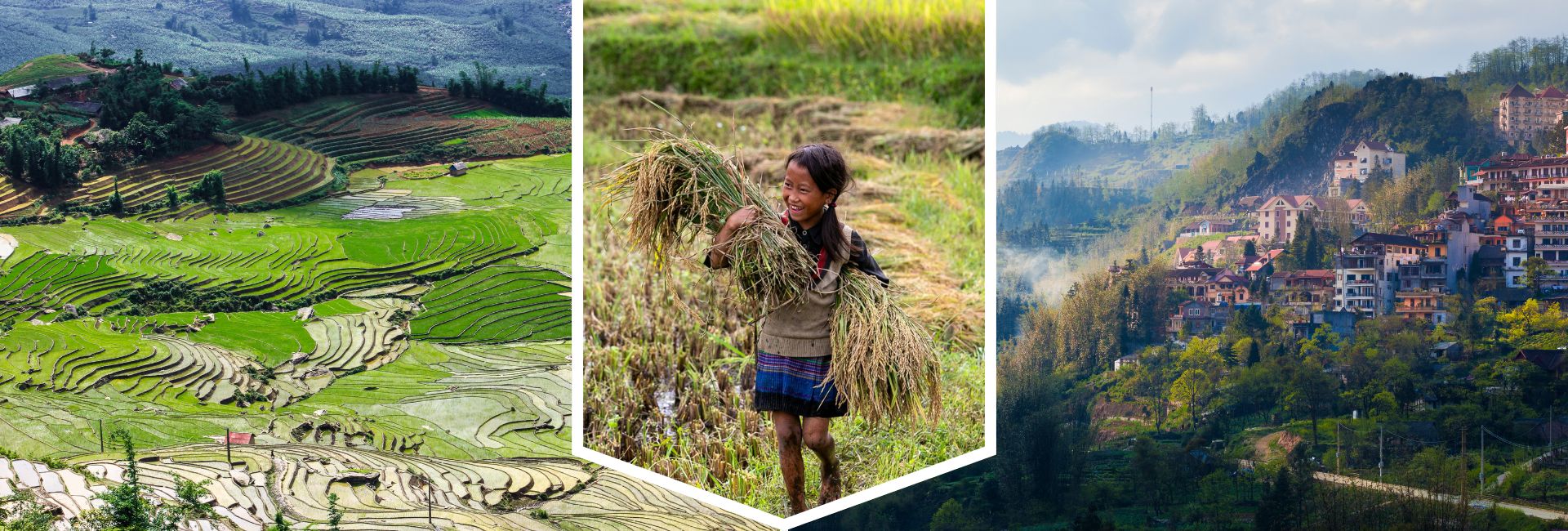
Planning a trip to northern Vietnam often raises one important question. Is spring a good time to visit Sapa? Weather shifts quickly in the mountains, and seasonal beauty changes fast. As a result, choosing the right timing matters. This guide focuses on Sapa in Spring, explaining when spring actually happens, what the weather feels like, and whether this season suits your travel style.
In the first paragraph of your planning, it is important to note that Sapa in Spring is about balance rather than drama. The scenery feels gentle, and the pace feels unhurried.
What can you find in this travel blog?
- Weather in Sapa in Spring: What You Should Know
- How to make Sapa easy?
- Is it truly worth visiting Sapa in Spring?
- What Makes Spring Special in Sapa
- Suggested Itineraries for Spring Travel
- Practical Tips for Visiting Sapa in Spring
- FAQs
Weather in Sapa in Spring: What You Should Know
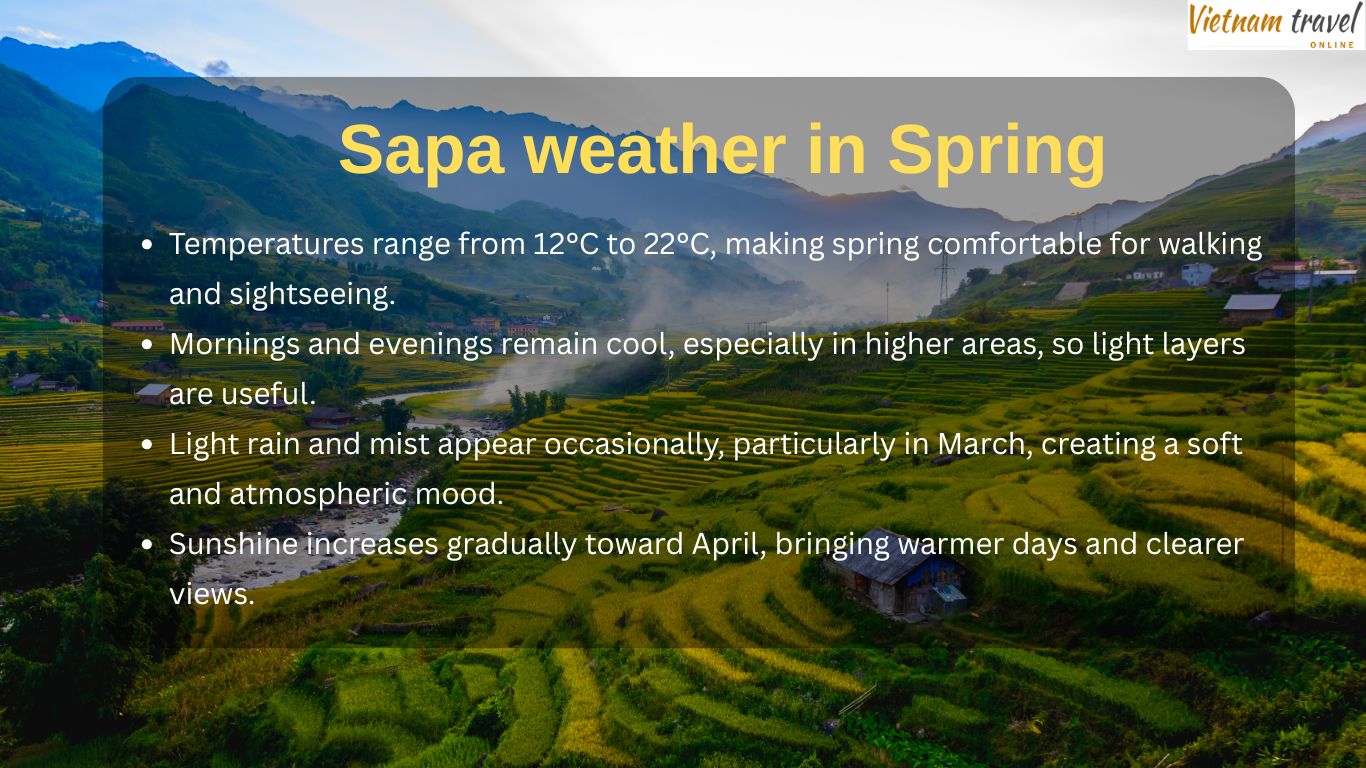
Sapa in Spring usually lasts from February to April, but each month feels different. This period begins after winter ends and before the heavy summer rains arrive. During these months, the landscape slowly refreshes, villages become active again, and temperatures feel more comfortable for outdoor travel.
-
February still carries winter’s chill, especially in the mornings.
-
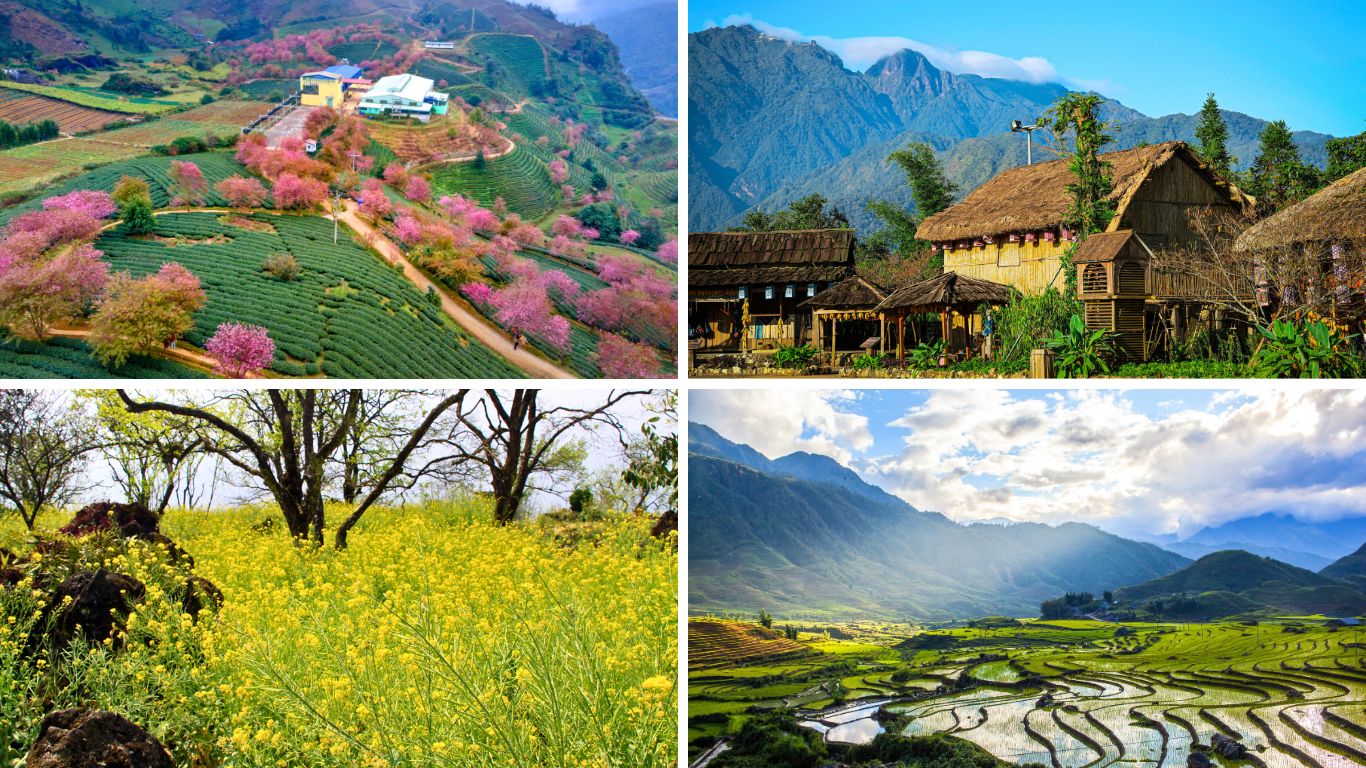
March feels milder, with more greenery and flower blooms.
-
April offers warmer days and better visibility, although rain increases slightly.
How to make Sapa easy?
Most travelers reach Sapa from Hanoi by overnight train, sleeping bus, or private car. If you are still deciding between the train and the sleeping bus, this guide may help: Train or sleeping bus, which one should you choose? In spring, road conditions are generally stable. As a result, the journey feels more comfortable than in the rainy season.
Accommodation in Sapa ranges from boutique hotels to local homestays. In spring, availability is usually better than in peak summer. Many travelers prefer arranging accommodation and transport as part of a private journey. This option offers greater comfort and flexibility when weather conditions change. For a smooth experience, contact Vietnam Travels Online for tailored support.
Is it truly worth visiting Sapa in Spring?
Yes, Sapa in Spring is worth visiting if you value atmosphere, culture, and comfort. While it does not offer golden rice terraces, it delivers calm beauty and authentic daily life. For travelers who prefer fewer crowds and milder weather, spring remains a strong choice.
Spring is also a time of renewal, when nature takes on a fresh look and local festivals bring villages to life. As a result, you have more opportunities to engage with local communities through unique seasonal activities. If you would like to explore how Sapa changes throughout the year, you can also refer to this guide: Best time to visit Sapa & Highlights by Season, which highlights what makes each season special.
What Makes Spring Special in Sapa
Seasonal Scenery and Flowers
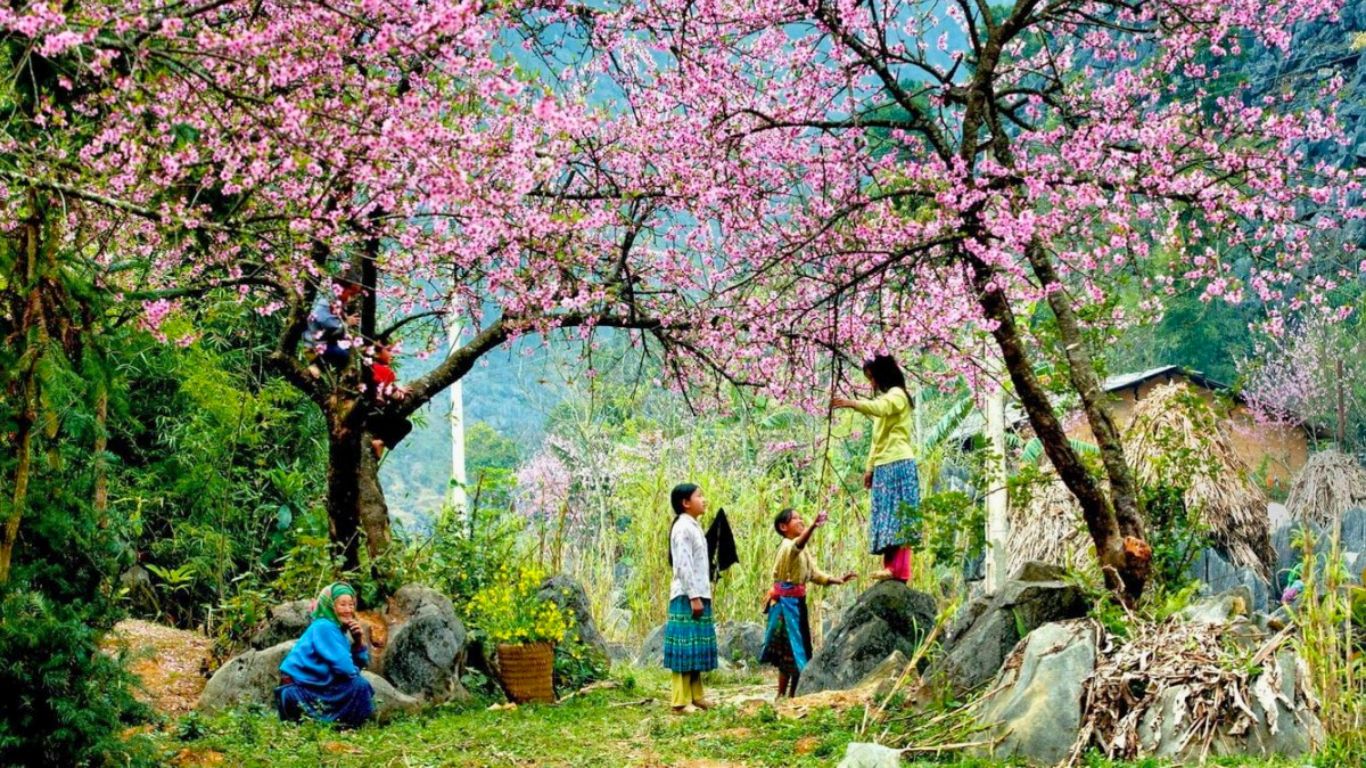
Spring marks a gentle return to daily life after winter, and this rhythm is especially visible in the Muong Hoa Valleys. During this season, early rice fields begin to reawaken, villages grow more active, and misty mornings soften the landscape. If your visit coincides with Tet, usually in February, you may also witness local celebrations and family gatherings along the valley villages.
While some services slow briefly during Tet, the atmosphere remains sincere and welcoming. As a result, Sapa in Spring feels particularly rewarding for travelers who value people, culture, and lived landscapes as much as scenery. To explore this area in more depth, you can also read this guide on Muong Hoa Valley, which highlights its trails, villages, and seasonal charm.
Trekking Conditions
Spring is a comfortable season for light to moderate trekking in Sapa. Cooler temperatures make walking more enjoyable, and villages feel lively as daily routines resume. From time to time, light rain may make some paths muddy. Therefore, guided or private treks can help ensure a relaxed pace and added safety.
Local Life and Cultural Rhythm
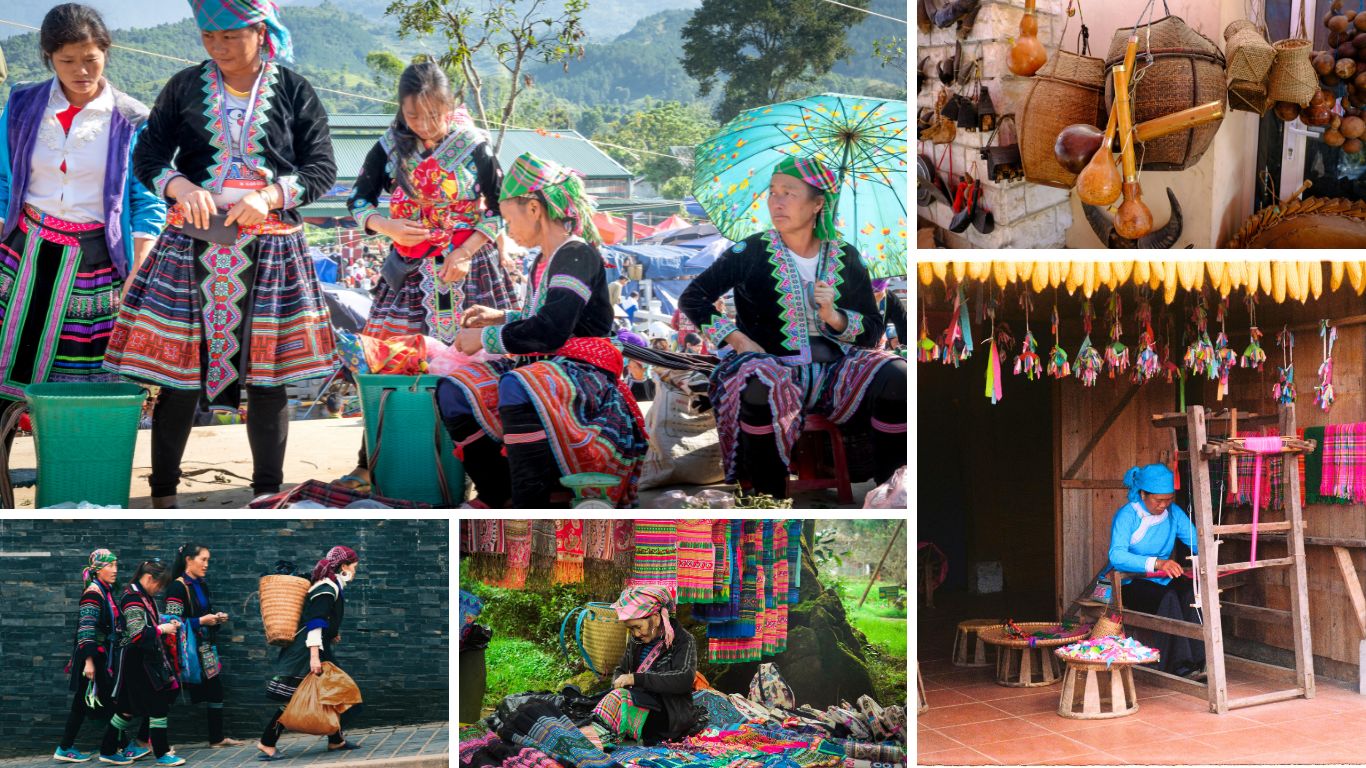
This period gently marks a return to daily life after winter. If your visit coincides with Tet, usually in February, you may have the opportunity to observe local celebrations and family gatherings.
Although some services are slow briefly during this time, the atmosphere feels warm and sincere. As a result, Sapa in Spring appeals to travelers who appreciate people and culture as much as the surrounding landscapes.
Suggested Itineraries for Spring Travel
If you are considering Sapa in Spring and prefer a journey that feels calm, meaningful, and well-paced, our team is here to help. You can contact Vietnam Travels Online at [email protected], or simply fill in this form. We will be happy to support you in shaping Vietnam journeys that feel thoughtful, flexible, and truly your own. If you would like some inspiration first, you can also explore our sample itineraries below, which showcase different ways to experience Sapa and the wider northwest region in spring.
Local Life and Cultural Immersion
This journey focuses on everyday life in the highlands rather than headline attractions. In spring, villages awaken after winter, markets return to their lively rhythm, and families spend more time outdoors. You can walk through small communities, observe daily routines, and stay in locally run accommodation, where hospitality feels personal and unhurried.
Instead of rushing between popular sights, this experience encourages slower travel. You will have time to listen, observe, and connect with local culture in a natural way. This approach suits travelers who want insight into how people live, not just where they live. For a thoughtfully paced experience that highlights authentic local life, consider the Taste the Beauty of Sapa 3 Days journey
A Deeper Journey into the Northwest Highlands
The Insightful Northwest Adventure 7 Days journey offers a deeper look into the cultures, landscapes, and rhythms of northern Vietnam. Over the course of this thoughtfully paced tour, you will explore highland villages, meet ethnic communities, and witness daily life beyond the usual sightseeing stops. Many travelers worry about long travel distances and the challenge of navigating rural areas, especially in spring weather.
This itinerary addresses those concerns with comfortable pacing, expert local guides, and carefully chosen routes that balance adventure with ease. Along the way, you will have opportunities to learn from local hosts, enjoy traditional meals, and experience the rich tapestry of northwest culture without feeling rushed.
Practical Tips for Visiting Sapa in Spring
-
Pack light layers and waterproof clothing, as temperatures change during the day.
-
Start outdoor activities early, when weather conditions are often more stable.
-
Avoid fixed schedules for viewpoints, as mist and clouds shift quickly.
-
Choose flexible transport options to adjust plans comfortably if conditions change.
With proper planning, Sapa in Spring feels calm, enriching, and rewarding rather than uncertain.
FAQs
When is spring in Sapa?
Spring in Sapa lasts from February to April.
Is spring too rainy to visit Sapa?
Rain is light and occasional. It rarely disrupts travel plans.
Is spring better than summer for Sapa?
Spring is cooler and less crowded. However, scenery feels softer than in summer.
Who should visit Sapa in Spring?
It suits mature travelers, couples, and those seeking calm experiences.