

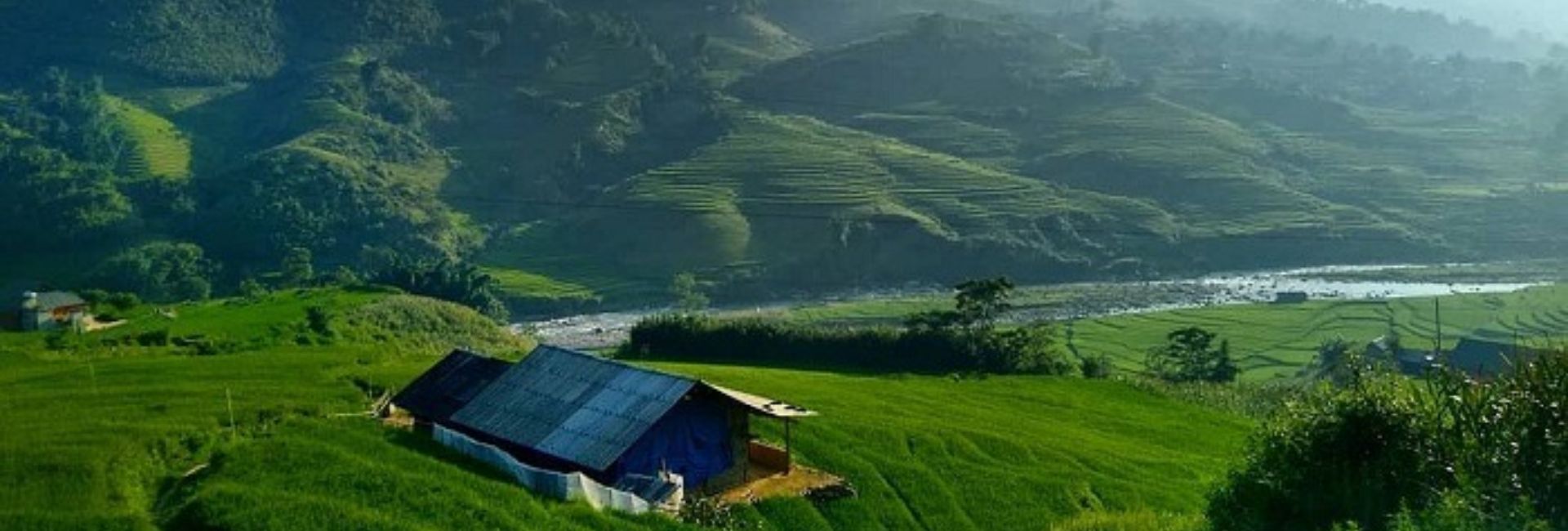
June is the month most travellers overlook. That is exactly why it rewards the ones who show up. The highlands of northern Vietnam are shifting into their most alive phase of the year. Freshly planted rice terraces climb the hillsides in electric green, and waterfalls roar back to life after the spring rains. It is not the driest month, and it is not the most polished. However, it is arguably one of the most visually stunning times to stand in the Muong Hoa Valley.
What makes June genuinely special is the balance it strikes. The harvest crowds have not yet arrived. Meanwhile, the landscape is in full bloom, and the air carries that clean, earthy scent that only mountain rainfall can produce. If you have been waiting for the right time to visit Sapa, June might just be it.
What can you find in this travel blog?
- Sapa in June Weather: What You Really Need to Know
- What Makes Sapa in June the Emerald Season
- Best Things to Do in Sapa in June
- Is Sapa Worth Visiting in June? An Honest Verdict
- What to Pack for Sapa in June
- Suggested Itineraries for Sapa in June
- Practical Tips for Visiting Sapa in June
- FAQs
Sapa in June Weather: What You Really Need to Know
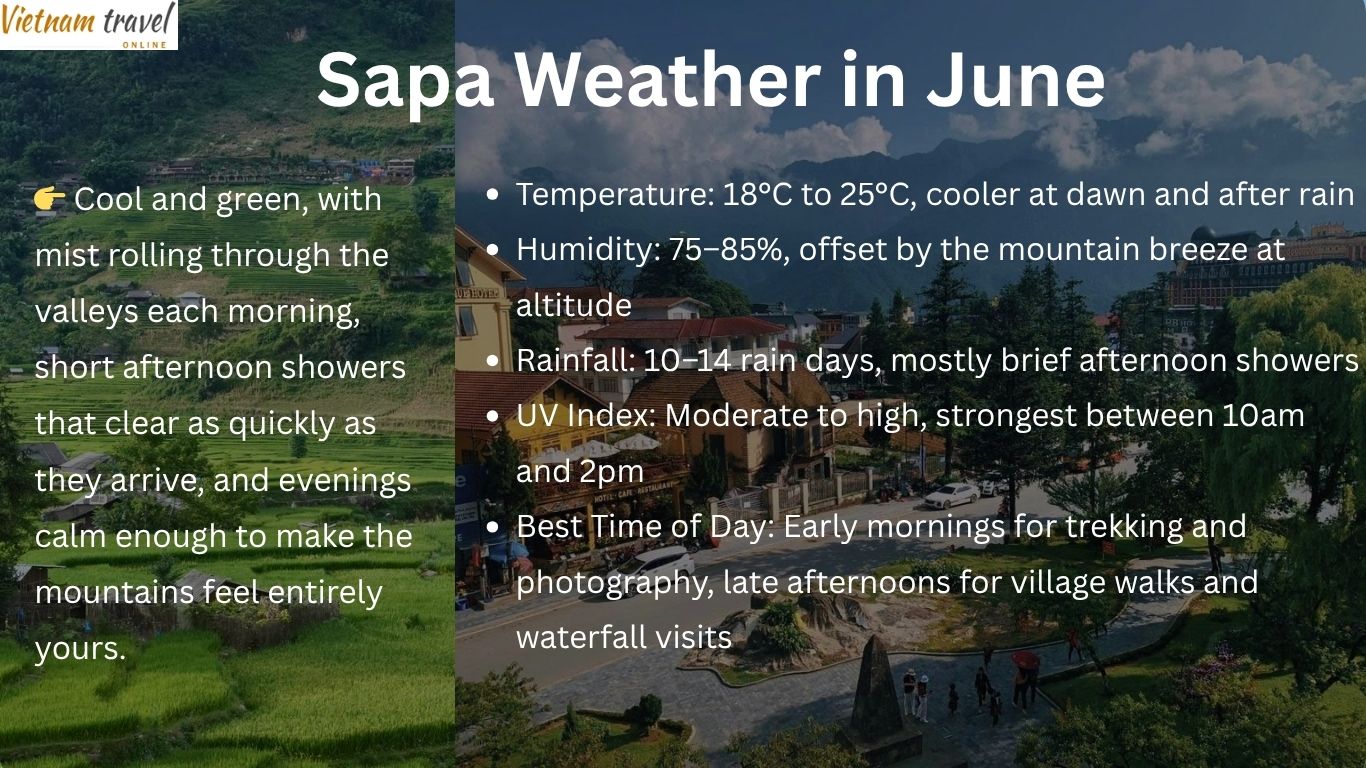
The weather in June is the first question everyone asks. The honest answer is: it is very manageable. You just need to know what to expect. Sapa sits at around 1,500 metres above sea level. As a result, temperatures stay between 18 and 25°C throughout the month, which is a welcome escape from the heat of Hanoi or Ho Chi Minh City below.
Temperature and How It Feels on the Ground
Mornings are fresh, occasionally cool enough for a light layer. The air feels cleaner than almost anywhere else in Vietnam. By midday, the temperature rises gently but never uncomfortably. In addition, the mountain breeze keeps things pleasant on the trail. If you are travelling from the south or central Vietnam, the contrast feels almost dramatic, in the best possible way.
Rainfall: The Real Picture
Yes, June marks the beginning of the rainy season in Sapa. However, the rain almost always arrives in short, predictable afternoon bursts rather than all-day downpours. Mornings are your golden window. They are typically clear and perfect for trekking. By the time the showers roll in around early afternoon, you are usually back in town with a warm coffee, watching the mist drift across the valley.
Furthermore, the rain is the reason the landscape looks the way it does in June. It fills the terraces, powers the waterfalls, and turns every trail into a lush, canopied corridor. A little rain, in this case, is very much a feature.
Visibility and What the Landscape Does
Sapa in June is a study in atmosphere. Some mornings, the valley fills with thick, low mist that makes the whole scene look painted. Other mornings are crystal clear. On those days, panoramic views stretch across the Muong Hoa Valley all the way to the distant ridgelines. Meanwhile, on Fansipan, the summit often sits above the cloud line entirely. The result is the rare “Cloud Ocean” effect, where you look down at a blanket of white from above.
What Makes Sapa in June the Emerald Season
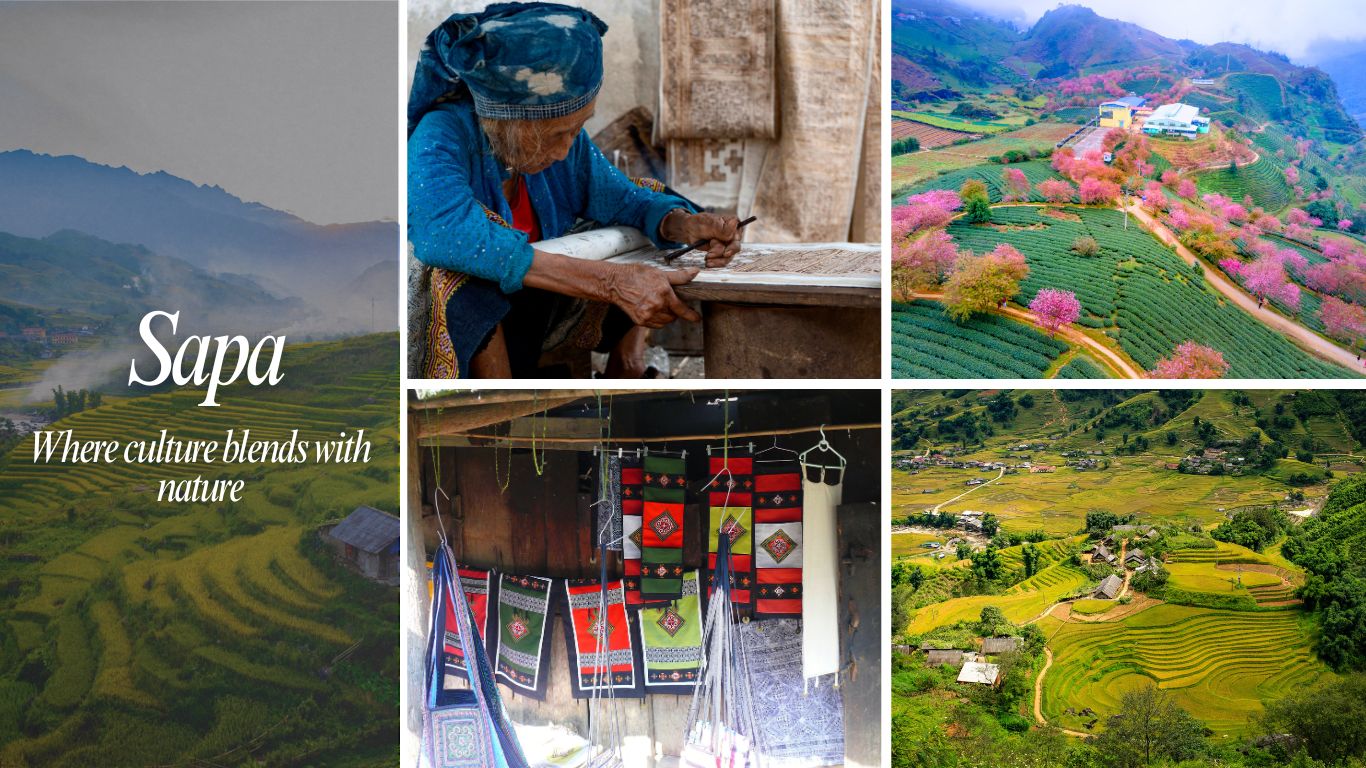
If September is Sapa’s Golden Season, then June belongs to a different kind of beauty. This is the Emerald Season. It is the time of Mua Nuoc Do, the Falling Water Season, shifting into the first growth. The landscape reflects it in every direction you look.
The Green Rice Terraces at Their Freshest
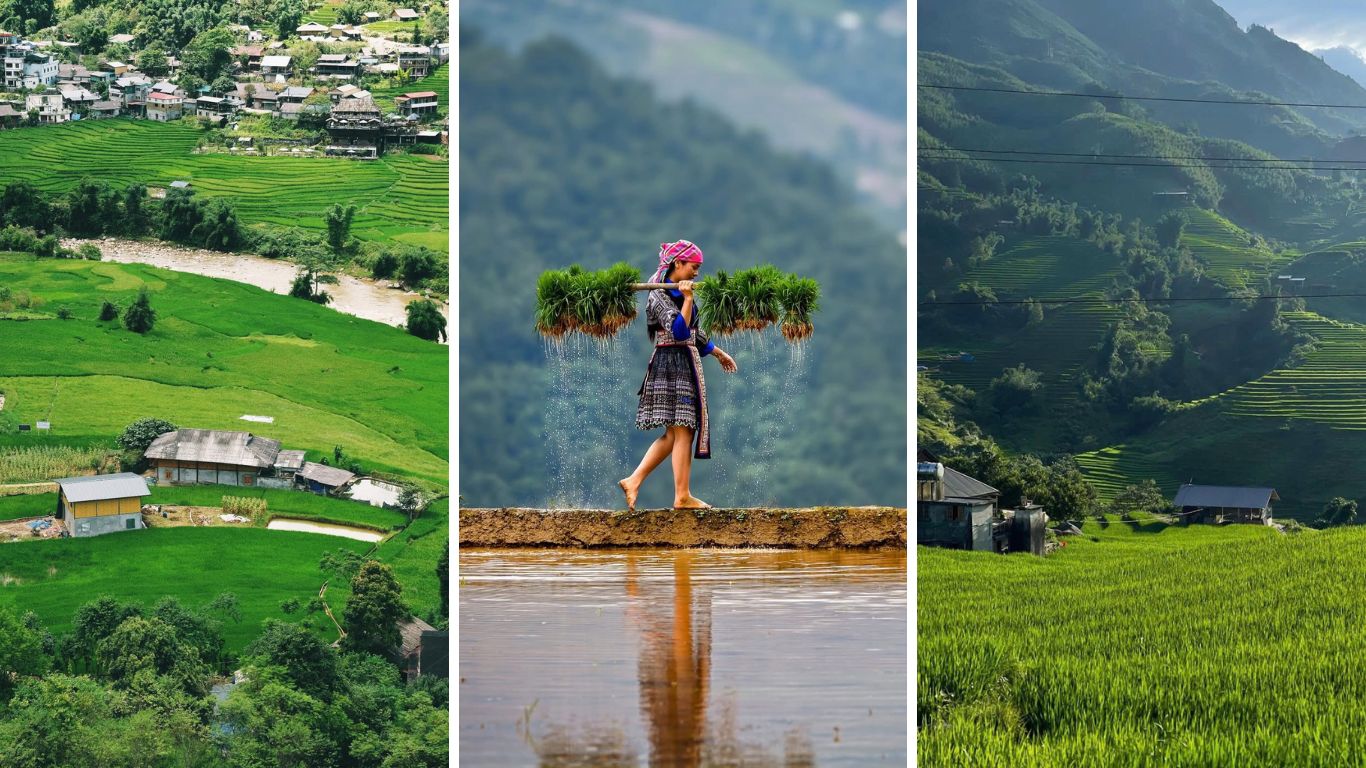
The rice seedlings have just been planted. The colour they produce is somewhere between vibrant and electric. It is a deep, saturated green that photographs in a way that looks almost unreal. Unlike the golden terraces of autumn, which draw large crowds and busy photography spots, June gives you the same sweeping views of the Muong Hoa Valley with far more breathing room. You can stand at the edge of the terraces and have the whole scene to yourself. That experience is increasingly rare in Sapa.
The Mirror Effect: Water-Filled Terraces
In early June, many terraces are still holding water from the spring rains. Before the rice grows tall enough to cover the surface, the paddies become natural mirrors. On a clear morning, you can see the reflection of clouds and blue sky right across the face of the mountain. This window is short, just a few weeks before the rice fills in. Consequently, June is one of the rarest catches in the Sapa calendar for photographers and nature lovers alike.
Waterfalls and Jungle at Full Power
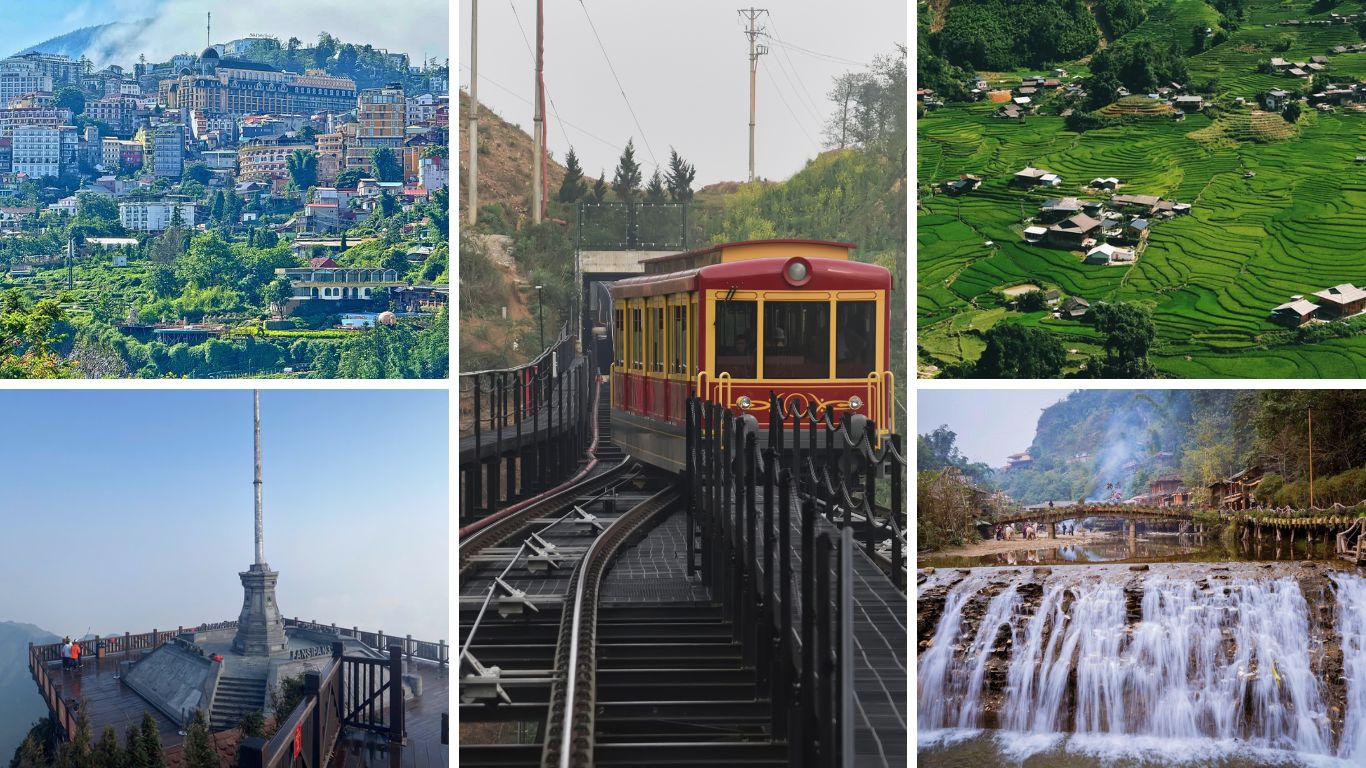
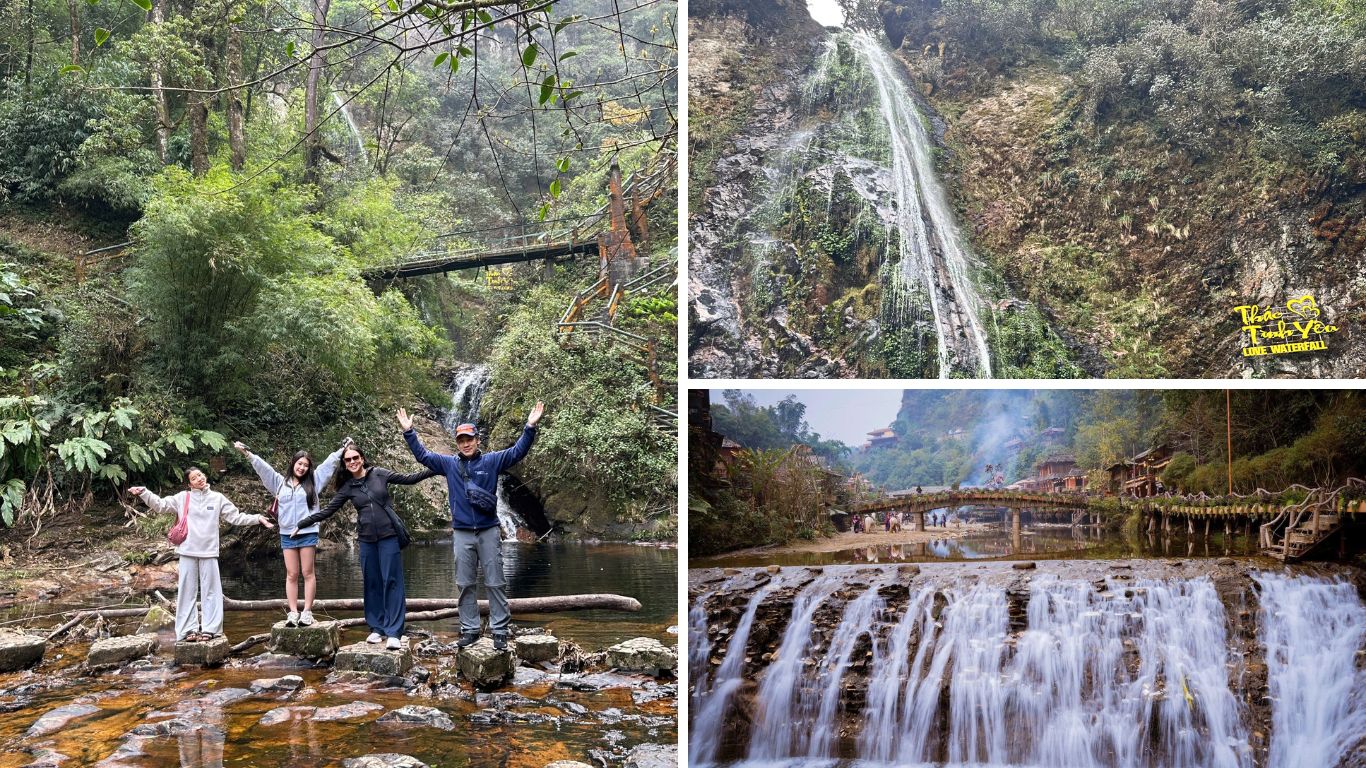
June is simply the best month for waterfall chasing in the Sapa area. Silver Waterfall (Thac Bac) and Love Waterfall, which can feel underwhelming in the dry season, transform completely under the June rains. They become thunderous, mist-producing, and genuinely dramatic. In addition, the forest trails between them are fully canopied in deep green. After rain, the whole mountain carries an earthy, herbal scent that is impossible to describe and unforgettable once you have experienced it.
Best Things to Do in Sapa in June
June opens up some of the most rewarding experiences Sapa has to offer. Moreover, the lower crowd numbers mean you get to enjoy all of it at your own pace. Whether you are here for the trekking, the culture, or simply the views, June gives you a version of Sapa that most visitors never see.
Trekking the Mirror Valleys
Trekking in Sapa is the core experience, and in June it takes on a different character. The primary route to consider is Y Linh Ho through Lao Chai and into Ta Van village. This route gives you the most expansive terrace views in the valley, with Hmong villages woven naturally into the landscape at every turn. For something shorter, the Muong Hoa Valley loop works well as a half-day option, especially when combined with a lunch stop in a local home.
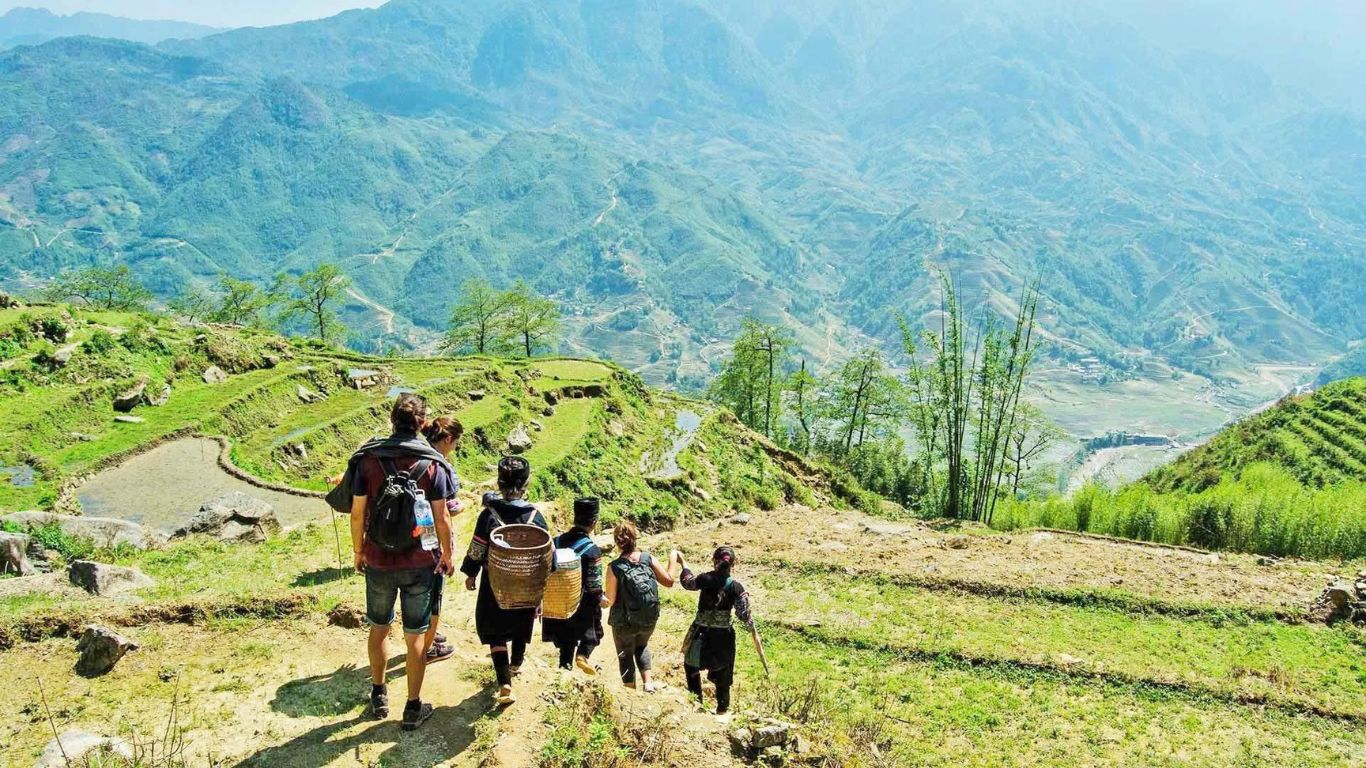
One rule applies firmly in June: start early. Setting off at 7:30 AM means you catch the morning mist lifting off the rice fields. You also avoid the midday heat and get back down before the afternoon showers arrive. Trails will be muddy and slippery in places. Therefore, proper trekking shoes are non-negotiable, and a local guide makes a genuine difference both for safety and for unlocking the cultural depth of the villages along the route.
Thinking about trekking in Sapa this June? Our team knows these trails in every season, wet, misty, and gloriously muddy. Drop us a message at Vietnam Travels Online, and we will help you plan the perfect route.
Cultural Immersion: Life in the Fields
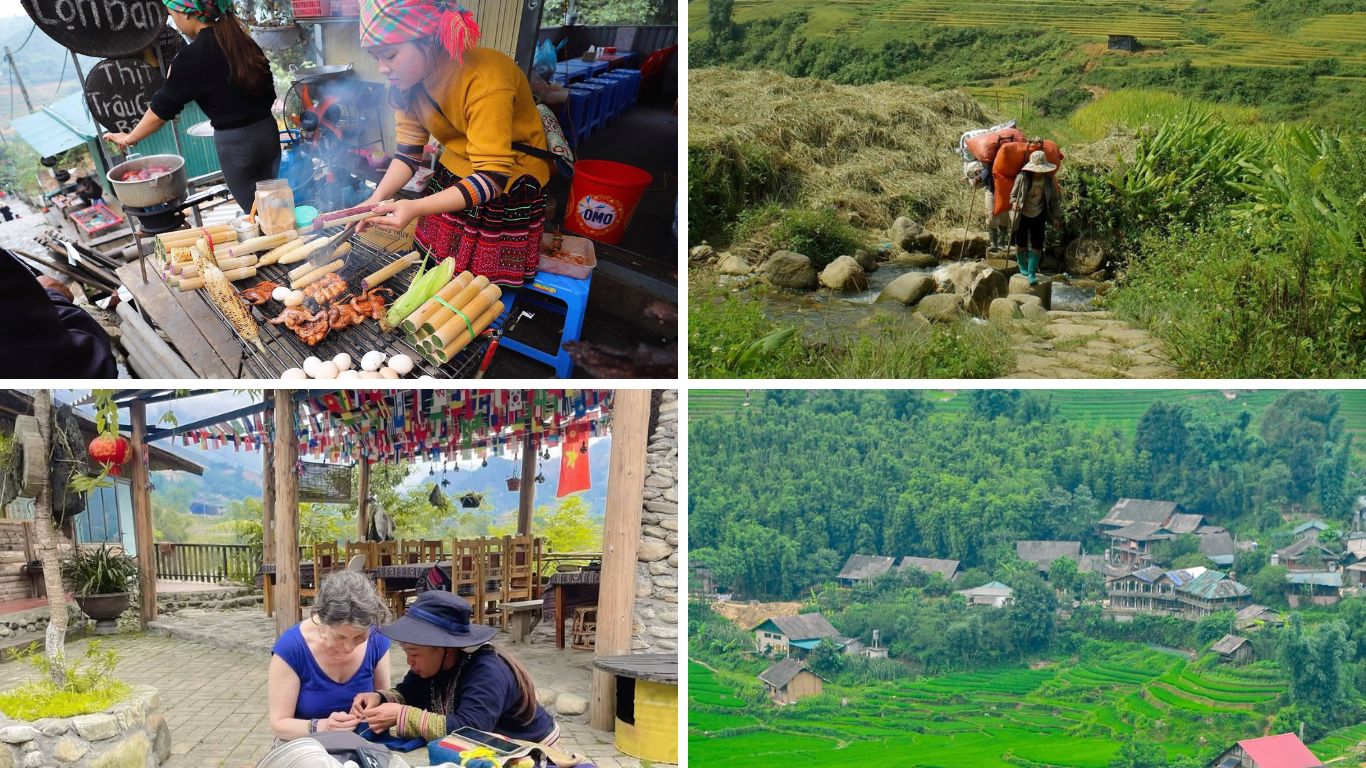
June is farming season for the Hmong, Red Dao, and Tay communities across the villages of Sapa. As a result, what you witness on the trails is genuine daily life, not a performance for visitors. Families are out in the fields. Buffaloes work the muddy earth. The rhythms of mountain agriculture carry on all around you as you walk. It is a side of Sapa that peak tourist months simply cannot offer in the same way.
Consider building a village homestay for at least one night. Waking up in Ta Van or Lao Chai, sitting down to a home-cooked breakfast with a local family, is the kind of experience that stays with you far longer than any hotel room.
Waterfall Chasing and Forest Walks
Not every day needs to be a full-day trek. In fact, June makes a strong case for a slower morning spent chasing waterfalls. Silver Waterfall and Love Waterfall are at their absolute peak in June. Combining them into a half-day with light hiking and photography is one of the most satisfying things you can do here. The forest between them is dense, richly scented, and photogenic at every turn.
Fansipan: The Roof of Indochina
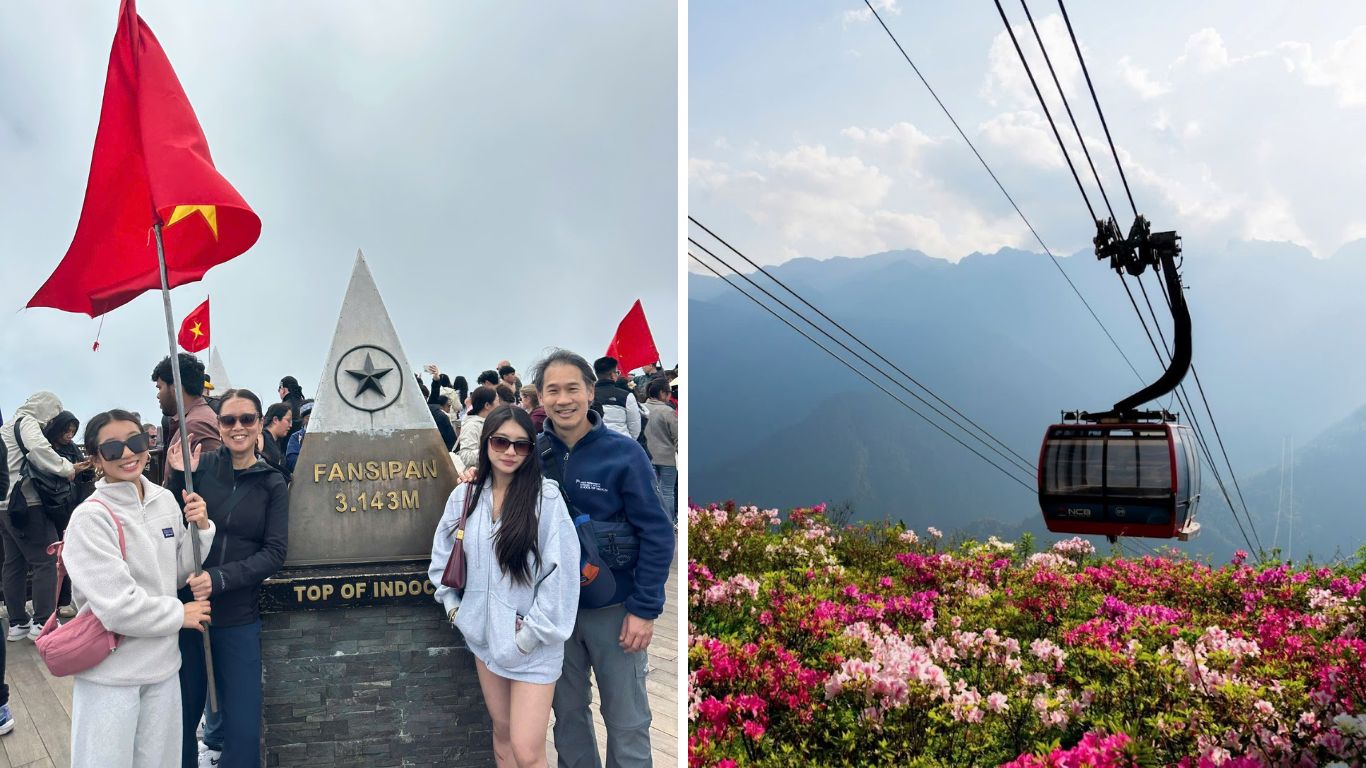
Fansipan is worth the trip in any month. However, June offers something genuinely unique. While the valley below may sit under cloud, the summit at 3,143 metres often rises entirely above it. The result is the Cloud Ocean effect, where you look down at a rolling blanket of white with nothing but blue sky above. Take the cable car rather than attempting the trekking route in wet conditions. Go before 9 AM for the clearest views of the day.
Is Sapa Worth Visiting in June? An Honest Verdict
The short answer is yes, wholeheartedly, for the right kind of traveller. June rewards those who come with an open mind and a decent pair of shoes.
June is an excellent choice if you want the best photographs of green terraces and water reflections. It also suits those who prefer a quieter, more authentic atmosphere over the busy peak months. Photographers and nature lovers, in particular, will find scenes here that simply do not exist in October or February. Furthermore, the lower prices and calmer trails make a meaningful difference to the overall experience.
On the other hand, June may not be ideal if you are travelling with guests whose mobility on slippery trails would be a concern. Similarly, if unpredictable afternoon rain feels like a dealbreaker rather than part of the adventure, a drier month might suit you better. Even so, the honest truth is that no month in Sapa is perfect. June’s imperfections, the mist, the mud, the sudden downpour that clears in an hour, are part of what makes it so memorable. This is Sapa before the crowds find it.
What to Pack for Sapa in June
Packing smart for June makes the difference between a comfortable trip and a frustrating one. The good news is the list is short, but every item on it earns its place.
- Trekking shoes with serious grip, this is non-negotiable. Normal sneakers will not hold on to June mud, full stop
- Light layers and a waterproof jacket or packable poncho. Mornings can be cool, afternoons can be wet, sometimes both on the same day
- Quick-dry clothing which handles both sweat on the trail and surprise showers without weighing you down
- Insect repellent, especially for the forest sections around the waterfalls
- A good camera or plenty of phone storage: the mirror terraces and roaring waterfalls will demand it
- A small daypack with a dry bag for electronics, because the afternoon rain does not always wait for you to get back to the hotel
Suggested Itineraries for Sapa in June
Getting to Sapa is part of the experience. Knowing your transport options from Hanoi is the first step. Once you are in the highlands, the itinerary shapes itself around the landscape. Here are three routes worth considering.
2 to 3 Days: The Sapa Escape
This is the classic Sapa experience and works beautifully as an add-on to a Hanoi trip. On your first afternoon, head up to Fansipan by cable car and arrive early enough to catch the Cloud Ocean before the clouds shift. Day two is your full-day trek through Y Linh Ho, Lao Chai, and Ta Van, ideally with a local guide and a lunch stop in the village. Day three goes lighter. Visit Silver Waterfall and Love Waterfall, then head back to Hanoi refreshed.
5 to 7 Days: Sapa and Ha Giang Together
If you want to go deeper into northern Vietnam, combining Sapa with Ha Giang makes for one of the most dramatic itineraries in the country. Travellers often ask about Sapa versus Ha Giang, but the truth is the two destinations complement each other perfectly. Sapa gives you layered rice terraces, lush valleys, and rich ethnic culture. Ha Giang, on the other hand, delivers raw karst mountains, winding passes, and a remoteness unlike anywhere else. Together, they cover the full spectrum of northern Vietnam. The 7-day Northwest Adventure covers this route with a private guide and private transport throughout.
20 Days: Vietnam Highlights Including Sapa and Halong Bay
For first-time visitors, combining Sapa with Halong Bay creates a perfect mountain-to-sea contrast. The highlands give you cool air, cultural immersion, and dramatic scenery on foot. Halong Bay, in contrast, gives you limestone karsts rising from calm water and the slower rhythm of an overnight cruise. The 20-day Vietnam exploration weaves both together with the other essential destinations in between.
Ready to make it happen? Our team at Indochina Voyages builds private, flexible itineraries designed around the season, not against it. Get in touch at [email protected] and let us take care of the details.
Practical Tips for Visiting Sapa in June
A few things make a real difference on the ground, and our team has learned most of them the hard way so you do not have to.
- Start every trekking day early to aim to be on the trail by 7:30 AM to make the most of clear mornings and avoid the afternoon showers entirely
- Book a local guide rather than navigating solo; it’s a good guide who keeps you safe on wet trails and opens up cultural access in the villages that you simply cannot get on your own
- Invest in private transport, as mountain roads in June can be slippery after rain, and a reliable private driver removes that uncertainty completely
- Build flexibility into your schedule. Our private Sapa tours are designed to shift activities around the weather, moving outdoor plans to the clearest window of the day rather than locking you into a rigid timetable
FAQs
Is June too rainy to visit Sapa?
No. Rain is usually brief and in the afternoon, while mornings stay clear for trekking.
Are the rice terraces green in June?
Yes. The fields are bright green with water-filled paddies, creating beautiful reflections.
Is trekking difficult in June?
Moderate. Trails can be muddy, so good shoes and a local guide are recommended.
Is Sapa crowded in June?
No. It is quieter, with fewer tourists on trails and viewpoints.
Can you see Fansipan clearly in June?
Sometimes. Early mornings offer the best chance, often with a “cloud ocean” effect at Fansipan.
What is the best time to photograph the terraces?
Early morning, around 6:30 to 9:00 AM, for soft light and reflections.
How do I get to Sapa from Hanoi?
Take an overnight train to Lao Cai, then transfer, or travel by private car in about five hours. See a full breakdown of your transport options here.