

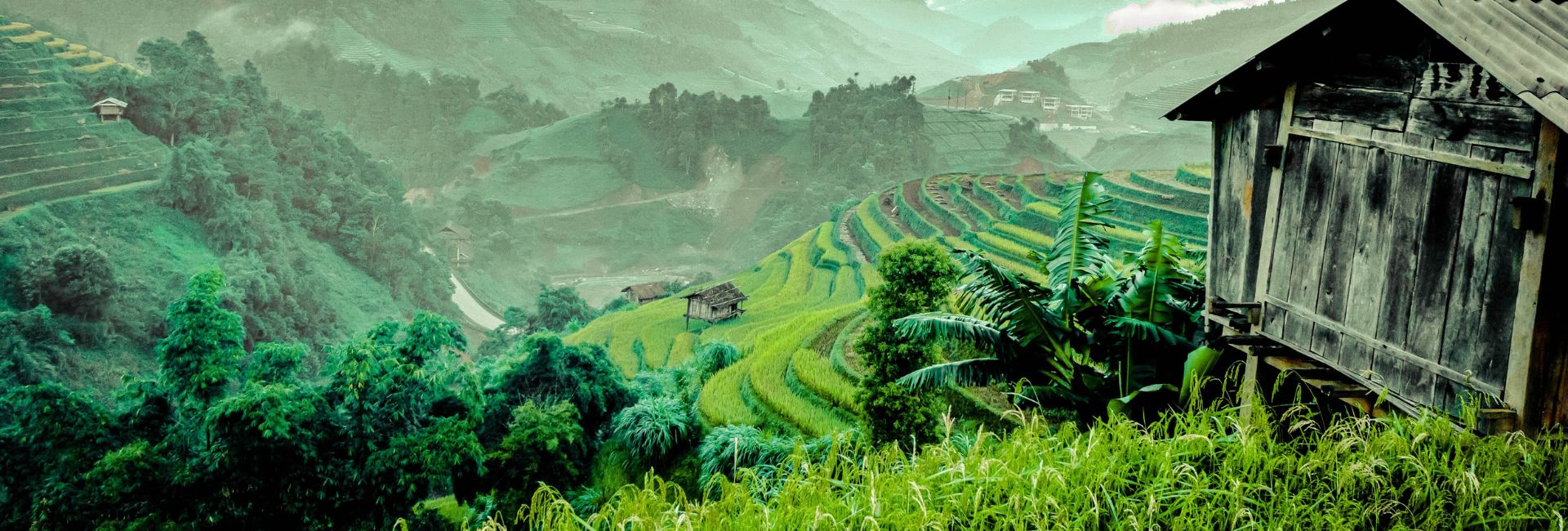
Sapa rewards travelers who plan around the seasons rather than around a calendar date. The mountain town changes character dramatically throughout the year, and knowing what each season brings makes the difference between a trip full of golden terraces and misty sunrises, and one spent dodging unexpected rain or fog. This guide breaks down exactly what to expect month by month, so every detail from clothing to trekking routes can be planned with confidence.
What can you find in this travel blog?
- Perfect Time for Your Sapa Adventure
- Sapa in Spring – Blossoms and Watering Season
- Sapa in Summer: Lush Greenery and Cultural Immersion
- Sapa in Autumn: Golden Rice Terraces and Ideal Trekking
- Sapa in Winter: Enchanting Scenery and Fewer Crowds
- Sapa Monthly Weather
- Activities in Sapa by Season
- Beyond the Seasons: Planning Your Sapa Trip
- Practical Tips for Visiting Sapa
- FAQs
Perfect Time for Your Sapa Adventure
Two windows stand out above the rest: September through November, and March through May. During these months, the weather settles into a steady, forgiving rhythm, with sunny days and cool evenings that make outdoor exploring genuinely enjoyable. Autumn brings especially dry, clear air, ideal for long days on the trail or behind a camera.
Late September into October is peak terrace season, when cool temperatures and dry skies line up perfectly for trekking and photography. Because these weeks draw the biggest crowds, arranging transport and accommodation ahead of time through Vietnam Travel Online helps secure the best routes and rooms before they fill up.
Sapa in Spring – Blossoms and Watering Season
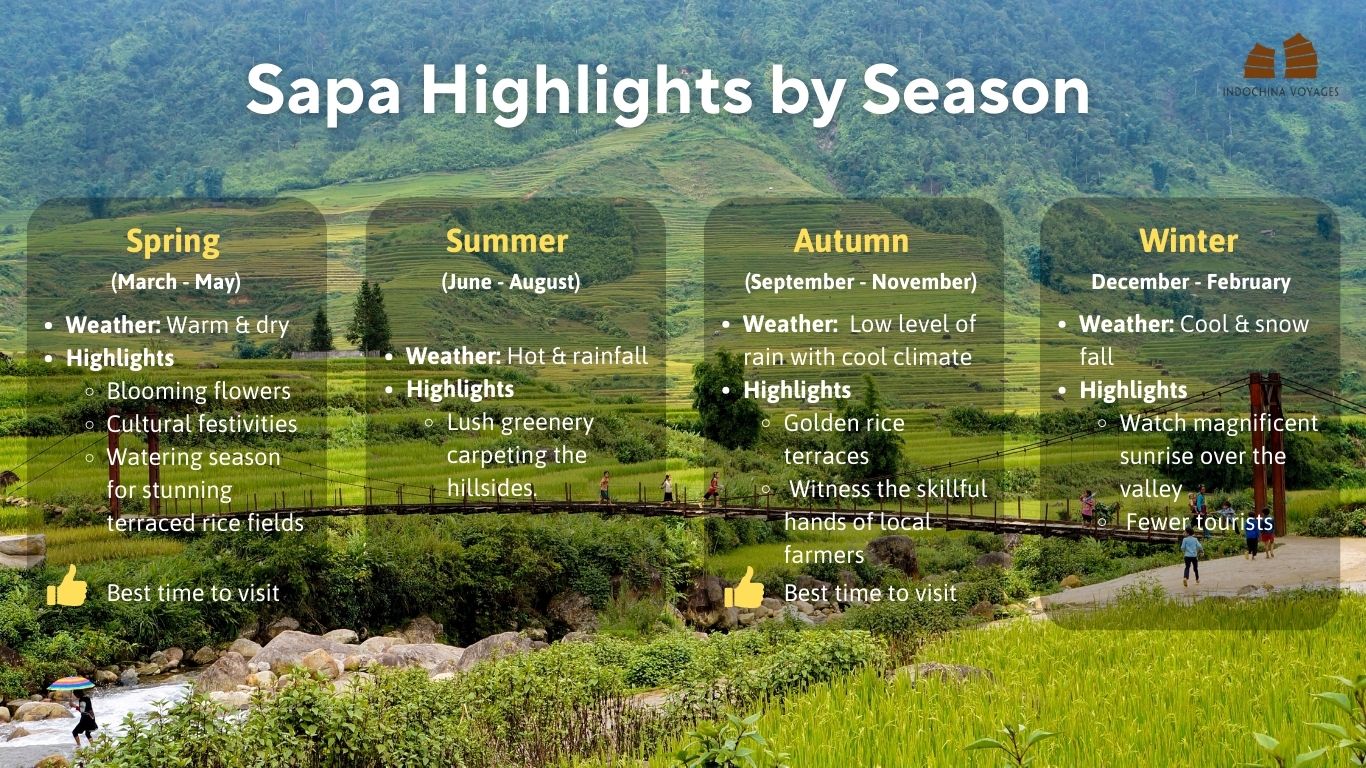
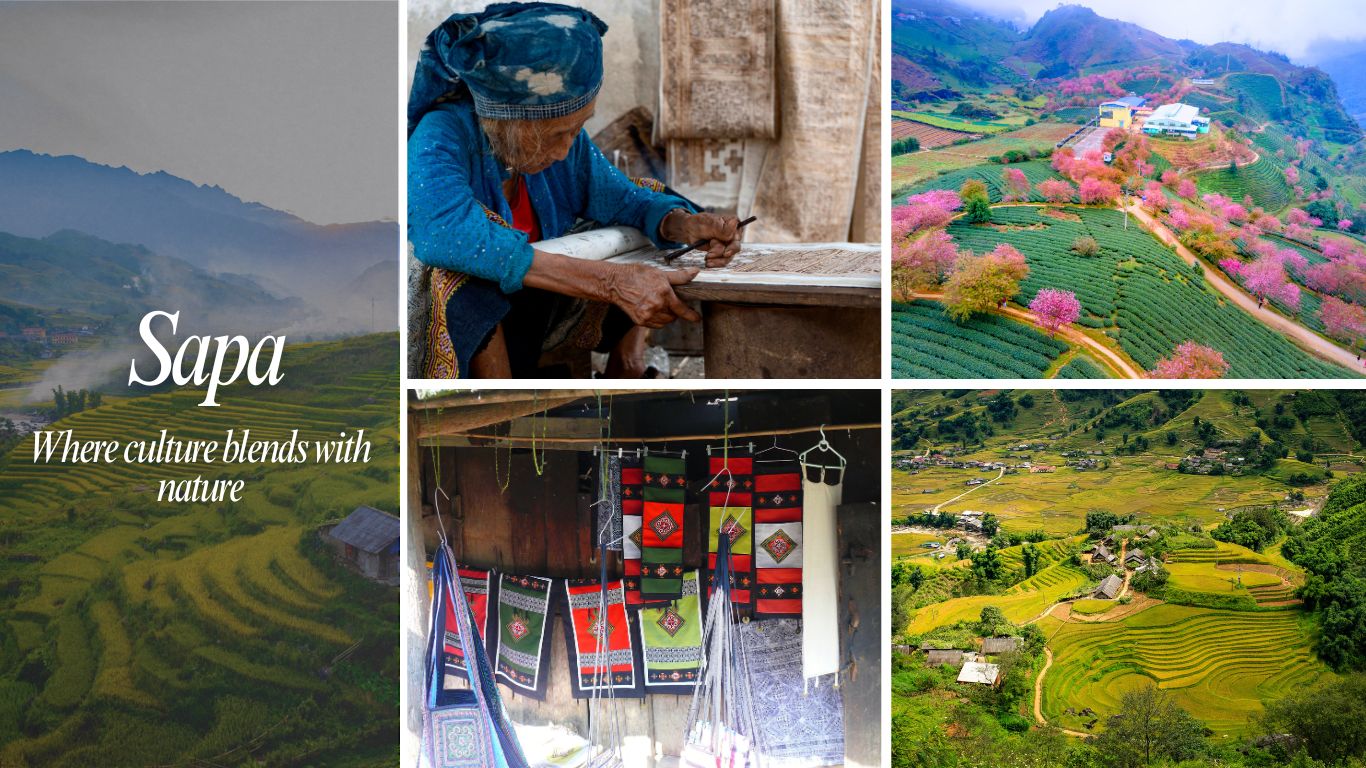
If you visit Sapa in the months from March to May, you will certainly get a stunning chance to admire the spectacular landscapes of many vibrant flowers and evergreen and huge fields. Cherry blossoms, peach flowers, and plum blossoms burst into bloom, blanketing the hillsides in a riot of colors. Sapa in March is particularly enchanting, as the cherry blossoms start to bloom, creating a picturesque backdrop for your adventures.
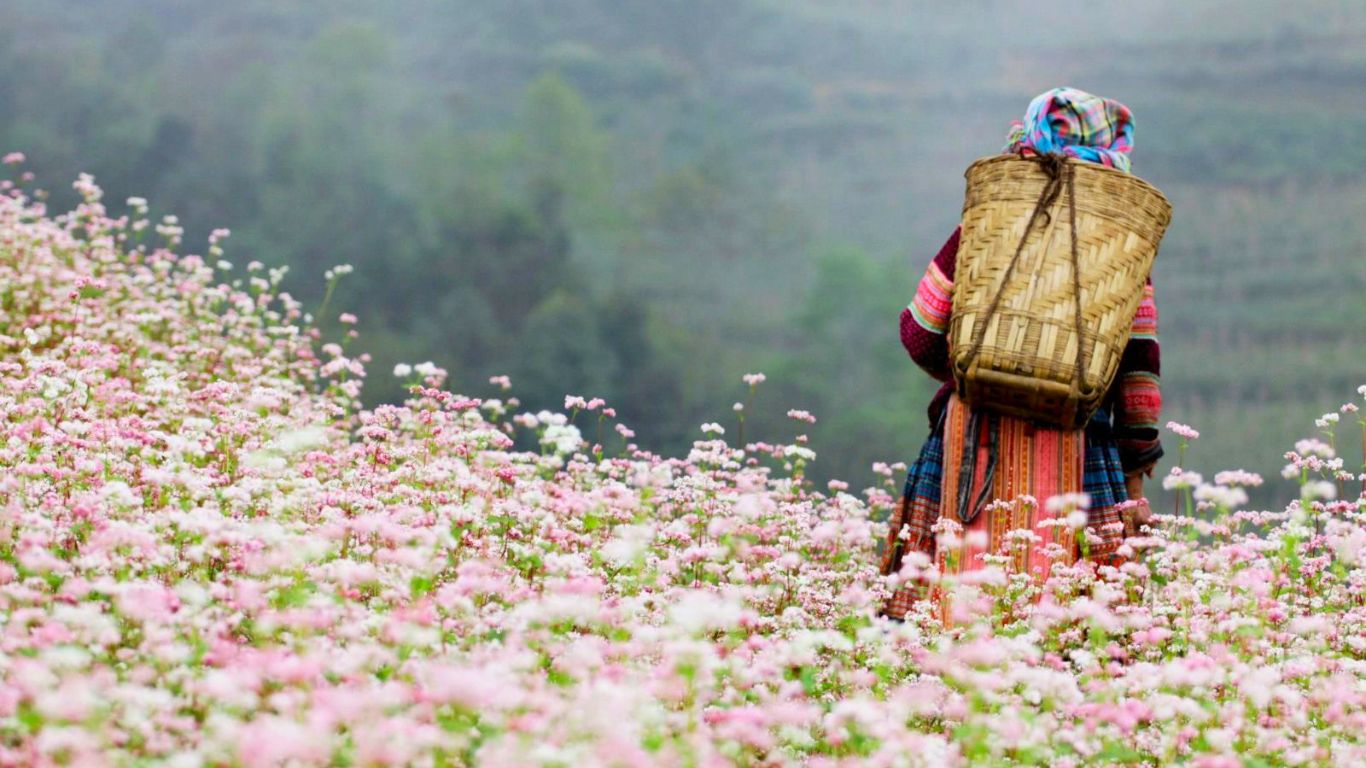
Spring is also a time of cultural festivities in Sapa. Sapa in April sees the arrival of the traditional festivals of the ethnic minority groups, offering a unique opportunity to witness their vibrant customs and traditions.
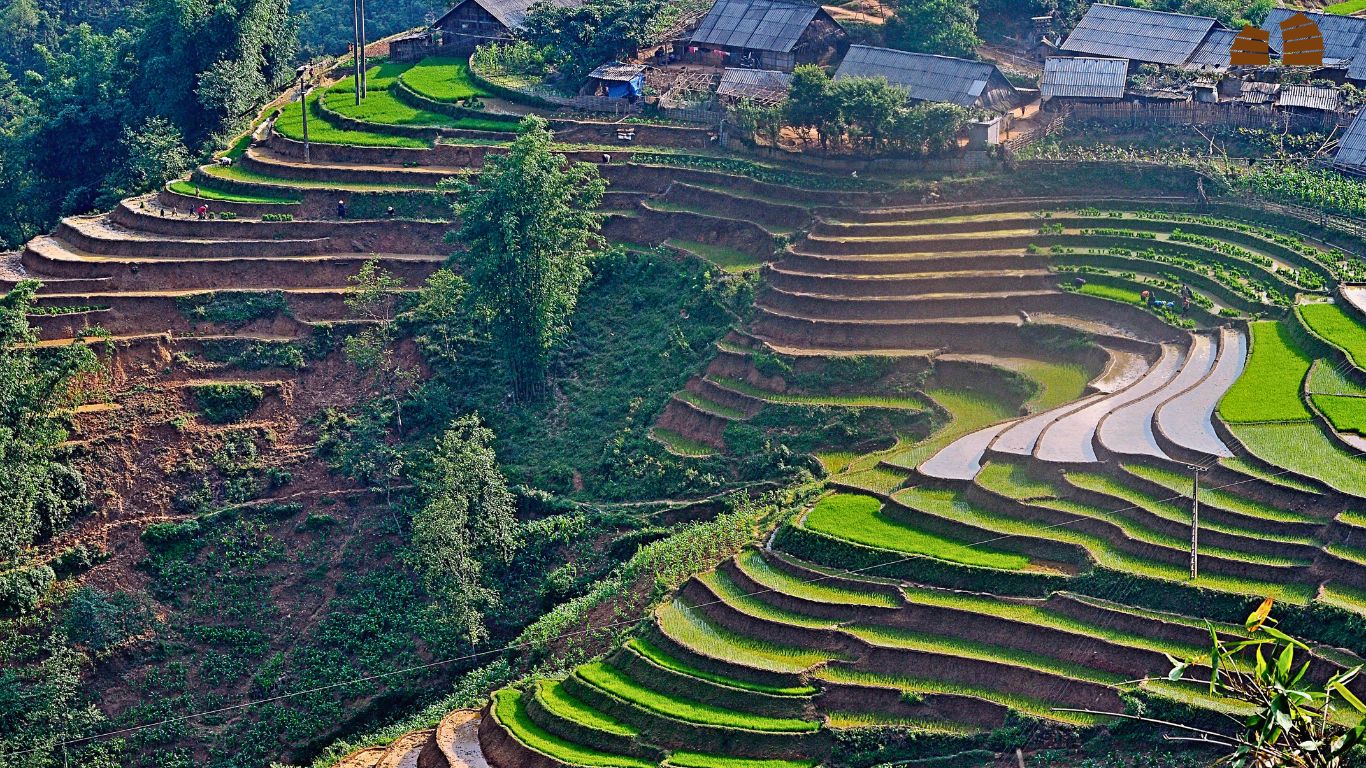
The season for watering in Sapa is from April to early May. During this time, the terraced rice fields are inundated with water to prepare them for the upcoming sowing. The sight is truly breathtaking as the rice fields turn into huge mirrors that reflect the mountains and sky. If you’re into photography, the perfect time to visit Sapa is after the harvest season.
Sapa in Summer: Lush Greenery and Cultural Immersion
During summer (June to August), Sapa transforms into a verdant paradise, with lush greenery carpeting the hillsides. Burning hot weather and scorching sunshine, the ordinary summer features seen in other parts of Vietnam cannot be found there during the summer. Despite this advantage, this is also the rainy season in Sapa, so you may not have the most comfortable conditions for a walking tour discovering this lovely town.
Sapa in Autumn: Golden Rice Terraces and Ideal Trekking
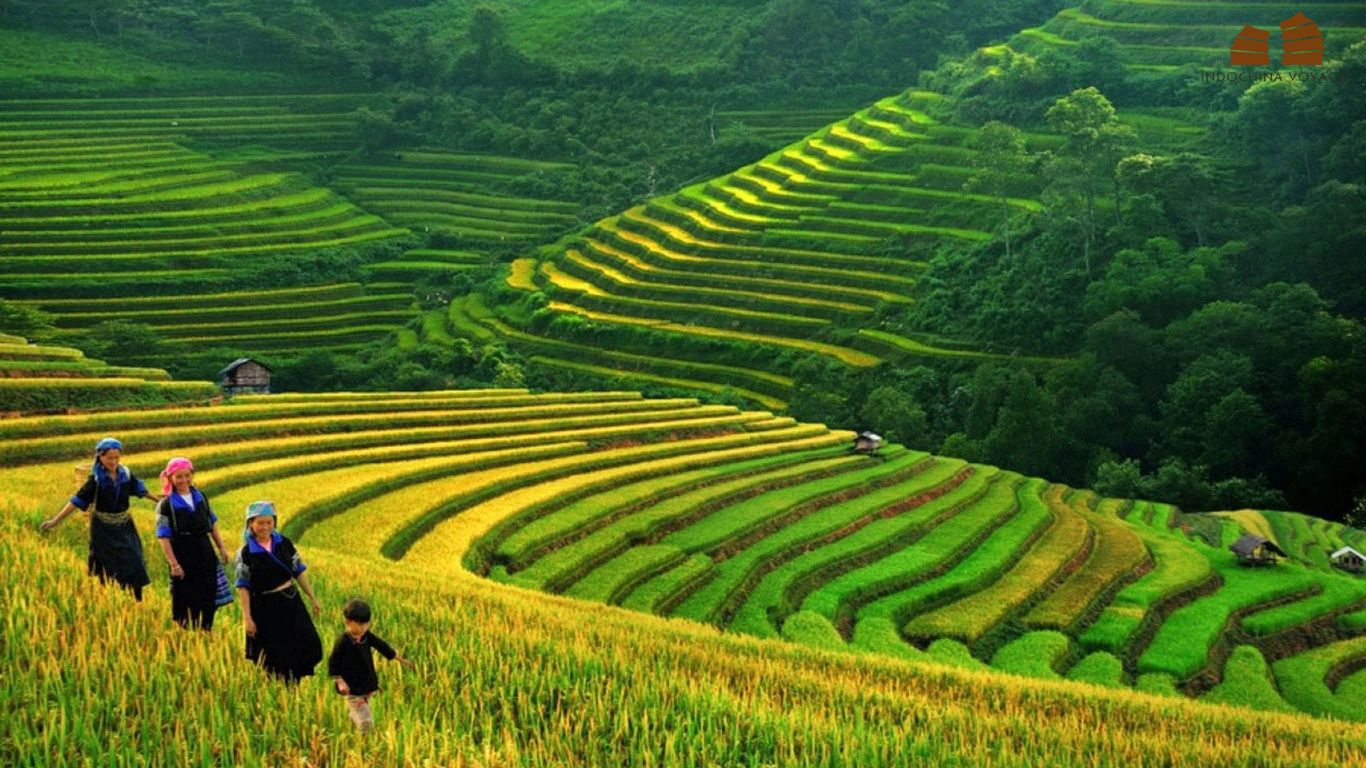
Autumn in Sapa is a great season for exploration, just like spring. The level of rainfall decreases substantially, making the weather much drier and milder. Low level of rain together with a stably cool climate makes the fall time such the most beautiful time to explore the beauty of Sapa.
During this time, the rice terraces are at their peak harvest season and the entire region is painted with mesmerizing golden hues. From September to November, the terraced fields turn into a tapestry of gold. You can witness the skillful hands of local farmers as they harvest the rice, creating a picture-perfect scene. It is truly a sight to behold and an experience that you will cherish forever.
Note: The weather during November is nice with slightly lower temperatures, so Sapa also witnesses a large number of tourists.
Sapa in Winter: Enchanting Scenery and Fewer Crowds
From December to February is the wintertime. Nevertheless, in return, travelers will have a great chance to admire the magnificent sunrise over the valley in the very early morning. In recent years, you can witness snow in Sapa. If you have a great opportunity to visit this picture-postcard town on this occasion, you will certainly see a pretty, romantic landscape.
The average temperature of Sapa is rather low at only 15°C. From December to February is winter time in Sapa, when the weather can become exceptionally cold, sometimes even making snow fall. This is also a unique characteristic that makes Sapa even more attractive to visitors. With fewer tourists visiting during the winter months, Sapa’s trails offer a tranquil escape into nature.
Sapa Monthly Weather
| Month | Average Temperature | Rainfall | Sunshine hours |
|---|---|---|---|
| January | 8°C – 15°C | Low (e.g., 30mm or 10%) | Moderate (e.g., 5 hours) |
| February | 9°C – 17°C | Low (e.g., 40mm or 15%) | Moderate (e.g., 6 hours) |
| March | 12°C – 20°C | Moderate (e.g., 60mm or 20%) | Mostly Sunny (e.g., 7 hours) |
| April | 15°C – 24°C | Moderate (e.g., 80mm or 25%) | Mostly Sunny (e.g., 8 hours) |
| May | 18°C – 27°C | Moderate (e.g., 100mm or 30%) | Mostly Sunny (e.g., 8 hours) |
| June | 20°C – 29°C | High (e.g., 150mm or 40%) | Occasional Rain Showers (e.g., 6 hours) |
| July | 22°C – 31°C | High (e.g., 200mm or 50%) | Occasional Rain Showers (e.g., 5 hours) |
| August | 22°C – 30°C | High (e.g., 180mm or 45%) | Occasional Rain Showers (e.g., 6 hours) |
| September | 20°C – 28°C | Moderate (e.g., 120mm or 35%) | Mostly Sunny (e.g., 7 hours) |
| October | 18°C – 25°C | Moderate (e.g., 80mm or 25%) | Mostly Sunny (e.g., 7 hours) |
| November | 15°C – 22°C | Low (e.g., 50mm or 20%) | Clear Skies (e.g., 8 hours) |
| December | 12°C – 18°C | Low (e.g., 40mm or 15%) | Occasional Cloud Cover (e.g., 4 hours) |
Activities in Sapa by Season
Sapa offers different experiences throughout the year, so each season gives you its own way to enjoy the mountains, ethnic culture, and scenic landscapes. Below is a helpful guide that shows what you can actually do in each season, not the weather itself. This helps your readers pick the right experiences for their travel style.
Spring Activities in Sapa (February to April)
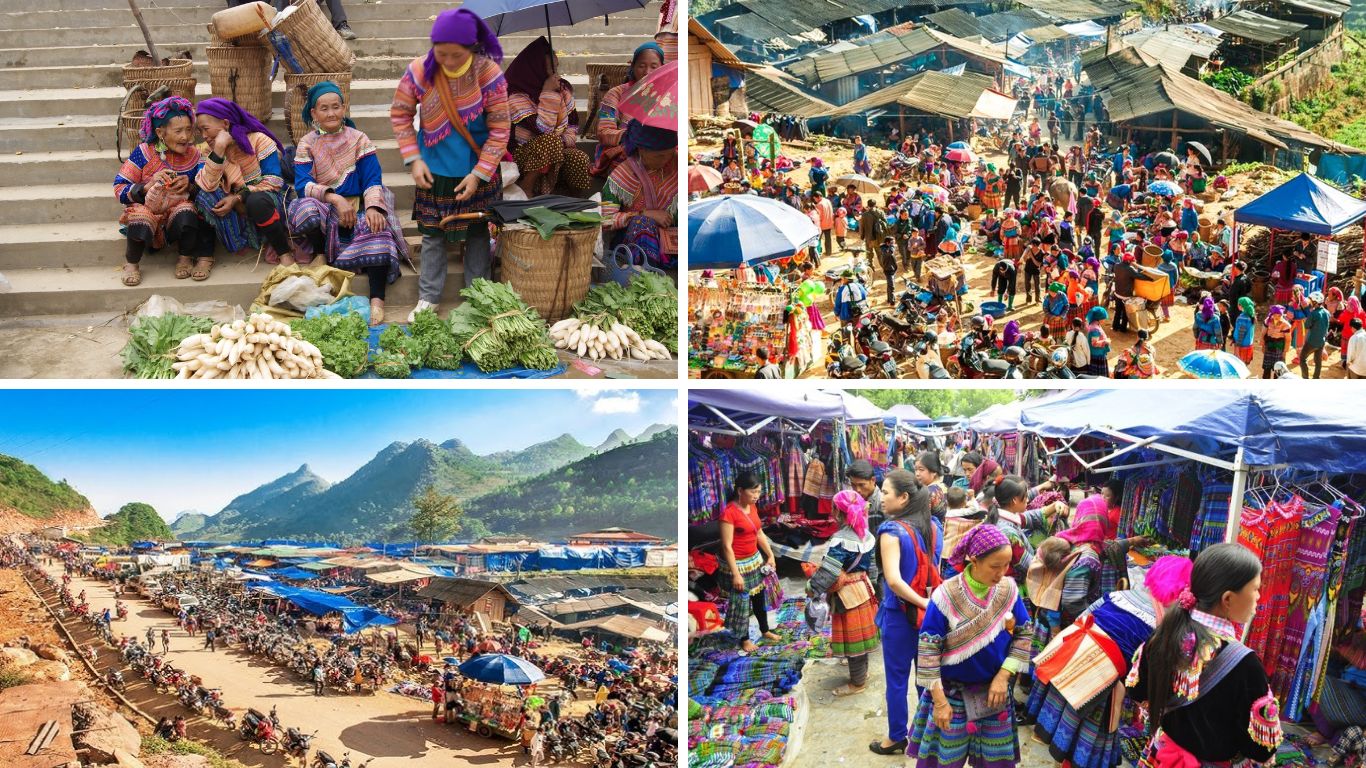
Spring is the most refreshing time in Sapa and perfect for soft adventures mixed with cultural experiences. You can stroll along blooming hillsides, join local markets, and enjoy gentle trekking routes. Top activities:
-
Light trekking through Muong Hoa Valley and Ta Van Village
-
Visiting ethnic minority markets such as Bac Ha and Coc Ly
-
Joining a local family for a cooking class or herbal bath
-
Photographing peach and plum blossoms along the terraced fields
Summer Activities in Sapa (May to September)
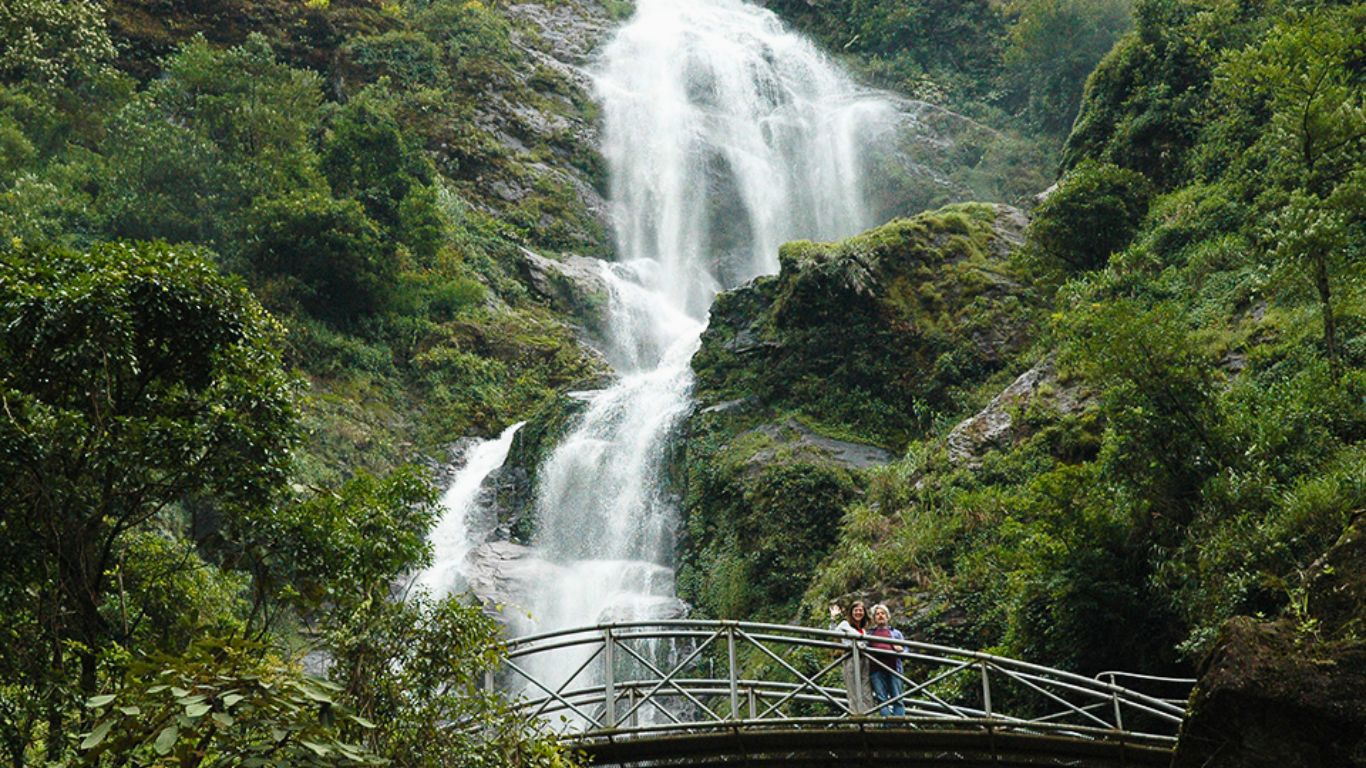
Summer brings lush greenery and lively farm activities. If your travelers enjoy active experiences, this is the most energetic season. Sapa is vibrant and full of life with terraced fields growing fast toward harvest. Top activities:
-
Trekking and hiking at all levels
-
Waterfall hunting at Silver Waterfall and Love Waterfall
-
Cycling through Lao Chai and Y Linh Ho
-
Joining farming experiences with local families
-
Landscape photography of bright green rice terraces
Autumn Activities in Sapa (September to November)
Autumn is the most photogenic season and attracts travelers who love golden harvest views and calm trekking conditions. The air feels crisp, and the landscapes glow in warm tones. Top activities:
-
Trekking through golden rice terraces in Ta Phin and Hau Thao
-
Sunrise hunting at Fansipan or O Quy Ho Pass
-
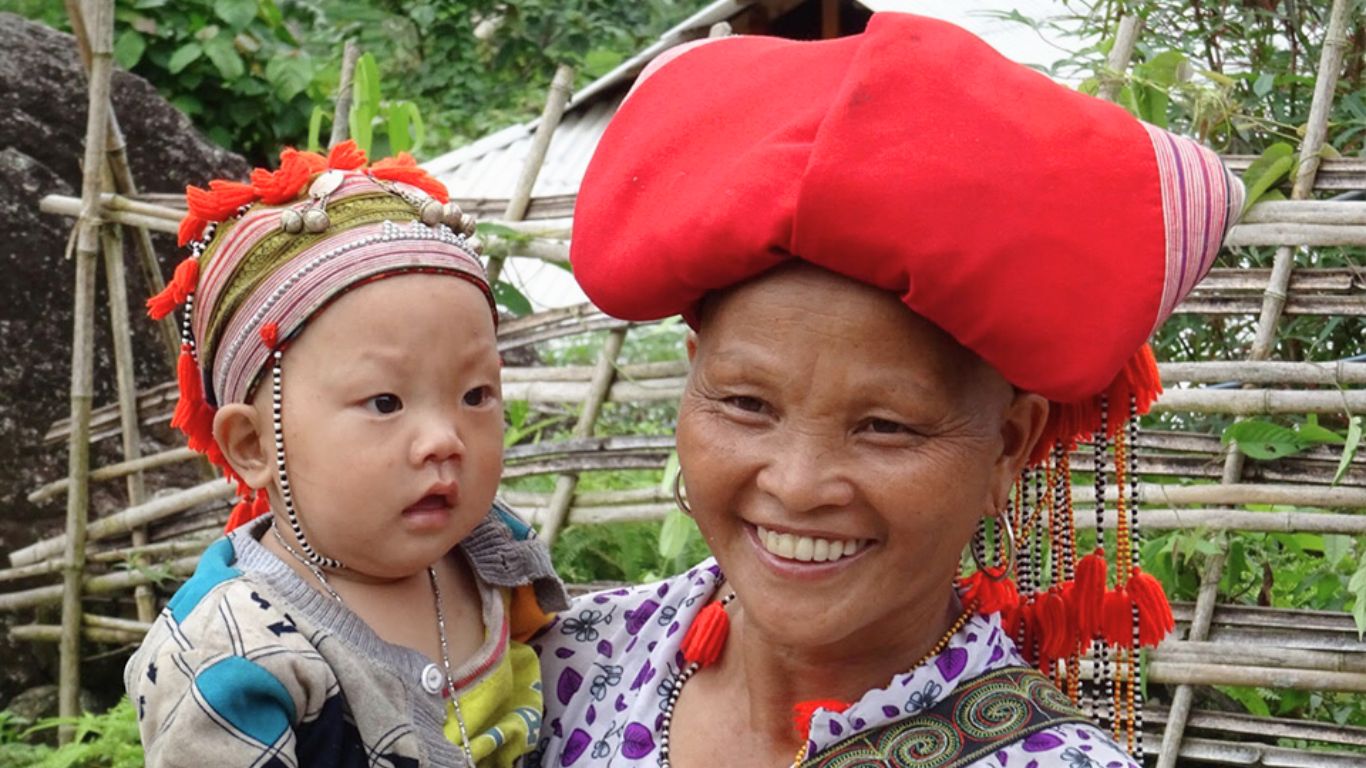
Cultural visits to Red Dao villages
-
Scenic cable car ride to Fansipan Peak
-
Guided photo tours focused on terraced fields
Winter Activities in Sapa (December to January)
Winter in Sapa brings a cozy, atmospheric charm. It is great for travelers who love misty mountain sceneries, quiet trails, and village life. The landscapes feel dramatic and peaceful. Top activities:
-
Visiting ethnic villages for homestay experiences
-
Herbal bathing and spa relaxation
-
Light trekking to hidden valleys
-
Enjoying mountain hotpot or grilled street food
-
Photography of misty views, rooftops, and foggy forests
Beyond the Seasons: Planning Your Sapa Trip
If you want to enjoy Sapa in the most comfortable and meaningful way, you can easily fit it into a short getaway or a longer northern Vietnam journey. Each itinerary gives you a smooth blend of scenery, culture, trekking, and relaxation, so you get the best of Sapa while still exploring more of Vietnam at your own pace. These options work beautifully for different travel styles and show you how flexible a Sapa trip can be.
-
Enjoy Hanoi’s cultural charm before heading into the mountains with the Best Hanoi & Sapa 5 Days, a great pick if you want a balanced mix of gentle trekking and classic northern highlights.
-
Soak in terraced fields, local villages, and peaceful nature walks on the Taste & Beauty of Sapa 3 Days, perfect for travelers who want a short but deeply refreshing Sapa escape.
-
Explore valleys, mountain passes, and lively ethnic markets through the North Vietnam 10 Days, an ideal option if you want a richer adventure across the northern region.
-
Discover Vietnam in full: from Sapa’s highlands to Halong Bay, Hue, Hoi An, and the Mekong on the In-Depth Vietnam Explore 20 Days, a wonderful journey for travelers seeking depth and variety.
💡If any of these journeys speak to you, connect with us at Vietnam Travel Online. We’ll craft a fully customized tour that matches your style and pace, from Vietnam’s rivers and mountains to Indochina’s hidden gems. Reach us at vietnam@indochinavoyages.com or through this form to explore more than just Vietnam tours.
Practical Tips for Visiting Sapa
-
Pack flexible layers because temperatures can change quickly between daytime and early morning, especially from October to March.
-
Bring waterproof shoes if you travel from June to August because trails can get muddy after short seasonal rains.
-
Choose trekking routes that match your fitness level because some paths are steep and can become slippery after rainfall.
-
Carry some cash when visiting ethnic villages because small shops and local families usually do not accept cards.
-
Book accommodation early during September and October because the golden rice season attracts many travelers.
-
Hire a local guide for village visits because they help you understand traditions and avoid restricted areas.
-
Check weather forecasts before moving around Fansipan Mountain because visibility can change very quickly.
-
Bring insect repellent when trekking through rice terraces, especially during late spring and early summer.
-
Travel with comfortable walking shoes because Sapa’s charm is best enjoyed on foot.
-
Keep your camera or phone protected because terraces reflect light strongly during watering season.
FAQs
What is the best month to see the golden rice terraces?
September and early October, during peak harvest, when the weather stays clear and stable.
When is the most comfortable time to trek in Sapa?
March to May and late September to November, thanks to cool air and dry trails.
Can Sapa be visited during the rainy season?
Yes. June, July, and August bring lush, green scenery, though proper footwear helps with occasional rain.
Does Sapa get snow?
Not every year, but it can happen between late December and February when temperatures drop sharply.
Is Sapa crowded during golden season?
Yes, particularly on weekends in September and October, so early booking is worthwhile.
Is Sapa suitable for families with kids?
Yes, thanks to light trekking routes, scenic viewpoints, and the Fansipan cable car.
How many days should be spent in Sapa?
Two to three days suit most visitors, with extra time added for longer treks or market visits.
Are the ethnic markets open year-round?
Most weekly markets run throughout the year, though the atmosphere shifts with the seasons.
Can Sapa be visited without trekking?
Absolutely. Villages can be explored by car, alongside scenic viewpoints, the Fansipan cable car, or simply relaxing in town.
Is Sapa worth visiting in the rain?
Yes. Light rain brings dramatic cloud cover, and the terraces still look vibrant during wetter months.