

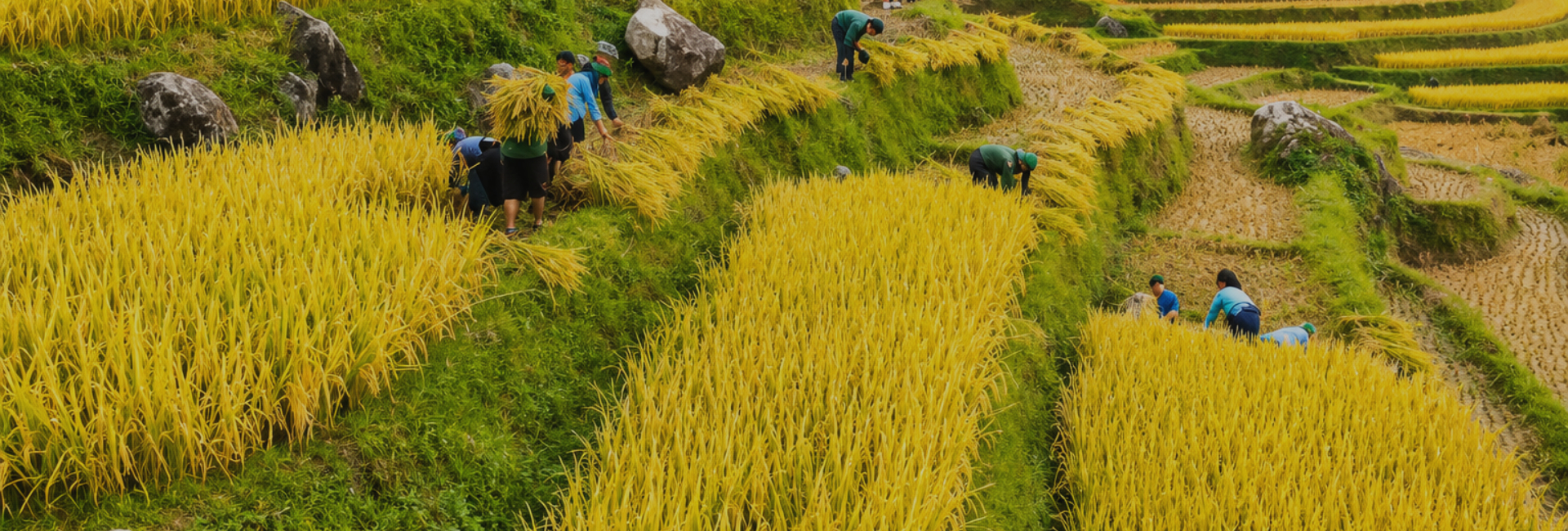
September marks a quiet shift in Ha Giang. Vietnam’s heavy summer rains fade into the crisp clarity of autumn. Nowhere does that change feel more vivid than in this mountain province. The peaks soften from deep monsoon green into a patchwork of gold. The air loses its sticky heat. The whole province seems to exhale after a long, wet summer.
So is September worth the trip? The answer leans firmly toward yes. It works especially well for travelers chasing comfortable trekking weather. Dramatic mountain scenery comes as a bonus. This guide breaks down what to expect, where to go, and how to plan a trip that makes the most of this transitional month.
What can you find in this travel blog?
- Is September a Good Time to Visit Ha Giang?
- Ha Giang Weather in September
- What Does Ha Giang Look Like in September?
- Ha Giang in September vs Other Autumn Months
- How to Get to Ha Giang
- Where to Go and What to Do in Ha Giang in September
- Riding the Loop, Homestays & Photography Tips
- How Many Days Do You Need in Ha Giang in September?
- Is September Suitable for Riding the Ha Giang Loop?
- How Much Does a Ha Giang Loop Trip Cost in September?
- Where to Go After Ha Giang
- What to Pack for Ha Giang in September
- Practical Tips
- FAQs
Is September a Good Time to Visit Ha Giang?
Timing a trip to Ha Giang can make or break the experience. This province lives and breathes with its seasons. September sits right at the edge of two personalities: the last of summer’s humidity and the first hints of autumn’s golden clarity. That mix makes it one of the more rewarding windows to visit, if slightly unpredictable.
Advantages and Disadvantages of Visiting Ha Giang in September?
| Advantages | Things to Consider |
|---|---|
| Cooler than summer | Rain is still possible |
| Lush mountain scenery | Roads can be slippery |
| Rice terraces begin changing color | Weather can change quickly |
| Excellent trekking conditions | Some viewpoints may have clouds |
| Good for the Ha Giang Loop | Mountain driving still requires care |
Why September Is a Special Month in Ha Giang
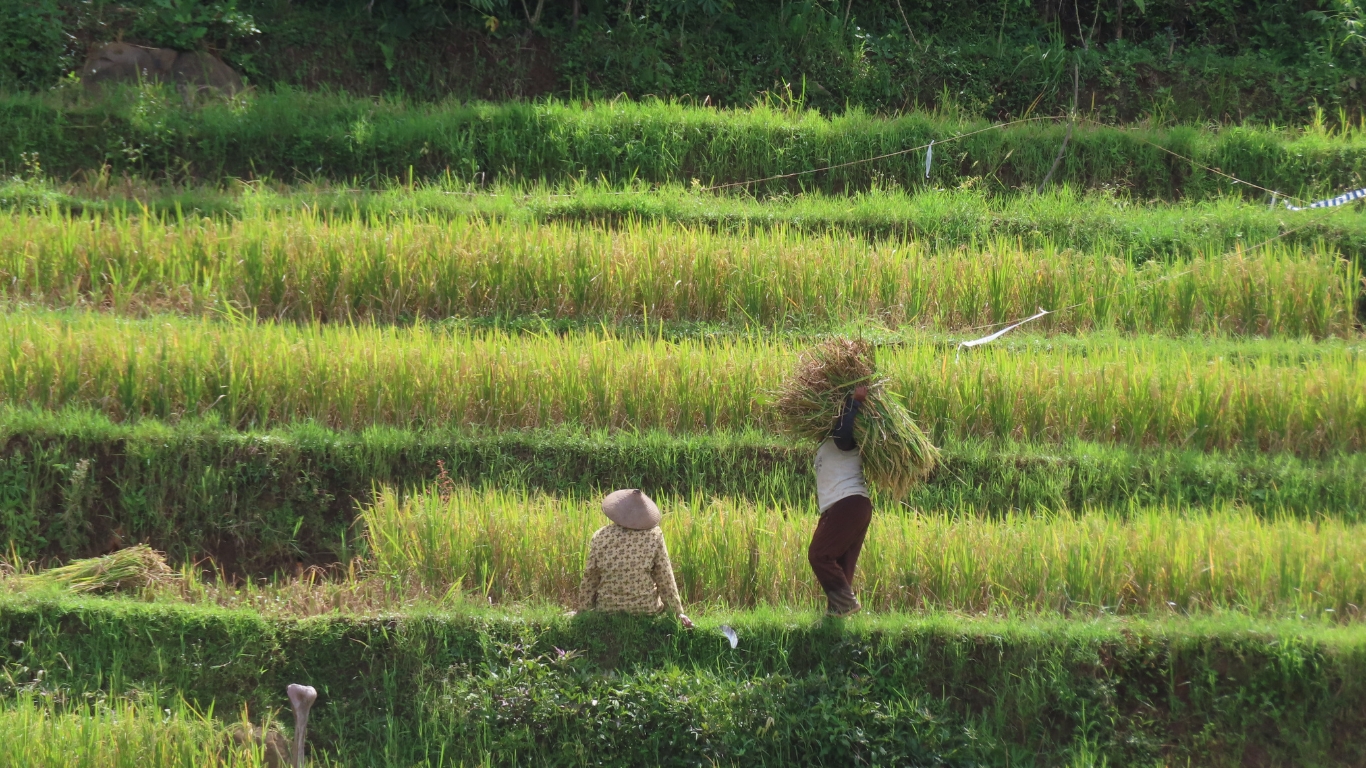
Compared to the punishing heat of July and August, September brings noticeably cooler conditions. Long days on winding mountain roads become far more enjoyable. The rice terraces begin their slow shift from vivid green to warm gold. Photographers and casual travelers alike get a landscape that feels alive and constantly changing. Mountain scenery stays lush throughout the month. Waterfalls still run strong from the summer rains, and valleys stay wrapped in deep green. Outdoor activities also feel more comfortable, since summer’s intense heat has largely faded. Altogether, September strikes a rare balance between dramatic scenery and easy travel conditions. That balance is exactly why experienced trekkers plan around it.
What You Should Know Before Going
Rain has not entirely left the picture in September. Travelers should expect a few showers, particularly in the first half of the month. Wet roads can turn slippery on the steep switchbacks that define much of the province. Caution matters more here than on a typical countryside drive. Mountain weather also shifts quickly. Clear skies can give way to mist within an hour. Because of this, early and late September can feel like two different trips. Planning around that distinction pays off.
Is September a good month for the Ha Giang Loop? Yes. September offers cooler temperatures and greener scenery than summer. Travelers should still stay alert for occasional rain and slicker roads, especially early in the month.
Ha Giang Weather in September
Understanding what the sky and thermometer actually do in September helps travelers pack smart. It also makes planning realistic daily routes much easier, rather than guessing based on assumptions about Vietnam’s climate.
Temperature and Rainfall
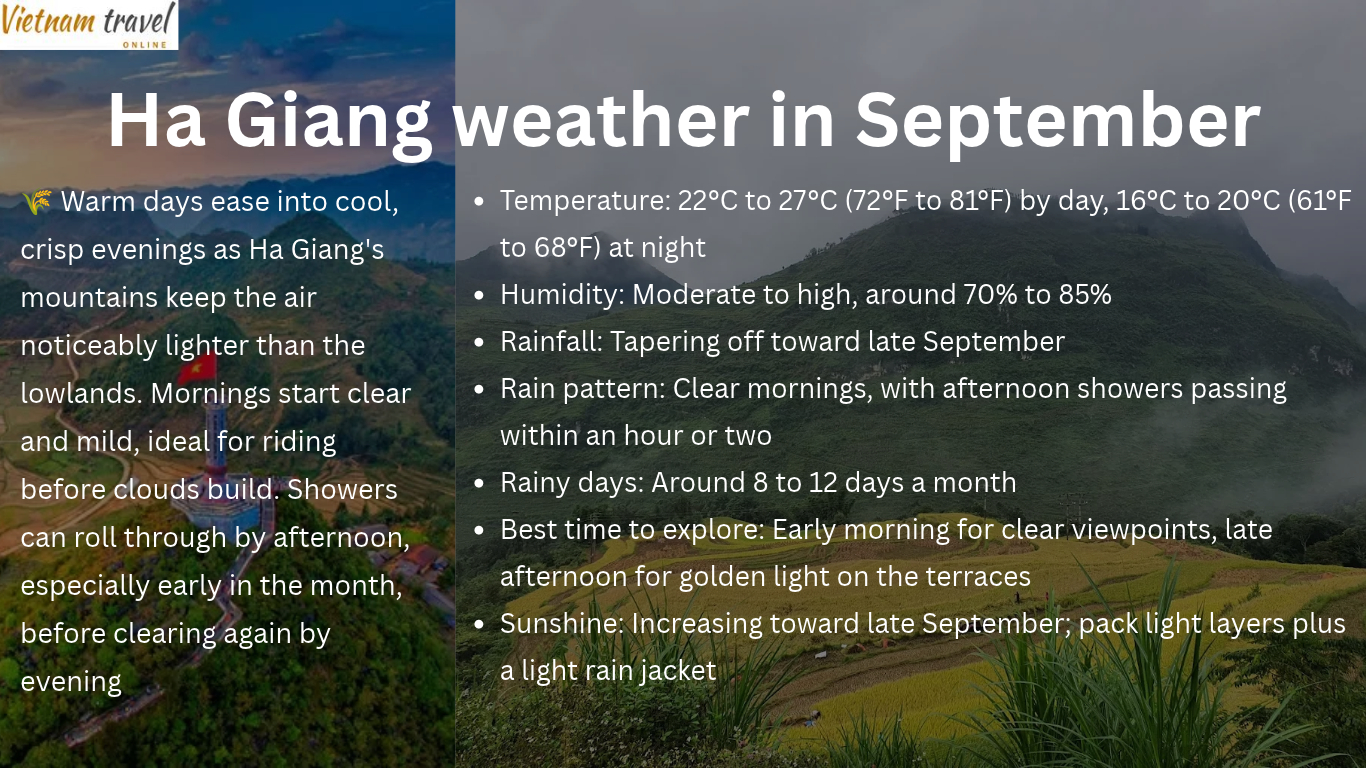
Daytime temperatures in Ha Giang during September stay fairly comfortable. Nights in the higher elevations cool down noticeably. Layering matters more here than travelers often expect.
Early September vs Late September
Early September still carries some of summer’s moisture. Rain showers remain fairly common during this stretch. The upside: terraces look intensely green, and the mountains take on a lush, almost tropical density. That density photographs beautifully. Late September tells a different story. Cooler air and drier skies move in, and rice terraces begin turning that signature golden color travelers associate with autumn in the highlands. Anyone hoping to catch the harvest season at its most photogenic should aim for the back half of the month.
What Does the Weather Mean for Your Trip?
- Driving conditions improve as the month progresses, with drier roads reducing skid risk on mountain passes.
- Trekking becomes more comfortable once heavy rain clears, particularly around Hoang Su Phi.
- Clothing should account for warm days and noticeably cooler nights, especially at higher elevations.
- Photography benefits from shifting light and color, with early morning mist adding drama throughout the month.
Mountain weather can change fast. A private tour and transport service makes it far easier to adjust routes on short notice, rather than being locked into a rigid, self-planned schedule.
What Does Ha Giang Look Like in September?
Few places in Vietnam transform as visibly month to month as Ha Giang. September captures the province mid-shift, right in the middle of one of its most striking seasonal changes.
Rice Terraces Begin Turning Golden
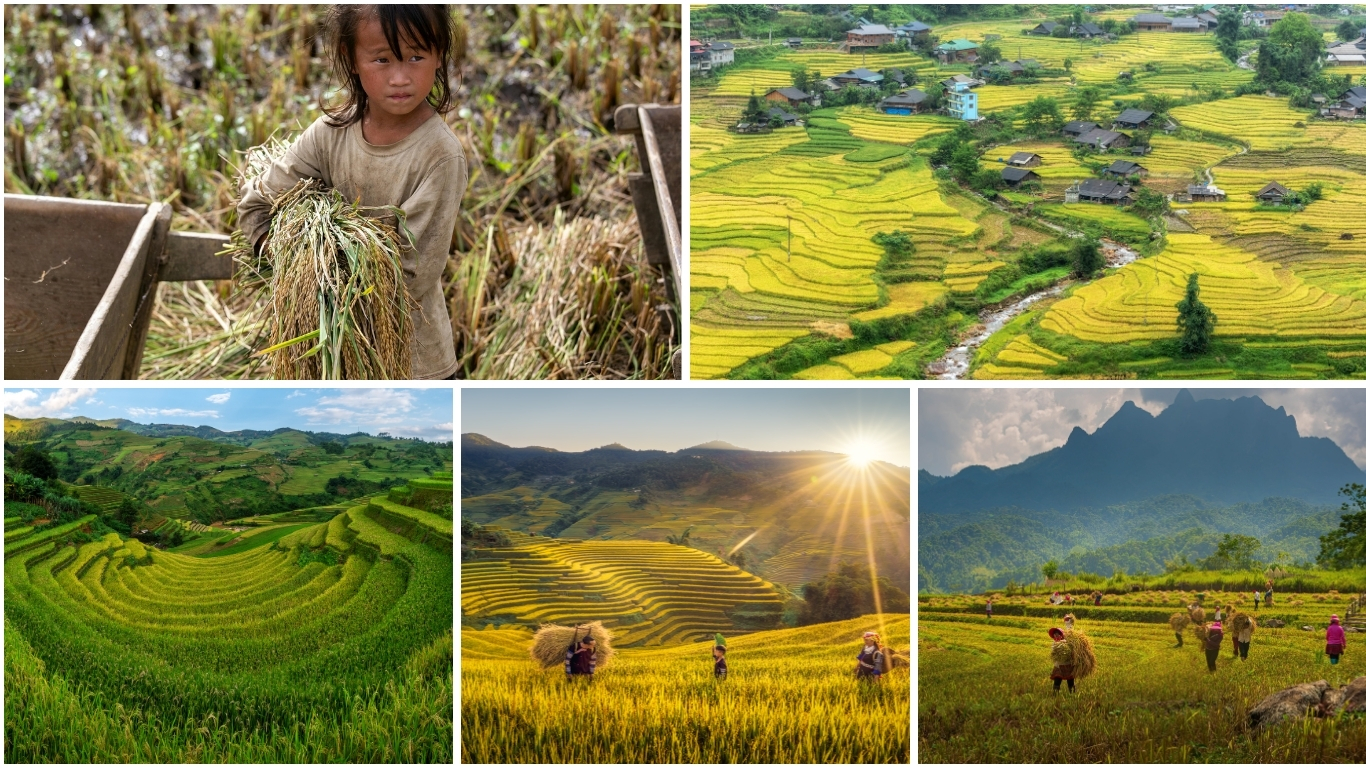
The most talked-about visual change happens across the rice terraces, particularly around Hoang Su Phi. Fields begin their slow transition from green to gold. This shift does not happen uniformly across the province. Patience and good timing matter more than travelers often realize. Some slopes catch the color earlier, depending on elevation and local harvest schedules. Late September generally offers the strongest chance of seeing that classic golden terrace scene.
The Ha Giang Mountains Are Still Green
Away from the terraces, the province’s dramatic geography stays firmly green through September. The Dong Van Karst Plateau remains one of the most striking backdrops in the region. Jagged limestone peaks rise above deep valleys and winding roads. These formations look particularly sharp against September’s clearer skies, especially once the month’s rain starts to taper off.
Waterfalls and Streams After the Summer Rains
Thanks to lingering summer rainfall, waterfalls and mountain streams tend to run fuller in September than in the drier winter months. Vegetation along these routes stays vividly green. Certain valleys take on a fresh, almost rainforest-like atmosphere. For a deeper look at how conditions shift month to month, this Ha Giang weather and best time to visit guide breaks things down in more detail.
Ha Giang in September vs Other Autumn Months
Choosing between September, October, and November often comes down to one question: do travelers want green scenery or golden terraces?
- September vs October
Greener landscapes define September, along with the very first hints of harvest-season color. October generally brings a stronger, more established autumn atmosphere, with terraces further along their golden transformation.
- September vs November
Warmer, greener conditions set September apart from November. November trades that lush color for cooler, drier air and less rice terrace vibrancy overall. Travelers weighing these tradeoffs against nearby alternatives might also find this comparison of the Ha Giang Loop versus Cao Bang Loop useful for planning a broader northern Vietnam route.
How to Get to Ha Giang
Reaching Ha Giang takes more planning than most northern Vietnam destinations. The province sits well off the main tourist highways.
From Hanoi
The most common route from Hanoi involves an overnight sleeper bus. It typically takes six to seven hours and drops travelers in Ha Giang City by early morning. Private transfers offer a more comfortable, flexible alternative. Travelers arriving with luggage or on a tight schedule tend to prefer them, since they skip the shared bus experience entirely. Self-driving is possible for confident riders. The distance and unfamiliar mountain roads make it a serious undertaking, not a casual day trip.
Do You Need a Permit?
Certain sections of Ha Giang, particularly around Dong Van and Meo Vac, sit close to the Chinese border. These areas require a travel permit. Fortunately, travelers rarely need to worry about this themselves. Hotels and tour operators in Ha Giang City typically arrange it quickly on arrival. Sorting this out through a private tour service removes the guesswork and ensures nothing holds up the itinerary once the Loop begins.
Where to Go and What to Do in Ha Giang in September
Every stop along the Ha Giang Loop offers something distinct. September’s mix of green valleys and shifting golden fields makes the full route feel especially rewarding.
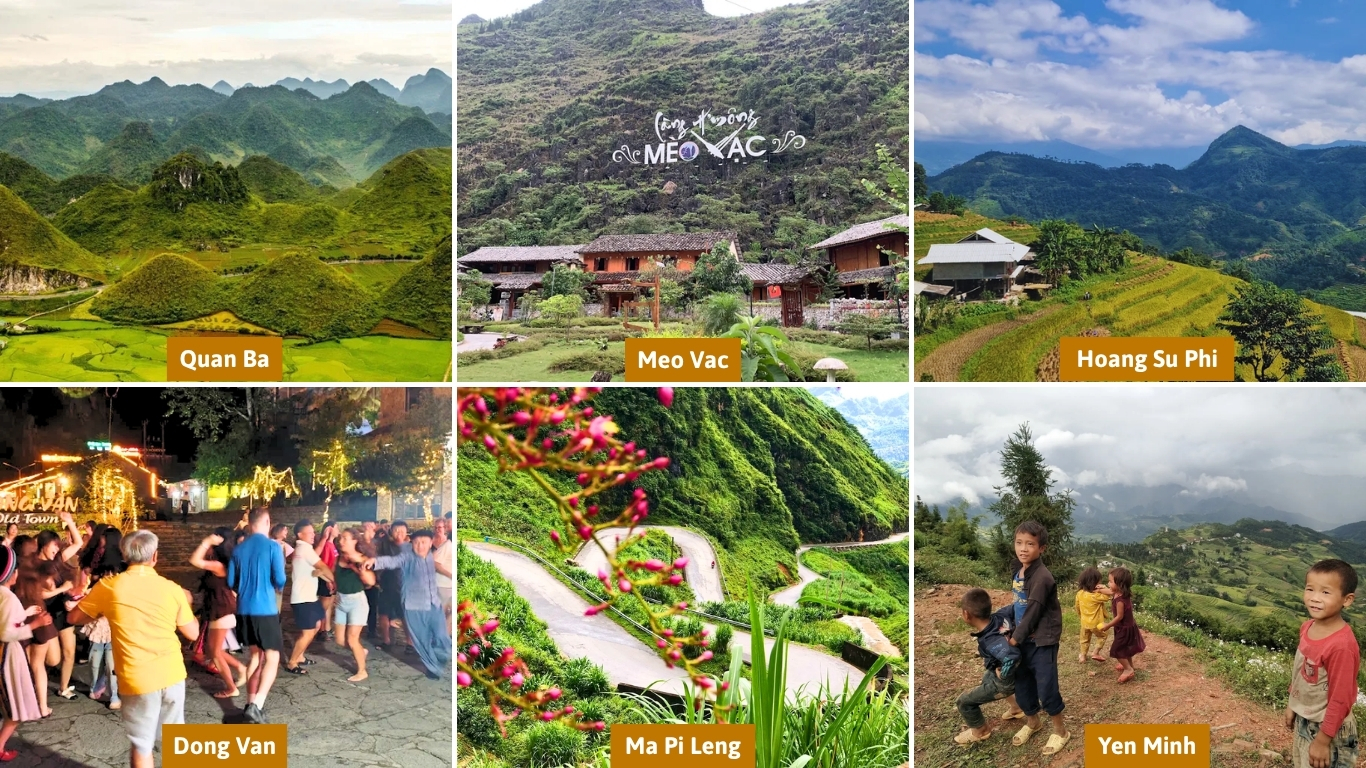
- Quan Ba
Quan Ba is usually the first stop after leaving Ha Giang City, anchored by the Heaven Gate viewpoint and the Twin Mountains below. It sets a gentle tone before the roads grow steeper further north. More on this leg in the Quan Ba double mountain guide.
- Yen Minh
Framed by pine forests and quieter mountain roads, Yen Minh makes for a peaceful overnight stop between the more dramatic sections of the Loop. The atmosphere here feels noticeably calmer than Dong Van or Meo Vac. Travelers get a chance to slow down before continuing north.
- Dong Van
Dong Van blends history and geography in a way few other towns manage. Its Old Quarter, surrounding karst landscapes, and lively local market all add character. Market days rotate on a set schedule. Confirming timing ahead of a visit helps travelers avoid missing it.
- Ma Pi Leng Pass
Widely regarded as the most spectacular stretch of the entire Loop, Ma Pi Leng Pass delivers sweeping mountain viewpoints above the Nho Que River. Clear weather makes an enormous difference here. Building flexibility into the schedule pays off.
- Meo Vac
Meo Vac offers dramatic scenery paired with authentic village life. Travelers whose itinerary lines up with a Sunday get the added bonus of the local market.
- Hoang Su Phi
Anyone specifically chasing September’s golden rice terrace scenery should give Hoang Su Phi its own detour from the classic Loop route. This detailed Ha Giang trekking tour guide covers exactly how to fit it into a broader itinerary.
Riding the Loop, Homestays & Photography Tips
Beyond the individual towns, a handful of experiences shape the overall feel of a Ha Giang trip, regardless of which stops make the final route.
Ride the Ha Giang Loop
Riding the Loop remains the single most popular way to experience the province, whether by self-driven motorbike or private car with driver. Choosing the right option for your comfort level and experience matters more than picking the fastest route, and the next section breaks down exactly how to decide. Travelers who prefer letting an expert handle logistics often turn to a Ha Giang Loop tour built around real-time road conditions rather than a fixed map.
Stay in a Mountain Homestay
Homestays offer a slower, more personal way to experience the province. Home-cooked meals and genuine village atmosphere replace the usual hotel routine. After a long day of driving through mountain passes, settling into a homestay for the evening often becomes one of the most memorable parts of the whole trip.
Photograph the Mountain Scenery
Early morning and late afternoon light tends to deliver the richest color across the terraces, mountain passes, and valleys. Building extra time into the schedule around sunrise and sunset pays off for anyone serious about photography.
How Many Days Do You Need in Ha Giang in September?
Deciding how long to spend in Ha Giang depends mostly on pace. Three itinerary lengths cover most travel styles.
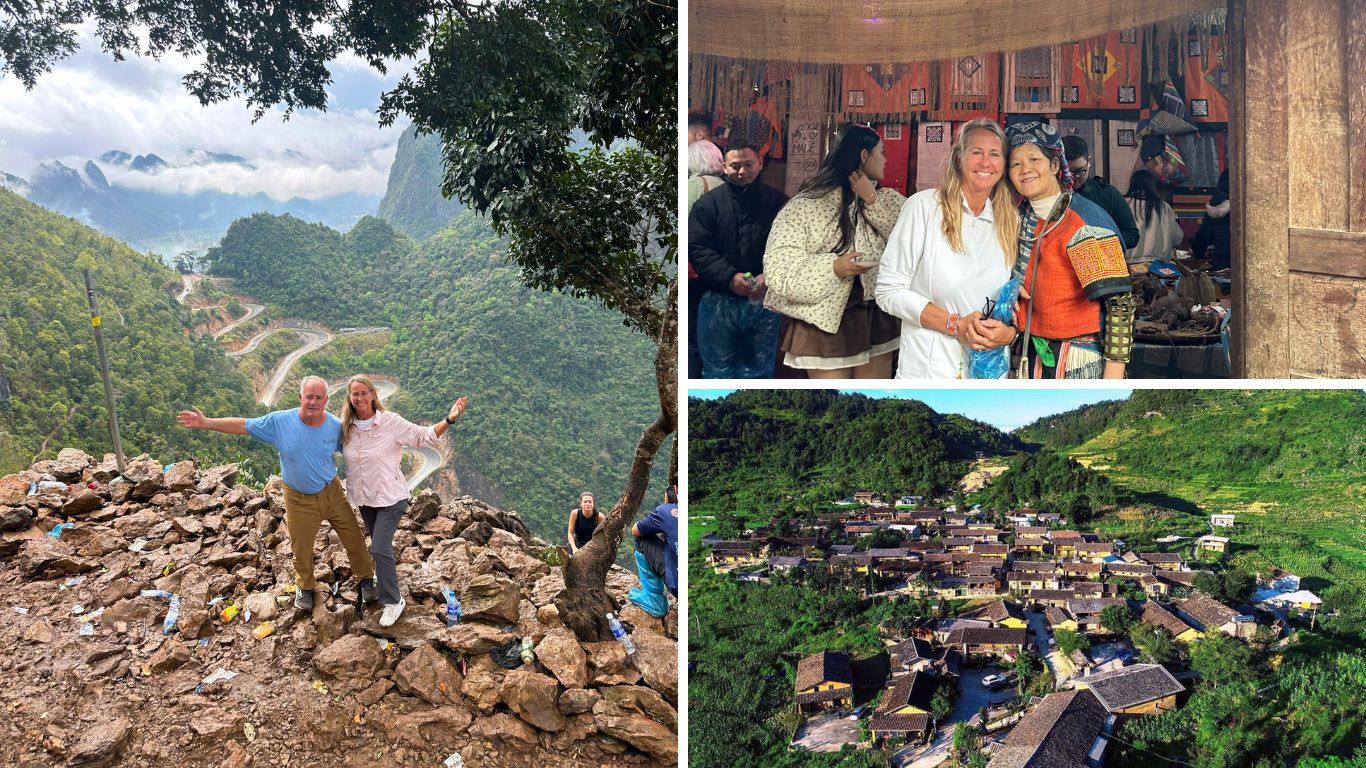
- 3 Days: Short Ha Giang Loop
Ha Giang, Dong Van, Meo Vac, Ha Giang. This fast-paced route suits travelers working with limited time. It focuses tightly on the major mountain scenery, without much room for detours.
- 4 Days: The Best Balance
Ha Giang, Quan Ba, Yen Minh, Dong Van, Meo Vac, Ha Giang. This is the recommended length for most travelers, especially first-timers. It leaves room for villages, viewpoints, and a bit of breathing space between long driving stretches.
- 5 Days: Slow Ha Giang Experience
Ha Giang, Quan Ba, Yen Minh, Dong Van, Meo Vac, Du Gia, Ha Giang. The best choice for anyone wanting a slower, more immersive pace. Adding Du Gia extends the trip with extra time for village walks and homestay evenings. This five-day Ha Giang trails tour follows this exact route for travelers who want it ready-made. A full breakdown of route options is available in this Ha Giang travel guide.
Is September Suitable for Riding the Ha Giang Loop?
September generally offers suitable riding conditions. The mountains still demand a healthy level of respect and attention.
- Riding Conditions in September
Rain can make certain sections slippery, particularly in the first half of the month. Mountain roads require real concentration, not the casual attitude some travelers bring from city riding. Ha Giang’s roads are not the place to treat a motorbike trip lightly.
- Motorbike or Easy Rider?
Self-riding suits experienced riders and travelers already comfortable navigating mountain roads. Independent travelers who prefer full control over their pace tend to choose this option too.
Easy Rider service suits first-time visitors and couples. It also works well for anyone who would rather sit back and take in the scenery than manage steep switchbacks personally. This detailed guide to riding the Ha Giang Loop by motorbike for foreigners covers exactly what to expect from both options.
- Private Car with Driver
Families, older travelers, and anyone simply wanting to focus on scenery rather than road conditions tend to find a private car with driver the most comfortable way to complete the Loop.
How Much Does a Ha Giang Loop Trip Cost in September?
Costs vary quite a bit depending on how travelers choose to move through the province. It helps to know what typically gets included before comparing prices.
- Self-riding tends to run cheapest per day, covering fuel and basic accommodation, but leaves guiding and route planning entirely up to the traveler.
- Easy rider packages sit in the middle. They bundle a driver, fuel, and often a guide, with meals and permits sometimes included depending on the operator.
- Private car with driver sits at the higher end, offering the most comfort and flexibility. It suits families or travelers uninterested in riding a motorbike through mountain switchbacks.
Permits, gear rental, and meals outside a set package usually count as extras, regardless of which option travelers choose. For a clear breakdown tailored to specific dates and group sizes, reach out directly through Vietnam Travels Online’s contact page or email vietnam@indochinavoyages.com for a personalized quote.
Where to Go After Ha Giang
For travelers with more time on their hands, Ha Giang pairs naturally with several other northern Vietnam highlights.
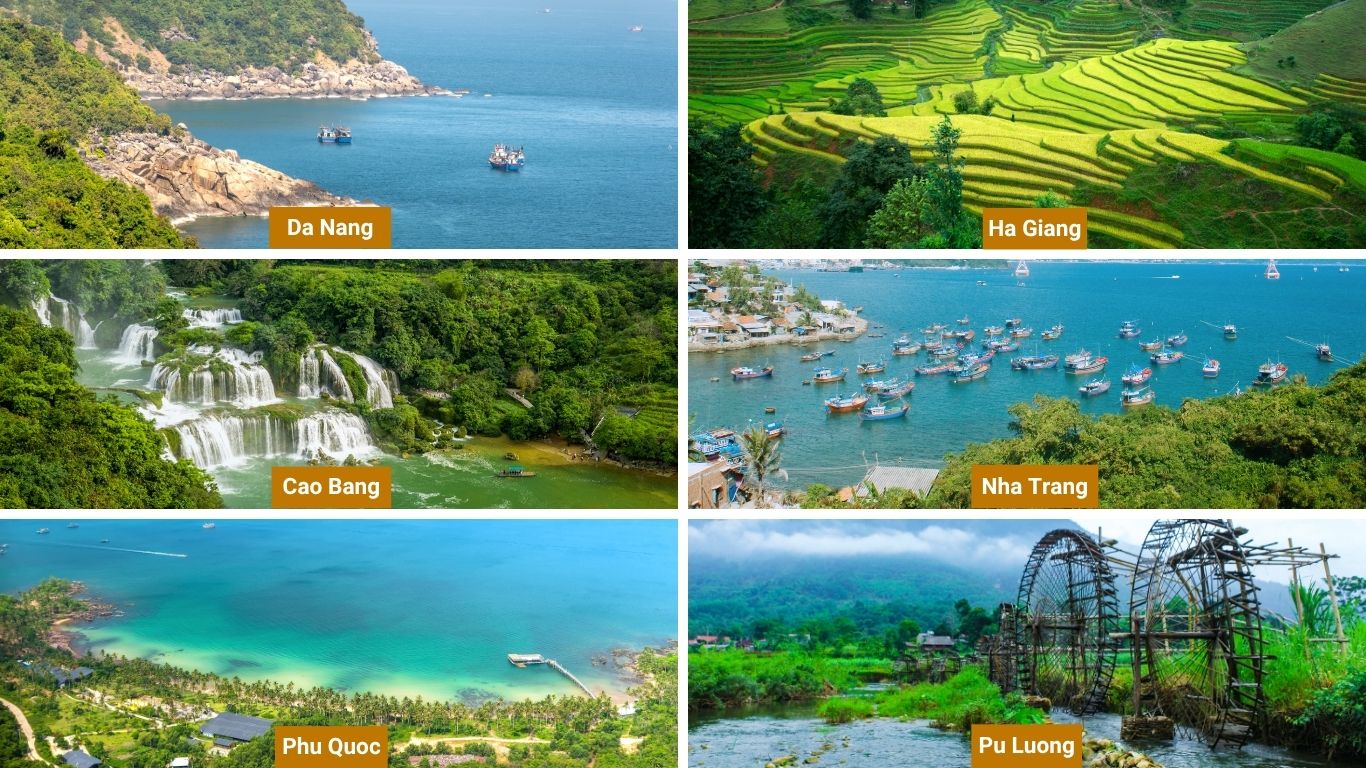
- Ha Giang to Hanoi
Returning to Hanoi remains the easiest continuation for most itineraries, especially for travelers flying onward from the capital.
- Ha Giang to Sapa
Combining Ha Giang with Sapa gives travelers two very different mountain experiences in one trip. Ha Giang delivers dramatic peaks and village life, while Sapa leans into structured trekking and the Fansipan summit. This Sapa versus Ha Giang comparison helps with the choice, and this seven-day Insightful Northwest Adventure covers both in one itinerary.
- Ha Giang, Hanoi, and Ninh Binh
Adding Ninh Binh rounds out a well-balanced northern Vietnam itinerary. Mountain scenery meets limestone rivers and countryside.
- Ha Giang, Sapa, and Halong Bay
For travelers with ten to fourteen days, combining all three regions makes for one of the strongest introductions to northern Vietnam, from mountains to sea. This Ha Giang versus Halong Bay comparison helps shape the route.
Ready to turn any of this into an actual itinerary? Our team at Indochina Voyages and Vietnam Travels Online (a branch of Indochina Voyages) builds custom Ha Giang trips around real-time weather and road conditions, including this popular five-day Ha Giang trail itinerary. Reach out anytime at vietnam@indochinavoyages.com.
What to Pack for Ha Giang in September
Packing smart for September means preparing for warm days, cool nights, and the occasional rain shower, all within the same trip.
Clothing
- Lightweight layers for daytime riding and walking.
- A light waterproof jacket for sudden showers.
- Long trousers for sun and insect protection.
- Comfortable walking shoes suited to uneven village paths.
For the Ha Giang Loop
- A small day bag for essentials during long riding stretches.
- Sunglasses and sunscreen for exposed mountain roads.
- Waterproof protection for phones and cameras.
- Gloves for anyone planning to ride rather than travel by private car.
For Rainy Weather
- A compact rain jacket that packs down small.
- Waterproof bags to protect electronics and documents.
- Quick-drying clothing suited to unpredictable showers.
- Extra socks, since wet feet are one of the more common trekking complaints.
Practical Tips
A handful of small planning habits make a noticeable difference to how smoothly a September trip through Ha Giang unfolds.
- Check the Weather Before Leaving
Mountain forecasts shift quickly. Checking conditions for individual towns along the route, rather than relying on a single forecast for Ha Giang City, gives a far more accurate picture.
- Leave Some Flexibility in Your Route
Packing every day too tightly leaves little room for rain-related delays. A bit of built-in flexibility keeps the trip enjoyable even when the weather does not cooperate.
- Start Early
Early starts mean better light for photography and cooler temperatures for riding. They also leave more time to stop along the way without rushing.
- Choose Accommodation Carefully
Homestays suit travelers chasing local atmosphere. Hotels in larger towns offer more comfort for those who want it. Booking ahead matters most around weekends and popular travel periods. Our team at Vietnam Travels Online regularly matches travelers with the right mix of homestays and hotels based on pace and comfort preferences. Booking through a private accommodation and tour service takes the guesswork out of where to stay each night.
FAQs
Is September a good time to visit Ha Giang?
Yes, September brings cooler temperatures and increasingly golden rice terraces, making it a strong choice for both scenery and comfort.
Is Ha Giang rainy in September?
Early September still sees occasional rain, while late September trends drier and clearer.
Is September a good time to ride the Ha Giang Loop?
Generally yes, though wet roads early in the month call for extra caution on steep passes.
Can you see golden rice terraces in Ha Giang in September?
Timing varies by location, with late September offering the best odds, particularly around Hoang Su Phi.
How cold is Ha Giang in September?
Daytime temperatures stay comfortable in the low to mid twenties Celsius, while nights in higher areas can drop into the mid teens.
How many days do you need in Ha Giang?
Four days works well for most travelers, with five recommended for a slower pace.
Is Ha Giang or Sapa better in September?
It depends on travel style: Ha Giang suits dramatic mountain roads and village life, while Sapa suits structured trekking.
What should you wear in Ha Giang in September?
Light layers for the day, a waterproof jacket for sudden rain, and warmer clothing for cool mountain nights.