

Sapa in January welcomes you with a calm winter atmosphere that feels gentle and refreshing. The mountains rest under soft layers of mist, the air stays cool and pleasant, and local villages begin preparing for the Lunar New Year. The scenery looks different from the greener months, yet it carries a quiet charm that many travellers find unforgettable. If you enjoy peaceful landscapes and a slower travel mood, this is one of the most rewarding times to visit.
In this guide, you will discover everything you need for your January trip. You will learn what makes this month special, how the weather feels, where to stay, and the best ways to reach Sapa. You will also explore the top experiences to try, helpful itineraries, practical travel tips, and answers to common questions. Each part is designed to help you plan confidently and enjoy Sapa in its calm winter beauty.
What can you find in this travel blog?
- Why You Should Discover Sapa in January
- Sapa Vietnam weather in January
- Why January Is Special in Sapa
- Things to Do in Sapa in January
- What Might Concern You for the January Trip
- Suggested itineraries in January in Sapa
- FAQs
Why You Should Discover Sapa in January
Winter Calm and Soft Mountain Beauty
Sapa in January welcomes you with cool air and soft layers of fog that hover over terraced fields. The landscape feels peaceful, and while the rice terraces are not lush green, their winter texture reveals the lines of the mountains beautifully. Some mornings even bring frost to higher fields. The calm atmosphere makes the scenery feel pure and untouched.
Pre-Tet Cultural Vibe
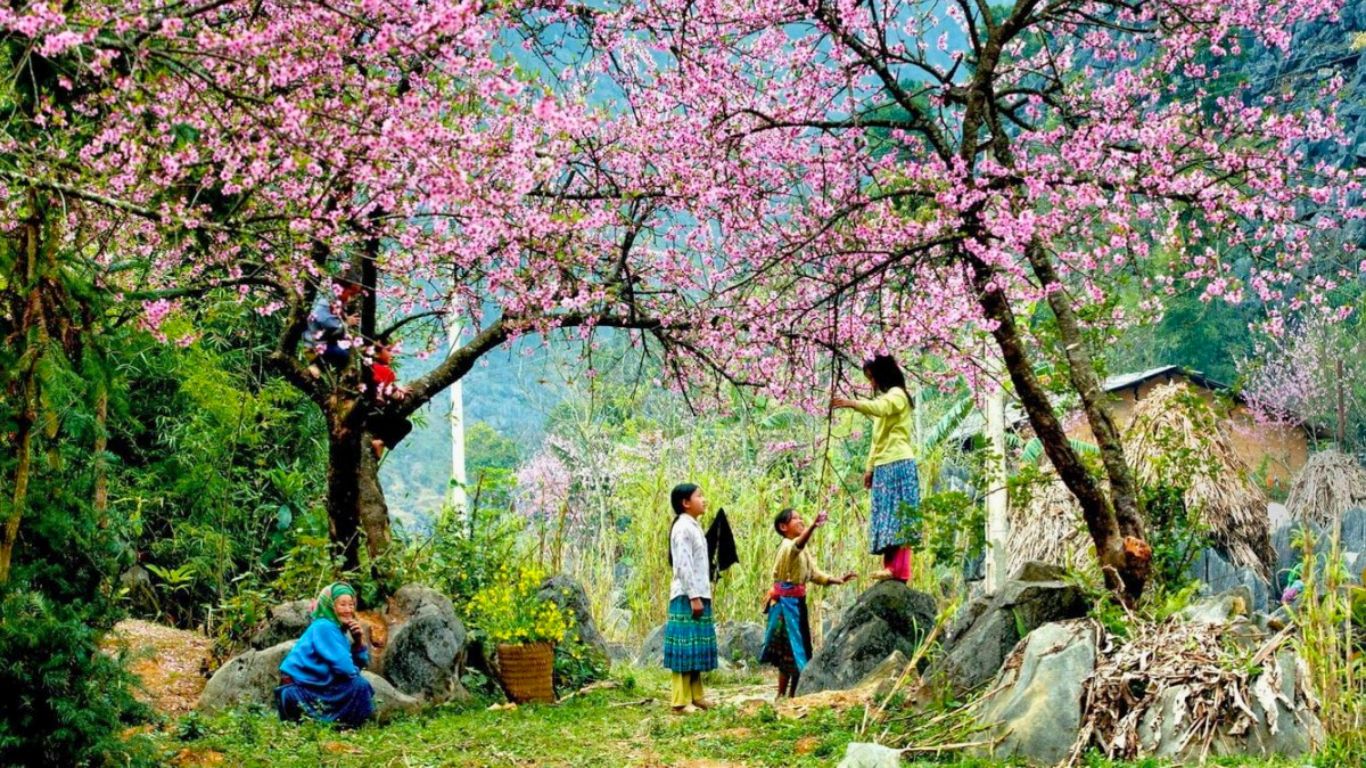
As the Lunar New Year approaches, markets grow busier with locals buying decorations and ingredients for traditional dishes. You’ll notice subtle festive touches: peach blossoms, red ornaments, and villagers preparing their homes for the holiday. This cultural layer makes January particularly interesting.
Gentle Weather for Trekking
January is colder than spring but milder than December. Daytime temperatures usually fall between 10 and 15°C, which gives you refreshing conditions for trekking. Visibility may shift with the mist, yet the trails remain accessible, making the winter walks comfortable and memorable.
A More Intimate Travel Experience
January is not a peak month, so you’ll meet fewer tourists, and villages feel welcoming and quiet. You can take your time talking with local ethnic groups, learning their winter customs, and observing daily life at a slower pace.
Better Availability & Offers
Since January stays outside peak travel season, you’ll enjoy better hotel options and more flexible transportation. Prices can be more reasonable, and photography spots remain open and peaceful.
Sapa Vietnam weather in January
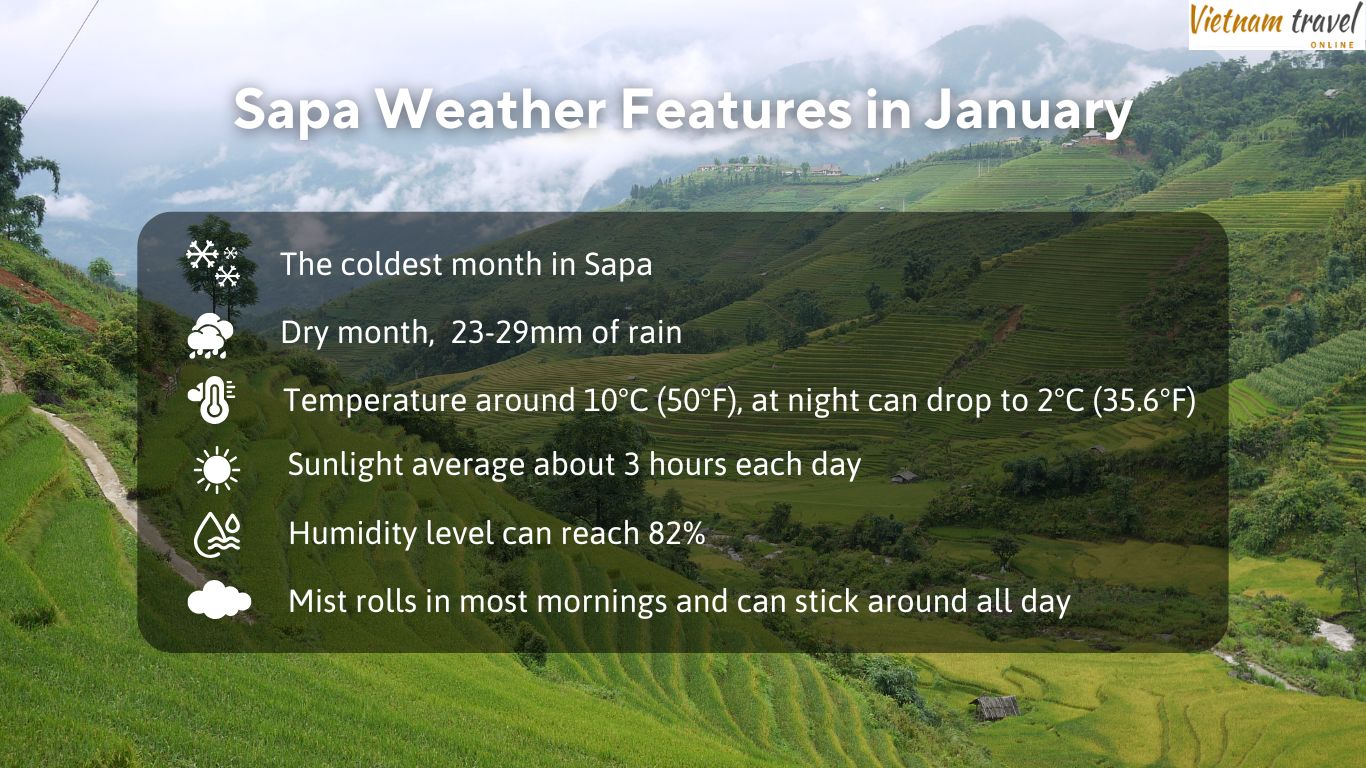
January is still part of Sapa’s winter, yet conditions are milder than in December. Daytime temperatures often range from 10–15°C, and nights feel colder, especially in higher villages. You may see mist in the morning, along with a dry, refreshing chill that makes trekking pleasant when you dress properly. Rainfall stays relatively low, so trails remain manageable.
The pre-Tet period brings a subtle sense of celebration. Villages prepare decorations, clean their homes, and stock ingredients for traditional dishes, giving your trip an extra layer of cultural interest.
Why January Is Special in Sapa
January gives you a version of Sapa that feels calm, refreshing, and quietly beautiful. The cool air clears the views, and the valleys remain covered in soft morning mist, creating a dreamy atmosphere. Although the terraces are not green, the mountains look peaceful and very photogenic in their winter colours. Some mornings bring a light layer of frost on the rooftops, and on rare days, you may even see snowfall on Fansipan. These moments make January feel unique and memorable.
The town is quieter, the trekking routes feel more relaxed, and village life moves at a gentle rhythm as families prepare for the upcoming Tet holiday. It is also the perfect time to enjoy warm Sapa comfort food, herbal baths, and long walks without the usual crowds. If you love calm scenery and a slow travel mood, January is one of the most rewarding months to visit Sapa.
Things to Do in Sapa in January
Trekking & Nature Walks
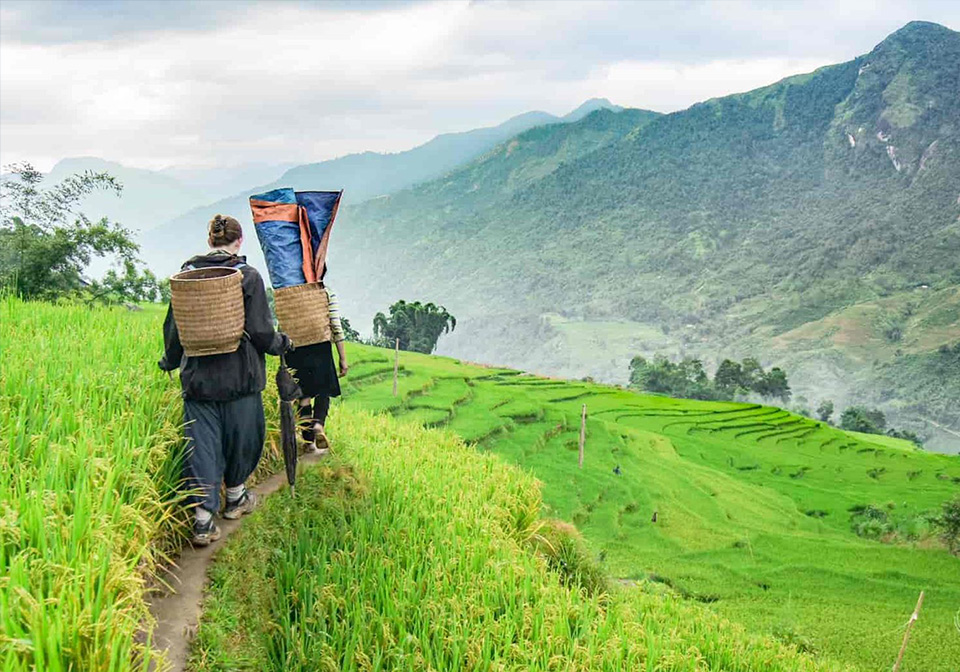
January is an excellent month for trekking because the cool air keeps you energised and the trails feel peaceful. You can follow well-known routes through ethnic villages, where the terraced fields stretch along the valley in soft winter colours. The mist adds a dreamy atmosphere, especially in the early morning when clouds sit low between the mountains. As you walk, you’ll pass wooden houses, small streams, and villagers preparing for the upcoming Tet holiday. Even simple paths feel magical when wrapped in winter fog, and you’ll have more time for photos without the peak-season crowds.
Fansipan Cable Car
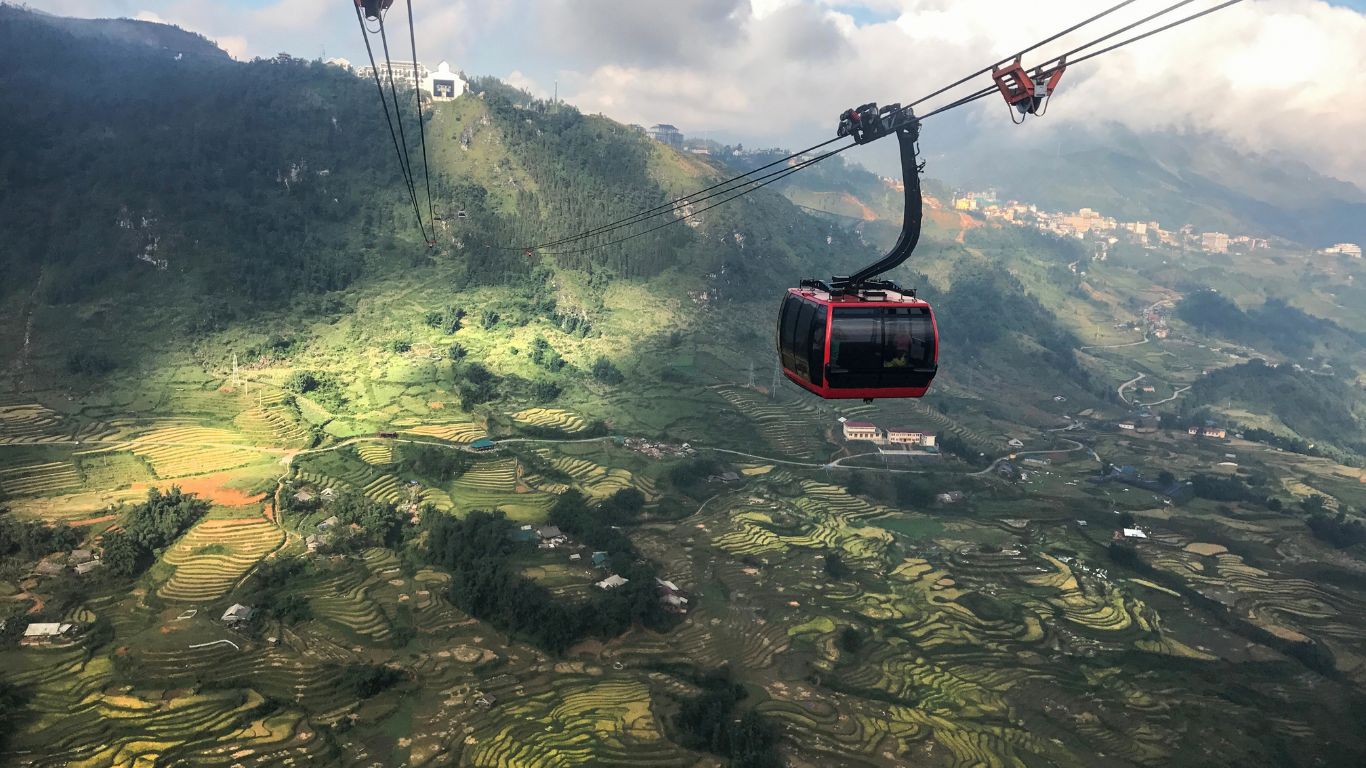
Reaching the “Roof of Indochina” is a highlight for many winter travellers. The Fansipan cable car takes you above thick clouds and across dramatic mountain ridges before reaching the 3,143-meter summit. In January, the peak can be frosty, with silver-white layers on the railings and pagodas, creating a rare winter scene in Vietnam. Visibility shifts from misty to clear within minutes, so every moment feels surprising. Because the temperature at the top can be much colder than in Sapa town, bring a warm jacket, gloves, and a hat for a comfortable visit.
Local Winter Comfort Food
January is the best time to enjoy Sapa’s warm and comforting dishes. Don’t miss:
-
Sapa salmon hotpot: rich broth, fresh vegetables, and thick fish slices perfect for cold days.
-
Grilled skewers: pork, mushrooms, eggplant, and bamboo sticky rice cooked over charcoal.
-
Roasted chestnuts: sold by local vendors, warm and lightly sweet.
-
Dao herbal baths: soothing wooden-tub baths that relax your muscles after long treks.
-
Corn wine: a local speciality that warms you instantly.
Village Experiences
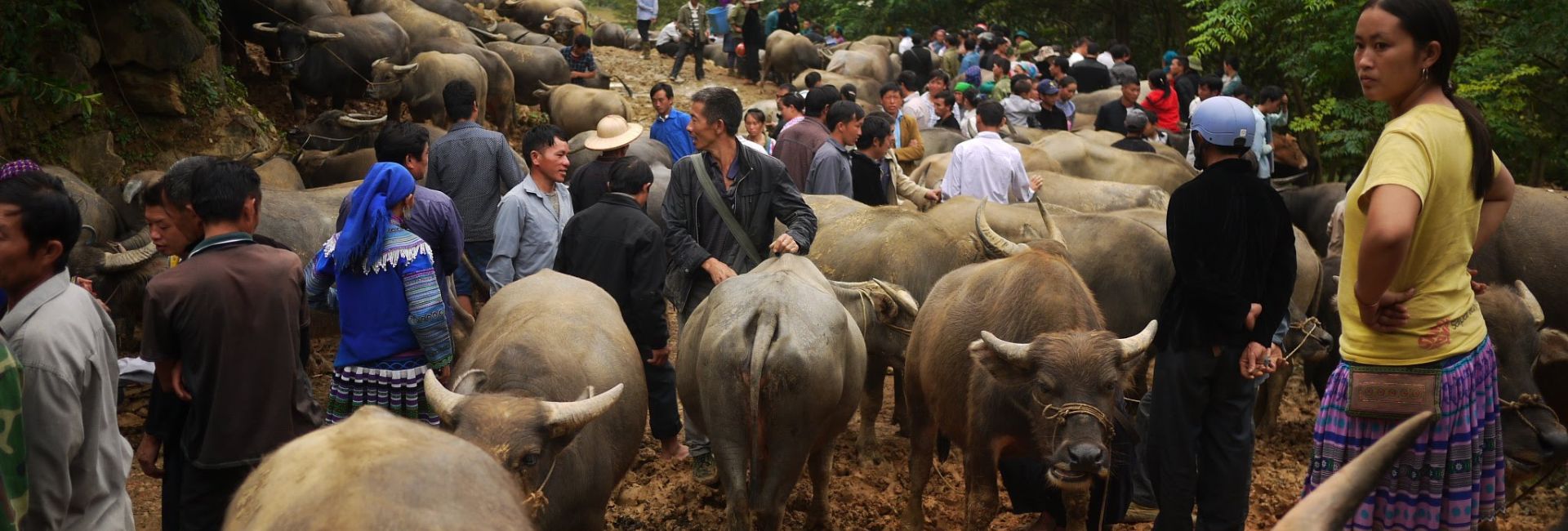
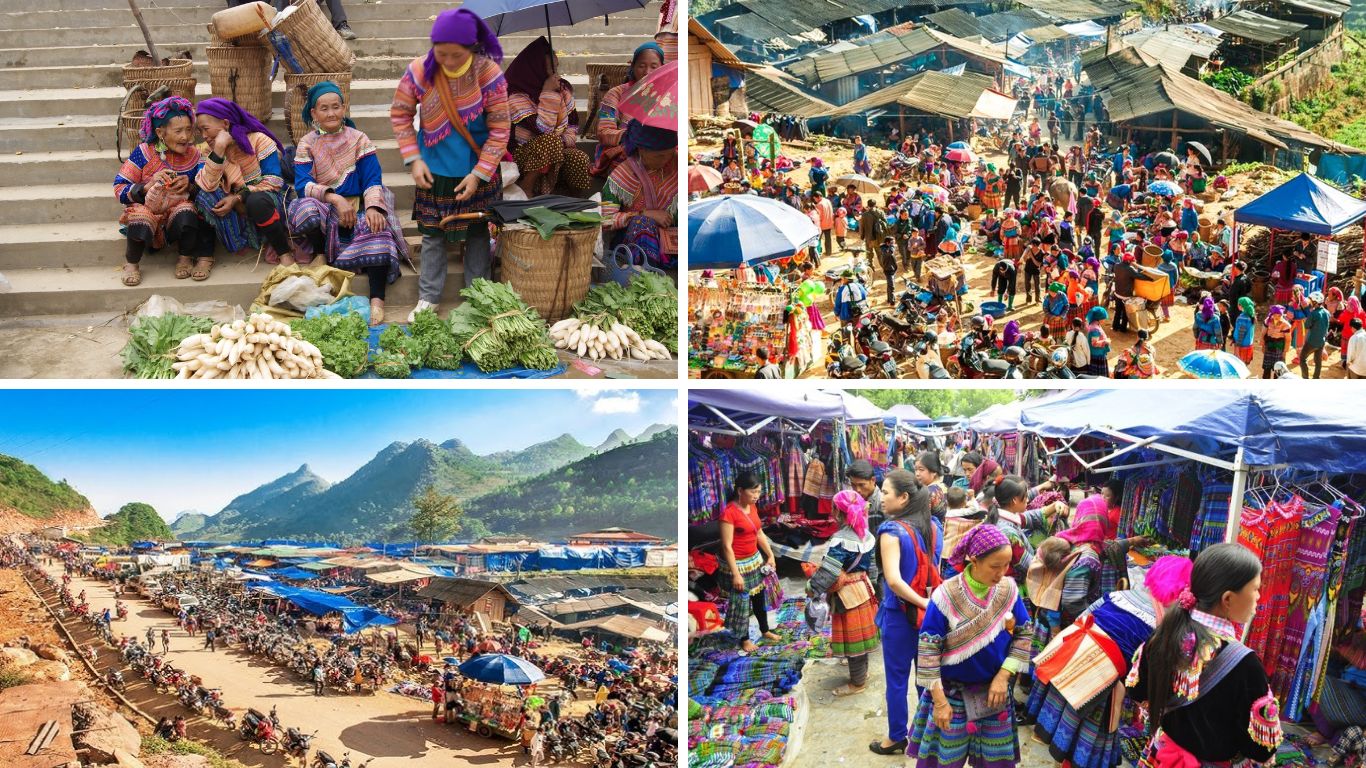
January offers a quiet time to connect with local ethnic communities such as the Black H’mong, Red Dao, and Tay. Tho Sapa villages like Ta Phin, Lao Chai, Ta Van, and Ban Den are calm, and families often stay indoors weaving brocade, preparing herbs, or cooking winter dishes. As Tet approaches, you may see people gathering firewood, cleaning their homes, or decorating with early peach blossoms. Visiting local markets, especially Sapa Market and Bac Ha Market, feels lively and authentic, with vendors selling warm clothing, spices, teas, and handcrafted winter accessories.
What Might Concern You for the January Trip
Is January suitable for families with children
Yes, January is suitable for families if you plan gently and choose light walks. The cool air keeps children comfortable during the day, and most easy trekking routes in Ta Van, Lao Chai, and Ta Phin offer simple paths. You should dress your child in warm layers and choose a hotel with heating so the nights stay cosy. Many families enjoy the Fansipan cable car because it is easy, scenic, and child-friendly.
Can older travellers enjoy Sapa in January
Older travellers can enjoy Sapa comfortably as long as they select mild activities. The cool weather feels refreshing, and the village walks can be adjusted to short distances. Private transfers help reduce the amount of walking in town and between attractions. Hotels with heating and good facilities make the stay more comfortable. Fansipan, central Sapa, and local markets are all accessible for seniors.
If you are planning your trip across different seasons, you may also enjoy our guide to Sapa in spring, where warmer days, blooming flowers, and greener terraces create a very different mountain experience.
Is trekking safe for people who do not hike often
Light trekking remains safe in January because the paths stay dry and clear. You can choose easy valley routes that take you through terraced fields without steep climbs. Your guide can adjust the pace, choose shorter segments, and avoid slippery sections. Many visitors who are not regular hikers find January very suitable.
What if the weather becomes too cold
If the temperature drops, you can switch to indoor or soft activities. You can enjoy Sapa museums, cooking classes, hotpot restaurants, cafes with mountain views, and relaxing herbal baths in Ta Phin. Fanipan remains possible because the cable car operates normally, although you should bring warm clothing.
What activities are best for small children or seniors
The best options for both groups include the Fansipan cable car, town walking tours, cultural visits in Ta Phin, and short valley walks. Local markets are fun for children because they can see colourful clothes, toys, and pets. Herbal baths and hot springs are more suitable for adults.
Suggested itineraries in January in Sapa
Local exploration in 3 days
Day 1: Hanoi – Sapa – Cat Cat
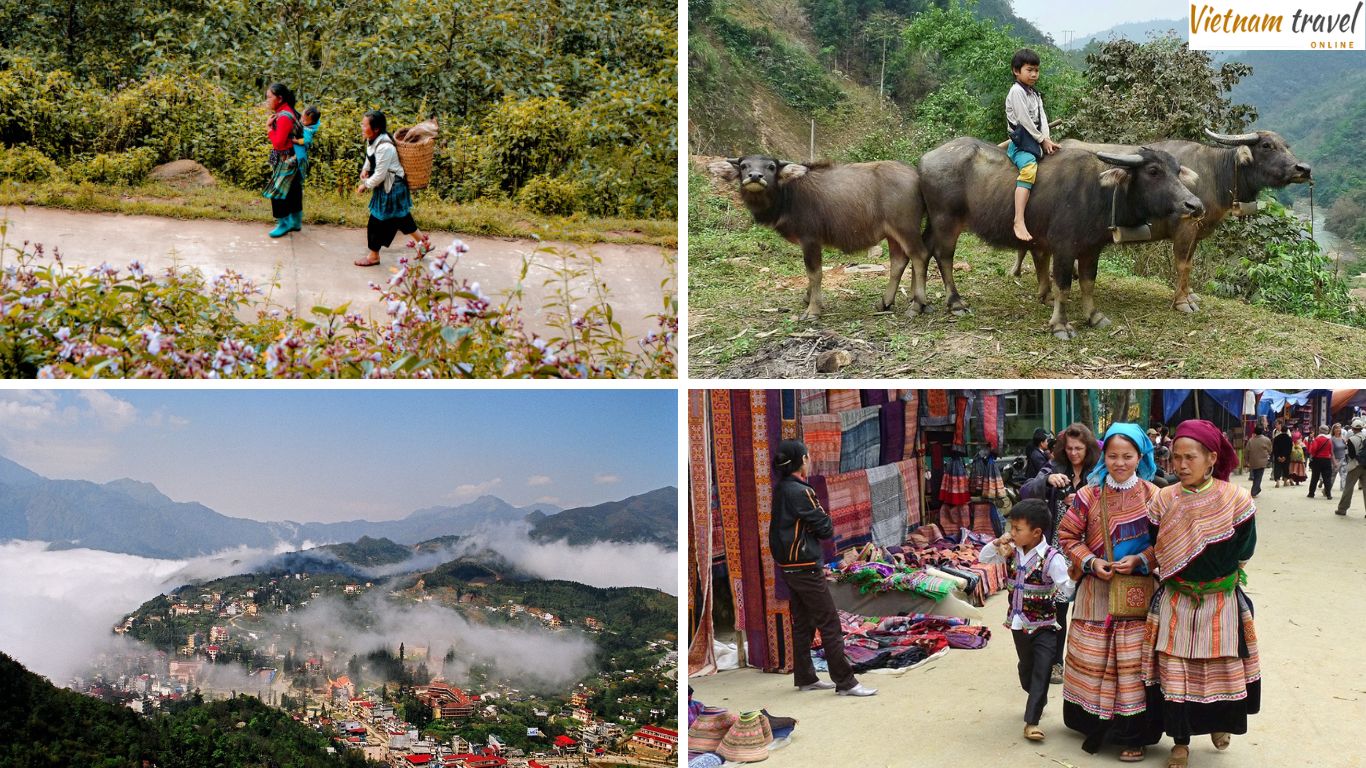
Start your morning in Hanoi and take the drive to Sapa. The road winds through mountains, with plenty of spots to take photos. You’ll reach Sapa by lunchtime and eat at a local restaurant. After checking into your hotel, walk to Cat Cat village, home of the Black Hmong people. Here you’ll see traditional houses and the beautiful Hoang Lien National Park. Your evening is free to walk around Sapa town and try local food.
Day 2: Lao Chai – Ta Van – Giang Ta Chai
Your second day takes you through three different ethnic villages. Start at Lao Chai, where you’ll see rice terraces covered in morning mist. Walk to Ta Van village to meet the Dzay people and see ancient rock carvings. Have lunch with a local family and learn about their daily life. In the afternoon, walk through a bamboo forest to reach Giang Ta Chai, where the Red Dao people live. Each village shows you different houses, clothes, and traditions.
Day 3: Sapa – Hanoi
Use your last morning to visit Sapa Market or sleep in. The market sells local crafts, clothes, and food – perfect for souvenirs. After checking out, head back to Hanoi.
💡 Travel with Us in Sapa.
After seeing this sample route, you may prefer a smoother trip with everything arranged in advance. We offer private services that include a comfortable car, chosen accommodation, and a local guide who adjusts each walk to your pace. It makes your Sapa journey easier and more personal.
If the Taste the Beauty of Sapa – 3 Days itinerary inspires you, contact us at Vietnam Travel Online. We can tailor a customised trip across Sapa, Vietnam, or even Indochina. Reach us at [email protected] or send us a message through the form to start planning.
Combine the best experience in Northern Charm Vietnam
January is the ideal month to visit Northern Vietnam since it has the best weather in the region. While Central and Southern Vietnam receive mild rain, the North greets you with cold, dry weather and beautiful skies.
An 8-day Northern Vietnam trip in January flawlessly captures the region’s features. You should spend 2-3 days experiencing Hanoi’s rich legacy, followed by two days in Sapa’s mountain towns, which are accessed by sleeper train. Next, spend a day seeing Ninh Binh’s spectacular limestone landscapes, followed by a memorable overnight cruise over Halong Bay’s magnificent seascape. For an overview of activities, an approximate cost, and some recommended hotels, see our proposed Northern Charm Discovery 8-day itinerary.
FAQs
Is Sapa cold in January?
Yes. Expect 5–12°C during the day and near freezing at night.
Does it snow in Sapa in January?
Snow is rare but possible on Fansipan and high passes. Frost is more common.
Can I trek safely?
Yes, but trails may be muddy. Wear good shoes.
Is January a good time for Fansipan?
Absolutely, the winter views and atmosphere are special.
Are villages open in January?
Yes, all villages remain open year-round.