

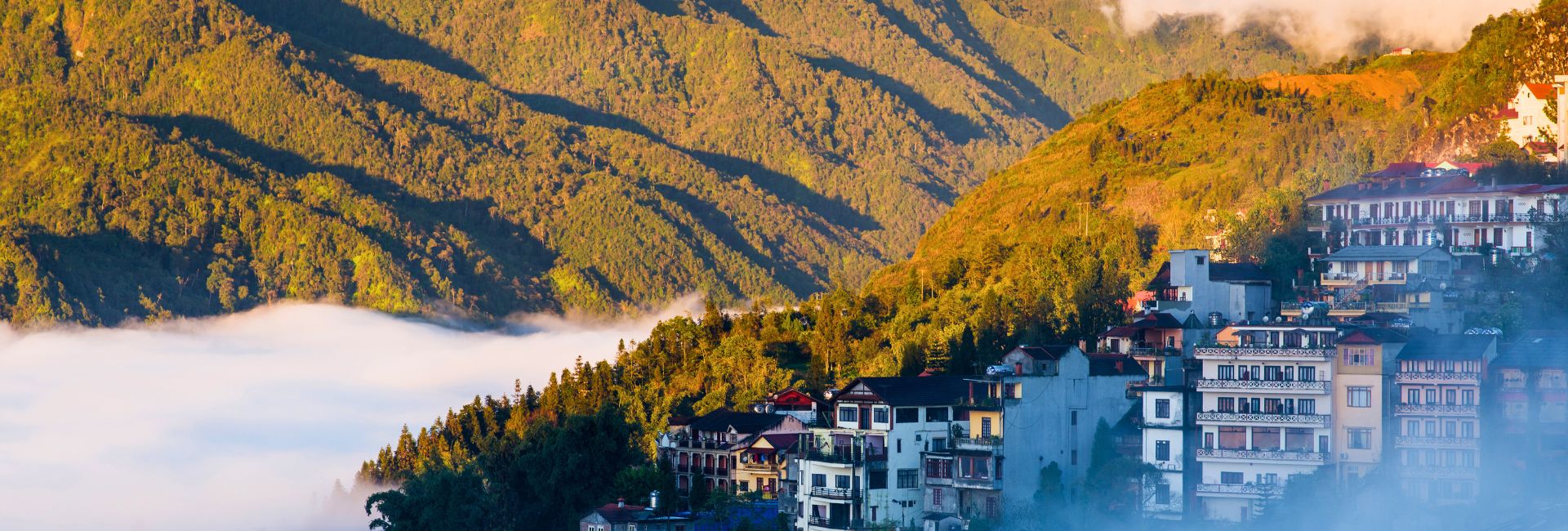
Travelers visiting Vietnam in April will find Sapa an excellent destination thanks to its mild weather and beautiful mountain scenery. Located in northern Vietnam, Sapa is famous for its terraced rice fields, ethnic minority cultures, and peaceful highland landscapes.
April is a special time to visit Sapa. The climate is comfortable, trekking is enjoyable, and the rice fields enter the water-pouring season, creating some of the most scenic views of the year. In this blog, we share essential information on weather, things to do, travel tips, and a suggested itinerary for exploring Sapa and Northwest Vietnam.
What you will find in this travel blog:
- Weather in Sapa, Vietnam in April
- So, is April a good time to visit Sapa?
- Things to do in Sapa in April
- Travel tips to visit Sapa in April
- Insightful Northwest Adventure including Sapa
- FAQs
Weather in Sapa, Vietnam in April
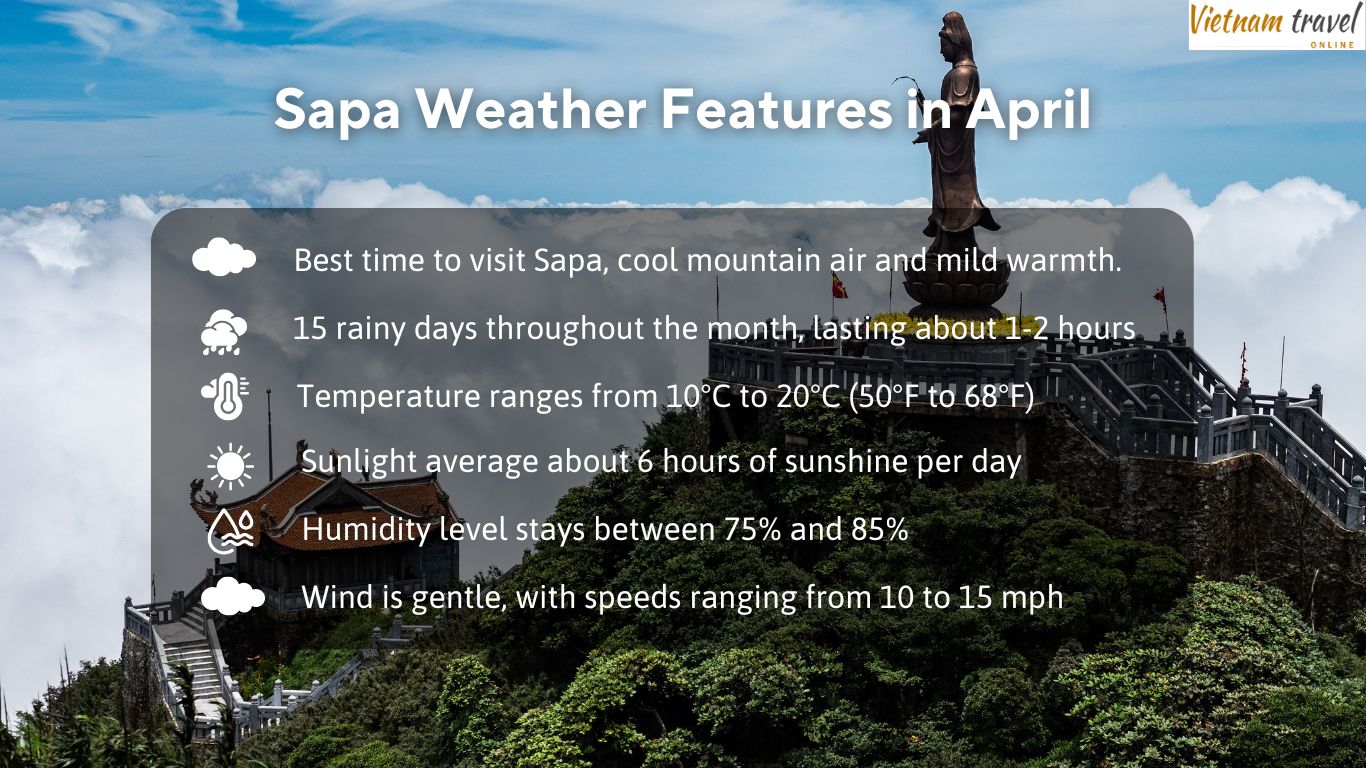
April is one of the most pleasant months to visit Sapa, with cool mountain air and gentle spring warmth. The weather supports sightseeing, trekking, and outdoor exploration without extreme heat or cold.
Temperature:
Daytime temperatures range from 15°C to 20°C, while early mornings and evenings can drop to around 10°C. The cool nights make sleeping comfortable, and daytime conditions remain ideal for walking and hiking.
Rainfall & humidity:
April marks the start of the rainy season, although showers are usually light and brief. Rain often falls in the late afternoon or evening and rarely disrupts travel plans. Humidity stays moderate, keeping the air fresh rather than sticky.
Sunshine & fog:
Sapa enjoys several hours of sunshine each day, especially in the mornings. Light fog appears early or late in the day, adding atmosphere without blocking views for long.
So, is April a good time to visit Sapa?
Yes, April is a great time to visit Sapa. The weather is pleasant, with a balance of sunshine, mild temperatures, and occasional light rain. Travelers can enjoy outdoor activities like trekking, exploring villages, and admiring the lush green fields. Packing a light raincoat and some warm clothing for the evenings ensures a comfortable trip.
Sapa’s weather in April offers a wonderful mix of cool and warm conditions, making it an excellent destination for nature lovers and adventure seekers. Whether walking through the misty mountains or enjoying the sunshine in the valleys, visitors can experience the best of Sapa’s natural beauty.
April is a wonderful time to visit Sapa, as the weather is mild, the landscapes are lush, and the local culture is vibrant. Located in the northern mountains of Vietnam, Sapa attracts visitors with its breathtaking scenery, diverse ethnic communities, and unique cultural experiences. Travelers visiting Vietnam in April will find Sapa an excellent destination to explore, thanks to the pleasant climate and stunning natural beauty.
>>> If you wanna find the best time to visit Sapa, then read this blog: Best time to visit Sapa & Highlights by Season
Things to do in Sapa in April
April is a transition month in Sapa, when spring ends and the farming season begins. Because of this, travelers experience scenery and activities that only appear briefly during the year.
The water-pouring season of the Sapa rice fields in April
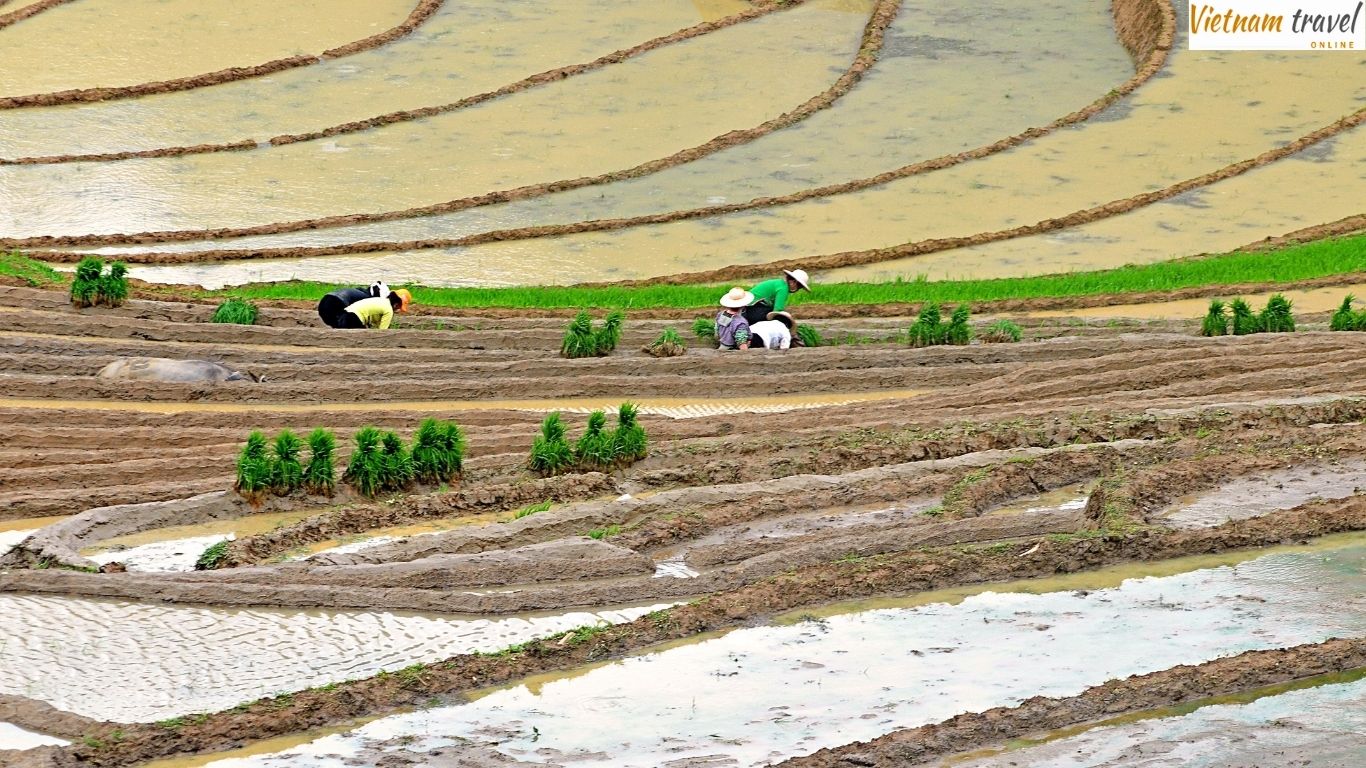
April marks the beginning of the water-pouring season, a short period when ethnic farmers guide water from mountain streams into the terraced fields before rice planting. Instead of green or golden rice, the terraces become reflective surfaces that mirror clouds, sky, and surrounding mountains.
This seasonal change is most visible in Muong Hoa Valley, Lao Chai, and Ta Van. Early mornings and late afternoons offer the best light, creating layered reflections that make April one of the most photogenic months in Sapa.
Charm of the water-pouring season of Sapa rice fields in April
Explore the peak of Fansipan Mountain
Fansipan, the highest mountain in Vietnam, is a must-visit attraction. April provides ideal weather conditions for reaching the summit, whether by trekking or taking the cable car. The view from the top is breathtaking, with clear blue skies and a panoramic view of Sapa’s stunning landscapes.
Sapa trekking
April offers some of the best trekking weather of the year. Temperatures are cool and stable, trails remain mostly dry, and visibility is better than in the rainy summer months. This allows travelers to enjoy longer walks without fatigue or slippery paths.
Popular routes such as Lao Chai – Ta Van, Muong Hoa Valley, and Cat Cat Village feel especially pleasant in April, with fresh greenery beginning to return after winter.
>>> May this blog be helpful for you: Sapa Trekking Guide: All you need to know before coming
Experience Local Life During an Active Farming Season
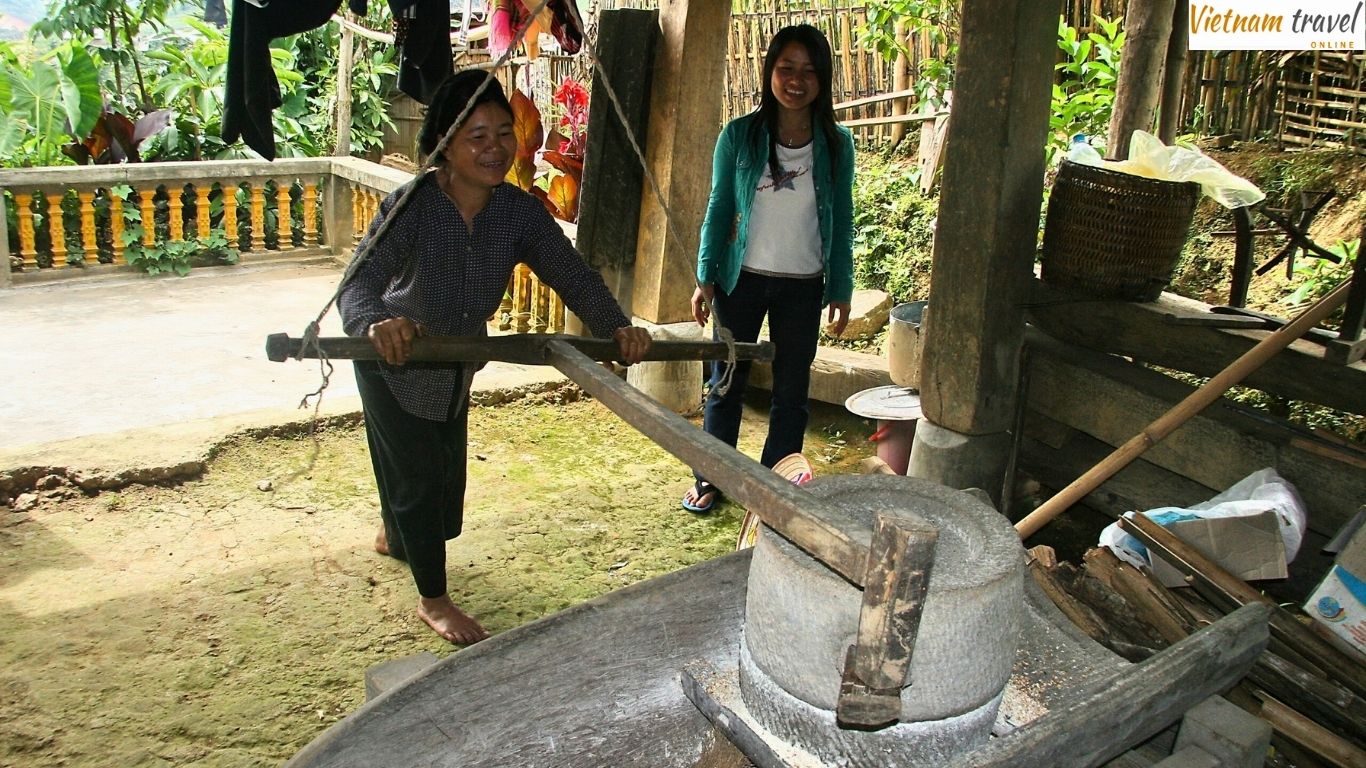
April is a busy working month in Sapa’s villages, making it one of the best times to observe authentic highland life. Farmers repair terrace walls, prepare the soil, and guide buffalo into the fields as they get ready for the new rice crop. Daily activities happen naturally, not staged for visitors.
Staying in villages such as Ta Van or Ban Ho allows travelers to witness these seasonal routines up close. Homestays offer insight into traditional farming practices and a deeper understanding of how local communities live in harmony with the land.
>>> Find more about Sapa village: How to choose the right Sapa village for your travel style?
Enjoy Clearer Mountain Views Before the Summer Rains
Compared to May and June, April still enjoys clearer mornings and better visibility. Viewpoints such as O Quy Ho Pass and Ham Rong Mountain often offer wide views of the Hoang Lien Son range, with light mist drifting through valleys rather than heavy fog.
This mix of sunshine and soft cloud creates Sapa’s classic mountain atmosphere, ideal for sightseeing and photography.
Feel the Calm Before Peak Travel Season
April comes just before Sapa’s busy summer period. The town feels lively but not overcrowded, especially on trekking routes and in ethnic villages. Cafés, viewpoints, and walking trails remain enjoyable without long waits.
For travelers who prefer a relaxed pace and quieter experiences, April offers an excellent balance between activity and tranquility.
Explore Sapa’s Local Markets
Local markets are particularly lively in April, reflecting the rhythm of village life. Sapa Market, Bac Ha Market, and Can Cau Market offer fresh produce, handmade textiles, and traditional herbal medicines.
These markets are also social gathering places, where different ethnic groups trade goods and meet, giving visitors a colorful glimpse into local culture.
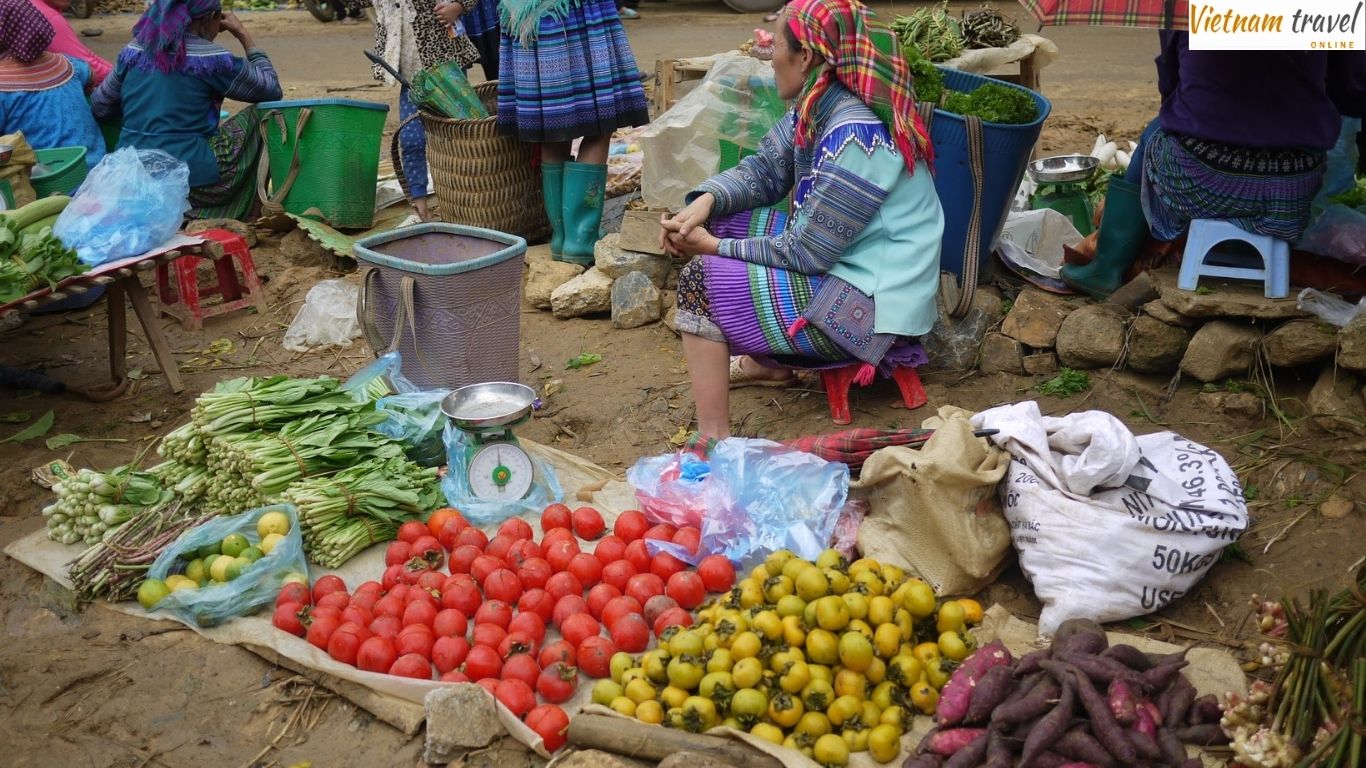
Enjoy local dishes
Cool evenings in April make Sapa’s hearty dishes especially enjoyable. Some local favorites include:
-
Thang Co – a traditional Hmong dish, slow-cooked with local spices
-
Salmon hotpot – fresh mountain salmon served with herbs and vegetables
-
Grilled meats – marinated skewers cooked over charcoal
-
Bamboo sticky rice (Com Lam) – fragrant rice cooked inside bamboo
-
Black chicken – a local specialty known for its rich flavor
Travel tips to visit Sapa in April
-
Dress in layers: Light clothing for daytime and warmer layers for cool evenings
-
Prepare for light rain: Bring a raincoat and sturdy walking shoes
-
Use insect repellent: Especially useful in villages and rice fields
-
Book early: April is popular, so accommodation and transport fill quickly
-
Buy local souvenirs: Brocade fabrics, silver jewelry, and herbal products support local communities
Insightful Northwest Adventure including Sapa
Escape the hustle and bustle of Hanoi and hop on a captivating journey through the breathtaking landscapes of Northwest Vietnam. This 7-day tour of Northwest Vietnam takes you through some of the most stunning regions in the country. You will drive along the famous Ma Pi Leng Pass, marvel at the intricate rice terraces of Hoang Su Phi, and connect with hill tribe communities.
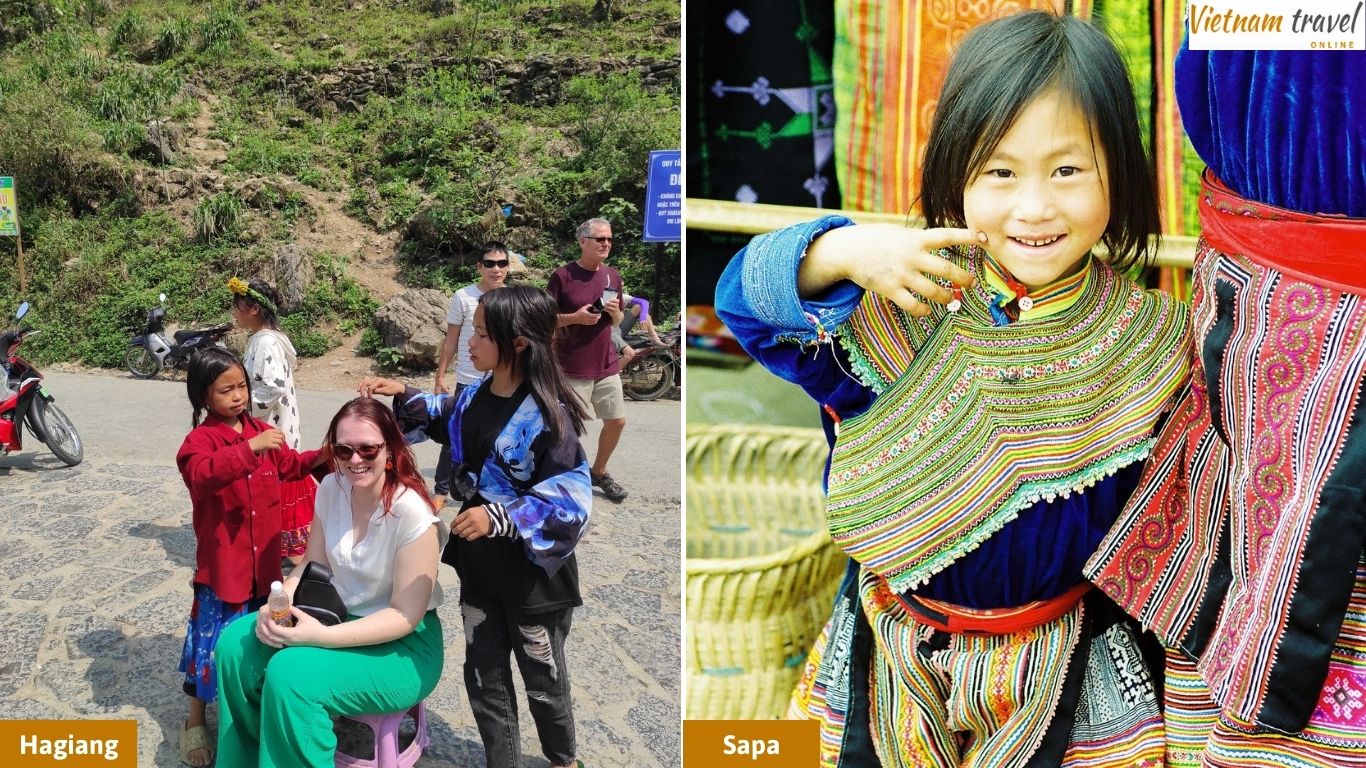
From Ha Giang to Sapa
Arrive at Noi Bai International Airport and transfer to a downtown hotel. The day is kept light to recover from the flight, with an optional evening walk in the Old Quarter to ease into Vietnam’s rhythm before heading north.
Day 1: Hanoi – Ha Giang | Gateway to Remote Northern Vietnam
Depart early for Ha Giang, where landscapes gradually shift from lowland countryside to rugged mountains. This long but scenic drive sets the tone for the journey, introducing quieter roads and less-visited regions. Evening at leisure to explore local life and regional cuisine.
Day 2: Ha Giang – Quan Ba – Dong Van | Limestone Peaks and Living Traditions
Travel through Quan Ba and its iconic Twin Mountains, then continue to Dong Van across dramatic limestone terrain. Stops at ethnic villages reveal daily life shaped by the mountains. Overnight in Dong Van allows time to experience the town’s calm atmosphere after day-trippers leave.
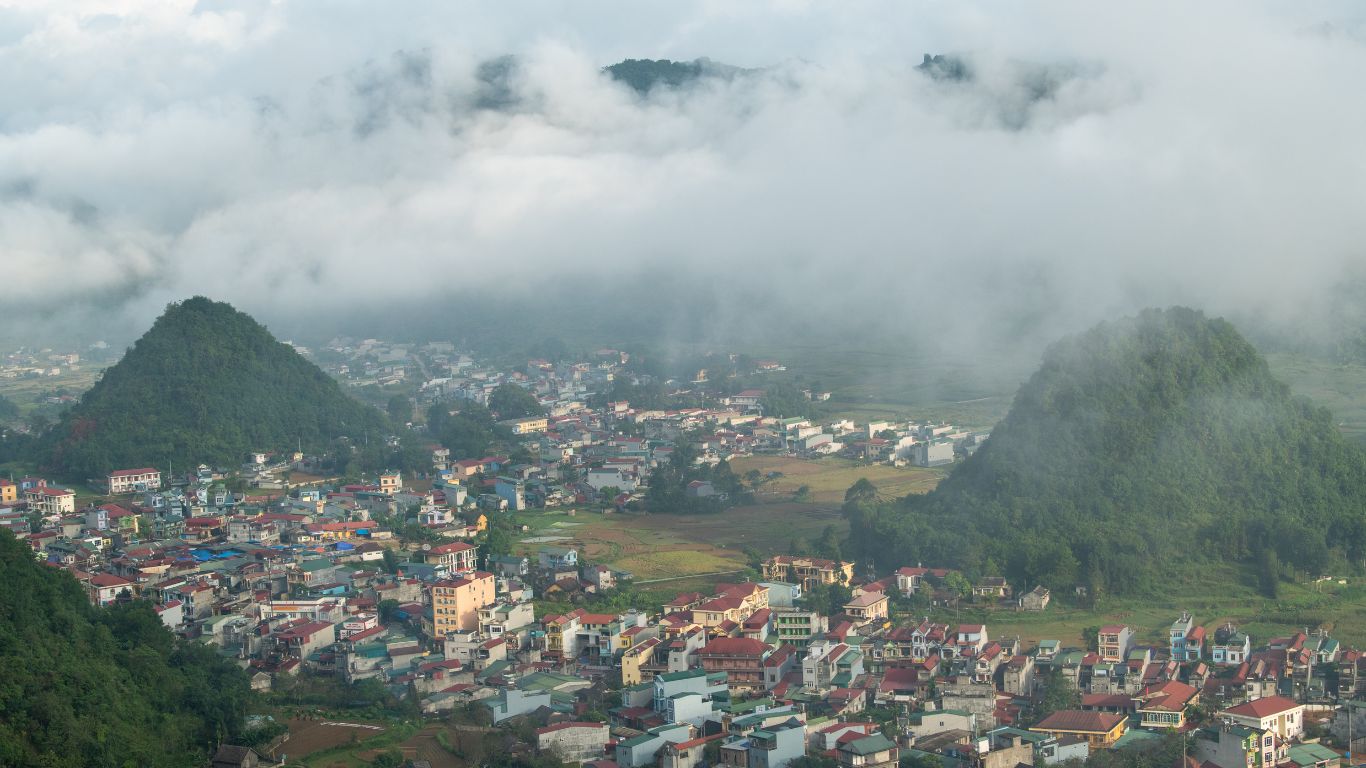
Day 3: Dong Van – Meo Vac – Quan Ba | One of Vietnam’s Most Scenic Roads
Drive the legendary mountain road connecting Dong Van and Meo Vac. Deep valleys, winding passes, and panoramic viewpoints dominate the day. Short stops focus on scenery rather than crowds, before returning to the peaceful setting of Quan Ba for the night.
Day 4: Quan Ba – Hoang Su Phi | Into the Heart of Terrace Farming Culture
Leave the main route and enter Hoang Su Phi, a remote area known for its layered rice terraces and farming life. Walk through villages, meet local farmers, and learn how agriculture shapes daily routines. Overnight in Hoang Su Phi offers a rare sense of quiet and connection.
Day 5: Hoang Su Phi – Bac Ha | Colorful Culture and Market Life
Travel to Bac Ha, where ethnic diversity becomes more visible through traditional clothing and local trade. Time is set aside to explore the town and, when possible, visit the famous market for handicrafts, fresh produce, and cultural interaction.
Day 6: Bac Ha – Lao Cai – Sapa | Comfort Meets Highland Culture
Descend to Lao Cai before heading uphill to Sapa. The change in atmosphere is noticeable, with cooler air, wider views, and more developed facilities. The evening is ideal for relaxed walks, cafés, and local dining.
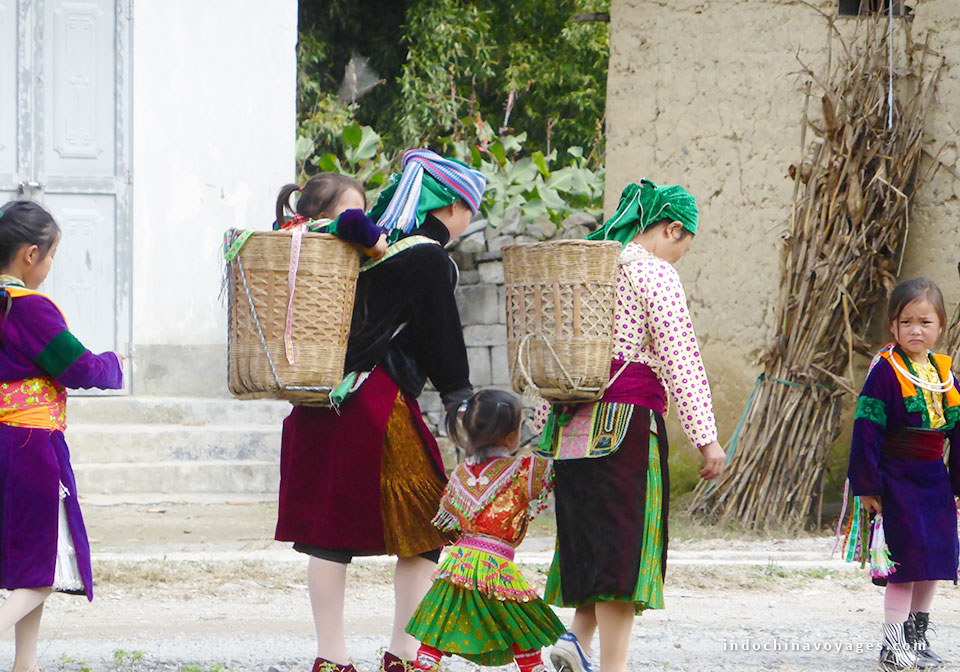
Day 7: Lao Chai – Ta Van – Return to Hanoi | A Gentle Cultural Finale
Visit Lao Chai and Ta Van villages, walking through rice terraces and traditional homes. These final encounters offer a softer, more intimate view of ethnic life before returning to Lao Cai and continuing back to Hanoi.
Besides this sample, Vietnam Travels Online also creates customized Vietnam journeys based on your travel style, pace, and interests. Private services such as transportation, local guides, and accommodation are available to ensure a smooth and personal travel experience. Email us at vietnam@indochinavoyages.com or fill in this form.
FAQs
Is it worth visiting Sapa in April?
Yes. April combines mild weather, active village life, and beautiful seasonal landscapes, making it ideal for cultural exploration and light trekking.
Is Sapa always foggy?
Morning mist is common, but April often offers clearer mornings than winter months, especially at viewpoints.
Is Sapa too touristy?
While Sapa town is popular, April feels balanced. Villages and trekking routes remain peaceful and authentic.