

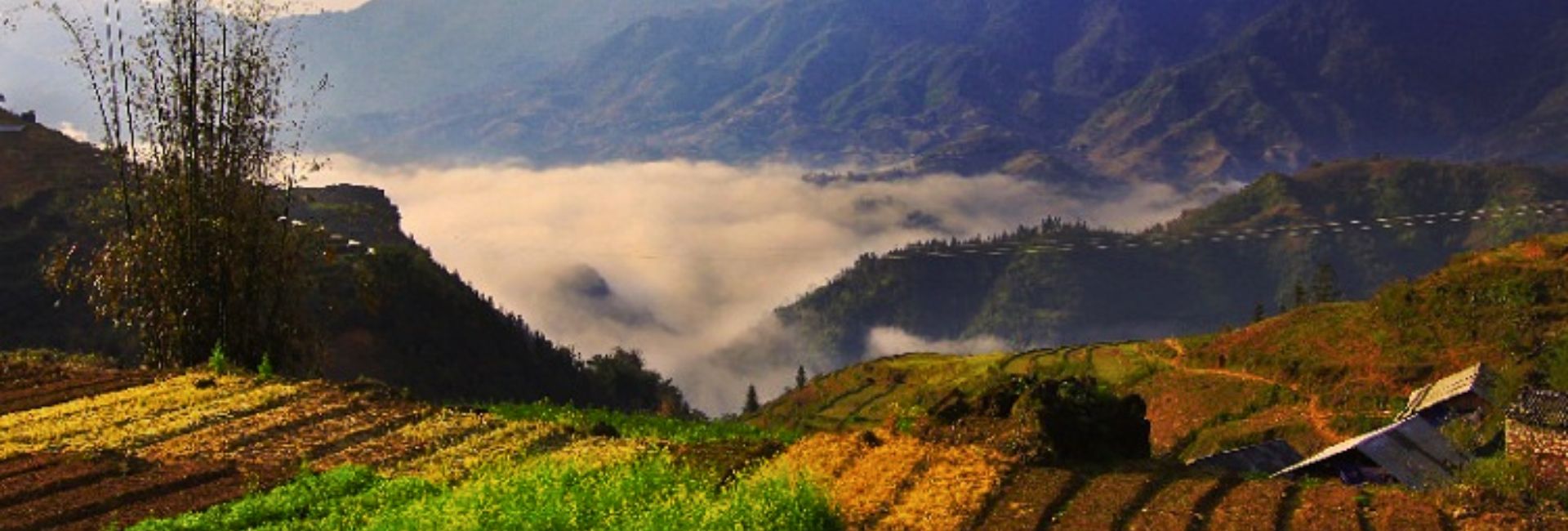
When winter slowly fades in northern Vietnam, Sapa in March enters a calm transition period. This is not the most dramatic month, yet it is one of the most balanced. The weather becomes easier. Nature begins to wake up. Tourist crowds remain manageable. As a result, the experience feels relaxed and genuine.
Rather than bright rice fields or major festivals, Sapa during March offers comfort and quiet beauty. It suits travelers who prefer mild weather, soft mountain scenery, and a slower pace. For many, this is when Sapa feels most honest.
What you will find in this blog:
- What is the weather like in Sapa in March?
- How Sapa looks in March
- Best things to do when visiting Sapa in March
- Insider tips to visit Sapa in March
- Suggested 3-Day Itinerary to Experience Sapa in March
- FAQs
What is the weather like in Sapa in March?
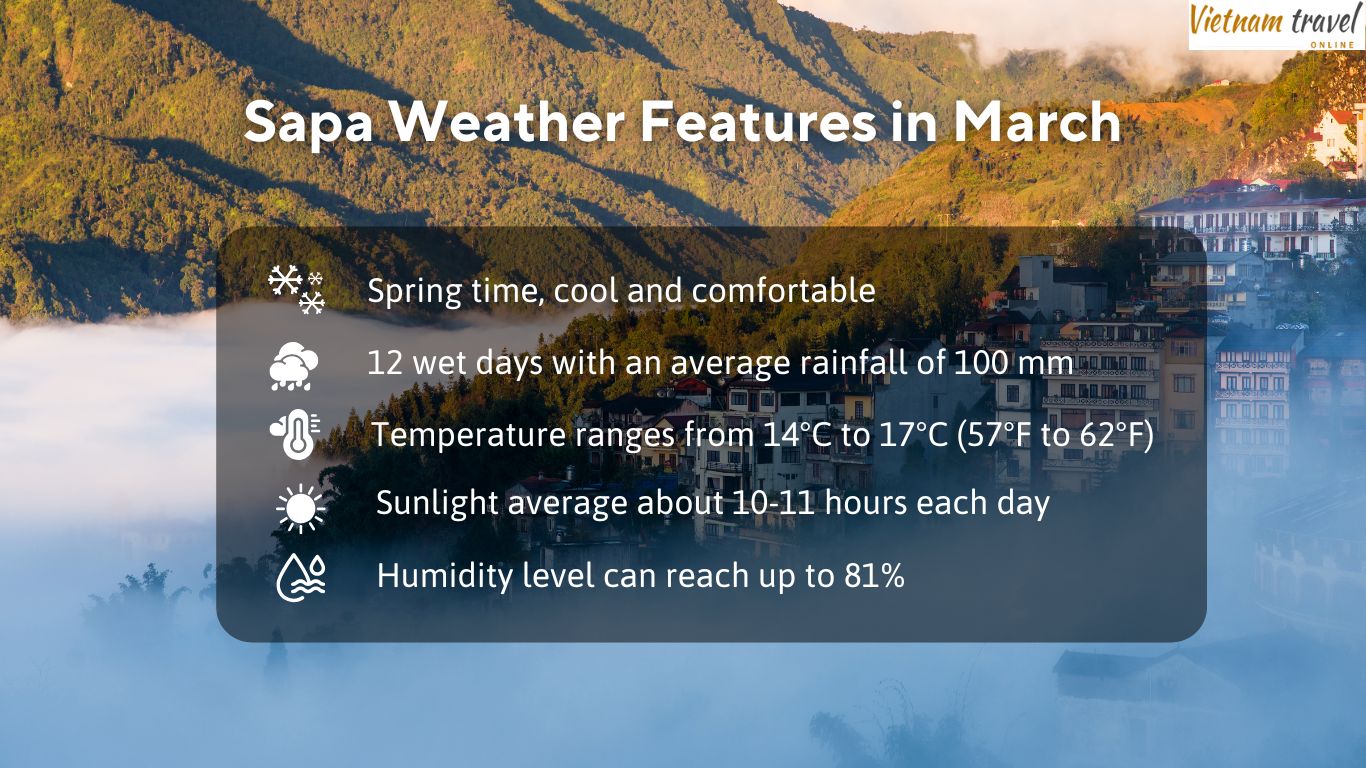
One of the biggest advantages of Sapa in March is the weather. Daytime temperatures usually stay between 14°C and 17°C, which feels cool and comfortable for walking and sightseeing. In the evening, temperatures drop to around 8–10°C, especially in higher areas.
Rainfall starts to increase as spring approaches. On average, Sapa has around 12 rainy days in March. However, showers are often light and short. Because of this, they rarely disrupt travel plans.
Daylight lasts about 10 to 11 hours per day. In addition, Sapa receives 6 to 7 hours of sunshine, which often clears the early-morning mist by late morning. Overall, March offers stable conditions for outdoor activities.
>>> If you want to find the best time to visit Sapa, read this blog: Best time to visit Sapa & Highlights by Season
How Sapa looks in March
Scenery and atmosphere
March is a transition month, and the landscape reflects this change. The mountains do not look lush yet, but they no longer feel dry or bare. Trees begin to regain leaves. Hillsides turn light green. Valleys feel fresh rather than empty.
Morning mist often appears, especially in valleys and lower slopes. Instead of blocking views, this mist creates soft layers across the mountains. For photographers and slow travelers, this atmosphere feels calm and natural.
Rice fields in March: water season begins
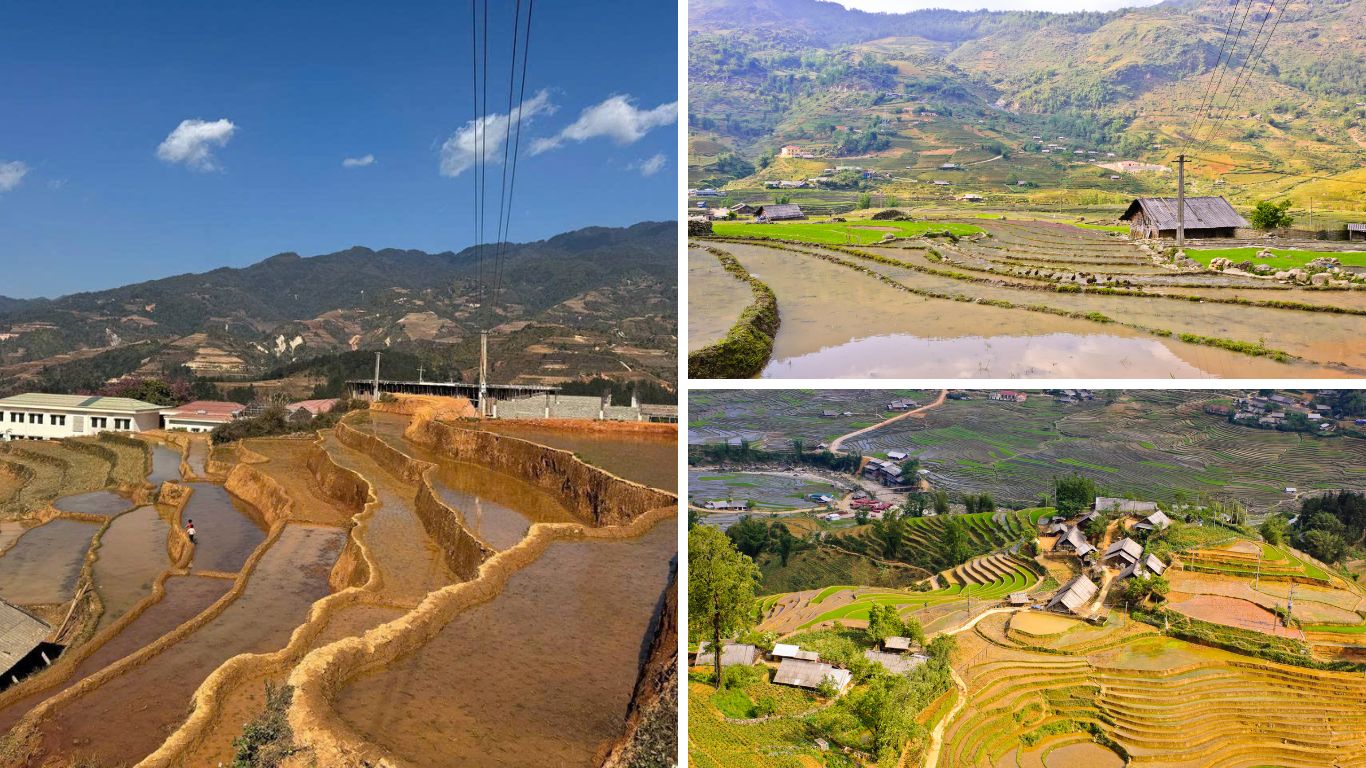
Rice fields in Sapa in March are not green yet. However, they are far from inactive. This month marks the beginning of water preparation for the next farming season. Farmers guide water into the terraces, repair edges, and prepare soil for planting. As a result, many fields look reflective, especially after rain or early in the morning. You can clearly observe daily farming life, rather than staged scenery.
This stage appeals to travelers who want to understand how rice cultivation actually works in the highlands.
Festivals and local life in March
March does not feature large tourism festivals in Sapa. However, local ethnic communities continue small-scale cultural activities.
Some H’mong and Dao villages hold family gatherings, seasonal rituals, or farming-related ceremonies. These events are not scheduled performances. They happen naturally within the community. If you travel with a local guide, you may have the chance to observe them respectfully. Because of this, cultural experiences in March feel quiet and sincere rather than commercial.
Tourist crowds in Sapa in March
Tourism in Sapa in March remains moderate.
- Quieter than April and May
- Much calmer than the summer months
- Slightly livelier than January and February
Weekends attract more domestic travelers, while weekdays stay relaxed. Trekking routes and villages feel open, not crowded. For many visitors, this balance is ideal.
Best things to do when visiting Sapa in March
Explore Sapa’s local markets
Local markets feel calmer in March. Vendors sell vegetables, forest herbs, handmade textiles, and daily goods. Because tourism is lighter, interactions feel more relaxed and natural.
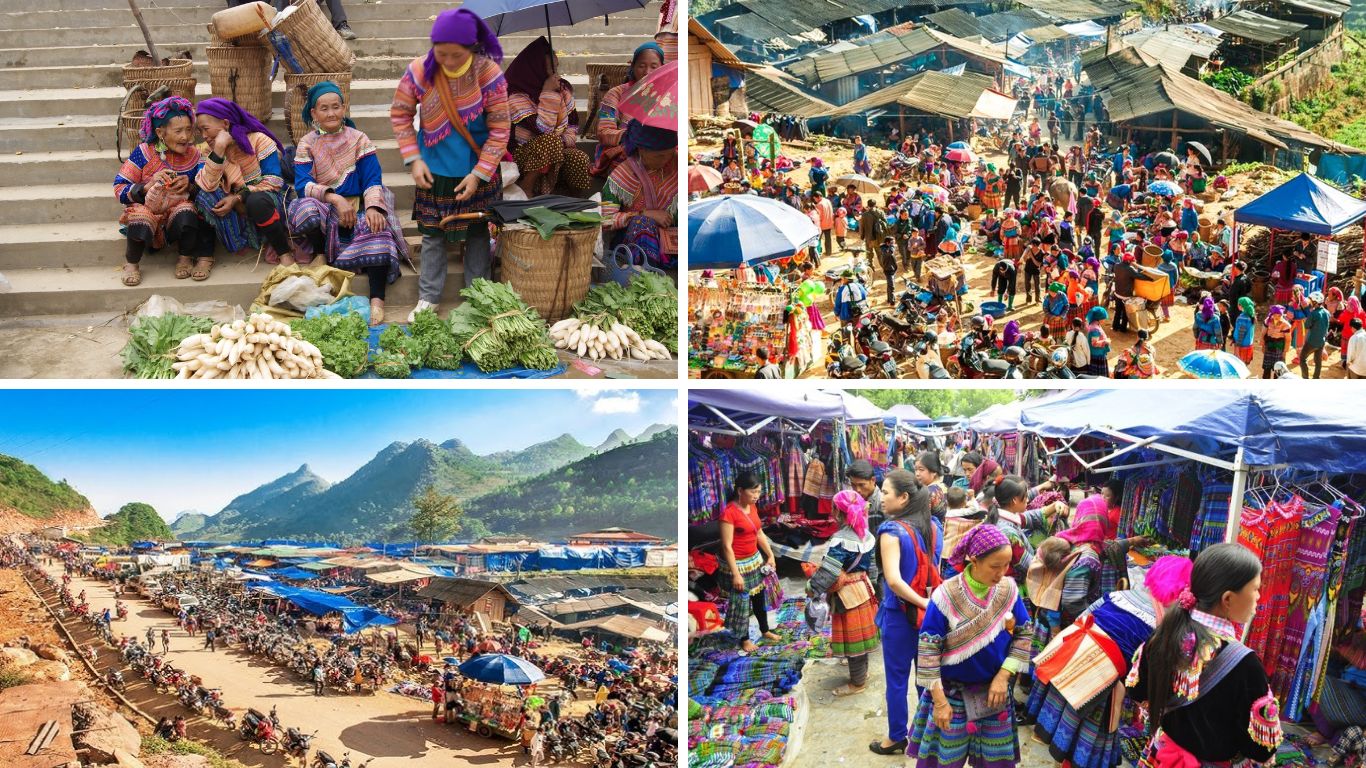
Both Sapa Market and Bac Ha Market offer a close look at highland life. You can chat with ethnic minority sellers, taste simple local dishes, and observe everyday exchanges at an easy pace.
>>> Check out this blog for more information about Sapa markets: Sapa Markets – A unique cultural feature of the Vietnam ethnic minorities
Sapa trekking
March is well-suited for light to moderate trekking in Sapa. The weather stays cool, and visibility is often good during the day. Trails remain firm and comfortable before heavier rains arrive later in the season.
Trekking routes around Muong Hoa Valley allow you to enjoy wide mountain views while passing through local villages. Along the way, you can see farmers preparing the rice terraces, guiding water into the fields, and beginning the work for the new growing season.
Visit ethnic minority villages
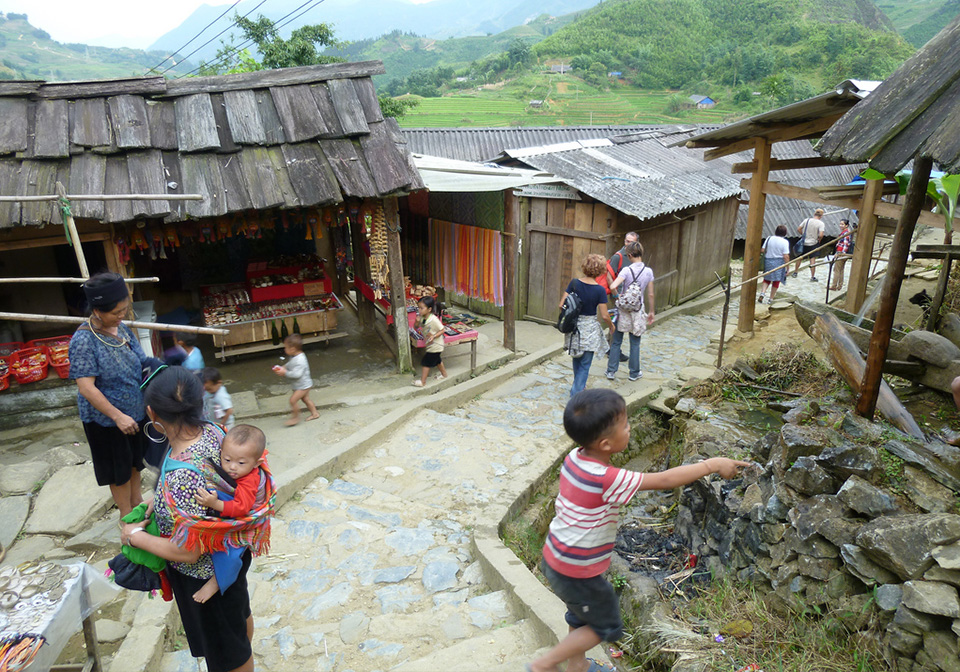
Village visits in Sapa feel personal and unhurried. Daily life continues at a natural pace, without pressure from large tour groups. This makes it easier to notice small details, from morning cooking fires to quiet work in the fields.

Villages such as Cat Cat, Lao Chai, and Ta Van each show a different side of highland life. You can see traditional wooden houses, water wheels, and hand tools used for farming. Walking through the villages, you may pass weaving looms, grazing buffalo, and families preparing for the new planting season, all while enjoying relaxed conversations with local residents.
>>> Maybe you want to read more: How to choose the right Sapa village for your travel style?
Blooming pear blossoms
Spring brings one of Sapa’s most gentle scenes. From late February through March, pear trees bloom across villages and lower mountain slopes. White and pale pink flowers line footpaths, dot home gardens, and soften the rugged landscape. These blossoms appear before the rice turns green, adding quiet beauty to walks and village visits. For photographers, the contrast between flowers, wooden houses, and misty hills is especially appealing.
>>>Fully understand Sapa during Spring, read this blog: Sapa in Spring: Is It Worth a Visit?
Cloud hunting
Insider tips to visit Sapa in March
- Pack layered clothing for cool mornings and evenings
- Bring waterproof shoes for village paths
- Carry a light rain jacket or poncho
- Start outdoor activities early for clearer views
- Bring small cash for markets and villages
- Ask before photographing local people
- Consider a local guide for cultural insight
- Book accommodation early on weekends
- Protect cameras from moisture and mist
Suggested 3-Day Itinerary to Experience Sapa in March
This 3-day journey is ideal for travelers visiting Sapa in March, when the weather feels comfortable, and the region returns to a gentle rhythm after winter. The pace is relaxed, and each day reflects what Sapa is truly like during this transition month.
Day 1: Hanoi – Sapa – Cat Cat Village
After leaving Hanoi, the scenery gradually changes from lowland towns to misty mountains. Upon arrival in Sapa, the cooler air and quiet atmosphere set the tone for early spring in the highlands.
In the afternoon, a walk to Cat Cat Village offers a gentle introduction to local life. In March, village paths remain comfortable, and waterfalls carry steady water from winter rains. The rice fields are not green yet, but the surrounding landscape feels fresh and calm. This is also a good time to observe daily activities without heavy tourist traffic.
The evening is best spent resting or enjoying a quiet walk around Sapa town.
Day 2: Lao Chai – Ta Van – Giang Ta Chai
This is the most rewarding day for travelers who want to understand Sapa in March beyond the scenery.
Walking through Lao Chai and Ta Van, you pass terraced rice fields in their water-preparation stage. Farmers repair field edges and guide water into the terraces. Because planting has not started, the fields reflect the sky and clouds, creating soft and peaceful views.
In March, villages feel active but unhurried. Lunch in a Dzay family home often feels more personal, as locals are not overwhelmed by peak-season tourism. Continuing toward Giang Ta Chai, bamboo forests and mountain paths highlight the quiet beauty of early spring.
This day shows the working side of Sapa, not just its postcard image.
Day 3: Sapa Town – Local Market – Return to Hanoi
The final morning is slower and more flexible. You can explore Sapa Market, where locals sell vegetables, forest herbs, and handmade goods. In March, the market reflects daily life rather than tourism demand.
Afterward, the journey back to Hanoi completes the experience. The contrast between calm mountains and busy city life becomes clear, making Sapa’s early spring atmosphere even more memorable.
More Nature-Focused Vietnam Journeys Beyond Sapa
Beyond a 3-day stay in Sapa, many travelers choose longer Vietnam journeys that connect the northern highlands with other scenic regions. These routes often link Sapa with Ha Giang for dramatic mountain passes, or with Ninh Binh and Pu Luong for gentler rural landscapes. Some itineraries also balance the mountains with Ha Long Bay, while others extend to Dien Bien for a more remote and historical perspective.
Several sample Vietnam journeys reflect these ideas, including the Northeast Vietnam Explorer 7 Days, Spectacular Northwest Journey 7 Days, and Northern Vietnam Highlights 6 Days. Alongside these options, Vietnam Travels Online also creates customized Vietnam journeys based on your travel style, pace, and interests. Private services such as transportation, local guides, and accommodation are available to ensure a smooth and personal travel experience. Email us at [email protected] or fill in this form.
FAQs
Is Sapa worth visiting in March?
Yes. March offers cool weather, longer daylight, and a fresh spring atmosphere. Villages become lively again, and the mountains feel calm and open. It is a great month for walking, light trekking, and photography.
Is Sapa always foggy?
No. Mist usually appears early in the morning or late in the day. By mid-morning, views often open up. The fog adds mood to valleys and terraces rather than blocking scenery.
What do the rice fields look like in March?
March is the water-pouring season. The terraces are flooded and reflective, not green yet. This creates soft, mirror-like landscapes that many travelers enjoy.
Is Sapa crowded in March?
March is a shoulder season. It is busier than winter but quieter than late spring and summer. Sapa town can be lively on weekends, while villages stay peaceful.