

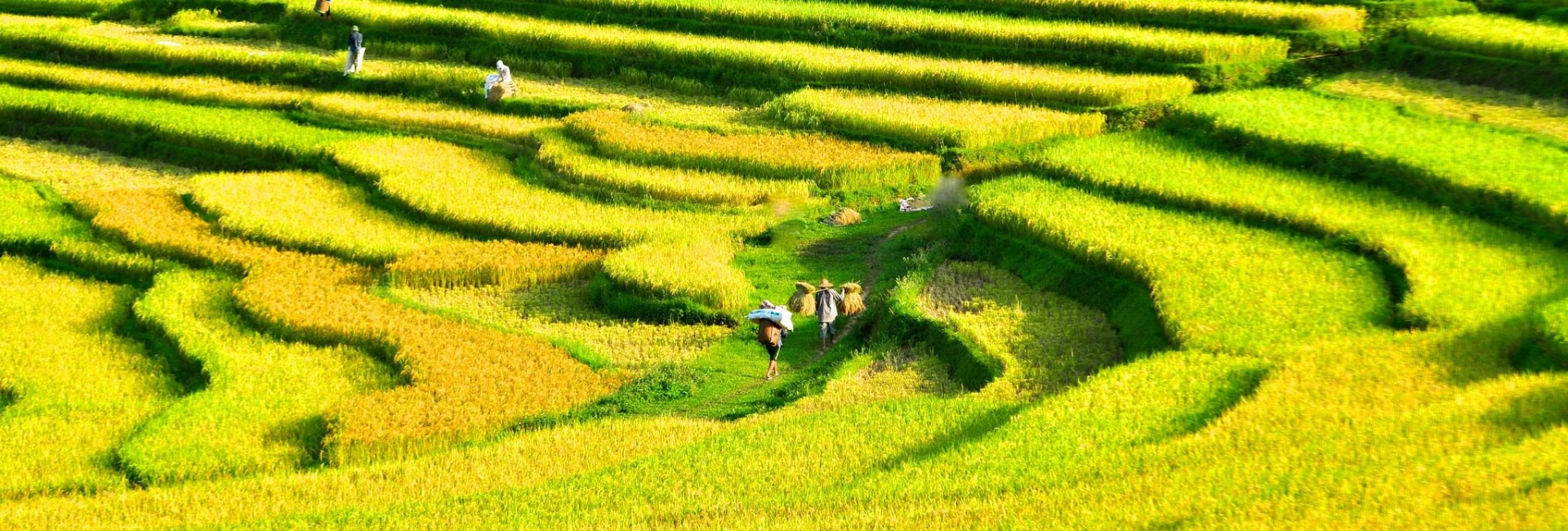
September brings a quiet shift to Sapa. The summer heat fades, morning mist settles over the mountains, and the rice terraces slowly turn from green to gold. It feels like a season in transition, and one worth planning around carefully.
So is Sapa in September actually worth the trip? For travelers drawn to changing rice terraces, gentle village walks and cooler mountain air, the answer is yes. This guide covers everything worth knowing beforehand, from weather patterns to the best harvest views. If you are still weighing up your travel dates, this guide to the best time to visit Sapa is a useful companion.
What can you find in this travel blog?
- Why September Is a Good Time to Visit Sapa
- Sapa Weather in September: Temperatures, Rain and What It Feels Like
- Harvest time: Golden Season and Best Spotting Locations
- Sapa in September vs. October: Which Month Is Better?
- Best Things to Do in Sapa in September
- What to Wear and Pack for Sapa in September
- How Many Days Do You Need in Sapa in September?
- How to Get to Sapa and Where to Stay
- Practical Tips and Considerations for Visiting Sapa in September
- Frequently Asked Questions
Why September Is a Good Time to Visit Sapa
Sapa in September has a rhythm of its own. As the heat of summer eases, mist curls gently around the mountainsides each morning. The terraces that once stretched out in solid green begin shifting into patches of yellow and gold. It feels less like one fixed season and more like a gradual handover, which is exactly what makes it worth experiencing at a relaxed pace.
The Rice Terraces Come Alive
By September, the terraces are no longer a single shade of green. Different valleys ripen at different speeds, so some slopes turn golden while neighboring fields stay green a little longer. A handful may already be ready for harvest. This patchwork of colors is what makes photography here so rewarding, since no two viewpoints ever look quite the same.
The Weather Turns More Comfortable for Walking
Temperatures ease off from the height of summer. Mornings carry a welcome freshness, and afternoons stay warm without feeling heavy. Evenings settle into a pleasant coolness, ideal for an outdoor dinner. Rain still plays a role in the month, though, which brings us to the next point.
Rain Remains the Main Thing to Plan Around
September still falls within Sapa’s wetter stretch of the year. A damp morning is common, and it rarely predicts the rest of the day. Mountain weather shifts quickly, so trails can turn muddy after a downpour. Clouds may briefly hide the surrounding peaks before clearing again. Travelers who stay flexible with their plans tend to enjoy this month the most.
Sapa Weather in September: Temperatures, Rain and What It Feels Like
Numbers only tell part of the story. This section covers both the figures and how the air actually feels once you step outside.
Sapa September Temperatures
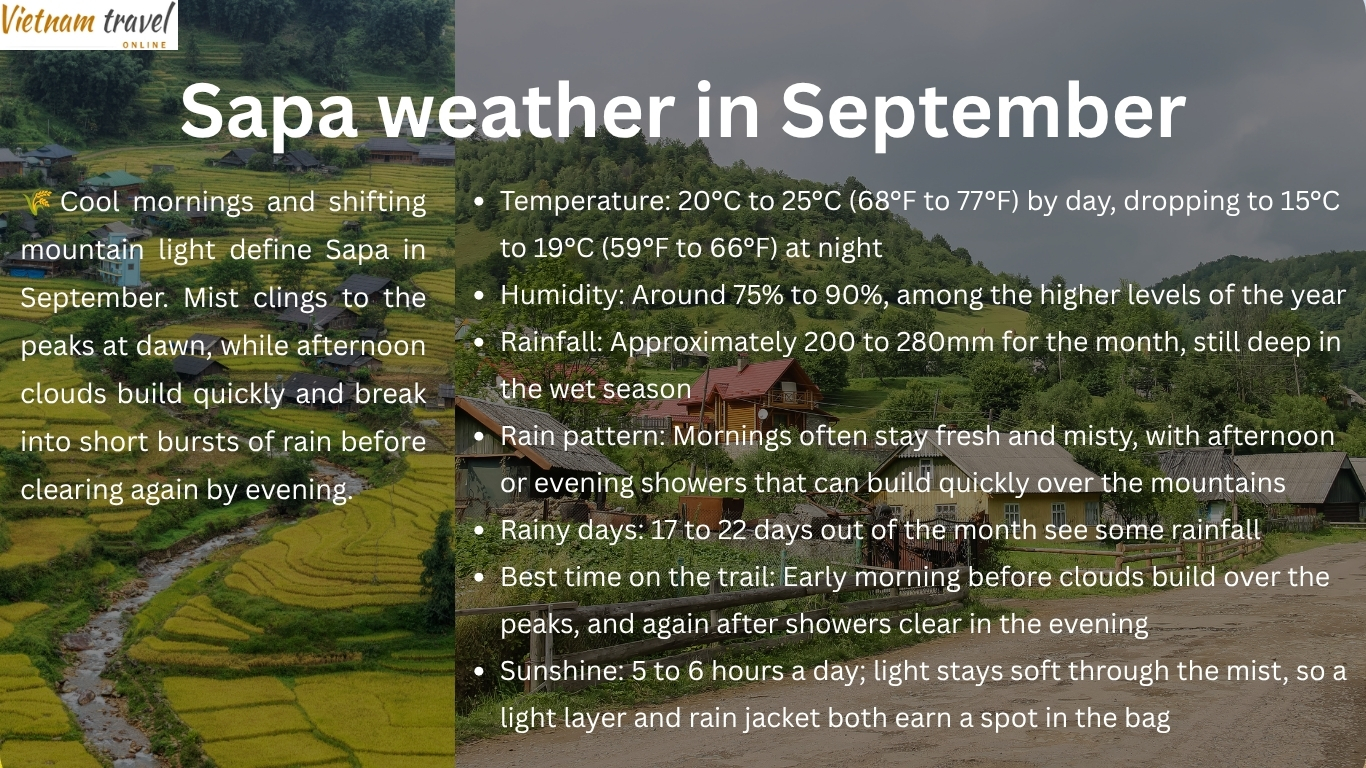
What Does September Feel Like in Sapa?
- Morning: fresh and occasionally misty, ideal for setting off before the day warms up
- Afternoon: generally warmer, sometimes cloudy, with the odd rain shower passing through
- Evening: cool enough that a light jacket becomes useful, pleasant for sitting outside at a café
How Much Does It Rain in Sapa in September?
Sapa in September still sits within the wetter half of the year, although heavy rain rarely lasts an entire day. Clouds can build over the mountains with little warning. Trekking conditions often depend on how much rain fell the day before. Checking the forecast before a longer walk is always worth the extra minute.
Harvest time: Golden Season and Best Spotting Locations
The rice terraces are the reason most travelers book a trip to Sapa in September. It helps to know what to expect before setting out with a camera.
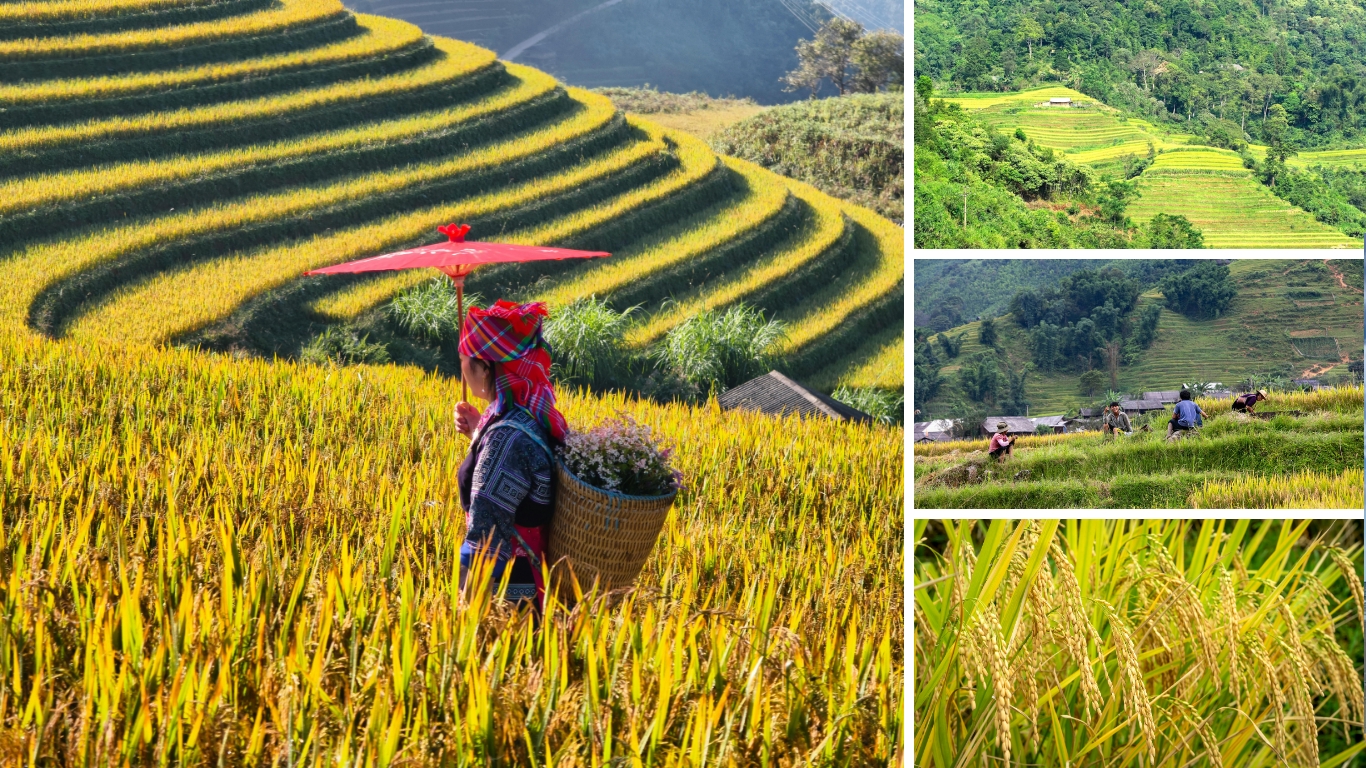
What Do the Rice Terraces Look Like in September?
Early in the month, plenty of green still remains across the valleys. As the weeks pass, yellow tones spread more noticeably, and some terraces turn fully golden ahead of others. Freshly harvested plots take on a browner, muted look. As a result, the landscape holds several shades at once, which often makes for richer photographs than a single golden view.
When Is the Best Time to See Golden Rice Fields?
Harvest timing follows a rough pattern across the month, though it always depends on elevation, planting schedules, and the rice variety grown in each valley.
| Period | What to Expect |
|---|---|
| Early September | Wetter conditions, with fields showing green mixed with early color change |
| Mid September | Cooler weather, with terraces turning increasingly yellow |
| Late September | A more autumn-like atmosphere, with harvest activity visible in many valleys |
As a general guide, the second half of the month tends to bring stronger harvest scenery. Even so, a field that looks fully golden in one valley might still be green nearby. Building a little flexibility into your schedule pays off.
Best Places to See Rice Terraces in September
- Muong Hoa Valley: broad, sweeping terraces that tend to turn golden earliest, and one of the most photographed spots in the region. Read more about the valley here.
- Lao Chai and Ta Van: village-level fields where harvesting usually picks up in mid to late September
- Hau Thao: quieter, less crowded mountain views for travelers who prefer to avoid the busier spots
- Ta Phin: higher elevation, with mixed green and yellow hues that linger into late September
Can You See the Rice Harvest?
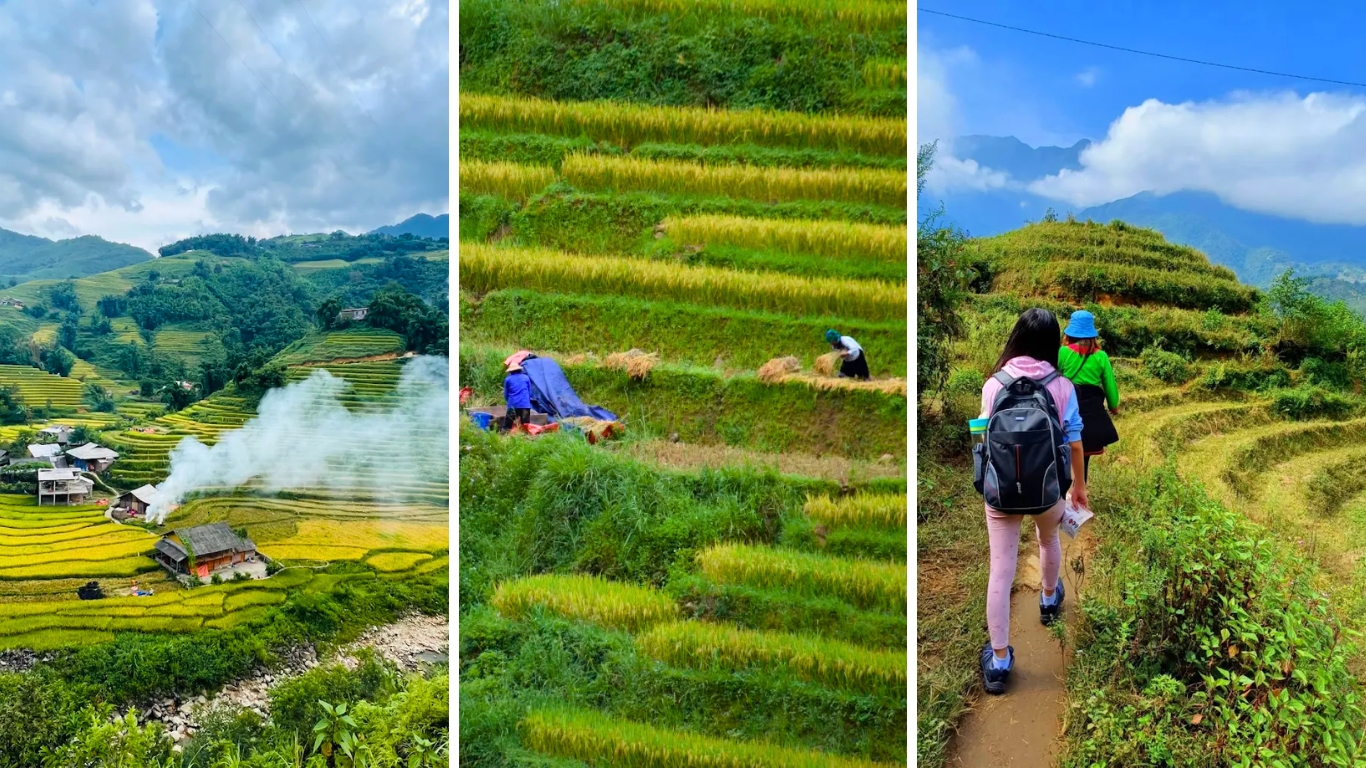
Yes, depending on timing and location. Farmers cutting rice, carrying bundled crops down narrow paths and working the fields together are common sights this month. It is worth approaching this as a genuine slice of daily life, since the communities here are simply going about their season rather than performing for visitors.
Sapa in September vs. October: Which Month Is Better?
| September | October | |
|---|---|---|
| Weather | Mild, wetter | Cooler and generally drier |
| Rice Terraces | Green, yellow and golden | More harvest and post-harvest scenery |
| Trekking | Good on dry days | Generally more comfortable |
| Rain | More likely | Usually less frequent |
| Atmosphere | Late summer easing into autumn | A clearer, more settled autumn feeling |
Choose September if the rice fields and harvest activity matter most to your trip. Choose October if settled, drier trekking weather is the higher priority. For travelers weighing a different region altogether, this guide comparing Sapa or Ha Giang is worth a look before booking.
Best Things to Do in Sapa in September
Rather than a generic list of Sapa attractions, everything below connects directly to what makes this month worth exploring, from trekking routes to where to base yourself along the way.
Trek Through Muong Hoa Valley
Walking through the valley remains one of the best ways to take in September’s shifting colors, since different angles reveal different stages of the harvest as you move. Lao Chai and Ta Van are the most popular routes, although trails can turn muddy after rain.
Trekking is genuinely rewarding this month, particularly on dry days. Temperatures sit at a comfortable level, and the scenery is at its most colorful. For a gentler pace, a few routes work well:
- Muong Hoa Valley walks
- Lao Chai village walks
- Ta Van village walks
- Short countryside routes near town
Longer routes suit those with sturdy walking shoes, comfort on uneven terrain and patience for changing weather. For more detail on planning a route, this guide to Sapa trekking is worth a look.
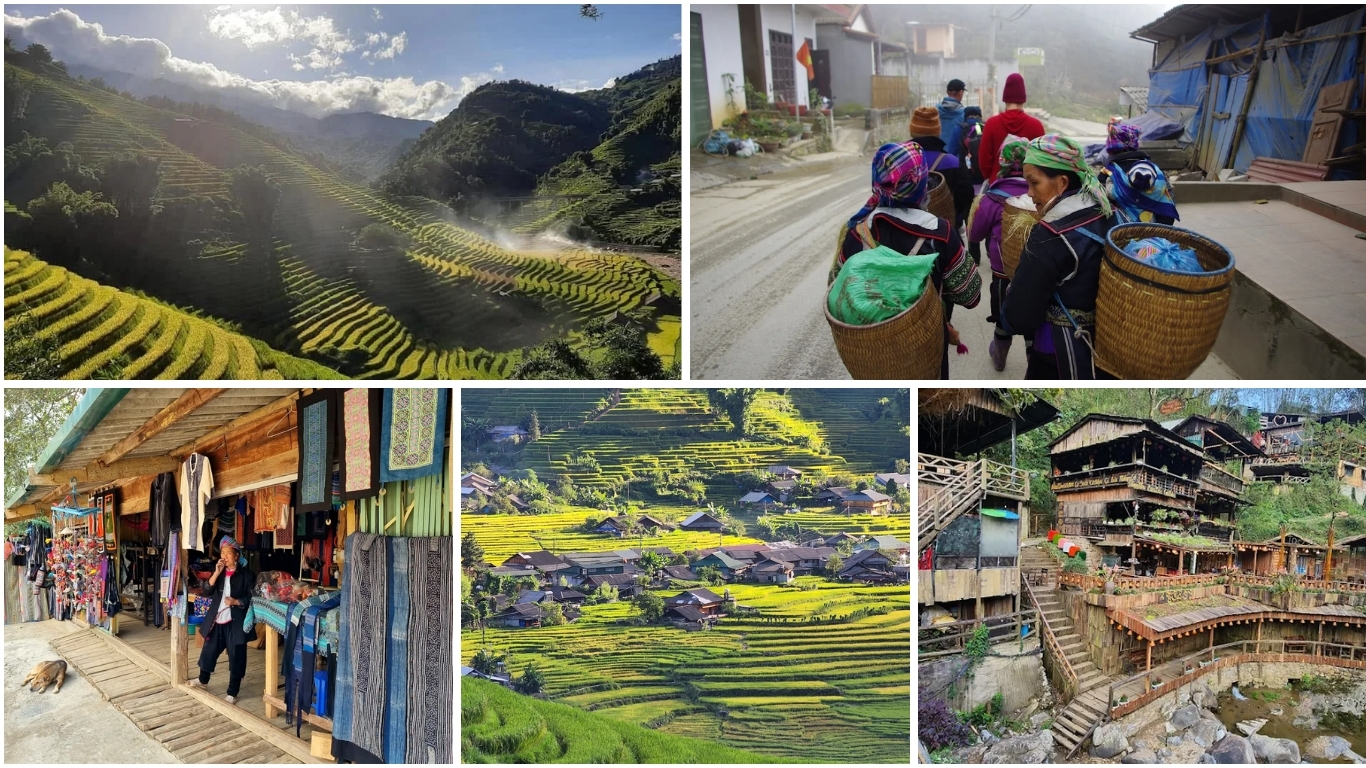
A guide adds real value for:
- First-time visitors
- Longer village-to-village routes
- Wet weather days
- Anyone hoping to understand more of the local culture along the way
Our team arranges private guides matched to fitness level and interests.
Walk from Lao Chai to Ta Van
This gentle route passes rice terraces, small streams, village houses and mountain backdrops. It rewards a slower pace far more than a rushed one. September’s harvest activity adds an extra layer of life to the walk that other months simply do not offer.
Stay Overnight in a Village Homestay
A night in a homestay brings cooler evenings and a genuine window into rural life. You also get an early morning view over the terraces before the mist lifts. It is one of the most memorable ways to experience Sapa in September, and our team can arrange a private village homestay as part of a tailored itinerary.

Experience the Rice Harvest
Watching farmers cut rice by hand, carry it down steep paths and work together as families is a seasonal experience unique to this time of year. It adds real texture to a Sapa trip beyond the standard viewpoints.
Fansipan Peak and Cable Car: What to Know Before You Go
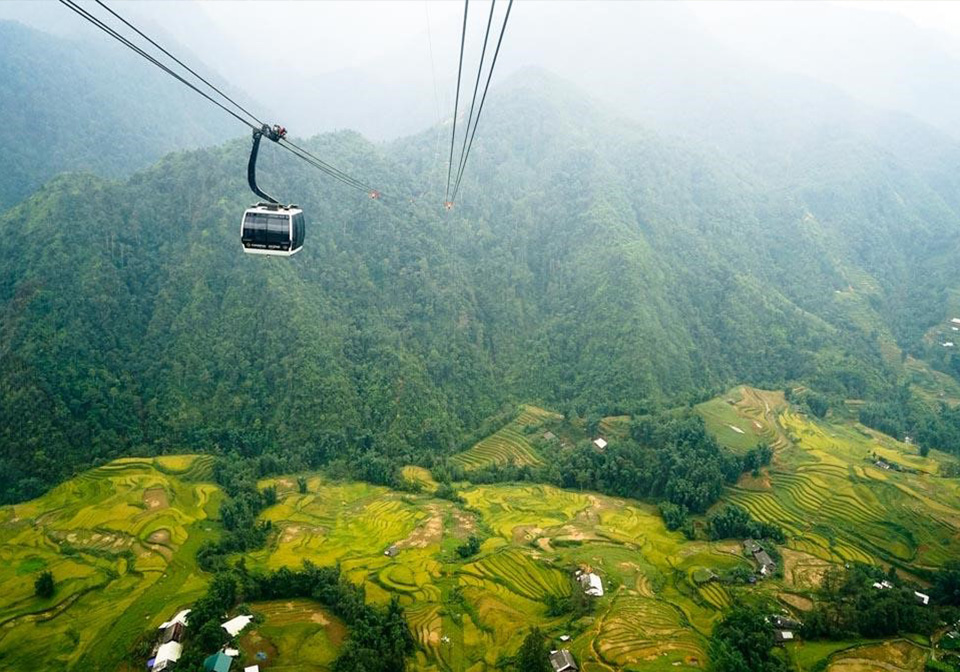
The cable car up to Fansipan makes a good alternative on days when trekking conditions look unsuitable. It is worth noting, however, that the summit sits at roughly 3,143 meters, while Sapa town itself sits at around 1,500 meters. Because of this, the two locations can have entirely different weather on the same day. A clear sky in town does not guarantee a clear summit, so checking a live webcam or asking your hotel’s front desk before buying tickets can save a disappointing trip up.
Sapa Town and Mid-Autumn Atmosphere
Sapa town itself is worth slowing down for, with the Stone Church, local cafés, markets and easy evening walks all within reach. One pleasant bonus for later September travelers: if your dates line up with Tet Trung Thu, the Mid-Autumn Festival that usually falls in mid to late September, you may catch lantern displays, lion dances and mooncakes for sale around town and Sapa Lake.
Where to Base Yourself
Where you choose to stay shapes how easily you can reach the places above.
- Sapa town: convenient for accommodation, restaurants and transport, and works well for first-time visitors
- Muong Hoa Valley: suits travelers focused on rice terraces and photography
- Lao Chai: pairs rice fields with easy trekking access
- Ta Van: offers homestays and a slower, local atmosphere
- Ta Phin: gives quieter countryside for a peaceful day away from the busier spots
If you would rather leave the planning to someone familiar with the region, get in touch with our team and let a private guide shape the details for you.
What to Wear and Pack for Sapa in September
Temperatures swing more than most travelers expect between morning and night, so dressing in layers works better than heavy winter clothing.
- Daytime/town: breathable shirts, long trousers, light outer layer
- Trekking: grip shoes, quick-dry clothes, extra socks and a rain jacket, plus high socks or insect spray as a leech precaution around Ta Phin or off-trail routes
- Evenings: light sweater or thin jacket, long trousers
- Rain gear: waterproof jacket, umbrella, waterproof bag, phone/camera protection
- Essentials: sunscreen, insect repellent, power bank, first aid kit, small towel, dry bag
Sapa stays fairly warm during the day, so lightweight layers will serve you better than bulky clothing. There’s no need to overpack.
How Many Days Do You Need in Sapa in September?
The right length of stay depends on your pace, how closely the rice harvest fits into your plans, and the kind of trip you have in mind.
| Length | Best For |
|---|---|
| 2 Days | A short visit, or travelers on a tighter schedule. Day one covers arrival and a gentle exploration of the Muong Hoa area. Day two focuses on the Lao Chai and Ta Van trek before heading back to Hanoi. |
| 3 Days | Most travelers, including couples and photographers. Time to settle in and spend a full day trekking through Muong Hoa, Lao Chai and Ta Van. Close with Fansipan or Ta Phin before departing. |
| 4 Days | Slower travelers and cultural travelers who want a longer village walk and a homestay night, plus a flexible day for the weather and extra time for photography around Fansipan. |
| Beyond Sapa | Travelers extending their trip into a longer journey through the north or the wider country. |
Sapa in September suits mountain scenery lovers, gentle hikers and anyone curious about rice farming traditions particularly well. It may suit you less if you strongly dislike rain, need guaranteed clear skies, or hope for genuinely cold autumn weather.
Suggested Tours
- Taste and Beauty of Sapa, 3 Days: a well-paced introduction to the region, taking in rice terraces, village trekking and mountain views without needing a long stretch of time
- Northern Charm Discovery, 8 Days: places Sapa alongside some of the north’s most memorable landscapes
- In-Depth Vietnam Explore, 20 Days: folds Sapa into a longer route spanning the country from north to south
Once you have a sense of timing, browse our full range of Vietnam tours or email vietnam@indochinavoyages.com to have an itinerary built around your travel window.
How to Get to Sapa and Where to Stay
Getting there and choosing a base are the two decisions that shape the rest of the trip, so it helps to settle both early.
A sleeper bus from Hanoi offers a direct, convenient journey with several departure options, which suits travelers on a shorter timeline well. The overnight train to Lao Cai is another popular route, followed by a short road transfer into Sapa. For couples or anyone wanting more comfort, a private transfer removes the guesswork entirely. This comparison of train versus sleeper bus to Sapa breaks down the differences further.
September draws extra visitors for rice season, so scenic accommodation and homestays can fill up earlier than expected. Booking ahead is worth the small effort.
Practical Tips and Considerations for Visiting Sapa in September
Every month has its trade-offs, and September is no exception. Here is a balanced look at what works in its favor, along with a few habits that make the trip go more smoothly.
Pros and Cons
| Pros | Things to Consider |
|---|---|
| Beautiful, changing rice terraces | Rain is still possible |
| Cooler mountain weather | Trails can turn muddy |
| Good trekking opportunities | Mountain views may disappear into cloud |
| Genuine harvest season | Rice does not ripen everywhere at once |
| Pleasant village experiences | Weather can shift quickly |
Practical Tips
- Check the mountain forecast before any trek
- Keep plans flexible around rain
- Start walks earlier in the day
- Carry rain protection even on a sunny morning
- Choose shoes with good grip
- Do not expect every field to be golden at once
- Leave enough time to enjoy the villages, not just the viewpoints
- Book scenic accommodation ahead of time during rice season
Frequently Asked Questions
Is September a good time to visit Sapa? Yes, it offers a strong mix of cooler weather, changing rice terraces and good trekking conditions. Rain is the main factor to plan around.
What is the weather like in Sapa in September? Daytime temperatures generally sit between 20°C and 25°C, with cooler nights and a fair amount of rainfall.
Is Sapa cold in September? Not particularly, though evenings and higher elevations can feel noticeably cooler.
Does it rain a lot in Sapa in September? Yes, this still falls within the wetter part of the year, though rain rarely lasts an entire day.
Can I see golden rice fields in Sapa in September? Yes, especially from mid-month onward, though timing varies by valley and elevation.
When is the rice harvest in Sapa? Harvest typically begins mid to late September, running into October in some areas.
Is September good for trekking in Sapa? Yes, particularly on dry days, though trails can turn slippery after rain.
What should I wear in Sapa in September? Lightweight layers work best, with a rain jacket, sturdy shoes and a light sweater for evenings.
How many days do I need in Sapa? Three days suits most travelers, while two works for a shorter trip and four suits a slower pace.
Is September better than October for Sapa? September offers richer harvest scenery, while October brings drier, more settled trekking weather.
Still deciding how to shape your own trip to Sapa in September? Reach out to our team or explore our full range of Indochina tours to build a private itinerary around what matters most to you.