

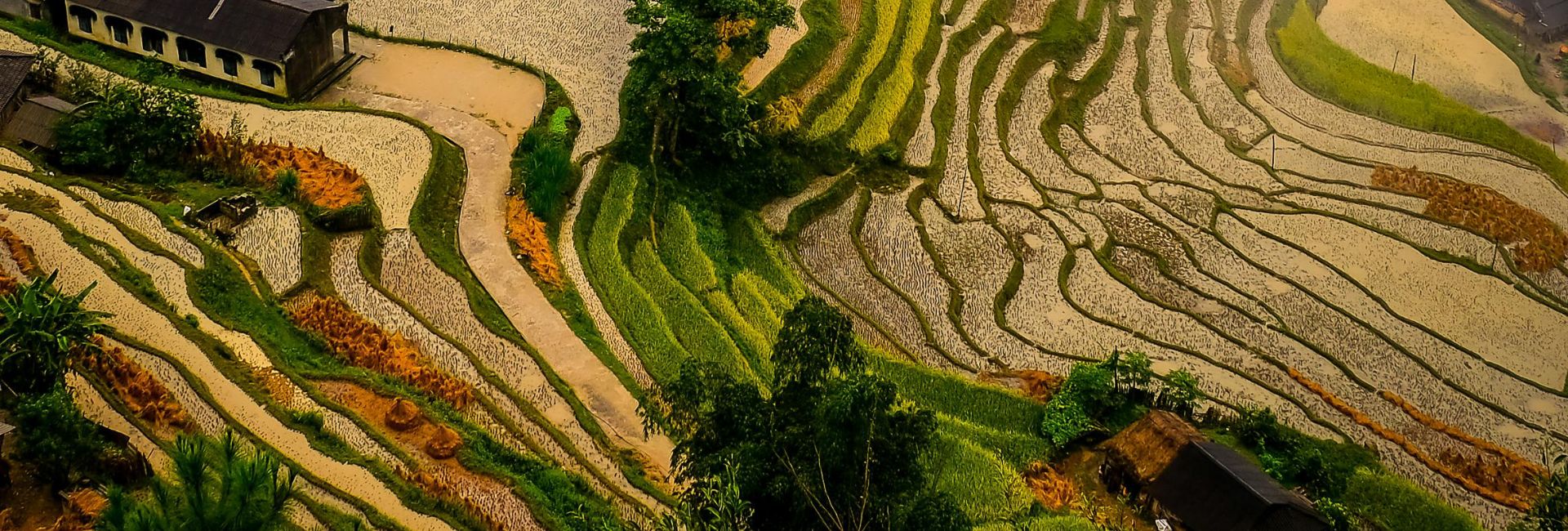
The Ha Giang Loop is widely considered one of the most spectacular road journeys in Vietnam. It leads you through limestone mountains, deep valleys, winding rivers, and remote ethnic villages near the Chinese border. Because the region is mountainous and weather-sensitive, choosing the right month plays an important role in the experience. That is why many travelers carefully research the Ha Giang Loop in April before making a decision. If this is your first time visiting the region, our complete Ha Giang travel guide offers a helpful overview of the province’s geography, culture, and travel options.
April is a transition month in Ha Giang. The dry season slowly fades, while early summer begins to appear. As a result, the landscape turns greener, temperatures feel warmer but remain comfortable, and the overall atmosphere becomes calmer after the busy spring period. For travelers who prefer balance rather than extremes, April often feels like a very rewarding time to explore the loop.
What can you find in this travel blog?
- Weather on the Ha Giang Loop in April
- Road Conditions and Riding Experience in April
- Crowd Levels and Travel Atmosphere
- Landscapes and Scenery on the Ha Giang Loop
- Best Things to Do on the Ha Giang Loop
- Is April a Good Time for the Ha Giang Loop?
- Practical Tips for Doing the Ha Giang Loop in April
- Suggested Ha Giang Loop Itineraries in April
- FAQs
Weather on the Ha Giang Loop in April
Temperature and Daily Comfort
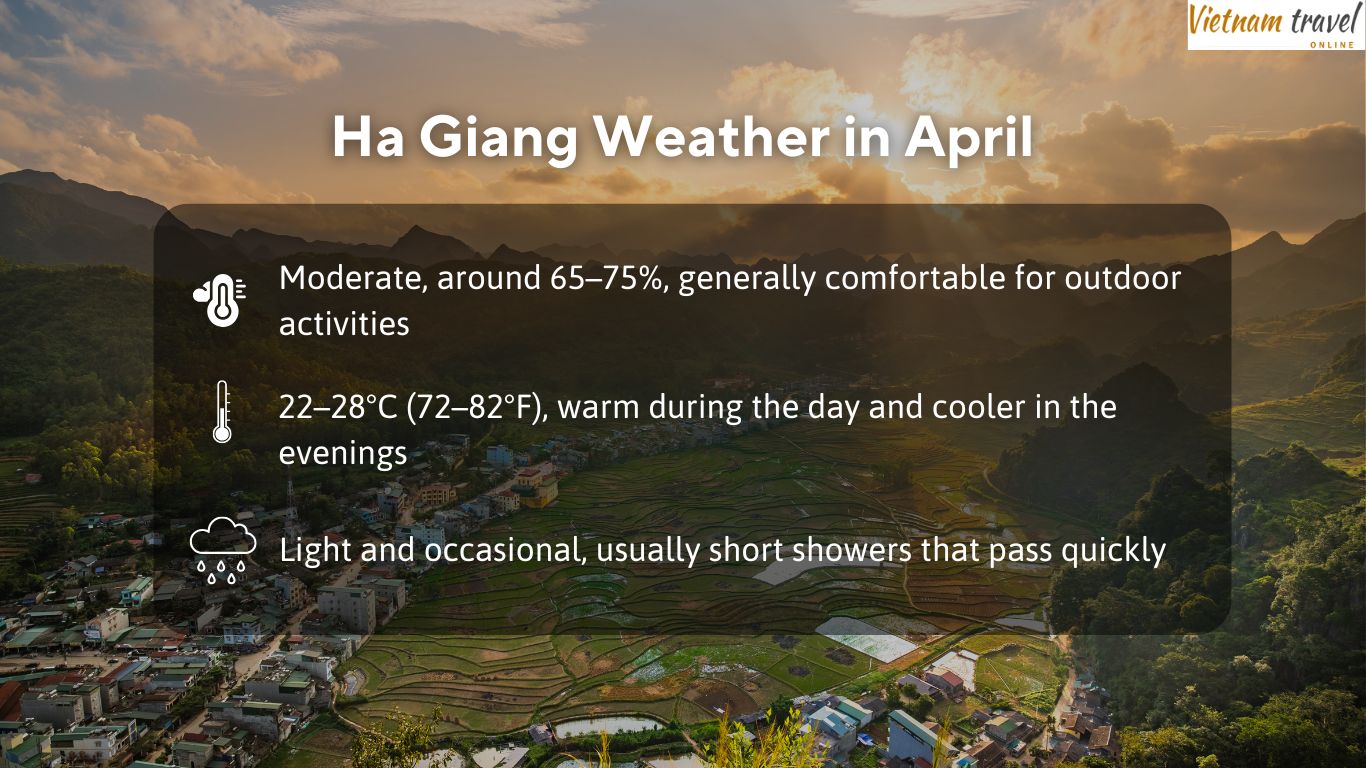
Compared to the first months of the year, April feels noticeably warmer. Daytime temperatures usually range from 22 to 28 degrees Celsius. While this may sound warm, mountain breezes and elevation keep conditions comfortable. In the evenings, temperatures drop quickly in towns such as Dong Van and Meo Vac, making nights pleasant for sleeping.
Because of this daily temperature pattern, riding early in the morning and later in the afternoon feels most comfortable. Midday breaks also become more important, especially on longer riding days.
For travelers who want to compare April with other months in detail, this guide on Ha Giang weather and the best time to visit offers a clear seasonal overview.
Rainfall and Humidity Levels
April brings slightly higher humidity and the first signs of rain. However, this is not yet the rainy season. Most rainfall comes as short, passing showers rather than long downpours. These usually appear in the late afternoon or evening.
The increase in moisture plays a positive role. It refreshes the land, reduces dust on the roads, and brings back greener scenery. As long as you remain flexible with your daily schedule, rain rarely disrupts travel plans in April.
Visibility and Fog Conditions
Visibility on the Ha Giang Loop remains good throughout April. That said, early morning fog can still form in high mountain passes, especially after rain. Therefore, starting your ride after sunrise often improves both safety and scenery.
By mid-morning, clouds usually lift, revealing wide views across valleys and limestone peaks. This makes April particularly rewarding for photographers who plan their timing carefully.
Road Conditions and Riding Experience in April
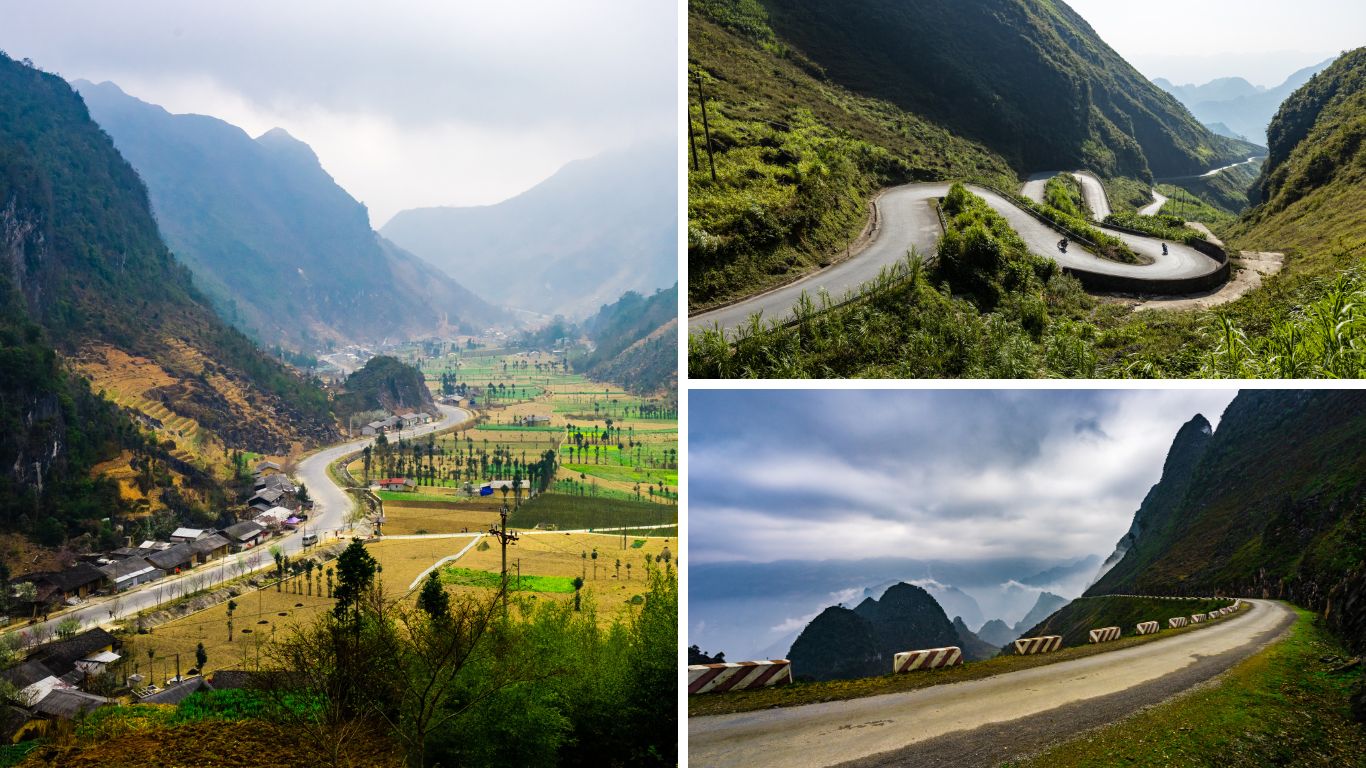
Road conditions on the Ha Giang Loop in April are generally reliable. Most main routes have benefited from months of dry weather, which keeps surfaces stable. Compared to February and March, dust becomes less of a concern, improving comfort and visibility.
While road improvements continue each year, mountain terrain always requires attention. April does not introduce major new challenges, but awareness remains important.
Slippery Sections After Rain
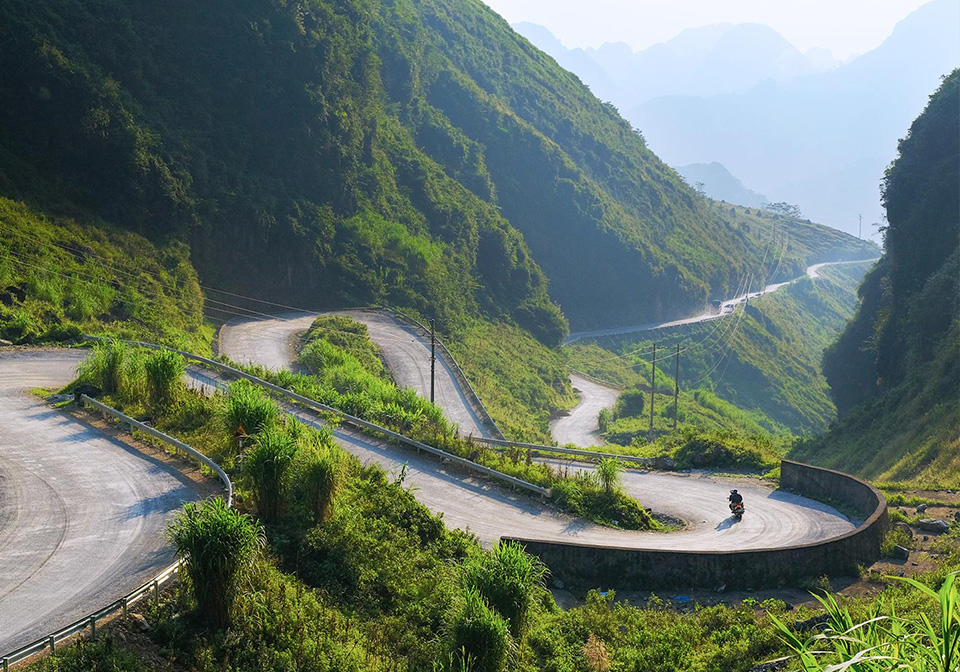
After light rain, some sections can become slippery. This is especially true on sharp curves, shaded forest areas, and steep downhill sections. As a result, smooth braking and controlled speed matter more than riding fast.
April rewards riders who travel patiently. Slowing down often leads to better views, safer riding, and a more enjoyable experience overall.
Suitability for Different Travel Styles
April works well for different types of travelers. Confident riders enjoy quieter roads and a relaxed pace. First-time riders can still complete the loop safely by riding conservatively and choosing shorter daily distances.
For those who prefer comfort or do not want to drive themselves, traveling by private car with a local driver is an excellent option. If you are still deciding, this guide on whether foreigners should ride the Ha Giang Loop by motorbike explains the pros and cons clearly.
Crowd Levels and Travel Atmosphere
Compared to the busiest travel periods, this time of year feels noticeably more relaxed. Many long-haul travelers have already completed their journeys earlier, which naturally reduces traffic along the route. As a result, the loop feels less rushed, and even well-known viewpoints regain a sense of calm.
This slower pace changes the experience in a meaningful way. You can stop when something catches your eye, wait patiently for the right light, or simply sit and take in the scenery. There is no pressure to move on quickly, which makes the journey feel more personal and rewarding.
Local Life and Market Scenes
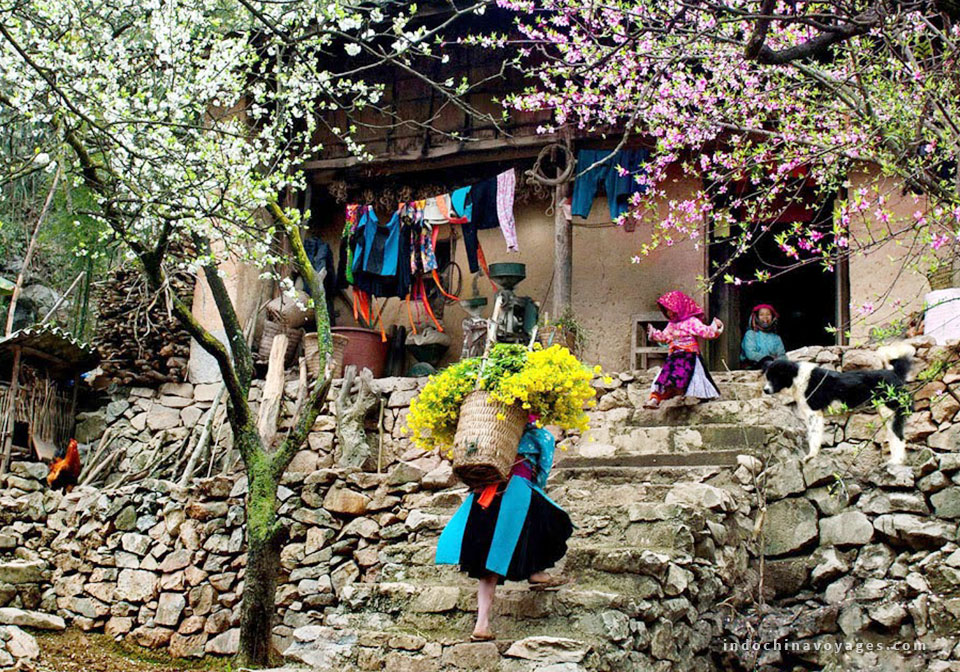
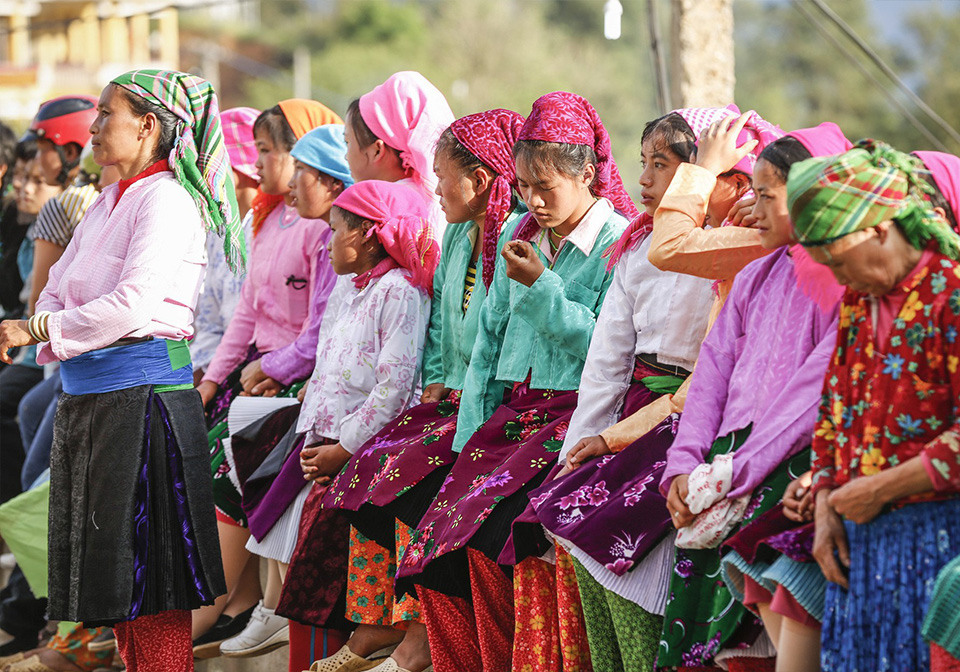
With fewer visitors around, everyday life becomes easier to notice and appreciate. Weekly markets return to their original role, serving nearby villages rather than focusing on tourism. Locals come to trade goods, meet neighbors, and catch up on news, creating an atmosphere that feels natural and unforced.
Villages remain lively but not staged. You may see farmers resting by the roadside, children walking home from school, or families gathering at small cafés. These simple moments often leave a deeper impression than major viewpoints, because they reflect how the region truly lives.
Accommodation Availability and Pricing
Another clear advantage is accommodation flexibility. Homestays and small hotels across the region are generally easier to book, even with short notice. Availability gives you more freedom to adjust your route or extend a stay if you find a place you enjoy.
Prices remain stable, and service often feels more attentive. Hosts tend to have more time for conversation, recommendations, and small personal touches. For travelers who value comfort and location, this guide to Ha Giang accommodations helps you choose the right option based on your travel style, whether you prefer quiet villages, mountain views, or convenient town access.
Landscapes and Scenery on the Ha Giang Loop
Greener Valleys and Mountain Slopes
One of the biggest visual changes during this period is how quickly the land comes back to life. Light rainfall refreshes the soil, and valleys gradually shift from muted tones to vibrant greens. Mountain slopes look softer and fuller, especially when viewed from higher passes.
Compared to the drier months earlier in the year, the scenery feels more balanced and natural. Instead of dramatic extremes, you get a sense of harmony between rock formations, farmland, and vegetation. For travelers who appreciate landscapes that feel alive rather than stark, this transformation adds real emotional value to the journey.
Rivers, Waterfalls, and Natural Details
As water levels rise, rivers begin to move with more energy. Small waterfalls reappear along mountain roads, sometimes unexpectedly just after a bend. These details bring motion into the landscape, which is something photos often struggle to capture but travelers remember clearly.
Even brief roadside stops feel worthwhile. A short walk, a pause to watch water flow, or a quiet moment near a stream can easily become a highlight rather than just a break between destinations.

Key Viewpoints Worth Stopping For
The loop’s viewpoints are impressive at any time of year, but the added greenery gives them more depth and contrast. Places like Quan Ba Twin Mountains stand out more clearly against refreshed surroundings, while layered hills feel richer in texture.
Clouds tend to shift rather than linger all day. When they open up, sunlight spreads across valleys in dramatic patterns, creating those rare moments where everything feels perfectly aligned. These are often unplanned stops, yet they leave the strongest impressions.
Best Things to Do on the Ha Giang Loop
Ride Through Iconic Mountain Passes
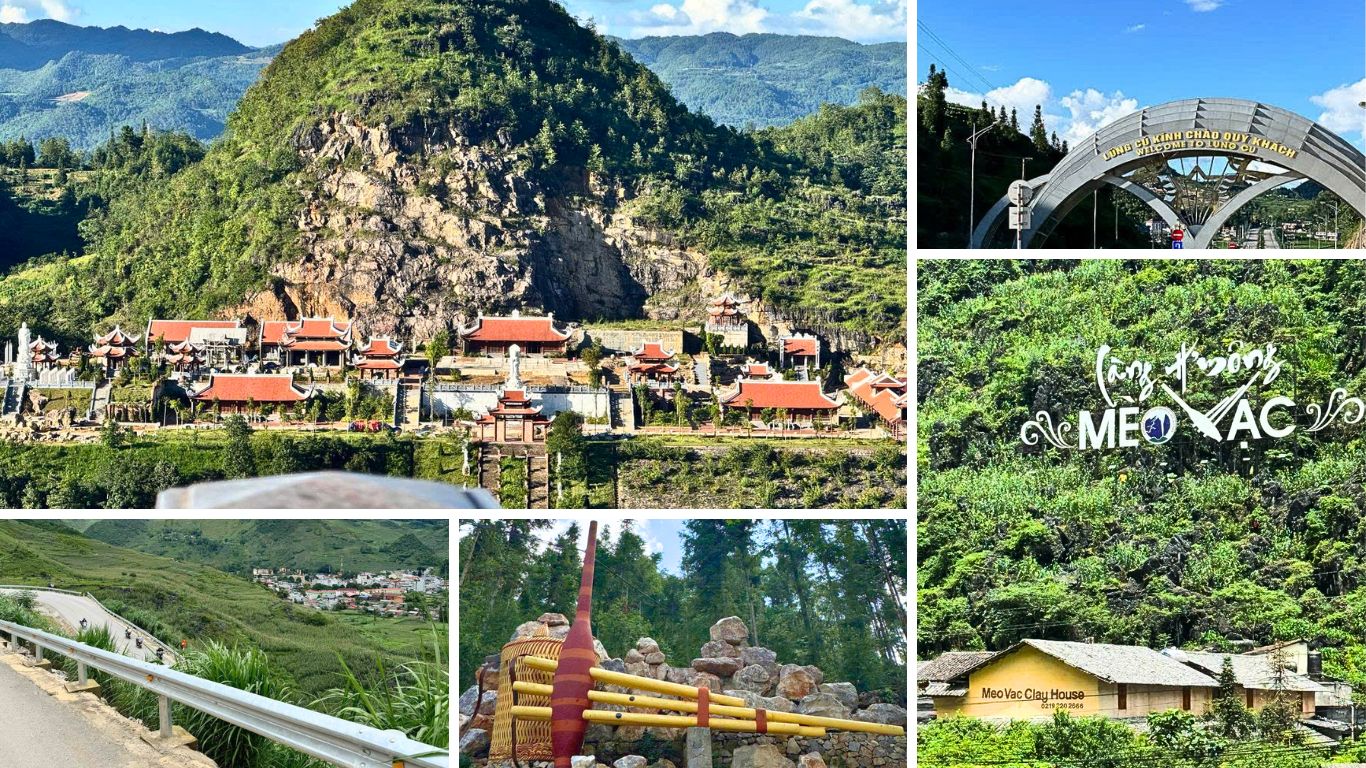
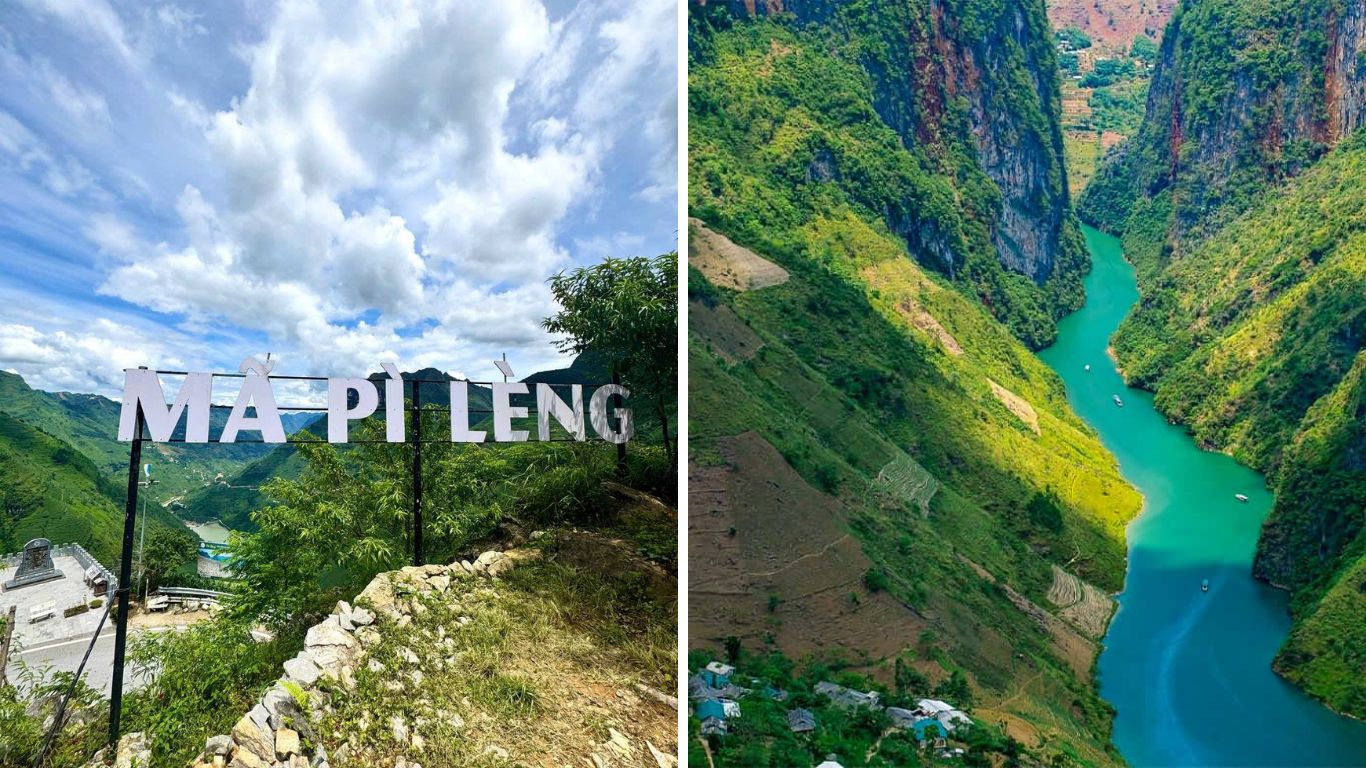
This period allows you to enjoy Ha Giang’s most famous mountain passes without heavy traffic. Ma Pi Leng Pass, connecting Dong Van and Meo Vac, feels especially open and unhurried. Quieter roads make it easier to stop at viewpoints, admire the Nho Que River canyon below, and take photos without feeling rushed. The riding experience feels calmer and more immersive.
Explore Ethnic Villages and Weekly Markets
Villages around Dong Van, Meo Vac, and Yen Minh feel more authentic once peak travel months pass. Weekly markets such as Meo Vac or Lung Phin return to their local rhythm, serving nearby communities rather than visitors. You witness everyday trade, traditional clothing, and social gatherings, which creates better opportunities for observation and respectful interaction.
Stay Overnight at Remote Homestays
Cool evenings and quieter surroundings make remote homestays especially enjoyable. Mountain villages near Dong Van and along the road to Meo Vac offer peaceful overnight stops. Hosts often have more time to talk, cook traditional meals, and share stories about local life. These personal moments add emotional depth to the journey.
Enjoy Short Walks and Scenic Stops
Moderate daytime temperatures make short walks and scenic breaks more comfortable. You can explore nearby viewpoints, wander through small villages, or follow short trails near rivers and valleys. Unlike the hotter summer months, outdoor exploration remains pleasant throughout the day, allowing you to balance riding with gentle walking.
Is April a Good Time for the Ha Giang Loop?
Who April Is Best For
April is an excellent choice for travelers who value balance rather than extremes. Those who care deeply about scenery often enjoy how the mountains and valleys turn greener, creating a softer and more lively landscape. The views feel fuller, and the journey becomes visually rewarding without demanding perfect weather conditions.
Couples often appreciate the calmer atmosphere. Fewer crowds mean more privacy at viewpoints, quieter evenings at homestays, and a slower rhythm throughout the loop. This makes the experience feel more intimate and less hurried. Travelers choosing private or customized tours also benefit from added flexibility. With easier accommodation availability and lighter traffic, routes and overnight stops can be adjusted more comfortably.
If you are still deciding between northern destinations, these comparisons on Ha Giang or Pu Luong and Sapa or Ha Giang help clarify which landscape, pace, and cultural setting match your travel style best.
Who May Prefer Another Month
Some travelers may feel more comfortable visiting at a different time. Those who strongly prefer completely dry conditions often choose earlier months when rainfall is minimal. Travelers who are highly sensitive to humidity may also find cooler periods more suitable, especially for long riding days.
That said, for most visitors, conditions remain pleasant and manageable. Temperatures stay moderate, roads are generally reliable, and the landscape looks healthier and more vibrant. Overall, April delivers a thoughtful mix of scenery, comfort, and cultural depth, making it a well-rounded choice for experiencing the Ha Giang Loop with ease and meaning.
Practical Tips for Doing the Ha Giang Loop in April
Packing and Riding Timing Tips
-
Dress for changing conditions: Lightweight, breathable clothing works best during the day, while a thin rain jacket and a light layer keep you comfortable during brief showers and cooler evenings. Closed shoes with good grip are essential for mountain roads and village walks.
-
Pack light and smart: A small backpack is easier to handle on a motorbike and helps reduce fatigue. Sunscreen and sunglasses remain useful on clear days, especially at exposed viewpoints.
-
Ride early and pace yourself: Morning hours offer cooler air, clearer visibility, and better light for photography. Shorter daily distances feel more comfortable as temperatures rise, so planning longer breaks around midday helps maintain a relaxed rhythm.
Motorbike Riding Tips
If you choose to ride a motorbike, a few extra precautions make a big difference.
-
Reduce speed after rain, especially on mountain passes
-
Use engine braking on downhill sections rather than constant braking
-
Keep extra distance from trucks on narrow roads
-
Avoid riding after dark due to limited lighting and visibility
-
Check tires and brakes daily before setting off
Choosing the Right Transport
Selecting the right transport depends on experience level and comfort expectations.
-
Experienced riders are comfortable on semi-automatic or manual bikes
-
Beginners should consider an easy-to-handle automatic scooter
-
Travelers seeking comfort or traveling as a couple often prefer a private car with a local driver
-
Guided tours reduce navigation stress and offer local insight, especially in remote areas
Suggested Ha Giang Loop Itineraries in April
A 5-Day In-Depth Ha Giang Loop Experience
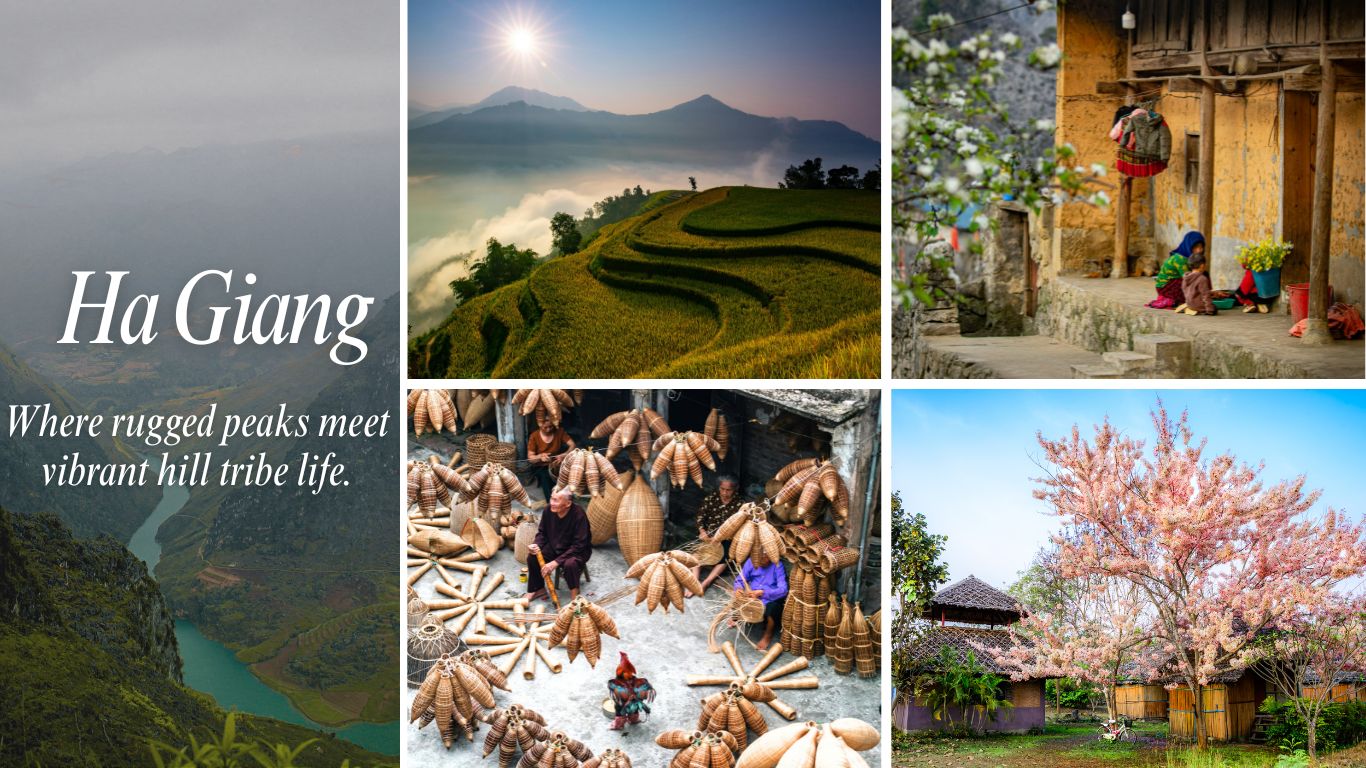
For travelers who prefer depth over speed, a slower five-day journey offers the most rewarding way to experience the loop. This style of travel allows time for scenery, cultural encounters, and flexible pacing, which suits transitional weather and changing light conditions particularly well.
Our Explore the Trails of Ha Giang 5 Days journey is designed for those who want more than just ticking off viewpoints. It focuses on meaningful stops, quiet roads, and authentic village encounters, while still covering the most iconic sections of the route.
Day 1: Hanoi to Ha Giang
The journey begins with a northbound drive from Hanoi into Vietnam’s far northern highlands. As the landscape gradually shifts from lowlands to mountains, the sense of distance from city life becomes clear. Arrival in Ha Giang town is scheduled for the evening, allowing time to rest, enjoy a calm dinner, and prepare for the loop ahead.
Day 2: Ha Giang to Yen Minh
Leaving Ha Giang town, the route climbs steadily into mountain terrain. Stops around Quan Ba Twin Mountains and surrounding valleys introduce the dramatic limestone scenery that defines the region. Along the way, small ethnic villages offer glimpses of daily life away from tourist centers. The night in Yen Minh is quiet and cool, ideal for a relaxed evening.
Day 3: Yen Minh to Dong Van
This stretch leads into the heart of the Dong Van Karst Plateau, a UNESCO-recognized landscape known for its raw beauty. The road winds through rocky hills and high-altitude settlements before reaching Dong Van town. Time is set aside to explore the old quarter and nearby villages, where stone houses and narrow lanes reflect centuries of highland culture.
Day 4: Dong Van to Meo Vac
The highlight of the loop unfolds as you cross Ma Pi Leng Pass, one of Vietnam’s most spectacular mountain roads. Traveling at a relaxed pace allows frequent stops to admire the deep canyon views and winding river below. Reaching Meo Vac by late afternoon, the atmosphere feels remote and unspoiled, perfect for an overnight stay.
Day 5: Meo Vac to Ha Giang and Return
The final day completes the loop via quieter secondary roads. The scenery gradually softens as the route descends toward Ha Giang town. After lunch, the journey continues back toward Hanoi, closing a circuit that feels complete without being rushed.
This itinerary works particularly well because it allows flexibility. Short weather changes, spontaneous village visits, or longer photo stops never feel like interruptions. Instead, they become part of the experience.
Northeast Vietnam or the Whole Country
For travelers with more time, Ha Giang can be the beginning rather than the end of the journey. The Northeast Vietnam Explorer 7 Days route connects Ha Giang with other highland regions, offering a broader look at northern landscapes and ethnic cultures.
On the other hand, the Vietnam Highlights Experience 14 Days suits first-time visitors who want to balance mountains, cities, heritage sites, and coastline in one seamless journey. Ha Giang becomes a striking contrast within a wider national itinerary, rather than a standalone destination.
Both options allow you to build from the loop outward, depending on how much time and variety you want from your trip. If you would like to explore ideas or adapt these sample routes to your own pace, feel free to contact Vietnam Travels Online at [email protected], or simply fill in this form. Our team will be happy to help you shape Vietnam journeys that feel thoughtful, well-paced, and truly your own.
FAQs
Is April rainy in Ha Giang?
Short showers can happen, but this period is not considered the rainy season. Rain usually passes quickly and rarely disrupts travel plans.
Is it safe for motorbike riding?
Road conditions are generally good, and visibility remains clear. However, after rain, mountain roads can become slippery, so riding cautiously is important.
Is the scenery better than in March?
The landscape feels greener and more vibrant. Rivers carry more water, and valleys look fresher, creating stronger visual contrasts.
Can beginners do the Ha Giang Loop during this time?
Yes, beginners can manage the loop if they ride carefully and pace themselves. Guided or private options are a safer and more comfortable choice for first-time riders.
What route works best?
The classic loop through Quan Ba, Yen Minh, Dong Van, and Meo Vac remains the most balanced route, combining scenery, culture, and reliable road conditions.