

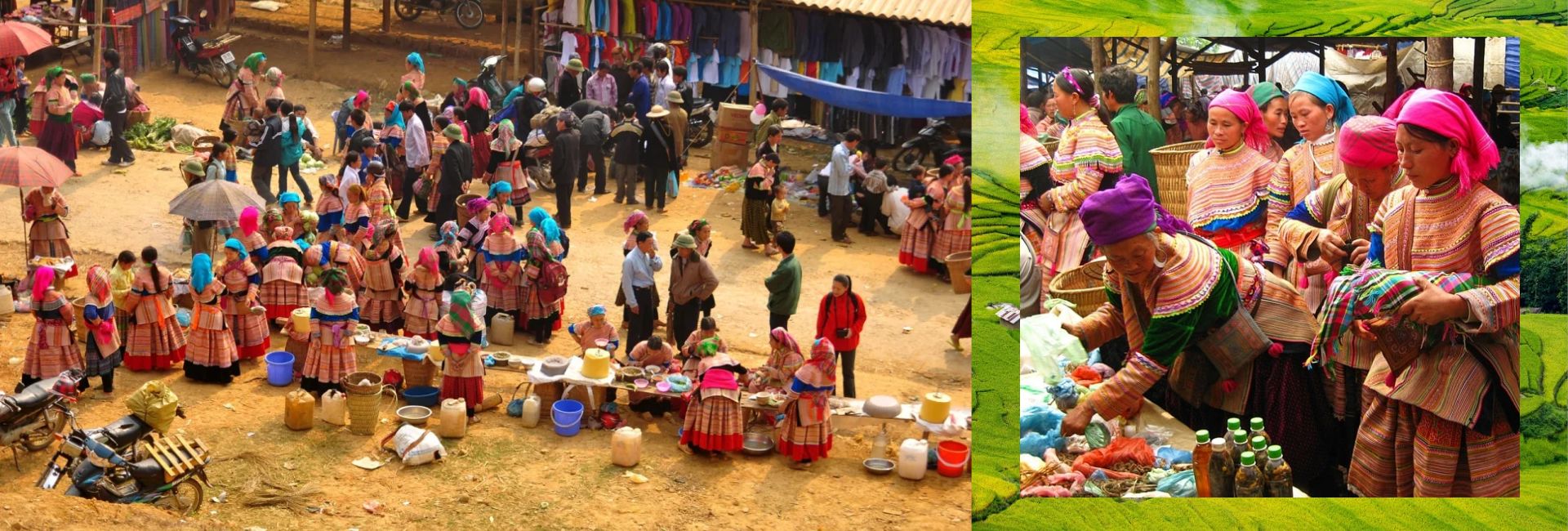
If you’ve ever dreamed of stepping into a place where culture, color, and commerce collide in the most authentic way, Bac Ha Market will steal your heart. Every weekend, this bustling highland gathering transforms the quiet town of Bac Ha in Lao Cai Province (up to the north of Vietnam) into a lively festival of sights, sounds, and scents. From vividly dressed ethnic minority traders to the rhythmic hum of barter and banter, it’s a place that feels both timeless and alive.
What can you find in this travel blog?
- Bac Ha Market: Where It’s From
- What Must You Try and See in Bac Ha Market?
- The Layout & Atmosphere of Bac Ha Market
- What to Buy at Bac Ha Market
- Practical Tips for Visiting Bac Ha Market
- FAQs
Bac Ha Market: Where It’s From
The Origins of Bac Ha Market
The Bac Ha Market began as a humble meeting point for local ethnic communities in Vietnam’s far northern mountains. It wasn’t just about trading goods; it was about connection. Farmers, herders, and artisans from the Flower Hmong, Tay, Nung, Phu La, and other ethnic groups would travel for hours, even days, through steep mountain paths to gather here.
Over time, the market grew into the region’s largest and most vibrant hub, famous not just for its goods but for its cultural importance. It became a place to exchange stories, arrange marriages, strengthen community bonds, and celebrate traditions that have been passed down for generations.
Where is Bac Ha Market located?
The market sits about 76 km from Lao Cai City and 300 km from Hanoi, perched in the cool mountain air at an elevation of around 1,000 meters. Surrounded by rolling hills, terraced fields, and misty valleys, the town is both picturesque and perfectly positioned as the crossroads of highland trade routes.
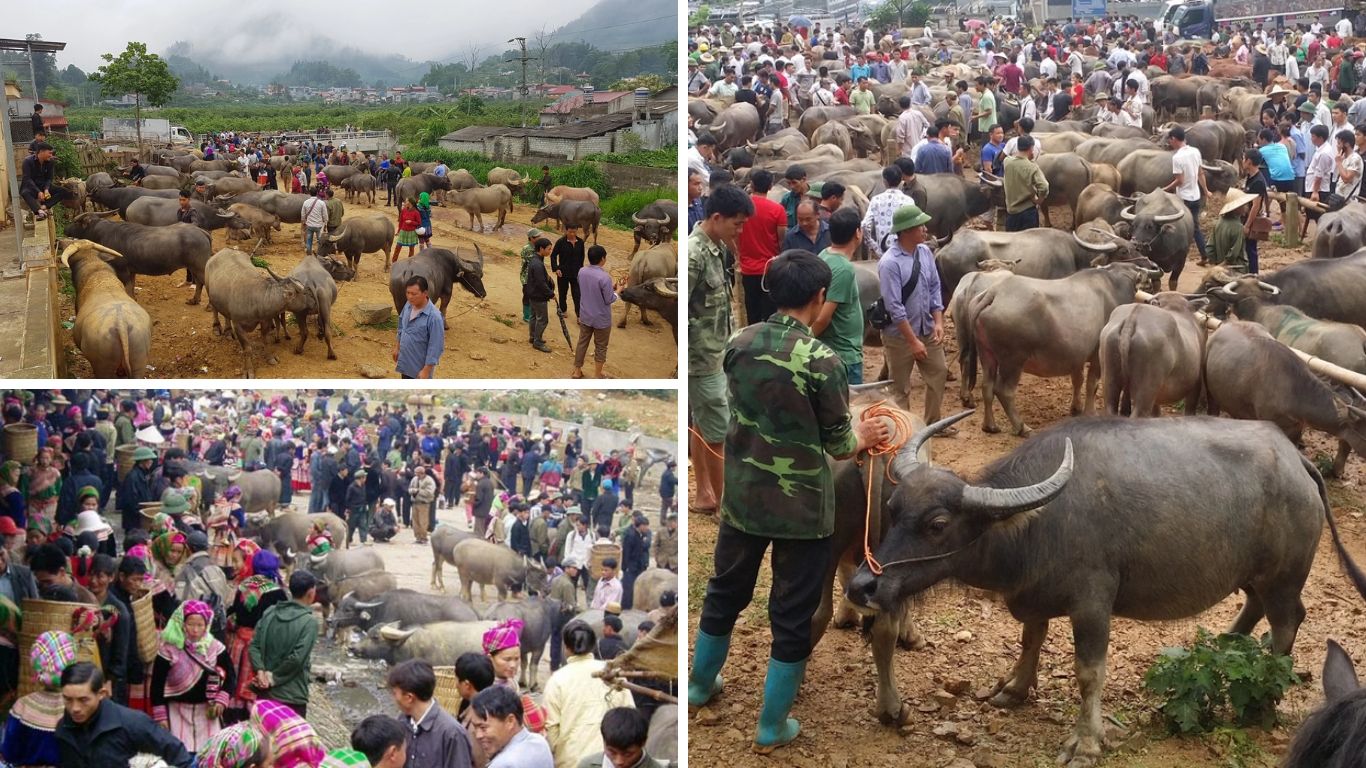
In 2024, Bac Ha introduced a Saturday buffalo market to showcase traditional livestock trading. The move both preserves local heritage and adds another reason for travelers to arrive early and witness a scene that has changed little over generations.
Getting There:
- From Hanoi: Overnight train or sleeper bus to Lào Cai City (7–8 hrs), then minibus, taxi, or motorbike to Bac Ha (2 hrs).
- From Sapa: 3–3.5 hrs by bus, private car, or motorbike via scenic mountain roads.
- From Lào Cai City: Regular minibuses on weekends, especially busy on market days.
Best Time to Visit
- Main Market: Every Sunday, from early morning until early afternoon.
- Buffalo Market: Every Saturday morning, starting at sunrise.
- The dry season (October–April) offers clear skies and comfortable temperatures, perfect for exploring.
Traffic & Road Conditions
Roads are paved but winding, with sharp turns and occasional steep climbs. Expect heavier traffic early on Saturday and Sunday mornings as villagers arrive for trading. If you’re headed to the Buffalo market, leave before sunrise to beat the rush. Getting Around: The market is in the town center, easily walkable from most hotels. Comfortable shoes are a must; paths can be uneven and busy.
What Must You Try and See in Bac Ha Market?
The Saturday Buffalo Market
Even if you’re not in the market for a buffalo, this is a must-see. The negotiations, the pride of the owners, and the sheer size of these animals make it a one-of-a-kind cultural experience.
As of July 19, 2025, this one-of-a-kind gathering is now held every Saturday from 5:00 AM to 6:00 PM. Once scattered across different mornings, it’s now neatly organized that is making it easier for traders and travelers alike. Picture rows of strong, glossy buffalo lined up along the hillside, Flower Hmong traders in embroidered skirts inspecting each animal, and the hum of bargaining in a mix of languages. It’s loud, earthy, and brimming with life. It’s a truly authentic highland scene you won’t find anywhere else in Vietnam.
The Sunday Main Market
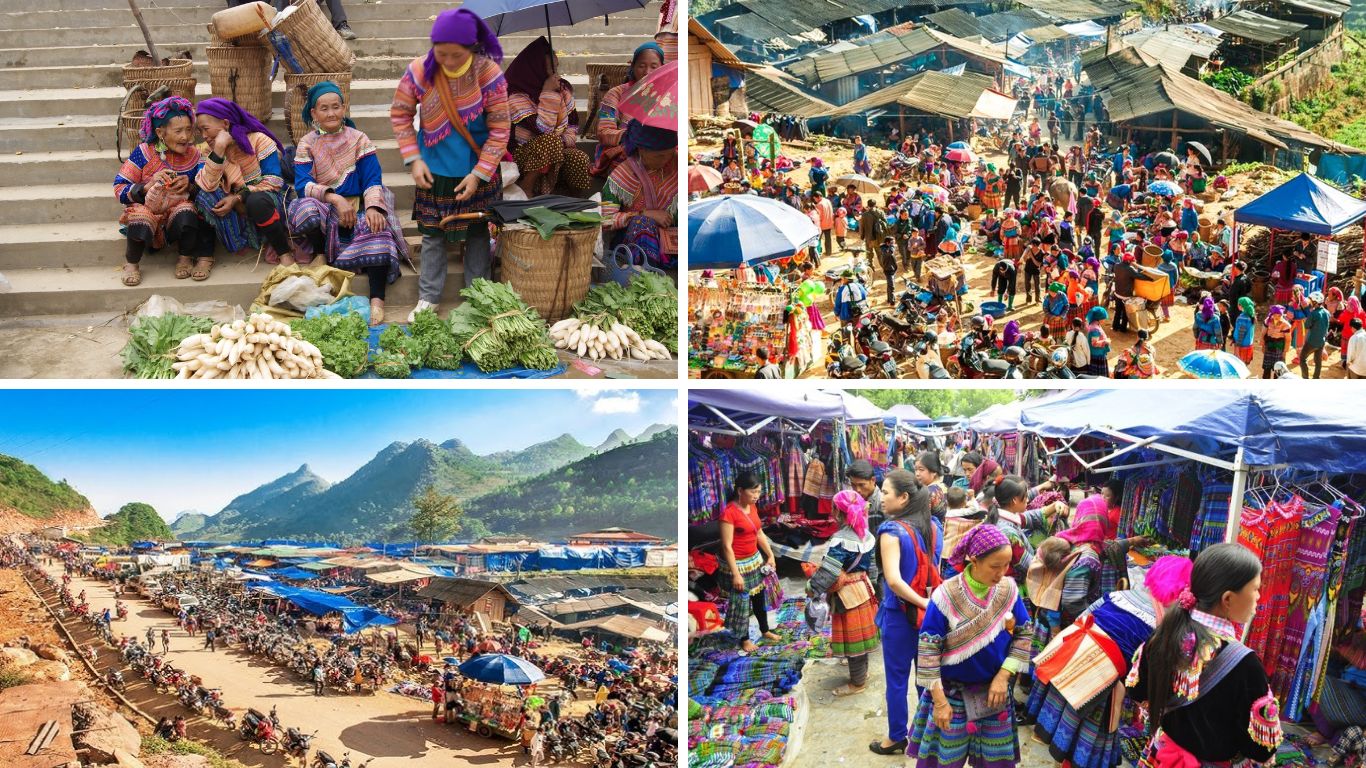
This is when Bac Ha truly comes alive. The entire town transforms into an open-air bazaar filled with textiles, handicrafts, spices, traditional medicine, livestock, and an endless array of fresh produce.
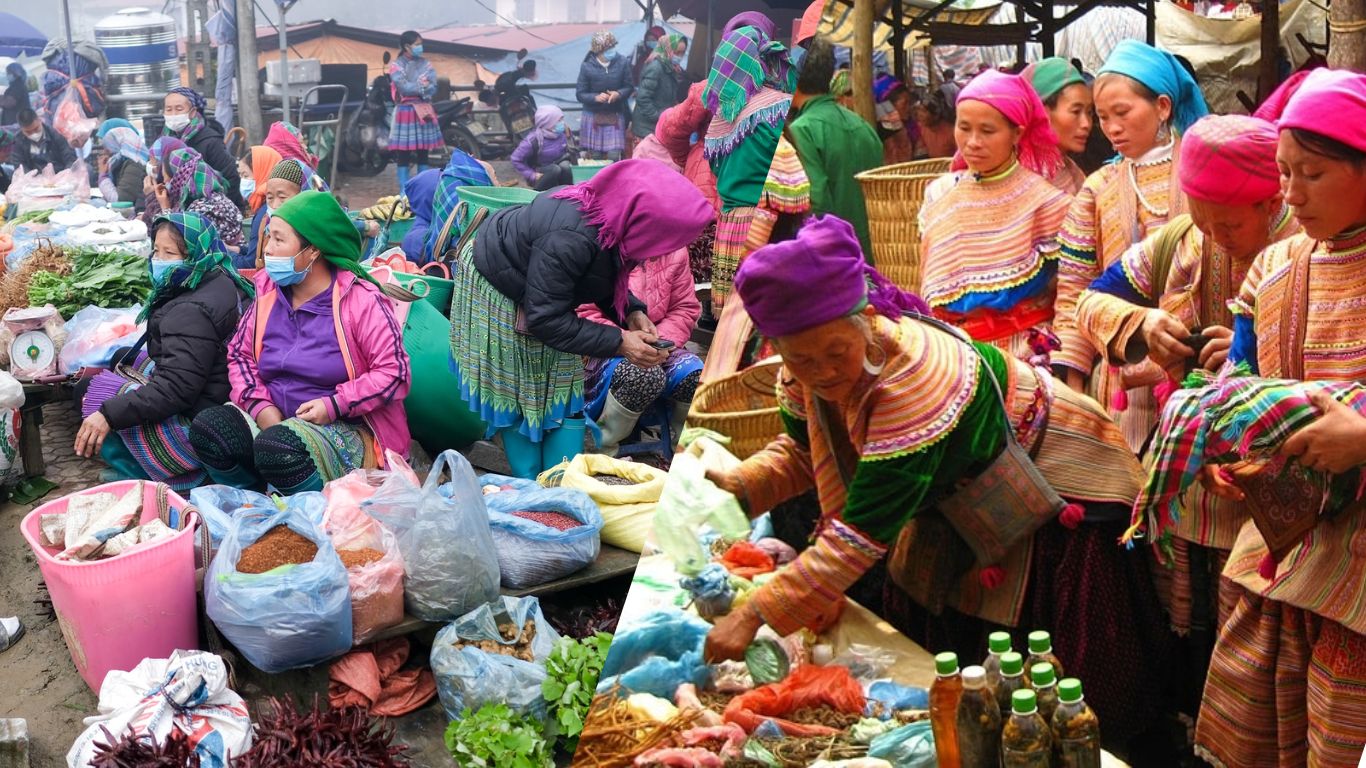
Traditional Attire of the Flower Hmong:
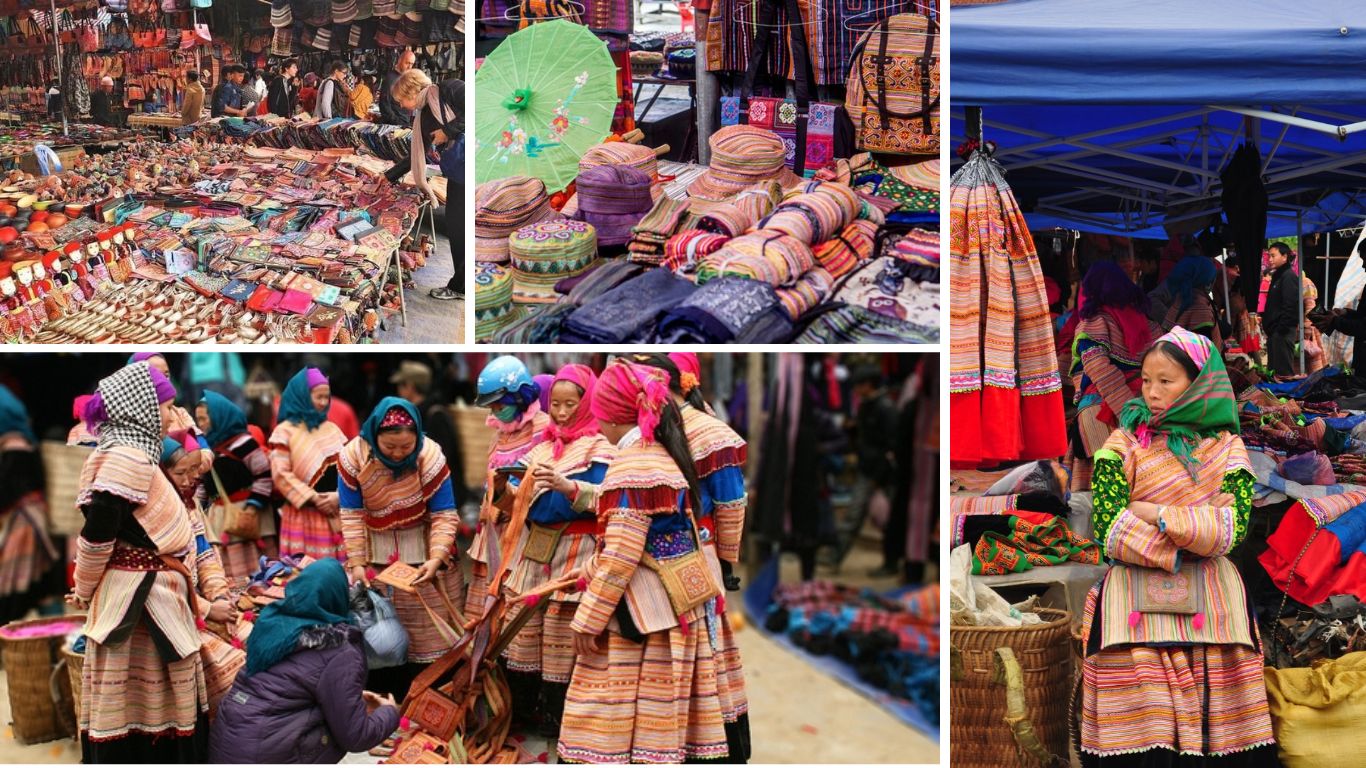
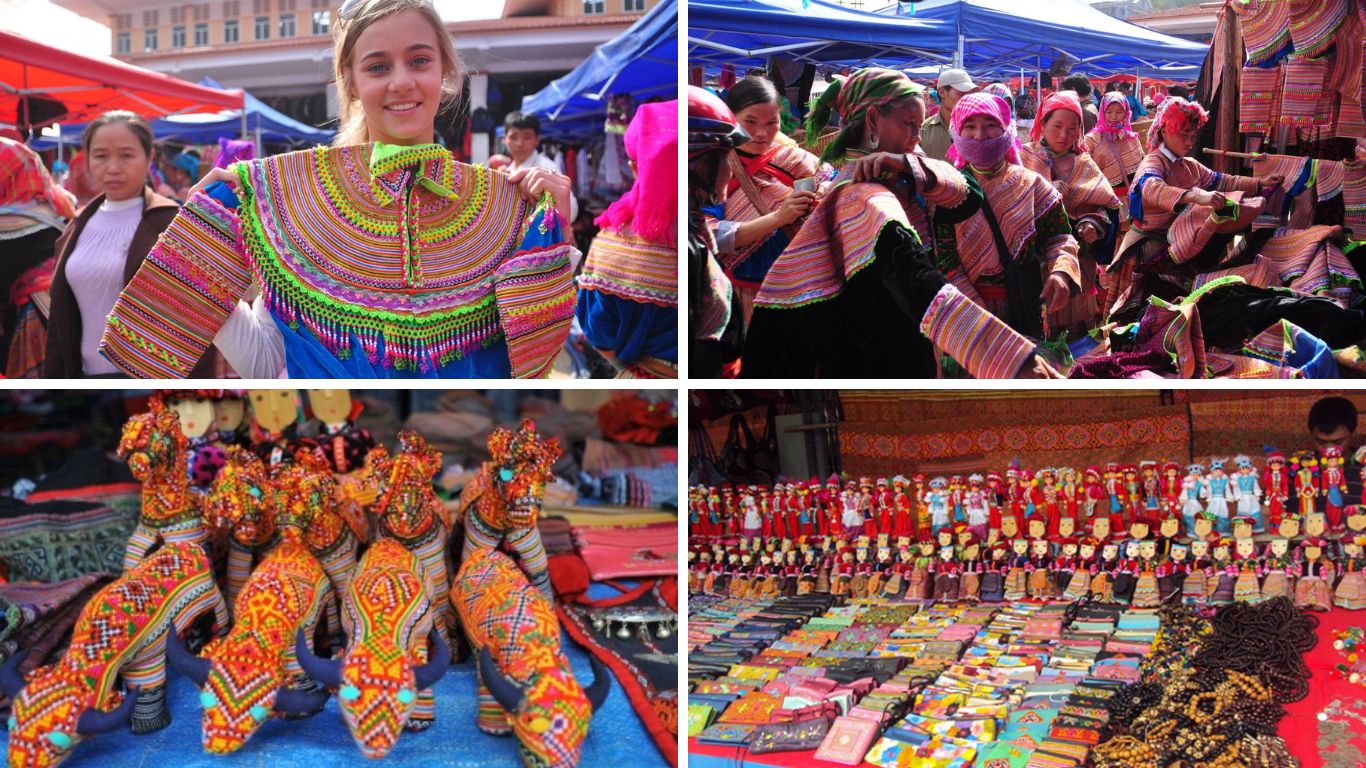
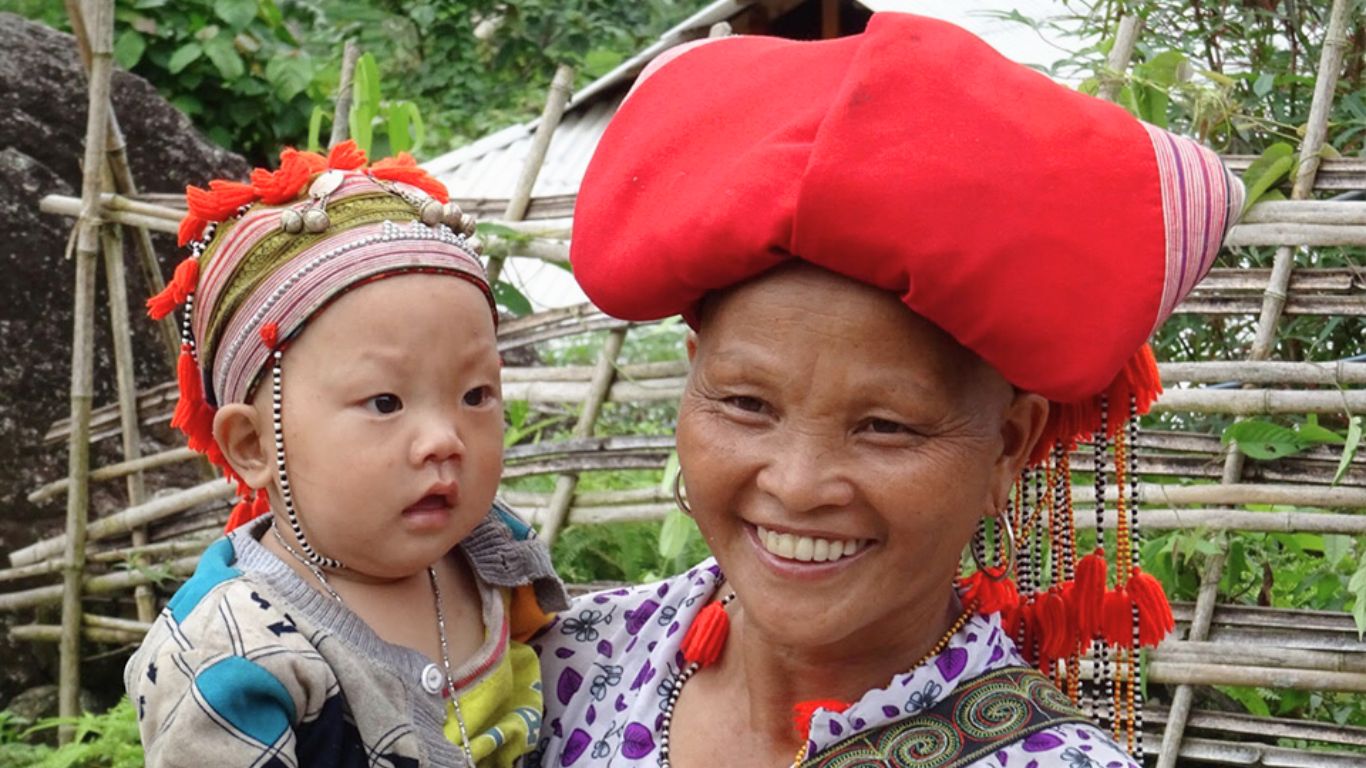
The vibrant, hand-embroidered costumes are a photographer’s dream and a living testament to the artistry of the region’s women.
Textile Stalls
A visual feast of color and craftsmanship. These stalls overflow with handwoven skirts, embroidered shawls, and patterned bags. Each design carries a meaning; it can be about family, tribe, or even season — and each purchase helps preserve a tradition.
Authentic Highland Cuisine
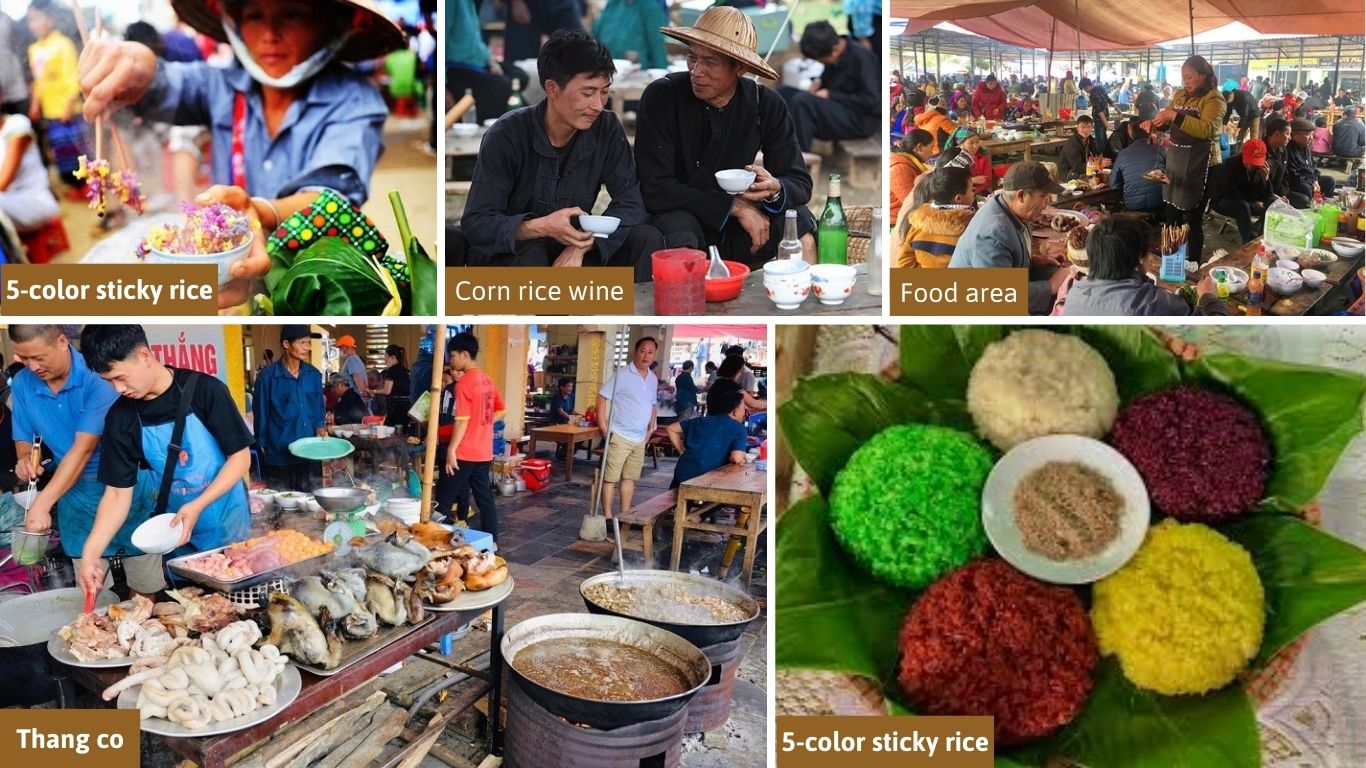
Follow the scent of sizzling skewers and steaming thắng cố (a hearty highland stew). Locals gather here to eat, laugh, and share corn wine. Pull up a low stool and join in; it’s the fastest way to connect with the community.
Main Square
This is the busiest and most photogenic spot. Surrounded by a swirl of traders, shoppers, and wandering chickens, it’s where the market energy is at its peak.
The Layout & Atmosphere of Bac Ha Market
Bac Ha Market is big, but once you know its four main areas, it’s easy to explore:
- Handicrafts & Textiles: The most colorful zone, where Flower Hmong women proudly display handwoven skirts, embroidered shawls, and patterned bags. Perfect for photos and unique souvenirs.
- Fresh Produce & Spices: Fiery red chilies, earthy cinnamon, sharp mountain cardamom, and fragrant tea leaves. A paradise for the senses.
- Food Stalls: Steam rising from thắng cố pots, noodles flying from wok to bowl, and charcoal skewers sizzling, this is the market’s social heart.
- Livestock Area: Buffalo, horses, pigs, goats, and chickens changing hands in a noisy, raw slice of highland life.
💡Tip: Arrive before 9:00 AM to see the market in full swing, when conversations, scents, and colors collide in the crisp mountain air.
What to Buy at Bac Ha Market
Textiles & Embroidery:
Mostly handmade by Flower Hmong women. The skirts, scarves, and sashes are handwoven and dyed with intricate patterns that carry symbolic meaning about family, tribe, or season.
Silver Jewelry:
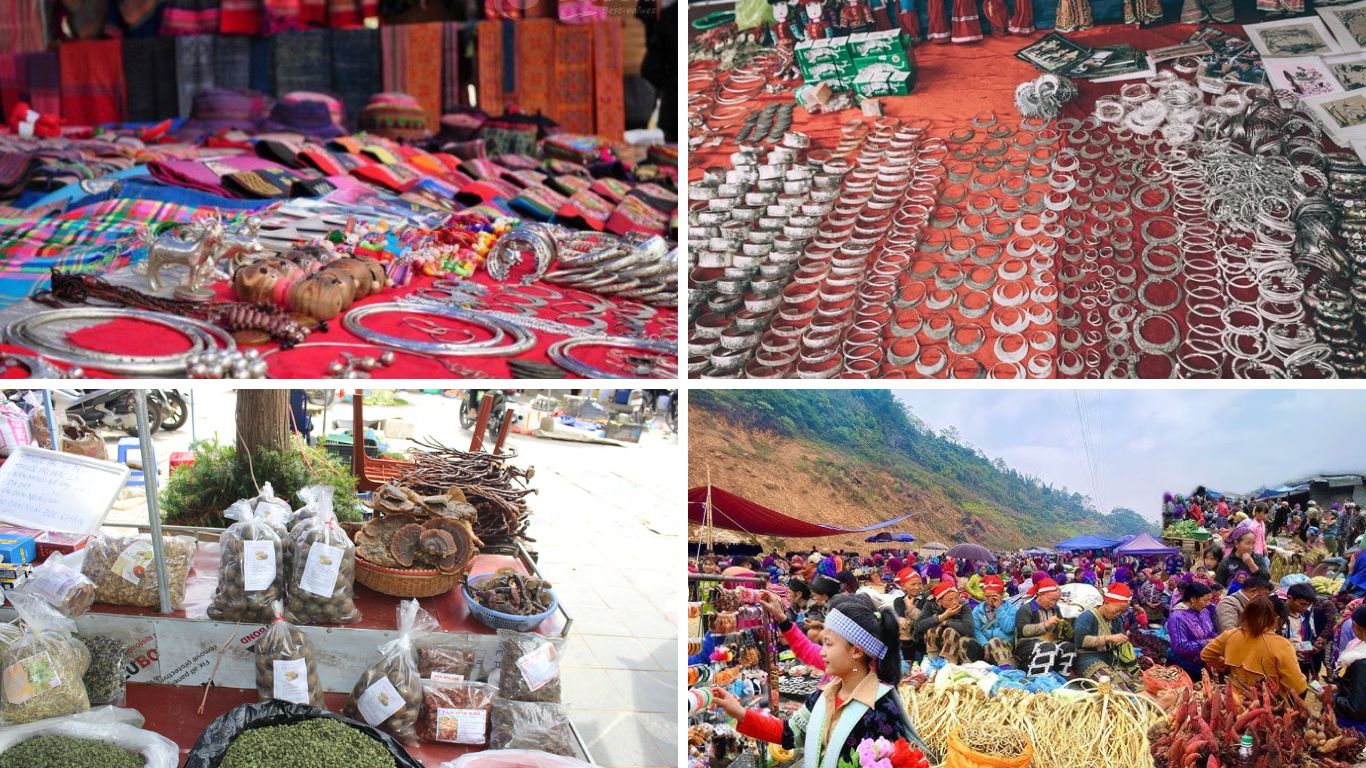
Crafted by local silversmiths using traditional methods. Necklaces, bracelets, and earrings often feature ethnic motifs and are worn during festivals and special occasions.
Herbal Medicines:
Bundles of dried roots, barks, leaves, and seeds were collected from the surrounding mountains. They’re used in traditional remedies for everything from colds to joint pain.
Souvenirs with Meaning:
Items like hand-carved wooden tools, woven baskets, and decorated gourds. Buying directly from the artisan supports their livelihood and keeps their craft alive.
Spices & Tea:
Mountain cardamom, cinnamon bark, anise, and green tea. These are highly aromatic and often harvested by hand from local forests.
Why is Bac Ha Market Worth Visiting?
Because Bac Ha Market is more than a shopping stop, it’s a cultural experience. Here, trade is as much about human connection as it is about goods. Whether you come for the colors, the food, or the raw energy of the buffalo market, you’ll leave with memories (and maybe a few souvenirs) that last far longer than your trip.
Nearby Attractions Worth Exploring
-
Wander through ethnic villages: Step into vibrant villages where hand-embroidered skirts and scarves tell stories of generations. Meet local artisans and learn their traditions. Capture colorful photos against the mountain backdrop.
-
Trek along scenic terraced fields: Walk winding trails over emerald rice terraces that cascade down misty mountainsides. Every viewpoint offers a breathtaking panorama perfect for photos. Enjoy nature’s beauty and calm serenity.
-
Discover hidden waterfalls and streams: Explore secluded waterfalls and clear streams tucked among highland hills. Listen to cascading water and enjoy peaceful, quiet moments away from crowds. Refresh and reconnect with nature.
-
Stay in local homestays: Live with friendly highland families, share meals, stories, and laughter. Taste home-cooked dishes and experience the rhythms of mountain life firsthand.
Practical Tips for Visiting Bac Ha Market
- Arrive early: The market starts bustling at around 7:00 AM. Arriving early means fewer crowds, fresher goods, and better photo opportunities.
- Bring cash: ATMs are limited in Bac Ha, and most vendors only accept Vietnamese dong. Small denominations make bargaining easier.
- Ask before taking photos: Many ethnic minority women are happy to be photographed if you ask politely, but some prefer not to.
- Dress for the weather: The highlands can be chilly in the morning, even in summer, and sudden rain showers are common.
- Bargain respectfully: Haggling is expected, but always with a smile.
- Stay overnight: Consider staying in Bac Ha on Saturday to catch both the buffalo market and the Sunday market.
FAQs:
How to get to Bac Ha Market?
Bac Ha Market is located in Bac Ha Town, Lao Cai Province. You can reach it by bus, motorbike, or private car from Lao Cai City (about 76 km, 2 hours) or Sapa (about 100 km, 3–3.5 hours). Many travelers book a guided tour to combine Bac Ha with nearby attractions.
Can Cau Market vs. Bac Ha Market,which should I visit?
Bac Ha Market is larger and more famous, drawing diverse ethnic groups and offering a wider range of goods, from handicrafts to livestock. Can Cau Market, held on Saturdays, is smaller but more intimate and scenic, especially for photography. If possible, visit both for a fuller experience of northern Vietnam’s highland markets.
How far is it from Sapa to Bac Ha Market?
The journey is about 100 km and takes 3–3.5 hours by road. Expect winding mountain passes and breathtaking views along the way.
How to get to Bac Ha Market from Sapa?
You can take a direct bus, hire a private car, or join a day tour. The trip typically includes several scenic stops and costs range from 200,000–400,000 VND ($8–$16) per person for a shared bus.
Is Bac Ha Market worth it?
Absolutely. Bac Ha Market is one of Vietnam’s most colorful highland markets, offering a vibrant mix of cultures, authentic crafts, unique foods, and a chance to see traditional buffalo trading. It’s a must for travelers seeking a true local experience.
What can I buy at Bac Ha Market?
Popular items include handwoven textiles, silver jewelry, traditional herbal medicine, locally distilled corn wine, and fresh produce.
If you have an interested with a day filled with vibrant culture, delicious local flavors, and genuine experiences, we will help you make it unforgettable. At Vietnam Travel Online, we design personalized market adventures that go far beyond the typical visit. Whether you want to explore lively stalls, meet talented artisans, or savor regional treats, we tailor every detail to match your pace and passions.
Let your travel be meaningful, not just memorable.