

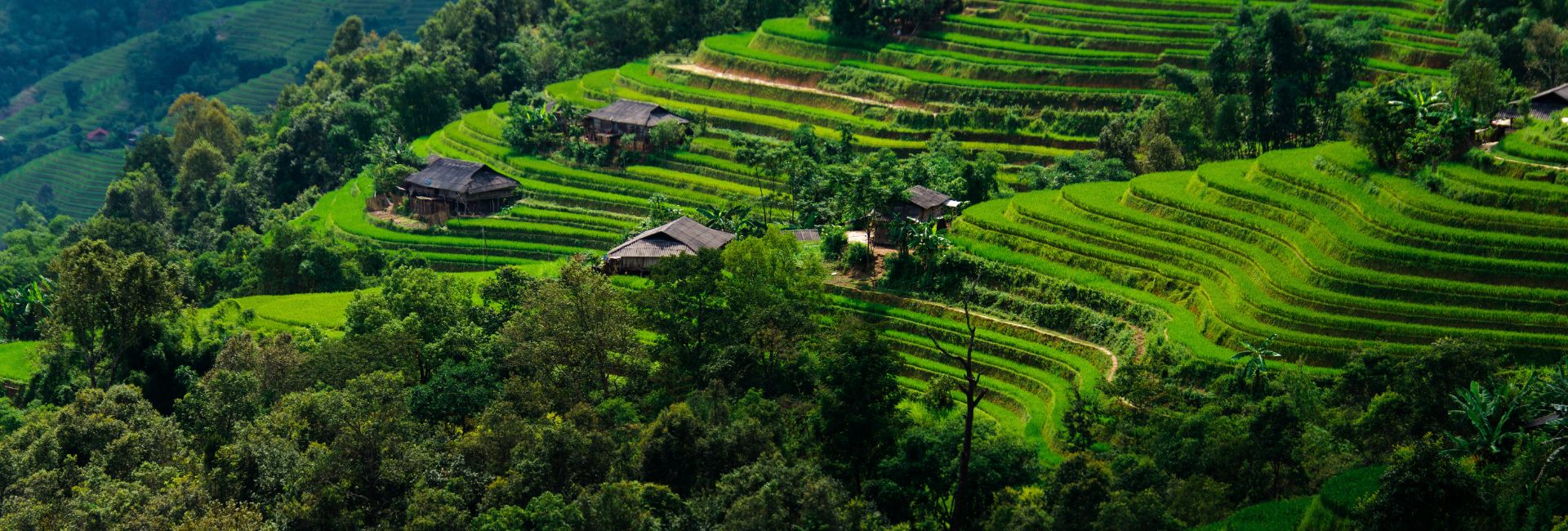
Ha Giang Loop in June marks the beginning of the early green rice season, when terraced fields across the mountains transition from preparation to growth. Combined with manageable temperatures and fewer visitors compared to peak summer months, this period offers a balanced and rewarding travel experience. As highlighted in our detailed Ha Giang travel guide, the region follows a distinct agricultural rhythm, and June captures its most dynamic transformation. Instead of golden harvest landscapes, you encounter flooded paddies reflecting the sky, newly planted rice forming geometric patterns, and limestone peaks deepened in tone after early seasonal rains. This month reveals a quieter, greener, and more intimate side of northern Vietnam’s most iconic mountain route.
What can you find in this travel blog?
- The Early Green Rice Season
- Weather Conditions on the Ha Giang Loop in June
- Where to Visit on the Ha Giang Loop in June
- Best Time of Day to Ride in June
- Is June a Good Time to Ride the Ha Giang Loop
- Crowd Levels and Travel Pace in June
- Ha Giang Loop in June Compared to May and July
- Who Should Travel the Ha Giang Loop in June
- Plan Your Ha Giang Loop in June with Local Expertise
- FAQs
The Early Green Rice Season
Expanding Terraces Across the Valleys
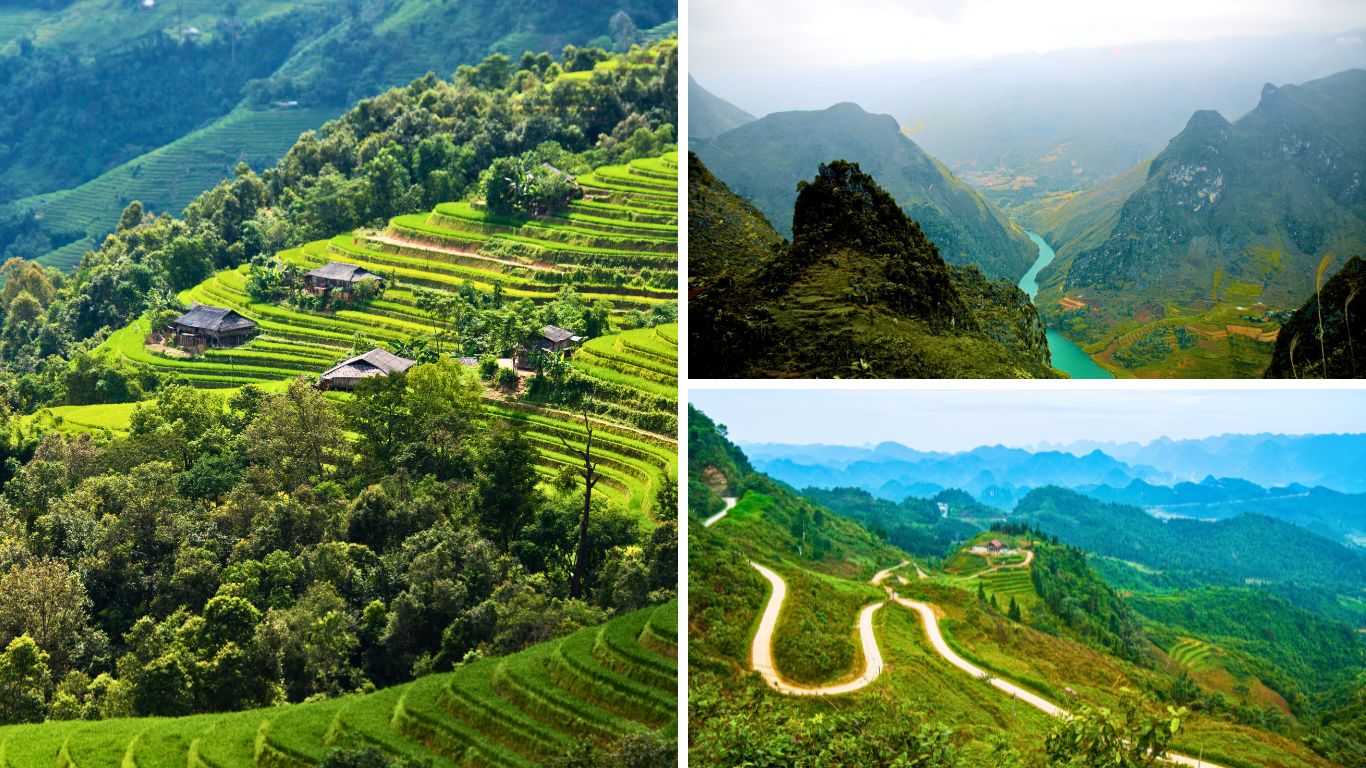
One of the most striking changes during the Ha Giang Loop in June is the transformation of terraced fields into continuous layers of vibrant green. The water-filled paddies seen in late spring are replaced by rooted rice plants that now stretch evenly across hillsides. These terraces no longer act as mirrors reflecting the sky. Instead, they form textured patterns that follow the natural curves of the mountains, creating rhythm and depth across entire valleys.
In regions such as Hoang Su Phi, this progression is especially dramatic. Terraces cascade down steep slopes in structured layers, and the uniformity of young rice creates a powerful sense of scale. Even along the classic route through Dong Van and Meo Vac, smaller agricultural pockets begin to influence the visual character of the ride. Green becomes the dominant tone, softening the harshness of exposed rock and bringing balance to the rugged karst terrain.
This stage of growth introduces a more immersive riding experience. Rather than observing isolated scenic highlights, travelers encounter consistent visual richness throughout the loop. The Ha Giang Loop in June feels continuous and cohesive, with fewer abrupt transitions between dry and cultivated areas.
Texture, Light, and Visual Depth
As rice plants grow thicker, the terraces develop a texture that responds dynamically to light and wind. Morning sunlight creates layered gradients across the slopes, while passing clouds cast moving shadows that add dimension to wide valley views. After rainfall, the green tones intensify, producing a deeper contrast against limestone cliffs and mountain ridgelines.
This interplay between agriculture and natural geology is one of the reasons June stands out. The landscape does not rely on extreme seasonal drama. Instead, it offers complexity. The combination of structured cultivation and irregular mountain forms creates visual tension that photographers and riders alike find compelling. The Ha Giang Loop in June, therefore, rewards patience, encouraging travelers to pause at viewpoints and observe how the scenery shifts throughout the day.
Weather Conditions on the Ha Giang Loop in June
June marks the early phase of the rainy season in northern Vietnam, which introduces noticeable changes in temperature, humidity, and rainfall patterns. However, these changes do not necessarily reduce travel quality. Instead, they redefine how the journey unfolds and how riders plan their days.
Temperature and Humidity
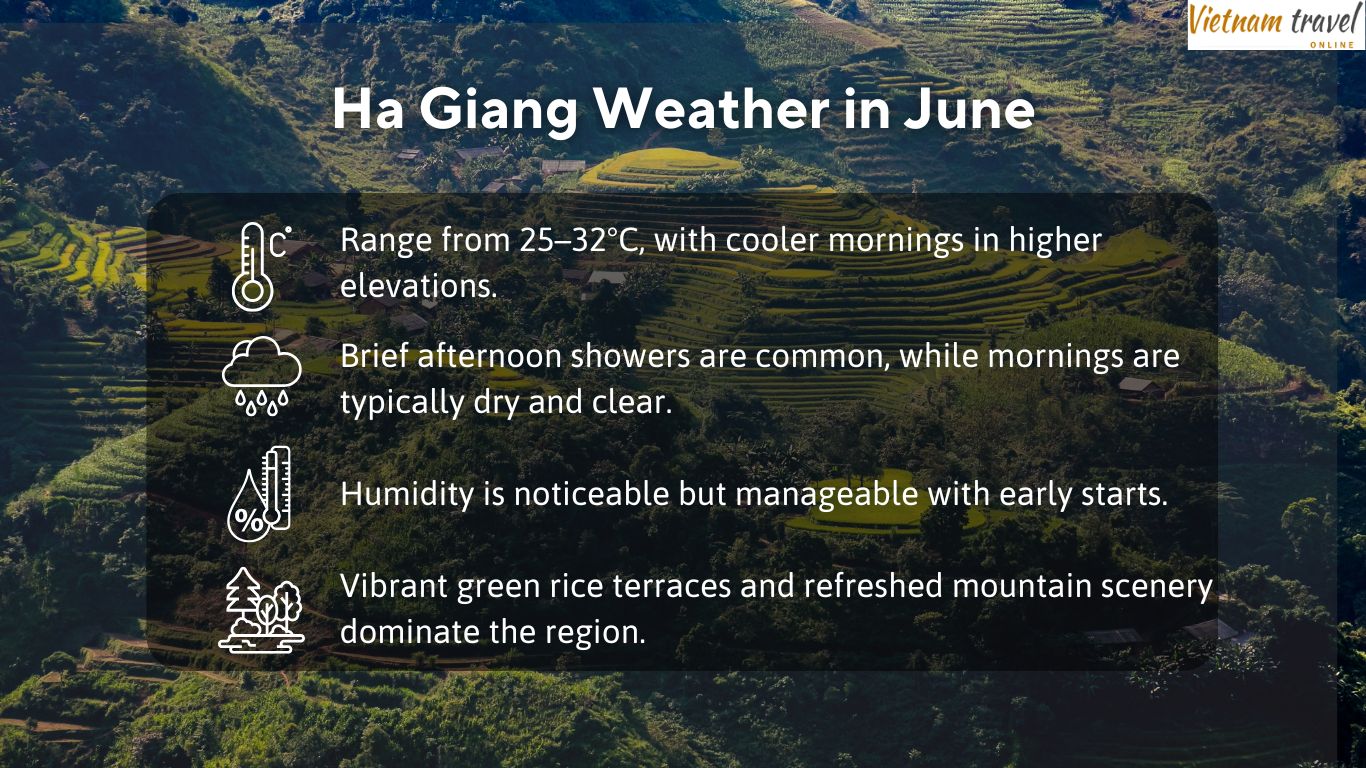
Daytime temperatures during the Ha Giang Loop in June typically range between 25 and 32 degrees Celsius, with lower valleys feeling warmer than higher mountain passes. Early mornings remain relatively comfortable, especially above 1,000 meters, where cooler air lingers before the sun strengthens. As the day progresses, humidity becomes more present, particularly during long climbs or when riding through enclosed valleys. This combination of warmth and moisture contributes to the lushness that defines June. Vegetation grows rapidly, roadside plants appear denser, and forested sections feel more enclosed. While riders may experience increased perspiration compared to spring months, proper pacing and early departures help maintain comfort throughout the day.
For a broader seasonal comparison and a detailed breakdown of monthly conditions, you can explore our complete guide to Ha Giang weather and the best time to visit Ha Giang to plan your journey with greater confidence.
Rainfall Patterns and Riding Impact
Rainfall becomes more frequent in June compared to May, though it rarely persists for an entire day. Mornings are often dry and clear, providing favorable riding conditions. Cloud buildup typically occurs in the afternoon, sometimes resulting in short but intense showers. These patterns create a natural rhythm for travel, where early starts are advantageous, and flexibility becomes part of the experience.
Rain significantly influences the character of the Ha Giang Loop in June. Dust is almost entirely eliminated, improving air clarity. Colors become more saturated, and visibility often sharpens once storms pass. While occasional wet patches appear on the road, main loop routes remain accessible and well traveled. Riders who moderate speed and stay attentive to changing surface conditions generally find June manageable and rewarding.
Where to Visit on the Ha Giang Loop in June
Although the entire route benefits from early summer conditions, certain areas stand out during this period due to the way greenery and weather interact with the terrain.
Ma Pi Leng Pass in Early Summer
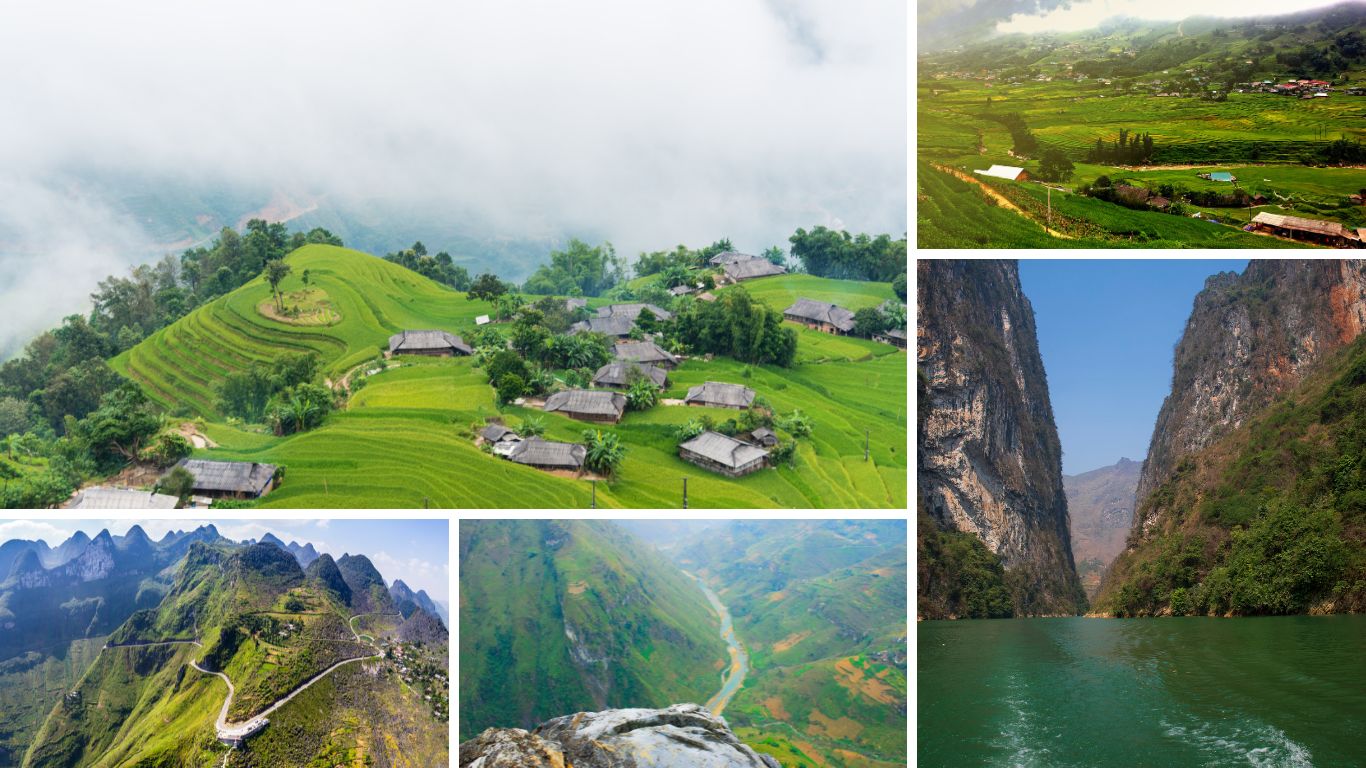
Ma Pi Leng Pass becomes especially dramatic in June because the deepened green valley below enhances the scale of the cliffs above. After rainfall, limestone formations appear darker and more defined, while shifting clouds add movement across the horizon. Morning rides across the pass typically provide the clearest visibility before afternoon cloud buildup, making early starts particularly valuable.
The interaction between vegetation, cloud patterns, and towering rock faces creates a more immersive atmosphere than in drier months. During the Ha Giang Loop in June, Ma Pi Leng feels less stark and more dynamic.
Nho Que River and Tu San Canyon
The Nho Que River often appears richer in tone under cloud-filtered light, and increased upstream rainfall can slightly elevate water levels. Boat rides through Tu San Canyon during this period feel atmospheric, especially when post-rain clarity sharpens the surrounding cliffs.
The contrast between elevated mountain riding and descending into the canyon becomes more pronounced in June. The surrounding environment feels layered and dense, reinforcing the sensory diversity of the loop.
Hoang Su Phi in Growth Stage
Hoang Su Phi stands out in June because the terraces are now fully green, yet not crowded by harvest season tourism. The structured growth of rice creates uniform lines across slopes, emphasizing depth and agricultural precision. Rather than focusing on dramatic color change, the visual appeal lies in repetition, geometry, and scale.
For travelers prioritizing rice landscapes, the Ha Giang Loop in June offers maturity without the intensity of peak seasonal traffic.
Best Time of Day to Ride in June
Daily timing plays a crucial role during the early rainy season. Morning hours typically offer cooler temperatures and clearer skies, making them ideal for longer riding stretches and high elevation passes. Starting early reduces exposure to midday heat and increases the likelihood of completing major scenic sections before potential afternoon showers.
By midday, humidity intensifies, particularly in valley sections. Cloud buildup becomes more noticeable across mountain ridges. While not every afternoon brings rain, flexibility allows riders to pause if storms develop.
Evenings after rainfall often feel refreshed, with improved air clarity and cooler temperatures in towns such as Dong Van and Meo Vac. Adapting to this natural rhythm enhances the overall experience of the Ha Giang Loop in June.
Is June a Good Time to Ride the Ha Giang Loop
Determining whether June is suitable depends largely on personal expectations. For travelers seeking lush scenery and atmospheric landscapes, the Ha Giang Loop in June can be highly appealing. However, those prioritizing completely dry roads may need to consider seasonal trade-offs.
Road Conditions and Accessibility
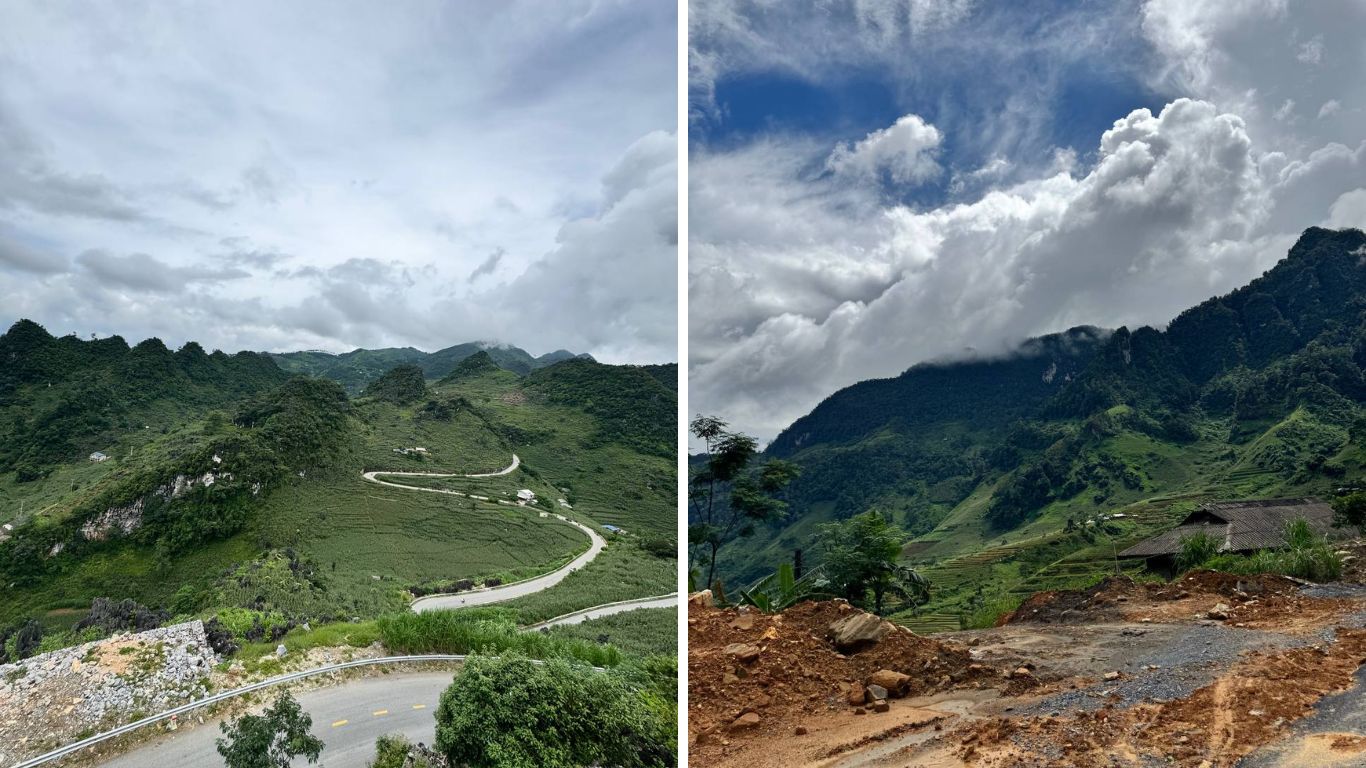
The primary roads of the Ha Giang Loop remain operational in June, including iconic stretches such as Ma Pi Leng Pass. Increased rainfall can occasionally create muddy sections on less-maintained detours, but severe disruptions are uncommon during the early rainy season. The key factor is adaptability. Riders who remain cautious on downhill curves and after heavy showers typically navigate the loop safely.
The presence of greenery also enhances the dramatic scale of mountain passes. Deepened valley tones below Ma Pi Leng Pass, for example, emphasize the vertical drop and create stronger visual contrast. Within the Dong Van Karst Plateau Geopark, limestone formations appear darker and more defined against expanding vegetation, reinforcing the sense of rugged grandeur that defines the region.
Scenic Immersion and Atmosphere
What distinguishes the Ha Giang Loop in June from other months is its immersive quality. The air feels heavier, the landscape appears thicker, and cloud formations add movement to wide horizon lines. Rather than presenting isolated postcard moments, June delivers continuity. Each segment of the route contributes to a unified early summer atmosphere.
Travel during this month feels dynamic. Weather shifts, light changes, and agricultural growth all interact to create variation throughout the journey. For many riders, this evolving environment adds depth and authenticity to the experience.
Crowd Levels and Travel Pace in June
June sits before the peak surge of mid-summer domestic tourism, which helps maintain a balanced travel atmosphere. While visitor numbers are steady, they rarely overwhelm viewpoints or accommodation options outside major weekends. Towns such as Dong Van and Meo Vac remain active yet manageable, allowing travelers to secure lodging without excessive competition.
The occasional afternoon rainfall naturally slows pacing, encouraging breaks and spontaneous adjustments to itineraries. This rhythm can enhance the journey rather than disrupt it, as pauses often coincide with improved post-rain visibility and cooler evening temperatures.
Ha Giang Loop in June Compared to May and July
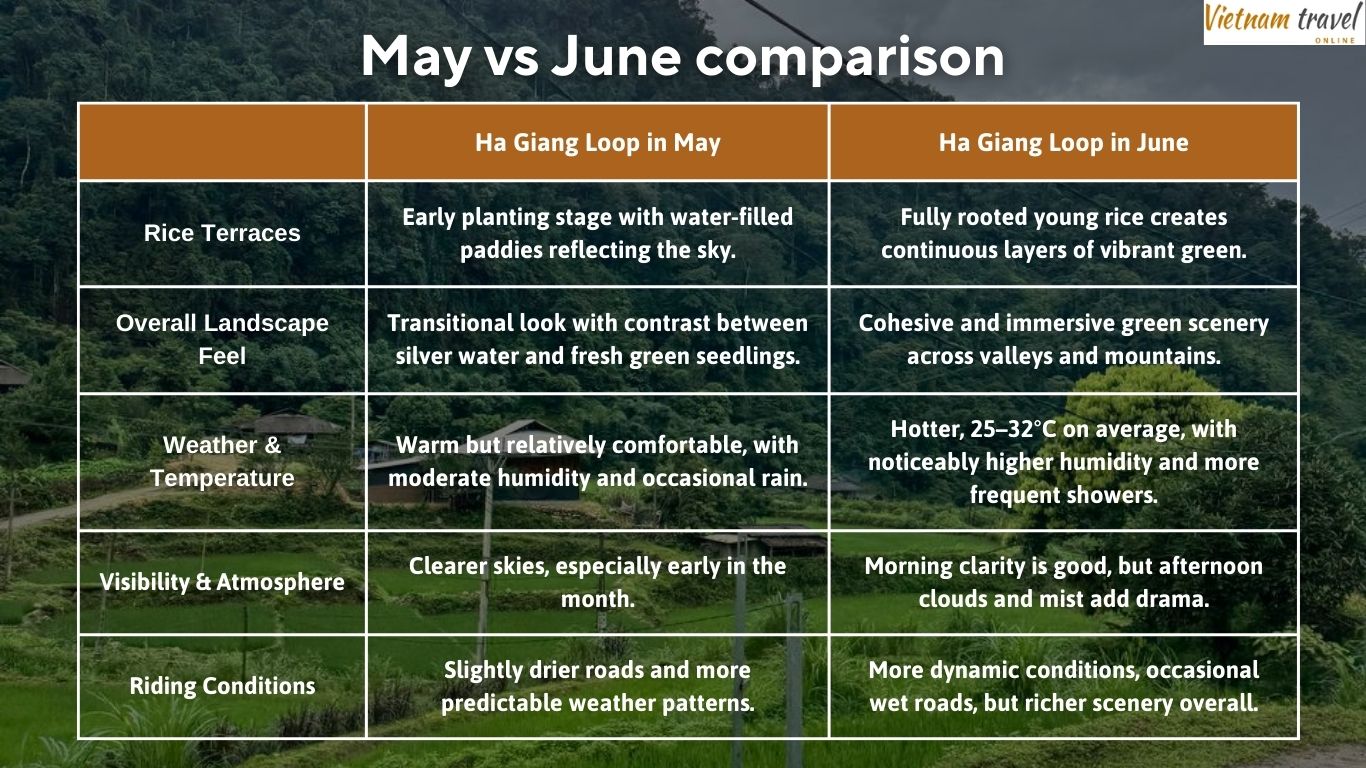
Understanding seasonal progression helps travelers make informed decisions. May represents transition, with reflective terraces and moderate rainfall. June represents establishment, with structured green growth and more regular but manageable showers. July brings heavier rainfall and higher humidity, increasing unpredictability.
For many riders, the Ha Giang Loop in June offers a balance between visual richness and reasonable riding conditions, sitting between spring freshness and peak monsoon intensity.
Who Should Travel the Ha Giang Loop in June
The Ha Giang Loop in June is particularly well-suited for travelers who value greenery, layered landscapes, and atmospheric mountain scenery. Riders comfortable adapting to short rain showers and warmer temperatures will likely find this month rewarding. Photographers seeking saturated colors and dramatic cloud movement may also appreciate the complexity June provides.
Conversely, travelers who prioritize completely dry riding conditions or specifically aim to see golden harvest terraces may prefer autumn months. Understanding the seasonal character of June ensures expectations align with reality.
Plan Your Ha Giang Loop in June with Local Expertise
If you are planning the Ha Giang Loop in June and prefer a journey that is thoughtfully paced around early summer conditions, choosing the right itinerary can significantly enhance your experience. June’s green rice terraces, warmer temperatures, and occasional afternoon showers require smart timing and flexible routing. A professionally designed tour ensures that you enjoy the most scenic mountain passes in the morning light, explore valleys at their lushest stage, and travel comfortably despite shifting weather patterns.
Below are three curated journeys that align particularly well with the character of the Ha Giang Loop in June.
A Focused Five-Day Journey Through Ha Giang
For travelers who want to concentrate fully on the northern highlands, the Explore the Trails of Ha Giang 5 Days itinerary offers a balanced and immersive route through the region’s most iconic landscapes. This journey allows time to cross Ma Pi Leng Pass during clear morning hours, experience the deep green valleys around Dong Van and Meo Vac, and engage with local communities at a relaxed pace. The five-day structure works particularly well in June, as it provides flexibility around afternoon rainfall while preserving enough time to appreciate the early growth stage of the rice terraces.
Expanding Beyond the Loop into the Northern Highlands
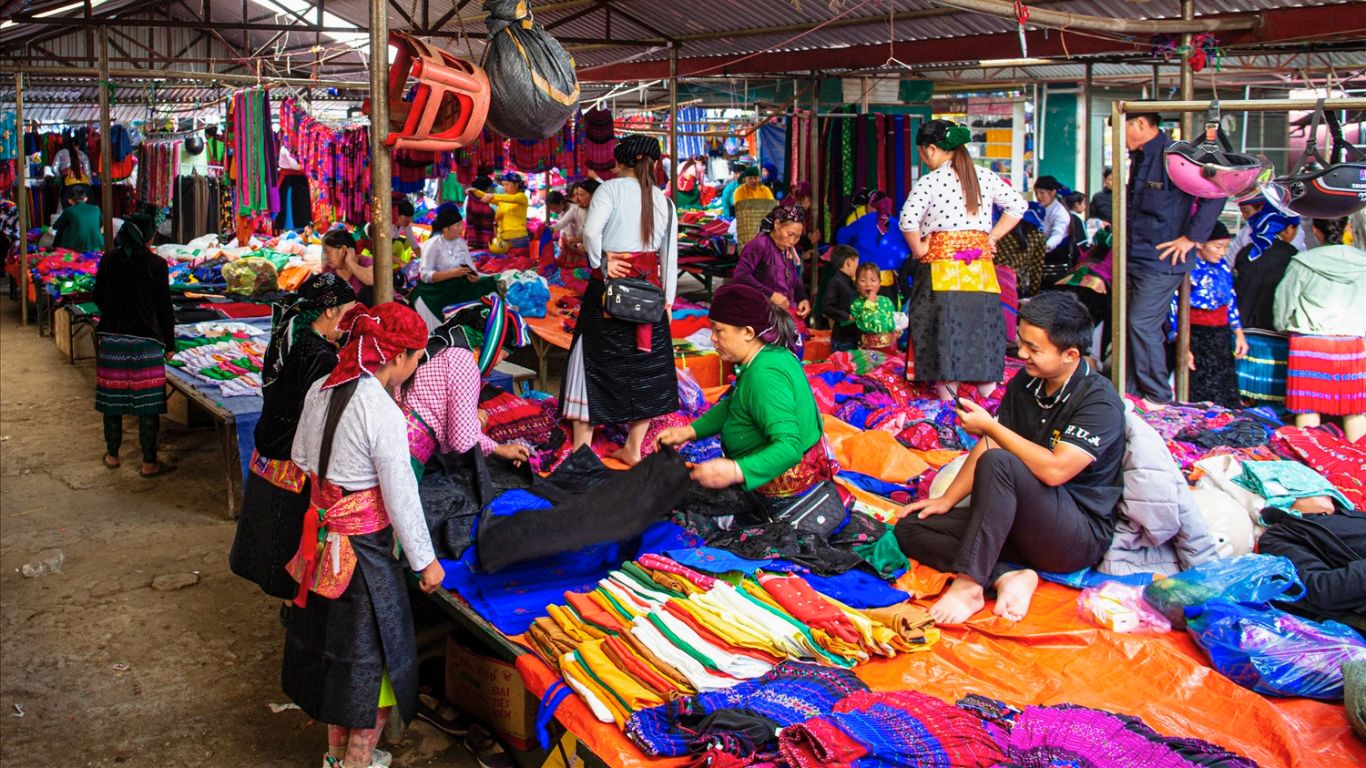
If you would like to see more of northern Vietnam while keeping the Ha Giang Loop as a central highlight, the Insightful Northwest Adventure 7 Days journey offers a broader perspective. By combining multiple highland destinations, this route deepens your understanding of ethnic cultures, mountain markets, and varied landscapes. In June, when vegetation across the north is vibrant and dynamic, this extended format allows you to experience the diversity of the region without feeling rushed.
A Comprehensive Vietnam Experience with Ha Giang at Its Core
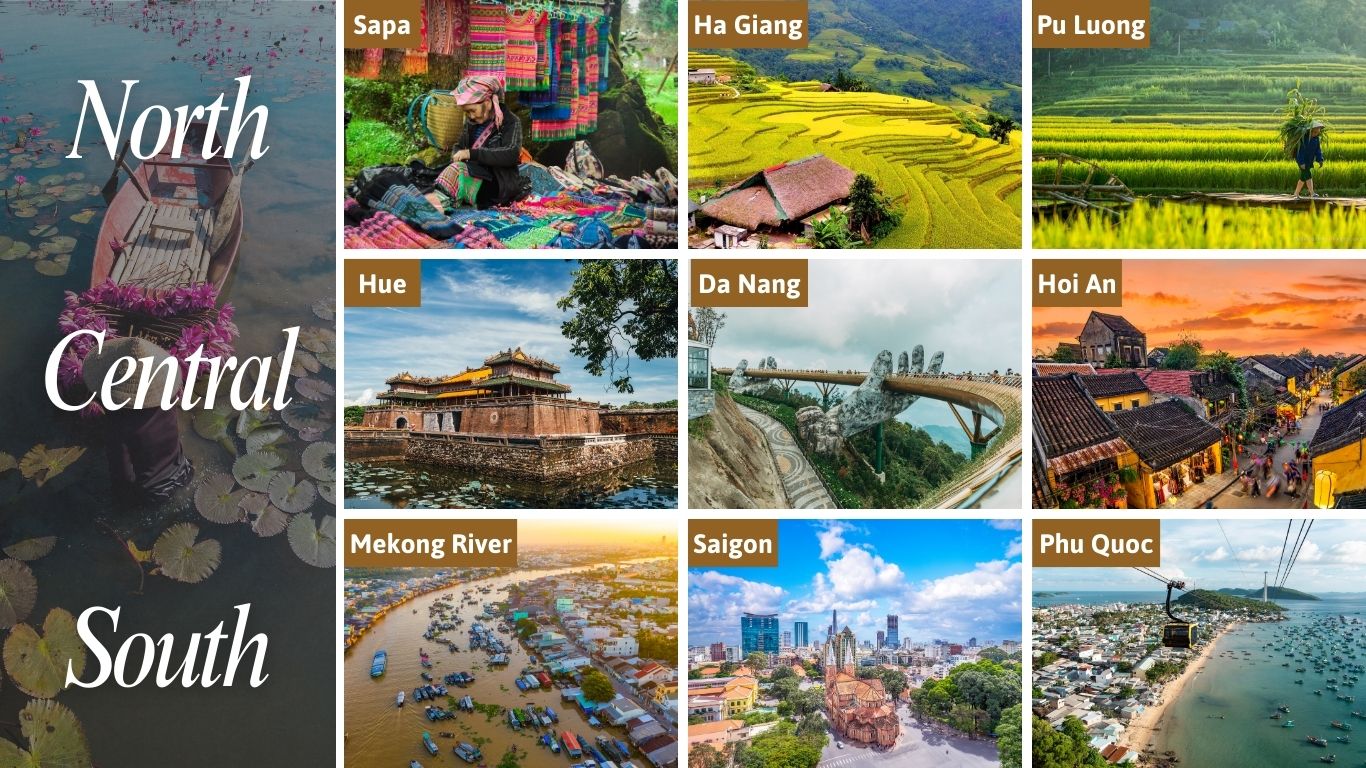
For travelers planning a longer exploration of the country, the In-Depth Vietnam Explore 20 Days program integrates the Ha Giang Loop into a wider Vietnam journey. Beginning in the northern mountains during the green season creates a powerful introduction before transitioning to cultural centers and coastal destinations further south. This option is ideal for those who want the Ha Giang Loop in June to be part of a larger, well-paced national itinerary.
If you would like assistance selecting the right journey or customizing one of these programs around your travel dates, you can explore our full collection of Vietnam tours, submit an inquiry through our contact form, or reach out directly via email at [email protected]. Our specialists will respond with recommendations tailored specifically to the seasonal character of the Ha Giang Loop in June and your personal travel style.
FAQs
Is June a good time to ride the Ha Giang Loop
Yes. June offers lush green scenery and accessible roads, provided riders plan around occasional afternoon rain and start their days early.
Does it rain heavily in June?
Rain becomes more frequent than in spring, but it typically occurs in short bursts rather than continuous downpours. Morning conditions are often stable.
Are rice terraces green in Jun?e
Yes. June marks the early growth stage, where terraces are fully planted and display expanding layers of young rice rather than reflective water surfaces.
Is the Ha Giang Loop crowded in June?
Visitor numbers are moderate. It is generally less crowded than peak autumn harvest months and before the height of domestic summer holidays.
What are temperatures like in June?
Daytime temperatures usually range between 25 and 32 degrees Celsius, with cooler mornings at higher elevations and noticeable humidity during midday.
Is June better than July for riding
For many travelers, yes. June typically offers more manageable rainfall and slightly lower humidity compared to July, while maintaining lush green scenery.