

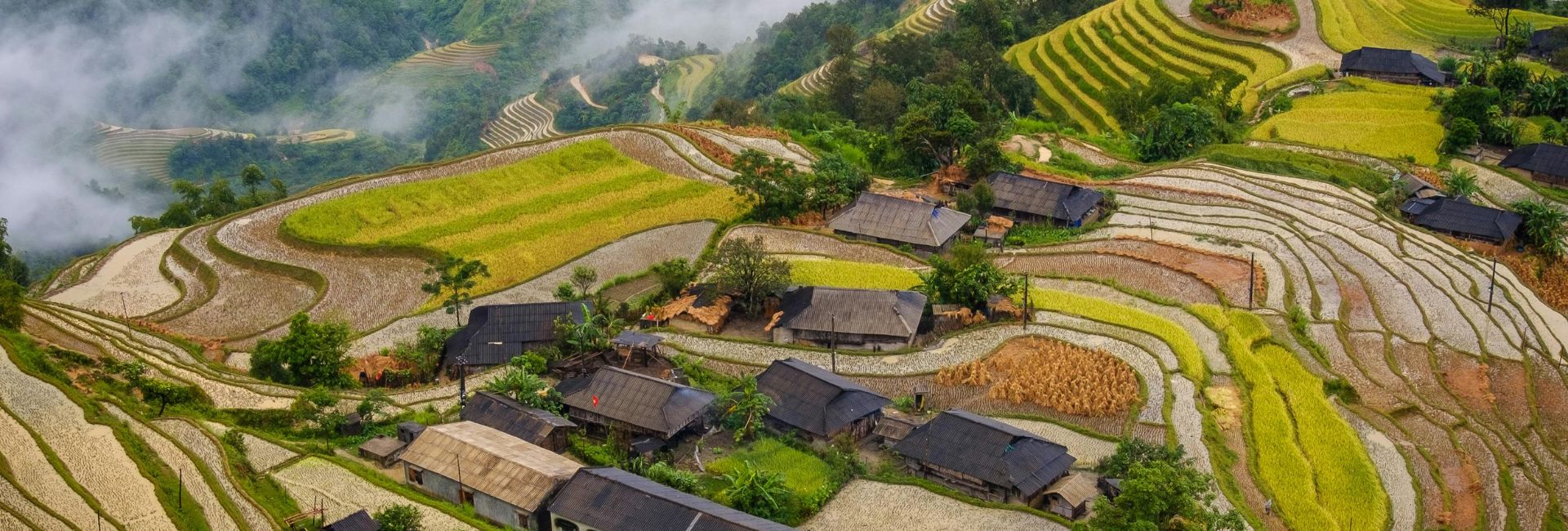
Tucked away in Vietnam’s far north, Ha Giang is a destination of raw beauty and deep cultural charm. Known for its winding mountain passes, limestone peaks, and colorful ethnic Ha Giang villages, this region remains one of the most authentic corners of the country. The villages to visit in Ha Giang are more than scenic stops; they are living cultural treasures that reflect centuries of history and tradition. Traveling here means breathing fresh mountain air, meeting welcoming locals, and experiencing Vietnam’s highlands in their purest form.
What can you find in this travel blog?
- Why You Should Visit Ha Giang Villages
- The Villages That Define Ha Giang’s Soul
- Beyond the Villages: How to Feel the Spirit of Ha Giang
- Essential Planning for Your Ha Giang Adventure
- A Journey Through the Highlands: 5 Days to Discover Ha Giang
- Before You Go: Helpful Tips for a Smooth Ha Giang Adventure
- FAQs
Why You Should Visit Ha Giang Villages
Visiting Ha Giang villages is not only about admiring the scenery but about experiencing real life in Vietnam’s northern highlands. Each village has its own charm, where you can hear the sound of weaving looms, smell wood smoke from kitchens, and see children playing between stone walls.
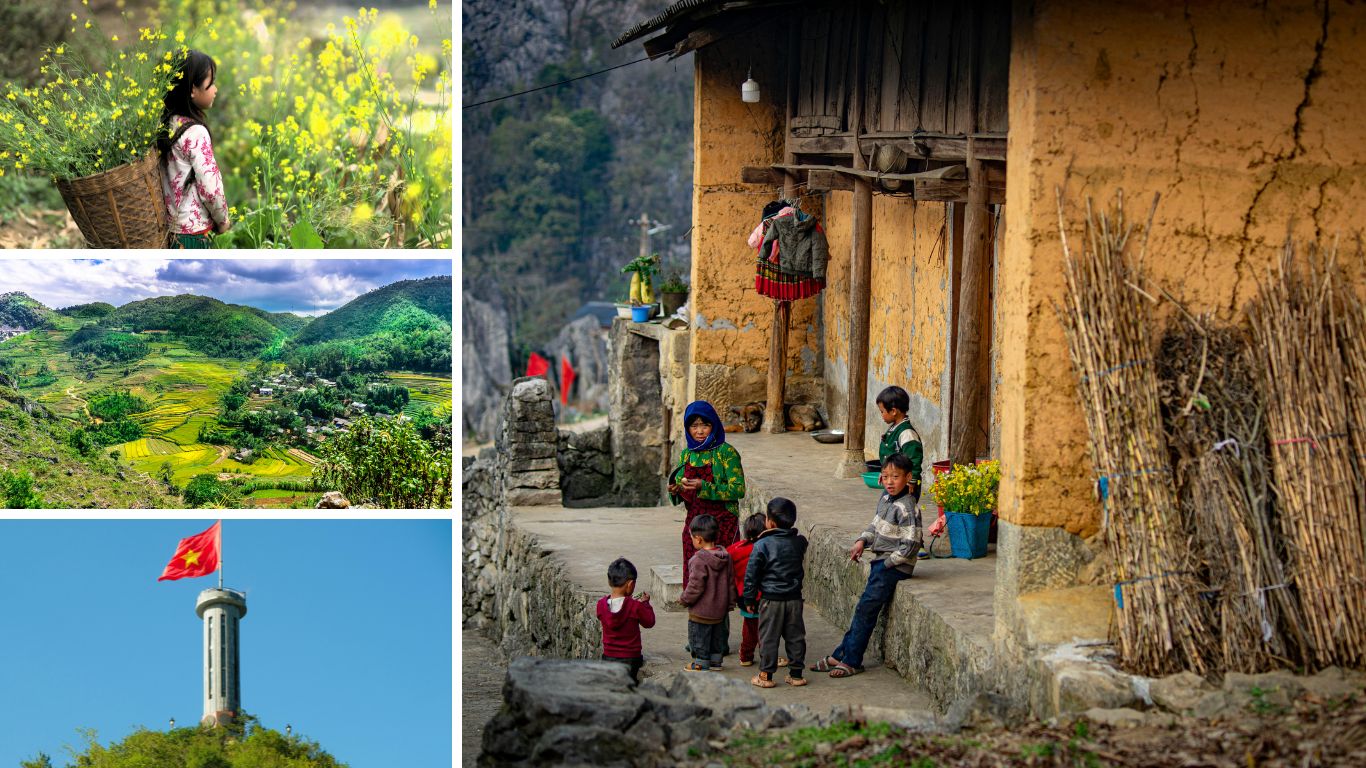
These places open a window to authentic culture, where ethnic groups such as the Lo Lo, Tay, and Hmong continue their age-old traditions. The landscapes are stunning, from limestone peaks to terraced fields and misty valleys that feel peaceful and timeless.
Whether you come for trekking, a motorbike loop, or a quiet stay in a stilt-house homestay, the villages in Ha Giang offer what few destinations can. They bring genuine hospitality, cultural depth, and a sense of connection that lasts long after you leave.
The Villages That Define Ha Giang’s Soul
Lo Lo Chai Village – A Colorful World Beneath the Flag Tower
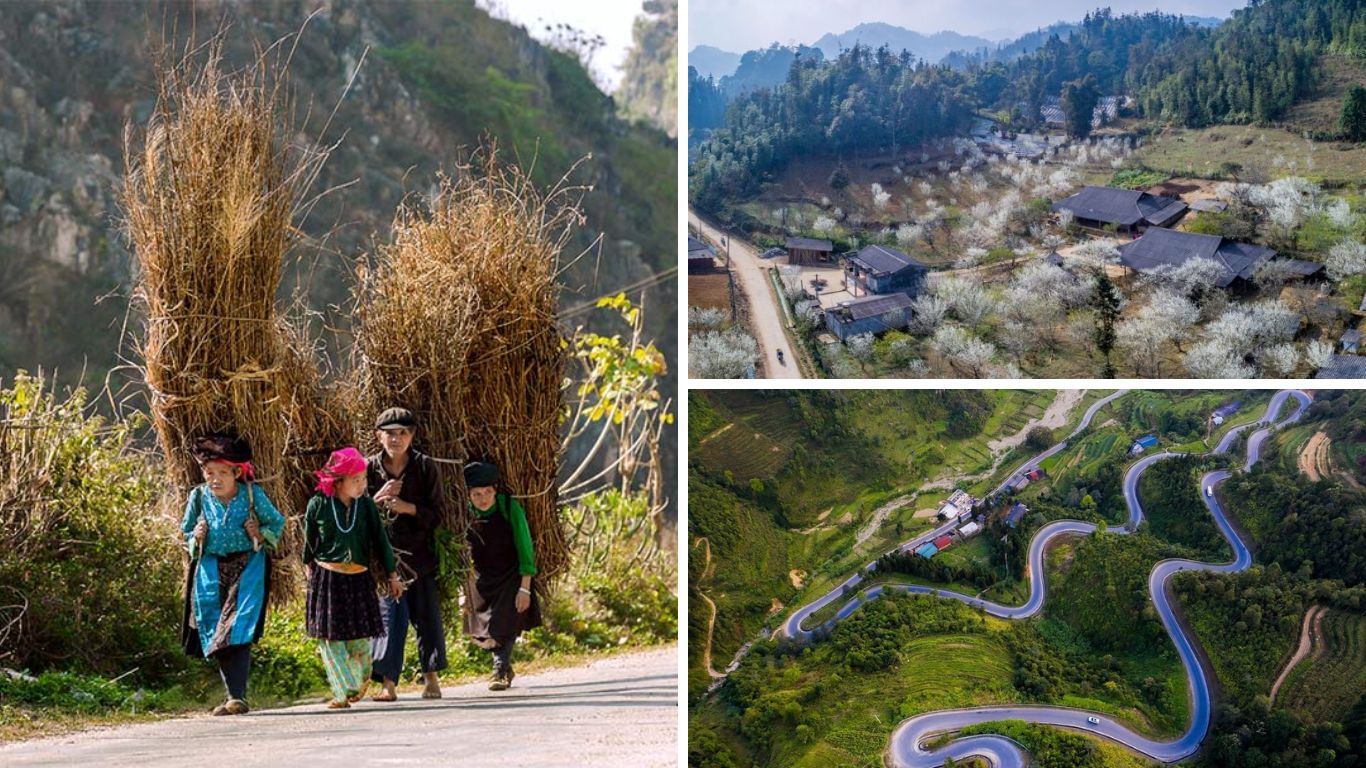
Sitting just beneath the Lung Cu Flag Tower, Lo Lo Chai Village is home to the Lo Lo ethnic group, known for their vibrant embroidered clothing and distinct mud-brick houses. Walking through this village feels like entering another time, where stone walls and wooden gates blend with mountain views. Travelers come here not only for its beauty but also for the heartfelt encounters, children playing in the lanes, elders weaving by their doors, and the gentle rhythm of daily life. During festival seasons, traditional dances and songs echo through the hills, offering a glimpse into the proud heritage that defines Ha Giang.
Lung Cam Cultural Village – The Setting of “The Story of Pao”
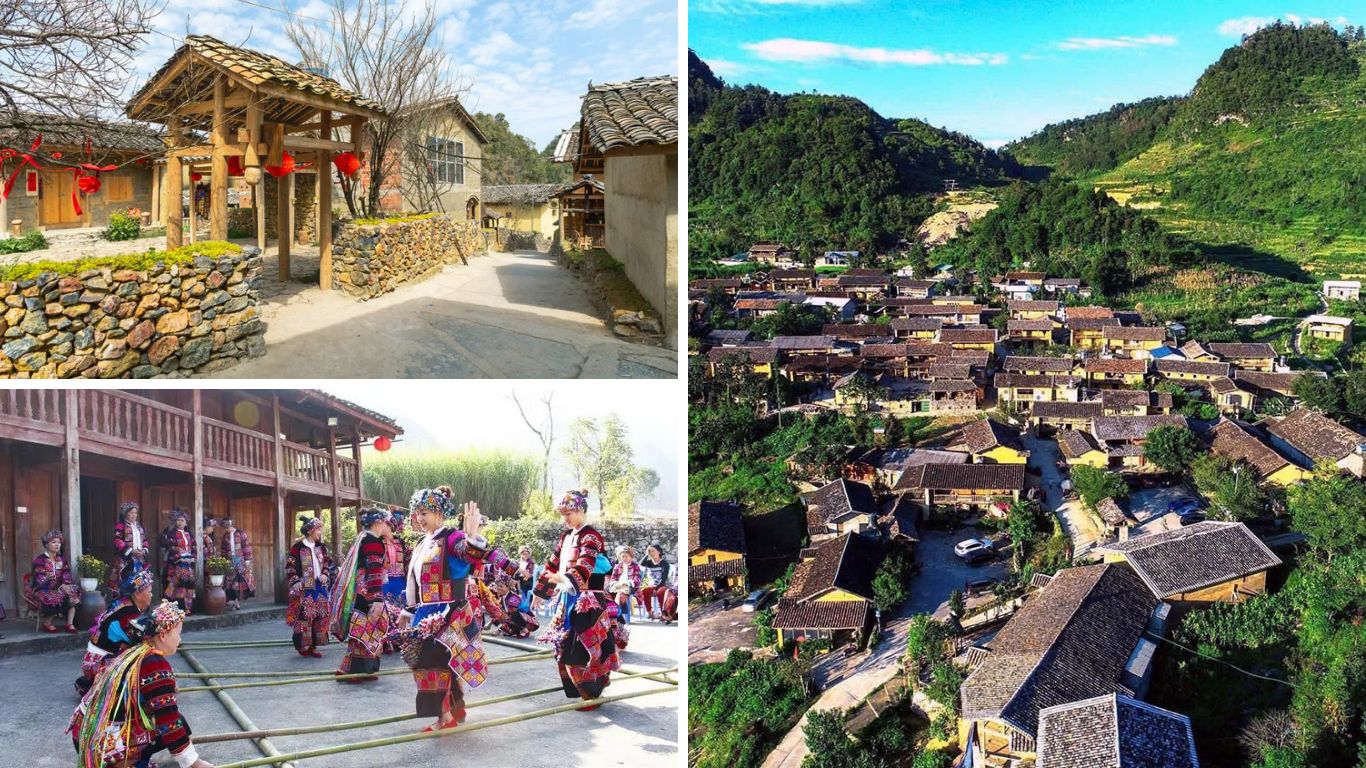
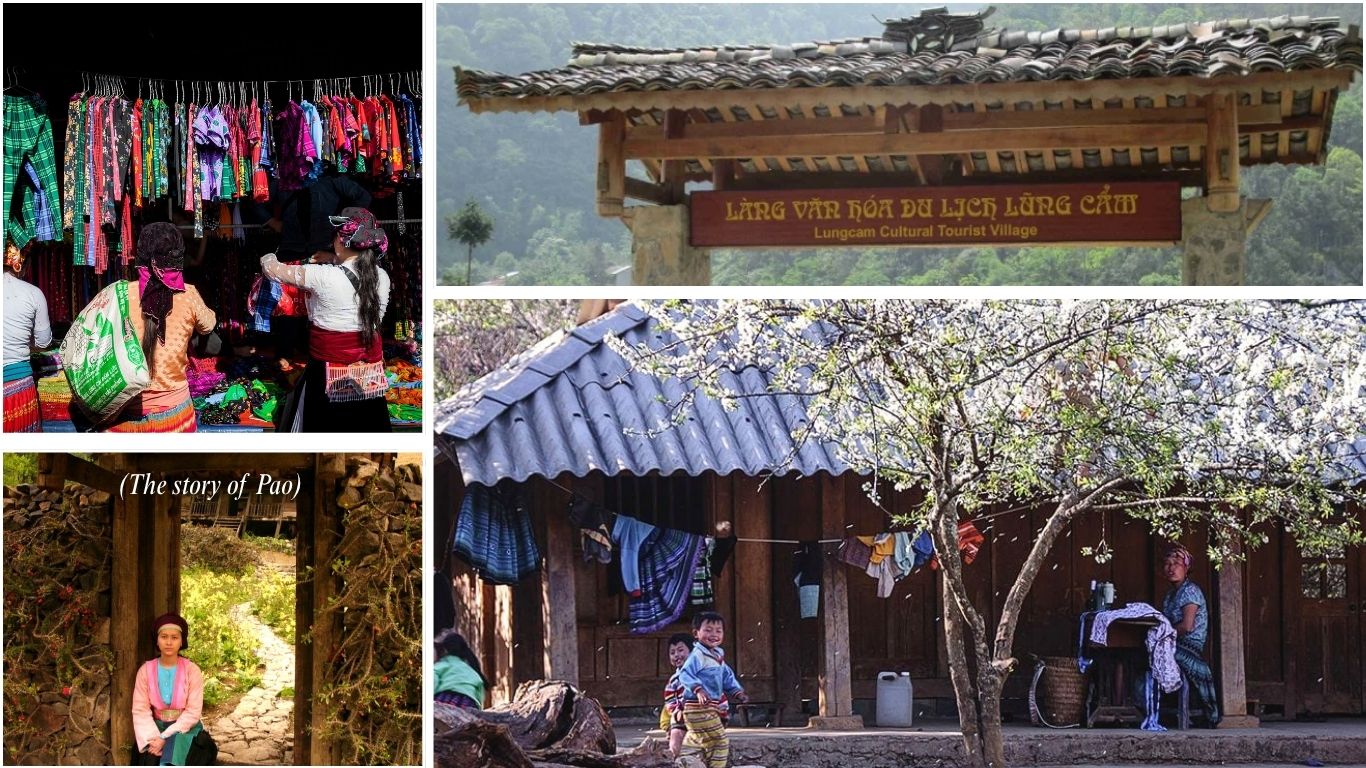
Nestled in the Sung La Valley, Lung Cam Village gained fame as the filming location for the Vietnamese movie The Story of Pao. The moment you arrive, you’ll see why it was chosen — stone fences, tiled roofs, and fields of buckwheat flowers that paint the valley pink each autumn. But Lung Cam is not just cinematic; it is alive with culture. You can step inside traditional Hmong houses, learn about their daily crafts, and enjoy the warm hospitality of families who still preserve age-old customs. It’s a quiet but powerful experience, where the simplicity of life becomes the most beautiful memory among Ha Giang villages.
Thon Tha Village – Where the Tay Culture Still Shines
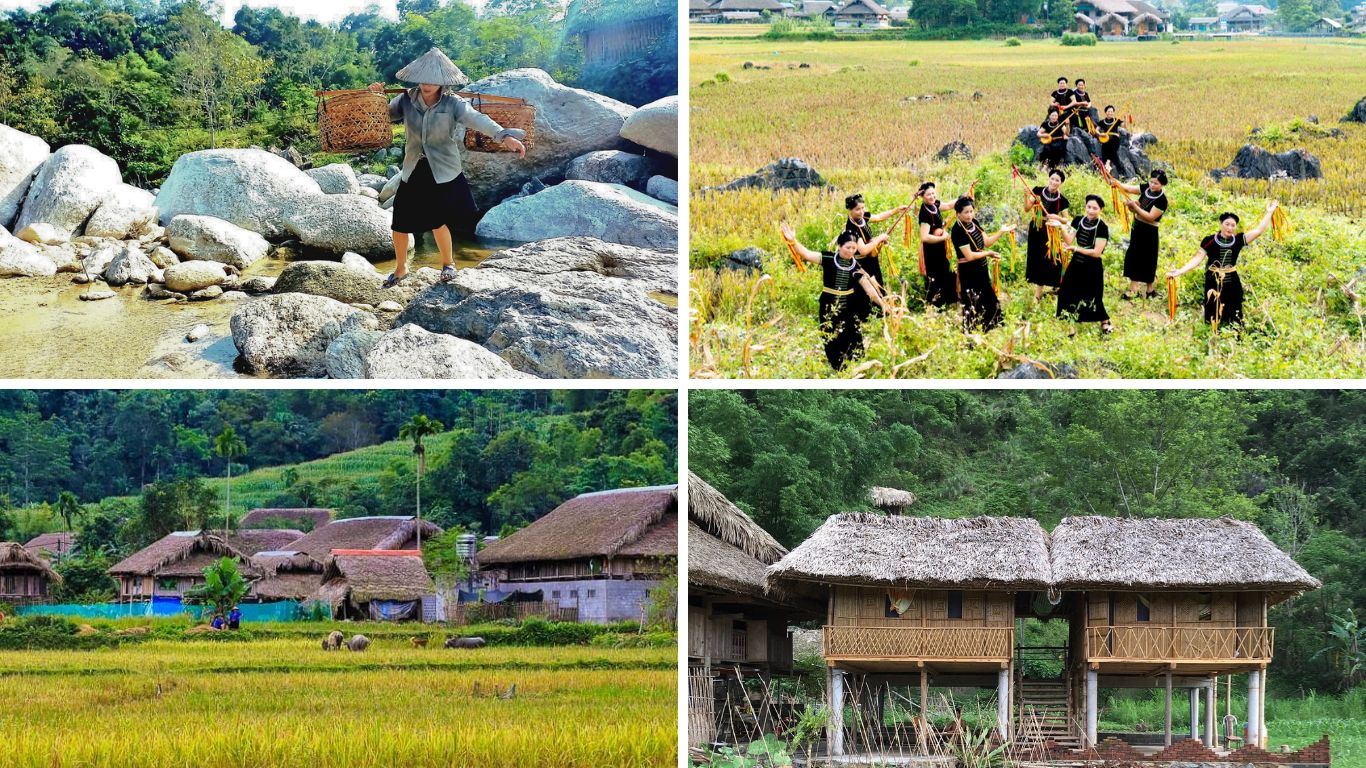
Only a short drive from Ha Giang City, Thon Tha Village offers an easy yet deeply authentic experience. This Tay village is surrounded by rice paddies, with wooden stilt houses reflecting on clear ponds. Staying here overnight is a wonderful way to experience the gentle pace of mountain life. You’ll wake to roosters crowing, help locals prepare breakfast, and walk through lush fields that turn golden at harvest. The people here welcome guests like family, and every meal feels like a celebration of warmth and connection — a hallmark of the most welcoming Ha Giang villages.
Du Gia Village – The Soul of Nature and Local Life
Deep within the mountains, Du Gia Village is a peaceful escape where nature and culture blend perfectly. The village is known for its cascading waterfall, emerald rice terraces, and the friendly smiles of local families. It’s one of the best Ha Giang villages for travelers seeking genuine immersion. Visitors often stay in homestays, sharing meals, hiking nearby trails, and swimming in the cool waters of the Du Gia waterfall. The journey to reach it is half the charm, winding roads, misty valleys, and endless green hills that reveal the soul of the northern highlands.
Quan Ba Villages – Heaven’s Gate and Twin Mountains
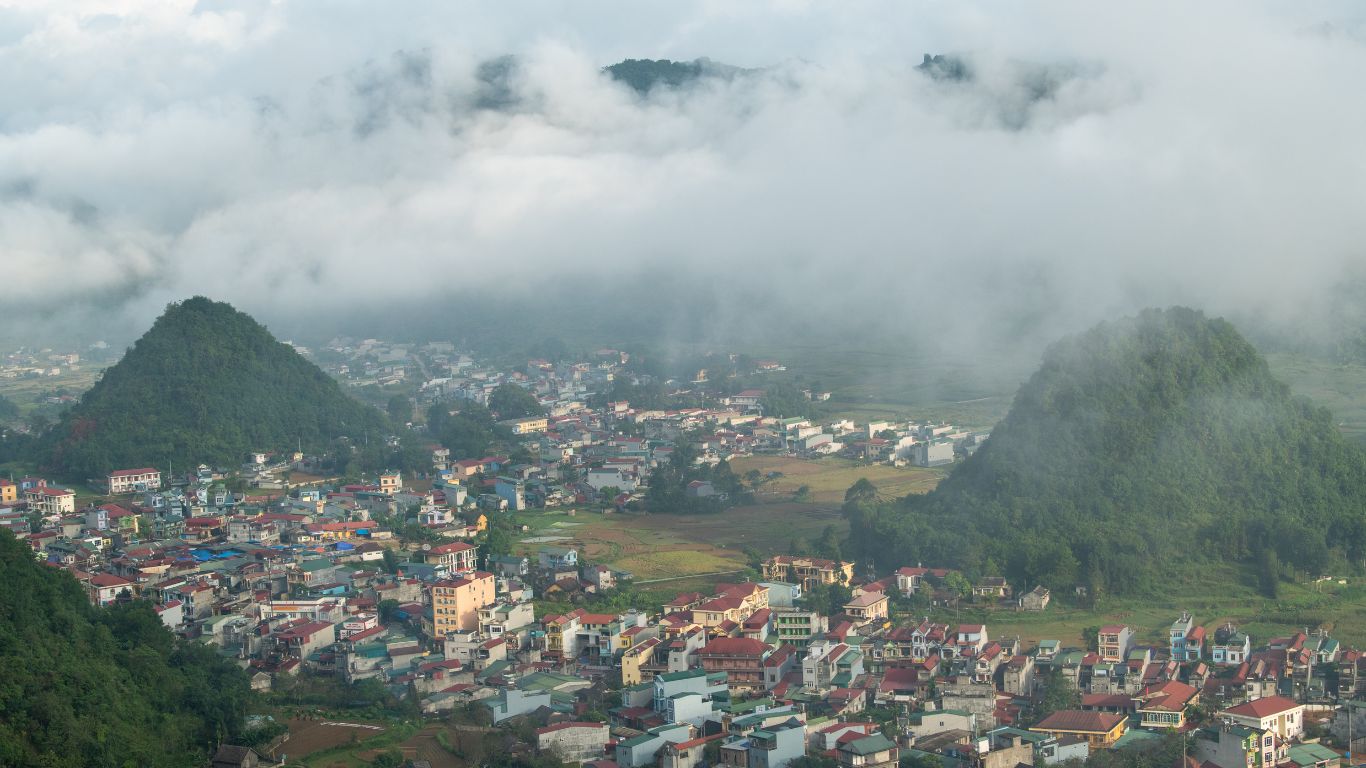
In the Quan Ba region, several Tay and Hmong villages sit near the famous Heaven’s Gate and Twin Mountains. These communities showcase the harmonious relationship between people and landscape, with stilt houses, terraced fields, and local crafts. A stop here offers gentle treks, panoramic views, and a sense of serenity before heading further north to Dong Van and Meo Vac.
Beyond the Villages: How to Feel the Spirit of Ha Giang
Trekking Through the Mountains and Valleys
Trekking in Ha Giang offers a journey through landscapes that feel untouched by time. The trails wind across terraced fields, small streams, and remote hamlets where you can meet ethnic families along the way. The best time for trekking is from September to November, when rice fields glow golden under the sun and the weather is cool and dry. Every step lets you feel closer to nature and the spirit of the land. It’s peaceful, raw, and full of life.
Cruising or Kayaking on the Nho Que River
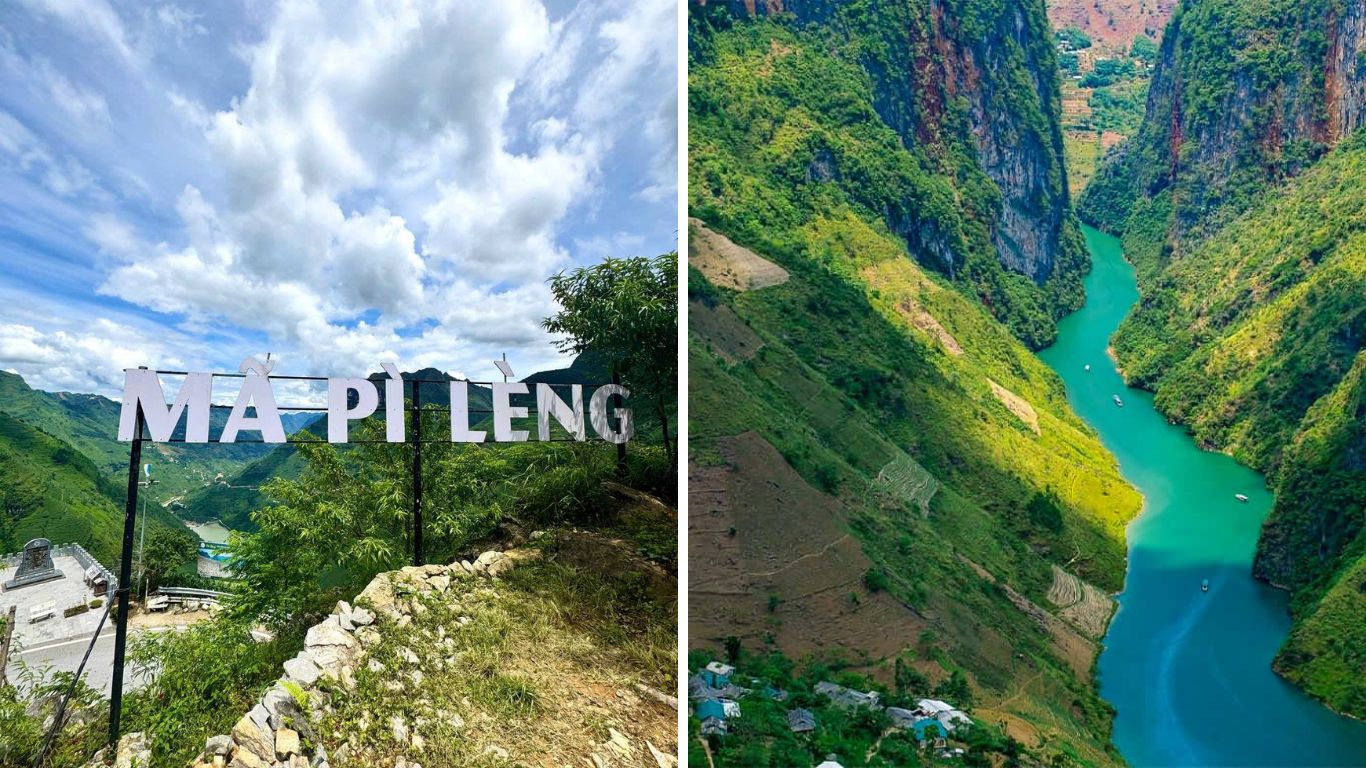
Flowing beneath the majestic Ma Pi Leng Pass, the Nho Que River is one of the most spectacular sights in Ha Giang. Cruising or kayaking along its turquoise waters gives you a different perspective of the towering cliffs and winding valleys. The silence here is striking, broken only by the paddle’s gentle splash or a bird’s call. This is where Ha Giang’s beauty turns meditative, a moment to simply breathe and take it all in.
Motorbiking the Ha Giang Loop
The Ha Giang Loop is a dream route for adventure seekers. Riding through its serpentine roads gives you the freedom to explore at your own pace, stop for panoramic views, and interact with locals. For many travelers, this is the highlight of their Vietnam journey. The route passes through Dong Van, Meo Vac, and Du Gia, combining magnificent scenery with cultural encounters. Even if you don’t ride yourself, joining an easy rider tour is the perfect way to enjoy the thrill while staying safe.
Exploring Local Markets and Ethnic Culture
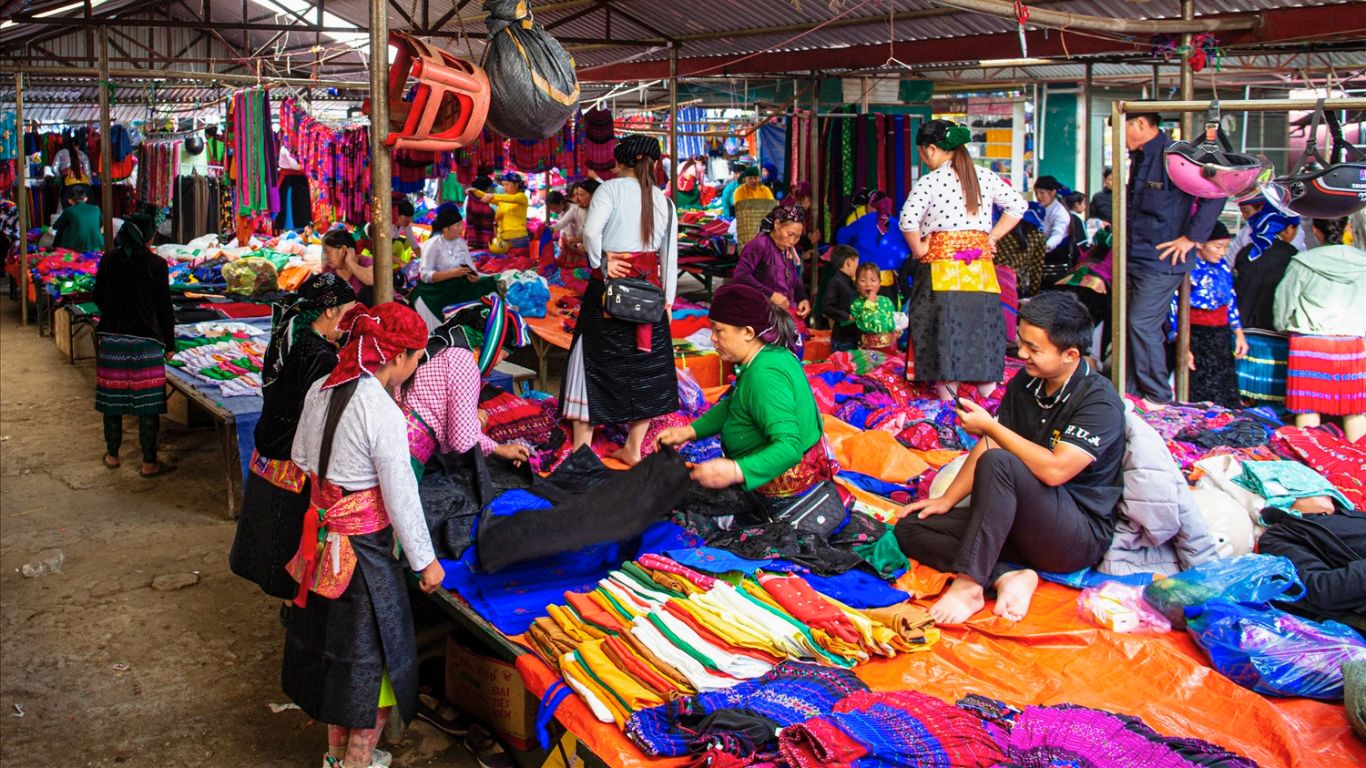
Every weekend, the highlands burst with color as locals gather at markets in Dong Van, Meo Vac, and Yen Minh. It’s not just about buying and selling; it’s a weekly celebration. Ethnic minorities come dressed in their finest clothes, carrying handmade goods, textiles, and local produce. The market energy is infectious, laughter, bargaining, and the aroma of hot corn wine drifting through the air. Visiting one lets you see the cultural heart of Ha Giang in its most joyful form.
Chasing Waterfalls and Scenic Views
Ha Giang’s hidden waterfalls and breathtaking viewpoints are scattered throughout the province. The Du Gia waterfall is a favorite, surrounded by forest and ideal for swimming on warm days. For unforgettable views, Ma Pi Leng Pass is the crown jewel. Standing at its edge, looking down at the Nho Que River winding far below, is one of those travel moments that stay with you forever.
Essential Planning for Your Ha Giang Adventure
How to Get to Ha Giang
Ha Giang lies about 300 kilometers north of Hanoi, and the journey by road reveals the region’s stunning landscapes along the way. Travelers can go by private car, limousine bus, or motorbike, depending on comfort and adventure preference. A private transfer is ideal for flexibility and safety, allowing stops for photos, village visits, and scenic viewpoints without stress. Most start early from Hanoi and arrive in Ha Giang City by late afternoon, ready to explore the highlands with energy and ease.
Where to Stay in Ha Giang
Accommodation in Ha Giang ranges from simple homestays in villages like Thon Tha and Du Gia to boutique hotels in Ha Giang City and Dong Van Town. Homestays offer authentic cultural experiences, letting travelers share meals, observe daily life, and connect with local families. Hotels and lodges provide comfort, privacy, and modern amenities, making them suitable for those who prefer convenience without sacrificing charm. Many visitors choose a mix of both to experience the highlands fully.
Private Services for a Smooth Trip
Private services enhance your Ha Giang experience by providing transportation, guides, and personalized itineraries. Hiring a private driver or joining a private tour ensures safety on winding roads and allows for a tailored schedule. You can visit remote villages, enjoy cultural encounters, and explore scenic spots at your own pace. Booking private services often includes homestay or hotel arrangements, so everything is coordinated, making the journey effortless and memorable.
At Vietnam Travel Online, we create tailor-made experiences shaped around your pace and interests. Explore more with our Vietnam tours, email us at vietnam@indochinavoyages.com, or use our contact form to start planning a truly personalized adventure.
A Journey Through the Highlands: 5 Days to Discover Ha Giang
The Explore the Trails of Ha Giang 5 Days tour captures the best of this northern wonderland. With just the right balance between exploration and rest, it’s ideal for travelers seeking both scenic beauty and local connection.
Day 1 – Journey to Ha Giang and Begin the Adventure
Start your trip from Hanoi and travel through peaceful countryside landscapes toward Ha Giang. Arrive by afternoon and relax in a traditional homestay surrounded by rice fields and mountains.
Day 2 – From Ha Giang City to Dong Van Plateau
Begin your mountain journey with a scenic drive through Quan Ba Heaven’s Gate and the Twin Mountains. Visit Thon Tha Village to experience Tay culture before reaching Dong Van.
Day 3 – Discover Lo Lo Chai and Lung Cu Flag Tower
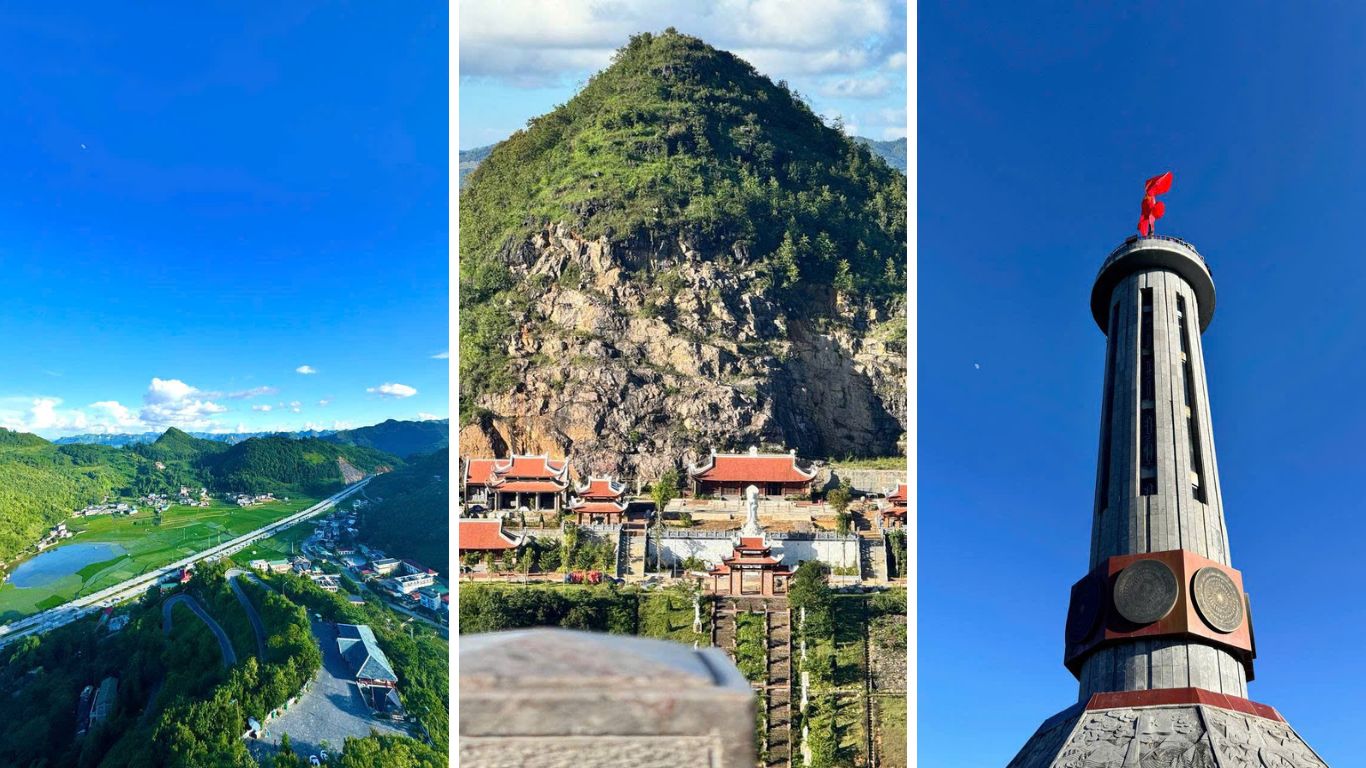
Head north to Vietnam’s final frontier. Visit Lo Lo Chai Village beneath the famous flag tower and explore Lung Cam Cultural Village in Sung La Valley, surrounded by rolling fields and old Hmong houses.
Day 4 – Ma Pi Leng Pass and Du Gia Village
Cross the legendary Ma Pi Leng Pass, one of the most stunning routes in Asia. Stop for panoramic photos before descending to Du Gia for a night in a peaceful homestay and a swim at the waterfall.
Day 5 – Return to Hanoi with Memories of the Highlands
Enjoy a slow morning amid misty hills before returning to Hanoi. The journey back is long but filled with reflection on the beauty and warmth you’ve just experienced.
Before You Go: Helpful Tips for a Smooth Ha Giang Adventure
-
Bring warm layers for cool nights, especially from October to March.
-
Carry enough cash; ATMs are limited in remote areas.
-
Hire a local driver or an easy rider for safety and deeper insight.
-
Always ask before photographing locals, especially at markets.
-
Book accommodation early during the flower or harvest season.
-
Keep travel insurance updated for highland travel.
-
Choose homestays and local guides to support community tourism.
FAQs
When is the best time to visit Ha Giang?
The best time is from September to November for golden rice fields or from March to May for the flower season. Both offer pleasant weather and stunning landscapes.
Do I need a permit to visit Ha Giang?
Yes, foreigners need a travel permit, which can be easily arranged through local agencies or your accommodation in Ha Giang City.
Can beginners ride the Ha Giang Loop?
If you have limited experience, it’s best to join an easy rider tour or hire a local driver. The roads are steep and winding, but safe when guided by professionals.
Is Ha Giang suitable for families or older travelers?
Yes, with private transportation and relaxed pacing, Ha Giang is suitable for all ages. Many families enjoy combining cultural visits with scenic drives.