

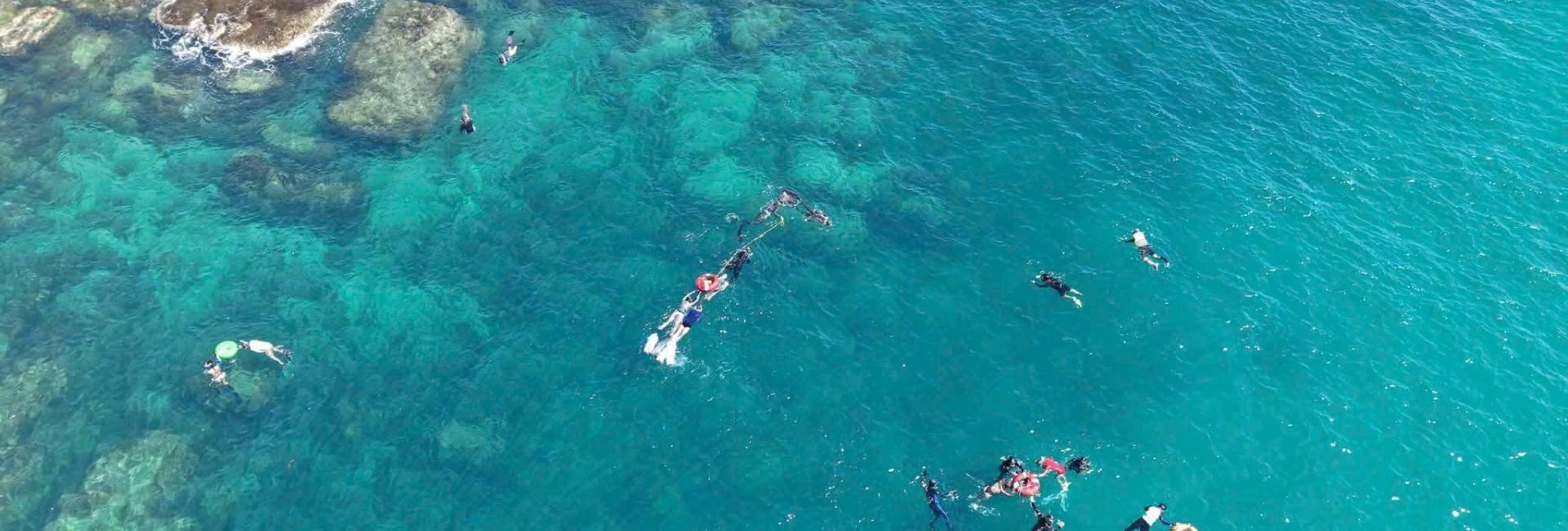
Vietnam’s coastline stretches for more than 3,000 kilometers, and much of it hides warm, calm water that rewards anyone who can simply swim. No diving certificate, no years of experience, just a mask, a bit of curiosity, and a boat ride to somewhere beautiful. This guide walks through the easiest and most rewarding places to snorkel this summer, the best months to go, what a day trip typically costs, and the small details that turn a good beach day into a great one. Whether the trip is solo, a family holiday, or a longer coastal route, there is a spot here that fits, along with private transport, accommodation, and tour options worth arranging in advance so logistics never get in the way of the fun.
What can you find in this travel blog?
- Is Snorkeling in Vietnam Worth It?
- When to Go and What It Costs
- Best Places to Snorkel and Enjoy Easy Beach Days
- Best Spot for Different Kinds of Travelers
- What You Might See in the Water
- Tips for a Great and Safe Snorkeling Day
- Simple Vietnam Beach Trip Itineraries
- FAQs
Is Snorkeling in Vietnam Worth It?
Short answer: absolutely, and it is far more accessible than most travelers expect. Here is what makes it worth packing a swimsuit for.
Why Vietnam Is Made for Easy Water Days
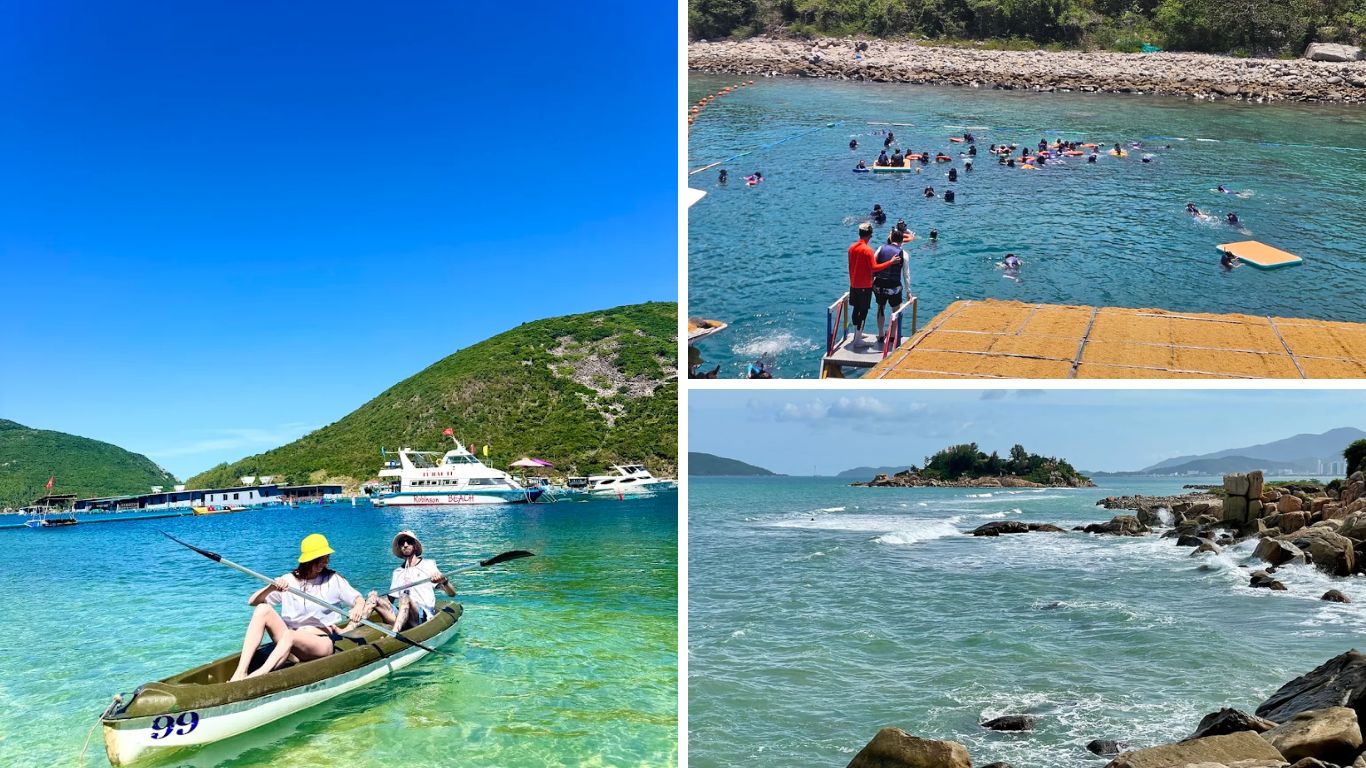
Warm water, shallow bays, and gentle currents make several stretches of the Vietnamese coast ideal for snorkelers who have never tried it before. Nothing needs to be owned or shipped from home, since every tour includes a mask, fins, and a life jacket for anyone who wants one. Boat rides to the reefs are short, often under an hour, so a full snorkeling day rarely eats into the rest of a holiday. Prices also sit well below neighboring Thailand or Indonesia, which means a family or a group of friends can book a private boat for the day without stretching the budget.
Who This Guide Is For
This guide is built for confident swimmers who want to see coral and fish without committing to a diving course. Certification exists for travelers who want to go deeper later, and a taster dive can even be booked on the spot in a few destinations, but neither is the focus here. For a closer look at what a guided snorkeling and boat trip actually involves, this Phu Quoc snorkeling and boat trip guide breaks down a typical day from start to finish.
What You Can Expect to See
Expect colorful reef fish, healthy coral gardens, starfish scattered across shallow sandbanks, and, in the right season, sea turtles gliding past. Big pelagic encounters are rare here, but the variety and color underwater are more than enough to fill a memory card. Con Dao in particular rewards patient swimmers with turtles and, occasionally, a shy dugong, both covered in more detail further down.
When to Go and What It Costs
Timing changes everything along this coastline, since the north, center, and south each follow their own weather pattern. A quick look at the table below saves a lot of guesswork.
Best Months by Region
| Month | North (Halong Bay, Cat Ba) | Central (Nha Trang, Cham Islands) | South (Phu Quoc, Con Dao) |
|---|---|---|---|
| Jan to Mar | Cool, occasional mist | Calm and dry | Dry season, ideal |
| Apr to Jun | Warming up, good visibility | Warm and clear | Warm, calm seas |
| Jul to Sep | Hot, typhoon risk | Some storm risk | Rainy, seas can turn rough |
| Oct to Dec | Cooling down | Choppier, storm season | Drying out, improving |
For travelers pairing a coastal trip with a stop further north, this Halong Bay two-day, one night cruise guide and this Cat Ba National Park overview are useful starting points, since Halong Bay follows its own separate calendar from the snorkeling regions further south.
Water Visibility and Sea Conditions
Visibility tends to peak in the dry season across most regions, often reaching ten meters or more in Con Dao and the Cham Islands, while Nha Trang and Phu Quoc stay reliably clear from roughly February through August. Rougher seas during the rainy months do not just reduce visibility; they can also cancel boat trips altogether, so building a little flexibility into the itinerary avoids disappointment.
How Much Does It Cost
A snorkeling day tour with boat, gear, and guide typically runs a modest daily rate per person, while a multi-stop island hopping trip costs a bit more but covers several reefs in one outing. Renting gear alone for an independent beach day is the cheapest option, and a guided taster dive for the curious sits at the higher end. Arranging a private boat or guide ahead of time through Indochina Voyages usually works out smoother than booking last-minute on the beach, especially during busy summer weekends.
Best Places to Snorkel and Enjoy Easy Beach Days
Every island on this coast has its own personality, and the right pick depends less on which one is “best” and more on what kind of day you are after. Here is how they compare.
Phu Quoc
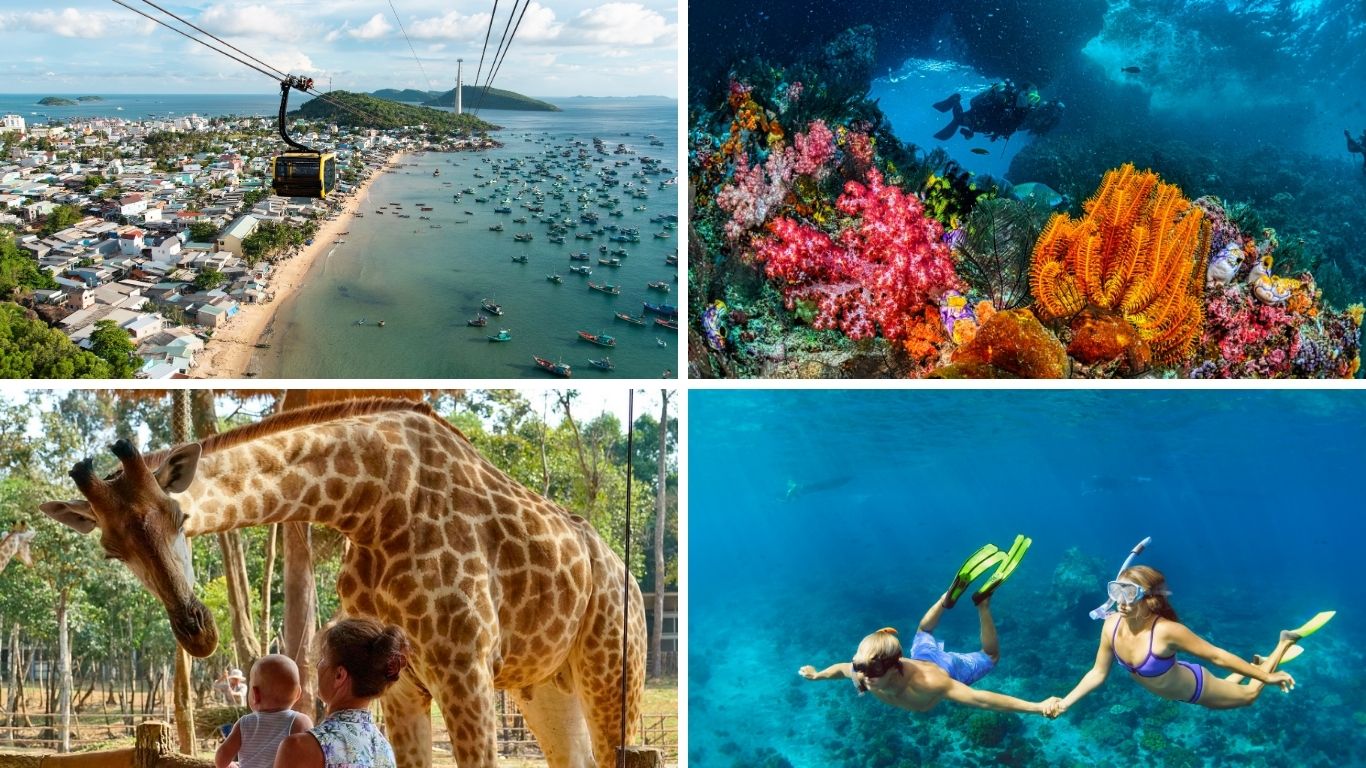
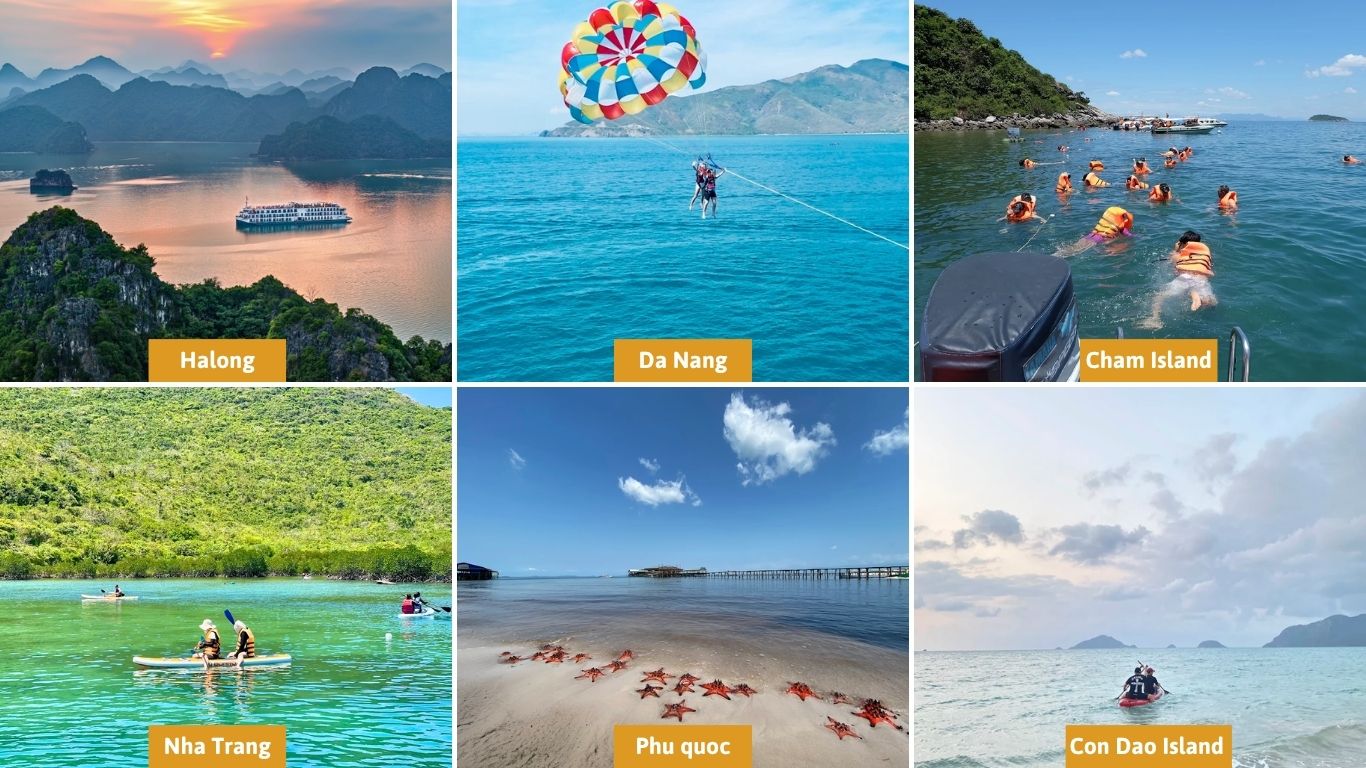
Phu Quoc is the easiest entry point for anyone new to snorkeling, with warm shallow water, an enormous choice of tour operators, and enough beach infrastructure to keep a whole family comfortable. Starfish Beach delivers a near guaranteed sighting for kids and casual swimmers, while boat trips through the An Thoi archipelago and out to Turtle Island add variety for a full day on the water. It works equally well as a standalone beach holiday or as one stop on a longer route. For planning the logistics, this quick guide to traveling around Phu Quoc covers transport and timing, and a private tour like the Phu Quoc luxury retreat, a five-day bundle that covers the best of the island into one easy booking.
Cham Islands
Sitting just off the coast near Hoi An, the Cham Islands make an effortless add-on for anyone already exploring the old town. Half-day and full-day boat tours reach a UNESCO Biosphere Reserve with beginner-friendly reefs, clear water, and a laid-back island feel that pairs naturally with a couple of nights in Hoi An itself. This two-day Hoi An itinerary shows how neatly the two experiences fit together.
Nha Trang
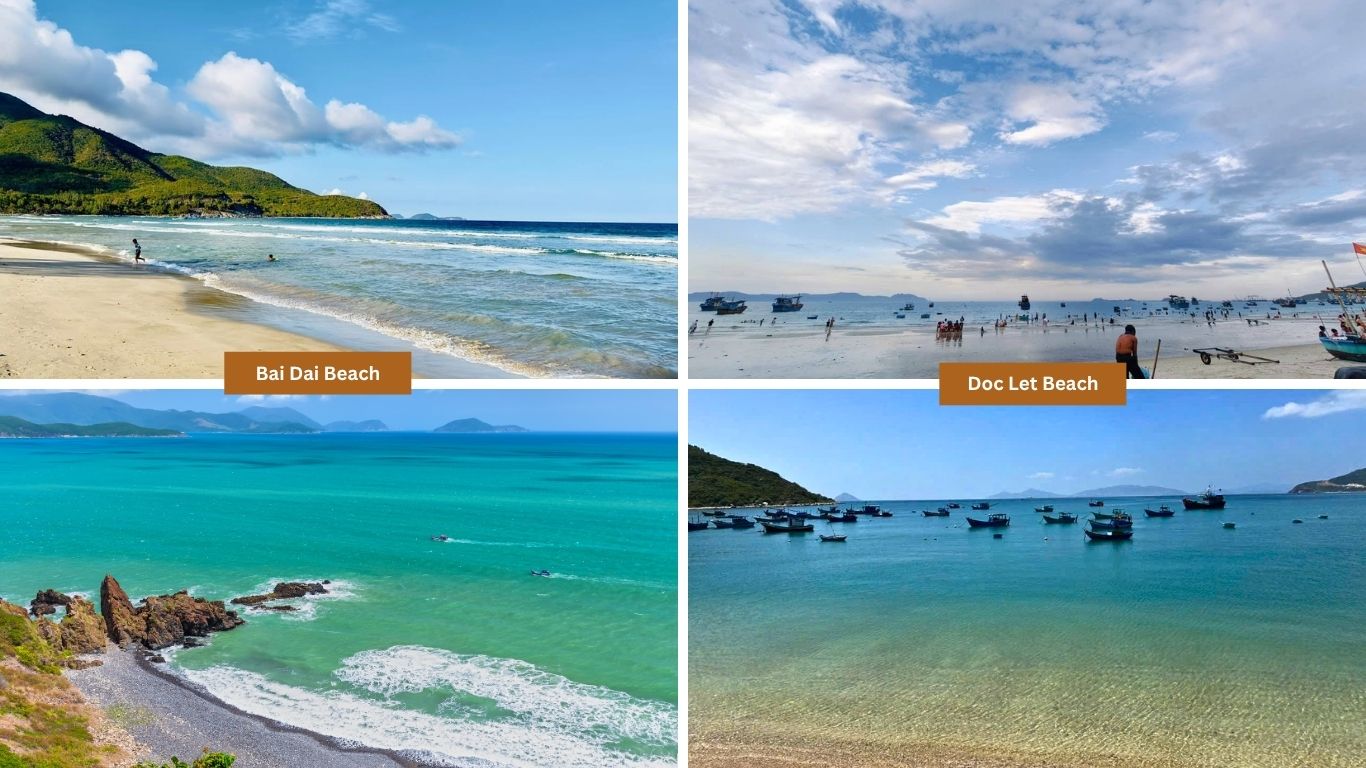
As one of Vietnam’s most developed beach towns, Nha Trang offers the widest choice of boat tours, beach clubs, and evening entertainment alongside its water activities. Worth knowing before booking: parts of the Hon Mun area have had swimming and snorkeling restrictions in place since 2022 while the coral recovers from bleaching and storm damage, with some zones limited to a mask only, no snorkel tube or tank. Most private operators know exactly which areas remain open, so checking with a local guide ahead of time avoids any surprises on the day. For a fuller picture of the town’s appeal, this guide to five reasons to visit Nha Trang beach and this roundup of things to do in Nha Trang both dig deeper, while this best time to visit Nha Trang guide helps with timing.
Whale Island
A short distance from Nha Trang, Whale Island trades crowds for quiet coves and soft coral gardens. It suits travelers who want the same warm water without the buzz of a big beach town, making it a favorite for couples or anyone craving a slower pace.
Ly Son Island
Volcanic cliffs, black rock formations, and clear water give Ly Son a completely different look from the sandy islands further south. Tourist infrastructure is lighter here, which is part of the charm for travelers chasing a more local, less polished experience.
Con Dao Islands
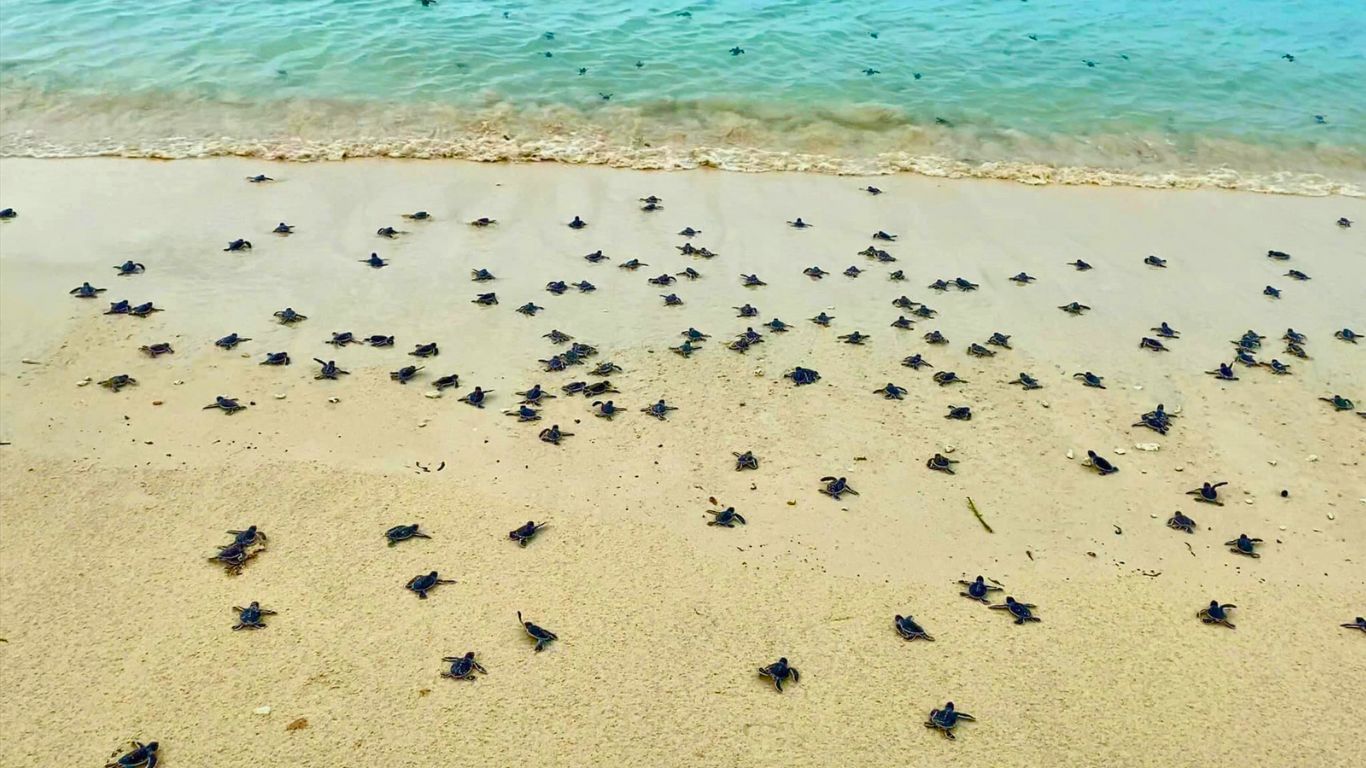
Con Dao rewards travelers willing to go a little further off the beaten path with some of the healthiest coral in the country and a real chance of spotting a sea turtle, especially during nesting season from roughly April through October. A handful of dugongs are known to feed in the seagrass beds around the islands, too, a rare and lucky sighting rather than a guaranteed one. Distance and cost make it a better fit for a dedicated trip than a quick day visit, and this guide to visiting Con Dao Island lays out exactly what to expect from the journey.
Phu Quy Island
For the more adventurous casual traveler, Phu Quy offers colorful reefs and an authentic fishing village atmosphere far from the usual tourist trail. Reaching it takes a ferry from Phan Thiet, so it suits travelers with a bit more time to spare rather than a quick weekend escape.
Best Spot for Different Kinds of Travelers
| Traveler Type | Best Destination | Why |
|---|---|---|
| First timers | Phu Quoc | Calm, shallow, plenty of easy tours |
| Families with kids | Phu Quoc | Beach infrastructure plus gentle water |
| Couples wanting quiet | Whale Island or Ly Son | Fewer crowds |
| Budget-conscious travelers | Nha Trang | Most competitive tour pricing |
| Culture plus beach combo | Cham Islands or Con Dao | Easy pairing with sightseeing |
| Off the beaten path seekers | Phu Quy Island | Local, uncrowded, memorable |
Not sure which fits best? A private guide can tailor the route around exactly this kind of question. Reach out to us at vietnam@indochinavoyages.com or through our contact page to build a day-by-day plan around the right mix of islands.
What You Might See in the Water
Every region along this coast has its own underwater character, shaped by how healthy the reef is and what the local currents carry in.
Coral Reefs
The healthiest, most colorful reefs sit around the Cham Islands, Phu Quoc, and parts of Con Dao, where protection efforts have kept the coral in good condition. Elsewhere, patches are still recovering from past storm damage, which is part of why checking current conditions with a local operator matters.
Reef Fish
Expect clouds of small, brightly colored reef fish weaving through the coral almost everywhere snorkeling is possible, easy to spot even for someone snorkeling for the very first time.
Sea Turtles
Con Dao offers the most reliable turtle sightings, particularly during nesting season. Keeping a respectful distance and skipping the flash photography helps protect them and keeps the encounter calm for everyone involved.
Starfish, Rays, and Other Easy Finds
Starfish Beach in Phu Quoc practically guarantees a sighting, making it a favorite for kids and first-time snorkelers alike. Rays and, very occasionally, a dugong round out the list of possible extras, welcome surprises rather than something to plan a whole trip around.
Tips for a Great and Safe Snorkeling Day
A little preparation goes a long way toward making the day smooth, safe, and genuinely relaxing.
Picking a Good Tour Operator
Look for a private operator that provides life jackets, keeps groups small, and gives a clear safety briefing before anyone gets in the water. Gear condition matters too, since a poorly fitted mask can ruin an otherwise perfect reef.
Swimming Comfort and Safety
Being a confident swimmer is enough; strong swimming skills are not required. Life jackets are completely normal to wear and make the experience far more relaxing for anyone who feels unsure in open water. Staying near the group and the guide, especially at boat-access sites, keeps the day stress-free.
Protecting the Reef
Reef-safe sunscreen protects both skin and coral while avoiding standing on coral or collecting starfish and shells, which helps keep these spots beautiful for the next visitor.
What to Bring
A swimsuit, a light rash guard or cover-up, reef-safe sunscreen, water shoes, and a dry bag for phones and valuables cover the essentials. Most tours supply the rest.
Simple Vietnam Beach Trip Itineraries
The three route ideas below show how easily these islands combine into a longer, well-rounded summer trip.
Four to Five Day Easy Beach Getaway
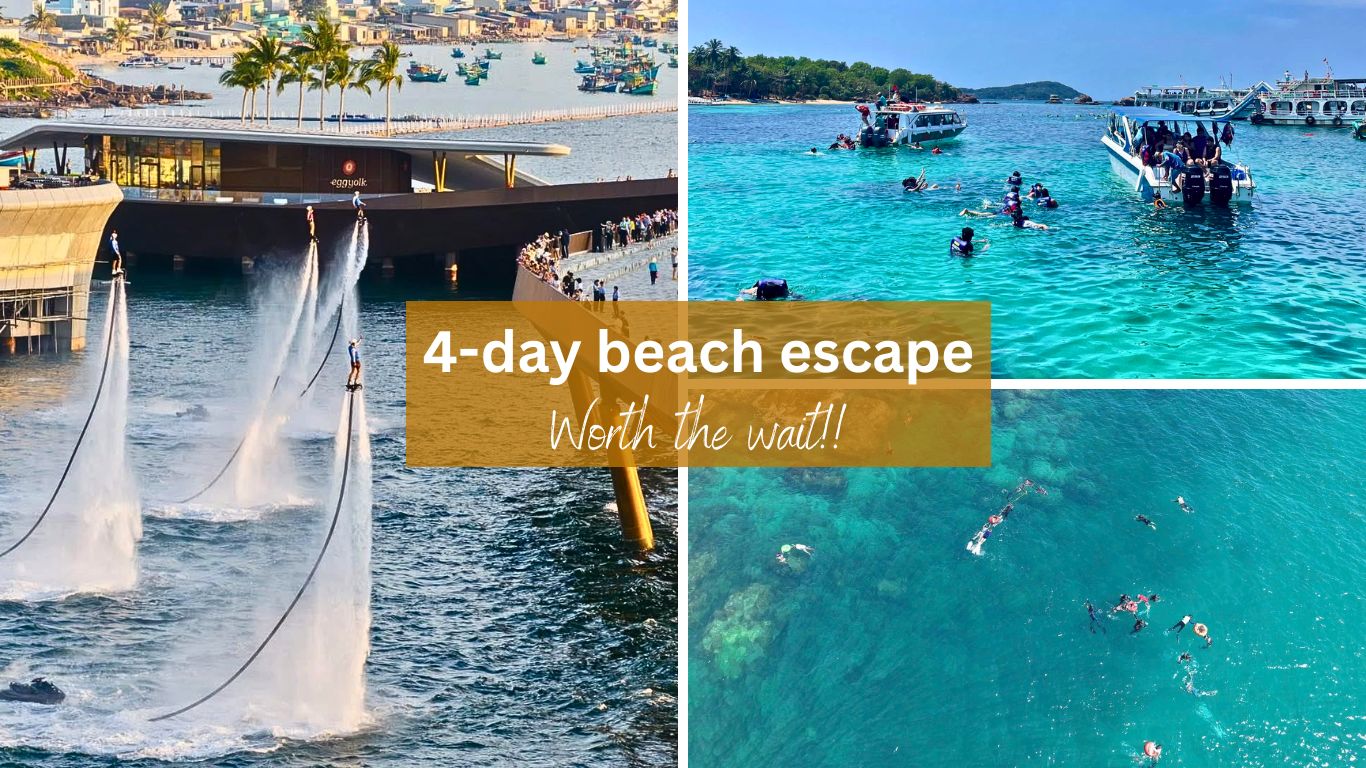
Picture mornings that start slow, with nothing more urgent than deciding which stretch of sand to claim first. A single-base trip built around Phu Quoc is the perfect antidote to a packed travel schedule, mixing lazy beach days with one or two snorkeling tours to Starfish Beach or the An Thoi archipelago. No repacking, no early check-outs, just the same comfortable room to come home to every evening after a day spent in the water.
Seven-Day Summer Trip With Two Beach Stops
For travelers who want a little more texture in their trip, pairing two islands adds a satisfying rhythm of contrast and discovery. Phu Quoc’s calm shallows and Con Dao’s wilder, turtle-nesting coastline make for a striking week, or swap in Hoi An and the Cham Islands, followed by a few days soaking up Nha Trang’s beach club energy. A private guide handles every transfer between stops, so the only thing to think about is which beach towel to pack.
Combine Beach Time With Vietnam’s Cities and Culture
The most memorable trips rarely stick to just one flavor of Vietnam, and this route proves it. Wander Hoi An’s lantern-lit old town by evening, then spend the next morning drifting over coral on a Cham Islands day trip. Or trade Hoi An for Con Dao, where the island’s haunting wartime history sits just a short walk from some of the country’s healthiest reefs. For travelers ready to build something even bigger, the Vietnam honeymoon, fourteen days and an in-depth Vietnam explore, twenty days itineraries weave beach time seamlessly into a full journey across the country, with private transport, guides, and accommodation arranged from the very first morning to the last.
FAQs
Do you need to know how to dive or snorkel in Vietnam? No, comfortable swimming is all that is required, and life jackets are available for anyone who wants extra support.
Is snorkeling in Vietnam good for beginners? Yes, particularly in Phu Quoc and the Cham Islands, where shallow, calm water makes it easy for first-timers.
Where is the clearest water in Vietnam? Con Dao and the Cham Islands typically offer the best visibility, especially during the dry season.
Is snorkeling better in Phu Quoc or Nha Trang? Phu Quoc suits families and beginners best, while Nha Trang offers more tour variety and nightlife alongside the water activities.
What is the cheapest place to snorkel in Vietnam? Nha Trang generally has the most competitive pricing thanks to the sheer number of operators.
When is the best month to visit for beach and water activities? Roughly February through August across most regions, though it is worth checking the monthly table above for regional differences.
Can sea turtles be seen while snorkeling in Vietnam? Yes, most reliably around Con Dao during nesting season from April through October.
Is your own gear needed, or can everything be rented? Everything can be rented, and most tours include a mask, fins, and a life jacket in the price.
Is diving currently allowed at Hon Mun in Nha Trang? Some zones remain restricted while coral recovers, so it is best to confirm current access with a local operator before booking.
Ready to turn any of this into a real itinerary? A private guide, driver, and hand-picked accommodation take the guesswork out of the trip. Get in touch at vietnam@indochinavoyages.com or visit Vietnam Travels Online to start planning.