

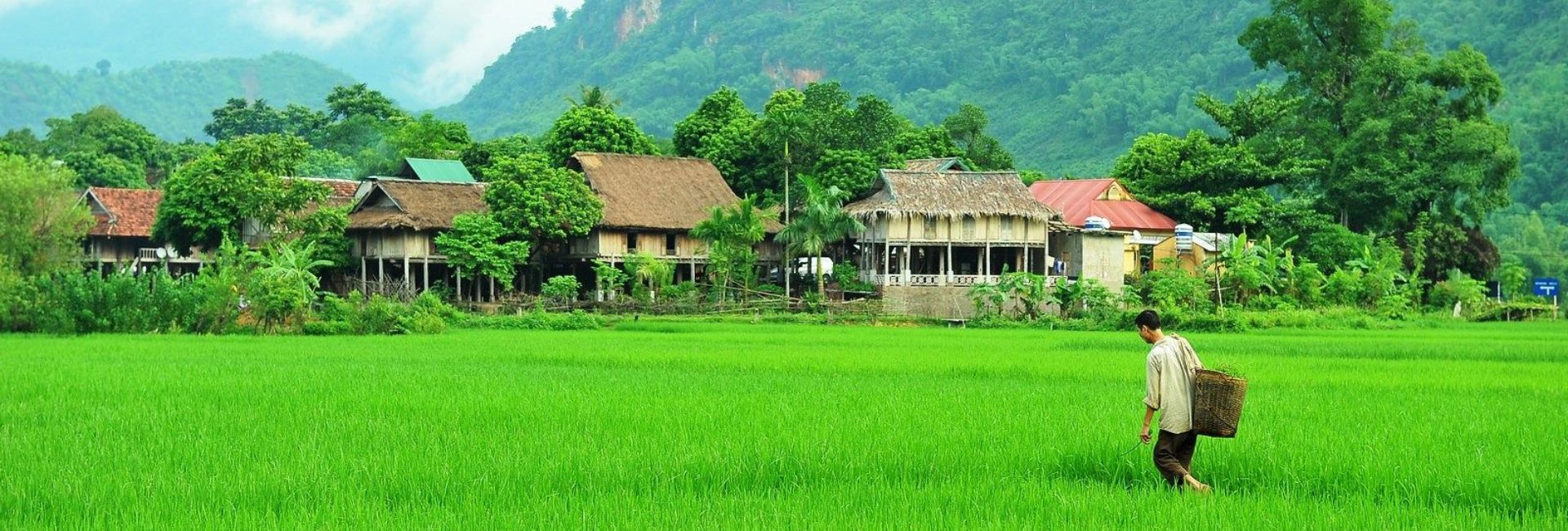
May is one of those months that quietly rewards the travellers who choose it. While the crowds are chasing golden terraces elsewhere, Pu Luong Nature Reserve is waking up in a completely different kind of beauty: vivid green, alive with running water, and refreshingly unhurried. If you have ever wondered whether May is worth the trip, the short answer is yes. But the longer answer is much more interesting.
What can you find in this travel blog?
- Pu Luong Weather in May
- What’s Happening in Pu Luong in May — The Season Highlights
- Is May a Good Time to Visit Pu Luong?
- Planning Your Pu Luong Trip in May — A Few Practical Notes
- Pu Luong vs. Other Northern Highlands in May
- FAQs
Pu Luong Weather in May
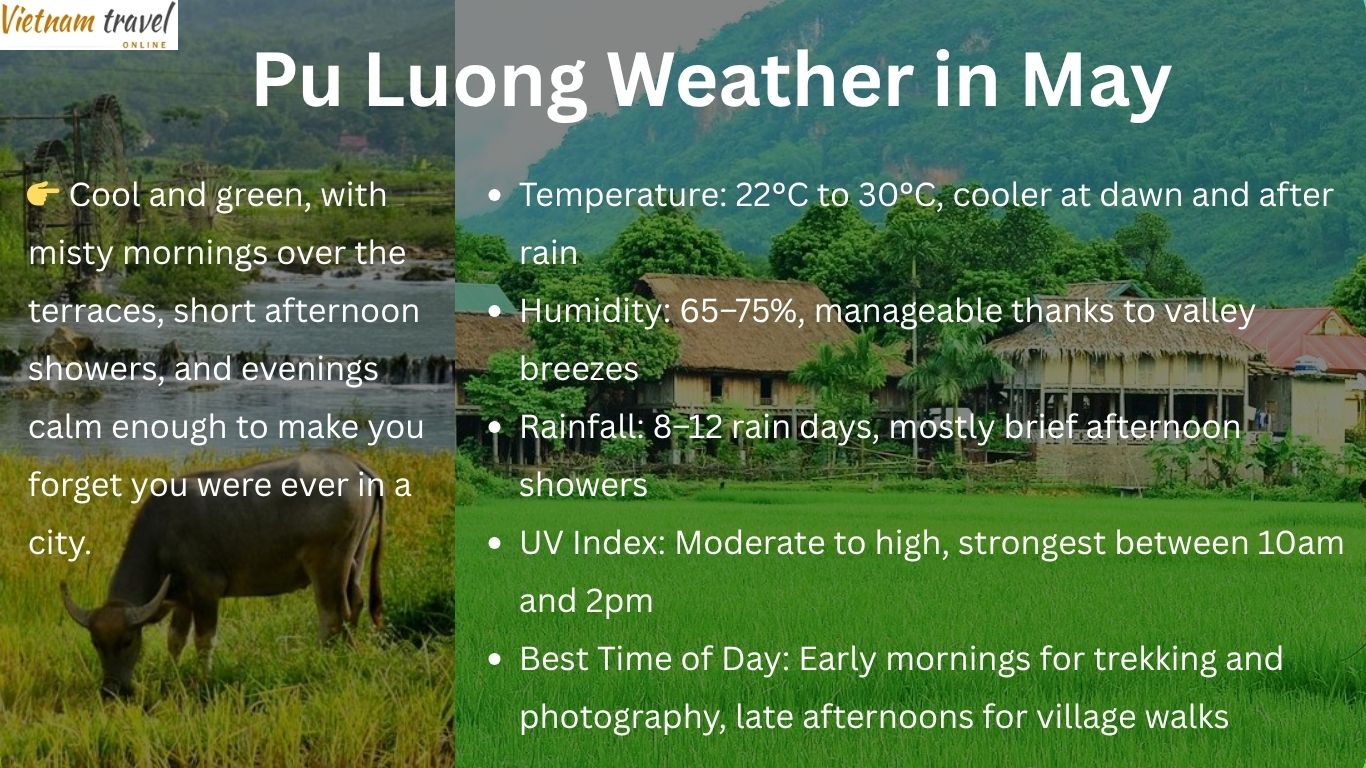
Before you pack your bag, it helps to know what you are actually walking into. May sits at the cusp of Pu Luong’s wet season, which means the landscape is at its most lush, but the weather does require a little planning. The good news is that it is far more manageable than most people expect.
Temperature and Humidity
Daytime temperatures in Pu Luong hover between 22 and 30°C throughout May, with mornings and evenings feeling genuinely cool and comfortable. What makes this particularly appealing is the contrast with Hanoi, where the heat island effect pushes temperatures significantly higher. Pu Luong’s mountain elevation keeps things 4 to 5°C cooler than the city, making it one of the most refreshing escapes you can do from Hanoi in early summer. Humidity is climbing by May, but the valley breezes and tree cover keep it from feeling oppressive, especially if you are moving through the trails in the right hours.
Rain Patterns
Rain in May tends to arrive in short, sharp afternoon showers rather than all-day downpours. Mornings are typically clear and bright, which gives you a solid window for trekking, photography, and village walks before the clouds gather. The rain itself is actually part of what makes the landscape so spectacular this month, feeding the streams, filling the terraces, and keeping everything a deep, saturated green. Just treat afternoon rain as a natural rest break rather than a disruption.
Best Time of Day to Be Outside
Mornings are golden in May, quite literally. The early light hitting the terraces before 9am is something you will not forget quickly, especially when mist is still sitting in the valley. Late afternoons, after the rain passes, offer their own magic — softer light, cooler air, and the gentle sound of bamboo water wheels turning alongside the streams. Midday is best used for lunch, a rest at your homestay, or a slower village walk through the shade.
What to Pack for May
A light rain jacket is non-negotiable, and trekking shoes with decent grip will save you a great deal of frustration on wet, muddy trails. Bring sun protection for the mid-morning hours and a small dry bag to keep your camera and phone safe during afternoon showers. Pack light overall. This is not a resort trip, and the best parts of Pu Luong in May happen on foot.
What’s Happening in Pu Luong in May — The Season Highlights
This is where May really earns its place. The season is not just about tolerating the weather. It is about catching Pu Luong in a state that most travellers never see, when the valley is fully awake and working, before the tourist wave of summer and the harvest crowds of autumn. Here is what you are actually stepping into.
Rice Fields Just Coming to Life
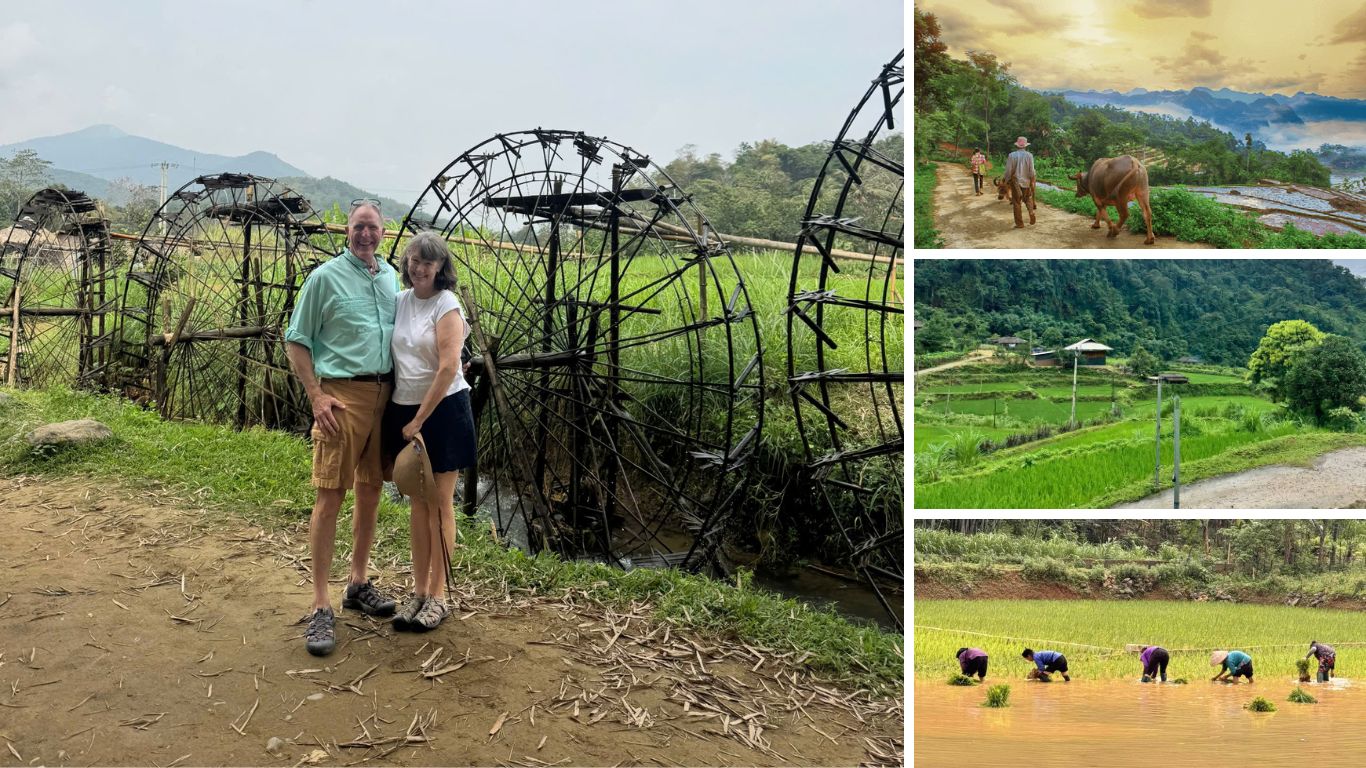
The rice terraces in May are somewhere between mirror and meadow, depending on where you look. On the higher terraces, farmers are still in the water-pouring and early seedling stage, which creates extraordinary reflections of the sky across the flooded paddies. Lower down, the fields are already filling in with bright green shoots, and the farmers are out working every morning. This combination of mirror reflections and fresh green growth makes May one of the best months for photography in Pu Luong. Arguably more interesting visually than the golden harvest, because the light plays differently and almost no one else has captured it this way yet.
For a deeper look at what makes these terraces so special throughout the year, the Pu Luong Nature Reserve guide gives a strong overview of the landscape and what sets it apart from other highland destinations in northern Vietnam.
Wildflowers and Forest Trails After the Rain
Trekking in Pu Luong in May feels different from any other month. The jungle trails are at their most vivid, with ferns unfurling along the path edges and small wildflowers appearing in the clearings after the rain. The air smells clean and green in a way that is genuinely difficult to describe unless you have experienced it. These trails connect the villages and wind through bamboo forests, terraced hillsides, and occasional viewpoints that open up across the whole valley. It is slow, unhurried walking. The kind that reminds you why you travel in the first place.
Ready to explore Pu Luong with an expert guide this May? A private guided trek lets you reach the terraces and water wheels at the right hour, with someone who knows exactly where the reflections are best. Reach out to the team at Vietnam Travels Online to start planning your trip.
Water Wheels and Streams at Peak Flow
May is genuinely the best month to see Pu Luong’s iconic bamboo water wheels in action. Fed by the spring rains, the streams running through Ban Don and Ban Hieu villages are at their fullest, and the traditional wooden and bamboo wheels spin with a rhythm that feels almost meditative. Hieu Waterfall is worth a specific mention here: the volume in May is impressive, and the surrounding pools are still calm enough to swim in safely, making it a practical stop as well as a beautiful one. If waterfall and stream photography is on your list, bring a tripod; the slow shutter speeds in soft morning light produce stunning results.
Quiet Villages, Fewer Tourists
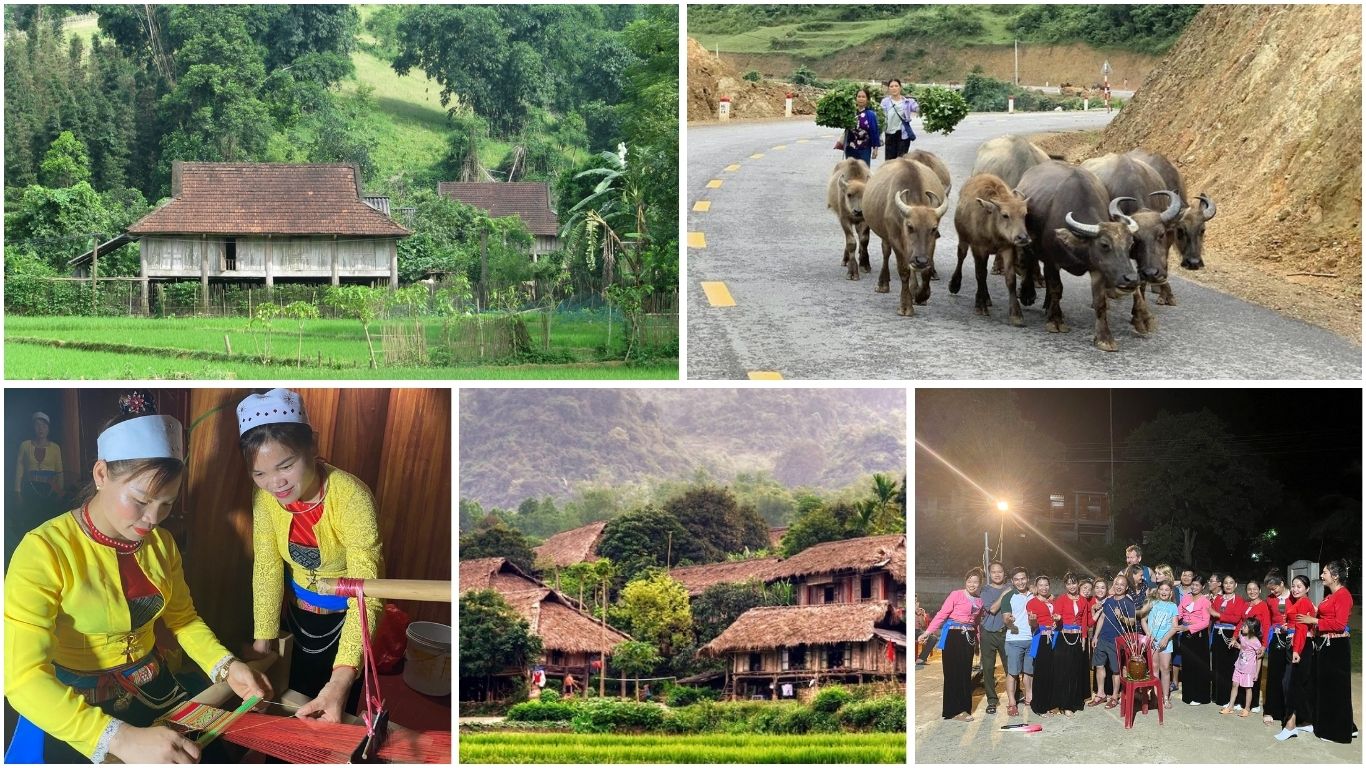
May sits in a sweet spot just before the summer holiday rush begins, which means the villages feel like themselves. The Thai ethnic communities in Ban Don, Ban Hieu, and the surrounding hamlets are focused on the farming season rather than on tourism, and that makes for a much more genuine experience. You are walking through a working landscape, not a staged one. For accommodation, staying in a traditional homestay rather than a resort places you right inside that daily rhythm.
If you are weighing up where to stay and what kind of experience suits you best, it is also worth reading about things to do in Pu Luong to match your itinerary with the right base.
Is May a Good Time to Visit Pu Luong?
Honestly, yes. But the right answer depends on what you are looking for. May reward a certain kind of traveller: someone who values atmosphere over spectacle, and is happy to trade the postcard-perfect golden terraces for something rawer and more alive.
May is genuinely ideal if you:
- Love green, lush landscapes over golden harvest scenery
- Want quiet trails without large tour groups
- Are interested in photography, especially reflections and water subjects
- Prefer travelling when local life is in full swing around the farming season
- Are coming from Hanoi and want a cool, refreshing contrast to the city heat
May is probably not your month if you specifically want the iconic golden terraces. That season falls in late September through October — and it is spectacular in its own right. If you are trying to decide between seasons, the best time to visit Pu Luong breaks down each month honestly so you can plan around your priorities.
One honest note before you go: trails after rain can be slippery, and leeches are a real possibility in the jungle sections after wet weather. Neither is a reason to skip the trip, but both are worth knowing so you can pack accordingly and stay focused on the good parts.
Planning Your Pu Luong Trip in May — A Few Practical Notes
Getting the logistics right makes a significant difference in a destination like Pu Luong, where the experience depends heavily on timing, local knowledge, and being in the right place at the right hour. A private transfer from Hanoi rather than a public bus keeps your schedule flexible and significantly more comfortable on the winding mountain roads. Once you arrive, a private local guide is worth every bit of the investment, not just for navigation, but for access to the terraces, villages, and viewpoints that most visitors never find on their own.
If you are combining Pu Luong with other northern Vietnam highlights, the route from Ninh Binh to Pu Luong is one of the most satisfying two or three-day sequences you can do. The limestone landscapes of Ninh Binh and the green highland terraces of Pu Luong complement each other beautifully, and the drive between them passes through some genuinely memorable countryside.
For a fuller northern route, the 8-day northern Vietnam itinerary builds Pu Luong into a broader journey that works especially well if May is your travel window. Alternatively, the Pu Luong to Ninh Binh 4-day tour is a focused, well-paced option for travellers with limited time.

Want everything handled so you can just enjoy the journey? From private transfers to hand-picked homestays and guided treks timed around the best morning light, the team at Indochina Voyages builds Pu Luong itineraries around what actually matters in May. Get in touch at [email protected], and they will put something together for you.
Pu Luong vs. Other Northern Highlands in May
If you are still deciding whether Pu Luong is the right highland destination for your May trip, it is a fair question. Northern Vietnam has no shortage of beautiful places this time of year, and the right choice really depends on your travel style.
Compared to Sapa, Pu Luong in May is quieter, less commercialised, and more intimate. Sapa’s infrastructure is more developed, which suits travellers who want comfort and easy access to organised treks. But if authenticity and a slower pace matter to you, Pu Luong wins in May without much competition. The Sapa or Pu Luong comparison covers this in detail if you want a side-by-side look.
Ha Giang in May is magnificent but demands more from you — longer drives, rougher roads, and a rawer, more remote experience. If you are up for that, it is unforgettable. If you want beautiful highlands without the logistical intensity, Pu Luong is the more approachable choice. The Ha Giang or Pu Luong guide lays out both options honestly.
Ninh Binh is often paired with Pu Luong rather than compared to it, and for good reason — the two destinations feel completely different and work beautifully as a combined trip. The Ninh Binh or Pu Luong post is worth a read if you are still weighing up your route.
FAQs
Is May a good time to see the rice fields in Pu Luong?
Yes. You will see lush green paddies and reflective terraces, rather than golden harvest fields.
Does it rain a lot in May?
Not really. Showers are short and usually in the afternoon, while mornings stay clear.
How hot is Pu Luong in May?
Around 22 to 30°C, with cooler air than the cities, thanks to the mountains.
Is Pu Luong crowded in May?
No. It is still quiet, with fewer tourists and a more authentic atmosphere.
How many days do you need in Pu Luong?
2 to 3 days is ideal. If combined with Ninh Binh, plan around 4 days total.
All trips mentioned in this guide can be arranged as fully private experiences, including transport, accommodation, local guides, and flexible itineraries. Contact the team at Vietnam Travels Online or email [email protected] to start planning.