

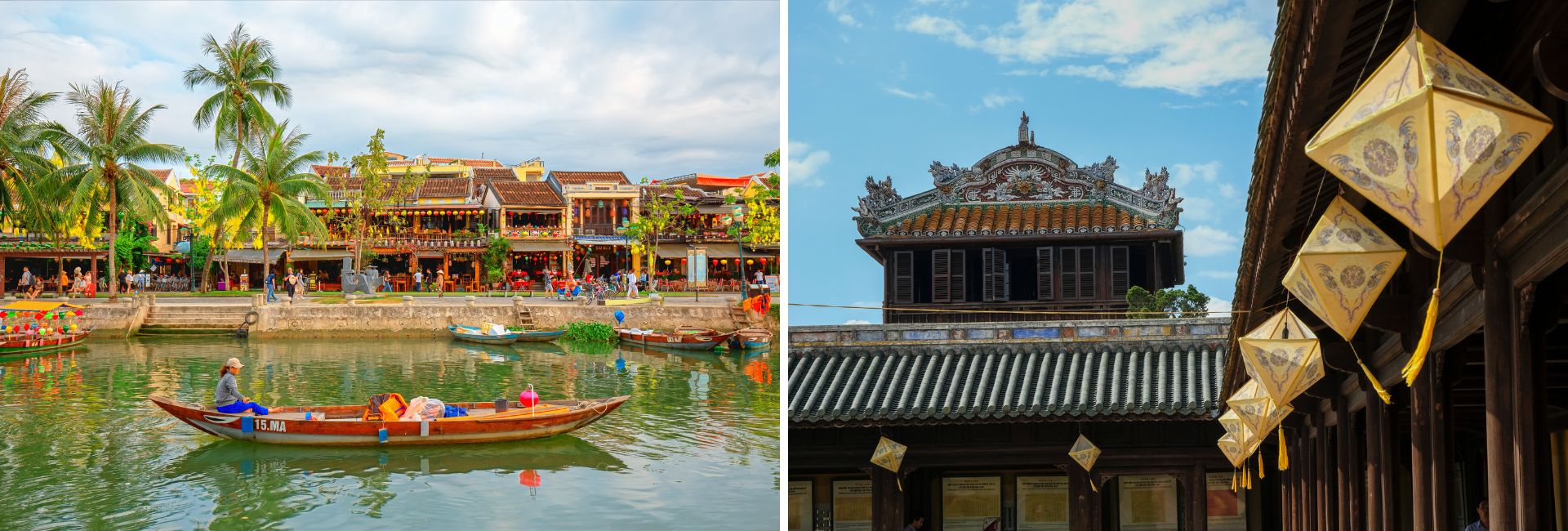
Central Vietnam is home to some of the country’s most important cultural landmarks. However, many travelers hesitate when choosing between Hoi An or Hue, as both destinations represent history in very different ways. While they share deep cultural roots, the experiences they offer feel distinct in atmosphere, scale, and emotional impact. This guide focuses on cultural landmarks, traditions, and must-visit places to help you understand what each city represents. By the end, you will clearly see which destination fits your travel style, or why visiting both can be the most rewarding choice.
What can you find in this travel blog?
- Hoi An – A Living Heritage Shaped by Trade and Tradition
- Hue – Imperial Majesty and Cultural Depth
- Hoi An or Hue, which one is better, or both?
- Cultural Similarities Between Hoi An and Hue
- Key Differences That Shape the Experience
- Which City Fits Which Type of Traveler?
- Practical Cultural Tips
- FAQs
Hoi An – A Living Heritage Shaped by Trade and Tradition
Hoi An is a former trading port where history remains visible in everyday life. Rather than relying on grand monuments, the town preserves its past through wooden houses, tiled roofs, and narrow streets shaped by centuries of commerce. Vietnamese, Chinese, and Japanese influences blend naturally, creating a cultural identity that feels layered yet approachable.
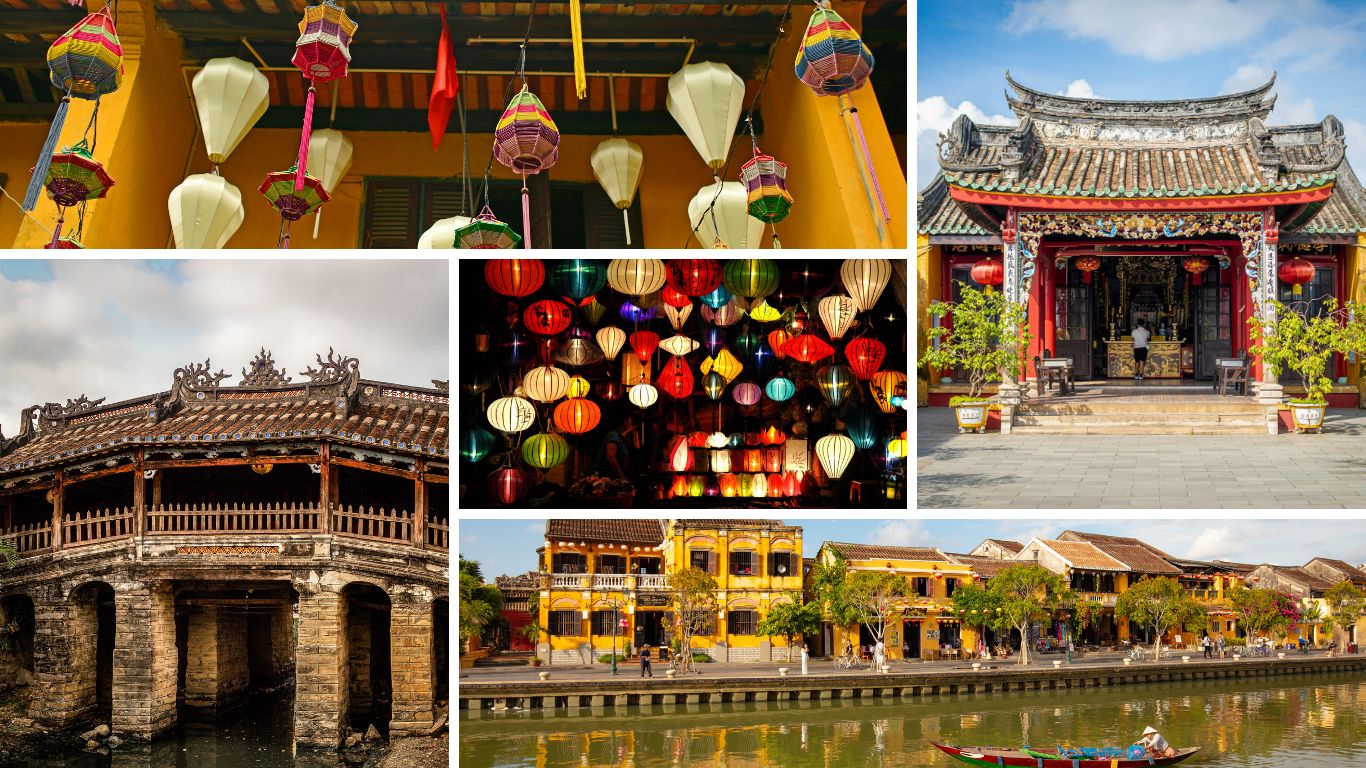
What truly makes Hoi An special is how heritage continues to function within the present. Families still live in ancient houses, traditional crafts remain part of daily work, and religious spaces continue to serve local communities. As a result, culture here feels lived-in and authentic, rather than staged for visitors.
If you are wondering about the most suitable time to experience this lantern town at its best, you can explore seasonal insights in our detailed guide on the Best time to visit Hoi An
Must-Visit Places in Hoi An
Hoi An Ancient Town
Hoi An Ancient Town remains the cultural heart of the town, where history unfolds naturally through everyday life. Instead of monumental structures, the area preserves its past through wooden merchant houses, tiled roofs, and family courtyards shaped by centuries of trade. Vietnamese, Chinese, and Japanese influences blend seamlessly, creating a cultural environment that feels intimate and approachable rather than distant or ceremonial. Walking here offers direct contact with Hoi An’s living heritage.
Japanese Covered Bridge, Phuc Kien Pagoda, and Tan Ky House
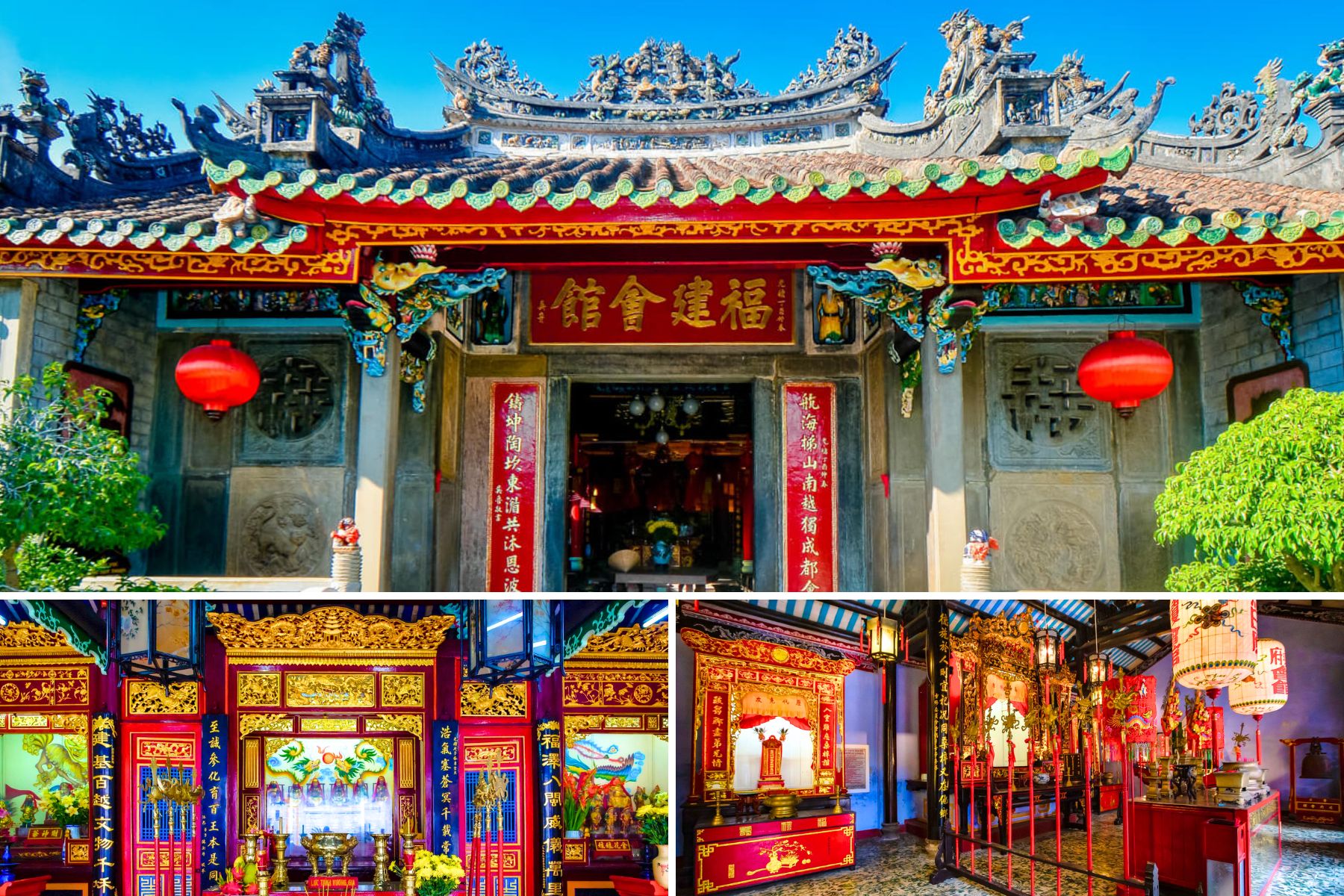
The Japanese Covered Bridge stands as a quiet symbol of Hoi An’s multicultural trading past, reflecting the presence of Japanese merchants during the town’s commercial peak. Nearby, Phuc Kien Pagoda reveals how Chinese communities preserved belief systems and social connections through shared religious spaces. Tan Ky House adds a more personal layer, showing how merchant families balanced business, family life, and tradition under one roof. Together, these landmarks explain how coexistence and trade shaped Hoi An’s identity over time.
My Son Sanctuary
Although located outside the town, My Son Sanctuary remains essential for understanding Hoi An’s deeper historical context. Once a spiritual center of the Cham civilization, the site reflects religious devotion, architectural skill, and cultural exchange long before Hoi An’s trading era. Visiting My Son adds historical depth, helping travelers see Hoi An not as an isolated town, but as part of a much older cultural landscape in Central Vietnam.
Things to Do in Hoi An for Cultural Travelers
Walk and Observe the Ancient Town
Hoi An rewards travelers who explore without rigid schedules. Walking slowly through the Ancient Town allows you to notice architectural details, daily routines, and subtle cultural interactions. This simple act often reveals more than structured sightseeing, especially for travelers who value atmosphere and authenticity.
Join a Hoi An Cooking Class
Cooking classes in Hoi An offer insight into daily life and regional flavors rather than performance-based entertainment. Visiting local markets, preparing traditional dishes, and sharing meals with hosts reveal how food connects family, memory, and culture. This experience helps translate heritage into something personal and practical.
Experience Coconut Basket Boat Villages
A visit to the coconut basket boat areas introduces a rural layer of life surrounding Hoi An. These round boats reflect local ingenuity shaped by waterways and fishing traditions. While often light-hearted, the experience still explains how geography and livelihood influenced culture beyond the town center.

Attend the Hoi An Memories Show
The Hoi An Memories Show presents the town’s history through performance, storytelling, and visual scale. While modern in execution, the show offers an accessible overview of Hoi An’s evolution from trading port to cultural landmark. It works best as a complementary experience after visiting historical sites.
Explore Tailoring and Traditional Crafts
Hoi An’s tailoring tradition reflects its long history of commerce and craftsmanship. Having a garment made or choosing a handcrafted item allows travelers to engage directly with local artisans. Beyond the product itself, the interaction often becomes a meaningful cultural exchange. For practical guidance, this guide on Tailor in Vietnam can help identify reputable tailor shops.
Hue – Imperial Majesty and Cultural Depth
Hue is Vietnam’s former imperial capital, where history is expressed through scale, symbolism, and ritual rather than everyday trade. For more than a century, the city served as the political and spiritual center of the Nguyen Dynasty. As a result, Hue carries a sense of authority and reflection that feels different from any other city in the country.
What sets Hue apart is how deeply its royal legacy continues to shape the present. Imperial architecture, pagodas, and ceremonial traditions still influence daily life and local values. Unlike places where heritage is observed casually, Hue invites visitors to understand the meaning, structure, and philosophy behind what they see.
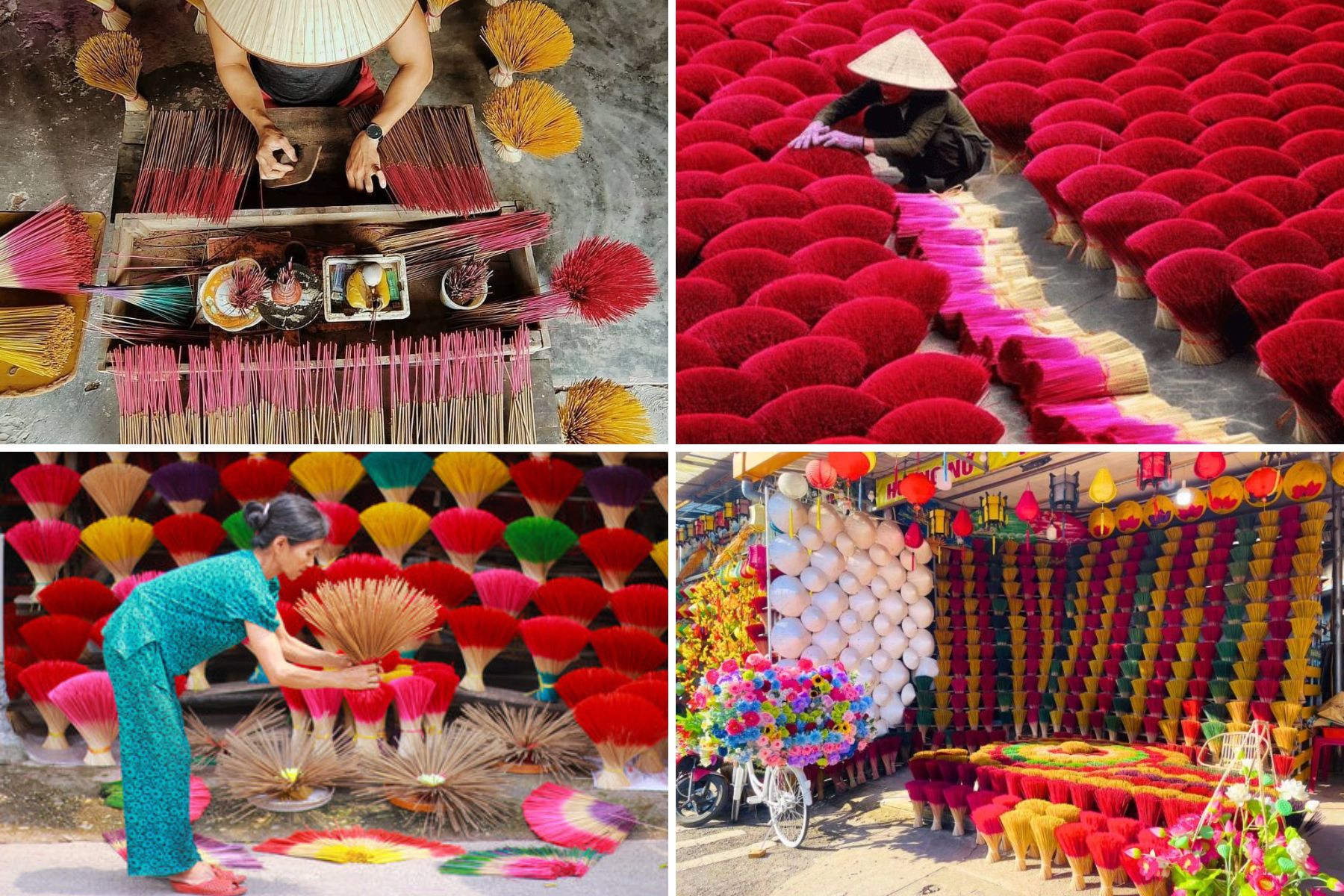
The city’s atmosphere is calm and contemplative. Exploring the Imperial City, visiting royal tombs, or spending time along the Perfume River encourages slower movement and thoughtful observation. Because of this rhythm, Hue suits travelers who value cultural depth, historical context, and quiet immersion over surface-level experiences. If you are unsure about the best time to plan your trip, this guide on Peak, shoulder, and off-peak seasons to visit Hue offers helpful planning insight.
Must-Visit Cultural Landmarks in Hue
The Imperial City
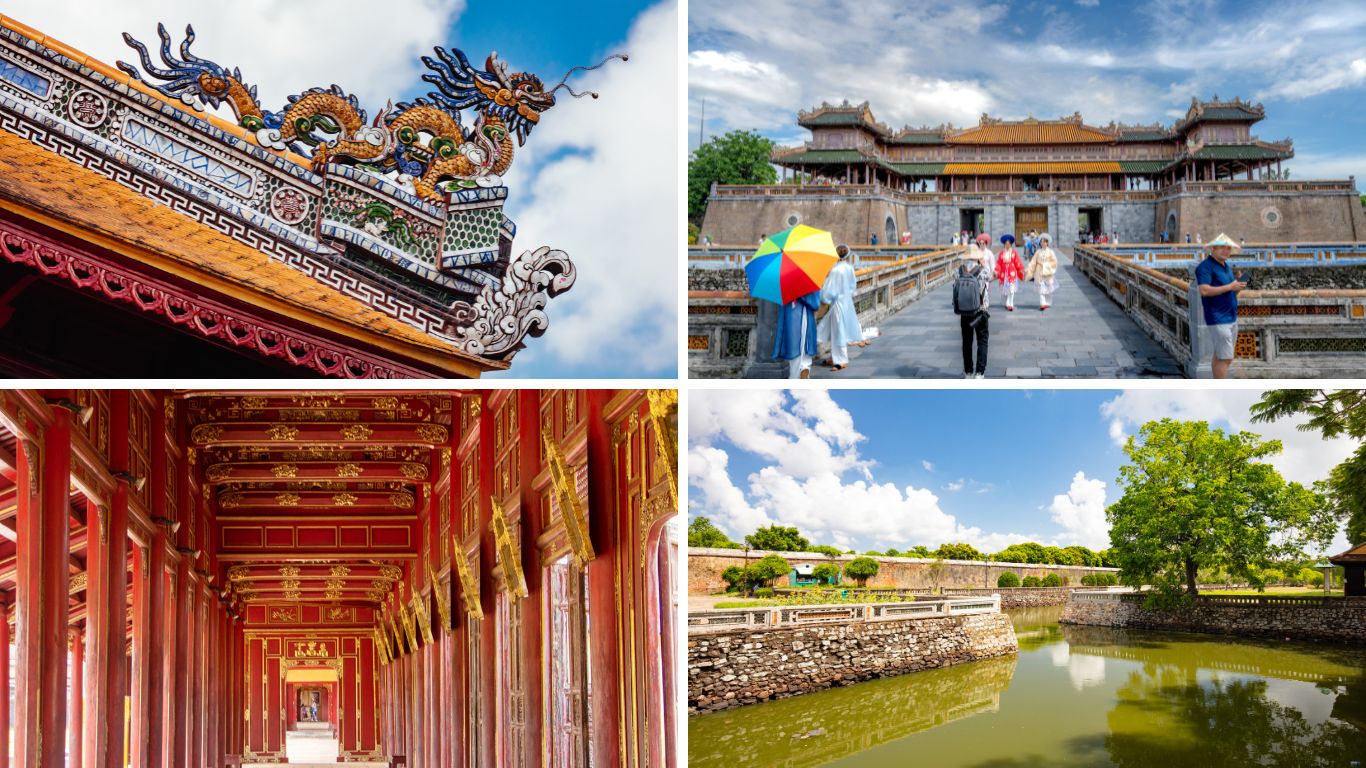
The Imperial City stands as the strongest symbol of Hue’s imperial identity. Enclosed by massive walls and moats, this complex once housed emperors, royal families, and court officials. Its layout follows strict Confucian and feng shui principles, where symmetry, hierarchy, and symbolism define every space. Walking through its gates and courtyards reveals how power, ritual, and governance shaped daily life during the Nguyen Dynasty. As a result, the experience feels majestic and ceremonial rather than decorative.
Royal Tombs Along the Perfume River
Hue’s royal tombs extend the imperial story beyond the city center and into the surrounding landscape. Each tomb was planned during the emperor’s lifetime, reflecting personal philosophy, character, and beliefs about the afterlife. Minh Mang’s Tomb emphasizes balance and order, while Tu Duc’s Tomb reveals introspection and poetic sensibility. Set among gardens, lakes, and forested hills, these tombs show how Hue’s rulers sought harmony between authority and nature. Therefore, visiting them feels reflective and deeply symbolic.
Thien Mu Pagoda
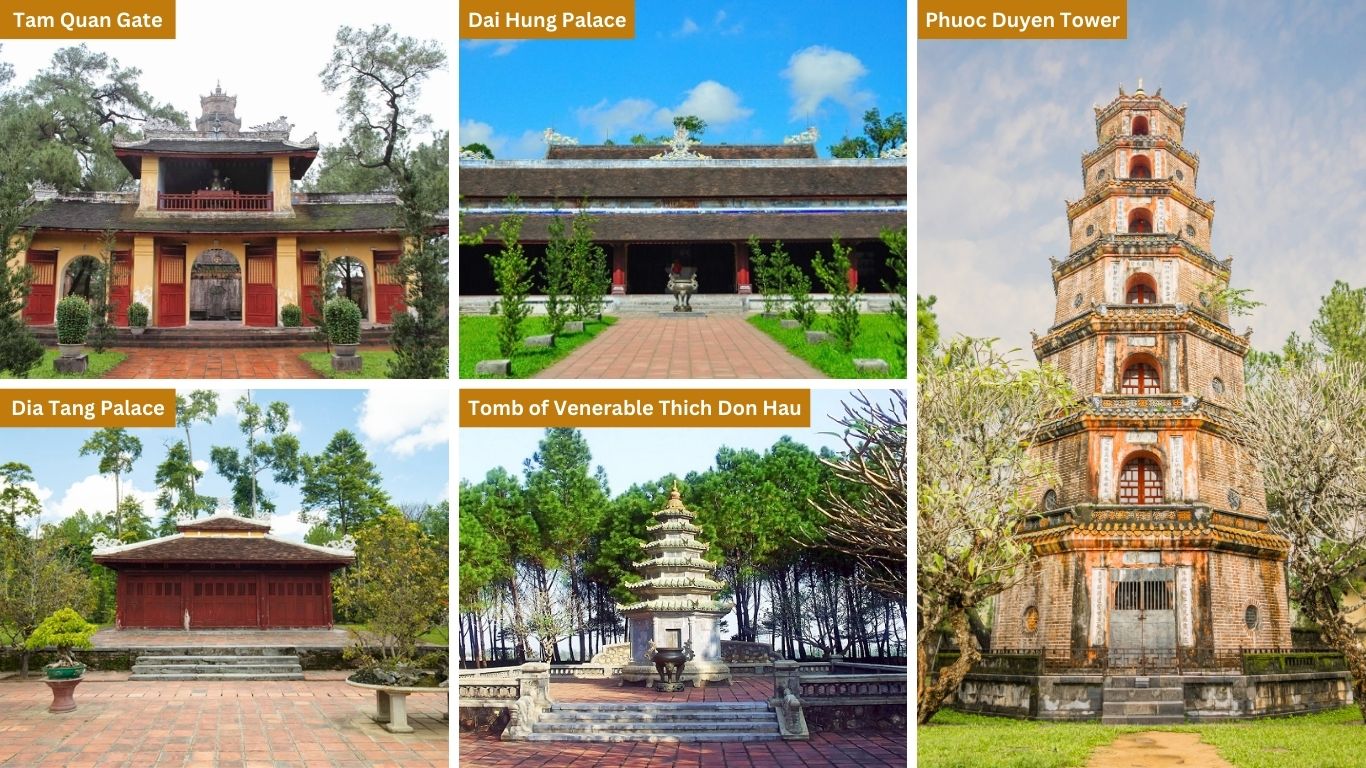
Thien Mu Pagoda represents the spiritual heart of Hue. Located on a hill overlooking the Perfume River, this pagoda has long served as a center of Buddhist practice and social influence. Its iconic seven-storey tower has become one of Hue’s most recognizable images. More importantly, the pagoda reflects how religion shaped imperial thinking and everyday morality. Because it remains an active place of worship, the atmosphere feels calm and meaningful rather than purely historical.
Royal Cuisine and Court Traditions
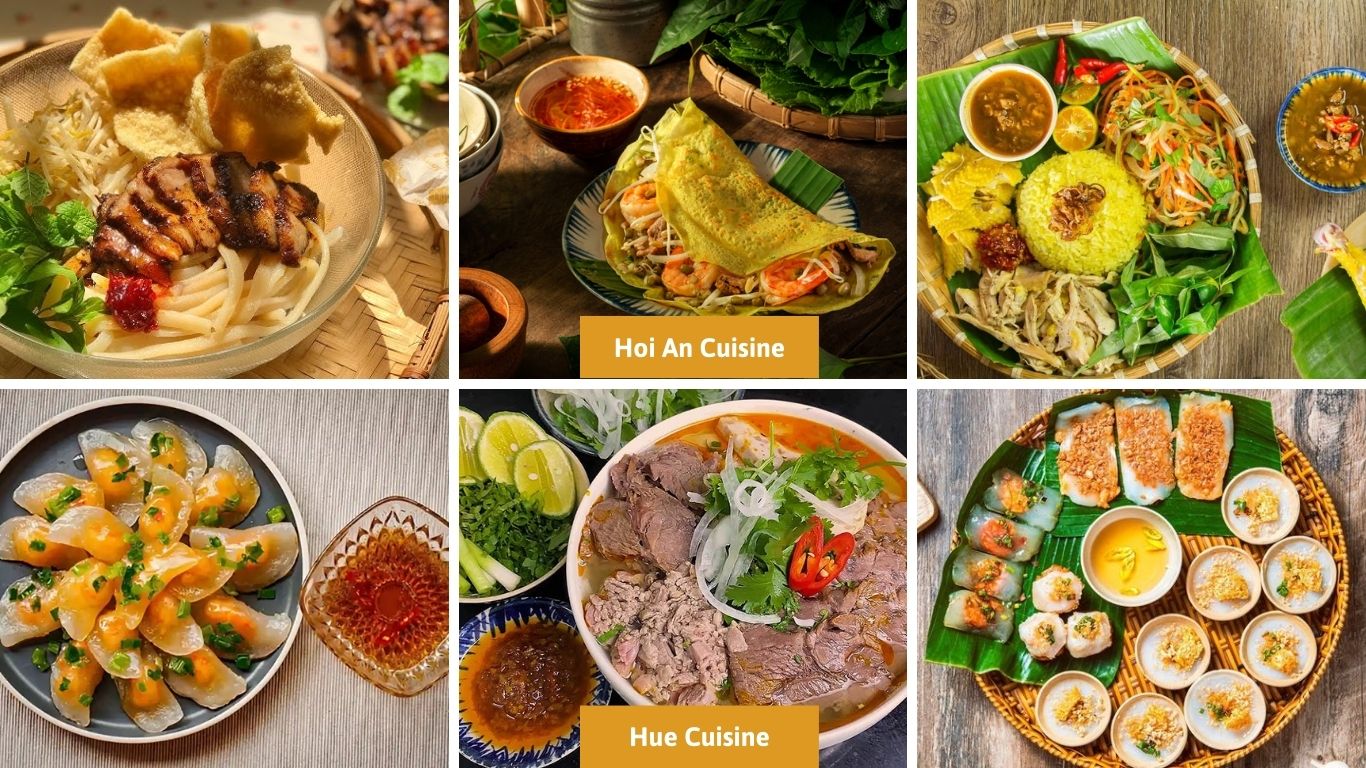
Royal cuisine is another important cultural landmark in Hue, even though it is experienced rather than seen. Developed to serve emperors, these dishes emphasize balance, presentation, and symbolic meaning. Many recipes survive today, prepared in simplified yet respectful forms. Experiencing royal cuisine offers insight into hierarchy, aesthetics, and ritual thinking that once defined imperial life.
Hoi An or Hue, which one is better, or both?
For many travelers, visiting both destinations creates a more complete understanding of Central Vietnam. Hoi An offers warmth, continuity, and everyday tradition, while Hue provides historical context, legacy, and depth. Together, they complement each other rather than compete. If choosing between Hoi An or Hue feels difficult, combining both often delivers the most balanced and rewarding cultural journey.
If you are wondering how to travel between the two cities, this guide on Hue to Hoi An explains the main options in both directions. In addition, Vietnam Travel Online can support your journey with private services such as hotel booking, comfortable transfers, and knowledgeable local guides. With the right planning, visiting both Hoi An and Hue becomes seamless and deeply enriching.
Cultural Similarities Between Hoi An and Hue
Despite their differences, Hoi An and Hue share strong cultural foundations. Both cities show deep respect for tradition, reflected through architecture, spiritual practices, and daily customs. History in each place is visible and tangible rather than abstract. Most importantly, both move at a slower pace compared to Vietnam’s modern cities, making them ideal for travelers who value depth over entertainment.
Cuisine also plays an important cultural role in both destinations. Local dishes are closely tied to history, belief, and daily life rather than trend or novelty. In both cities, food becomes another way to understand tradition, balance, and regional identity.
Key Differences That Shape the Experience
Atmosphere and Scale
Hoi An feels intimate, warm, and human in scale, encouraging casual interaction and quiet observation. Streets feel approachable, and cultural moments often appear unexpectedly. In contrast, Hue feels monumental and ceremonial, with spaces designed to impress and inspire respect. Consequently, the emotional response in each city differs significantly.
How Culture Is Experienced
In Hoi An, culture is experienced through everyday life, family traditions, and personal encounters. Cuisine here feels accessible and comforting, shaped by trade influences and shared meals. In Hue, culture is interpreted through history, symbolism, and guided explanation. Royal cuisine reflects hierarchy, ritual, and refinement rather than casual enjoyment. Therefore, one experience feels instinctive and social, while the other feels structured and intellectual.
Emotional Takeaway
Hoi An often leaves travelers with a sense of warmth, ease, and personal connection. Its food culture reinforces this feeling through familiarity and shared enjoyment. Hue, on the other hand, tends to leave visitors with reflection and deeper understanding. Culinary traditions there echo the city’s formal past and encourage appreciation rather than indulgence. Neither experience replaces the other. Instead, each fulfills a different cultural desire.
Which City Fits Which Type of Traveler?
Travelers who enjoy walking, observing, and absorbing atmosphere often feel drawn to Hoi An. It suits those who prefer living heritage without complex explanations. Meanwhile, travelers who value historical depth, structure, and symbolism often prefer Hue. This is why choosing Hoi An or Hue depends largely on how you connect with culture.
When Culture Is Experienced Through Atmosphere and Daily Rhythm
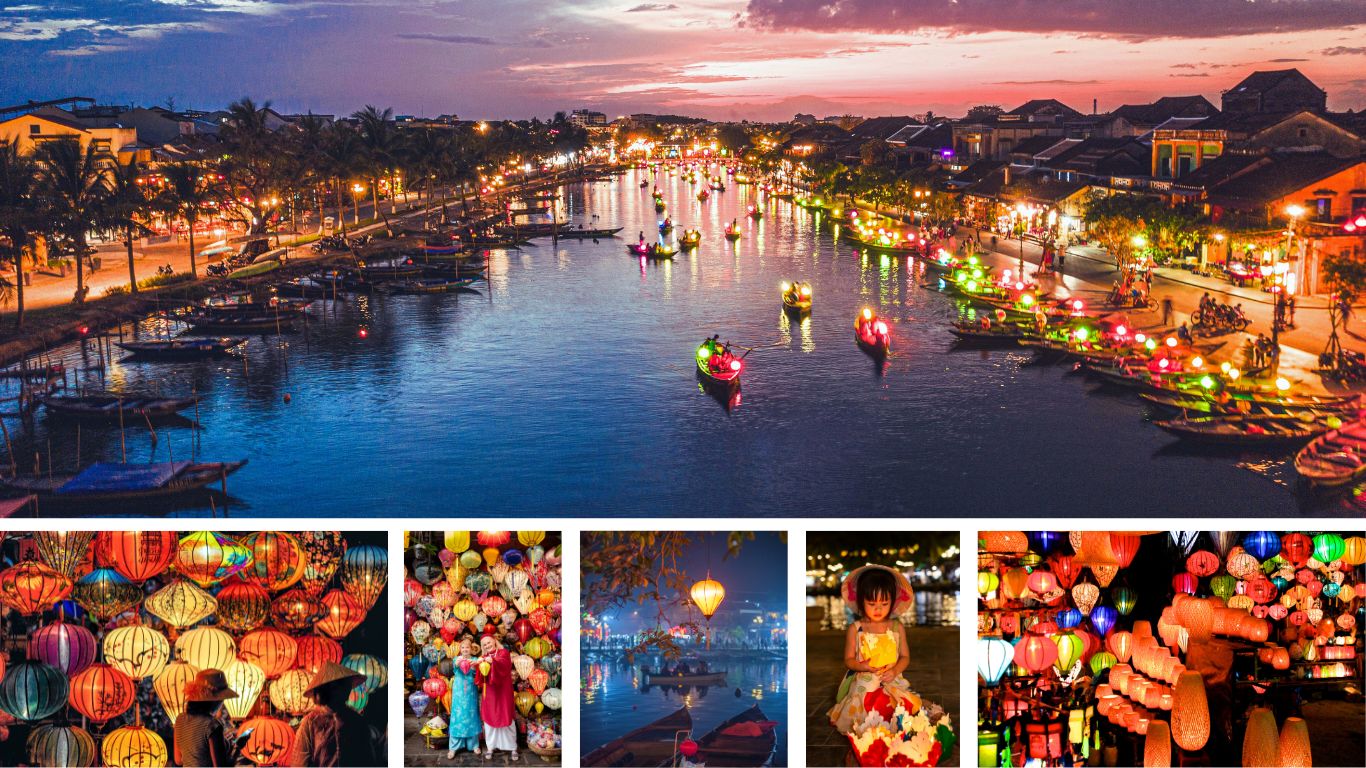
Travelers who enjoy walking, observing, and absorbing atmosphere often feel naturally drawn to places where heritage is lived rather than explained. In this style of travel, culture appears through daily routines, family traditions, and personal encounters instead of formal narratives. This approach suits travelers who value ease, warmth, and cultural immersion without complexity. A short and relaxed journey, such as Hoi An Stay & Play 4 Days, fits well with this travel mindset, allowing time to enjoy cultural depth at a comfortable pace.
When Culture Is Understood Through History, Structure, and Meaning
Some travelers connect more strongly with culture when it is presented through historical depth, symbolism, and guided interpretation. In this experience, architecture, ritual planning, and imperial legacy provide context and understanding. This style appeals to those who enjoy reflection and learning how history shaped society. Journeys such as Historic Central Vietnam 7 Days or The Charm of Central 6 Days offer a thoughtful pace and deeper insight into Central Vietnam’s cultural foundations.
When One Journey Is Not Enough to Tell the Whole Story
For travelers who prefer a broader cultural perspective, combining both experiences often creates the most rewarding journey. Moving between living heritage and imperial legacy highlights contrast while revealing continuity. This approach offers a more complete understanding of Central Vietnam’s identity. Longer itineraries, such as In-Depth Vietnam Explore 20 Days, allow these cultural layers to connect naturally within a wider regional narrative.
These itineraries are shared as examples to help you shape ideas for your trip. At Vietnam Travels Online, we are always happy to support you in designing a private journey that fits your route, travel style, and timing. Beyond Hoi An and Hue, we also design private experiences across different regions of Vietnam, allowing you to connect destinations in a way that feels natural and rewarding. In addition, our team can assist with individual services such as hotel arrangements, comfortable transportation, or a knowledgeable local guide to enrich your experience. If you would like personalized advice, feel free to contact us at vietnam@indochinavoyages.com or simply fill in our contact form.
Practical Cultural Tips
-
Slow down your pace, as both Hoi An and Hue reveal culture through daily life rather than constant activities.
-
Observe before engaging, especially in temples, pagodas, and ancestral spaces that remain actively used.
-
Dress modestly when entering religious or historical sites, even during casual walks.
-
Keep voices low in sacred areas, since many locations serve spiritual purposes, not only tourism.
-
Seek cultural context when needed, because understanding symbolism adds depth, especially in Hue.
-
Allow unstructured time, as wandering often brings more insight than fixed schedules, particularly in Hoi An.
-
Value small interactions with locals, since brief conversations often provide the most authentic cultural understanding.
FAQs
Is Hoi An or Hue better for first-time visitors?
Hoi An is easier for first-time visitors due to its walkability and relaxed atmosphere.
Which is better for culture and history, Hue or Hoi An?
Hue focuses on imperial history and symbolism, while Hoi An shows living heritage through daily life.
If I have limited time, should I visit Hue or Hoi An?
Hoi An often feels more rewarding with limited time, especially for relaxed exploration.
Is it worth visiting both Hoi An and Hue?
Yes. Visiting both offers a balanced understanding of Central Vietnam’s culture and history.
Is Hoi An or Hue better for food experiences?
Hue is known for refined royal cuisine, while Hoi An is famous for simple, iconic local dishes.
Which city is more relaxing, Hue or Hoi An?
Hoi An feels warmer and more leisurely, while Hue is calm and reflective.