

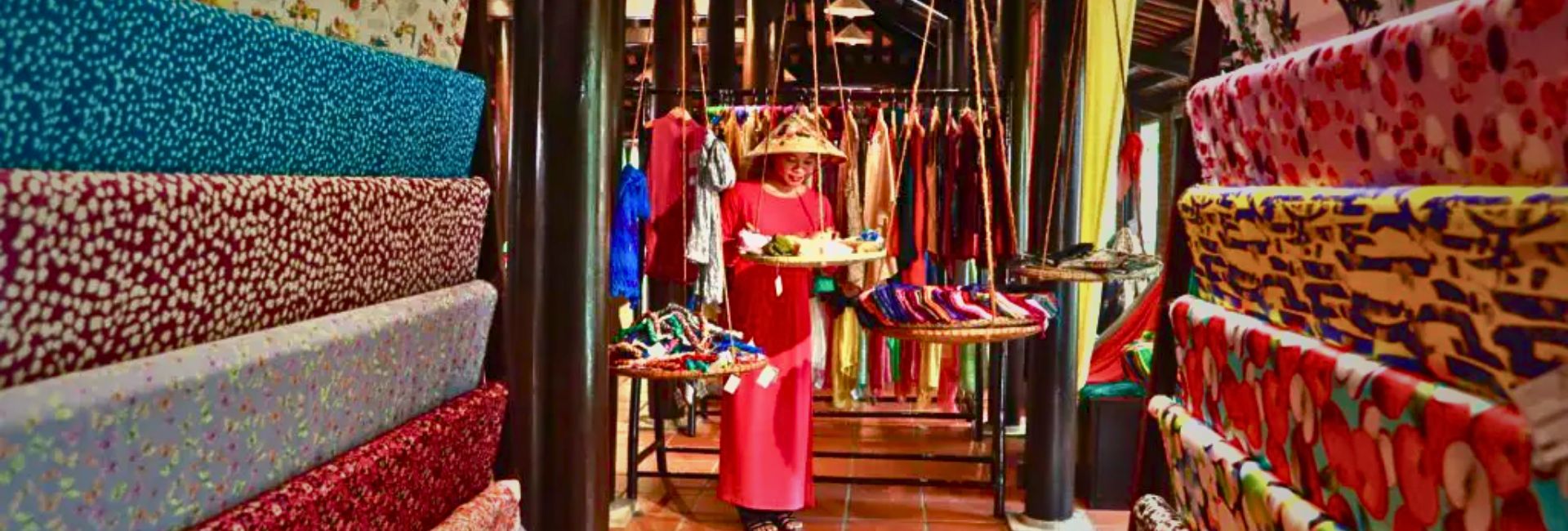
Vietnam has built a global reputation for craftsmanship. It goes far beyond scenery and cuisine, and tailoring sits right at the heart of it. Within a matter of days, skilled hands can turn a bolt of silk or wool into a suit, dress, or áo dài. It fits like it was made just for you, because it was. This guide covers the history behind that reputation, the best cities to visit, and what things actually cost. It also shows how to avoid a bad experience and where to find shops that consistently deliver. Pair a tailoring stop with a private tour or a few nights in a well-chosen hotel. It quickly becomes one of the most memorable parts of a Vietnam trip.
What can you find in this travel blog?
- A Deeper Look at Tailoring in Vietnam
- Top Tailoring Destinations in Vietnam
- Estimated Costs for Tailored Clothes
- Fabric Guide: Choosing the Right Material
- How to Avoid Tailor Scams & Spot Quality
- Fitting Tailoring Into Your Trip
- Why Tailoring in Vietnam Stands Out
- Recommended Tailor Shops in Vietnam
- Deposits, Payment & Shipping
- Planning Tailoring on a Multi-City Trip
- Practical Tips
- FAQs
A Deeper Look at Tailoring in Vietnam
Understanding where Vietnamese tailoring comes from makes the experience feel richer. It also explains why the quality holds up so well across generations of shops.
History of Tailoring
Tailoring in Vietnam blends Chinese needlework, French colonial style, and homegrown craftsmanship. Together, they created something entirely its own. The áo dài shows this best. Tailors shaped this garment with exacting skill long before Western suits reached Vietnam. French colonial rule then introduced tailored suits and structured dresses. Local artisans picked up these techniques fast, adding them to skills already passed down through family workshops for generations.
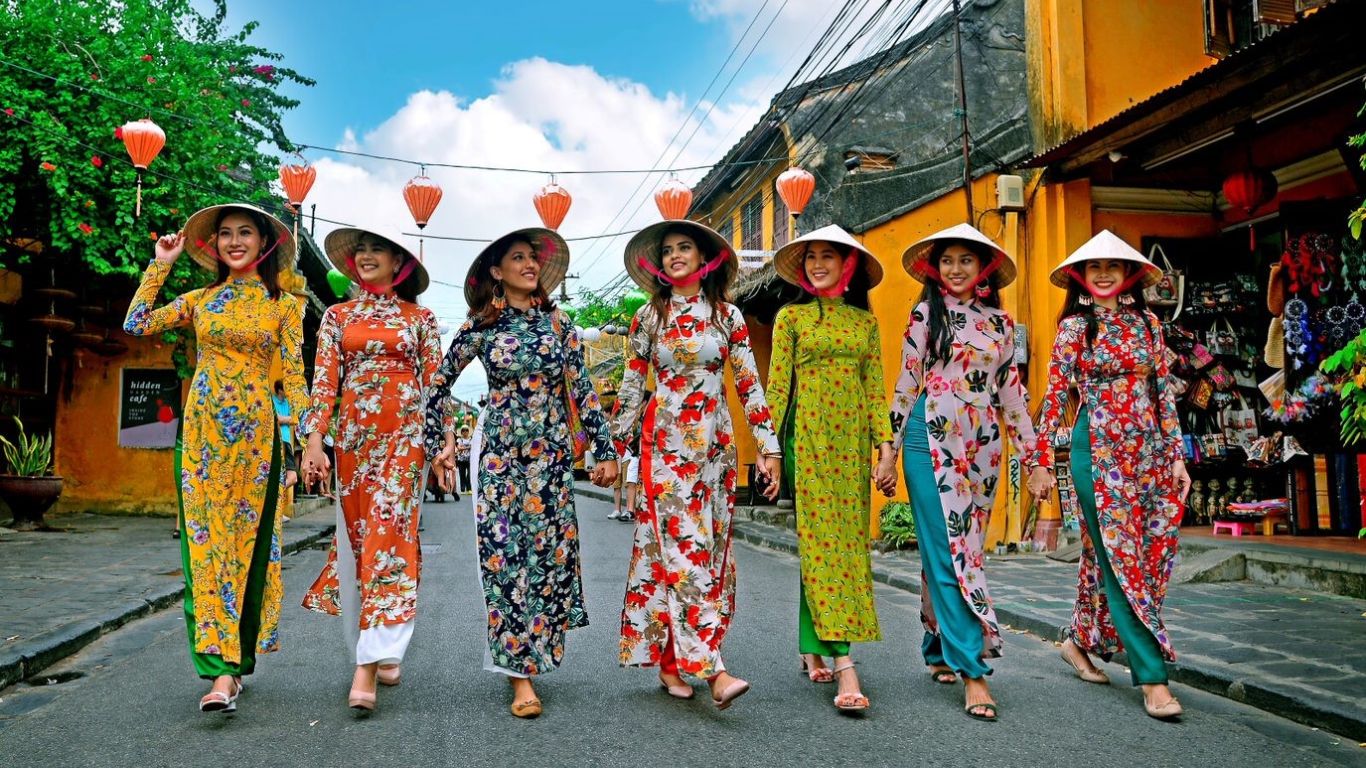
Hoi An became the center of this craft for a simple reason: it was a bustling trading port. Silk merchants and master tailors set up shop side by side there. That legacy still shows in the density and skill packed into its old town streets today. A walk through Hoi An still feels like stepping into that history. A private guide can point out which family shops have run the longest.
Best Time to Visit a Tailor
- Book morning appointments for first measurements. Shops are quieter, so staff can focus fully on getting details right.
- Avoid afternoons in busy districts like Hoi An. Tour groups tend to crowd shops and slow down fittings.
- Allow two to three days of flexibility in the itinerary. Most garments need that window for fitting, adjustment, and collection.
- Schedule fittings around a private itinerary, not the other way around. That way, transport and sightseeing work with the tailoring timeline instead of against it.
Top Tailoring Destinations in Vietnam
Vietnam offers more than one great tailoring city. Each brings its own personality, specialties, and pace worth knowing before you decide where to spend fitting time.
-
Hoi An: Widely regarded as the country’s tailoring capital. It’s known for silk garments, custom suits, and dresses finished with remarkable attention to detail. The compact old town makes shop-hopping easy on foot.
-
Hanoi: The Old Quarter is packed with tailors producing both Western suits and traditional áo dài, alongside markets and cafés worth exploring between fittings.
-
Saigon (District 1): A modern tailoring hub with fast service for business suits and casual wear. Tailors here know international sizing and speak fluent English.
-
Hue: Known for imperial elegance. Formal wear and áo dài here carry a distinctly regal touch drawn from the city’s royal history.
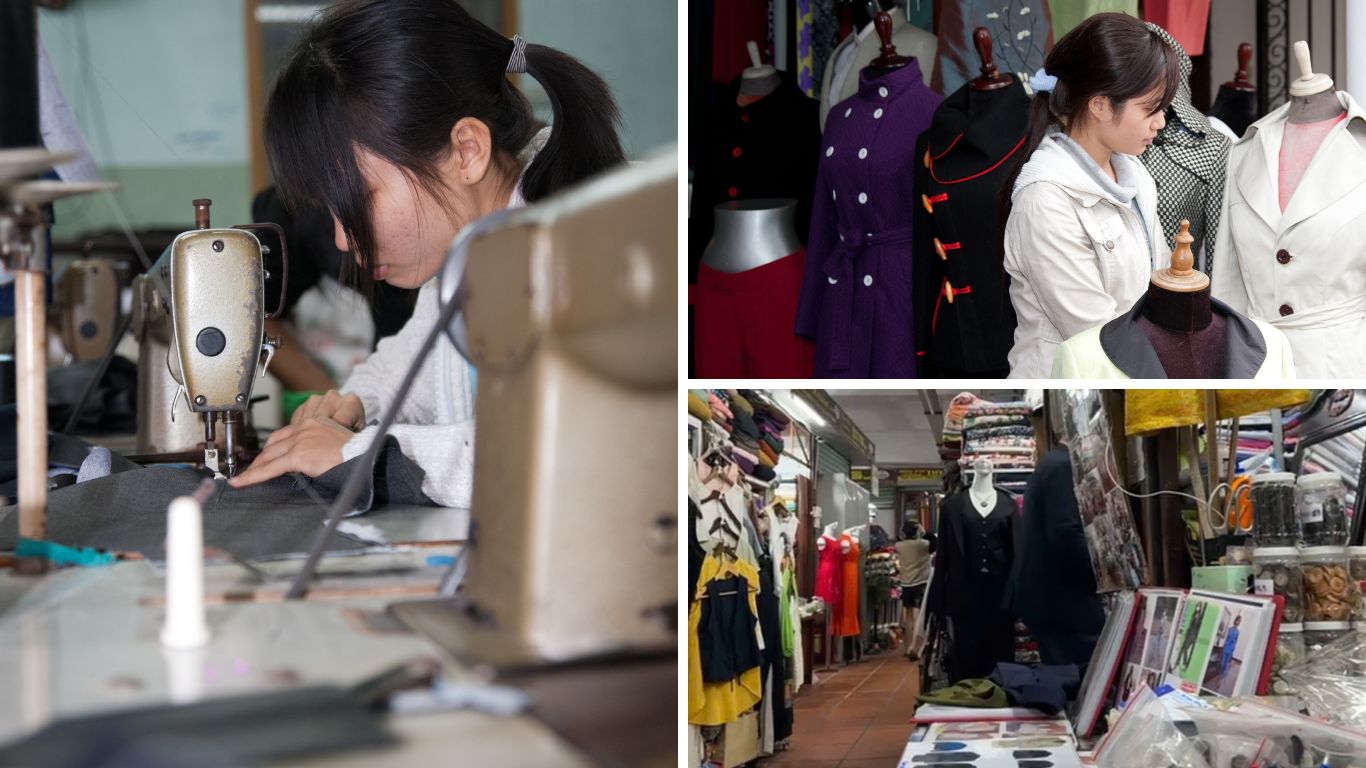
While Hoi An draws the most attention, spreading tailoring stops across a few cities on a private multi-city tour opens up a wider range of fabrics, styles, and expert opinions along the way.
Estimated Costs for Tailored Clothes in Vietnam
Pricing depends heavily on fabric quality, shop reputation, and design complexity. Treat the numbers below as a general starting point, not a fixed rate.
| Garment Type | Price Range (USD) | Typical Turnaround |
|---|---|---|
| Dress Shirt | $25–$45 | About 24 hours |
| Two Piece Suit | $120–$350 | Two to three days |
| Áo Dài (Silk) | $40–$90 | One to two days |
| Summer Dress | $35–$75 | One to two days |
| Leather Shoes | $60–$120 | Two days |
Always confirm exact pricing directly with your chosen shop before committing. Booking through a private tailoring itinerary helps too. A guide who knows local pricing can flag a quote that feels off before any money changes hands.
Fabric Guide: Choosing the Right Material
Choosing the right fabric matters just as much as choosing the right shop. The wrong material can leave even a perfectly stitched garment feeling uncomfortable in Vietnam’s climate.
- Silk: Ideal for áo dài and evening wear. Lightweight, breathable, and elegant, though it needs gentle care.
- Linen: A smart pick for hot, humid weather thanks to its breathability. It wrinkles more easily than other fabrics.
- Wool or wool blend: The standard choice for structured suits. Pair it with a lighter tropical weight if you’ll wear it locally.
- Cotton: A dependable option for shirts and casual pieces. Easy to care for and reasonably breathable.
- Poly blend: A budget-friendly choice that resists wrinkles well. It breathes less in humid conditions.
Mention any wool sensitivity, dye allergy, or preference for organic fibers upfront, before a tailor cuts any fabric. Reputable shops keep hypoallergenic and natural-dye options on hand. They’ll gladly swap materials once they know what to avoid, so comfort never has to compete with style.
A good tailor steers you toward the fabric that suits your climate, purpose, and any personal sensitivities. That’s the kind worth trusting with future orders too.
How to Avoid Tailor Scams & Spot Quality
Vietnam’s tailoring industry has an excellent overall reputation. A little caution still goes a long way toward a smooth, satisfying result.
- Request a written or photographed quote before work begins. List fabric, price, and delivery date clearly.
- Inspect a sample garment for even stitching, clean linings, and no loose threads before you commit to an order.
- Treat pressure for full payment upfront as a warning sign. Reputable shops are comfortable with a partial deposit.
- Compare pricing and craftsmanship across a couple of shops, especially in high-traffic tourist streets where quality varies widely.
- Ask a hotel concierge or a private guide for a trusted recommendation. Reputation built over years matters more than storefront location.
Travel with a private guide who already knows which shops consistently deliver. It removes most of this guesswork entirely.
Fitting Tailoring Into Your Trip
Making tailoring fit smoothly into a broader itinerary comes down to planning and the right kind of flexibility.
- Start fittings as early in the trip as possible. Two to three visits per garment is completely normal.
- Walk between shops in compact old town areas. Rely on taxis or ride-hailing apps for longer distances in bigger cities.
- Build in a buffer day or two. Fabric choice or intricate detailing can occasionally extend turnaround time.
- Let sightseeing and food experiences fill the gaps between fittings, not compete with them for time.
You don’t need to figure this out alone. Our travel specialists can build tailoring stops directly into a private itinerary. We sync appointments with transport and hotel bookings so nothing feels rushed. Reach out anytime at vietnam@indochinavoyages.com or through our contact page to start planning.
Why Vietnam’s Tailors Are Exceptional
Tailoring here goes beyond simply making clothes quickly. It reflects centuries of craftsmanship meeting modern efficiency. That’s exactly why so many travelers plan entire trips around a few fitting appointments.
Fast, High-Quality Craftsmanship
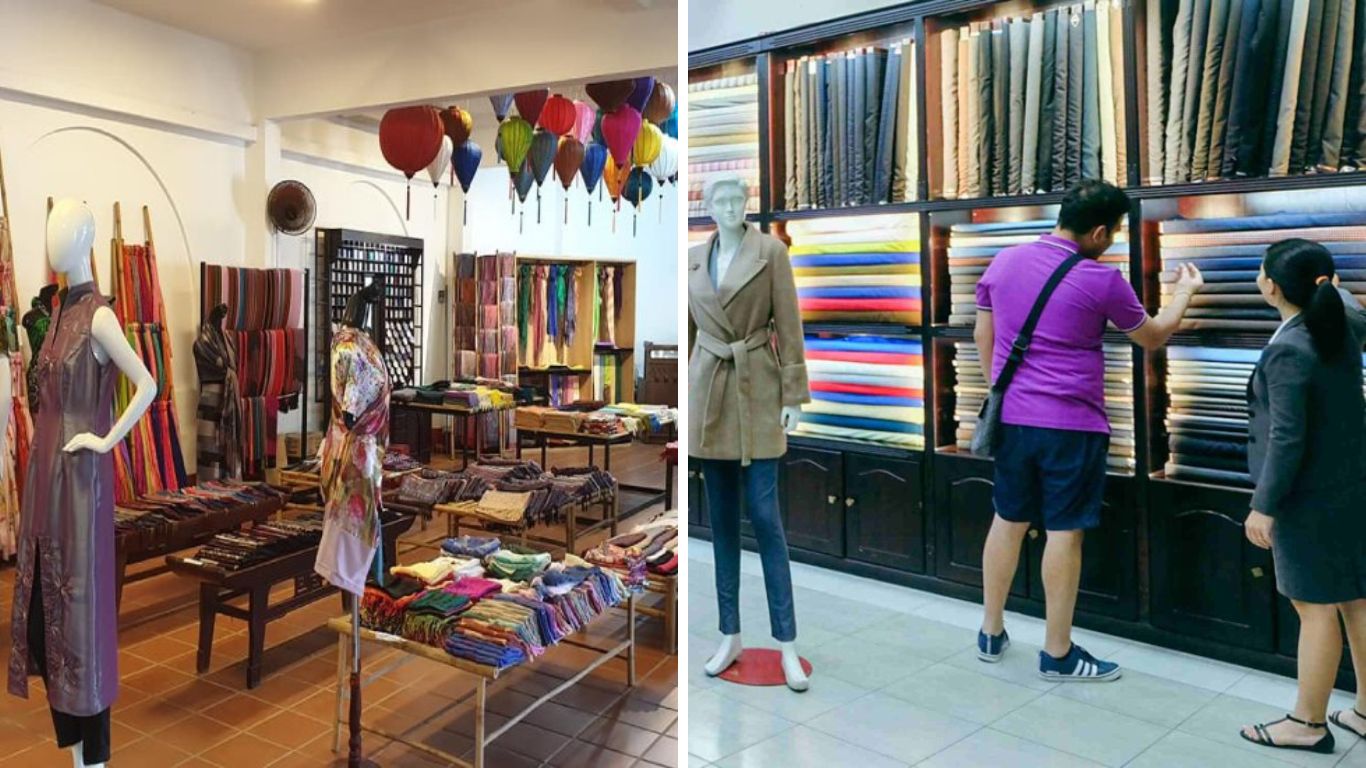
Garments regularly come together in just one to three days without any drop in quality, a pace that surprises most first-time visitors. Tailors focus intently on precise measurements and clean seams, blending modern machines with hand finishing for a polished, professional result despite the speed.
Personalized Guidance and Multiple Fittings
Expert guidance on fabric, color, and style comes standard at most reputable shops, even for customers who arrive without a clear idea of what they want. Multiple fitting sessions along the way ensure the final result sits perfectly across the shoulders, sleeves, and waist rather than settling for close enough.
Variety, Replication, and Great Value
From casual shirts to formal suits and evening gowns, Vietnamese tailors can recreate almost anything a customer brings in. Many workshops can also replicate a favorite existing garment in new fabric, making it possible to leave with several custom pieces from a single trip.
Recommended Tailor Shops in Vietnam
Knowing a few trusted names in advance saves time and takes the guesswork out of choosing where to start.
Hoi An
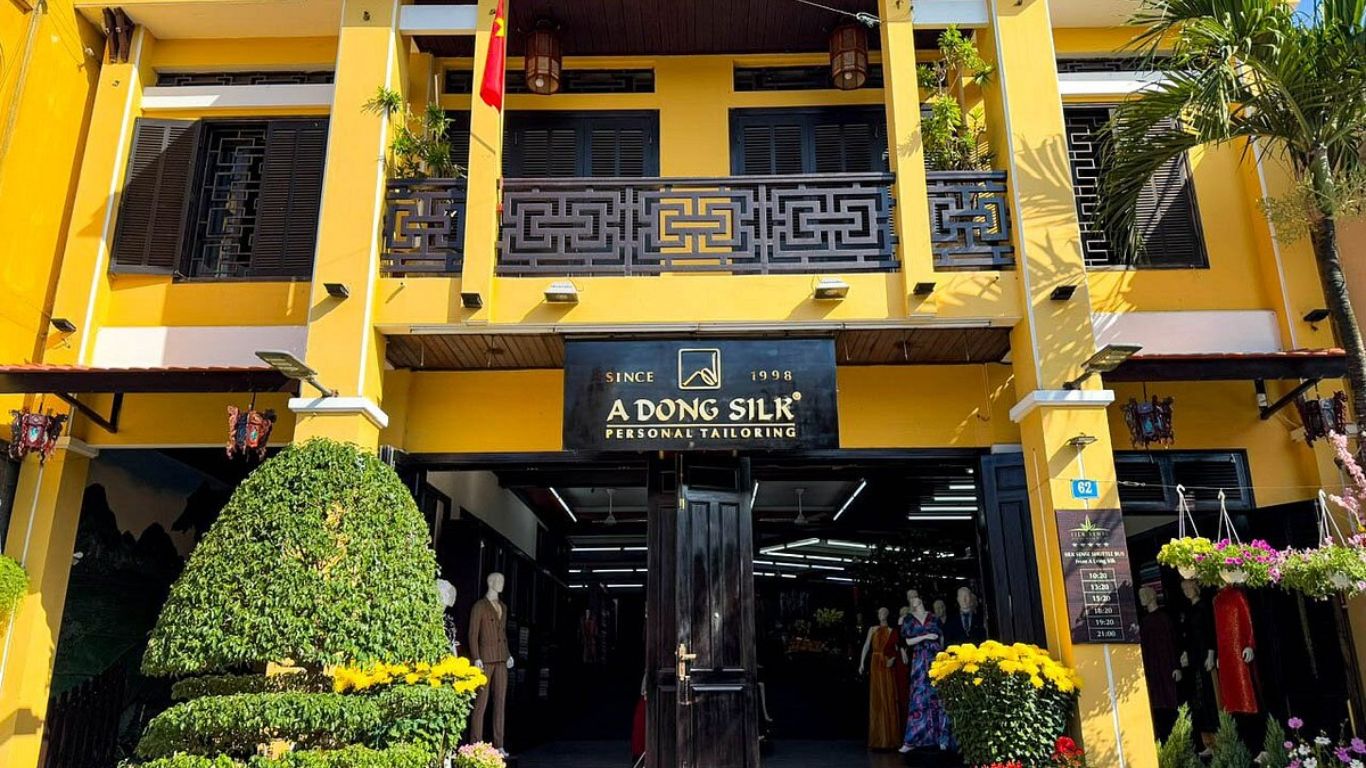
Yaly Couture brings premium fabrics and elegant finishing to every step, from first measurement to final fitting. Bebe Tailor is known for quick service and a wide material selection. A Dong Silk stands out for silk work, producing áo dài and dresses with clean, refined detailing. The Tailory is a solid mid-range option focused on modern styles and reliable turnaround.
Hoi An Market is also worth a visit for a more local, straightforward tailoring experience. Several small stalls inside the market offer custom tailoring, each with its own strengths in style and fabric selection, so browsing a few before committing is part of the fun.
Hanoi
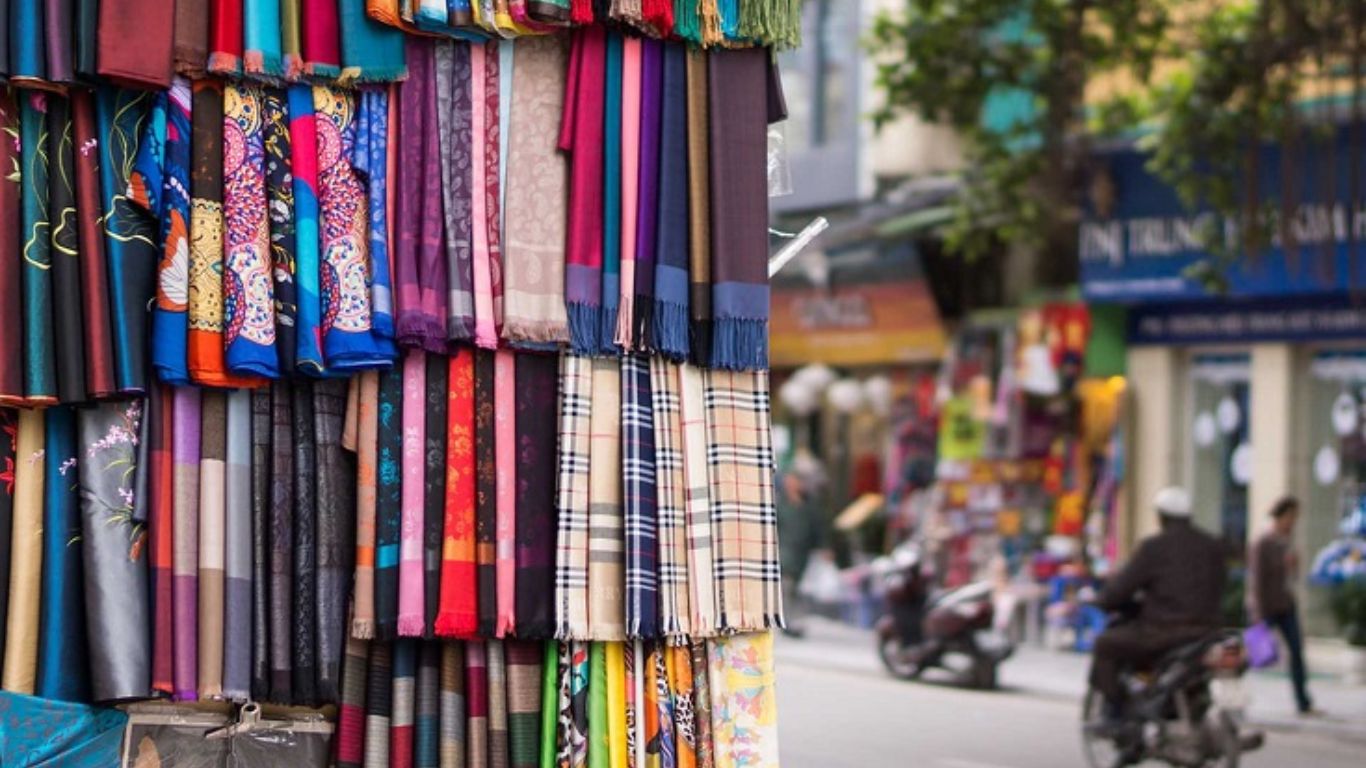
Shops lining Hang Gai Street, often called Silk Street, offer a strong mix of silk clothing and Western suits worth comparing side by side. Hoang Tien Tailor has run as a family business for years, earning a reputation for clear communication and fair pricing.
Ho Chi Minh City
Binh Bespoke Tailoring delivers well-made suits and shirts built to international sizing, with fast and precise fittings. Bien Bespoke suits travelers looking for modern, structured tailoring with clean lines, ideal for business or formal occasions.
Deposits, Payment & Shipping
- Most tailors ask for a partial deposit, typically thirty to fifty percent, with the balance due at final fitting or pickup.
- A request for full payment upfront is worth treating as a small warning sign.
- Cash in dong or dollars is the most widely accepted method, though larger shops increasingly take cards.
- Many shops in Hoi An and Hanoi offer international shipping, usually arriving within one to three weeks.
- Confirm shipping cost and timing before leaving the shop to avoid surprises later.
Planning Tailoring on a Multi-City Trip
Can tailoring and touring really happen at the same time? Absolutely, and honestly, why choose one when a trip to Vietnam can easily deliver both? Combining tailoring with cultural exploration works best when the itinerary is built around it from the start, rather than squeezing fittings in as an afterthought. The Vietnam Culinary Highlights 12 Days Tour covers Hanoi, Hoi An, Hue, and Saigon, pairing tailoring stops naturally with food, culture, and history in every city along the way.
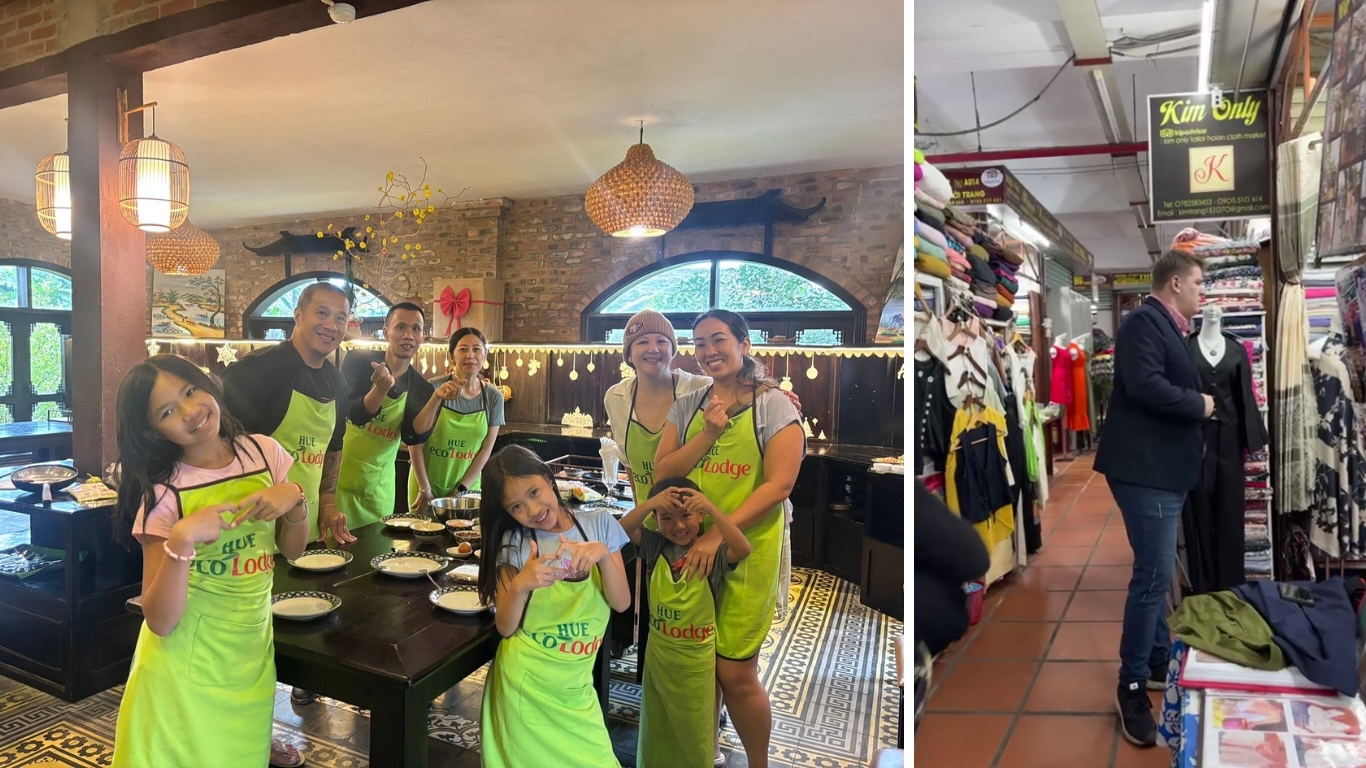
Ready to build a trip like this? Browse our full range of Vietnam tours or explore Indochina tour options for inspiration, and our team will handle the logistics from there.
Practical Tips
- Bring photos or sketches of styles to avoid miscommunication with tailors.
- Touch and feel fabric samples in person to judge comfort and quality before committing.
- Start fittings early in the trip, since adjustments take time to get right.
- Double-check shoulder width, waist, and sleeve length at every fitting.
- Ask upfront how long each specific garment will take to complete.
- Request care instructions to help the finished piece last.
- Keep receipts on hand in case a tweak is needed later.
- Bring a favorite existing item along as a template for fit and style.
FAQs
How much does a tailored suit cost in Vietnam?
Prices vary by city, fabric, and design, generally falling within the ranges shown in the pricing table above.
How long does it take to make a tailored suit?
Most suits are completed within one to three days, depending on fittings and fabric choice.
What clothes should I get tailored?
Popular choices include suits, dresses, shirts, trousers, casual outfits, and traditional áo dài.
Do you tip tailors in Vietnam?
Tipping is not required, though it is always appreciated for excellent service.
Which city is best known for tailoring?
Hoi An holds the top reputation, though Hanoi, Saigon, and Hue all have skilled tailors worth visiting.
Do tailors in Vietnam ship internationally?
Many established shops do, usually within one to three weeks, so confirming cost and timing before departure is wise.
How can travelers avoid a bad tailoring experience?
Getting a written quote, checking sample stitching, and avoiding shops that demand full payment upfront all help protect against a poor result.