

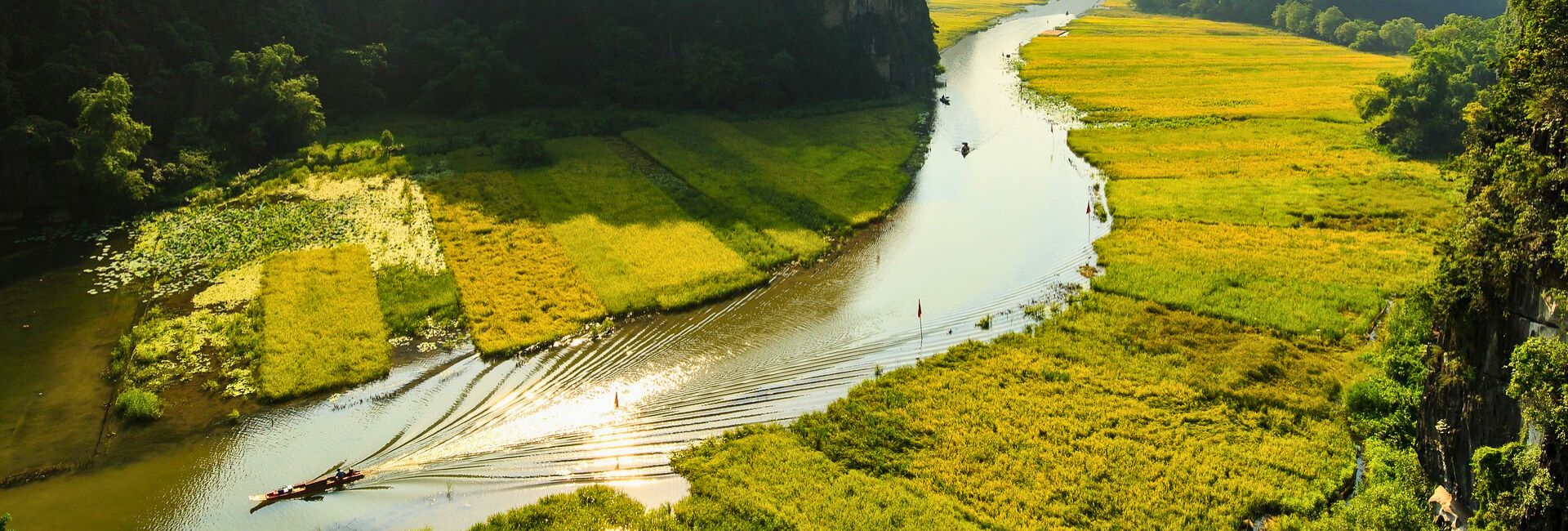
Vietnam is a country of contrasts as of emerald mountains in the north, golden beaches in the south, and a thousand years of culture woven into every corner. While many visitors aim for the busiest months, the low season in Vietnam offers a completely different kind of magic.
With fewer tourists on the streets of Hanoi’s Old Quarter, more breathing space in Halong Bay, and uncrowded evenings along the lantern-lit banks of Hoi An Ancient Town, you can experience the country at a slower, more authentic pace. The rains, heat, or mist that keep some travelers away often add a unique beauty, from rice terraces glowing green under monsoon clouds to waterfalls at their fullest. If you’re looking for Vietnam at its most real (and most affordable), the low season is when the country truly opens its heart.
What can you find in this travel blog?
- When Is Low Season in Vietnam?
- Why Low Season in Vietnam is a good choice for travelers
- Where to go during the low season in Vietnam?
- Useful Tips You Should Know within Low Season in Vietnam
- FAQs
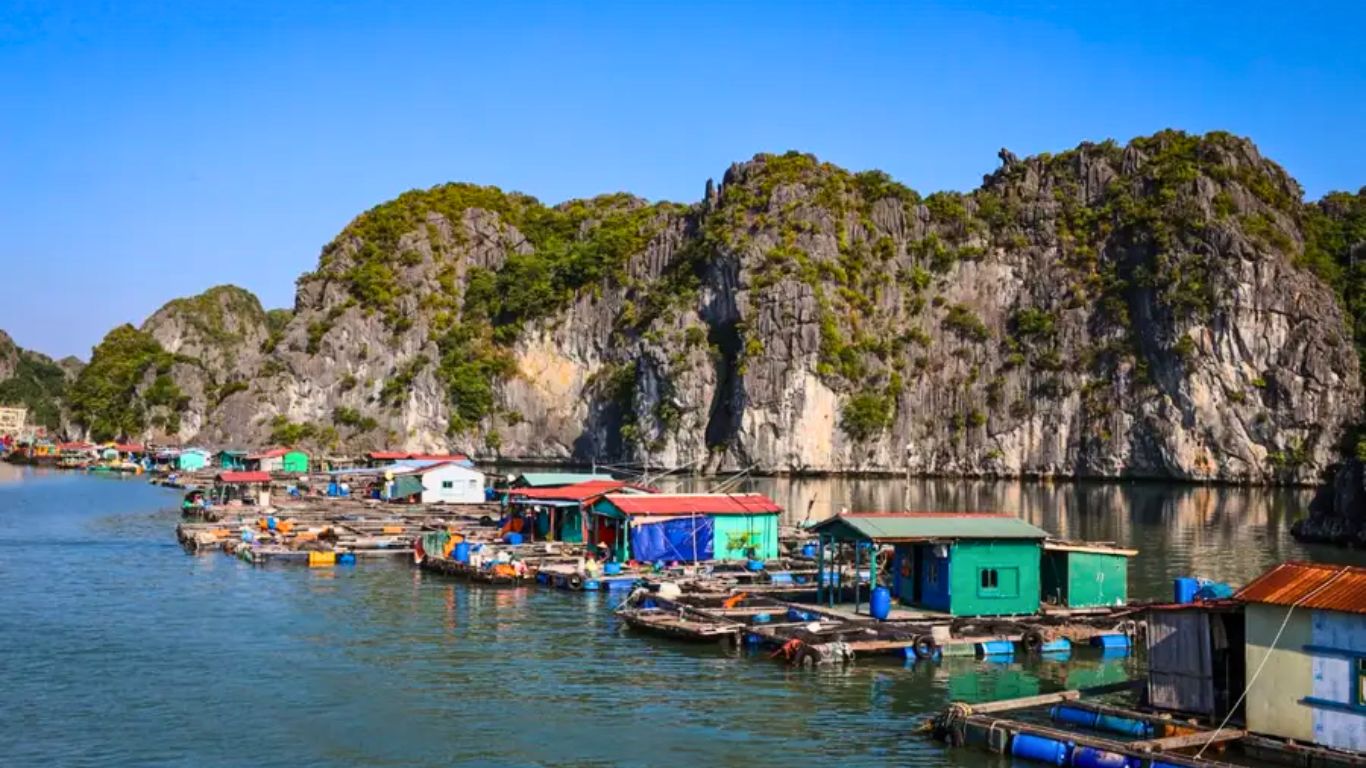
When Is Low Season in Vietnam?
To help you picture what the low season in Vietnam is really like, let’s start with the weather. As a tropical country, Vietnam’s climate is a fascinating blend, shifting not just with the seasons, but also from north to south. This variety means that even in the so-called “low season,” you’ll find pockets of sunshine, bursts of rain, and landscapes that transform with the elements.
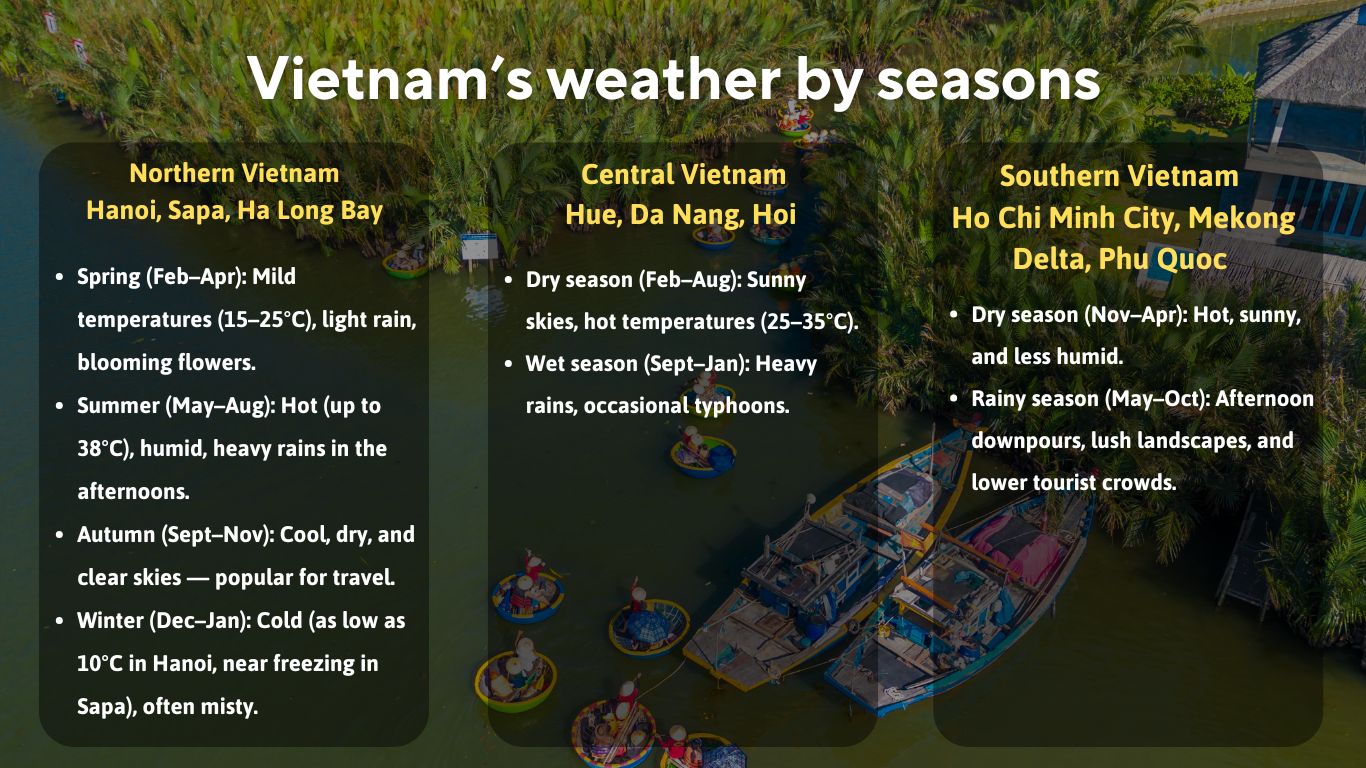
Travel comfort tip: Vietnam’s diversity means you can almost always find good weather somewhere, but for low season travel, you’ll need to plan for regional variations.
The low season in Vietnam for travelers
Northern Vietnam – May to September (especially June–August)
- Weather: Hot, humid, frequent heavy rains; occasional storms in coastal areas like Ha Long.
- Pros:
- Lush green landscapes, especially in the mountains.
- Lower hotel rates and fewer tourists at attractions.
- Good time for photography with dramatic skies.
- Cons:
- Possible boat trip cancellations in Ha Long Bay.
- Trekking trails in Sapa can be muddy and slippery.
- Still worth visiting: Hanoi’s cultural sites, Ha Giang’s scenery after the rain, Ninh Binh’s rice fields in summer.
- Travel tip: Pack quick-dry clothes and waterproof gear; be flexible with your itinerary.
Central Vietnam – October to December
- Weather: Wettest months; risk of typhoons, especially along the coast. Temperatures 20–28°C.
- Pros:
- Quieter streets in Hoi An and Hue’s imperial sites.
- Great for budget travelers, there will be deep discounts on beach resorts.
- Cons:
- Some beaches may be unsuitable for swimming due to rough seas.
- Rain can interrupt outdoor activities.
- Still worth visiting: Hoi An’s Old Town, Hue’s historic citadel, Ba Na Hills in Da Nang.
- Safety tip: Always check local weather updates; avoid remote areas during storm warnings.
Southern Vietnam – May to October
- Weather: Hot and humid with daily afternoon showers; flooding possible in low-lying areas.
- Pros:
- Fewer crowds in Ho Chi Minh City’s attractions.
- Lush, photogenic Mekong Delta landscapes.
- Waterfalls in the Central Highlands are at their best.
- Cons:
- Short but intense downpours may delay day trips.
- Some islands have rougher seas.
- Still worth visiting: Cu Chi Tunnels, Ben Tre in the Mekong Delta, Ho Chi Minh City’s vibrant markets.
- Travel tip: Plan sightseeing in the mornings and keep a light raincoat handy.
Why Low Season in Vietnam is a good choice for travelers
The Difference Between High, Peak & Low Season in Vietnam
- Peak season (December to January): The busiest time of year, with Tet (Vietnamese New Year) and Christmas bringing large crowds, higher prices, and fully booked hotels.
- High season (February to April and September to November): Generally the most pleasant weather across most regions, which also means more tourists and higher costs.
- Low season: Periods with heavier rain, higher humidity, or intense heat. While the weather may be less predictable, these months also mean fewer travelers, better deals, and a more relaxed pace.
Benefits of Traveling to Vietnam in Low Season
Traveling in low season isn’t just about saving money it can transform the entire feel of your trip:
- Lower costs: Hotels, tours, and flights can be 20–40% cheaper, leaving you with more budget for special experiences or extended stays.
- Peace and space: Imagine wandering through Hanoi’s Old Quarter without jostling through crowds or taking a photo at Hoi An’s Japanese Bridge without waiting in line.
- Unique seasonal beauty: In the rainy months, rice terraces glow an intense green, waterfalls flow at their strongest, and misty mountains create dramatic backdrops for photos.
- More authentic encounters: With fewer tourists around, locals often have more time for genuine conversations, making your cultural interactions warmer and more personal.
Where to go during the low season in Vietnam?
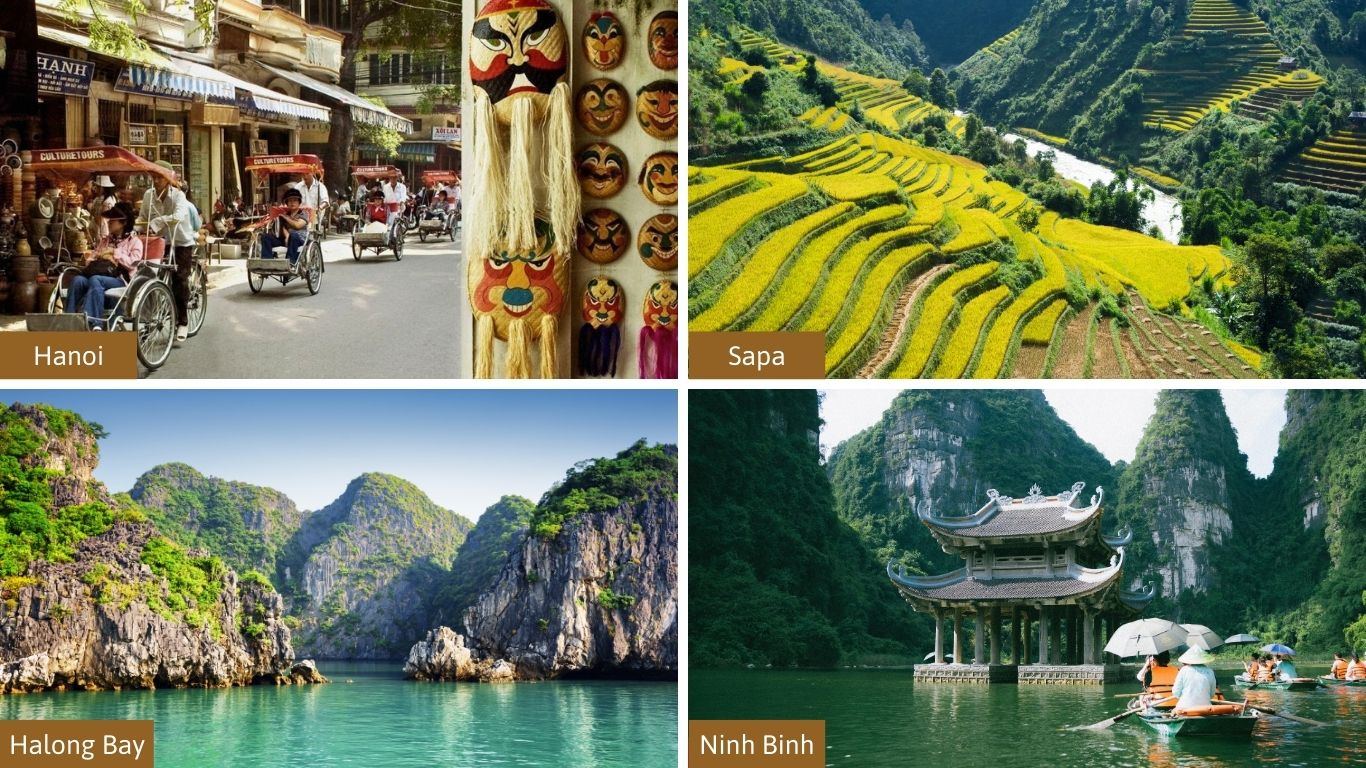
North Vietnam (Hanoi, Halong Bay, Sapa, Ninh Binh)
-
Why it works:
-
Ha Long Bay is misty and mystical, with fewer boats in the bay.
-
Sapa’s terraced fields are greener after the rains, and trekking paths are less crowded.
-
Ninh Binh’s limestone karsts, rice paddies, and boat rides on the Ngo Dong River are more peaceful, and the green landscapes are extra vibrant after rain.
-
Hanoi’s museums, cafés, and cultural sites are perfect for rainy days
-
-
Things to note: Bring a light rain jacket and check Ha Long cruise schedules, as trips may be canceled during storms.
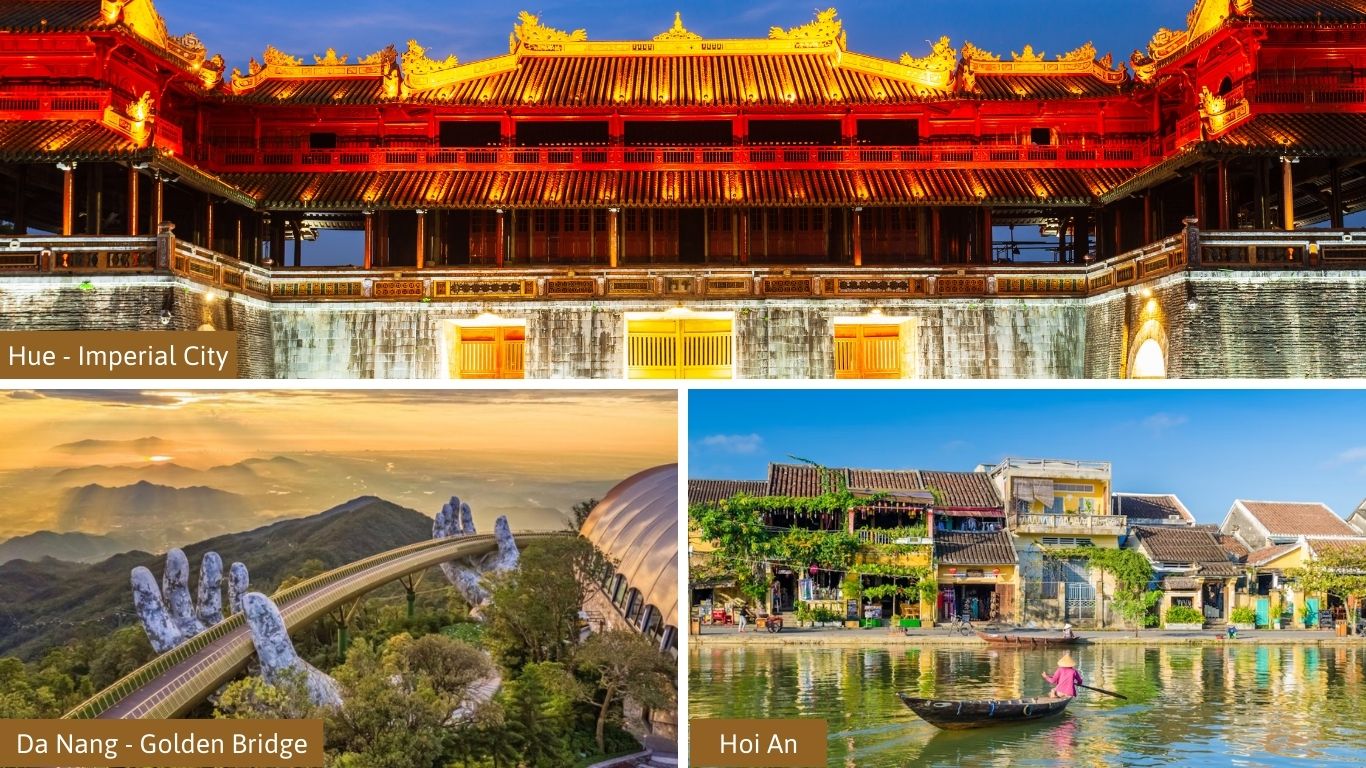
Central Vietnam (Hue, Da Nang, Hoi An)
-
Why it works:
-
Ancient sites like Hue’s Imperial Citadel and My Son Sanctuary are almost tourist-free.
-
Resorts in Da Nang and Hoi An offer major discounts, especially on beachfront villas.
-
The food scene is vibrant year-round, and cooking classes run rain or shine.
-
-
Things to note: Flooding can occur in late rainy season (especially Oct–Nov), so plan flexible itineraries.
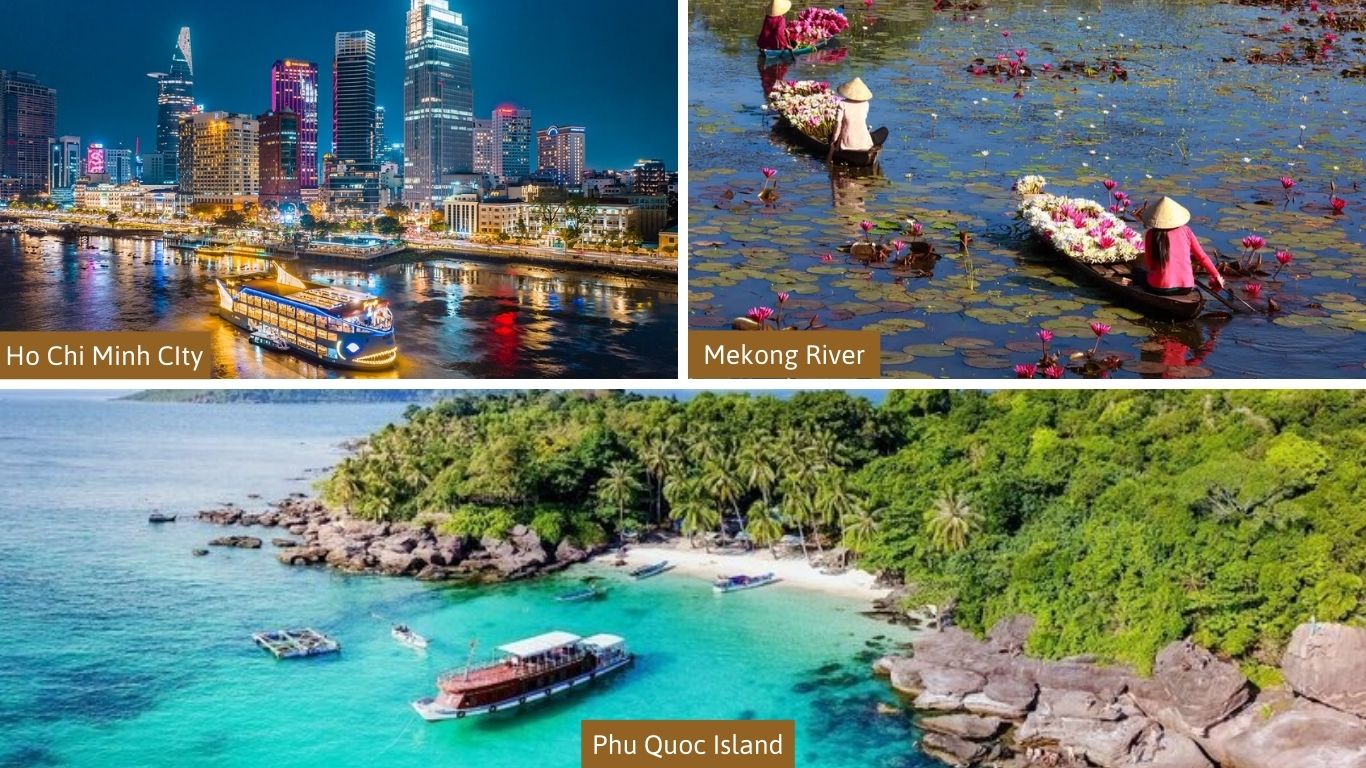
South Vietnam (Ho Chi Minh City, Mekong Delta, Phu Quoc)
-
Why it works:
-
Ho Chi Minh City’s museums, markets, and cafés are perfect for sheltering from quick tropical showers.
-
The Mekong Delta is lush and lively, with floating markets at their most colorful.
-
Resorts in Phu Quoc drop rates significantly, and storms are usually brief.
-
-
Things to note: Sudden heavy showers are common, but they usually clear within an hour.
Suggested Itineraries for Low Season in Vietnam
Traveling during Vietnam’s low season doesn’t mean compromising on experiences. In fact, with fewer tourists, richer colors in the landscape, and better hotel deals, you can design trips that feel more personal and rewarding. Here’s how your journey could look, whether you have just 5 days or nearly 3 weeks.
5 Days – Quick Vietnam Sampler
-
North: Hanoi (Old Quarter, street food tour) → Halong Bay (day or overnight cruise)
-
Central: Hue (Imperial Citadel) or Hoi An (ancient town & lanterns)
-
South: Ho Chi Minh City (Notre Dame Cathedral, Ben Thanh Market)
Why it works in low season: Short but well-connected flights make it easy to hop regions. Attractions are less crowded, and hotel deals are better in big cities.
7 Days – Culture & Scenery Mix
-
North: Hanoi → Halong Bay → Ninh Binh (Trang An boat ride, limestone mountains) → Sapa (rice terraces & ethnic villages)
-
Central: Hue → Da Nang (Marble Mountains) → Hoi An
-
South: Ho Chi Minh City → Mekong Delta (floating market day trip)
Why it works in low season: Travel times are still manageable, and you’ll catch seasonal highlights like lush paddies in Sapa or cooler evenings in Hoi An.
10 Days – Balanced Exploration
-
Hanoi → Sapa → Halong Bay → Hue → Hoi An → Quy Nhon → Ho Chi Minh City → Mekong Delta → Phu Quoc
Why it works in low season: Cooler weather in central Vietnam and lush green landscapes in the north make every stop more pleasant and photogenic.
20 Days – The Grand Vietnam Journey
-
Hanoi → Ha Giang Loop → Sapa → Halong Bay → Ninh Binh → Hue → Hoi An → Quy Nhon → Nha Trang → Da Lat → Ho Chi Minh City → Mekong Delta → Con Dao → Phu Quoc
Why it works in low season: Off-season freshness, misty highlands, blooming farms, and quiet coastal towns. All makes the journey even more memorable
Useful Tips You Should Know within Low Season in Vietnam
Traveling in Vietnam’s low season comes with its own set of challenges. But knowing them in advance means you can plan smartly and avoid most inconveniences.
- Possible delays: Heavy rain or sudden storms can occasionally disrupt flights, trains, or boat trips. Build some flexibility into your schedule so a minor delay won’t derail your plans.
- Limited access: Certain spots, such as remote mountain passes in the North or island beaches in the Central region, may close temporarily for safety reasons during bad weather.
- Weather comfort: Humidity can feel more intense in the South, while rain showers can be sudden in the Central Coast and Northern highlands.
Packing Essentials by Region
- North: A light waterproof jacket for unexpected showers, plus sturdy shoes for exploring wet trails in places like Sapa or Ha Giang.
- Central: Waterproof bags or cases to protect electronics from coastal rain, along with quick-dry clothes for comfort.
- South: A compact umbrella for sudden tropical showers and lightweight sandals that can handle wet streets in Ho Chi Minh City or the Mekong Delta.
Tip: Most of these challenges are minor if you come prepared. In fact, many travelers find the occasional rain adds to the charm — bringing cooler air, glistening streets, and a more atmospheric Vietnam.
FAQs
Is low season the same across Vietnam?
No. Vietnam’s weather differs by region, so the low season in the North, Central, and South happens at different times.
Is it worth visiting Vietnam in the rainy season?
Absolutely, as long as you plan for more indoor activities, keep outdoor excursions shorter, and stay flexible with your itinerary.
Can I still visit Ha Long Bay in low season?
Yes, but boat trips may be canceled during storms for safety. Always confirm with your cruise operator before traveling.
Do I need a visa to visit Vietnam in low season?
Most travelers do, although some nationalities enjoy short visa exemptions. Check the latest entry requirements before booking flights.
Will transportation be affected in low season?
Heavy rains can cause delays for flights, trains, or buses. It’s best to allow extra travel time between destinations.
What should I pack for low season?
Lightweight rain gear, quick-dry clothes, and waterproof bags for electronics are essential.
If you’re curious about exploring Vietnam during its low season, we’d be delighted to craft a journey that shows you its quieter, more authentic side. At Vietnam Travel Online, we design tailored itineraries that turn rainy afternoons into cozy cultural moments and sunny breaks into unforgettable adventures. Whether you have just five days or a few weeks, we’ll match your pace and passions so every day feels just right.
Go against the crowd, and Vietnam will open up just for you.