

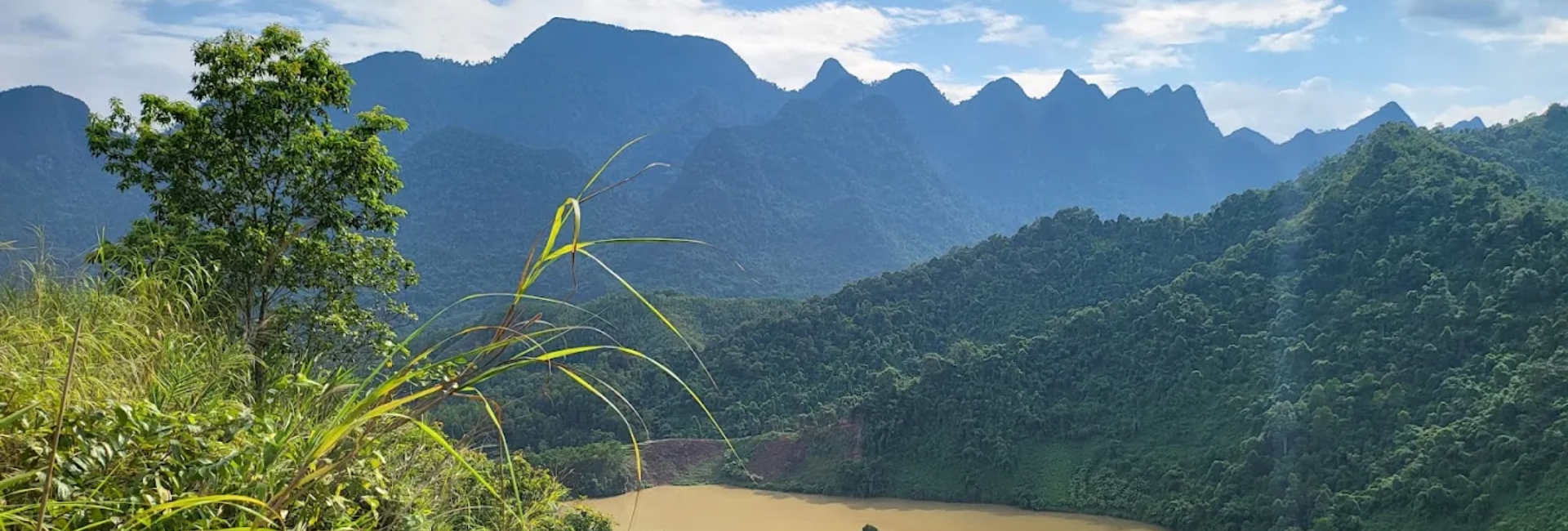
August wraps the Ha Giang Loop in its greenest outfit of the year. Rainy season soaks the mountains. It wakes up every waterfall. It pushes the rice terraces into their fullest, richest green. This is a season of contrast. Soft misty mornings often turn into sudden downpours. Quiet roads suddenly open up to breathtaking viewpoints between showers.
Rain changes the game though, especially on a motorbike. Slippery roads, sudden fog, and the occasional landslide are all part of the deal. August rewards preparation more than any other month. This guide covers exactly what to expect. It also shows who this season suits best, and how to enjoy the loop safely and comfortably, whether that means riding a bike or letting a private driver handle the road.
What can you find in this travel blog?
- Is August a Good Time to Do the Ha Giang Loop?
- Ha Giang Loop Weather in August: Quick Snapshot
- What Does the Ha Giang Loop Look Like in August?
- Road Conditions on the Ha Giang Loop in August
- Best Places to Visit on the Ha Giang Loop in August
- Things to Do on the Ha Giang Loop in August
- What to Pack for the Ha Giang Loop in August
- Travel Tips for Visiting the Ha Giang Loop in August
- Suggested Ha Giang Loop Itinerary for August
- Travel Costs and Crowd Levels in August
- FAQs About the Ha Giang Loop in August
Is August a Good Time to Do the Ha Giang Loop?
For the right traveler, August might be the most rewarding version of the loop all year.
It suits nature lovers, photographers, experienced riders, and anyone hoping to skip the crowds. It suits first-time riders less well, along with travelers who need consistently sunny weather or are working within a tight schedule.
Overall, August offers one of the greenest, most atmospheric versions of the Ha Giang Loop available all year, as long as travelers stay flexible and lean on local expertise when the weather turns. Comparing seasons? The breakdown of Ha Giang weather and the best time to visit offers a useful side-by-side.
Ready to experience it firsthand? Get in touch to start planning, or browse Indochina-wide tour options for a broader regional trip built around Ha Giang.
Pros of visiting in August:
- Mountains blanketed in vibrant green
- Waterfalls running at full, powerful flow
- Rice terraces at peak beauty
- Cooler temperatures than lowland Vietnam
- Fewer crowds at major viewpoints
Cons to consider:
- Heavy afternoon showers, almost daily
- Slippery, muddy sections on mountain roads
- Occasional landslides after heavy rain
- Fog that can drop visibility fast
Conditions shift quickly in August, which is exactly why many travelers choose a private car or guided tour this season instead of self-riding. It keeps the adventure without the added risk.
Ha Giang Loop Weather in August: Quick Snapshot
August weather on the loop behaves differently than most travelers expect from northern Vietnam. Mountain elevation changes everything. Temperatures, rainfall, and visibility here rarely match what’s happening down in Hanoi or other lowland cities on the same day.
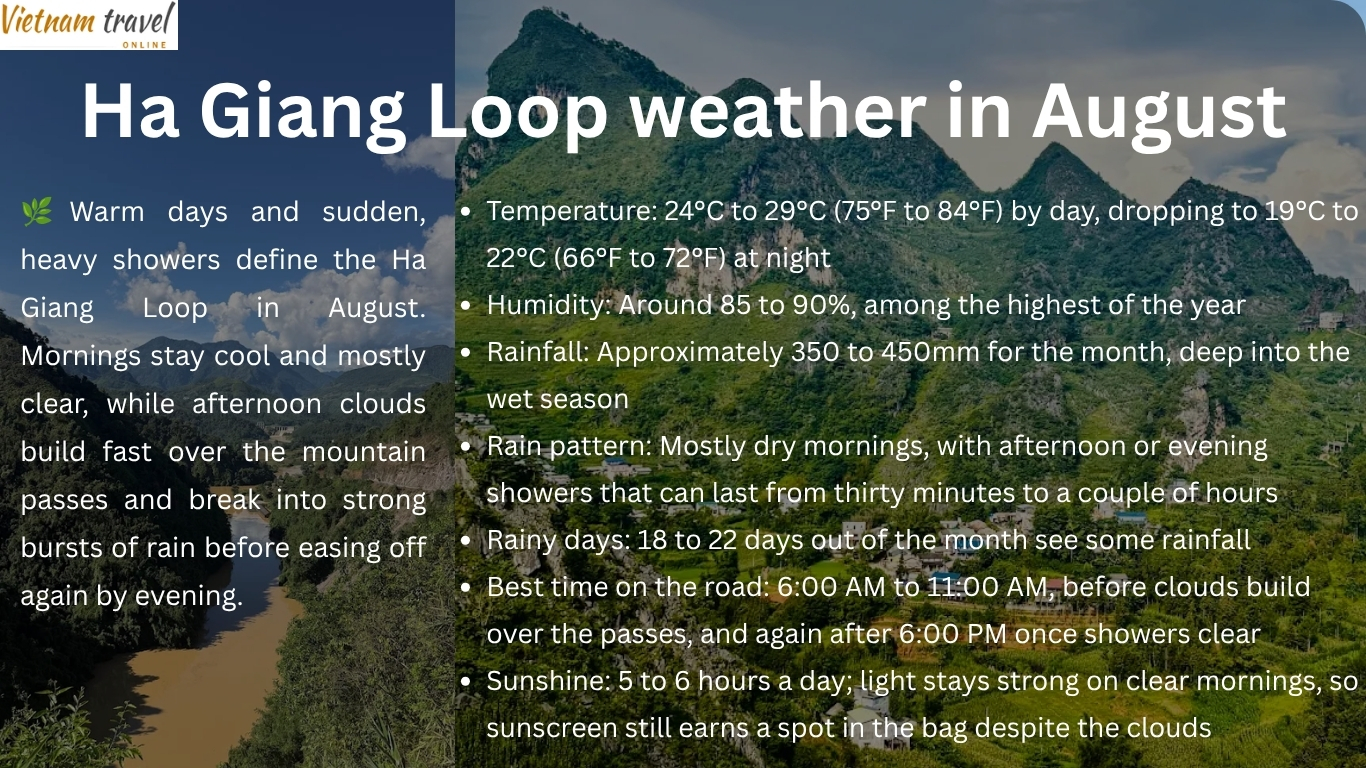
Hanoi and other lowland areas often feel hotter and stickier in August. Mountain elevation on the loop keeps temperatures noticeably cooler, especially at higher passes like Dong Van and Meo Vac. Rainfall also behaves differently here. Storms build fast over the mountains and can dump heavy rain in a short window, even when nearby lowland areas stay dry.
Rainfall Patterns Throughout the Month
Rain in August rarely spreads evenly across the day. A few patterns show up again and again on the loop:
- Mornings tend to stay drier and clearer than afternoons
- Afternoons bring the highest chance of heavy showers
- Some days see short, intense downpours rather than steady all day rain
- Higher elevations can shift from clear to foggy or wet within minutes
Knowing this pattern helps shape a smarter riding schedule, especially for anyone covering longer stretches between towns.
Mountain Temperatures and Riding Comfort
Riding comfort changes a fair amount throughout the day. Daytime temperatures feel pleasant for riding, especially compared to lowland heat. Mornings run cool, sometimes cool enough for a light jacket before the sun warms things up. Evenings in higher spots like Dong Van and Meo Vac drop noticeably, calling for warmer layers after sunset. Wind picks up on exposed mountain passes too, adding a chill that catches many riders off guard.
Visibility, Clouds and Photography
Cloud cover and mist shape a big part of August’s visual character. Morning mist often blankets lower valleys before burning off by midday. Cloud-covered valleys create some of the most striking wide shots of the whole trip. Scenic viewpoints look especially dramatic right after rainfall, once clouds start breaking apart. For photography, the best light usually falls in early morning or shortly after a shower clears.
How August Weather Affects the Itinerary
Weather patterns this time of year should shape how each day gets planned, not the other way around. A few habits help keep things on track:
- Start riding early to take advantage of clearer morning conditions
- Plan around the likelihood of afternoon rain rather than hoping it skips a day
- Build buffer time into the schedule for unexpected delays
- Check the forecast daily, since mountain weather shifts fast and local conditions vary by area
Traveling with a private guide who already tracks these shifts daily takes most of the guesswork out of timing. Reach out to build a route around the season’s weather instead of just hoping for the best.
What Does the Ha Giang Loop Look Like in August?
Rain complicates logistics, but it transforms the scenery. Locals often call this the most photogenic season of the year.
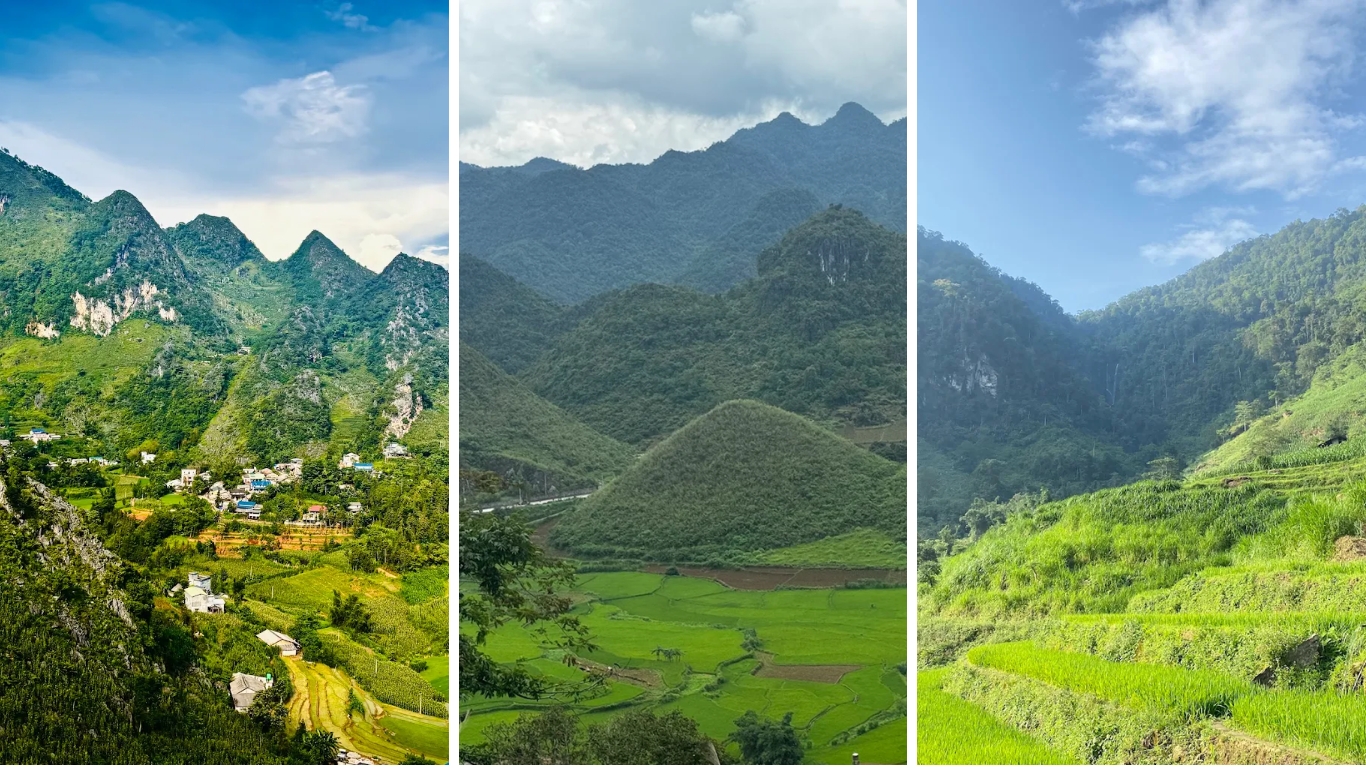
Rice Terraces Turn Brilliant Green
By August, rice terraces reach one of their most vivid stages. Hillsides layer into deep, saturated green. It’s arguably the best window of the year for landscape photography.
Valleys and Mountains After Summer Rain
Summer rain fills rivers and energizes waterfalls. It clears the air enough to reveal dense, thriving forest across the mountainsides. Streams run fuller. The whole landscape feels alive.
One note for the postcard shots: the famous turquoise color of the Nho Que River is seasonal. It’s not guaranteed year round. Heavy runoff in peak rainy season often turns the water murky brown or muddy yellow instead. It’s still unforgettable from Ma Pi Leng Pass. Just worth knowing in advance.
Clouds and Mist Create Magical Scenery
Morning fog rolls through mountain passes. Clouds drift below eye level. Entire valleys disappear and reappear through mist. August delivers some of the most cinematic scenery of any season on the loop.
Want a guide who already knows the best viewpoints and timing? Private tours through Ha Giang make it easy to catch these moments without wasting a rain-soaked hour guessing.
Road Conditions on the Ha Giang Loop in August
Roads stay open throughout August. Rainy season just adds a layer of unpredictability worth taking seriously.
Are the Roads Safe?
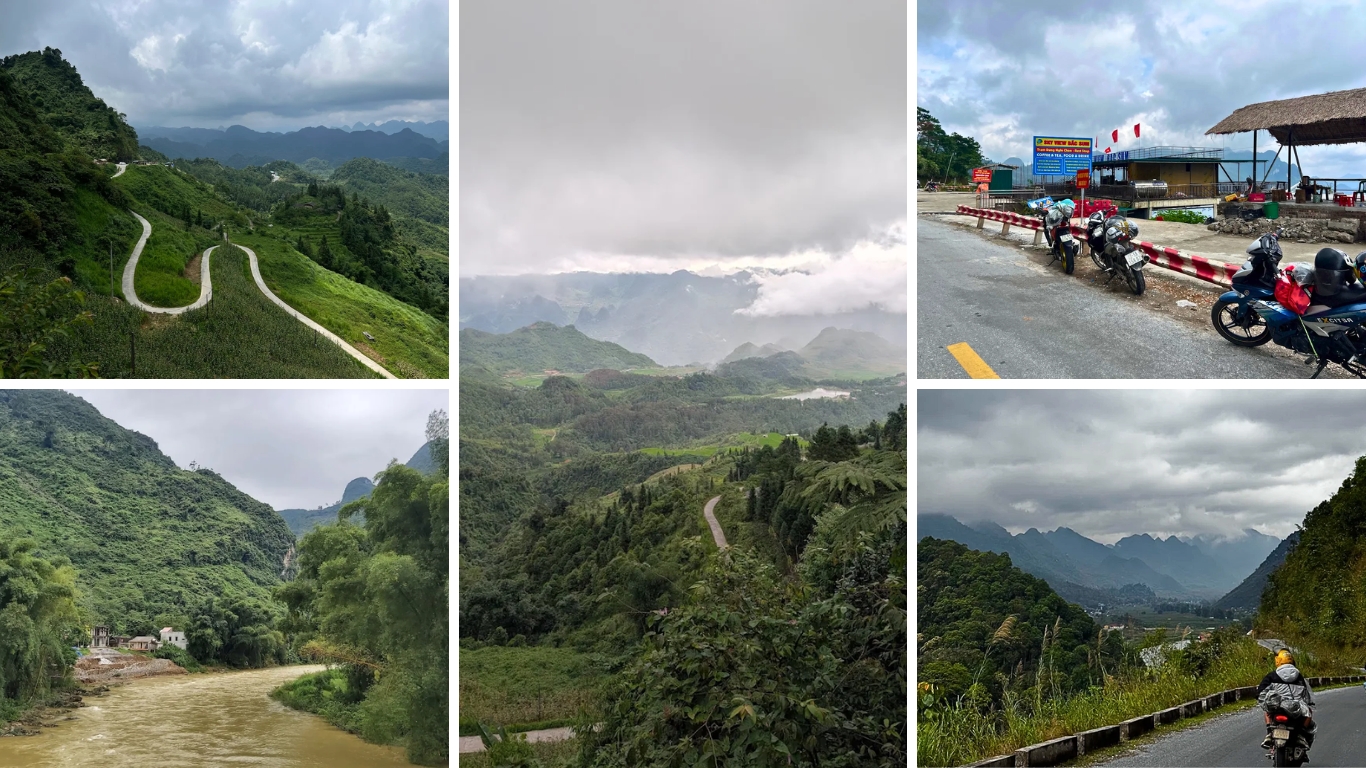
Main routes generally stay accessible. Mountain sections need extra caution during and after rain. Weather can change within minutes at higher elevations, turning a dry pass into a slick, foggy stretch with little warning.
Slippery Roads and Landslides
Expect muddy patches and loose gravel washed onto the road. Some sections see temporary repairs. Steeper passes are more prone to small landslides after extended rain. Local knowledge of which roads to avoid on a given day makes a real difference.
How to Get Around: Self Ride, Easy Rider, or Private Car
Self-riding suits confident, experienced riders comfortable with wet, unpredictable conditions. An Easy Rider setup puts a local driver in charge while the traveler rides along. It’s a strong middle ground: still open air, still close to the road, backed by someone who rides these mountains daily.
A private car or jeep tour is the easiest option for anyone who’d rather skip the risk. It keeps travelers dry and comfortable. It still delivers every viewpoint, waterfall, and terrace along the route.
Not sure which option fits best? Get in touch to plan the right setup, whether that’s a private driver, a guided motorbike tour, or a fully custom itinerary.
Best Places to Visit on the Ha Giang Loop in August
Every stop along the loop takes on a different character in rainy season, most of them more dramatic and less crowded than in dry season:
- Quan Ba Heaven Gate: clouds roll dramatically through the surrounding peaks, framing green valleys below with some of the coolest temperatures on the route
- Yen Minh Pine Forest: fresh air and misty roads wind through tall pines, making this a favorite rest stop for a quieter pace
- Dong Van Karst Plateau: part of a UNESCO Global Geopark, this plateau contrasts dramatic limestone peaks against vivid green vegetation, especially striking after summer rain
- Meo Vac: home to lively ethnic markets and a noticeably quiet atmosphere in August, rewarding travelers who linger a little longer than the average itinerary allows
Ma Pi Leng Pass
This one earns its own stop. Widely regarded as one of Vietnam’s most spectacular roads, Ma Pi Leng overlooks the Nho Que River far below. As mentioned earlier, the river’s color shifts with rainfall, sometimes swollen and muddy rather than turquoise, though the views between showers stay unforgettable. Boat trips along the river are popular here too, offering a completely different angle on the canyon walls.
Want a route that hits every highlight without the guesswork? Explore custom Ha Giang tour options built around seasonal conditions.
Things to Do on the Ha Giang Loop in August
Beyond the driving itself, August opens up a few distinctly seasonal experiences.
Riding through lush, rain-fed mountain landscapes tops the list, especially with a guide who knows the best stretches for views. Visiting local ethnic villages, including Hmong, Dao, Tay, and Lo Lo communities, adds cultural depth. It often leads to the most memorable conversations of the trip. Local markets are worth timing a visit around too. They’re filled with seasonal produce, traditional clothing, and an atmosphere untouched by tourism.
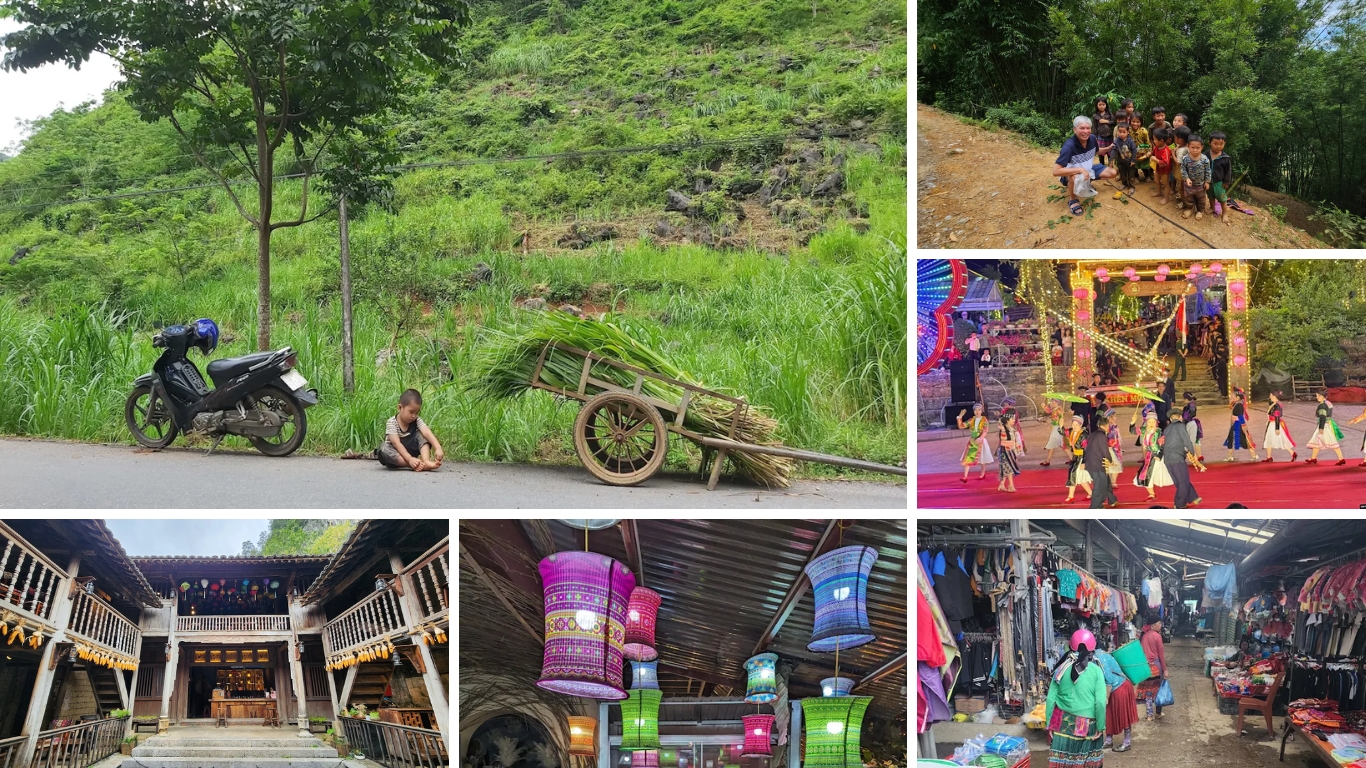
Photography lovers should prioritize waterfalls at their strongest flow and cloud-covered mountain passes. Both are signature sights of the rainy season. For those chasing the richest color of the year, foreigners riding the Ha Giang Loop often say August delivers it, even with the added rain.
What to Pack for the Ha Giang Loop in August
Rainy season calls for a slightly different packing list than the rest of the year. Here’s what earns a spot in the bag:
- Rain gear: waterproof jacket, rain pants, backpack cover, waterproof phone case
- Riding essentials: reliable gloves, a good helmet, waterproof shoes, a spare pair of socks
- Clothing: quick dry shirts, light layers for humid afternoons, a warm jacket for cooler evenings
- Useful accessories: power bank, dry bags for electronics, sunscreen for the sunny windows, insect repellent, small first aid kit
Packing smart here makes the difference between a soggy trip and a genuinely enjoyable one.
Travel Tips for Visiting the Ha Giang Loop in August
A few simple habits make August rides smoother and safer.
Starting early helps riders beat the afternoon storms that roll in almost daily. Checking the forecast each morning matters more here than in most places. Mountain conditions shift fast and without much warning. Building flexibility into the schedule protects against delays from heavy rain. Booking accommodation in advance is worth doing too, especially around weekends and Vietnamese summer holidays.
One safety note deserves extra attention. Flash floods can develop quickly in valleys like Du Gia, especially after heavy upstream rain. Swimming in swollen waterfalls without local guidance is best avoided during and after storms, no matter how tempting the water looks. A private guide who tracks current conditions can make that call far more reliably than a quick glance at the weather.
My team tracks these conditions daily, which removes most of the guesswork. Reach out to plan a smooth, well timed route around the season’s rain patterns.
Suggested Ha Giang Loop Itinerary for August
The right length of trip in August comes down to how much buffer time makes sense around the season’s rain. A private guide can help match the pace to the weather instead of forcing a fixed template onto an unpredictable month.
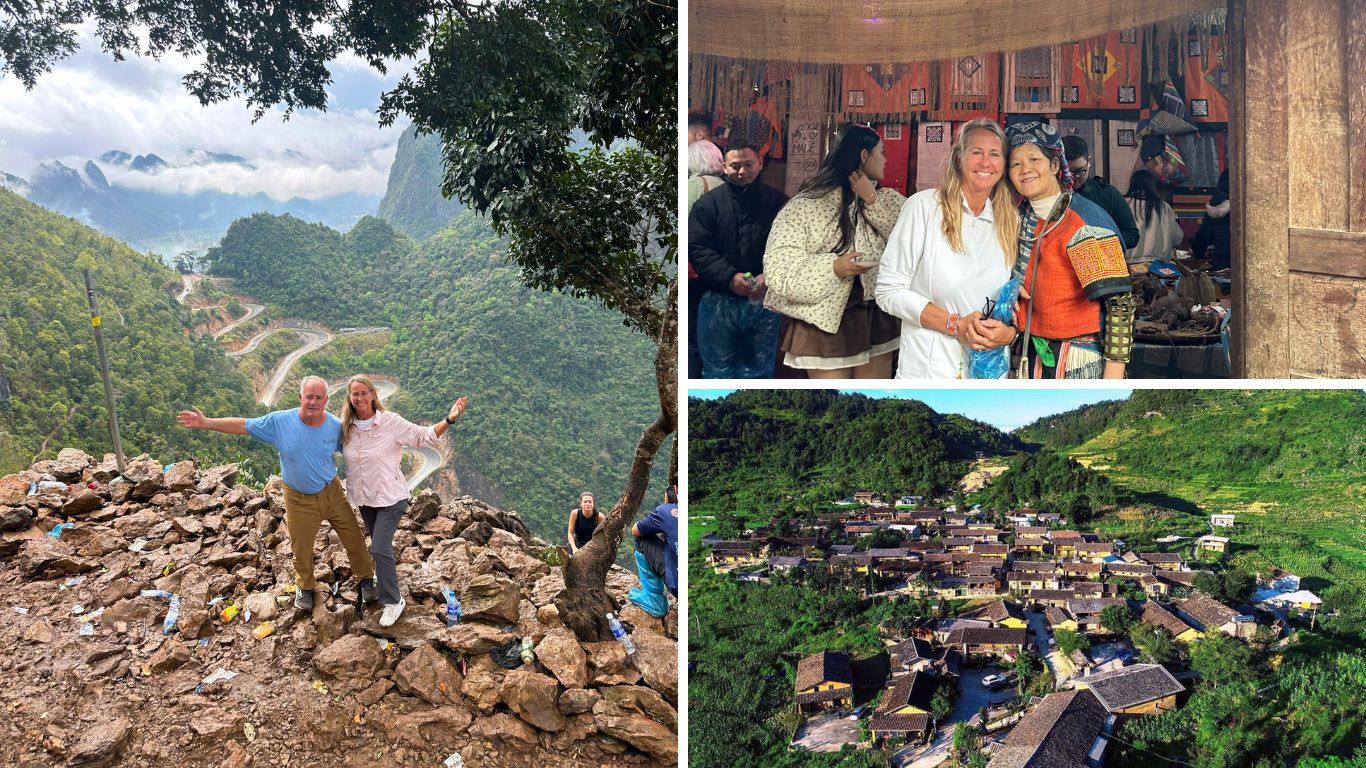
Two ready-made options are worth a look. The Northeast Vietnam Explorer, 7 Days pairs Ha Giang with neighboring highlights at an easy pace, giving plenty of room to wait out an afternoon storm without losing a day. The Explore the Trails of Ha Giang, 5 Days stays tightly focused on the loop itself, with enough breathing room between stops to handle a mudslide cleanup or a late start.
Either route can be adjusted around August’s weather. Just ask when reaching out to plan the trip.
Travel Costs and Crowd Levels in August
August sits outside peak season for international visitors, which shows up nicely in both price and crowd levels:
- Peak season status: not peak for international travelers; weekends see more domestic visitors than weekdays, but the loop stays comfortably uncrowded compared to autumn
- Accommodation prices: mid-range hotels, homestays, and Easy Rider packages all stay reasonably priced, with more room to negotiate than during peak months
- Deals: prices tend to run lower than autumn, and weekday availability is noticeably better, making it easier to book close to travel dates
Good deals move fast around summer weekends though, especially for private tours and popular homestays. Thinking about dates? Send a quick message and get a hand-picked shortlist of tours and stays that fit the budget, no generic quote, no guesswork.
FAQs About the Ha Giang Loop in August
Is August too rainy for the Ha Giang Loop?
Not really. Mornings are usually dry and clear. Afternoon showers are predictable enough to plan around with an early start.
Can beginners ride the Ha Giang Loop in August?
It’s possible but not ideal. Most beginners do better with an Easy Rider or private car during rainy season.
Is August a good month for photography?
Yes, arguably one of the best. Lush terraces, misty passes, and dramatic clouds make for striking shots.
What should I wear on the Ha Giang Loop in August?
Quick-dry layers, a solid waterproof jacket, and sturdy waterproof shoes cover most of what the season needs.
Are landslides common in August?
Small landslides can happen after heavy, prolonged rain, mostly on steeper sections. Main roads generally stay passable with local guidance.
How many days do I need for the Ha Giang Loop in August?
More time works in your favor. It allows flexibility around storm delays and unpredictable roads.
Is the Nho Que River still green in August?
Not always. Heavy rain often turns the water murky brown or yellow instead of the turquoise seen in dry season photos.
What should I do if caught in a flash flood or storm on the loop?
Move to higher ground right away. Avoid crossing swollen streams or waterfalls. Wait out the weather, ideally with local guidance nearby.