

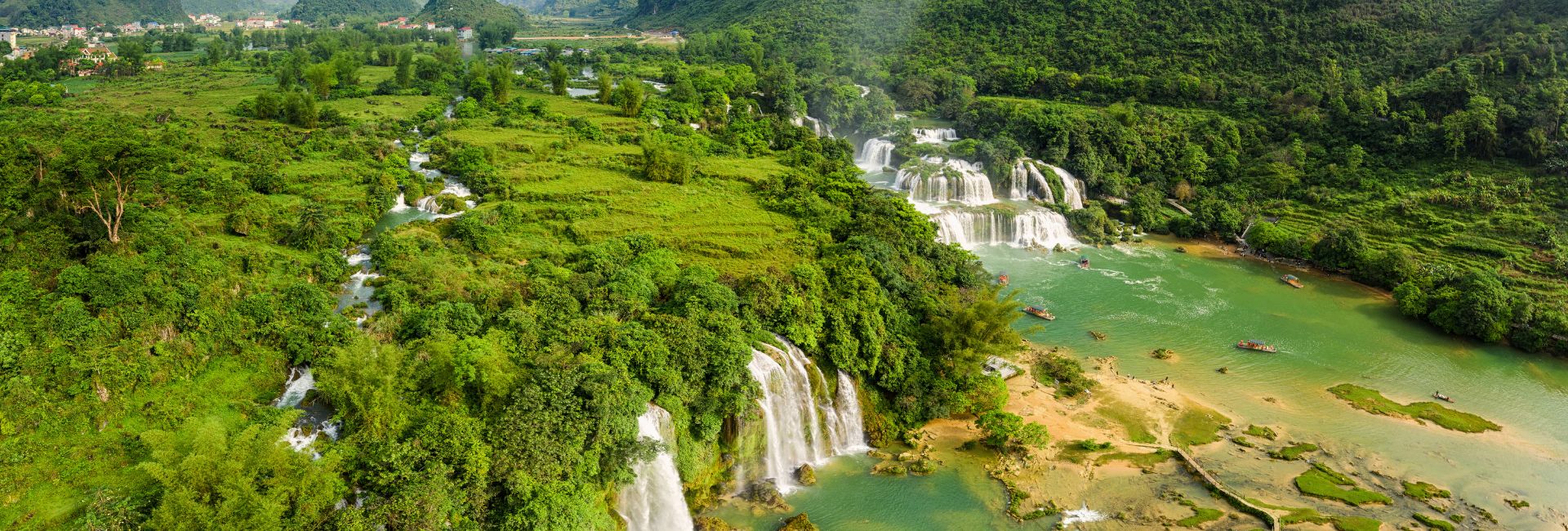
Cao Bang is a mountainous province in northeastern Vietnam, bordering China. It is known for waterfalls, limestone landscapes, quiet valleys, and strong ethnic traditions. However, what truly defines Cao Bang is not one single attraction. Instead, it is the overall travel experience.
Travel here feels spacious and unhurried. Roads wind through hills and villages rather than tourist zones. Life moves slowly, and scenery unfolds in layers rather than dramatic bursts. As a result, Cao Bang appeals most to travelers who value depth, calm, and authenticity.
This is not a destination for rushing. Cao Bang rewards patience and thoughtful pacing.
What can you find in this travel blog?
- Where Is Cao Bang and Why Its Location Matters
- How to Get to Cao Bang
- Best Time to Visit Cao Bang
- Main Attractions in Cao Bang
- Slow Experiences and Outdoor Activities in Cao Bang
- What to Eat in Cao Bang
- Where to Stay in Cao Bang
- Suggested Cao Bang Itineraries
- Is Cao Bang Worth Visiting?
- Practical Travel Tips
- FAQs
Where Is Cao Bang and Why Its Location Matters
Geography and Landscape
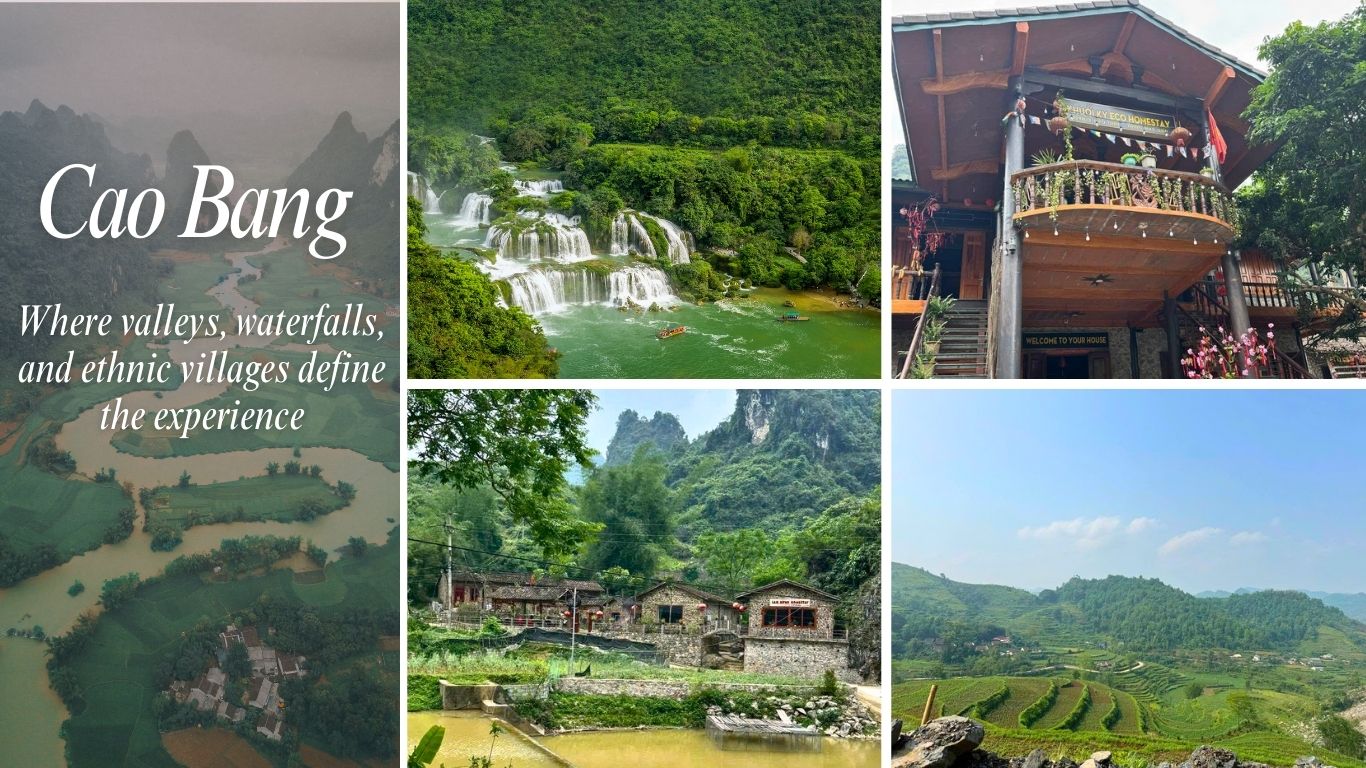
Cao Bang lies far from Vietnam’s main tourist routes. It sits in a region shaped by limestone mountains, forested hills, rivers, and fertile valleys. Much of the province remains agricultural, and many villages still depend on rice farming and seasonal crops.
Because of the terrain, settlements are scattered rather than concentrated. This creates a strong sense of openness. Even popular sites rarely feel crowded outside short peak periods.
The border with China also influences local culture, architecture, and trade. However, daily life remains distinctly rural and Vietnamese.
How Cao Bang Compares to Other Northern Regions
Ha Giang is often defined by long drives and dramatic mountain passes, while Cao Bang unfolds at a gentler pace. The roads remain scenic, yet days feel shorter and more relaxed, leaving space for walking through villages, stopping by rivers, and lingering at small waterfalls. Ninh Binh, by contrast, feels carefully curated and compact, designed for quick sightseeing. Cao Bang is quieter and more open, where landscapes stretch out and reward unhurried exploration. Compared to Ba Be, which centers mainly on its lake and surrounding forest, Cao Bang covers a broader area and offers a greater variety, from river valleys and layered hills to waterfalls and rural lowlands. For travelers weighing northern destinations, this comparison of Cao Bang, Ha Giang, and Sapa helps clarify which region best matches different travel styles.
Therefore, Cao Bang works best for travelers who have already seen Vietnam’s highlights and now want something slower and more grounded.
How to Get to Cao Bang
Traveling From Hanoi
The journey from Hanoi to Cao Bang takes around six to seven hours by road. Sleeper buses run daily, though they vary in comfort. For travelers who value flexibility and rest, private transportation is the most practical option.
Although the distance looks manageable on maps, the roads are winding. For this reason, travel days should be treated as part of the experience rather than something to rush through.
Many travelers choose to break the journey with an overnight stop, especially when combining Cao Bang with other northern destinations.
Getting Around Cao Bang Province
Within Cao Bang, distances between attractions are significant. Public transport exists but is limited. As a result, most travelers rely on private cars with drivers.
This approach allows:
-
Flexible stops at viewpoints and villages
-
Adjustments based on weather or energy levels
-
A more relaxed daily rhythm
Walking and cycling work well for local exploration rather than long distances.
Best Time to Visit Cao Bang
Timing your trip to Cao Bang makes a significant difference to what you’ll actually see. The landscape transforms dramatically across seasons, and each window offers something the others don’t.
- September to October: The Golden Season
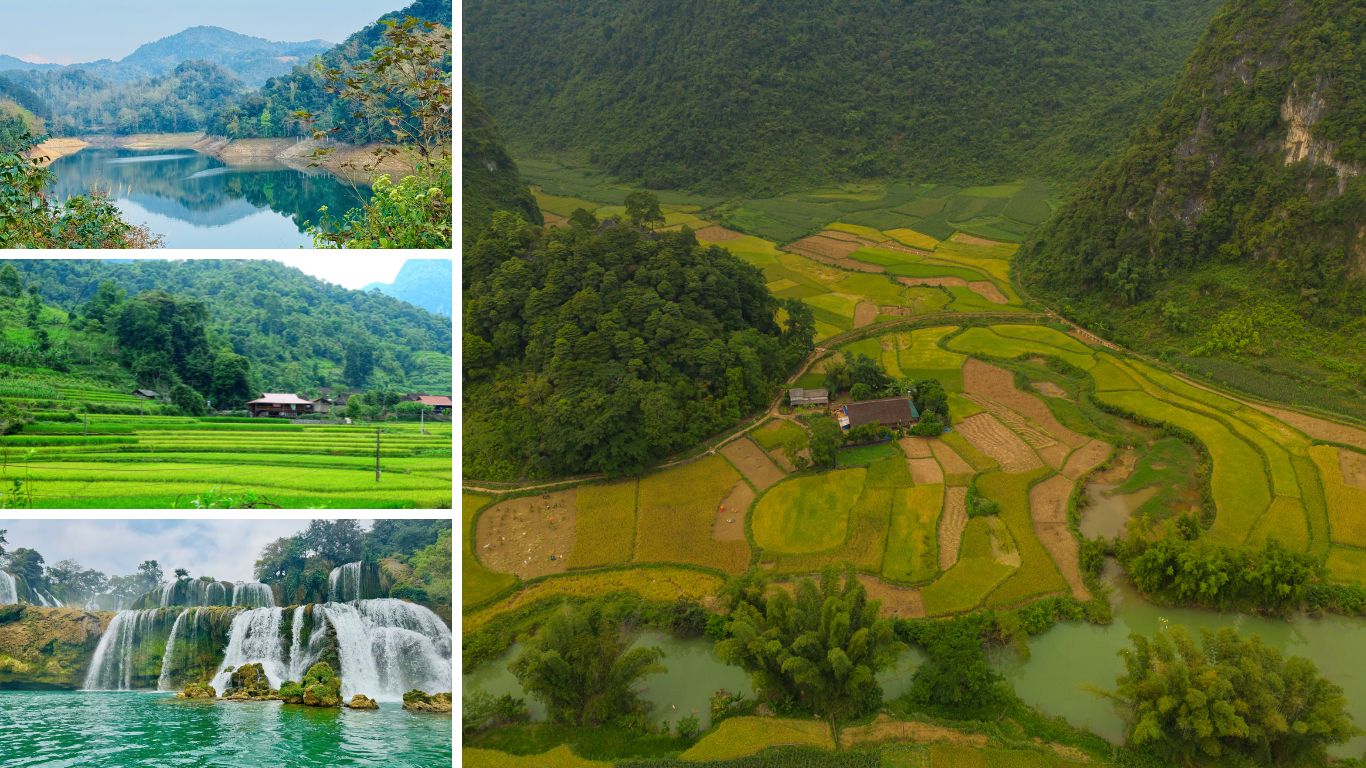
This is the window most photographers and experienced travelers aim for. The rice terraces in Phong Nam Valley turn a deep amber gold during harvest, the waterfalls are still running at full power from the summer rains, and the light in the early morning sits low and warm across the valley floors. If you only have one chance to visit, this is the time.
- March to May: Flowers and Festivals
Spring brings a gentler Cao Bang. Temperatures are mild, the peach and plum blossoms push through across the hillsides, and local festivals bring out traditional Tay and Nung culture in full color. It’s a quieter window that rewards slow travelers.
- December to February: Mist, Frost, and Solitude
Winter in Cao Bang has its own strange beauty. Frost occasionally settles on the peaks of Phia Oac Mountain, fog fills the valleys at dawn, and the whole region takes on a meditative stillness. Visitor numbers drop to near zero, which means you’ll often have major sites entirely to yourself.
- Rainy vs. Dry Season at a Glance
| Rainy Season (May–Sep) | Dry Season (Oct–Apr) | |
|---|---|---|
| Waterfalls | Peak power and volume | Reduced but still beautiful |
| Roads | Can be slippery, some closures | Generally clear and comfortable |
| Rice fields | Lush green terraces | Golden harvest or bare paddies |
| Crowds | Very low | Slightly higher Oct–Nov |
| Photography | Dramatic skies, mist | Crisp light, golden tones |
Main Attractions in Cao Bang
Ban Gioc Waterfall
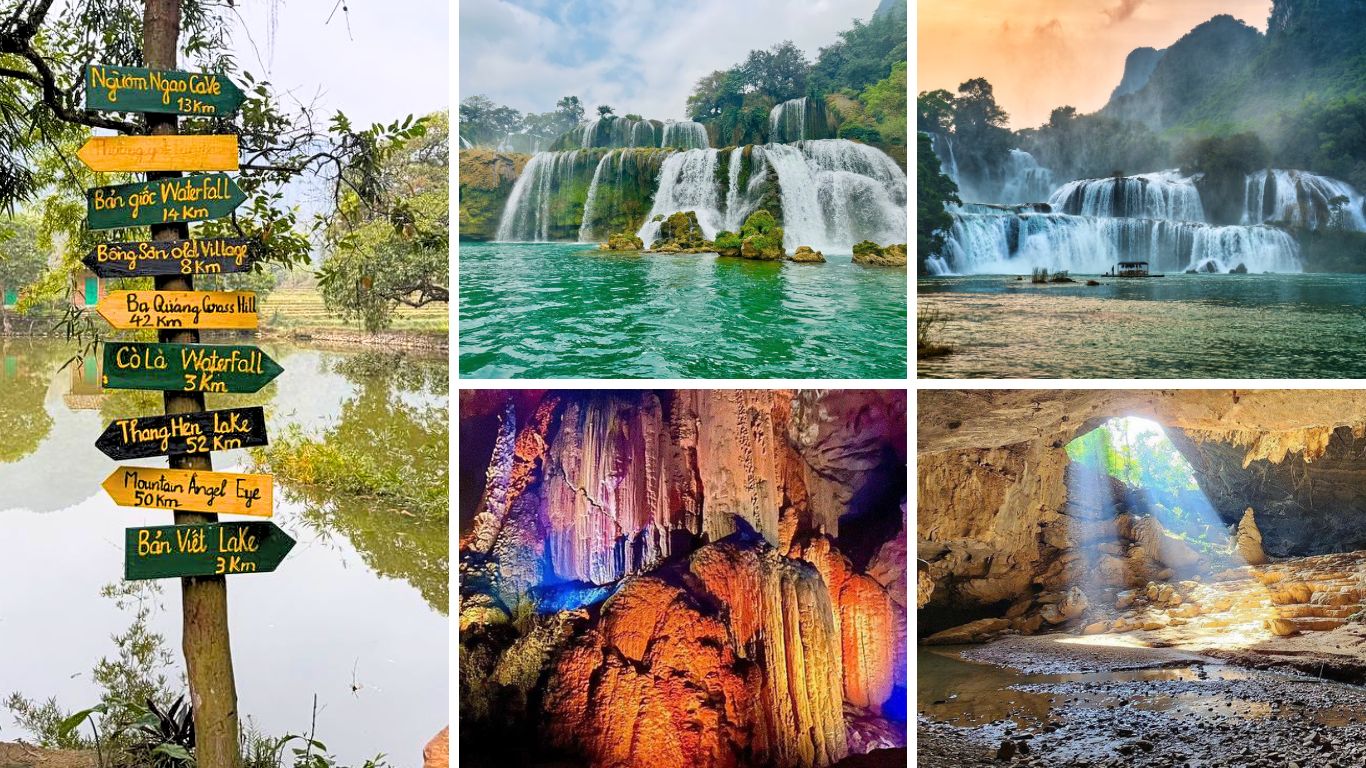
Ban Gioc is Vietnam’s largest waterfall by width and one of the most striking natural landmarks in the northeast. Located directly on the Vietnam–China border, the waterfall spreads across multiple limestone tiers rather than plunging in a single vertical drop. This creates a wide, layered flow that feels powerful without being overwhelming.
The character of Ban Gioc shifts clearly with the seasons. During the rainy months, the water surges across every tier, filling the valley with sound and movement. In drier periods, the flow becomes gentler and more sculpted, revealing the shape of each cascade more clearly. Although it is the most visited site in Cao Bang, Ban Gioc can still feel serene when approached early in the morning or later in the afternoon, when tour groups thin out and the light softens.
Nguom Ngao Cave
Located a short drive from Ban Gioc, Nguom Ngao Cave offers a contrasting underground experience. The cave is spacious, well-maintained, and evenly lit, making it accessible for most visitors. Wide walkways lead through large chambers filled with stalactites and stalagmites, many of which have formed dramatic natural shapes over thousands of years.
The temperature inside remains cool year-round, providing a comfortable break from outdoor heat. Most visits take under an hour, which makes Nguom Ngao an ideal addition to a Ban Gioc excursion rather than a separate journey. It adds variety to the day without requiring extra physical effort.
Thang Hen Lake Complex
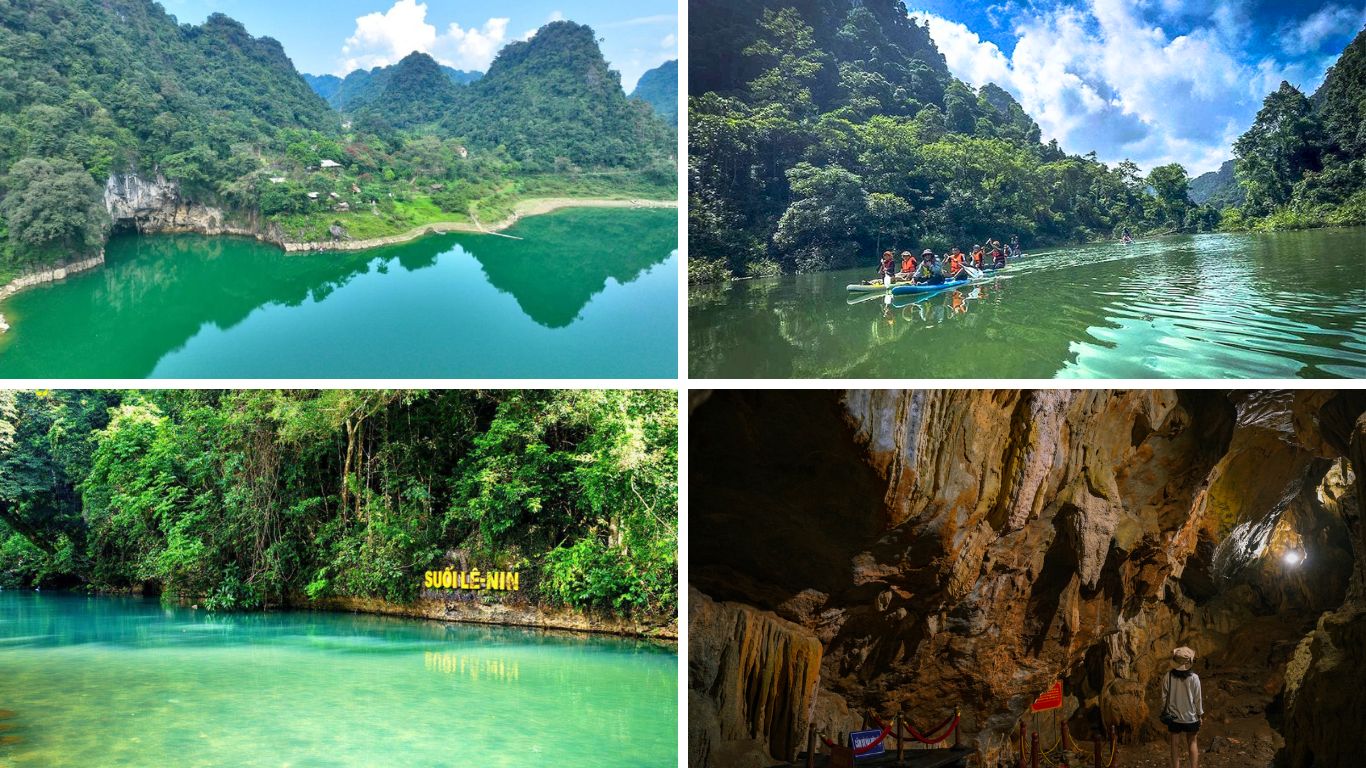
Thang Hen is not a single lake but a system of interconnected natural lakes linked by underground channels. Because of this, water levels rise and fall throughout the year, constantly reshaping the landscape. At certain times, the lake appears full and mirror-like, reflecting the surrounding karst hills. At others, receding water exposes rocky edges and grassy banks, creating a more textured, earthy scene.
The atmosphere here is quiet and unhurried. There are no dramatic viewpoints or large crowds. Instead, Thang Hen appeals to travelers who enjoy stillness, subtle changes in light, and moments of reflection. It suits slow travel and gentle exploration rather than quick sightseeing.
Pac Bo Historical Site
Pac Bo is known for its role in modern Vietnamese history, yet the setting itself often leaves the strongest impression. Forested paths wind alongside clear streams, framed by limestone cliffs and shaded trees. The environment feels calm and balanced, encouraging slow walks rather than focused sightseeing.
Even visitors with limited interest in historical details tend to appreciate Pac Bo for its natural atmosphere. The site blends culture and landscape seamlessly, making it feel less like a monument and more like a quiet retreat within nature.
Slow Experiences and Outdoor Activities in Cao Bang
Trekking Through Tay Villages
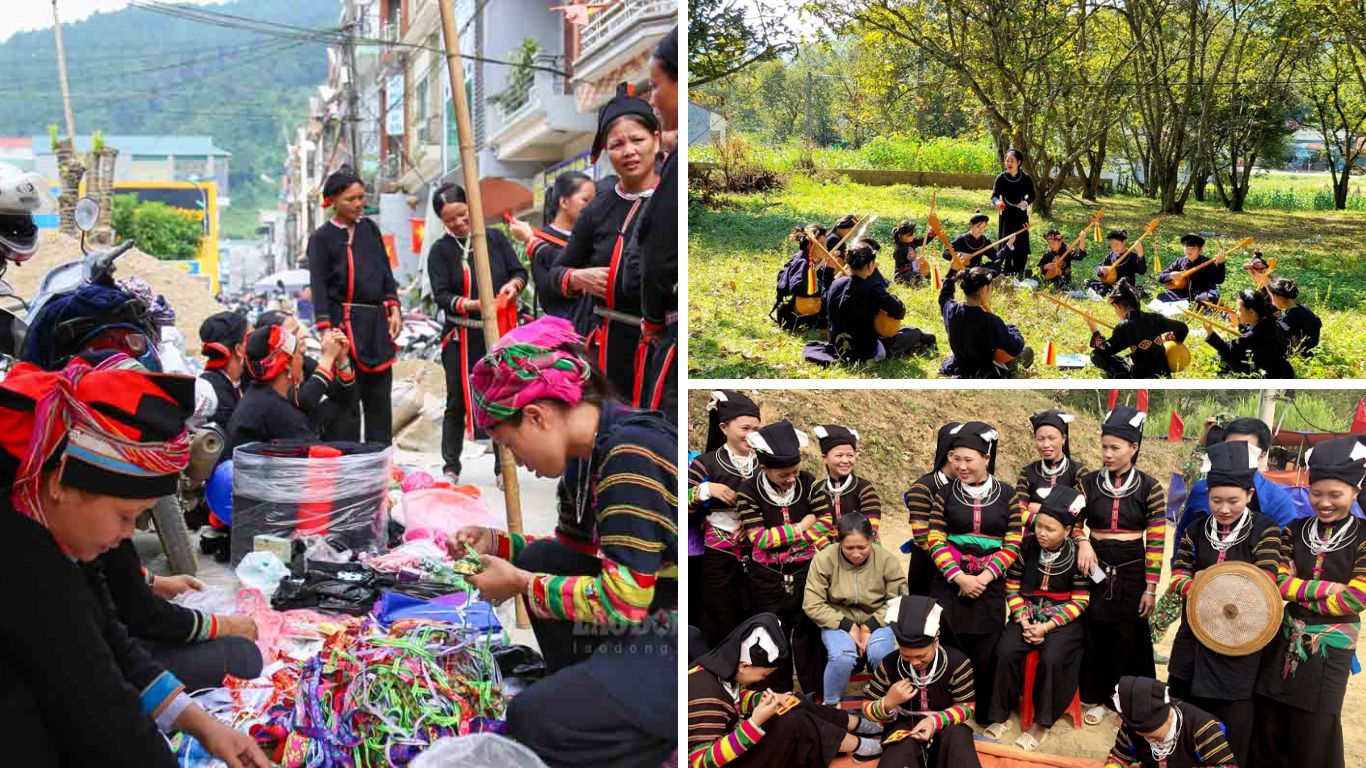
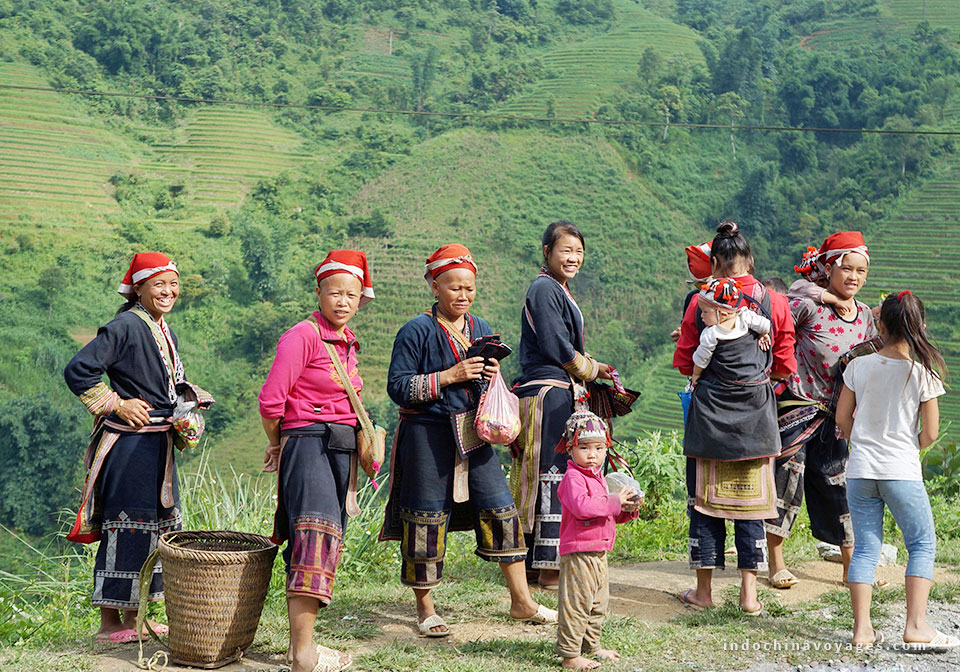
Life in local villages and walking through them are closely connected, making the cultural experience feel natural rather than staged. Communities such as the Tay and Nung live according to agricultural rhythms, where rice farming, livestock care, and family life shape both the landscape and daily pace. Walking gently through villages and surrounding fields allows travelers to observe stilt houses by streams, farmers at work, children heading to school, and everyday routines as they unfold. Local markets serve practical needs rather than tourism, reinforcing a sense of authenticity, and visitors are usually met with quiet friendliness when they move slowly, dress modestly, and show respect.
Along the way, travelers often notice:
-
Wooden stilt houses positioned close to fields and streams
-
Farmers working quietly in rice paddies
-
Children walking to school along narrow village paths
These walks offer cultural insight without physical strain. They suit travelers who value atmosphere, human connection, and quiet observation over physical challenge.
Cycling Through Villages and Countryside
Cycling in Cao Bang is accessible and relaxed. Routes are mostly flat or gently rolling, and traffic remains light outside town centers. Riding a bicycle allows travelers to move fluidly between villages, fields, rivers, and limestone hills without breaking the rhythm of the landscape.
Distances are manageable, so cycling never feels exhausting. Instead, it becomes a natural way to explore everyday scenery at a human pace, with the freedom to stop whenever something catches the eye.
Co La Waterfall and Smaller Cascades
Beyond well-known landmarks, Cao Bang is dotted with small, unnamed waterfalls hidden in forested valleys. Co La Waterfall is one such example, reached by a short and gentle walk. The cascade flows naturally over rock and vegetation, without platforms, barriers, or crowds.
There is little infrastructure here, which keeps the experience raw and intimate. The sound of water, the shade of trees, and the absence of noise create moments of genuine stillness. Often, these modest, unplanned stops leave a deeper impression than larger, more famous attractions.
Ban Viet Lake: Calm and Seasonal Beauty
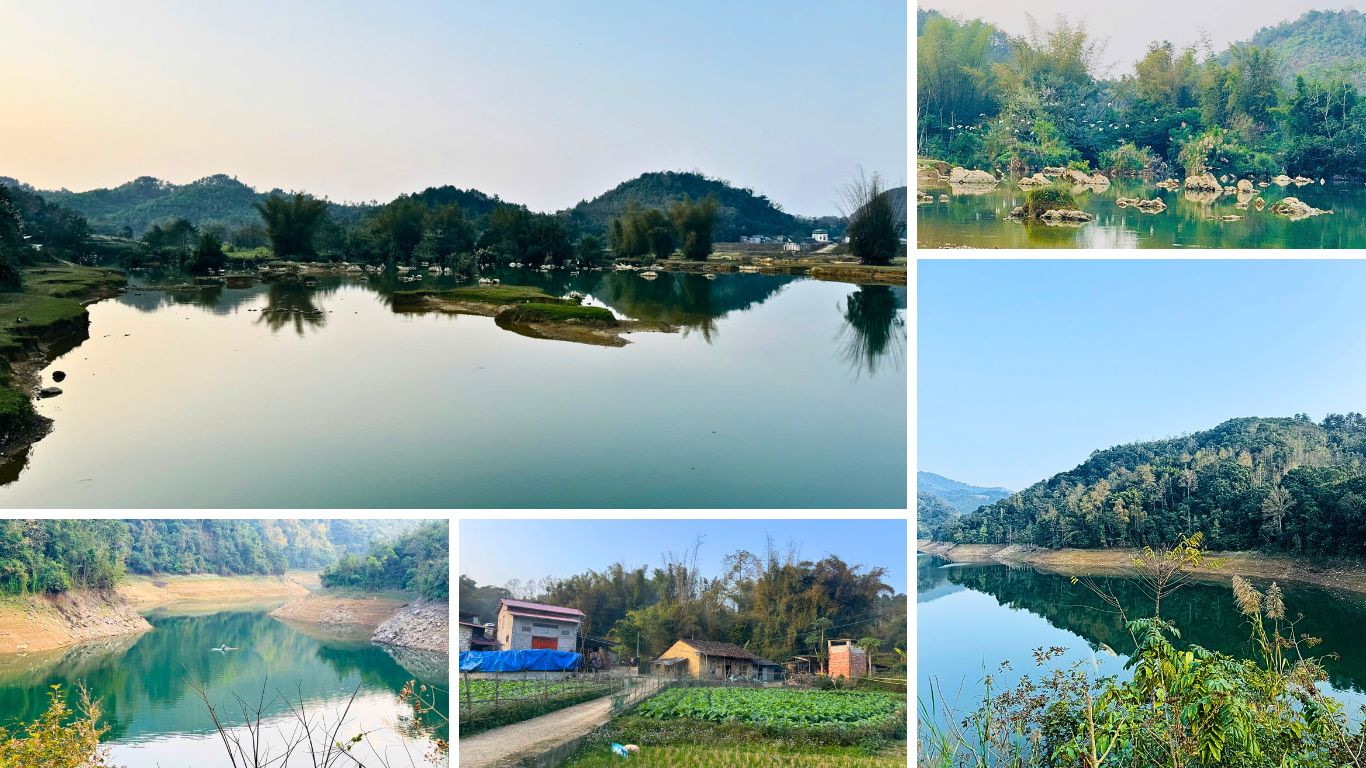
Ban Viet Lake is defined by balance rather than drama. Its clear surface reflects surrounding hills and open sky, creating a calm, symmetrical scene that changes subtly with light and season. The setting encourages slowing down, whether through a quiet walk or simply sitting by the water.
In autumn, the landscape transitions gently. Leaves shift through tones of yellow, red, and amber before giving way to fresh green growth. Rather than a sharp contrast, the changes feel gradual and soft, giving the area a painterly quality that rewards patience.
Mountains and Everyday Landscapes
Some of Cao Bang’s strongest impressions come from places without names or signs. Hills repeat softly across the horizon. Valleys open gradually rather than dramatically. Morning mist lifts slowly from fields and rivers.
This sense of continuity creates emotional depth rather than visual shock. The landscape does not demand attention. Instead, it reveals itself over time, rewarding travelers who are willing to slow down and stay present.
What to Eat in Cao Bang
Cao Bang cuisine is simple, seasonal, and deeply local. One of the most distinctive dishes is banh cuon Cao Bang, which differs from versions elsewhere in Vietnam. It is served warm with a light, clear broth rather than fish sauce, making it gentle and comforting, especially in cooler weather.
Mountain vegetables appear often, usually stir-fried or lightly boiled to keep their natural flavor. Handmade noodles and rice-based dishes are common, reflecting what families can prepare easily at home.
Meals in Cao Bang are modest but honest. They are shaped by availability rather than presentation, and they reflect the steady, unhurried rhythm of daily life in the province.
Where to Stay in Cao Bang
Rural Stays and Homestays
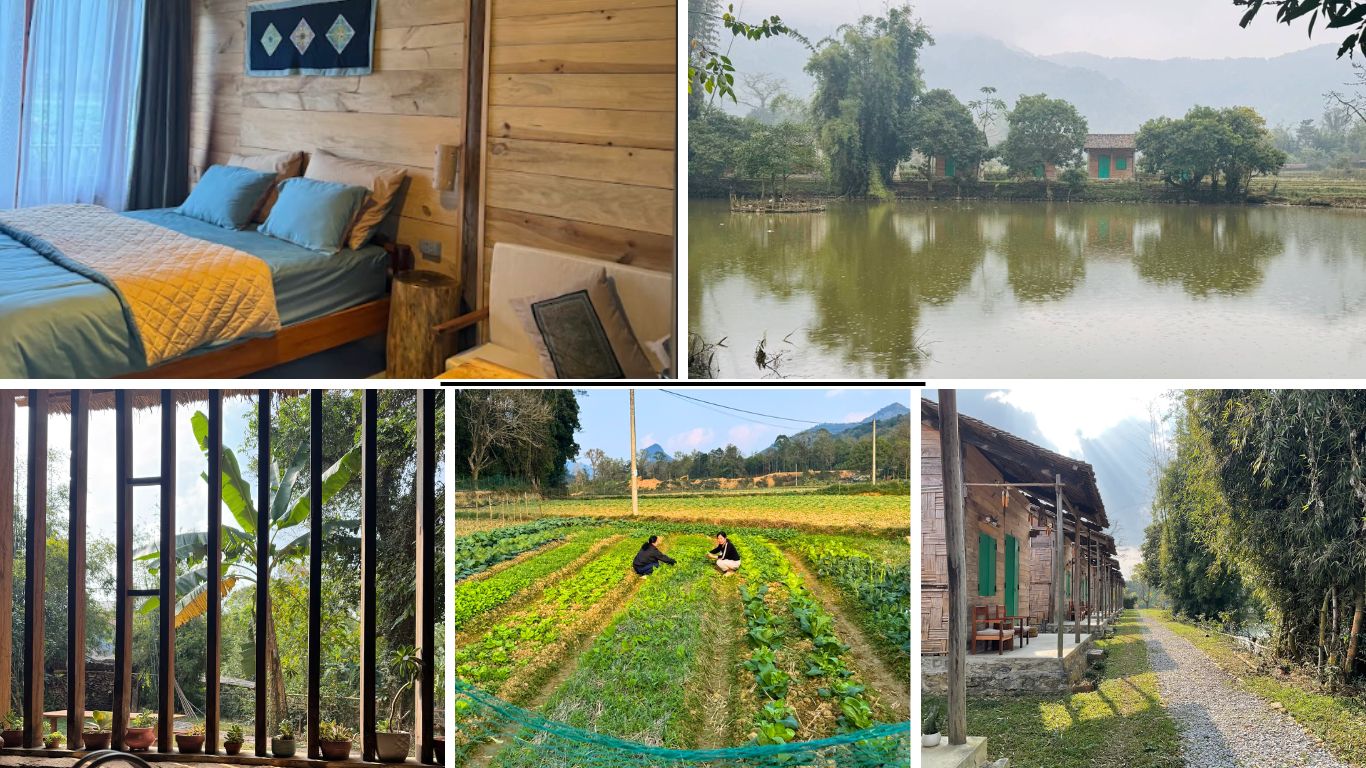
Rural homestays offer closer contact with village life and natural surroundings. Guests can experience early mornings, quiet evenings, and simple home-cooked meals. However, comfort levels vary, with limited privacy, basic facilities, and fewer backup options during bad weather.
For many travelers, combining one night in a rural homestay with city accommodation creates the best balance. This approach allows for cultural immersion without sacrificing overall comfort and rest during a longer journey.
Cao Bang City
Staying in Cao Bang City offers the most comfort and reliability. Hotels here provide consistent standards, stable electricity, hot water, and easier access to restaurants and services. The city also works well as a practical base for day trips to Ban Gioc Waterfall, Nguom Ngao Cave, and nearby lakes, helping keep travel days organized and less tiring.
Suggested Cao Bang Itineraries
For travelers planning a Vietnam journey that includes Cao Bang and the wider northeast, Vietnam Travel Online offers fully private and customized services. Our team supports every step of the journey, from itinerary design and private transportation to hotel selection and experienced local guides. Whether you are exploring Cao Bang as a standalone destination or linking it with other northern regions, we focus on comfort, pacing, and meaningful experiences rather than fixed schedules. You can reach us via our contact form on the website or email us directly at vietnam@indochinavoyages.com to discuss your travel plans and request a personalized itinerary.
2 to 4 Days: A Balanced Introduction
Spending two to four days offers a well-rounded introduction. Begin with key highlights such as Ban Gioc Waterfall and Nguom Ngao Cave, with time to settle in and explore Cao Bang City. With additional days, the journey slows and deepens, allowing visits to the Thang Hen Lake Complex, gentle walks through Tay villages, cycling along quiet rural roads, and stops at smaller, lesser-known waterfalls. This timeframe balances essential sights with unhurried experiences, making it ideal for travelers seeking depth without rushing.
5 Days or More: Beyond Cao Bang
With five days or more, Cao Bang works best as part of a wider northeastern journey. Many travelers combine it with Ba Be National Park for lake scenery and forest walks, or continue toward Lang Son for border landscapes and market towns. Some also extend toward Ha Giang to experience a stronger contrast in terrain and travel intensity.
For those who prefer a connected route rather than planning each leg independently, this kind of journey is reflected in itineraries such as the Northeast Vietnam Explorer – 7 Days, where Cao Bang is linked naturally with Ba Be and other northeastern highlights, allowing the region to unfold gradually rather than as isolated stops.
Is Cao Bang Worth Visiting?
Cao Bang is best suited for travelers who value quiet landscapes, cultural depth, and a slower rhythm of travel. It appeals to those who enjoy walking, observing, and spending time in places that feel lived in rather than curated. Travelers seeking nightlife, luxury shopping, or tightly packed sightseeing days may find the province too understated.
For the right traveler, Cao Bang feels restorative. The combination of open landscapes, gentle daily routines, and limited crowds creates a sense of space that is increasingly rare in northern Vietnam.
Practical Travel Tips
Road conditions vary, especially in rural areas, so allowing buffer time between destinations helps keep the journey relaxed. Weather can change quickly, particularly near waterfalls and higher elevations, making light layers and rain protection useful year-round.
Cash remains essential outside Cao Bang City, as card payments are limited in villages and local markets. Mobile coverage continues to improve, but signal strength can be inconsistent in remote valleys.
For photography, early morning offers the best conditions. Light is softer, mist often lingers in the hills, and popular sites feel quieter before tour groups arrive.
FAQs
Where is Cao Bang in Vietnam?
Cao Bang is located in northeastern Vietnam, near the Chinese border, north of Ba Be National Park and east of Ha Giang.
How far is Cao Bang from Hanoi?
Cao Bang is about 280 to 300 kilometers from Hanoi. Travel time usually takes between 6 and 8 hours by road.
How do you get from Hanoi to Cao Bang?
Travelers can reach Cao Bang by private car, bus, or motorbike. Private transport offers the best comfort and flexibility, especially on mountain roads.
How long should you spend in Cao Bang?
Most travelers spend 3 to 4 days exploring major sites while maintaining a relaxed pace. Longer stays work well when combined with nearby regions.
What are the main things to do in Cao Bang?
Highlights include Ban Gioc Waterfall, Nguom Ngao Cave, Thang Hen Lake, village trekking, cycling, and visiting smaller waterfalls and rural areas.
Does Cao Bang feel crowded?
Most areas remain quiet year-round. Crowds are usually limited to Ban Gioc Waterfall during peak autumn weekends.
Is Cao Bang suitable for older travelers?
Yes. With private transportation and flexible pacing, Cao Bang is suitable for older travelers who prefer gentle exploration.
Is Cao Bang safe for visitors?
Yes. Cao Bang is considered safe and welcoming, with low crime and friendly local communities.