

Ho Chi Minh City is not just skyscrapers, busy streets, and markets. It is Vietnam’s cultural heart, full of fascinating museums. In addition, the city has many other museums worth visiting. From art and archaeology to traditional medicine and fashion, each museum shows a different side of Vietnamese culture. Visiting them adds depth and meaning to your journey.
In this guide, you will learn about the types of museums in Ho Chi Minh City, their highlights, suggested itineraries, and practical tips. Therefore, you can easily choose museums that match your interests.
What can you find in this travel blog?
- Why Visit Museums in Ho Chi Minh City?
- Types of Museums in Ho Chi Minh City
- Highlights of Ho Chi Minh City’s Museums
- How to Make the Most of Your Museum Visits
- Suggested Itineraries for Museum Lovers
- Practical Tips for Visiting Museums in Ho Chi Minh City
- FAQs
Why Visit Museums in Ho Chi Minh City?
Museums in Saigon cover history, art, traditions, and daily life. This makes them essential for travelers who want more than sightseeing. For example, you can explore relics from ancient kingdoms, learn about the struggles of the Vietnam War, and admire Vietnamese creativity. Moreover, museums help you connect with the local community and its past.
In addition, museum visits provide meaning and perspective to your trip. Instead of only seeing buildings, you will understand the stories behind them. As a result, museums in Ho Chi Minh City create cultural experiences that last long after your journey ends.
Types of Museums in Ho Chi Minh City
History and War Museums
-
War Remnants Museum: Powerful exhibits on the Vietnam War (covered in a separate blog).
-
Independence Palace: Preserved 1960s architecture and command rooms (covered separately).
-
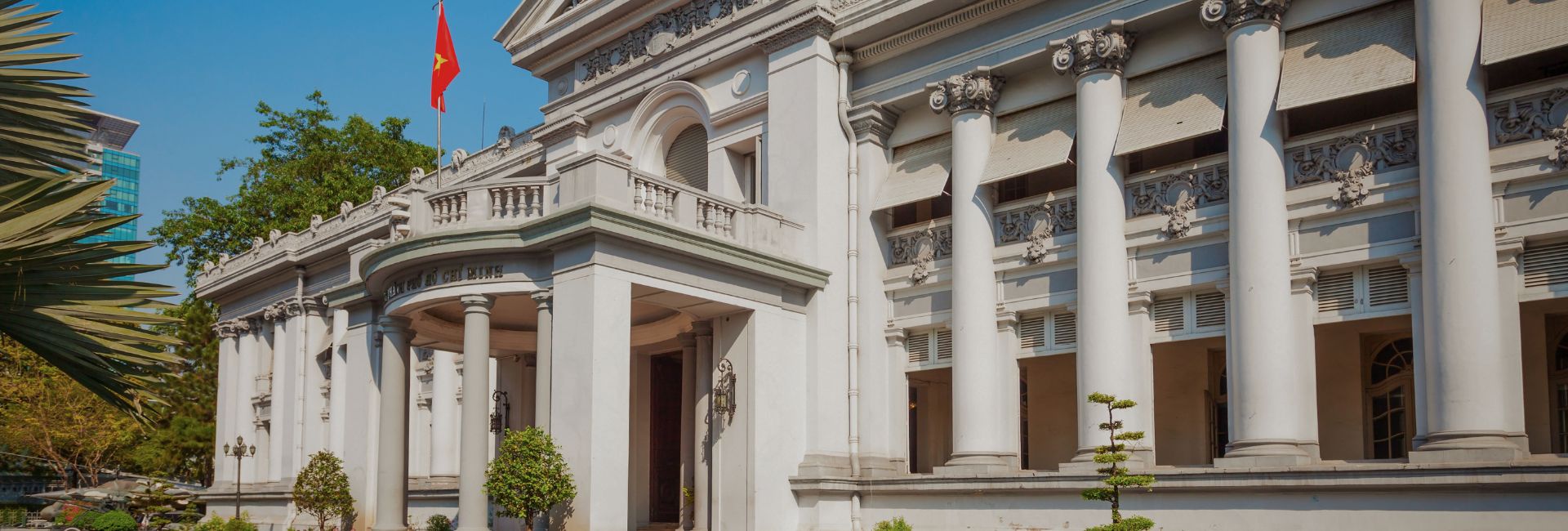
Ho Chi Minh City Museum: Chronicles the city’s growth and transformation inside Gia Long Palace.
-
Southern Women’s Museum: Focuses on women’s roles in culture, family, and resistance.
-
Ton Duc Thang Museum: A Niche museum about Vietnam’s second president.
Art and Culture Museums
-
Fine Arts Museum: Vietnamese art displayed in a French colonial villa.
-
Ao Dai Museum: The history of Vietnam’s national dress.
Specialty and Niche Museums
-
FITO Museum: Traditional Vietnamese medicine with over 3,000 artifacts.
-
Museum of Vietnamese History: Treasures from the Cham, Khmer, and Nguyen dynasties.
This classification helps you decide which museums in Saigon best match your personal interests.
Highlights of Ho Chi Minh City’s Museums
War Remnants Museum
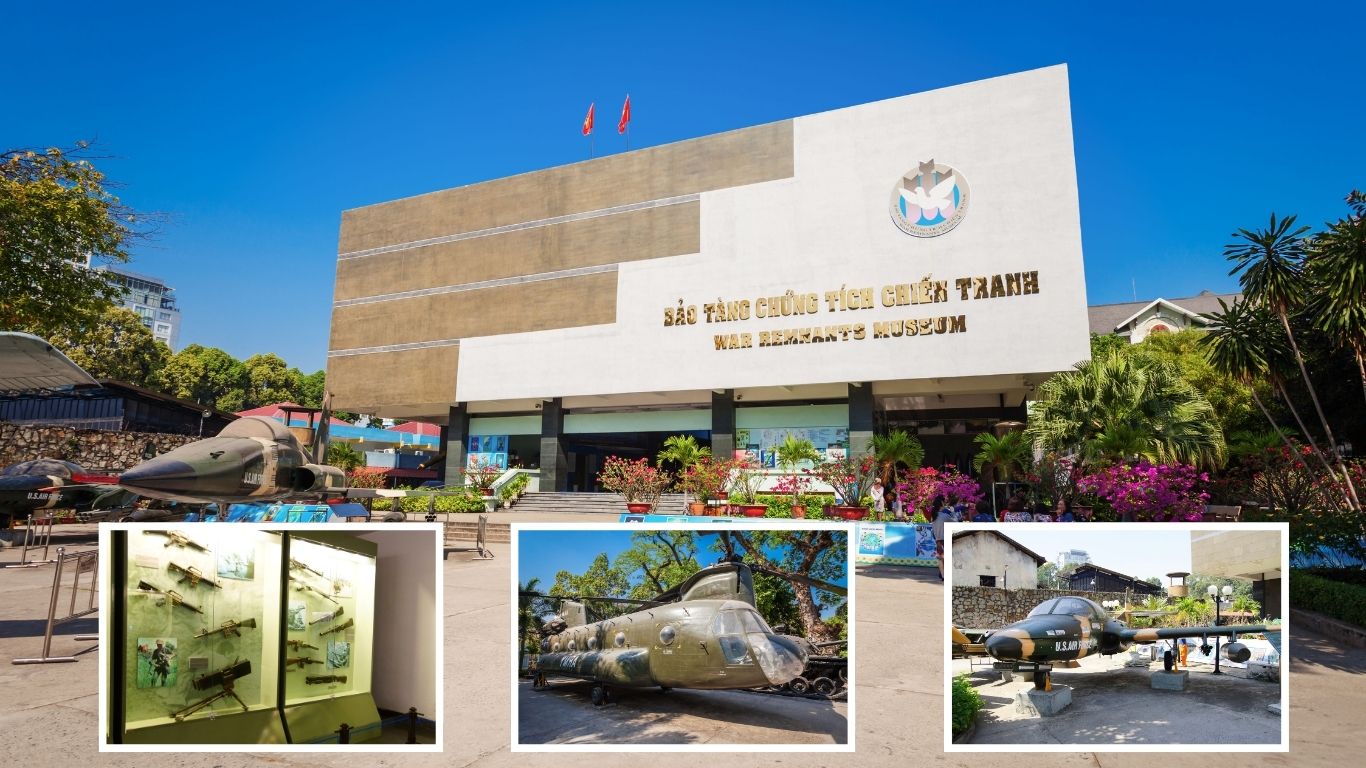
The War Remnants Museum is the most visited in Ho Chi Minh City. Its outdoor area displays tanks, helicopters, and fighter aircraft. Inside, you’ll find powerful photography and documents showing the human impact of the Vietnam War. Exhibits are emotional but essential for understanding modern Vietnamese history. This museum is not lighthearted, yet it delivers one of the most meaningful cultural experiences in the city.
Independence Palace
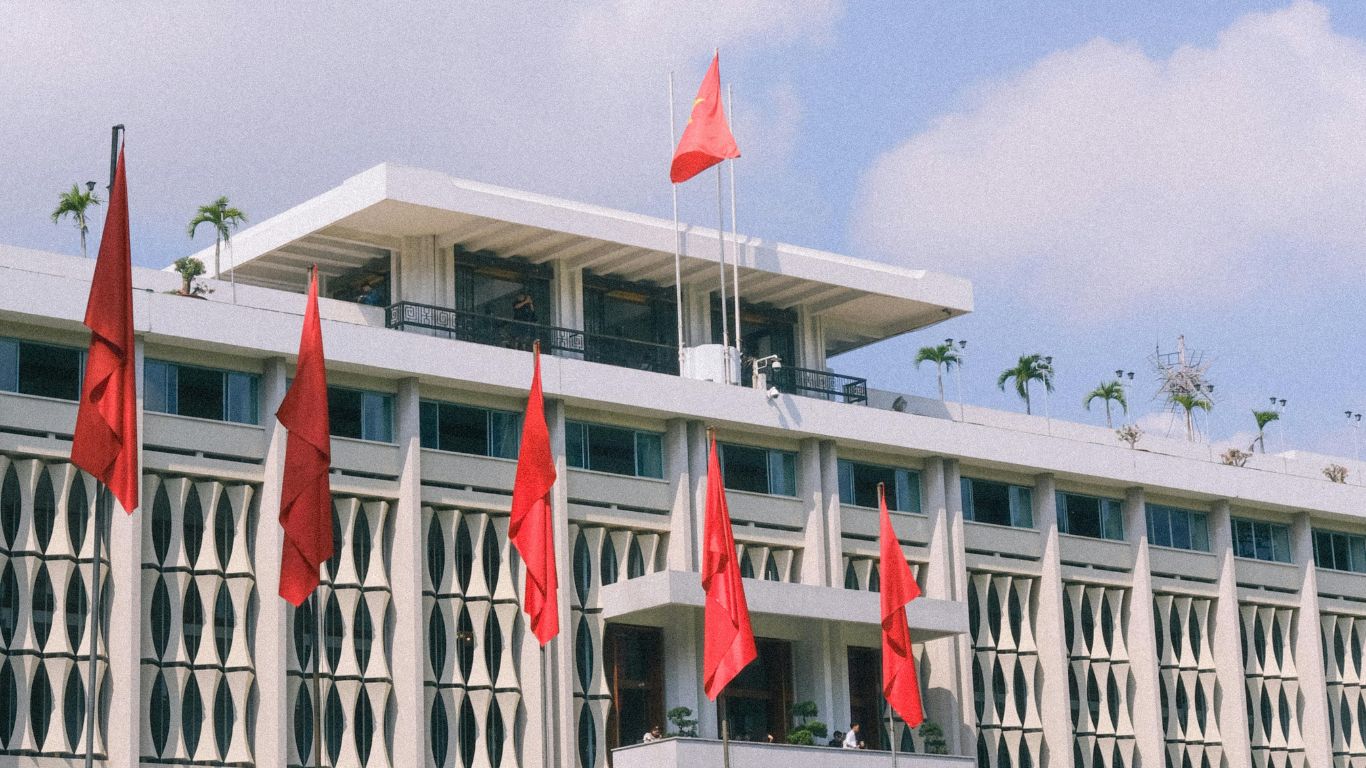
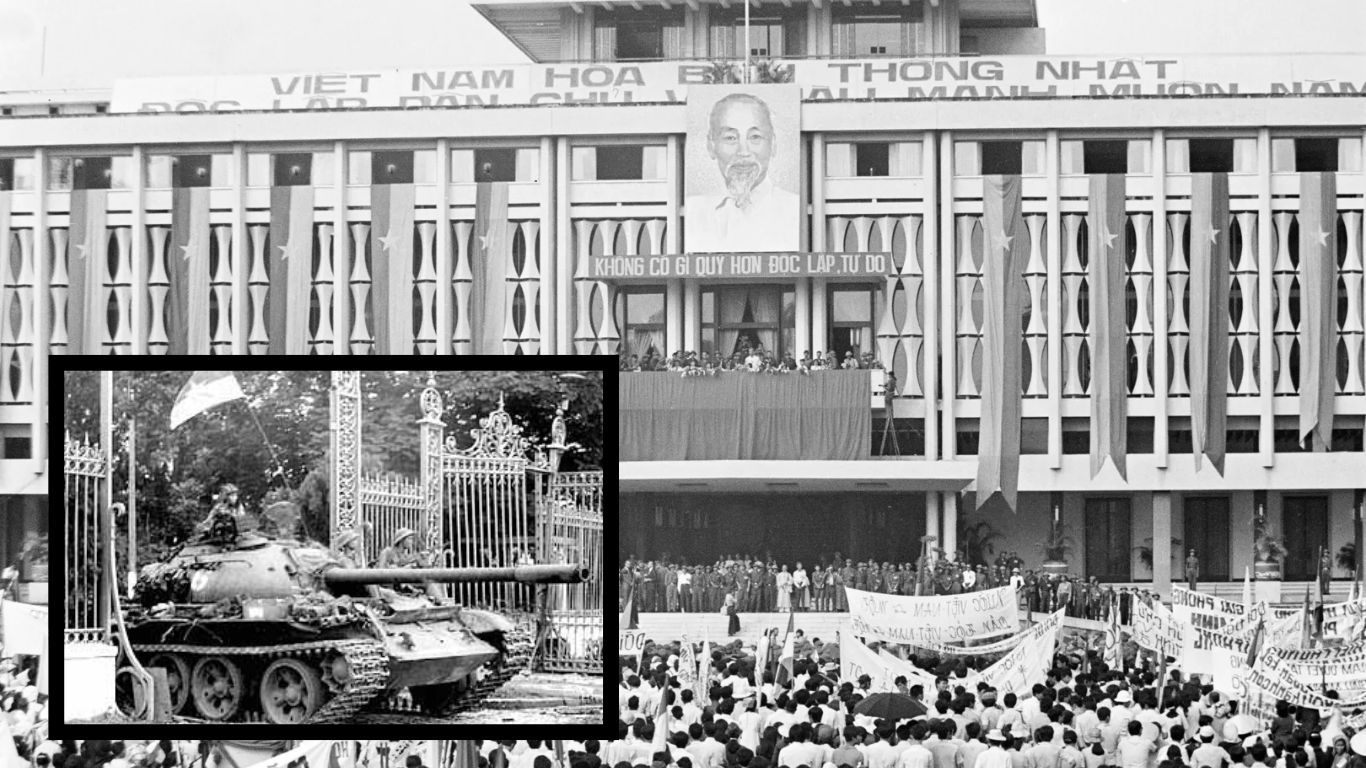
Also known as the Reunification Palace, this site marks the end of the Vietnam War in 1975. The building has been preserved with 1960s interiors, from state meeting rooms to secret command bunkers. Visitors can walk through the president’s office, war rooms, and banquet halls. Its architecture reflects both French influence and modernist design, making it a unique cultural landmark.
Ho Chi Minh City Museum
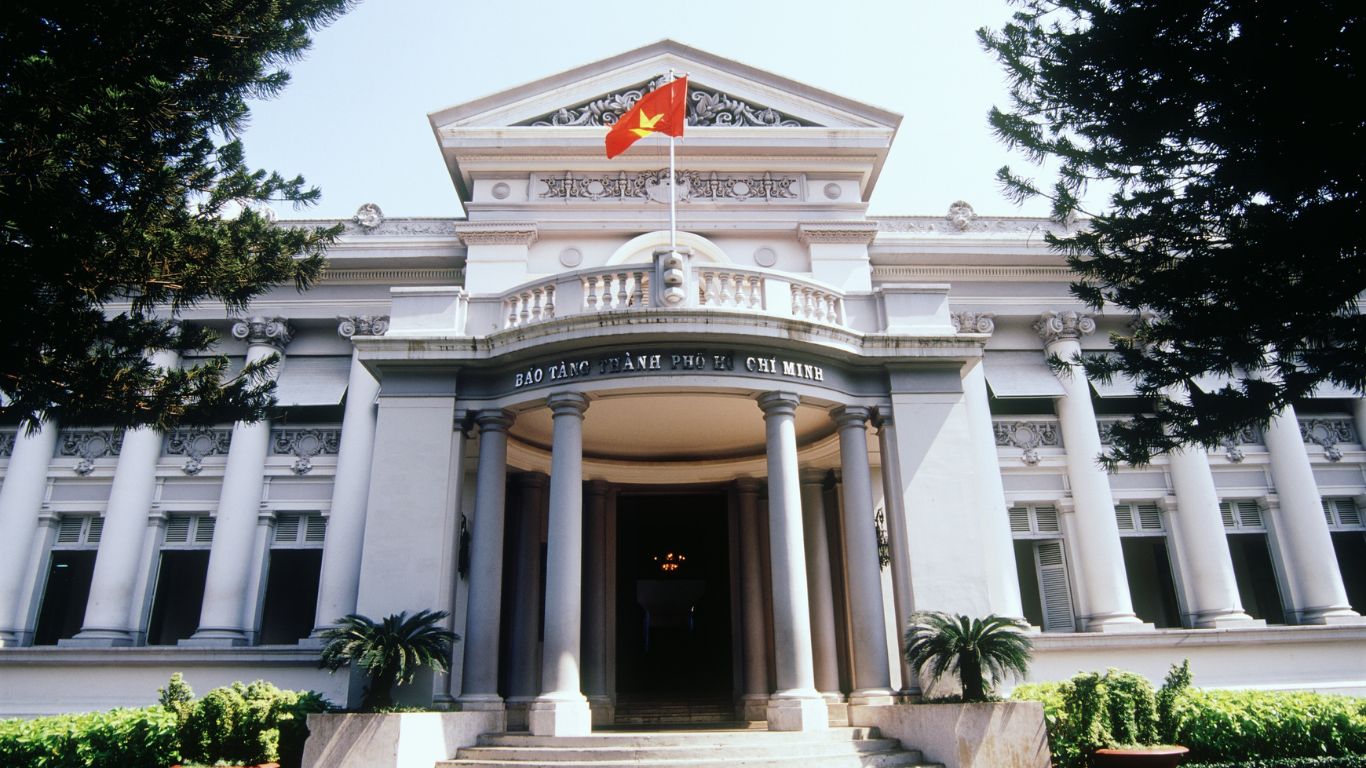
Housed in the elegant Gia Long Palace, this museum blends French colonial architecture with rich exhibitions. Displays include the city’s development, revolutionary struggles, and traditional customs. The building itself is worth exploring for its grand halls and decorative details. This is an excellent stop for travelers who enjoy both history and architecture.
Museum of Vietnamese History
Located near the Saigon Zoo and Botanical Gardens, this museum presents artifacts from ancient cultures across Vietnam. Highlights include Cham sculpture, Khmer relics, and Nguyen dynasty objects. The collection spans thousands of years, offering visitors a clear journey through the country’s past. History and archaeology enthusiasts will find it especially rewarding.
Fine Arts Museum
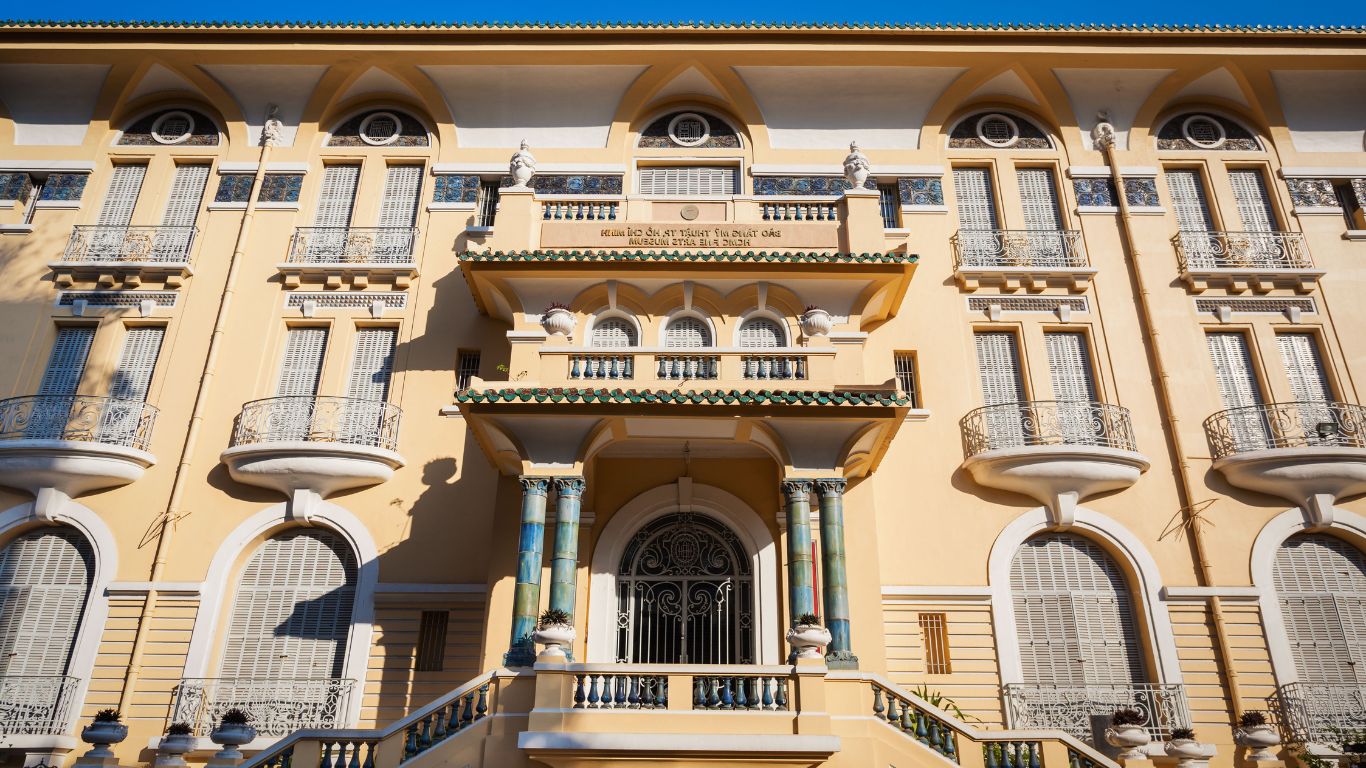
The Fine Arts Museum is set inside a colonial-era mansion with stained-glass windows and winding staircases. Its galleries feature Vietnamese painting, sculpture, and folk crafts. Temporary exhibitions also showcase contemporary artists. Because of its combination of heritage and creativity, this museum is a must for art lovers and photographers.
FITO Museum
The FITO Museum is dedicated to traditional Vietnamese medicine. More than 3,000 artifacts, including herbal remedies, ancient texts, and traditional tools. All are displayed in wooden rooms designed in the style of old houses. Visitors can learn about healing traditions that remain important in daily life. Its atmosphere is calm, making it a refreshing break from the busy city.
Southern Women’s Museum
This museum highlights the role of women in Vietnam’s culture and independence movements. Exhibits cover everything from wartime contributions to traditional clothing and family life. It offers perspectives often missing from other museums, giving visitors a deeper understanding of Vietnamese society.
Ao Dai Museum
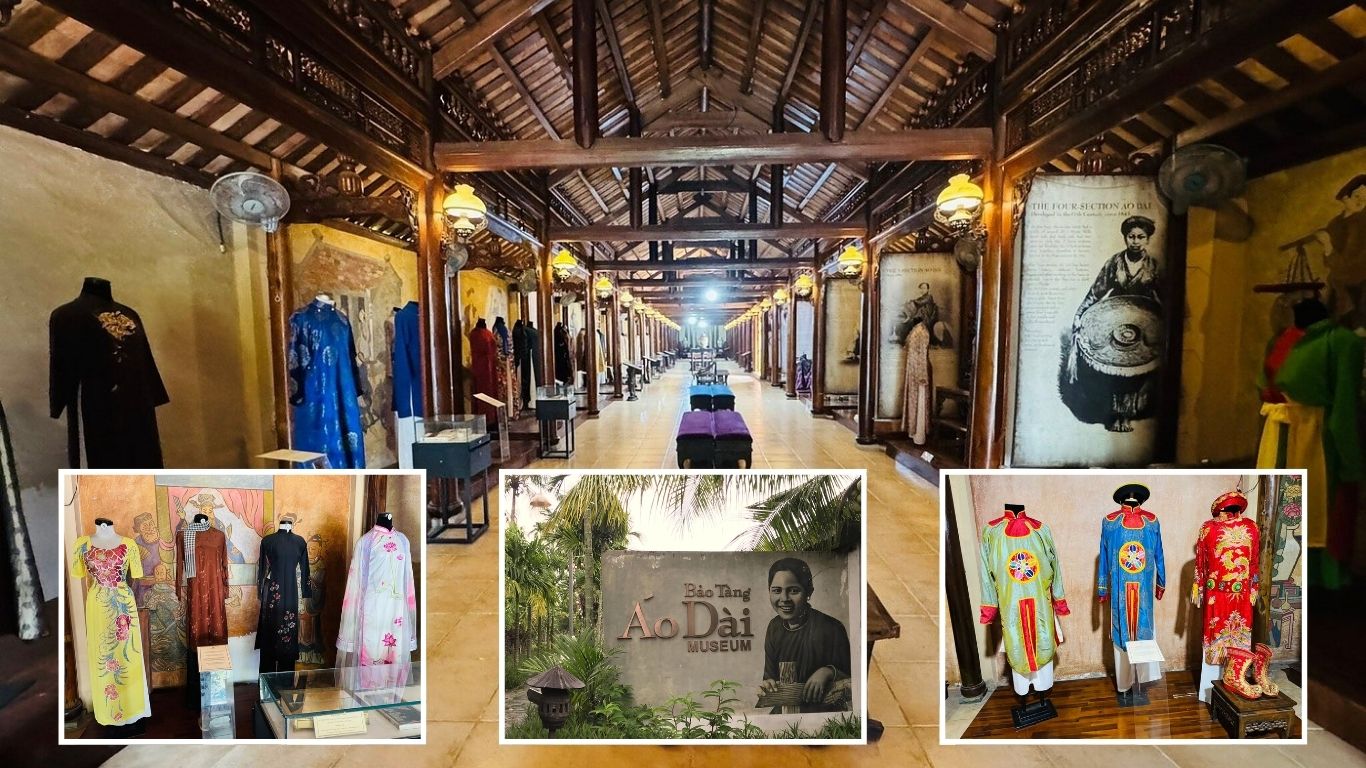
The Ao Dai Museum celebrates Vietnam’s most iconic dress. Its collection traces the evolution of the Ao Dai from its early forms to modern designs. Mannequins, photographs, and interactive displays bring the story to life. Because of its beauty and cultural importance, this museum appeals to both fashion enthusiasts and casual visitors.
Ton Duc Thang Museum
This smaller museum is dedicated to Ton Duc Thang, Vietnam’s second president. It documents his life, revolutionary activities, and leadership. Compact and easy to explore, it fits well into a half-day itinerary in District 1. While less well-known than others, it provides useful context about Vietnam’s political history.
How to Make the Most of Your Museum Visits
Moving Around Ho Chi Minh City
Many of Ho Chi Minh City’s main museums are in District 1, making walking a convenient option. In addition, ride-hailing apps like Grab and Gojek are widely used and reliable. For more comfort, you can choose taxis or private transfers, especially when visiting multiple sites.
Meanwhile, cycling or scooter tours are a fun way to explore museums along with other cultural stops. Public buses are available too; they are cheap but less popular among tourists.
💡If you wonder how to make your trip easier when moving around, we can help. From private transfers, guided tours, to handpicked accommodations, we tailor every detail for you. Contact us here: Vietnam Travel Online to plan your perfect Saigon experience.
How Much Time Do You Need?
Visiting a single museum usually takes 1–2 hours. You can cover several District 1 museums in half a day if you plan carefully. For a complete experience of the city’s major museums, allow 2–3 days. This schedule helps you enjoy each museum without feeling rushed.
Suggested Itineraries for Museum Lovers
Complete HCMC Museum Circuit
Spend 2–3 days exploring all major museums in District 1. Start at the War Remnants Museum in the morning to avoid crowds, then visit the Ho Chi Minh City Museum and the Fine Arts Museum. In the afternoons, include Ao Dai Museum or FITO Museum. Between museums, enjoy coffee at colonial cafes, stroll along Dong Khoi Street, and visit Ben Thanh Market for local flavors. Evening options: rooftop bars or a Saigon river cruise.
Southern Vietnam with Culture & Coast
Combine city museums with a trip to Vung Tau or the Mekong Delta. Begin with HCMC museums, then drive to the coast to relax on the beach, explore local seafood markets, or visit small regional museums. Optional stops: traditional villages, pagodas, and riverfront towns. This blends culture, history, nature, and cuisine.
💡If you’re curious to explore Vietnam’s museums or want to combine them with Mekong cruises and cultural adventures, we’ve got you covered. At Vietnam Travel Online, you can choose from a variety of tours or let us design a fully customized journey just for you. From Ho Chi Minh City museums and Mekong Delta villages to Indochina’s hidden gems, we’ll help craft an experience that matches your interests. Simply reach out to us at vietnam@indochinavoyages.com or start planning via this form.
Whole-Country Museum & Culture Route
Travel from Hanoi through Hue to Ho Chi Minh City, combining museum visits with cultural landmarks. In Hanoi, visit the Vietnam Museum of Ethnology; in Hue, explore the Imperial Citadel and Royal Tombs; finish in HCMC. Along the way, include culinary experiences, traditional performances, and scenic stops to provide a comprehensive cultural journey across Vietnam.
For a fully planned experience, you can explore Vietnam tours from us or try the In-Depth Vietnam Explore – 20 Days tour for a comprehensive journey across the country.
Mekong Delta Museums & Culture
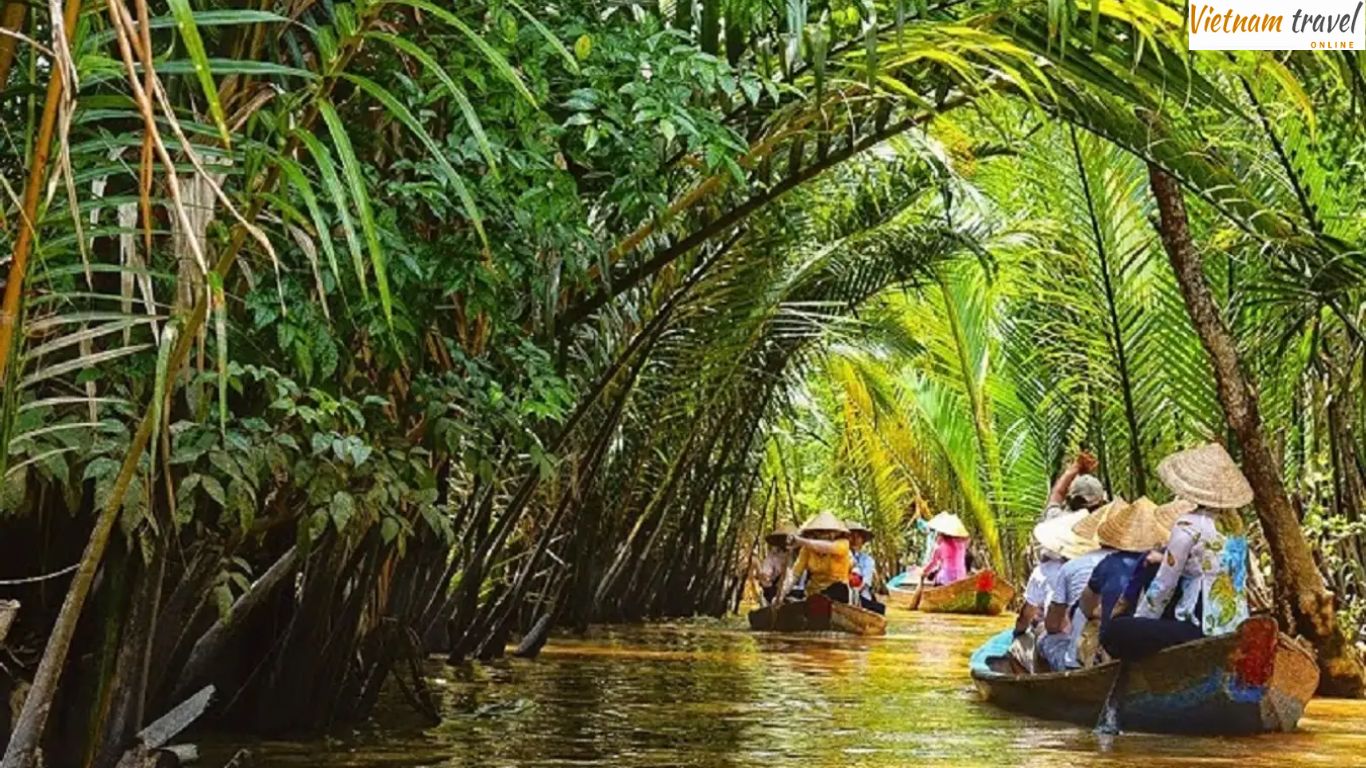
Start in HCMC, then explore floating markets, visit local museums, and Khmer temples. Include river cruises, village visits, and hands-on cultural workshops. This itinerary combines heritage, nature, and authentic local life, perfect for travelers who want museums plus immersive experiences.
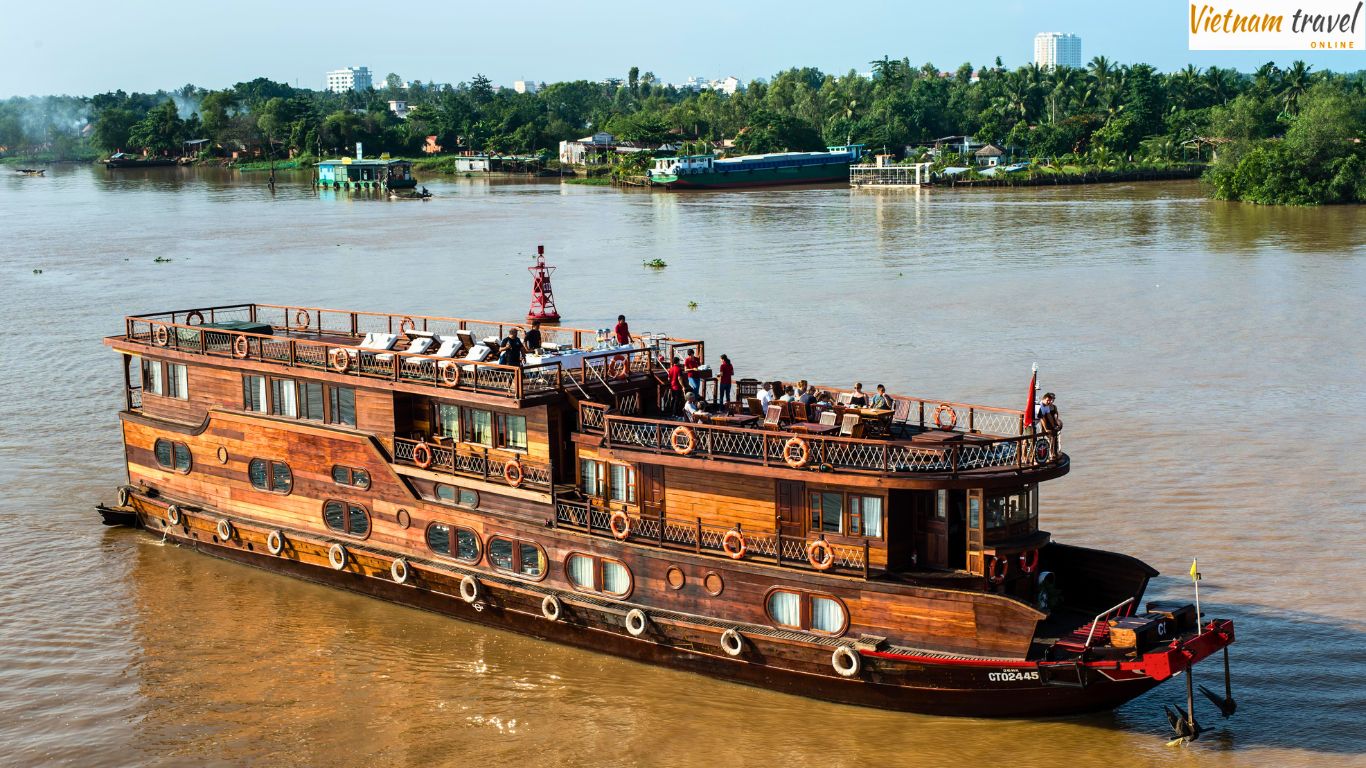
This itinerary blends heritage, nature, and authentic local life, perfect for travelers who want museums plus immersive experiences.
If you’d like, you can enjoy a leisurely Mekong cruise with Luxury Mekong Cruises or combine the delta with other highlights of Vietnam and Indochina through Indochina Voyages’ customized tours. Both options make it easy to turn this journey into a memorable adventure.
Practical Tips for Visiting Museums in Ho Chi Minh City
-
Opening hours: 8:00 AM – 5:00 PM, most close at 11:30–1:30.
-
Tickets: usually 20,000–50,000 VND.
-
Dress code: modest and respectful clothing is advised.
-
Best timing: mornings are quieter and cooler.
-
Photography: allowed in most museums, but flash is often banned.
-
Guides: recommended for deeper context, as English signage is sometimes limited.
FAQs
Are tickets expensive for Museums in Ho Chi Minh City?
Most museums charge 20,000–50,000 VND. Some niche or specialty museums may cost slightly more, but overall, they’re very affordable.
Can I combine museum visits with Mekong Delta tours?
Yes. Some itineraries include HCMC museums in the morning and a Mekong cruise in the afternoon or the following day, creating a cultural and scenic experience.
Are museums suitable for families with children?
Many museums are kid-friendly, especially the Museum of Vietnamese History and Fine Arts Museum. Interactive exhibits or outdoor displays can engage children, but some war-focused museums may be intense.
How can I avoid crowds at popular museums?
Visit early in the morning, on weekdays, and avoid public holidays. Private guided tours can also help you navigate faster and get more context without waiting.
Are there museums open on weekends?
Yes, most museums operate 7 days a week, but mid-day closures (around 11:30–1:30) are common. Planning around these hours avoids wasted time.
Can I take photos inside the museums?
Photography is allowed in most museums, but flash is often restricted. Some exhibits, especially documents or rare artifacts, may prohibit photography entirely.