

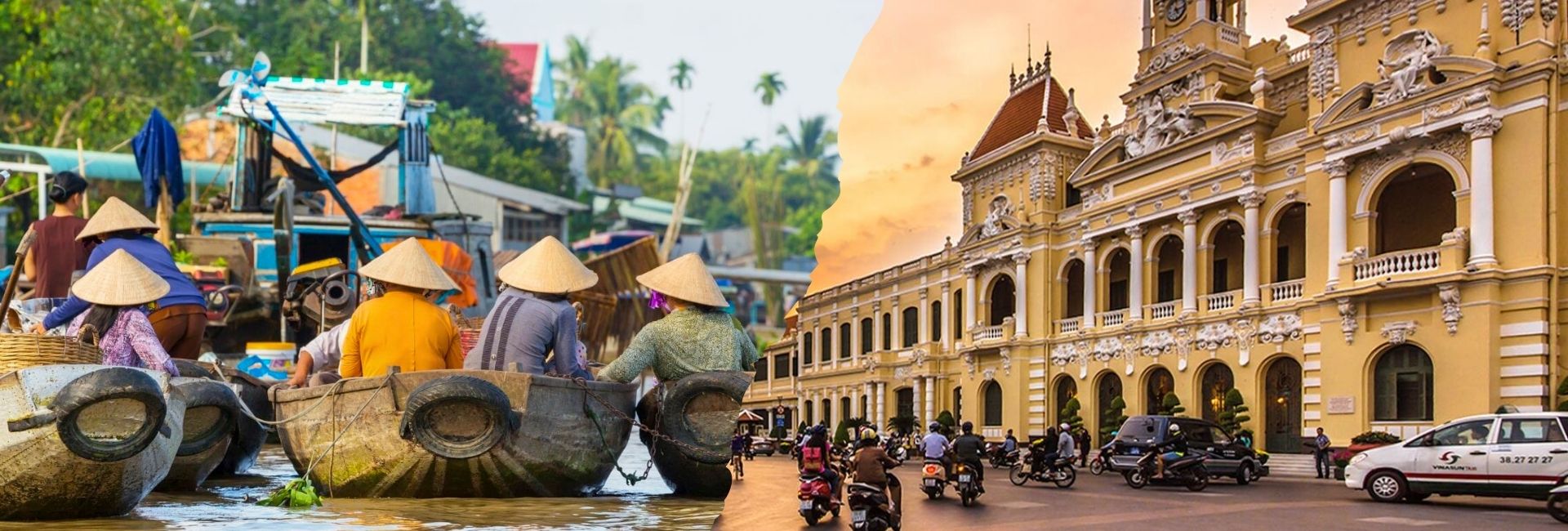
The South of Vietnam is a region of vibrant contrasts, starting from the dynamic streets of Ho Chi Minh City, together with the bustling economic and cultural hub, to Can Tho, the largest city in the Mekong Delta famous for its lively floating markets; from the coastal charm of Vũng Tàu to the tropical paradise of Phú Quốc Island. This diverse landscape offers travelers an unbeatable mix of cultural heritage, historical depth, natural beauty, and delicious local flavors.
In this guide, you’ll discover not only the must-visit attractions but also the rich culinary traditions that define Southern Vietnam’s unique identity. From famous street food in the city to fresh seafood by the sea and river delicacies, the South offers a true feast for all your senses.
What can you find in this travel blog?
- Highlights of Top Destinations in the South of Vietnam
- Cuisine of the South of Vietnam
- Best Time to Visit the South of Vietnam
- How to Move around in and out in the South of Vietnam
- Practical Tips to travel in the South of Vietnam
- FAQs
Highlights of Top Destinations in the South of Vietnam
Ho Chi Minh City
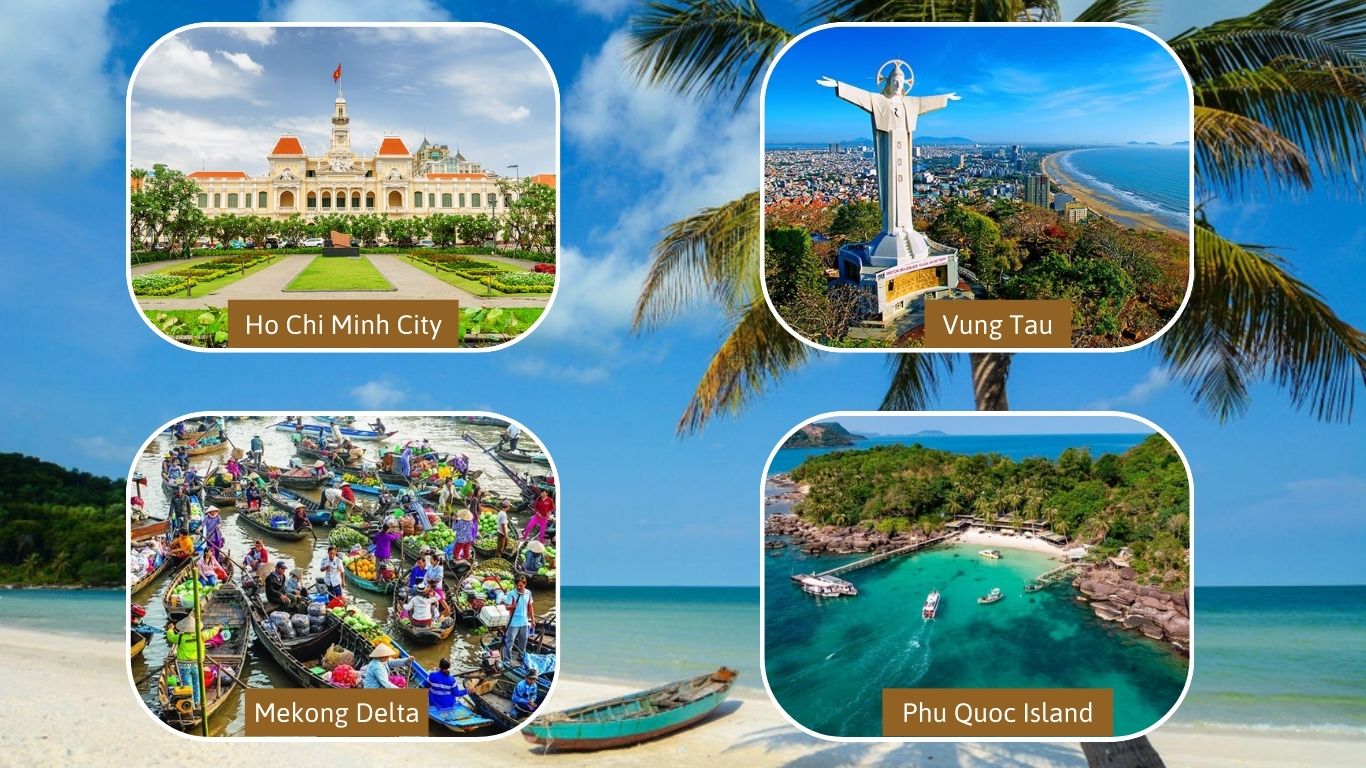
Ho Chi Minh City, formerly Saigon, is a city of contrasts, where French colonial architecture meets shiny skyscrapers, and street vendors stand alongside chic cafes. It’s not only Vietnam’s largest city but also its beating heart of commerce and culture.
What to Explore
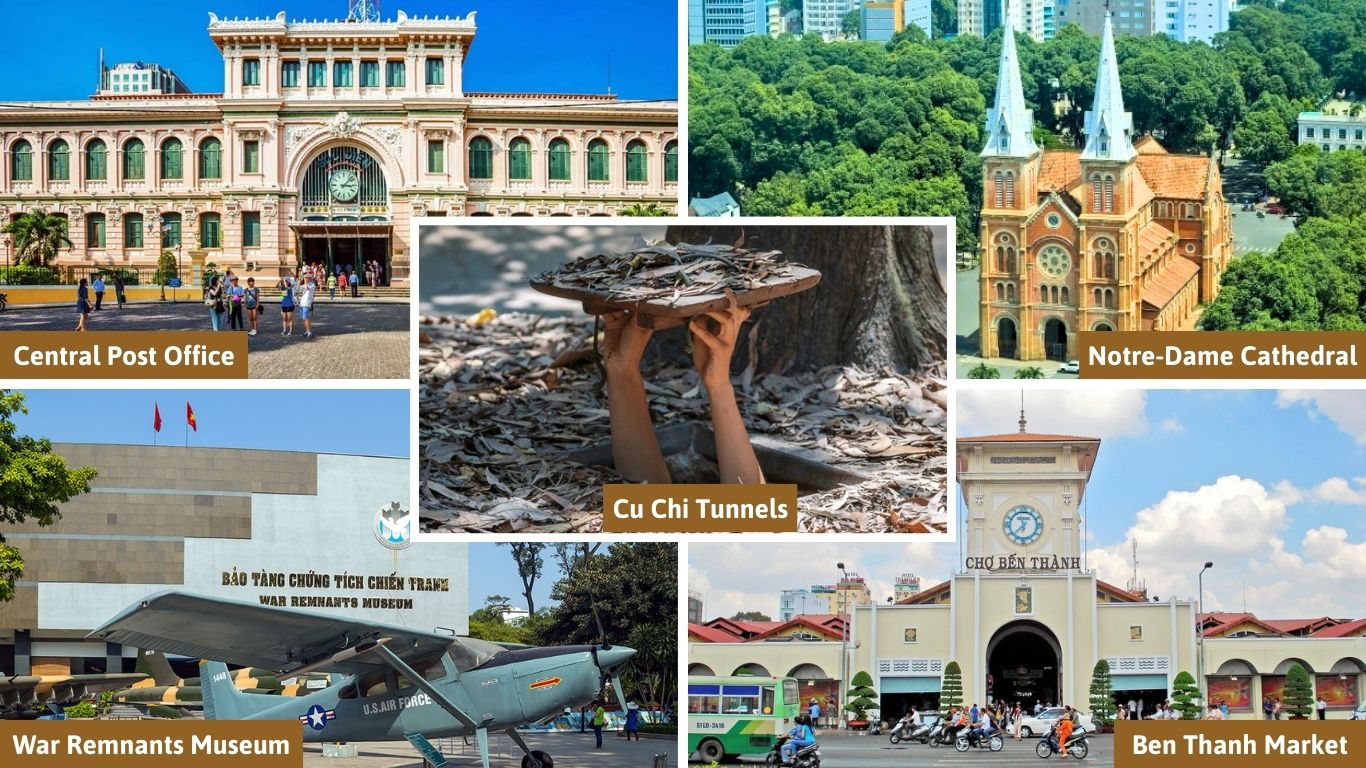
The War Remnants Museum offers profound insights into the country’s turbulent past, while Notre-Dame Cathedral and the Central Post Office showcase beautiful colonial architecture. Don’t miss wandering through Ben Thanh Market to taste authentic Vietnamese street food and shop for local crafts. For a deeper historical perspective, the Cu Chi Tunnels nearby offer a fascinating glimpse into the Vietnam War.
Best Time to Visit
December through April is ideal for comfortable weather and plenty of outdoor activities.
Vũng Tàu (Bà Rịa–Vũng Tàu)
Just a two to three-hour drive from Ho Chi Minh City, Vũng Tàu is a perfect coastal escape. It offers a refreshing break from urban hustle with sandy beaches, seafood delights, and scenic hiking spots.
Must-Visit
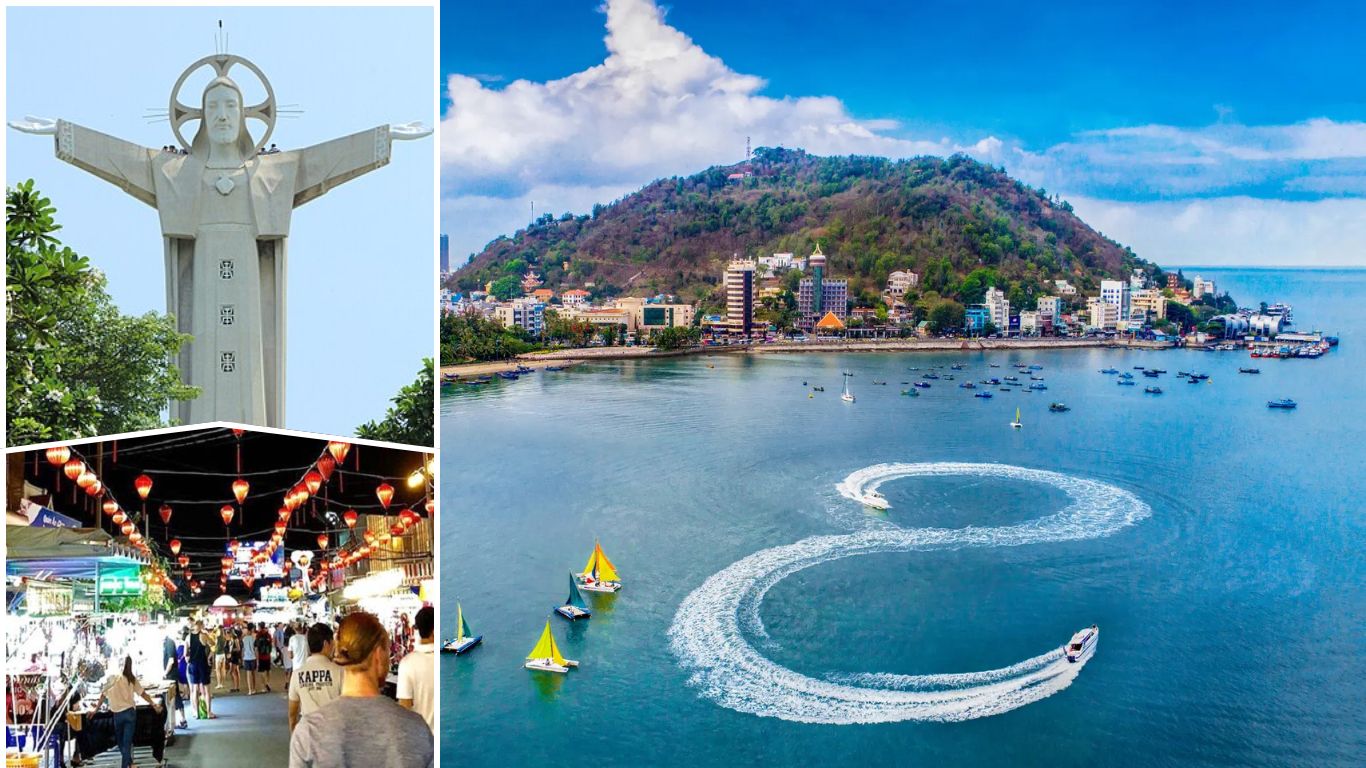
Relax at Front Beach or Back Beach, and climb up to the towering Christ of Vũng Tàu statue for panoramic views of the coastline. The Lighthouse Hill area is great for sunset walks, and local seafood markets serve up fresh catches daily.
Best Time to Visit
November to April, during the dry season, ensures sunny days and calm seas for swimming and beach activities.
Mekong Delta
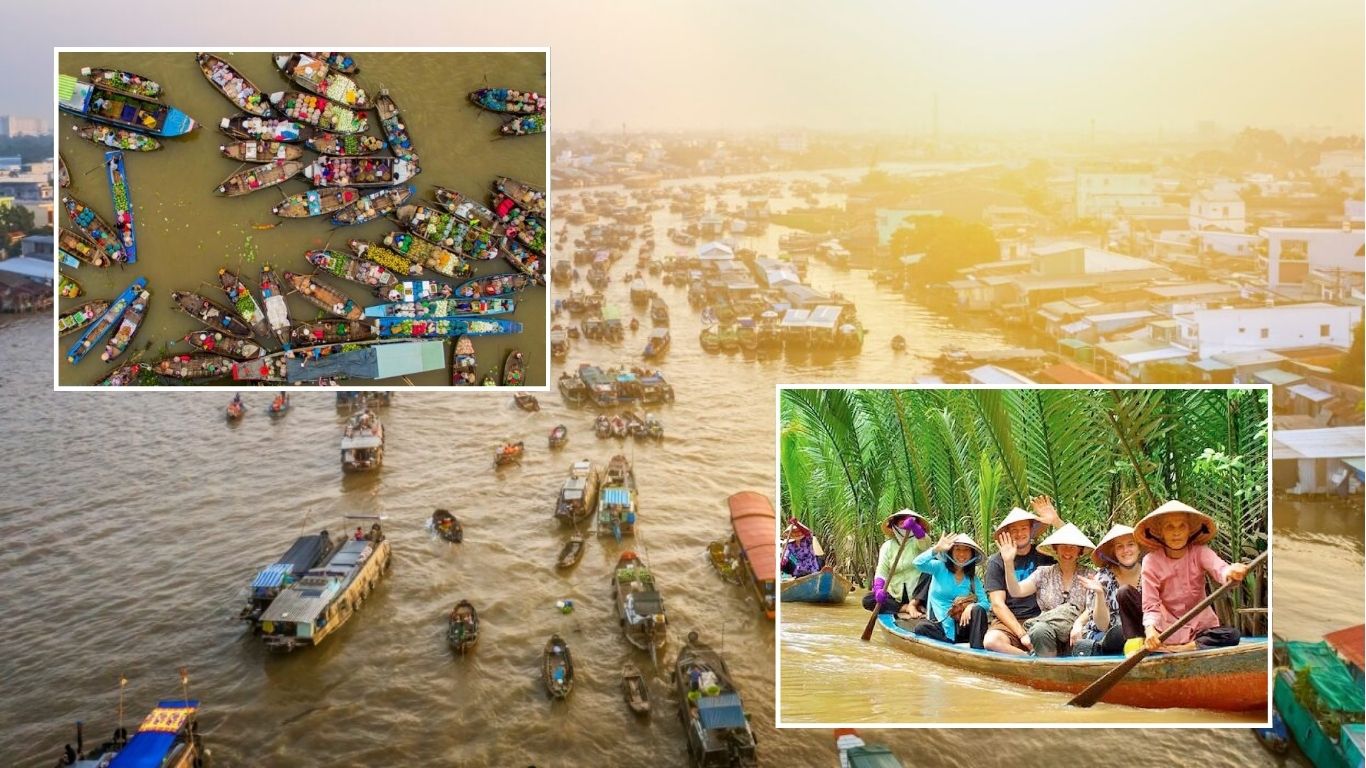
The Mekong Delta is a sprawling network of rivers and canals, rich in agriculture and traditional ways of life. It’s often called Vietnam’s “rice bowl” and is home to vibrant floating markets where locals trade fruits, vegetables, and everyday goods from boats.
What to Experience
Take a boat tour to explore the bustling Cai Rang Floating Market, visit fruit orchards, and stop by workshops producing coconut candy and traditional crafts. Sam Mountain and local temples offer cultural enrichment alongside nature’s beauty.
Best Time to Visit
December to April when water levels are lower, making river travel easier and the weather pleasant.
Phú Quốc Island (Kiên Giang)
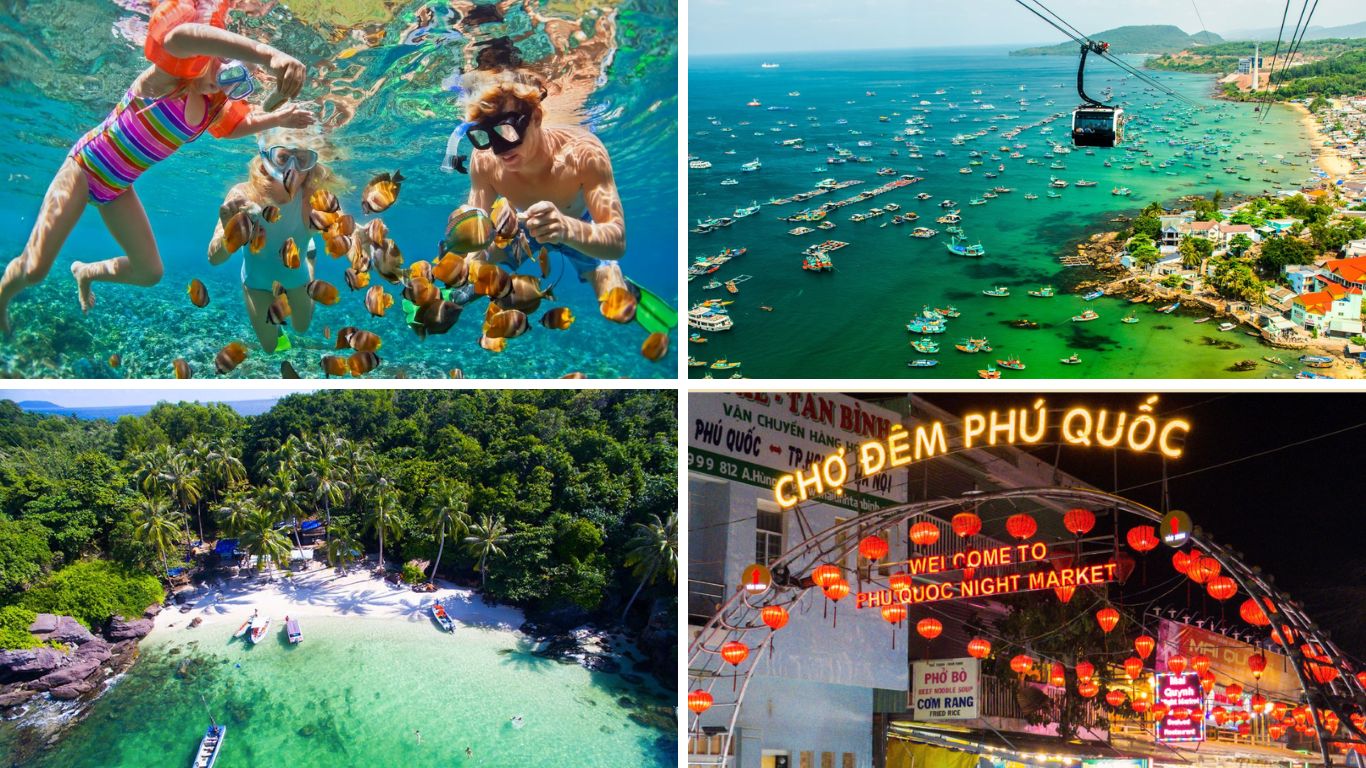
Phú Quốc is Vietnam’s largest island and a tropical haven famed for its white sandy beaches, clear turquoise waters, and diverse marine life.
Top Activities
Relax on Sao Beach or Long Beach, snorkel or dive among vibrant coral reefs, and experience local culture at the Phú Quốc Night Market. The island’s national park offers hiking through dense forests, and a visit to the traditional fish sauce factories reveals a unique culinary heritage.
Best Time to Visit
November through April, when the weather is dry and ideal for beach and outdoor activities.
Why Visit These Destinations?
Southern Vietnam captivates travelers with its incredible cultural diversity, rich history, and breathtaking natural landscapes. Whether you’re wandering the energetic streets of Ho Chi Minh City, savoring seafood by the ocean in Vũng Tàu, gliding through the Mekong Delta’s waterways, or soaking up sun on Phú Quốc’s beaches, each destination offers unforgettable experiences that connect you deeply with Vietnamese life.
Can You Visit All Destinations in One Trip?
Visiting Ho Chi Minh City, Vũng Tàu, the Mekong Delta, and Phú Quốc in a single trip is entirely feasible, especially during the dry season. However, to truly appreciate each destination’s unique character without rushing, it’s best to allocate enough time. If your schedule is tight, consider dividing your visit into two trips based on seasonal conditions or your interests.
Cuisine of the South of Vietnam
Southern Vietnam is renowned for its vibrant and diverse culinary scene that reflects the region’s rich culture and abundant natural resources. The food here is famous for its fresh ingredients, bold flavors, and distinctive dishes you won’t find elsewhere.
-
Ho Chi Minh City
Home to iconic dishes like pho (noodle soup), banh mi (Vietnamese sandwich), and com tam (broken rice). Street food culture thrives here, with vibrant markets and bustling food stalls serving everything from fresh spring rolls to sweet desserts.
-
Vũng Tàu:
Seafood lovers will be in paradise with grilled squid, fresh crab, shrimp, and bánh khọt. This is a small, crispy pancakes topped with shrimp. Don’t miss refreshing drinks like sugarcane juice or fresh coconut water.
-
Mekong Delta:
Known for tropical fruits, hu tieu (clear rice noodle soup), and local sweets like che (Vietnamese dessert soups). River fish and prawns are specialties, often paired with aromatic rice.
-
Phú Quốc Island:
Famed for its seafood delicacies like grilled sea urchin and squid salad (gỏi cá trích), as well as the island’s legendary fish sauce production, an essential ingredient in Vietnamese cooking.

Sampling local cuisine across these destinations is an essential part of truly experiencing Southern Vietnam.
Best Time to Visit the South of Vietnam
The South features a tropical climate divided mainly into two seasons:
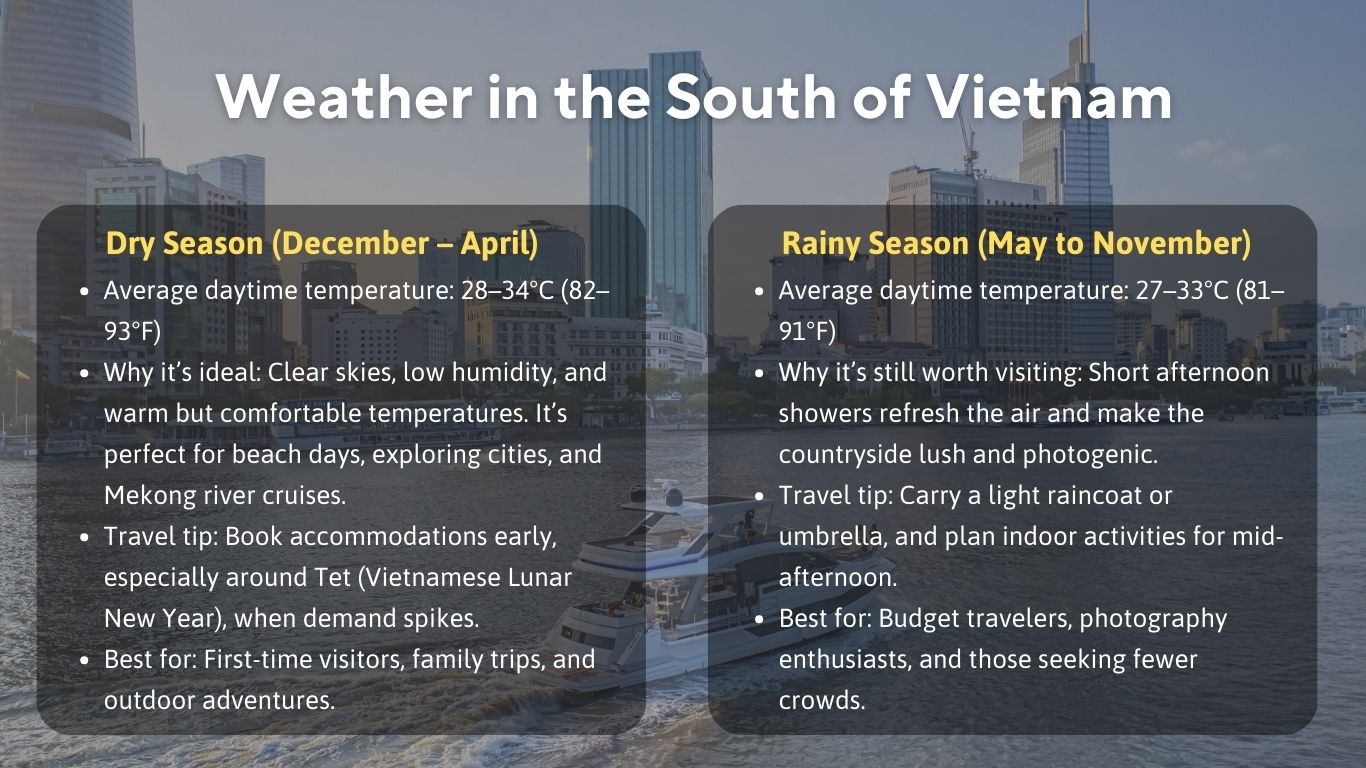
Planning your trip during the dry season will maximize your chances of smooth travel and enjoyable weather.
How to Move around in and out in the South of Vietnam
Traveling around Southern Vietnam is convenient with multiple options that suit different budgets and preferences. Whether you’re moving between cities, exploring rural areas, or heading to the islands, here’s how to get around smoothly.
How to Get to the South from Other Parts of Vietnam
- By Air: The fastest and most popular way to reach the South is by flying into Tan Son Nhat International Airport (Ho Chi Minh City) from Hanoi, Da Nang, or other major cities. Domestic flights are frequent, affordable, and save significant travel time.
- By Train: The Reunification Express train runs between Hanoi and Ho Chi Minh City, offering a scenic but longer journey (around 35 hours). It’s a great choice if you want to see the countryside and travel at a relaxed pace.
- By Bus: Long-distance buses connect the South with Central and Northern Vietnam, often arriving in Ho Chi Minh City or neighboring provinces. Buses are economical but take longer and can be less comfortable.
Getting Around Within the South
- Flights: Quick flights connect Ho Chi Minh City to Phú Quốc Island and other regional airports, perfect for covering long distances quickly.
- Buses and Coaches: Frequent buses run between Ho Chi Minh City, Vũng Tàu, and Mekong Delta towns. Private coaches and shuttle services offer more comfort and flexibility.
- Private Cars and Taxis: Renting a private car with a driver is popular for comfort and convenience, especially for exploring the Mekong Delta or traveling between cities on your own schedule.
- Boats: Essential for exploring the Mekong Delta, boat tours and water taxis offer unique access to floating markets, river villages, and canals.
- Motorbikes and Scooters: For the adventurous, renting a motorbike can be a flexible way to explore cities and nearby countryside, but only recommended if you are experienced and familiar with local traffic rules.
Practical Tips to travel in the South of Vietnam
Getting around Southern Vietnam is straightforward. You can fly from Ho Chi Minh City to Phú Quốc in about an hour, take buses or private cars for shorter journeys to Vũng Tàu and the Mekong Delta, and explore waterways by boat.
Suggested Stay:
- Ho Chi Minh City: 2-3 days
- Vũng Tàu: 1-2 days
- Mekong Delta: 2-3 days
- Phú Quốc: 2-3 days
Packing Tips: Lightweight, breathable clothing, sunscreen, insect repellent, and a rain jacket for the wet season are essentials.
Health and Safety: Drink bottled water, be cautious with street food if you have a sensitive stomach, and keep your belongings secure in crowded areas.
Suggested Itineraries
To help you make the most of your trip, here are suggested itineraries based on different time frames:
- 3-Day Trip: Focus on Ho Chi Minh City and Vũng Tàu for an energetic urban and relaxing beach getaway. Explore historical sites, enjoy the street food scene, then unwind on the coast tasting fresh seafood.
- 5-Day Trip: Add the Mekong Delta for an immersive cultural and nature experience. Spend time cruising floating markets, exploring rural villages, and savoring local specialties alongside city and beach visits.
- 7-Day Trip: Experience the full spectrum of Southern Vietnam by combining the city’s vibrancy, the Mekong’s tranquility, and Phú Quốc’s island paradise. This itinerary balances sightseeing, cultural discovery, and relaxation with ample opportunities to sample authentic cuisine.
FAQs
When is the best time to visit Southern Vietnam?
👍 The ideal time is during the dry season, from December to April, when you’ll enjoy sunny skies, lower humidity, and calm seas—perfect for exploring cities, cruising the Mekong, or relaxing on Phú Quốc’s beaches. The rainy season (May–November) brings afternoon showers, but it’s also when the Mekong Delta is lush and vibrant.
Can I visit all the major destinations in one trip?
👍Yes, if you have at least 7–10 days. A week allows you to cover Ho Chi Minh City, the Mekong Delta, and Phú Quốc. With 10 days, you can also add Vũng Tàu or the lesser-visited Con Dao Islands. Shorter trips are still rewarding if you focus on 1–2 areas.
How do I travel between these places?
- From Ho Chi Minh City: Flights connect to Phú Quốc, Con Dao, and Can Tho (Mekong).
- By road: Private car, limousine buses, or local coaches link HCMC to Vũng Tàu (2 hours) and the Mekong Delta (2–4 hours).
- By boat: Speedboats and ferries operate between mainland ports and islands like Phú Quốc and Con Dao.
Is Southern Vietnam safe for travelers?
👍Yes, it’s considered safe and welcoming. Petty theft can happen in busy markets or on public transport, so keep valuables secure. Roads can be hectic, so use reputable transport providers.
What local foods should I try?
👍Southern cuisine is fresh, colorful, and slightly sweeter than the north. Don’t miss pho (beef noodle soup), banh mi (Vietnamese baguette), bánh khọt (mini savory pancakes from Vũng Tàu), hủ tiếu (clear noodle soup from the Mekong), gỏi cá trích (Phú Quốc raw herring salad), and a variety of tropical fruits like rambutan, mangosteen, and dragon fruit.
Do I need a visa to visit?
👍 Most nationalities need a visa. Vietnam offers e-visas (valid for 90 days, single or multiple entry) and visa on arrival for certain travelers. Always check the latest entry rules before booking.
If the vibrant energy of the South calls to you, explore floating markets and emerald rice fields to golden beaches and historic towns, we’d be honored to bring it to life for you. At Vietnam Travel Online, we design journeys that go beyond the ordinary, blending culture, nature, and authentic encounters. Whether you imagine a few days in bustling Ho Chi Minh City or a week exploring the Mekong Delta and island escapes, every detail is shaped around your pace and passions.
Let your Southern Vietnam adventure be as personal as it is unforgettable.