

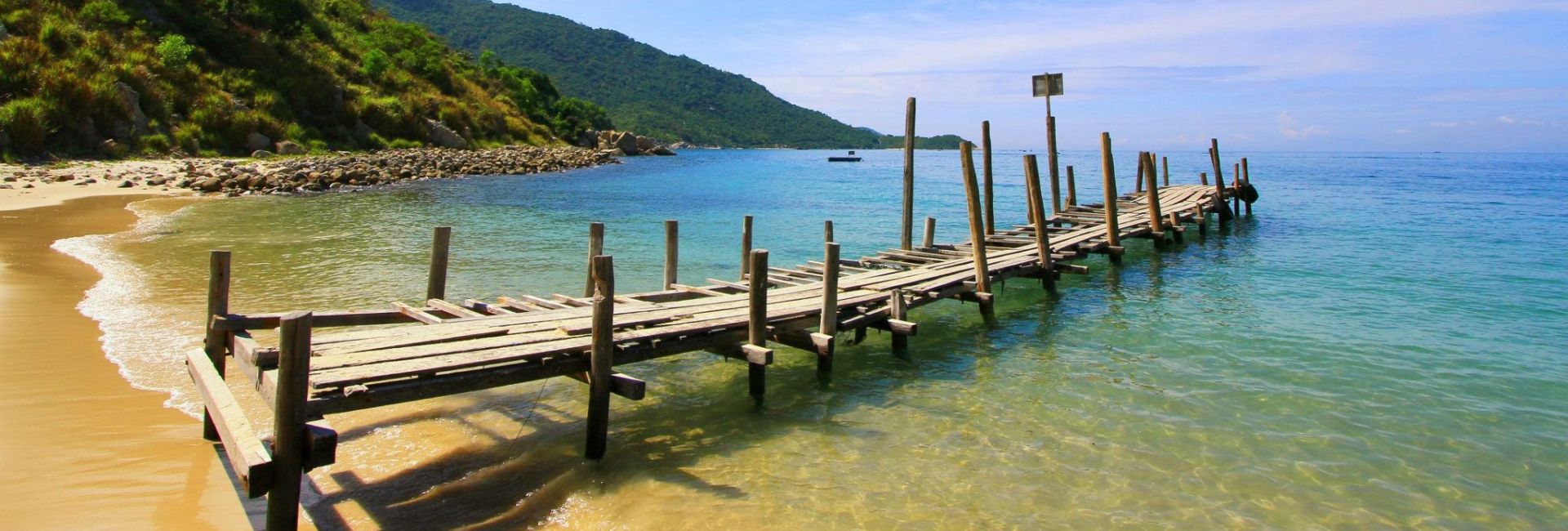
January is Phu Quoc’s golden window. The skies are clear, the sea is calm, and the island is running at full energy with travelers from across the world choosing this exact month to make their escape. So yes, it is absolutely worth it; but only if you know what you are stepping into.
This guide gives you the full picture: the honest weather breakdown, where the real crowds gather and where they do not, what to eat, where to stay, how to move around, and enough activities to fill a week without repeating yourself. Whether you are planning a solo adventure, a family getaway, or a romantic trip, consider this your most reliable companion for Phu Quoc in January.
What you will find in this travel blog
Phu Quoc weather in January
When visiting Phu Quoc in January, you will find warm weather, occasional light rain, and ideal conditions for enjoying outdoor activities. This time of year sits firmly in the dry season, making it one of the most popular months for travelers. Here is a detailed breakdown of everything the weather brings.
 Phu Quoc weather features in January
Temperature overview
Phu Quoc experiences warm temperatures in January, with daytime highs averaging around 30°C. This makes it perfect for sightseeing, relaxing on the beach, or exploring the island’s many attractions. During the evenings and early mornings, temperatures dip to a comfortable 21°C, providing a refreshing break from the daytime heat.
Rainfall in January
January is one of the drier months in Phu Quoc, though you may still encounter occasional rainfall. On average, the island receives about 37 to 39mm of rain spread over six to eight days. These showers are usually short and heavy, typical of tropical weather patterns, and are unlikely to disrupt your plans. Most of the month offers sunny and pleasant days.
Sunlight and daylight hours
January brings plenty of sunshine, with around seven hours of sunlight per day. This means you will have ample daylight for swimming, hiking, or exploring the island’s famous markets. Total daylight lasts around 12 hours daily, giving you a full schedule to enjoy everything the island offers.
Humidity levels
As a tropical destination, Phu Quoc in January carries high humidity at around 72%. While this can make the air feel sticky during midday, the cooler evenings and ocean breezes balance things out nicely. If you are sensitive to humidity, accommodations with air conditioning will make a noticeable difference to your comfort.
Sea temperature and swimming conditions
For those who love swimming or water activities, January is an excellent time to visit. The sea temperature averages around 28°C, making the water warm and inviting. Whether you plan to snorkel, dive, or simply relax in the ocean, the conditions are ideal throughout the month.
UV index and precautions
Phu Quoc sees an extreme UV index of 11 in January. This means sun protection is not optional; wear reef-safe sunscreen, a hat, and lightweight clothing that covers your skin during outdoor activities. The high UV levels make this a non-negotiable part of your daily routine on the island.
Wind conditions
January sees light to moderate breezes across the island. These breezes, combined with the sunny weather, create a pleasant atmosphere that is perfect for spending time outdoors. Winds are calm enough not to interfere with swimming or kayaking.
Is it ever too hot?
Temperatures sit comfortably around 30°C during the day, which feels warm but manageable thanks to the consistent sea breeze rolling in from the Gulf of Thailand. That said, with humidity at 72%, midday hours between 11 am and 2 pm can feel intense if you are out in direct sun. The trick is to plan water activities or island trips in the morning, save your beach lounging for late afternoon, and let the sunset do the rest.
Best time of day for outdoor activities
Timing your day right makes a surprising difference in January. Early mornings from 7 am to 10 am are perfect for hiking, visiting fishing villages, or heading out on a speedboat tour before the sun peaks. Late afternoon from 4 pm onward is ideal for beach relaxation, snorkeling close to shore, or finding a west-facing spot for the sunset. Midday is best reserved for air-conditioned stops: a pepper farm tour, a museum visit, or a long lunch at a local seafood restaurant.
January vs December vs February, which month wins?
Choosing between these three months is one of the most common dilemmas for anyone planning a Phu Quoc trip, and the answer genuinely depends on what kind of traveler you are. All three months fall within the dry season, meaning good weather across the board, but each has its own personality.
| December | January | February | |
|---|---|---|---|
| Rainfall | Low | Very low | Very low |
| Crowds | High (Christmas/NY) | Peak | Moderate |
| Prices | High | Highest | Slightly lower |
| Sea conditions | Calm | Very calm | Very calm |
| Tet impact | None | Peak overlap | Tail end |
December draws the festive crowd and has a lively holiday atmosphere, but it books out fast around Christmas and New Year. January delivers the best weather of the year with barely any rain, crystal-clear waters, and full sunshine at a premium price. February is the quiet achiever: the weather is equally beautiful, prices begin to dip after peak season, and the island feels noticeably less rushed.
If the beach is your priority and your budget is flexible, January is your month. If you want the same weather with fewer crowds and better deals, target the second half of February. And if a festive island atmosphere is the vibe you are after, December has that energy in full.
For a deeper look, check out our guides to Phu Quoc in December and Best Time to Visit Phu Quoc.
Crowds, cost, and Tet, what to really expect in January?
January is peak season in every sense, and that means you need to walk in with realistic expectations. The island is busy, prices are at their highest, and the most popular beaches and restaurants fill up quickly, especially on weekends. That said, busy does not mean ruined. With the right planning, you can still find quiet corners of the island and get excellent value.
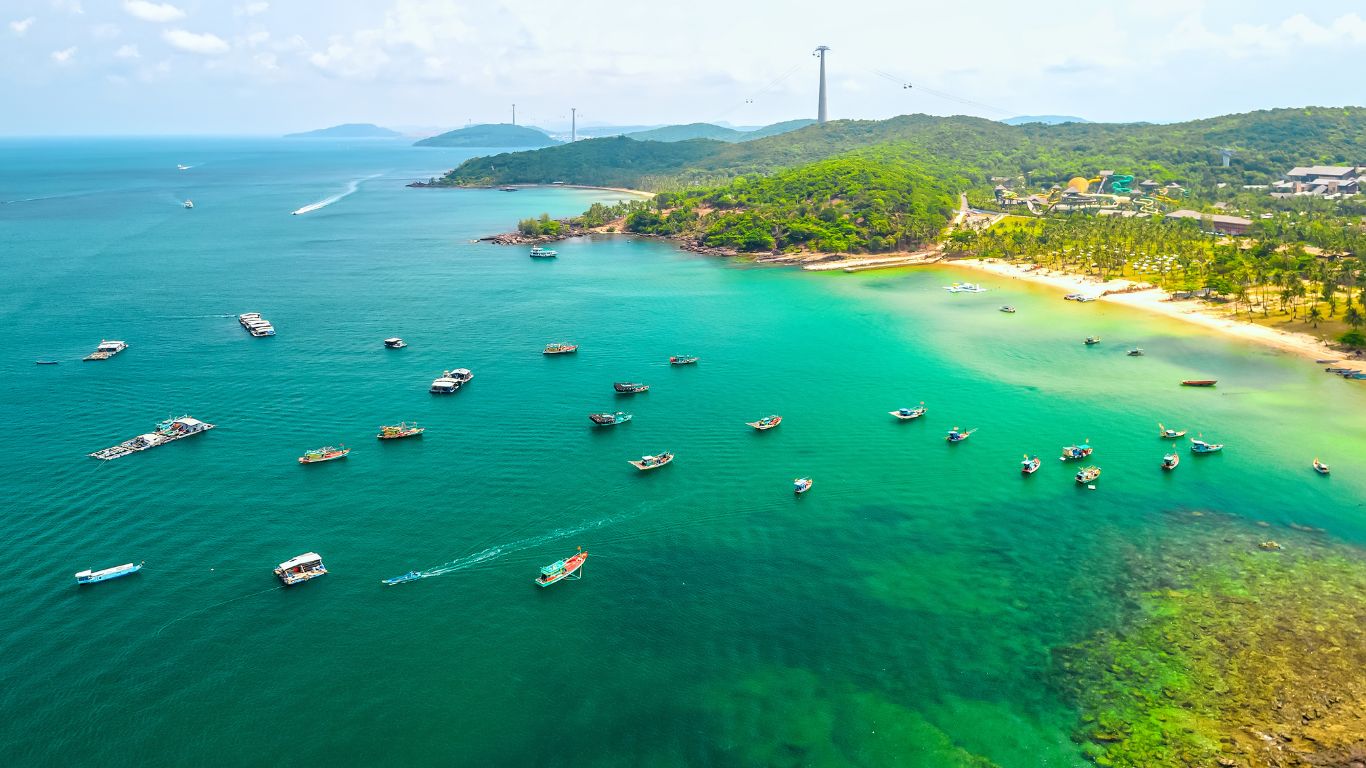
 Phu Quoc attracts a lot of travelers in January
What things cost in January
Accommodation prices in January are noticeably higher than in other months. Budget guesthouses start from around $25 to $50 per night, mid-range hotels with a pool sit between $70 and $150, and beachfront resorts can climb well past $200 per night. Tour activities and boat trips also carry a small peak-season premium. The key is to book flights six to eight weeks in advance rather than last-minute, and lock in your accommodation ideally by November. If you are traveling as a family or small group, a private package often works out cheaper than booking everything separately, and gives you the flexibility to move on your schedule rather than a shared tour’s.
Planning a January trip to Phu Quoc and want someone else to handle the details? Vietnam Travel Online specializes in private Phu Quoc packages including accommodation, airport transfers, and guided tours. Reach out at [email protected] or through the contact page here.
Tet and its effect on your trip
Tet 2027 falls on January 29, which means the festive energy hits its absolute peak right in the final week of January. If your trip overlaps with this window, you are in for something special. That markets overflow with marigolds and red decorations, local families gather across the island, and the warmth of the celebration genuinely spills into every corner of Phu Quoc. The practical side to keep in mind is that some smaller local restaurants and family-run shops may reduce hours or close for a couple of days around the actual holiday. Book your island tours and dinner reservations a day ahead during that last week, and you will not miss a thing.
15 best things to do in Phu Quoc in January
January is Phu Quoc at its most active, with calm seas, full sunshine, and every tour and attraction operating at their best. Here is a full list of what to fill your days with, from the unmissable classics to the ones most visitors walk straight past.
Relax on the beaches
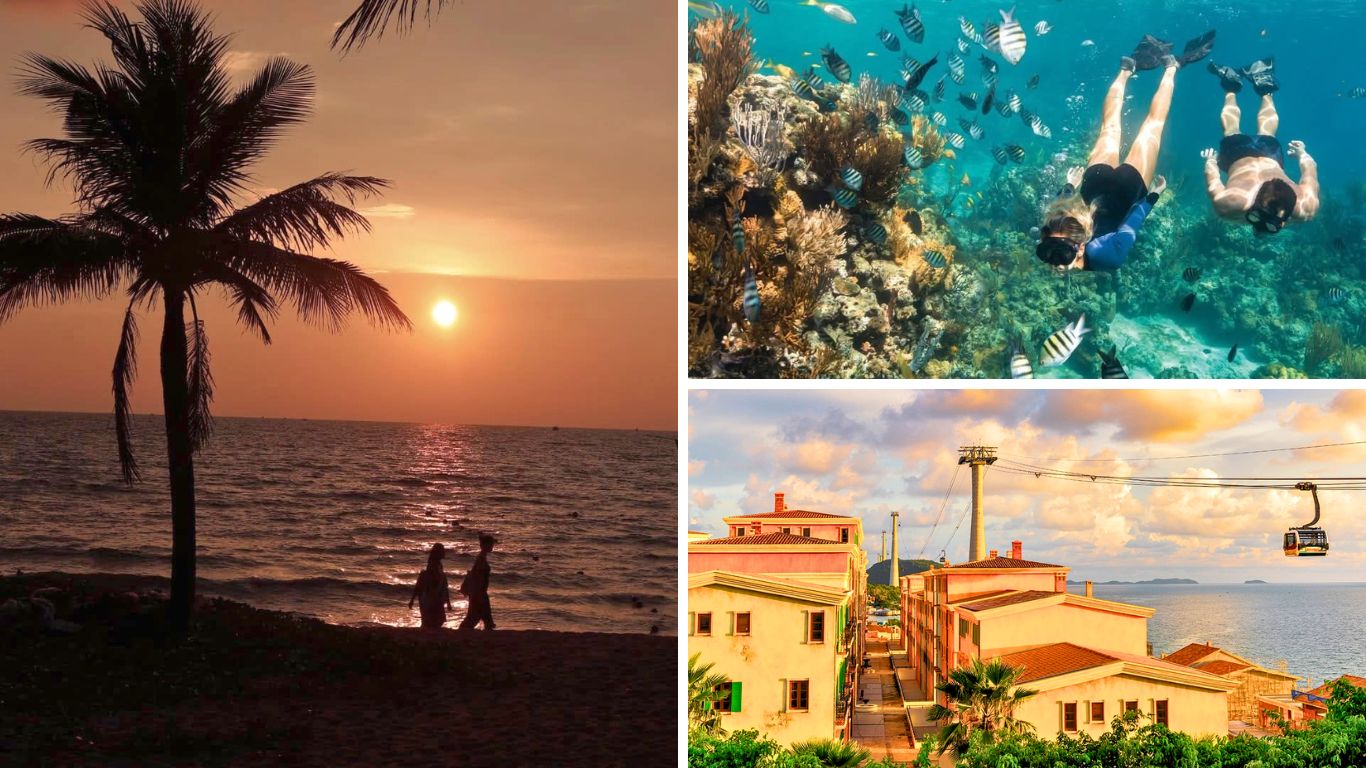
Long Beach is the most accessible and lively option, stretching along the west coast with a long row of resorts, beach bars, and sunset views. Sao Beach in the south is widely considered the most beautiful, with powdery white sand and shallow turquoise water that stays calm all through January. Ong Lang Beach sits in the quieter north and suits travelers who want a more laid-back, less crowded stretch to themselves. January’s dry conditions mean all three are in peak condition.
Snorkel and dive at An Thoi Archipelago
The waters around the An Thoi islands, just off the southern tip of Phu Quoc, are at their clearest in January, with visibility often reaching 15 to 20 metres. A speedboat day trip typically stops at three or four islands for snorkeling, with coral reefs, sea turtles, and tropical fish in abundance. For certified divers, this is one of the best months of the year to go deeper. Vietnam Travel Online can arrange private speedboat charters to the archipelago, tailored to your group’s pace and preferences.
Ride the Hon Thom Cable Car
The Hon Thom cable car is one of those experiences that sounds optional until you are standing on it. Stretching over eight kilometres above open ocean, it holds the record as the world’s longest non-stop three-rope cable car and delivers views that genuinely take your breath away. Below you, the water shifts from deep blue to pale turquoise as you approach Hon Thom Island. Give yourself at least a half-day here to explore the beach and entertainment area on the other side.
Visit Rach Vem Fishing Village
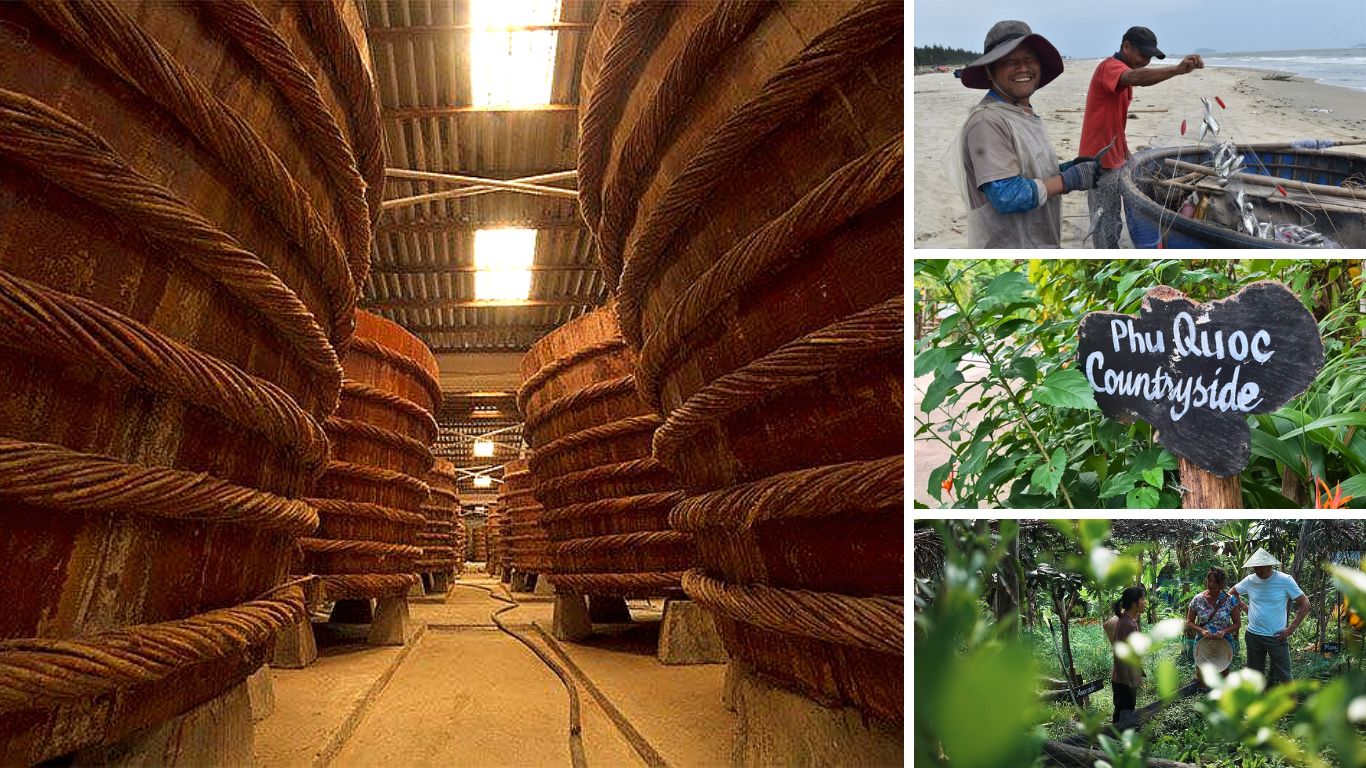
Known locally as Starfish Village, Rach Vem is a traditional floating fishing community where the shallow tidal flats fill up with bright red starfish at low tide. It is one of those places that feels genuinely untouched compared to the more tourist-heavy parts of the island. You can walk out into the water to observe the starfish up close without disturbing them, watch local fishermen bring in their morning catch, and enjoy incredibly fresh seafood at one of the floating restaurants right on the water.
Explore Phu Quoc Prison
This is not the lightest activity on the list, but it is one of the most important. Phu Quoc Prison, also known as Coconut Tree Prison, was used during the Vietnam War and holds an extensive collection of exhibits documenting the conditions prisoners endured. It is sobering and genuinely moving, and it gives you a layer of historical context for Vietnam that makes the rest of your trip feel richer. Entry is inexpensive, and guided tours are available through Vietnam Travel Online for those who want deeper insight.
Tour a pepper farm
Phu Quoc pepper is one of Vietnam’s most celebrated culinary exports, and a visit to one of the island’s working pepper farms is a surprisingly engaging way to spend a morning. You walk through rows of towering pepper vines, learn about the drying and grading process, and almost always leave with a bag of the real thing to take home. It is a low-key, interesting experience that most visitors miss entirely.
Visit the Phu Quoc fish sauce factory
Fish sauce is to Phu Quoc what cheese is to France, and a tour of one of the island’s large fish sauce producers is fascinating in a sensory, eye-opening kind of way. The production tanks are enormous, the smell is intense in the best possible way, and the guides explain the fermentation process with genuine pride. Combine this with the pepper farm for a food-focused half-day that gives you a completely different side of the island.
Watch the sunset from Ganh Dau Cape
While most visitors head to Long Beach for sunset, Ganh Dau Cape at the island’s northern tip offers a different perspective entirely. On a clear January evening, you can see the Cambodian coastline in the distance as the sky turns deep orange and pink. It is quieter than the beach bars, and the drive up through the national park adds its own appeal.
Kayak or paddleboard
The calm January seas make this the best month of the year for paddling. Ong Lang Beach and Long Beach both have equipment rentals available, and several resorts include kayaks for guests. Going out in the early morning gives you flat water, cooler temperatures, and the chance to see the island from a completely different angle.
Hike in Phu Quoc National Park
The national park covers more than half the island, and most visitors never set foot in it. January’s dry conditions make the trails accessible and the air clearer than at any other time of year. The trails are not demanding and take you through dense tropical forest with good birdwatching opportunities. A local guide is worth having here — Vietnam Travel Online can arrange a private guide who knows the trails well and can point out wildlife you would otherwise walk straight past.
Admire the sunset in Phu Quoc
If you only do one thing every evening, let it be watching the sunset. Phu Quoc faces west, which means almost any point along the western coastline turns into a stage for one of the best sunsets in Southeast Asia. Long Beach, Ganh Dau Cape, and the rooftop bars above Duong Dong town are all excellent spots. In January, with minimal haze and clear skies, the colours are extraordinary.

Explore Dinh Cau Night Market
Dinh Cau Night Market sits right beside the rocky Dinh Cau Rock shrine in Duong Dong town and comes alive every evening with grilled seafood, fresh fruit shakes, local street food, and souvenir stalls. It is louder and more local-feeling than some of the polished tourist markets, and the food quality is genuinely excellent. Go hungry, bring cash, and work your way through the stalls.
Visit Vinpearl Safari
Vinpearl Safari is one of the largest open-range wildlife parks in Southeast Asia and a genuinely impressive place, especially for families. Lions, giraffes, zebras, and rhinoceroses roam in habitats spread across a large forested area, and the safari bus takes you through each zone at a comfortable pace. The zoo section is well-maintained, and there are enough interactive experiences to keep children engaged for a full day. In January’s clear weather, the outdoor sections are at their most enjoyable.
Try a cooking class
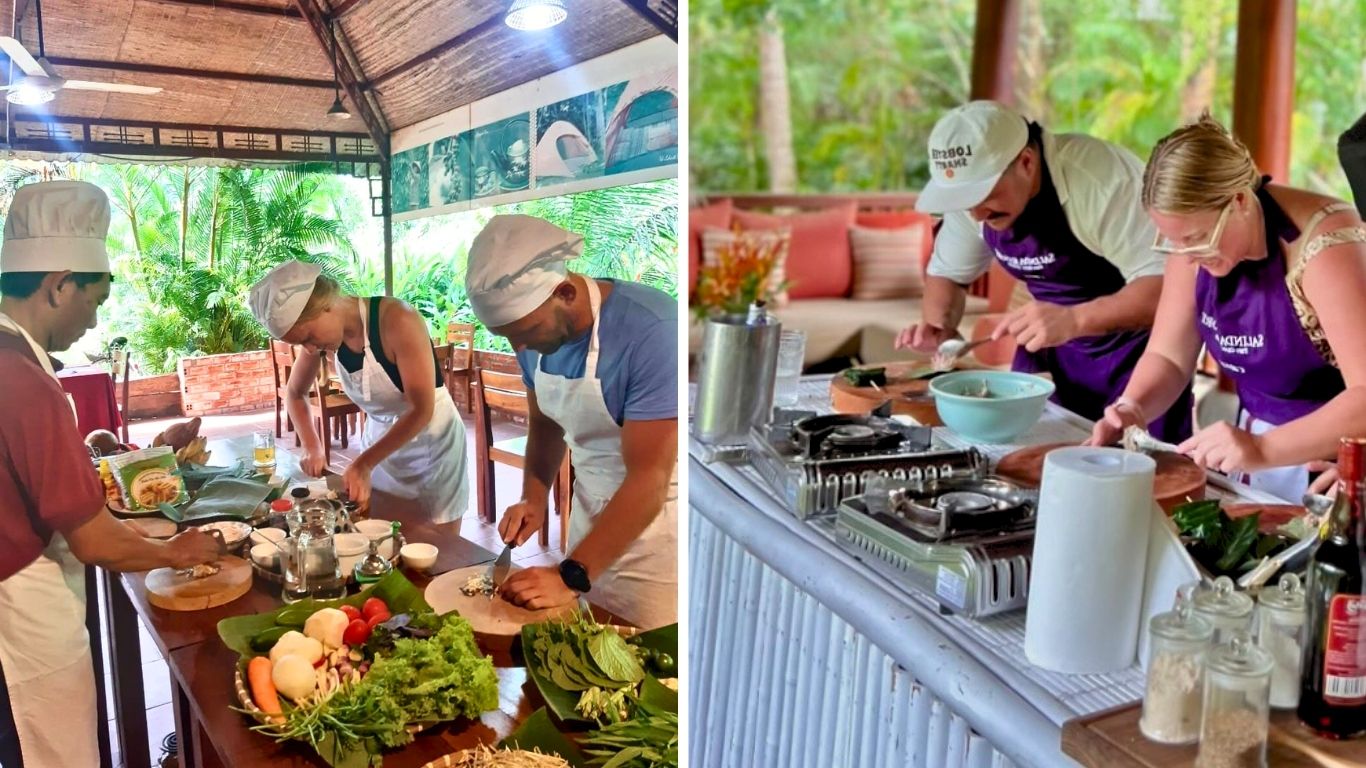
Several resorts and local operators in Duong Dong offer half-day cooking classes where you learn to make Vietnamese dishes using fresh ingredients from the morning market. It is a relaxed, hands-on experience that usually ends with you eating everything you made, and it is a great option for a slower morning between bigger activities.
Day trip to the surrounding islands
Beyond An Thoi, the waters around Phu Quoc are dotted with smaller islands that are largely untouched and rarely visited. A private speedboat charter lets you set your own pace, stop at a deserted beach for a swim, and enjoy a seafood lunch on the water without being rushed along on a shared tour schedule. Vietnam Travel Online can organize private island-hopping charters suited to exactly the kind of day you want.
Getting to and around Phu Quoc in January
Getting to Phu Quoc is easier than most people expect, and January is one of the smoothest months for travel logistics once you have your bookings locked in early.
Arriving in January
Phu Quoc International Airport receives direct flights from Hanoi, Ho Chi Minh City, and Da Nang year-round, with the Hanoi and Ho Chi Minh City routes operating multiple daily services. Flight times are short — roughly two hours from Hanoi and just over an hour from Ho Chi Minh City. Because January is peak season, fares are noticeably higher than in off-peak months. The sweet spot for booking is six to eight weeks ahead, or earlier if your dates fall around Tet. For travelers who enjoy a scenic approach, ferries operate daily from Ha Tien and Rach Gia on the mainland, with crossing times of around one hour and two hours, respectively.
Getting around the island
Once on the island, you have a few options. Renting a scooter is the most flexible way to explore and costs around $8 to $12 per day, though January’s midday heat makes long rides tiring. Taxis and ride apps like Grab are available throughout Duong Dong and along the main roads, and are a comfortable alternative for shorter trips. For families or groups visiting multiple attractions in a day, a private car with a driver is the most practical and often the most economical option when split across a group. Vietnam Travel Online includes private airport transfers and daily car hire in most Phu Quoc packages, so you are never scrambling for transport on arrival.
Phu Quoc food guide — what to eat in January
Phu Quoc’s food scene is one of the most underrated parts of visiting the island, and January is a wonderful time to eat well because the seafood is at peak freshness during the dry season. The island produces two of Vietnam’s most celebrated ingredients — pepper and fish sauce — and both show up throughout the local cuisine in ways that genuinely make dishes here taste different from anywhere else in the country.
Must-try dishes
- Bun Quay is Phu Quoc’s signature noodle dish, where fresh rice noodles come with a lightly sweetened broth and a plate of accompaniments that you mix yourself at the table. Find it at small local shops in Duong Dong town for a proper morning bowl.
- Phu Quoc pepper crab is exactly what it sounds like: fresh crab cooked with the island’s own black pepper, which is more aromatic and layered than the dried pepper you find elsewhere. Dinh Cau Night Market has excellent versions.
- Grilled scallops with garlic and chili are a night market staple and an absolute must. They arrive sizzling on the half-shell, drizzled with spring onion oil and peanuts, and disappear very quickly.
- Fish sauce hotpot (Lau Mam) is a communal, deeply savory hotpot that uses Phu Quoc’s fish sauce as the base of the broth. It is an acquired taste for some and completely addictive for others.
- Grilled sea urchin is one of those January-specific treats: the dry season brings the best sea urchin to the island, served topped with spring onion and roasted peanut.
Where to eat
Dinh Cau Night Market is the best all-around evening food destination, covering everything from grilled seafood to fresh fruit shakes and local snacks. For a sit-down seafood meal, the restaurants along the waterfront near An Thoi Port in the south offer good quality at fair prices. For Bun Quay specifically, look for the small local shops on Tran Hung Dao Street in Duong Dong rather than the tourist-facing restaurants.
Suggested Itineraries for January
Phu Quoc rewards every length of stay differently. January, in particular, is the month when every version of this island runs at its absolute best. Whether you have a long weekend or a full week, Vietnam Travel Online arranges each of these as a fully private trip. That means your own vehicle, your own guide, and your own pace from the moment you land.
3-Day Express Itinerary
Perfect for weekend travelers flying in from Ho Chi Minh City, this version covers the highlights without feeling rushed.
Day 1 starts with Long Beach already waiting. Check in, let the afternoon unfold at the water’s edge, and find a west-facing rooftop for your first Phu Quoc sunset. Then, the evening belongs to Dinh Cau Night Market, where grilled scallops and fresh seafood set the tone for everything ahead.
Day 2 begins early on the water. A private speedboat heads out to the An Thoi Archipelago while visibility is at its sharpest. Coral reefs and sea turtles sit in water so clear it barely feels real. In the afternoon, the Hon Thom Cable Car stretches eight kilometres above open ocean. The views genuinely stop you mid-sentence. Fresh seafood along the Duong Dong waterfront closes the day well.
Day 3 is for the quieter side of the island. Start with Rach Vem Fishing Village and Ganh Dau Cape, where the Cambodian coastline appears on clear January mornings. After lunch, a pepper farm tour and fish sauce factory visit reveal a completely different picture of the island before your evening departure.
5-Day Classic Itinerary
For the full Phu Quoc experience, this itinerary covers both the iconic and the overlooked. Vietnam Travel Online arranges it as a private guided package. Full details are on the Phu Quoc Luxury Retreat 5-day tour page.
Day 1 is simply for settling in. Long Beach at sunset, night market for dinner, and nothing to rush.
Day 2 opens with Phu Quoc Prison, one of the most important historical sites in southern Vietnam. Next, the ancient fishing village of Ham Ninh gives you a completely different pace. Lunch is at Duong Dong Market, followed by a long, unhurried afternoon at Sao Beach.
Day 3 belongs entirely to the ocean. A private speedboat heads to the An Thoi Archipelago for a full day of snorkeling, a seafood lunch on the island, and the Hon Thom Cable Car on the return.
Day 4 moves between wildlife and water. Vinpearl Safari fills the morning with open-range animals across a wide forested park. Then, the afternoon opens for a cooking class using market-fresh ingredients or a kayaking session on calm January water. A rooftop sunset rounds things off.
Day 5 revisits the cultural side of Phu Quoc. Rach Vem, a pepper farm, and a fish sauce factory come first. Then, a final lunch in Duong Dong before your private airport transfer.
7-Day Slow-Travel Itinerary
This one is built for families and anyone who travels to genuinely unwind. The first five days follow the classic outline above. After that, the pace shifts noticeably.
Day 6 is yours entirely at Ong Lang Beach. Start with paddleboarding or kayaking in the cooler morning hours. Then, a private beach picnic arranged through your resort takes over the afternoon. No agenda, no schedule, just the beach.
Day 7 opens with a guided hike through Phu Quoc National Park. A local expert guide makes a real difference here, turning a walk through the forest into something you actually understand and remember. Finally, one last wander through the evening market wraps up the trip before your flight.
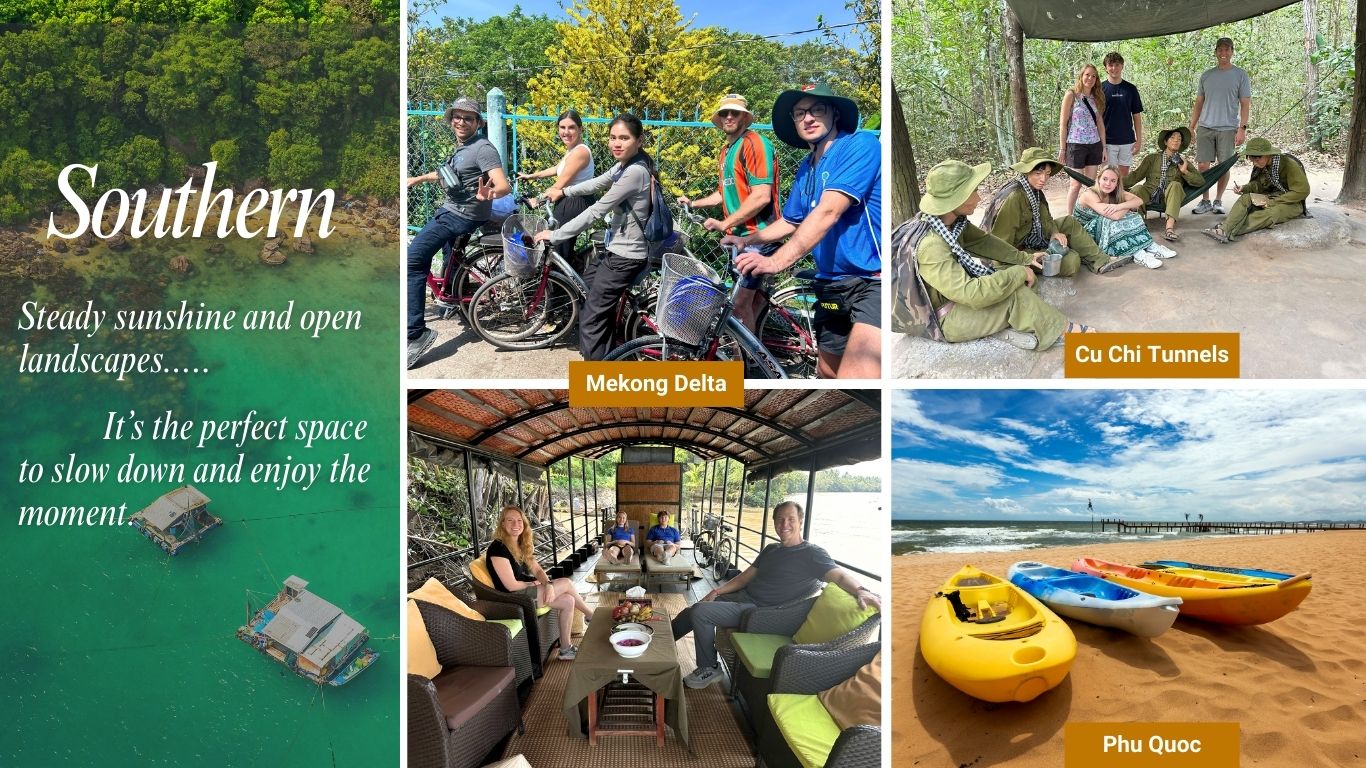
Want to combine the Mekong Delta with Phu Quoc for a proper southern Vietnam journey? The Mekong and Phu Quoc 5-day tour pairs a wooden river cruise through Cai Rang floating market with the island escape. Everything is arranged privately from start to finish.
Practical tips and packing list for January
January marks the best weather of the year on Phu Quoc, but a little preparation goes a long way in making the most of it. Here are the essentials to keep in mind before and during your trip.
- Book early: flights and beachfront hotels fill up fast in January. Reserve at least six to eight weeks in advance, ideally earlier for Tet week.
- Pack light but smart: bring light cotton clothing, sunglasses, hats, and reef-safe sunscreen. A thin jacket is useful for cool evenings.
- Stay hydrated: the weather is dry and sunny, so drink plenty of water, especially if you spend long hours outdoors or at the beach.
- Use cash for small purchases: credit cards are accepted at resorts, but local markets and food stalls almost always prefer cash.
- Avoid midday heat: plan outdoor activities like island hopping or fishing village visits for early morning or late afternoon.
- Try local transport: renting a scooter or using local taxis is easy, but always check prices beforehand to avoid overpaying.
- Protect the environment: avoid single-use plastic, do not touch corals when snorkeling, and respect local fishing areas.
- Plan tours with trusted operators: January crowds can lead to rushed group experiences. A private or customized trip ensures better timing and genuine comfort.
January packing checklist
Packing for Phu Quoc in January is mostly about sun protection and water readiness:
- Reef-safe sunscreen (SPF 50 minimum, the UV index hits 11 in January)
- A waterproof dry bag for your phone and valuables on boat trips
- Light cotton or linen clothing that breathes in the heat and humidity
- Swimwear and a quick-dry towel
- Comfortable walking sandals and one pair of closed shoes for national park trails
- A light long-sleeved layer for cool evenings and air-conditioned restaurants
- Insect repellent for evening outdoor dining
- Cash in Vietnamese Dong for markets and local food stalls
Health and sustainability
Staying hydrated in January’s dry heat is genuinely important, especially on days packed with outdoor activities. Carry a refillable water bottle and top it up at your accommodation rather than buying single-use plastic bottles. When snorkeling, avoid touching coral reefs — even brief contact can damage ecosystems that take decades to recover. Phu Quoc National Park has specific guidelines about staying on marked trails, and a private guide from Vietnam Travel Online is the best way to explore responsibly and safely.
FAQs
Is January a good time to visit Phu Quoc?
Yes, January is one of the best months to visit Phu Quoc. The weather is warm, sunny, and dry, ideal for beach activities and boat trips.
What’s the average temperature in Phu Quoc in January?
Expect daytime temperatures around 30°C and pleasant evenings around 21°C — perfect for outdoor dining or walking along the beach.
Is it crowded in January?
Yes, it’s peak season. Expect more visitors at popular beaches and attractions, so booking hotels and tours early is essential.
What should I pack for Phu Quoc in January?
Light clothing, swimwear, a hat, sunglasses, sunscreen, and insect repellent are must-haves. A waterproof bag helps protect your phone during island tours.
Can I swim in Phu Quoc in January?
Absolutely. The sea is calm and clear with an average temperature of 28°C, great for swimming, snorkeling, and kayaking.
Are restaurants and markets open during Tet (Lunar New Year)?
Most remain open, especially in tourist areas. However, book tables or island transfers early as some services may reduce hours.
How can I get around the island easily?
You can rent scooters, book taxis, or use private transfers. For families or groups, private drivers are more convenient and safe.
Is Phu Quoc expensive in January?
Prices rise slightly due to demand, but good deals are still possible with early bookings or weekday stays.