

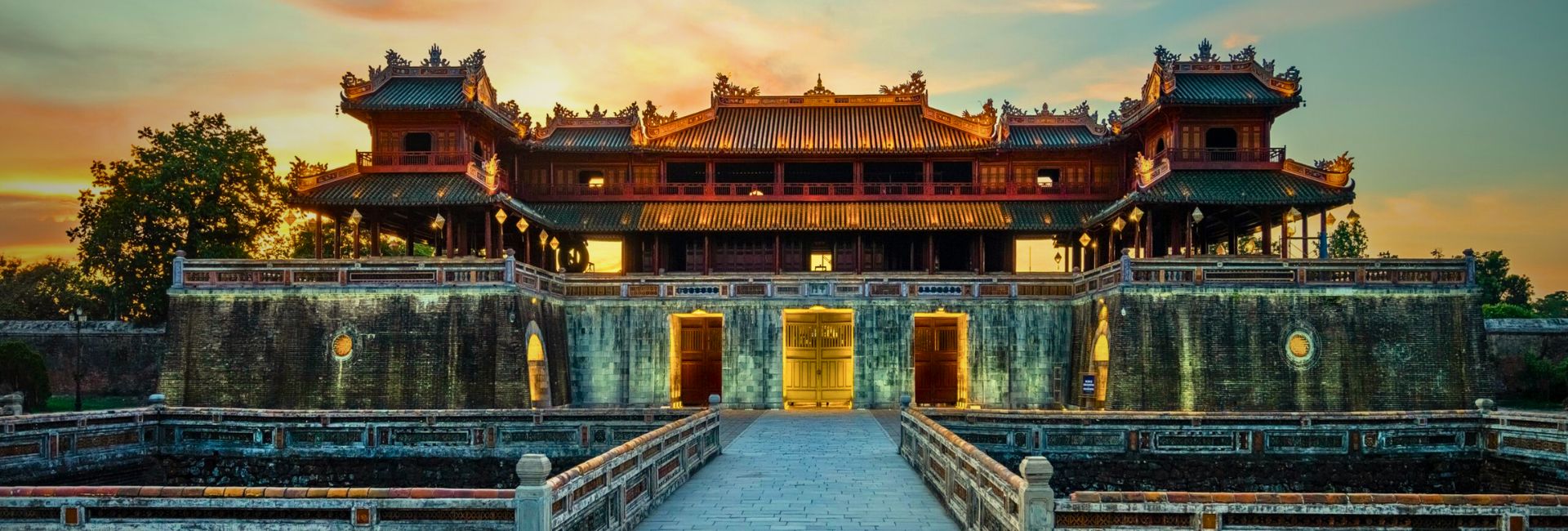
Located along the banks of the Perfume River – Hue in Central Vietnam, the Imperial City Hue is one of the most important historical landmarks in the country. Once the political and cultural heart of the Nguyen Dynasty, this vast complex of palaces, temples, and citadels continues to carry the spirit of royal Vietnam; one that is elegant, grand, and quietly powerful. Even today, its presence commands respect and admiration.
What can you find in this travel blog?
- Why is the Imperial City of Hue Important?
- What to See Inside the Imperial City Hue
- What Else to Do Near the Imperial City
- Is It Worth Visiting the Imperial City?
- Practical Tips for Visiting the Imperial City
Quick facts for your visit:
- Location: Hue City, Thua Thien Hue Province
- Opening Hours: Daily, 7:00 AM – 5:30 PM
- Entrance Fee:
- Adults: 200,000 VND (~$8 USD)
- Children: 40,000 VND (~$1.5 USD)
- How to Get There: Hue is well connected by train, car, and flight. From Da Nang or Hoi An, it’s a scenic 2–3 hour drive over Hai Van Pass. When you arrive in Hue, you can take a taxi, motorbike, or even a cyclo to the Imperial City gates.
The site is also known as the Citadel or Kinh Thành Huế, and it’s part of the UNESCO World Heritage Site list since 1993.
Why is the Imperial City of Hue Important?
A Living Monument of Vietnam’s Last Dynasty
The Imperial City was built in the early 19th century when Hue became the capital of Vietnam under the Nguyen Dynasty, the country’s last royal family. Inspired by Chinese feng shui and architecture but shaped by Vietnamese artistry, the complex was designed as a mini kingdom: enclosed walls, sacred temples, royal residences, and majestic gates.
From 1802 to 1945, thirteen emperors ruled from this city. It witnessed coronations, royal weddings, military strategy meetings, and eventually the abdication of the last emperor, Bao Dai, marking the end of monarchy in Vietnam.
From Conflict to Preservation
The Citadel was heavily damaged during wars, especially in the 1968 Tet Offensive. However, in recent decades, restoration efforts supported by UNESCO and cultural agencies have helped bring many of its palaces, gates, and temples back to life.
Today, craftspeople and historians continue to restore and revive the site, preserving its architecture and rituals for future generations. Today, you don’t just walk through ruins, you witness a revival.
What to See Inside the Imperial City Hue
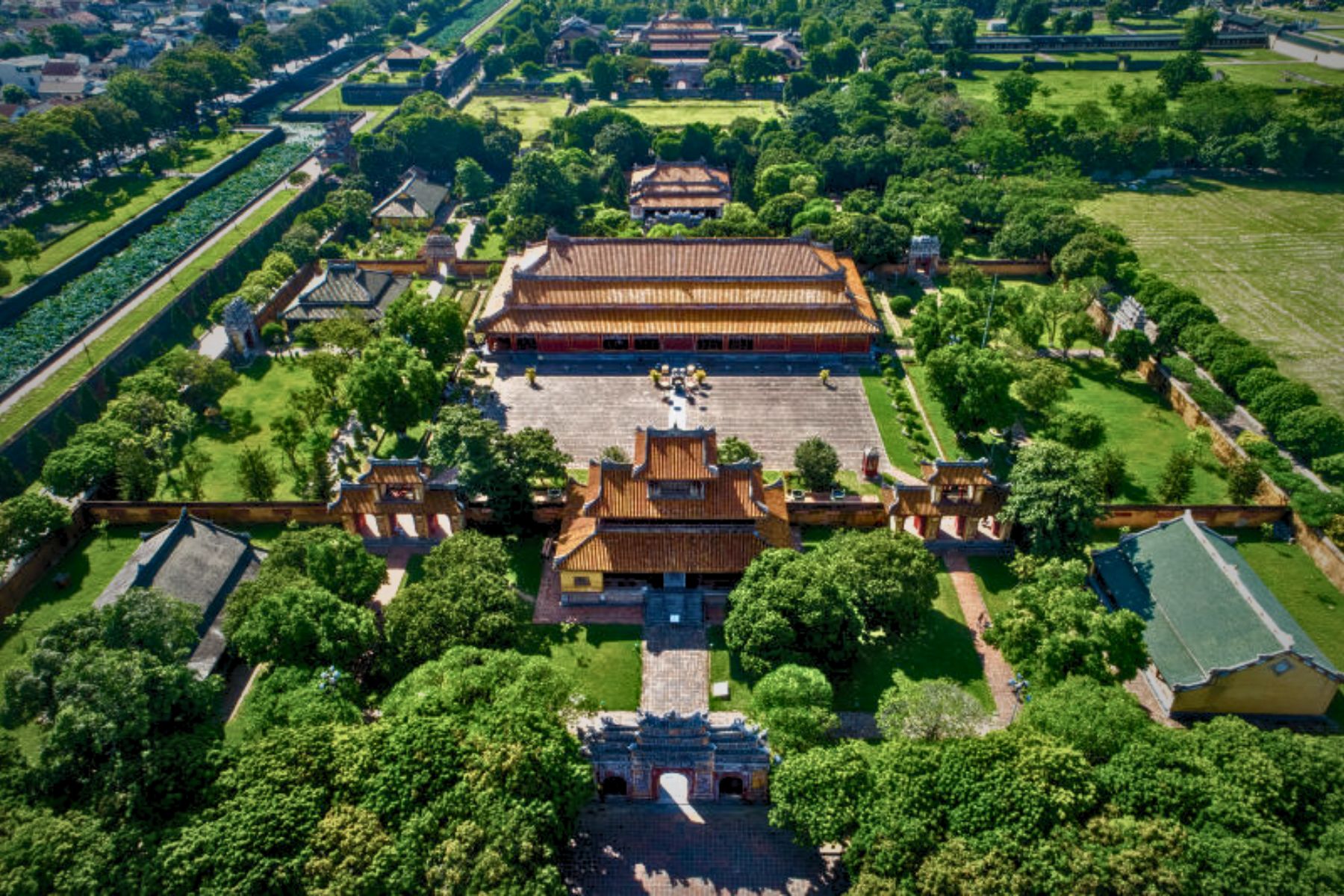
There’s a lot to explore within the walls, so give yourself 2–3 hours at least (or more if you love history and photography). The Imperial City is divided into three main areas: the Outer Citadel, the Imperial City, and the Forbidden Purple City.
Here are the must-sees:
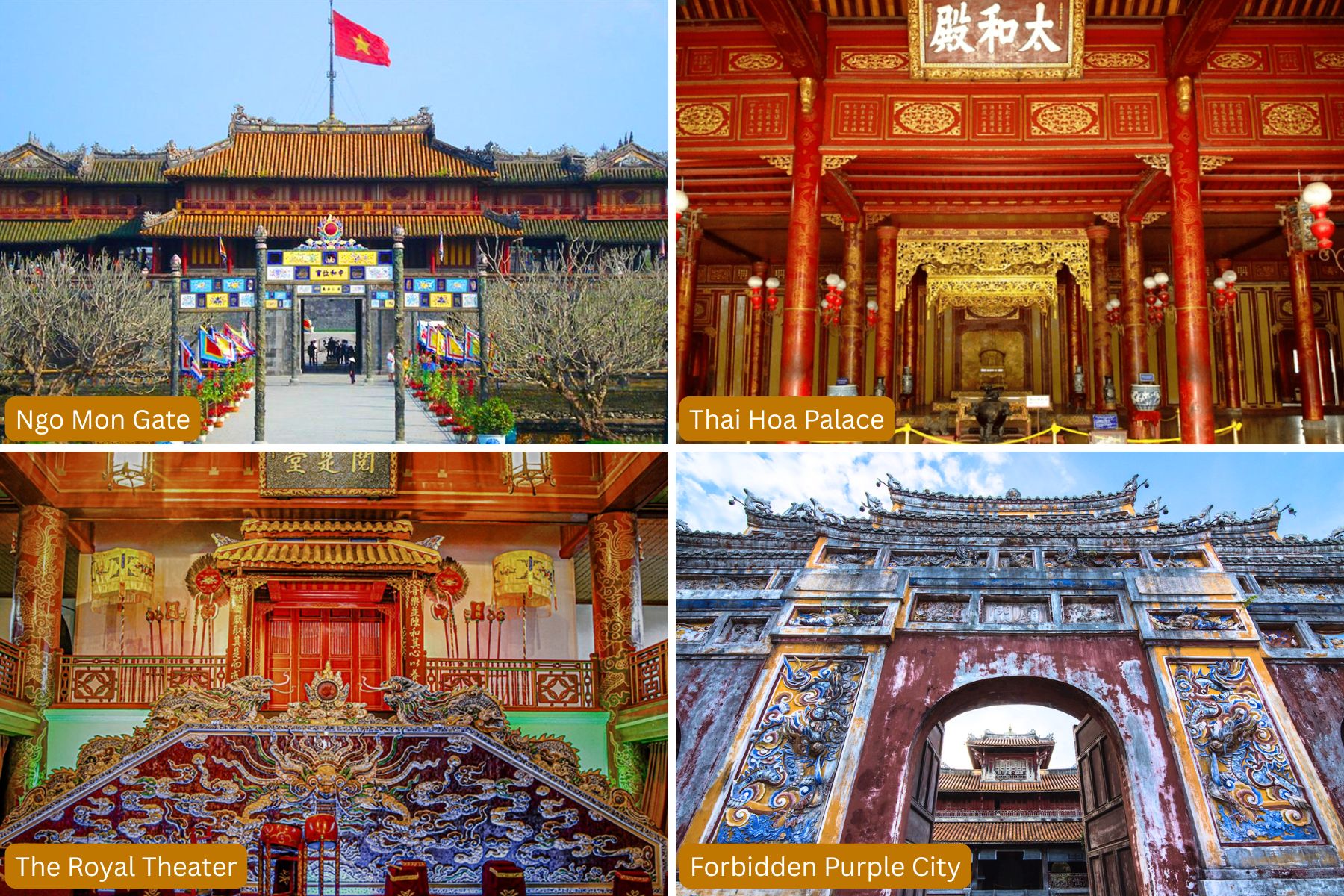
- Ngo Mon Gate: The grand main gate where the emperor used to appear before the people. Great for photos.
- Thai Hoa Palace: The Hall of Supreme Harmony, once the throne room for coronations and imperial events.
- Forbidden Purple City: The private residence of the emperor and his concubines. Though much was destroyed, it’s still fascinating to walk through.
- Dien Tho Residence: A beautiful, well-preserved building where the Queen Mothers lived.
- The Royal Theater (Duyet Thi Duong): Vietnam’s oldest surviving theater.
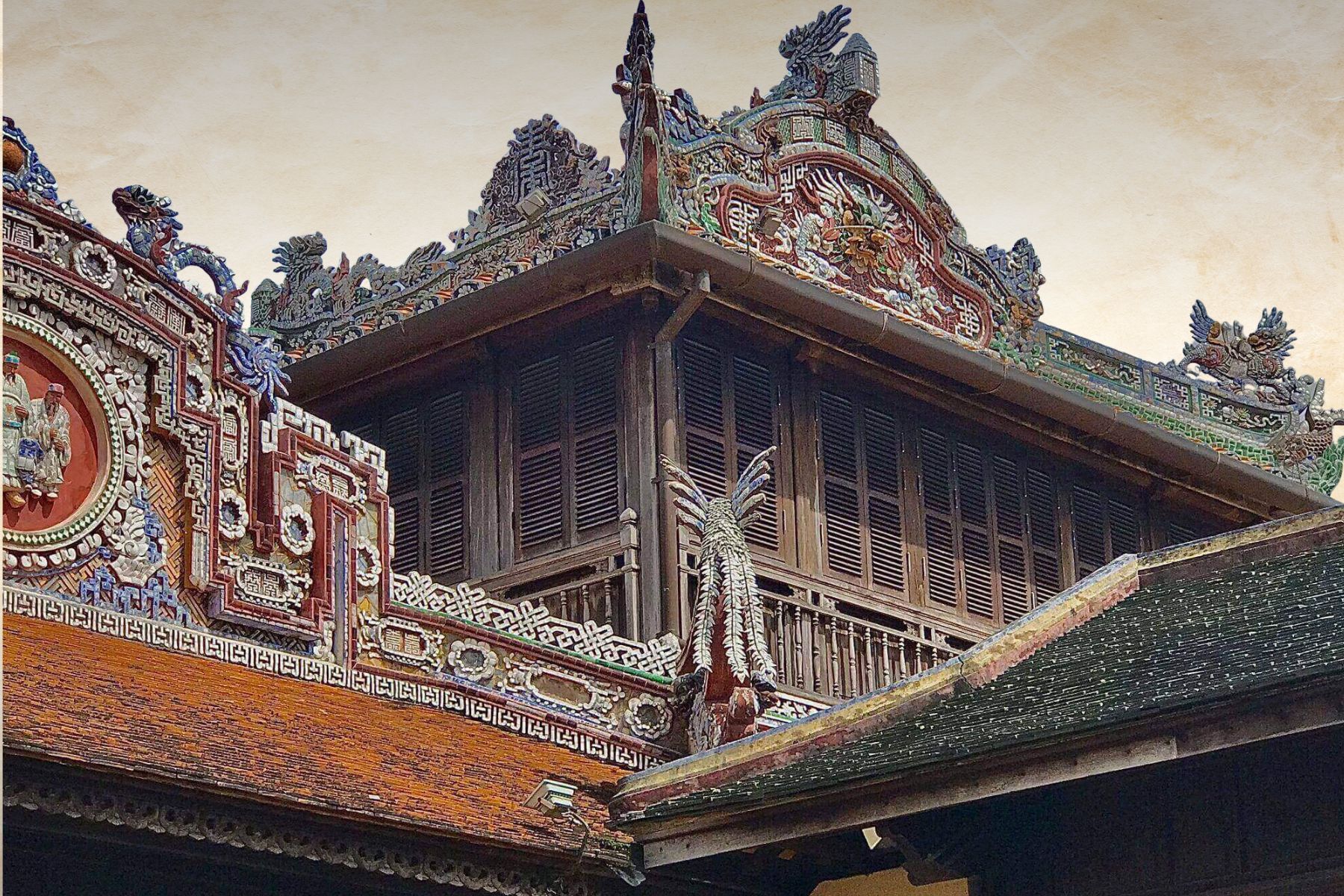
- Mandarin Houses, Temples, Pavilions: Dotted throughout the grounds, showing different aspects of royal life.
Most visitors explore on foot. The layout is large but walkable, with shaded areas and rest spots. If walking long distances is an issue, some private tours offer electric buggy services or cyclo rides.
What to Try Inside
- Dress up in royal costumes and take photos, it’s a fun and surprisingly popular activity for couples and families.
- Watch court music performances, often scheduled at the Royal Theater.
- Explore the local museum stalls near the gates. Some offer interesting books, traditional souvenirs, and calligraphy.
What Else to Do Near the Imperial City
After visiting the Citadel, there are several easy stops nearby to extend your cultural experience:
- Thế Miếu (The To Temple) – Just behind Thai Hoa Palace inside the Citadel, this is where emperors of the Nguyen Dynasty are honored with beautiful altars and incense offerings.
- Museum of Royal Antiquities – A short walk from the Citadel gates, this museum displays imperial clothing, ceramics, furniture, and treasures from Hue’s royal past.
- Dong Ba Market – Located just across the bridge, this buzzing local market is ideal for trying Hue street food or browsing for souvenirs like sesame candies, conical hats, and handmade fans.
- Trường Tiền Bridge – The iconic bridge over the Perfume River is a lovely spot for a riverside stroll, especially charming in the evening when lights reflect on the water.
- Royal Tombs (short drive away) – Visit the tombs of Emperors Khai Dinh or Minh Mang later in the day for a full “royal route” experience. Each tomb is unique in design and atmosphere. One grand and bold, the other peaceful and nature-filled.
- Try a Royal Cooking Class – Hue cuisine is known for its elegance and complexity, shaped by imperial tastes. Joining a royal-style cooking class lets you learn the stories behind each dish, and of course, taste Hue’s signature flavor.
💡 Note: Some sites within or near the Imperial City require separate entrance fees. If you book a tour through a travel agency, tickets are usually included and arranged in advance
Is It Worth Visiting the Imperial City?
Absolutely. The Imperial City is not just a monument, it’s a powerful reflection of Vietnamese history, identity, and pride.
Even if you’re not a big history buff, the atmosphere is captivating: old tiles, moss-covered walls, lingering incense smoke, and the sound of royal music in the distance. It’s one of those places where time seems to slow down.
The Imperial City is perfect for those who enjoy slow, meaningful travel. Whether you’re a couple seeking cultural depth, a family introducing your kids to Vietnam’s heritage, or a well-traveled guest wanting something beyond the usual, Hue offers something personal. The site is large yet peaceful, and with a private guide, it becomes even more rewarding. Especially for those who value insight, comfort, and a deeper story behind what they see.
Practical Tips for Visiting the Imperial City
- Dress respectfully: Sleeveless shirts and short shorts aren’t appropriate, as the Imperial City includes temples and sacred spaces. Opt for light long pants and breathable tops, it shows respect for local culture and keeps you comfortable in the heat.
- Footwear: Wear comfy walking shoes or sandals, because the grounds are large and partly uneven.
- Avoid midday heat: Morning or late afternoon is best, especially in summer months.
- Mind your manners: It’s still a sacred space. Avoid loud conversations or disruptive photos in prayer areas.
- Guided tours: Hiring a local guide (or audio guide) helps bring the stories to life.
The Imperial City isn’t just a place to visit, it’s a place to admire. And if you’d like to explore it in a personal, well-paced way, Vietnam Travel Online can help tailor a tour that fits you perfectly. From royal landmarks to local flavors, we’re here to make your time in Hue smooth, meaningful, and memorable.