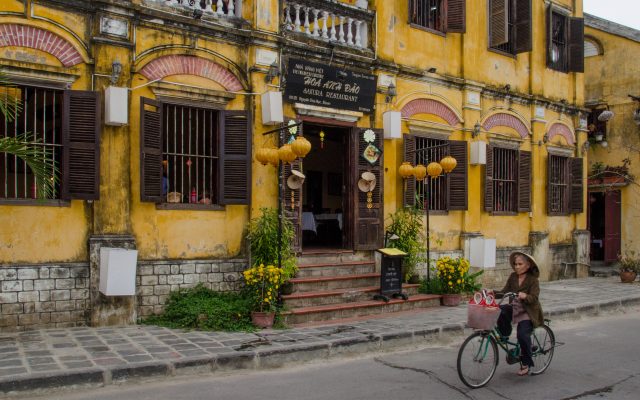

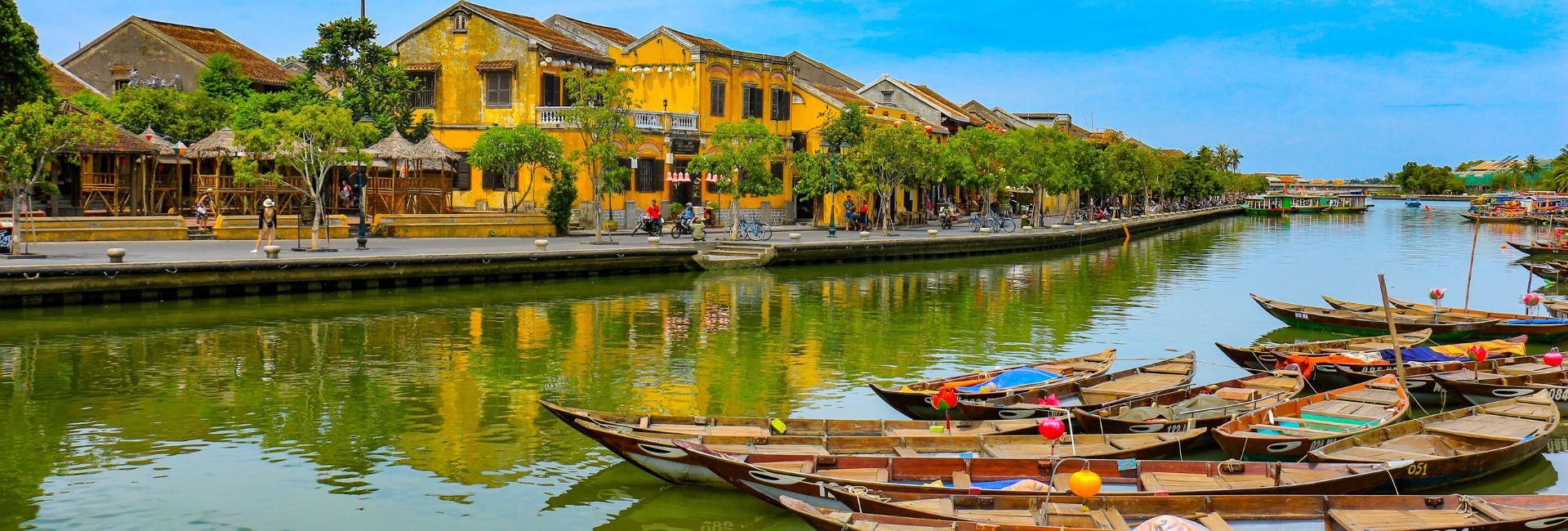
Hoi An isn’t just another stop on a Vietnam itinerary, it’s the kind of place where time feels slower, colors seem brighter, and every corner tells a story. Recognized as a UNESCO World Heritage Site, this small riverside town blends ancient charm and living culture. The first time I arrived, the sight of yellow-walled houses glowing under the evening lanterns was unforgettable, it’s one of those rare travel images that stays with you forever.
What can you find in this travel blog?
- Hoi An Ancient Town and Things You Should Know about Itself
- What to See in Hoi An Ancient Town
- What to Do in Hoi An Ancient Town
- Must Eat and Buy in Hoi An Ancient Town
- Places to Visit Outside Hoi An Ancient Town
- Practical Tips for Visiting Hoi An Ancient Town
- FAQs
Hoi An Ancient Town and Things You Should Know about Itself
A Brief History of Hoi An
Hoi An’s beauty isn’t accidental. From the 15th to the 19th century, it was one of Asia’s most important trading ports, welcoming merchants from Japan, China, India, and Europe. That explains why walking here feels like stepping into a cultural mosaic, including Japanese bridges, Chinese assembly halls, French colonial facades, and Vietnamese tube houses all stand side by side. Unlike many cities, Hoi An’s architecture has been remarkably well-preserved, which is why today you can still see, feel, and even smell history in its streets.
The Iconic Image of Hoi An
When you think of Hoi An, it’s the lantern-lit streets by the Thu Bon River that come first. At dusk, thousands of silk lanterns glow and reflect on the water, turning the town into a dreamy wonderland. Unlike Vietnam’s bustling cities, Hoi An feels slow, intimate, and timeless that made for strolling or cycling, not rushing.
But lanterns aren’t the only symbol. The golden-yellow walls of its old houses, temples, and shopfronts are just as iconic. This deep ochre tone, once linked to prosperity and royalty which glows beautifully under sunlight and becomes the perfect backdrop for colorful lanterns at night.
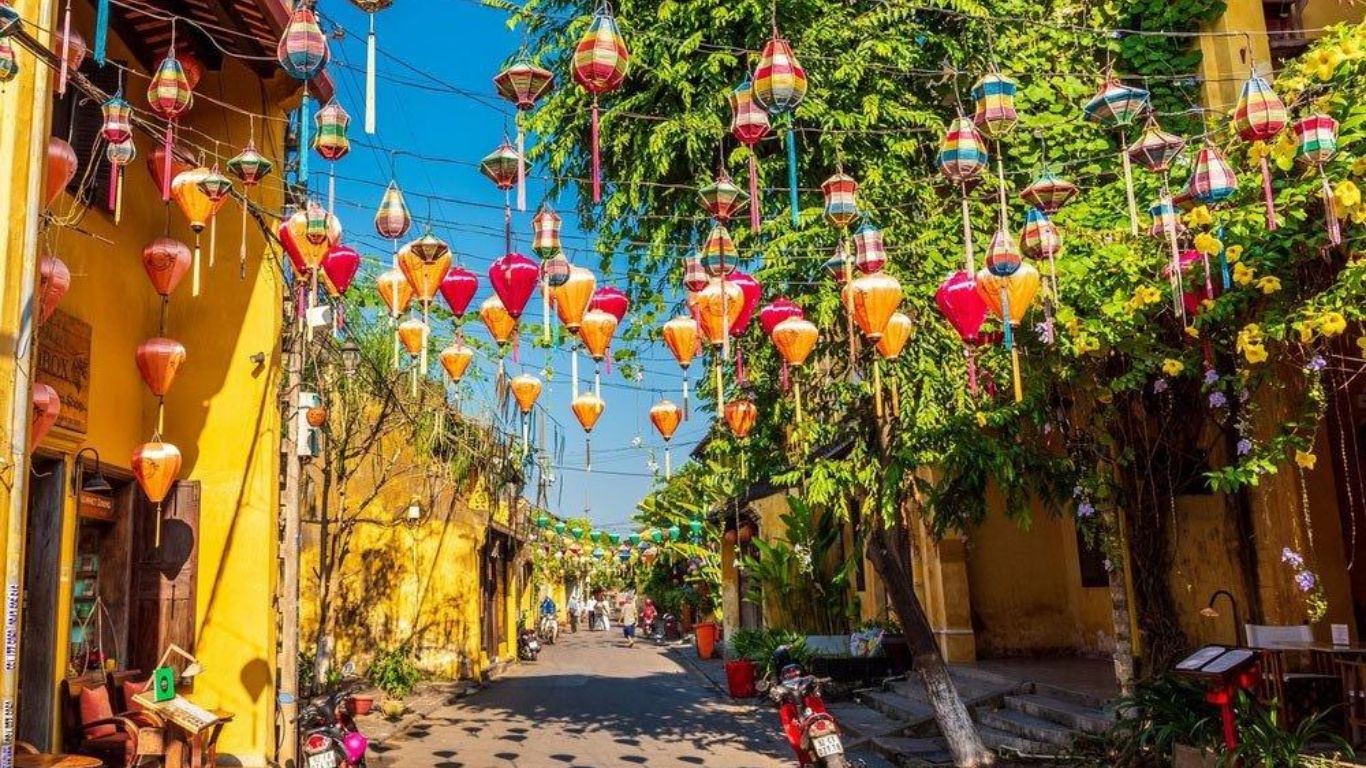
Together, the lanterns and golden walls create Hoi An’s unmistakable palette, it’s truly one of the most photogenic and memorable images of Vietnam.
Best Time to Visit & Weather in Hoi An
Having visited multiple times, here’s the truth: Hoi An is worth visiting year-round, but each season has its mood.
-
February – April: Best weather, clear skies, perfect for walking.
-
May – August: Hot but lively, great for combining with beach time.
-
September – November: Cooler, photogenic atmosphere, occasional rain.
-
December – January: Quiet, mild, but evenings can be chilly.
Tip: If you want to avoid crowds but still enjoy good weather, go in March or September.
How to Move Around Hoi An
The best part about Hoi An? It’s car-free in the old town. That means you can:
-
Walk, perfect for short distances and photography.
-
Bicycle, my personal favorite; most hotels lend them for free.
-
Boat, for a sunset trip on the Thu Bon River.
-
Motorbike/Taxi, only if you’re heading outside town (like My Son or Da Nang).
Where to Stay in Hoi An Ancient Town
Staying right in Hoi An Ancient Town means you’re only steps away from lantern-lit streets, riverside cafes, and historic houses. The area offers a mix of boutique hotels, charming homestays, and luxury resorts, all within walking or cycling distance of the Old Town. Here’s what you can expect:
-
Boutique Hotels: These are the heart of Hoi An accommodation. Think restored merchant houses with wooden beams, inner courtyards, and modern comforts. Many are tucked into small lanes, so you wake up to quiet mornings but can stroll out into the bustle in minutes.
-
Luxury Resorts: Just outside the pedestrian zone, you’ll find riverside resorts with pools, lush gardens, and spa services. They give you space to relax while still being close to the Ancient Town.
-
Heritage Homestays: If you want an authentic touch, family-run homestays inside the Old Town offer cozy rooms and insider tips on local life. It’s a warm way to feel part of Hoi An’s rhythm.
💡 My tip? Choose a place inside or near the Ancient Town if you want the magic at your doorstep. Imagine stepping out at night and being immediately surrounded by glowing lanterns and quiet river view that’s an experience you won’t forget.
What to See in Hoi An Ancient Town
Exploring Hoi An is like stepping into a storybook where every corner whispers history. The best way to soak it all in is to wander on foot or by bicycle, following a natural walking route through the Old Town:
Japanese Covered Bridge ➝ Tan Ky Ancient House ➝ Phuc Kien Assembly Hall ➝ Hoi An Market ➝ Thu Bon Riverbanks
Here’s what makes each spot special:
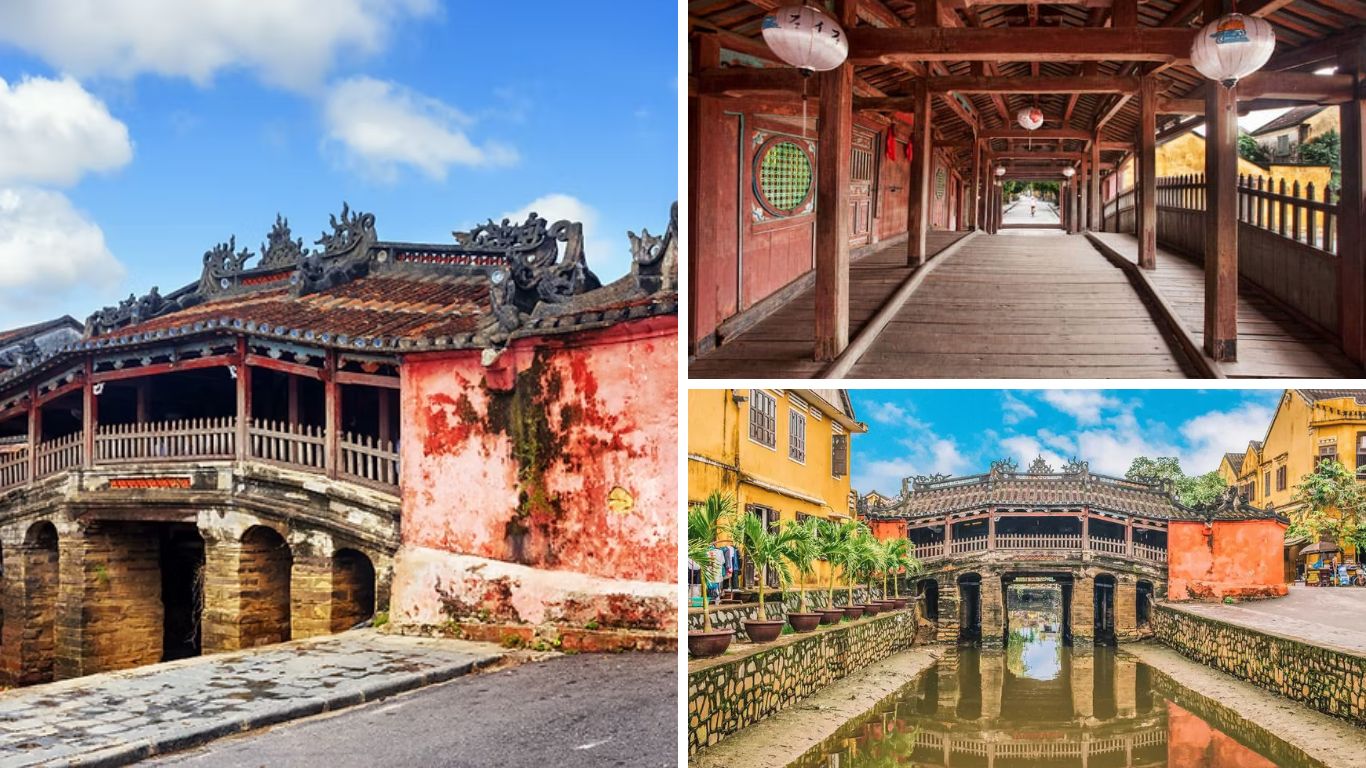
Japanese Covered Bridge (Chùa Cầu)
This 16th-century bridge isn’t just a pretty photo stop—it’s the symbol of Hoi An. Built by the Japanese community to connect with the Chinese quarter, it tells a story of trade and cultural fusion. I always pause here, not just for the architecture but for how it feels like the literal “bridge” of East and West.
Tan Ky Ancient House
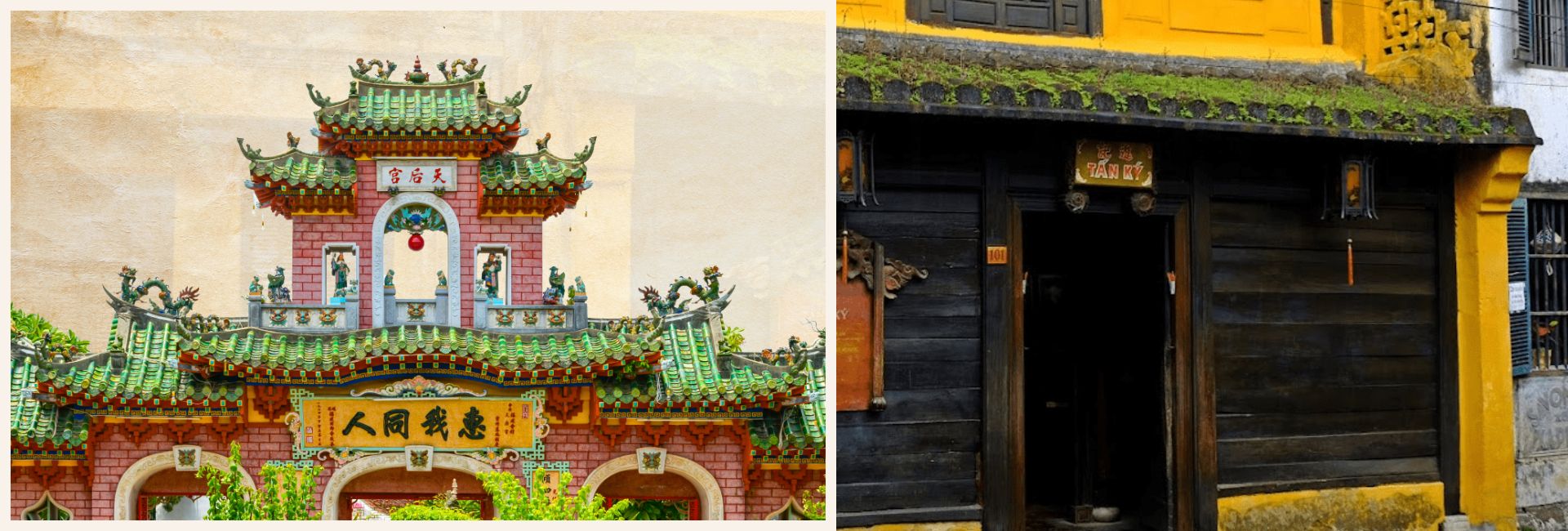
One of the best-preserved merchant homes, still cared for by the same family for seven generations. Inside, you’ll see a blend of Japanese beams, Chinese carvings, and French colonial touches—all in one house. It’s a living example of Hoi An’s multicultural soul.
Phuc Kien Assembly Hall (Fujian Hall)
Bright, ornate, and full of incense smoke, this Chinese assembly hall feels alive with prayers and offerings. The dragon-adorned gate and red lanterns make it one of the most photogenic corners of the Old Town. If you want to feel Hoi An’s spiritual side, this is the place.
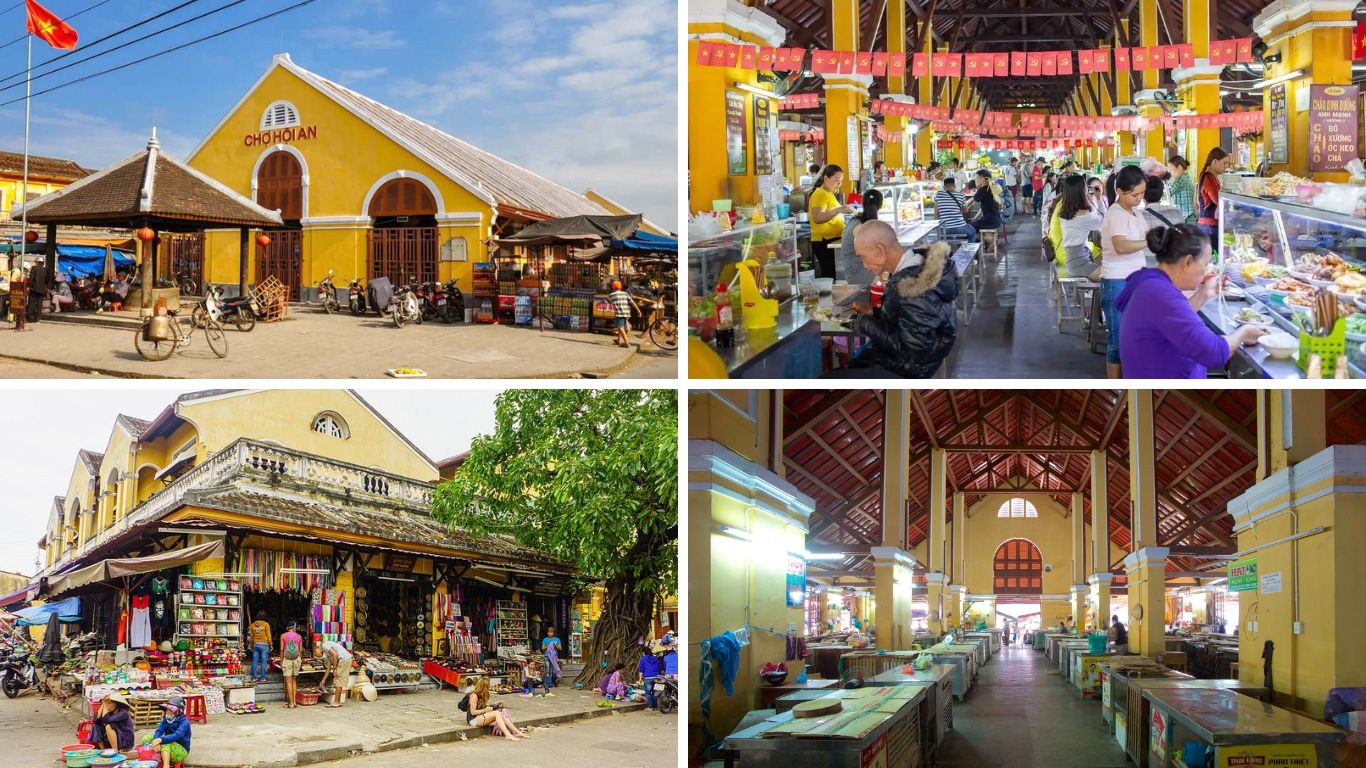
Hoi An Central Market
Forget souvenirs for a moment—this is where daily life happens. From heaps of turmeric and star anise to women bargaining over fresh fish, the market is a sensory overload in the best way. If you’re curious about Vietnamese cooking, this is where most cooking classes source their ingredients.
Thu Bon Riverbanks
End your stroll by the water. At sunset, the river turns into a stage—boats glide by, lanterns float, and street musicians play. It’s the kind of scene that makes you slow down, sit with a drink, and realize why Hoi An is unforgettable.
What to Do in Hoi An Ancient Town
Hoi An Ancient Town isn’t just a place to see, it’s a place to feel. The narrow lanes, lantern-lit evenings, and centuries-old houses invite you to slow down, wander, and take home experiences that stay with you long after your trip. Here are the ones I think you shouldn’t miss:
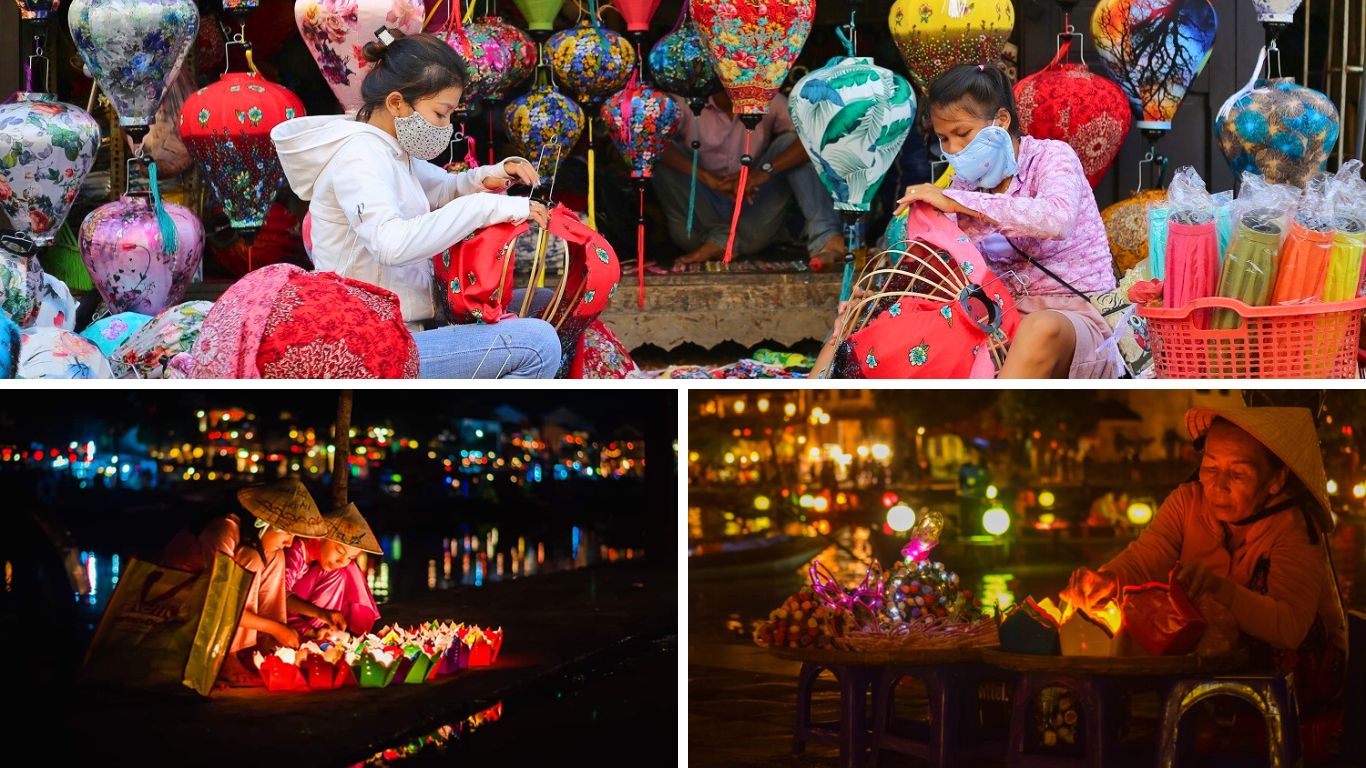
Lantern Festival
On the 14th day of every lunar month, the Ancient Town goes dark and lanterns take over. Families set paper lanterns afloat on the Thu Bon River, making quiet wishes. Standing on the riverbank, surrounded by glowing lights and temple chants, feels like stepping into another world.
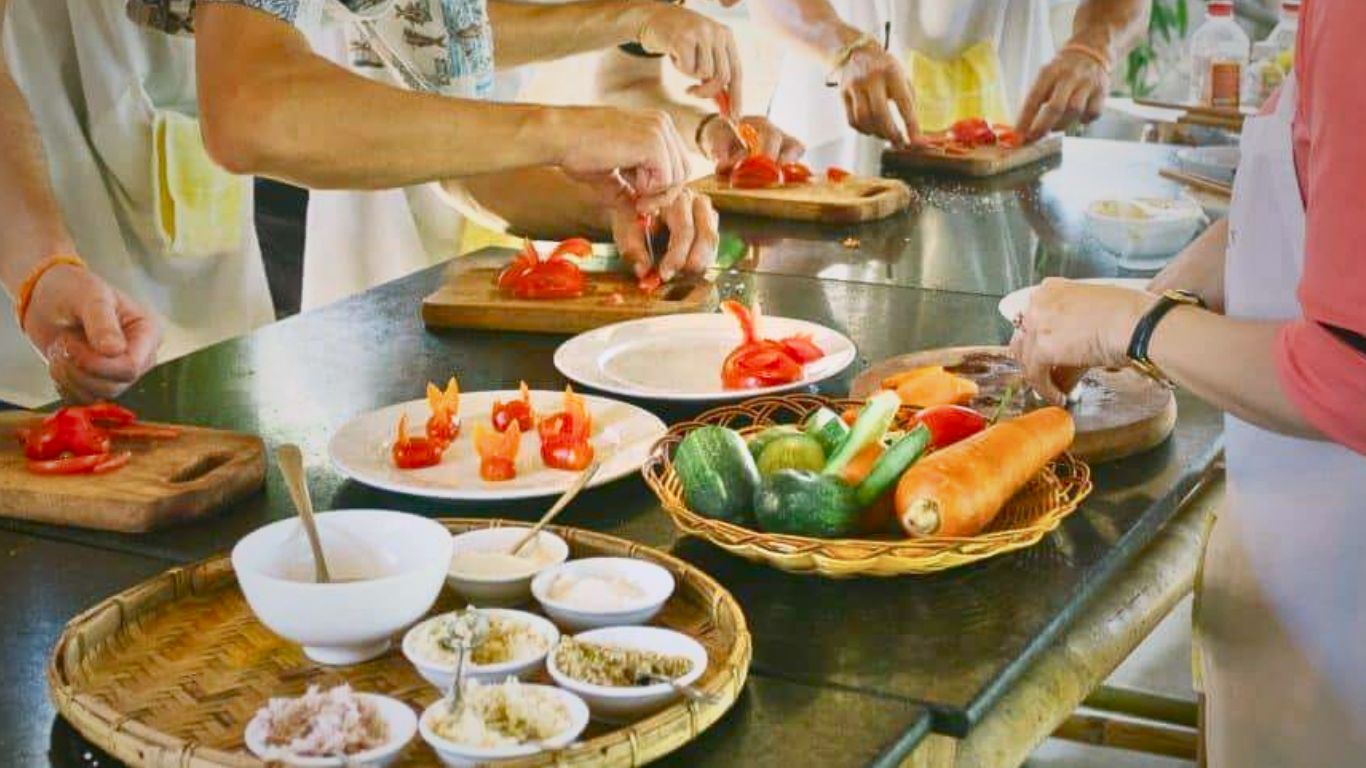
Cooking Class
Hoi An’s food is more than flavor, it’s history on a plate. Many cooking classes begin with a market visit, where you’ll learn secrets like why cao lau noodles exist only here. My first attempt wasn’t perfect, but tasting it made me realize each dish carries centuries of tradition.
Tailor Shops
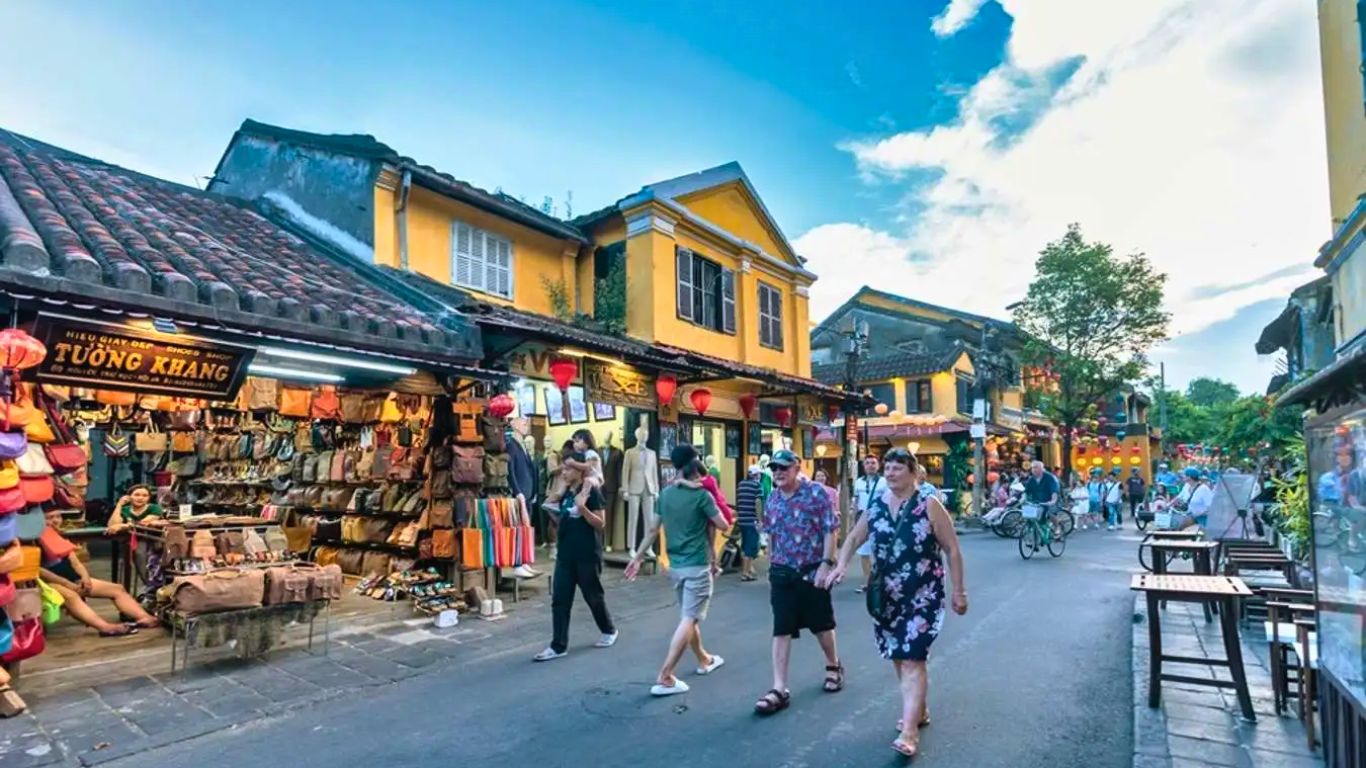
Getting clothes tailored in Hoi An is as real as the reputation suggests. I once had a linen shirt made in under 24 hours, perfectly fitted. Whether it’s a silk dress or a sharp suit, these aren’t just souvenirs — they’re pieces of craftsmanship you’ll actually use.
Ancient Houses & Assembly Halls
Step into merchant homes like Tan Ky or Phung Hung, and you’ll see how families lived for generations. The Fujian Assembly Hall is another highlight, with its incense coils, colorful gates, and carvings that tell the story of Chinese communities here. Each doorway and courtyard feels like walking back in time.
Riverside Stroll
By day, the Thu Bon riverside is lively with cafes and shops. By night, it transforms into lanterns reflect on the water, boats glide past, and the town hums with an old-world charm you won’t forget.
Must Eat and Buy in Hoi An Ancient Town
Hoi An is more than just lantern-lit streets — it’s also a place where flavors and crafts tell the story of its culture. Here’s what you can’t leave without tasting or taking home:
Must Eat
-
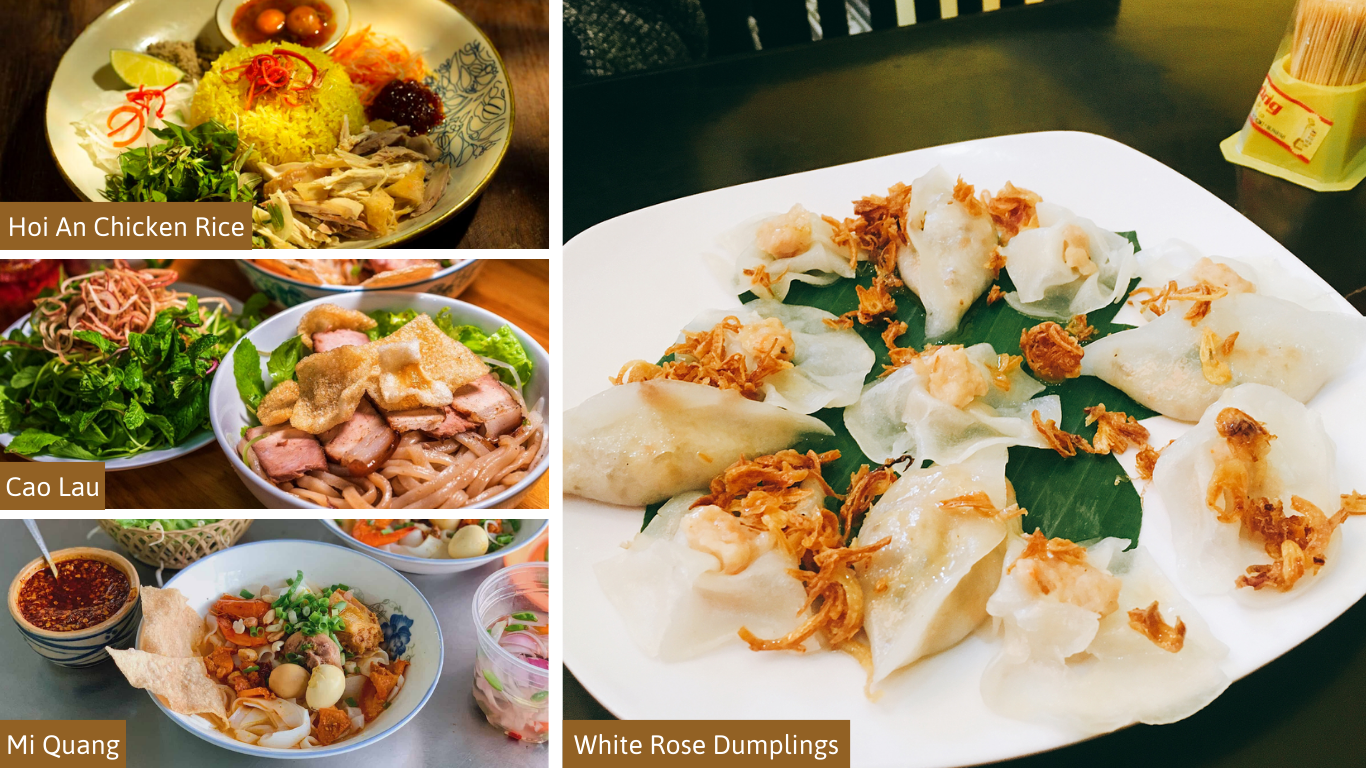
Cao Lau: The legendary noodle dish of Hoi An, made with thick rice noodles, tender pork, herbs, and crispy croutons. It’s said the water used must come from an ancient Cham well.
-
White Rose Dumplings (Bánh Bao Bánh Vạc): Elegant flower-shaped dumplings filled with shrimp or pork, a specialty made only by one family in Hoi An.
-
Hoi An Chicken Rice (Cơm Gà Hội An): Golden rice cooked in chicken broth, topped with shredded chicken, herbs, and chili jam. Comforting and local.
-
Bánh Mì Phượng: Anthony Bourdain’s favorite. Crispy baguette packed with pork, pate, herbs, and house sauces.
-
Mi Quang: Turmeric noodles with pork, shrimp, and peanuts, just lightly bathed in broth. Rich yet refreshing.
-
Mót Herbal Tea: A cooling lemongrass drink with lotus petals, sold from the famous Mót stall on Tran Phu Street.
Must Buy
-
Silk Lanterns: Symbol of Hoi An. Handmade in vibrant colors and shapes, they fold flat for easy packing.
-
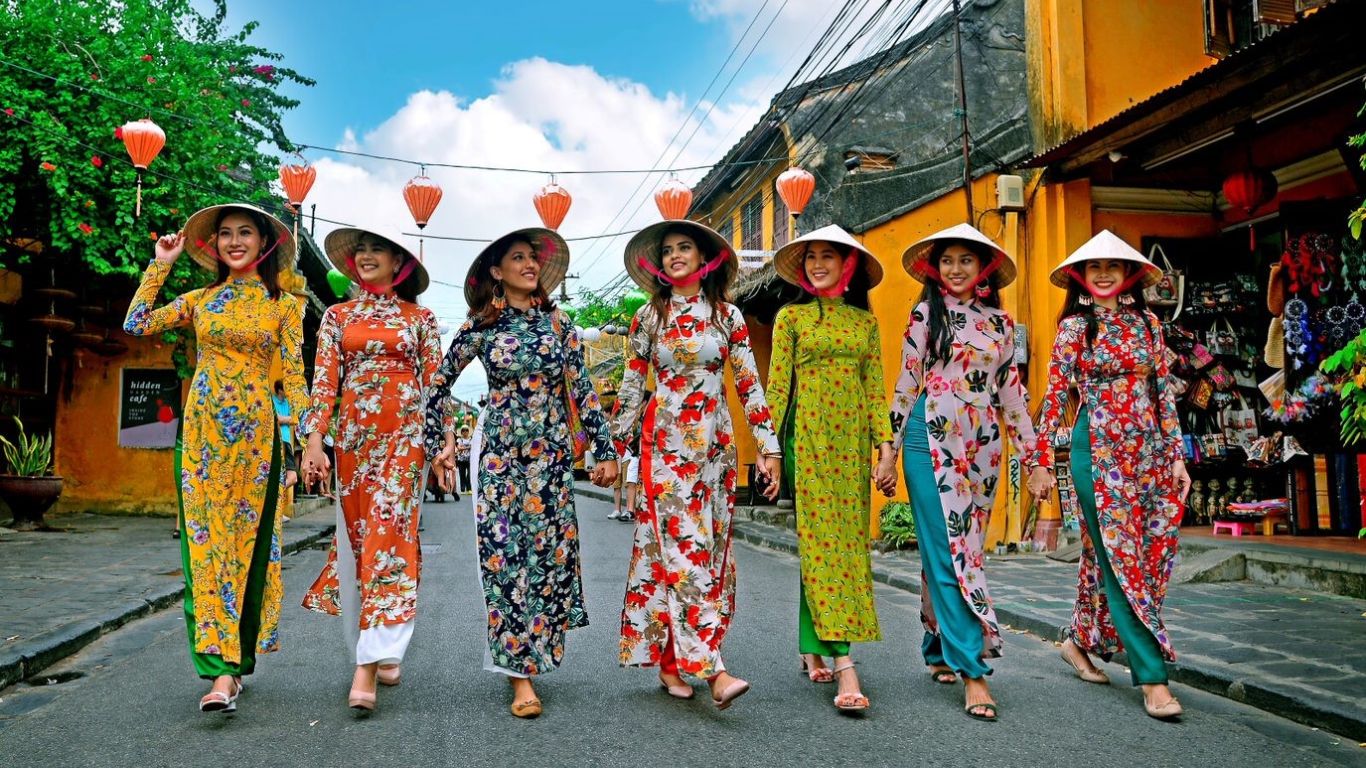
Tailored Clothing: Hoi An is Vietnam’s tailoring capital. You can get a suit, dress, or even shoes custom-made in just a couple of days.
-
Silk and Textiles: Locally woven fabrics and scarves make elegant souvenirs.
-
Handicrafts: From bamboo goods to carved woodwork, Hoi An’s artisans keep traditions alive.
-
Spices & Coffee: Perfect small gifts to bring back the taste of Vietnam.
💡Tips: Visit the night market along Nguyen Hoang Street to find the best lanterns and street snacks in one go.
Places to Visit Outside Hoi An Ancient Town
While the Ancient Town is the heart of Hoi An, some of the most memorable experiences actually lie just beyond its lantern-lit streets. If you’ve got extra time, here are my favorite nearby spots worth exploring:
-
An Bang Beach(10 minutes by bike): A laid-back escape with soft sand, fresh seafood, and sunrise views as fishermen bring in their nets. It’s the perfect balance to the town’s busy streets.
-
Cam Thanh Coconut Village(15 minutes away): Glide through water palms in a round bamboo basket boat. Yes, it’s playful, but it also connects you to a fishing tradition that still survives here.
-
Tra Que Vegetable Village (15 minutes by bike): A peaceful farming community where you can try your hand at planting, watering, and cooking with fresh herbs. It’s rural life at its most authentic.
-
My Son Sanctuary(1 hour drive): Ancient Cham temples hidden in the jungle, over 1,000 years old. Walking here feels like stepping into another chapter of Central Vietnam’s history.
-
Hoi An Memories Show (10 minutes from the Old Town): An outdoor spectacle with 500 performers, music, and lights that bring Hoi An’s history alive. It’s not just entertainment, it’s a cultural immersion.
💡My advice: spend your days exploring outside, then return to the Ancient Town in the evening when lanterns glow and the river comes alive. It’s the best way to feel both sides of Hoi An and its quiet countryside charm and its timeless trading-town spirit.
Practical Tips for Visiting Hoi An Ancient Town
-
Entry Ticket: The Ancient Town requires a ticket (120,000 VND / ~5 USD) that includes access to heritage sites like old houses, assembly halls, and museums. Tickets are valid for multiple days but allow entry to only five sites.
-
Best Time to Visit: Early mornings (before 9 am) are quiet and perfect for photos. Evenings are magical with lanterns and street food. Plan around the Lantern Festival (14th lunar day) if you can.
-
Getting Around: Cars are restricted. The town is best explored on foot or by bicycle. Walking tours and evening cyclo rides are also popular.
-
Dress Code: Light clothing for the heat, but cover shoulders and knees when visiting temples. Comfortable shoes are essential for cobblestones.
-
Shopping & Tailors: Tailor shops are quick but quality varies. Check fabrics, reviews, and delivery times. Bargain politely.
-
Food & Drink: Don’t miss cao lau noodles, white rose dumplings, and Hoi An-style banh mi. Riverside cafés are perfect for coffee and people-watching.
-
Cash & Payments: Many shops accept cards, but small vendors prefer cash (VND). ATMs are available around the town.
-
Respect Local Culture: Avoid loud behavior in temples, don’t litter, and ask before photographing locals.
FAQs
1. Do I need a ticket just to walk around Hoi An Ancient Town?
No, walking is free. The ticket is only required to visit official heritage sites such as old houses, assembly halls, and museums inside the Ancient Town.
2. How old is Hoi An Ancient Town?
Hoi An dates back over 400 years, flourishing as a major trading port in the 15th–19th centuries where merchants from Japan, China, and Europe settled. Its well-preserved architecture is why it’s now a UNESCO World Heritage Site.
3. What food is Hoi An famous for?
Some must-try dishes include:
-
Cao Lau – unique noodle dish made with water from an ancient well
-
White Rose Dumplings – flower-shaped specialty
-
Hoi An Chicken Rice – flavorful yellow rice with shredded chicken
-
Banh Mi Phuong – world-famous Vietnamese sandwich praised by Anthony Bourdain
4. How many days should I spend in Hoi An?
Two to three days is perfect. One full day for the Ancient Town, another for beaches or countryside cycling, and an optional third for a day trip to My Son Sanctuary or the Marble Mountains.
5. When is the Lantern Festival in Hoi An?
The festival happens on the 14th day of the lunar month, when electric lights are turned off and thousands of colorful lanterns illuminate the streets and Thu Bon River.
6. Is Hoi An safe for travelers?
Yes, it’s considered one of the safest destinations in Vietnam. Just keep an eye on personal belongings in crowded markets and be cautious when cycling.
7. Can I get tailor-made clothes in just a day?
Yes, many tailors offer 24-hour service. However, allowing 2–3 days ensures proper fittings and better quality.
8. Where should I stay in Hoi An?
If you want to be at the heart of the action, stay inside or near the Ancient Town for easy access to shops, lantern-lit streets, and cafés. For a quieter escape, boutique resorts along An Bang Beach are just 10–15 minutes away.
9. What can I buy in Hoi An?
Popular souvenirs include handmade silk lanterns, tailored clothing, traditional textiles, bamboo crafts, and local coffee or spices.
10. What’s the best way to get around?
Hoi An Ancient Town is pedestrian-only, so walking is best. For nearby villages or beaches, you can rent a bicycle, take a motorbike, or use a short taxi ride.
If you’re drawn to a journey that blends heritage, culture, and a touch of everyday charm, we’d be honored to help you plan it. At Vietnam Travel Online, we design personalized Hoi An Ancient Town experiences that go beyond the usual sightseeing. Whether you’d like a slow-paced day wandering the lantern-lit streets, a hands-on cooking class, or a countryside ride to the rice fields and beaches, we’ll tailor everything to your rhythm and interests.
Let your time in Hoi An be meaningful, not just memorable.