

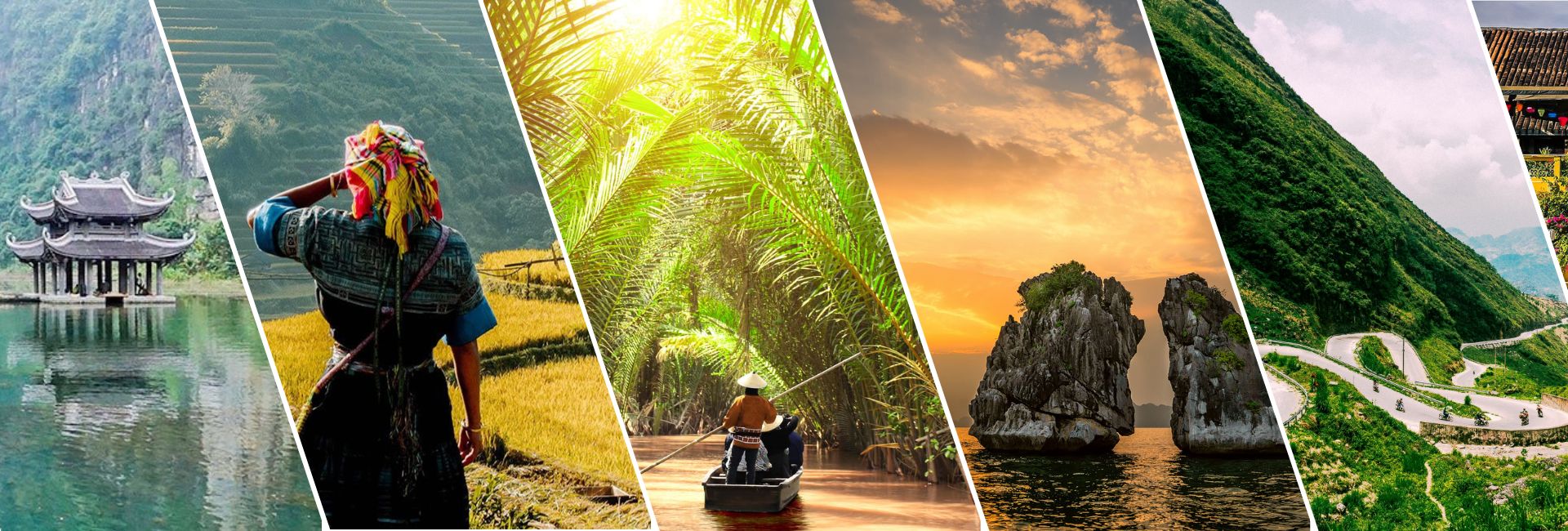
If it’s your First Time in Vietnam, you’re in for an unforgettable adventure. This slender S-shaped country is a rare blend of ancient traditions, modern energy, diverse landscapes, and world-class cuisine. From limestone mountains and terraced rice fields in the north, to imperial cities in the center, to tropical islands in the south. Vietnam is a destination that truly has it all.
But here’s the thing: Vietnam is long, and traveling from north to south can take time. You can’t see everything in one trip, so choosing the right route is the key to a memorable, comfortable journey. This guide walks you through must-visit destinations, the best times to go, and suggested itineraries to make your first Vietnam trip effortless and inspiring.
What can you find in this travel blog?
- First Time in Vietnam, Where to Go?
- Suggested Itineraries for the First Time in Vietnam
- What Food You Should not Miss at this First Time in Vietnam
- Practical Travel Tips When You First Time in Vietnam
- FAQs
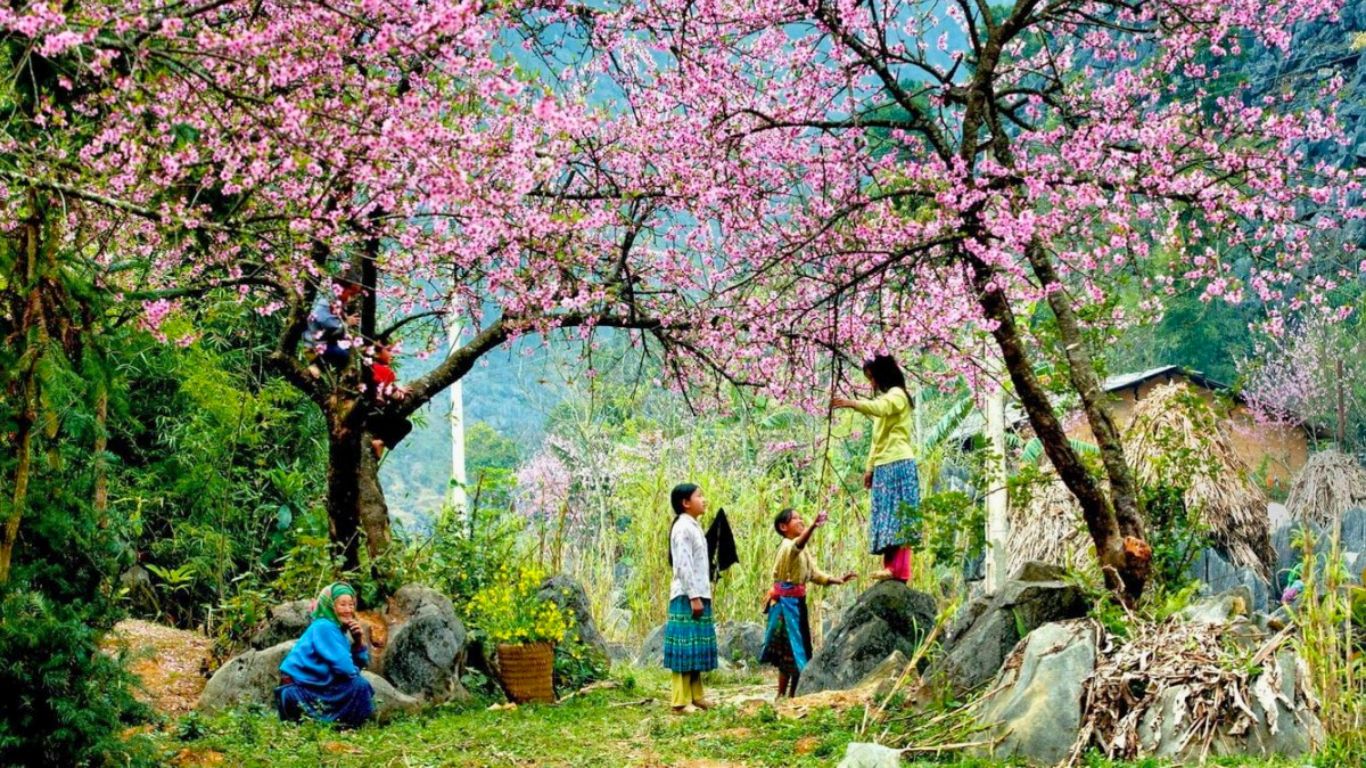
First Time in Vietnam, Where to Go?
If you’re visiting for the first time, think of Vietnam as three distinct travel zones: North, Central, and South. Each has its own character, experiences, and best travel seasons. The most enjoyable trips focus on just one or two regions rather than rushing through the entire country.
Northern Vietnam
Northern Vietnam is where you’ll find the country’s political capital, cultural heart, and some of its most breathtaking scenery. Expect cooler winters, misty mountain views, and easy day trips between major attractions.
Key Highlights:
-
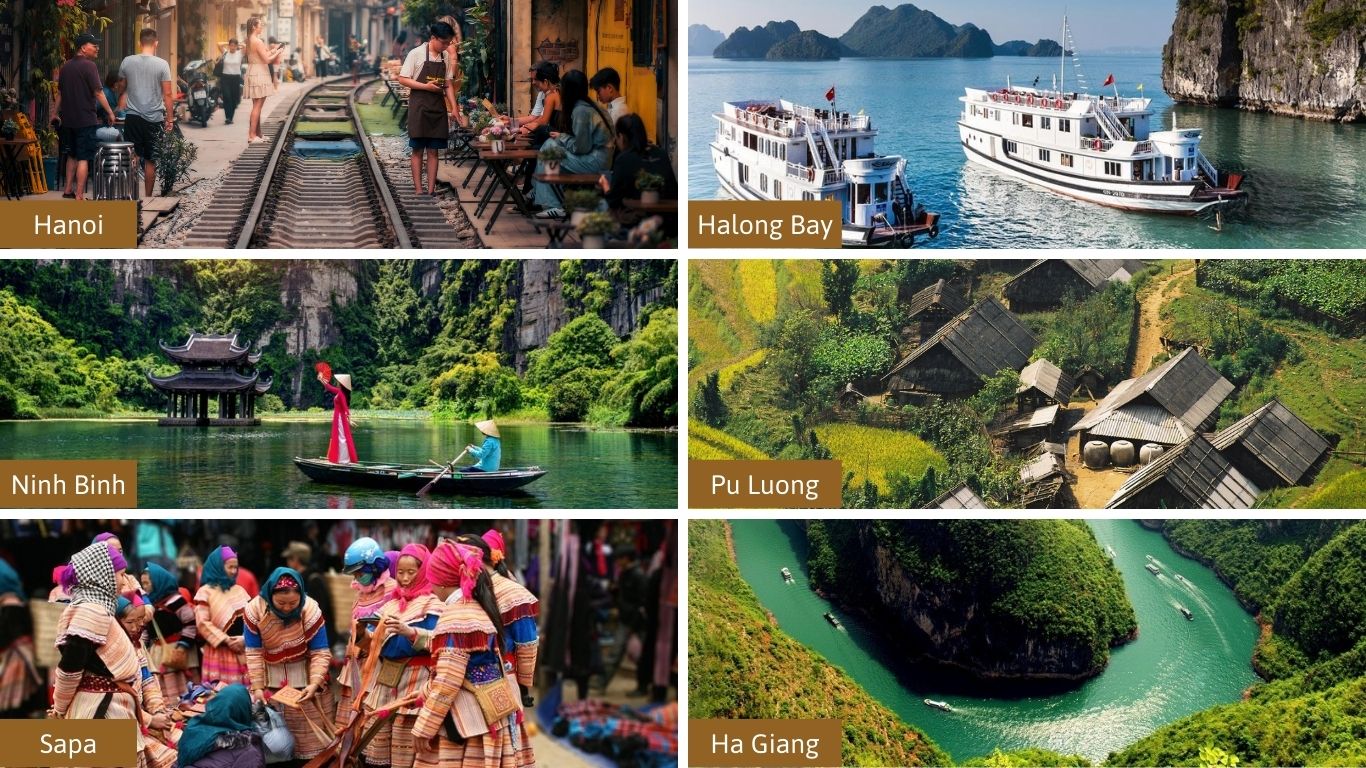
Hanoi:
Vietnam’s lively capital mixes French colonial charm, a bustling Old Quarter, and a world-famous street food scene.
Best time to visit: October to April for cooler weather.
-
Ha Long Bay
A UNESCO World Heritage Site with emerald waters and towering limestone islands. Best explored on an overnight cruise.
Best time to visit: October to April; summer is hot but less crowded.
-
Ninh Binh:
Often called “Ha Long Bay on land,” with limestone cliffs, winding rivers, and rural charm. Perfect for cycling and boat trips.
Best time to visit: November to April for pleasant weather.
-
Sapa:
Mountain town famous for rice terraces, ethnic minority culture, and cool climate. Trekking is the highlight here.
Best time to visit: March to May or September to November for clear views.
-
Pu Luong:
A peaceful alternative to Sapa, with fewer tourists, lush valleys, and authentic homestays.
Best time to visit: September to November or February to April.
-
Ha Giang:
Vietnam’s most rugged and scenic loop, perfect for adventurous travelers seeking untouched landscapes.
Best time to visit: September to October for golden rice fields.
Experiences not to miss: Street food tours in Hanoi, coffee tastings in hidden cafés, and traditional water puppet shows.
Sapa vs Ha Giang vs Pu Luong, Which to Choose?
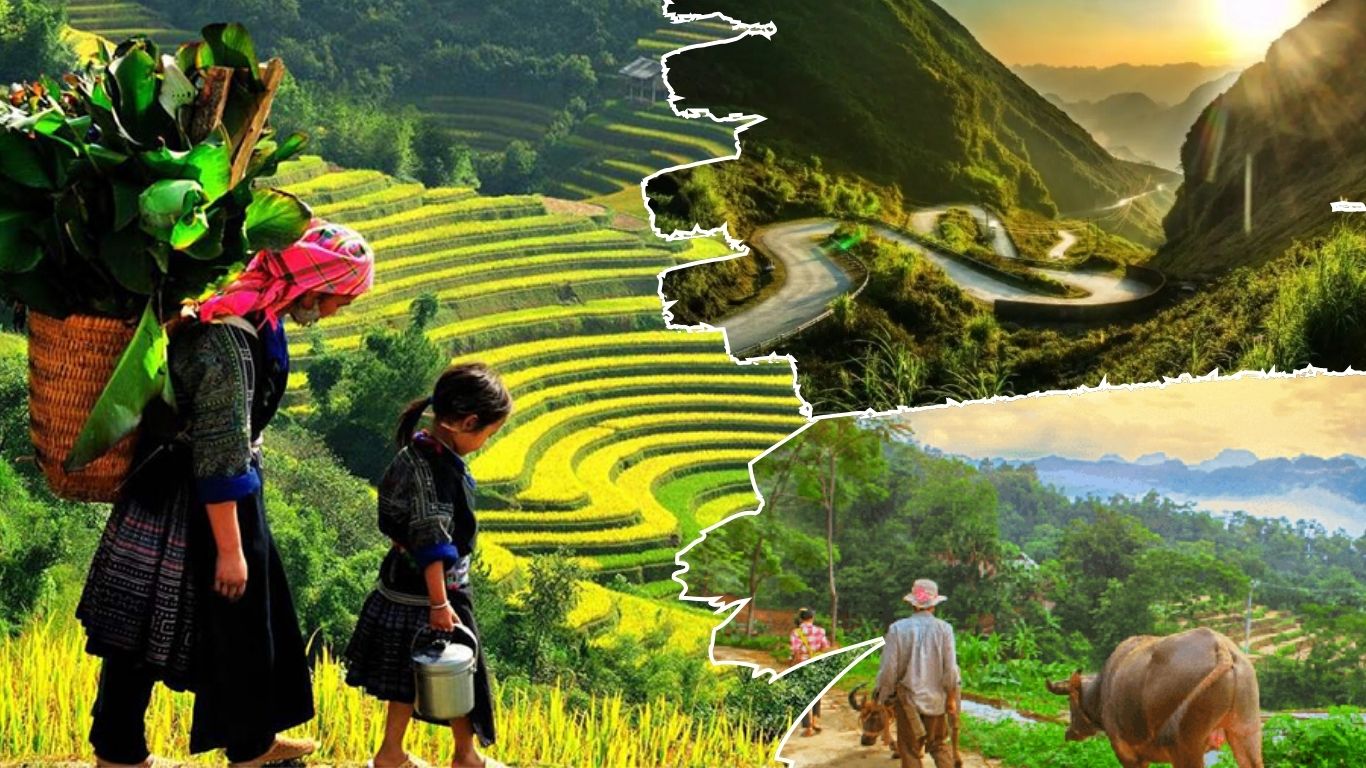
If you’re short on time, here’s a quick comparison:
| Destination | Landscape | Accessibility | Travel Style | Best for |
| Sapa | Rice terraces, mountain villages | Overnight train/bus from Hanoi | Popular, well-developed | First-timers who want trekking + comfort |
| Ha Giang | Dramatic mountain passes, ethnic culture | 6-7 hrs by car from Hanoi | Remote, adventurous | Experienced travelers who love motorbike loops |
| Pu Luong | Valleys, farms, waterfalls | 4 hrs by car from Hanoi | Quiet, eco-lodges | Relaxed nature lovers |
Recommendation: For a first trip, Pu Luong or Sapa offers a smoother experience, with Ha Giang best saved for a second visit unless you have more days.
Central Vietnam
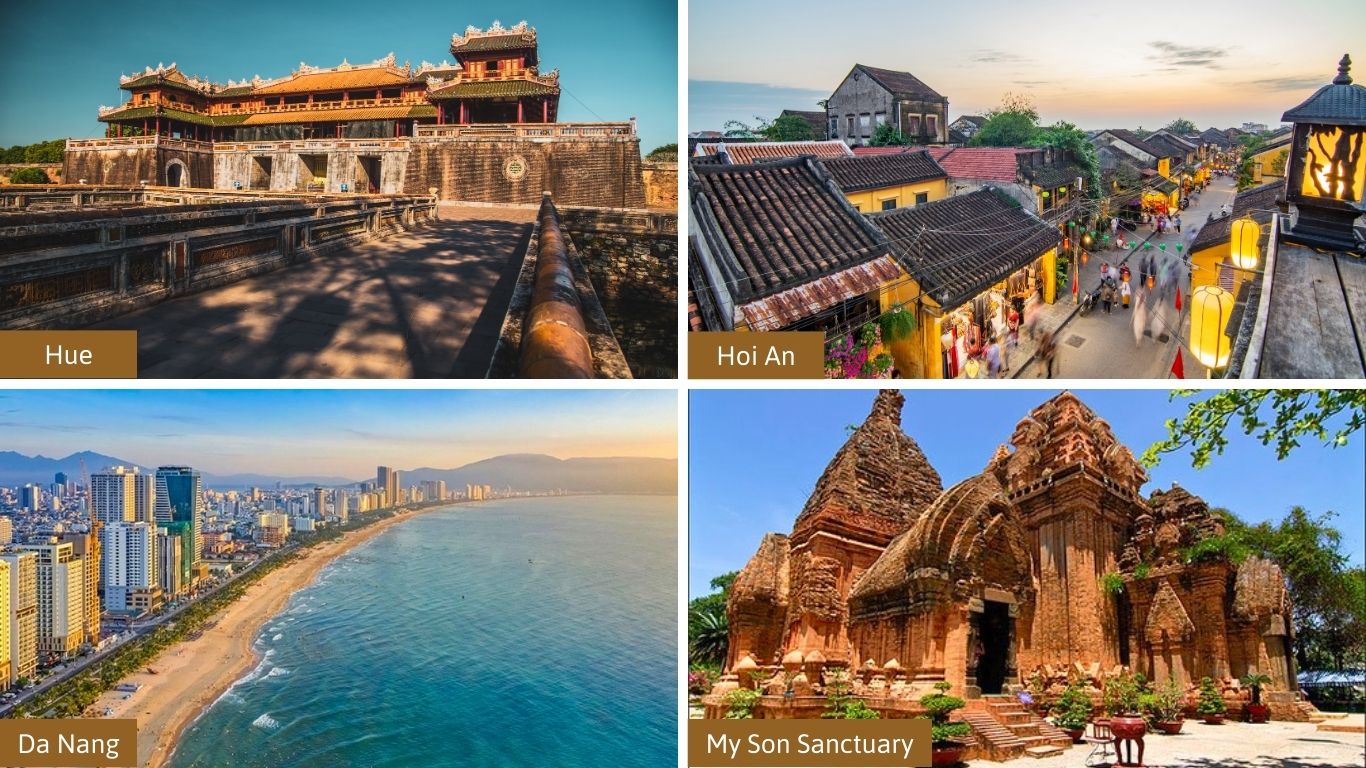
Central Vietnam blends imperial heritage in Hue, lantern-lit streets in Hoi An, and Da Nang’s beaches and landmarks, all within a few hours’ reach. It’s ideal for travelers who want history, local flavors, and seaside relaxation without rushing between destinations.
Best for: History lovers, relaxed travelers, and foodies who enjoy a slower pace. Central Vietnam blends imperial heritage, charming towns, and dramatic coastlines.
Key Highlights:
-
Hue:
The former imperial capital, home to the UNESCO-listed Citadel, royal tombs, and serene pagodas.
Best time to visit: March to August for sunny weather.
-
Hoi An:
A picture-perfect ancient town lit by lanterns at night, with tailor shops, riverside cafés, and nearby beaches.
Best time to visit: February to April for mild temperatures.
-
Da Nang:
A modern beach city with Marble Mountains, My Khe Beach, and easy access to Hoi An and Hue.
Best time to visit: March to August.
-
My Son Sanctuary:
Ancient Cham ruins in a lush valley, perfect for a half-day cultural trip from Hoi An.
Best time to visit: February to April.
Travel Style: Coastal drives, historical tours, and laid-back evenings by the river or beach.
Southern Vietnam
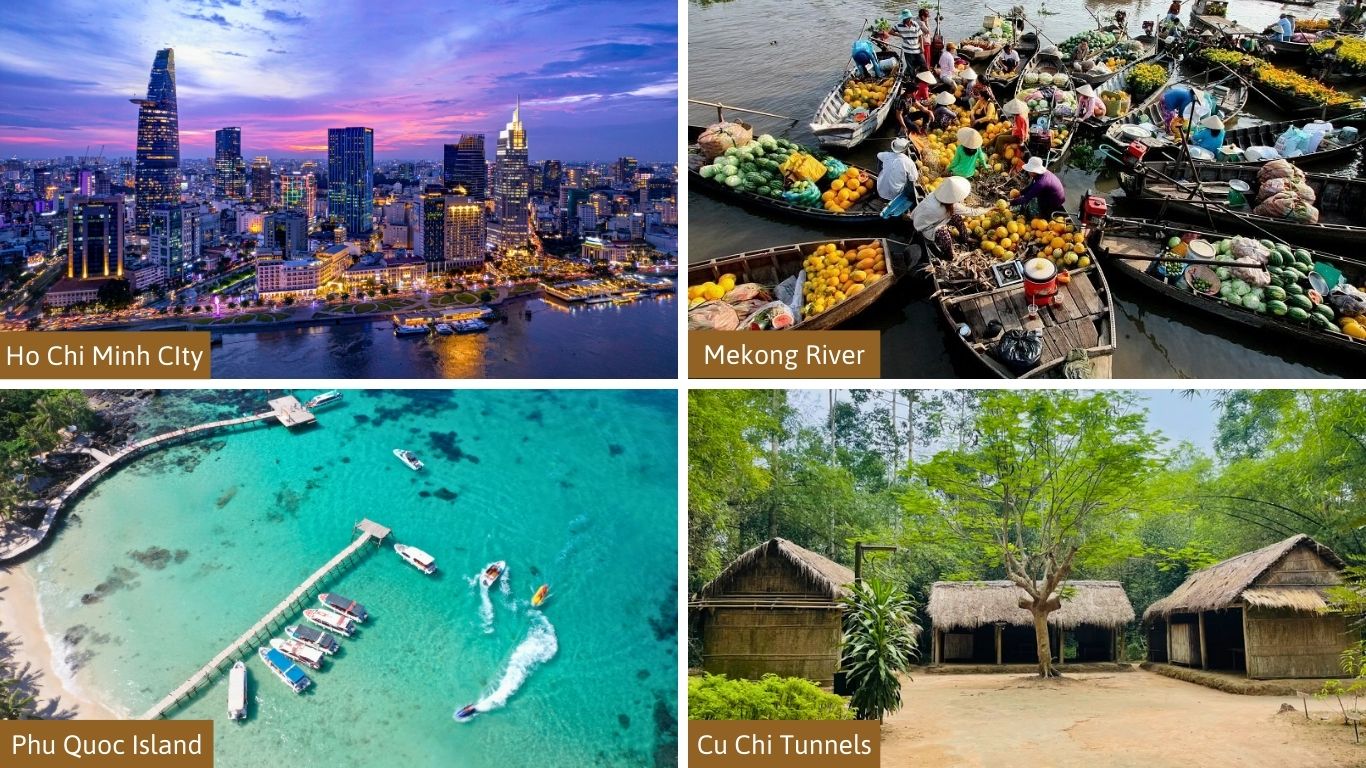
Southern Vietnam greets you with vibrant city life in Ho Chi Minh City, the lush waterways of the Mekong Delta, and the sun-kissed beaches of Phu Quoc. Warm year-round, it’s a region where you can dive into street food adventures, explore wartime history at the Cu Chi Tunnels, and unwind in tropical surroundings, all within a short flight or scenic drive of each other.
Best for: Travelers seeking vibrant city life, tropical islands, and river adventures. Warm year-round with plenty of sunshine.
Key Highlights:
-
Ho Chi Minh City (Saigon):
Vietnam’s biggest metropolis, buzzing with rooftop bars, markets, museums, and motorbike tours.
Best time to visit: December to April for dry season.
-
Cu Chi Tunnels:
A fascinating war-era underground network just outside the city.
Best time to visit: Year-round.
-
Mekong Delta:
Known for floating markets, lush canals, and traditional countryside life.
Best time to visit: December to April.
-
Phu Quoc Island:
White-sand beaches, luxury resorts, and a laid-back island vibe.
Best time to visit: November to April.
Travel Style: City breaks mixed with island relaxation or river cruises.
Suggested Itineraries for the First Time in Vietnam
Here are sample routes to help you plan:
5-Day Itineraries
- Northern Vietnam: Hanoi → Ninh Binh → Ha Long Bay
- Central Vietnam: Hue → Hoi An → Da Nang
- Southern Vietnam: Ho Chi Minh City → Mekong Delta → Cu Chi Tunnels
7-Day Itineraries
- Northern Vietnam: Hanoi → Ninh Binh → Ha Long Bay → Pu Luong/Sapa
- Central Vietnam: Hue → Hoi An → Da Nang
- Southern Vietnam: Ho Chi Minh City → Mekong Delta → Phu Quoc
10-Day Itinerary (North to South)
Hanoi → Ninh Binh → Ha Long Bay → Hue → Hoi An → Ho Chi Minh City → Mekong Delta
2-Week or 20-Day Grand Tour
Hanoi → Ninh Binh → Ha Long Bay → Hue → Hoi An → Phong Nha → Ho Chi Minh City → Mekong Delta → Phu Quoc
Best Time to Visit Vietnam
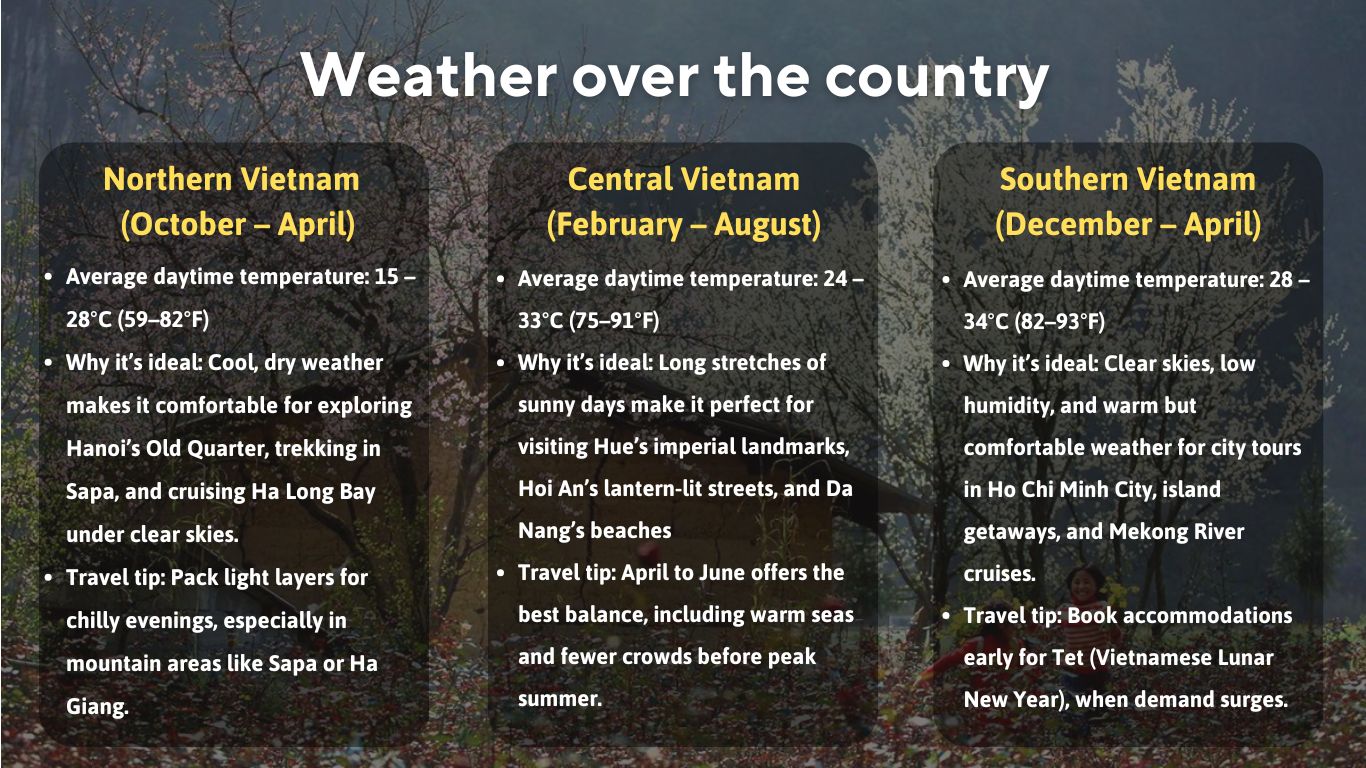
- Northern Vietnam is best for: Culture lovers, nature explorers, and first-time visitors wanting pleasant weather.
- Central Vietnam is best for: Beach holidays, cultural heritage trips, and family-friendly itineraries.
- Southern Vietnam is best for: First-time visitors, family vacations, and tropical island escapes.
What Food You Should not Miss at this First Time in Vietnam
Northern Vietnam
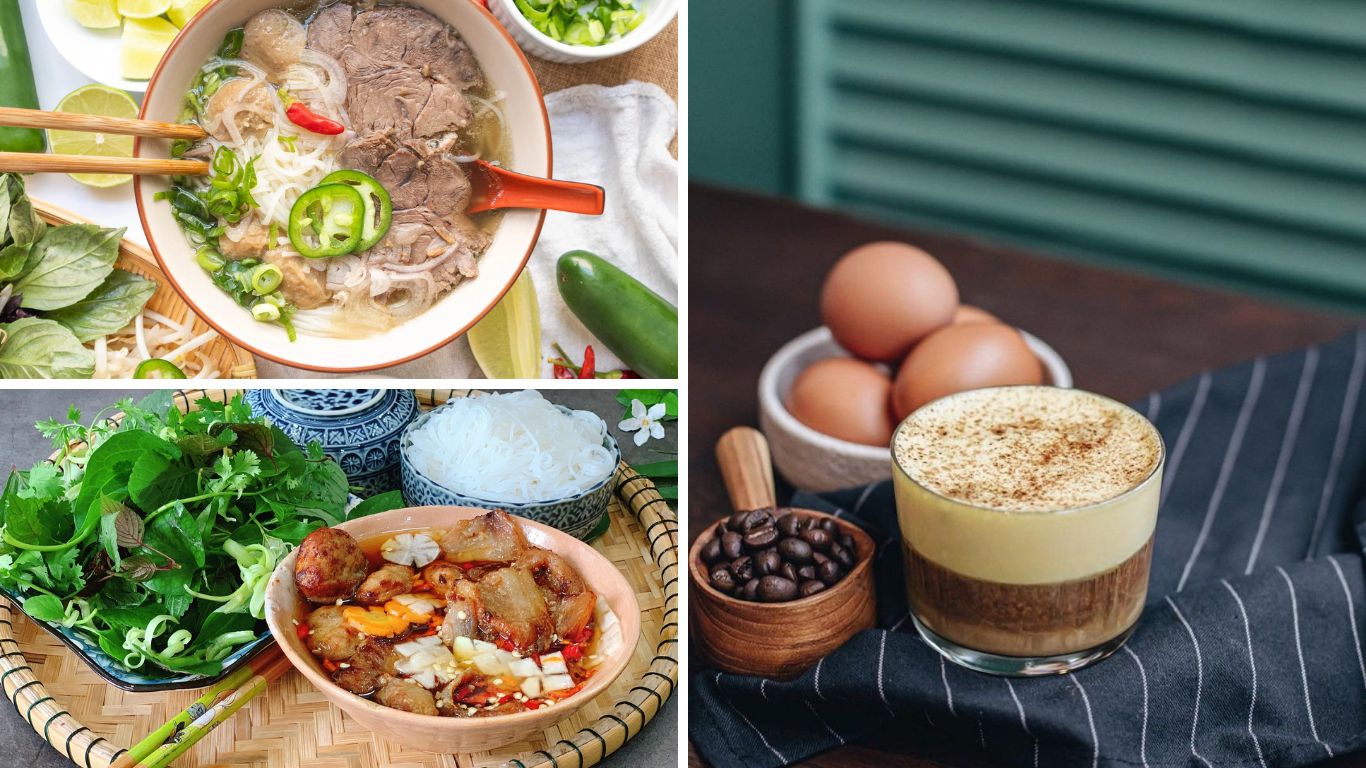
- Phở: Vietnam’s iconic noodle soup, served steaming hot with silky rice noodles, tender beef or chicken, and a fragrant broth simmered for hours with star anise and cinnamon.
- Bún Chả: Grilled pork patties and slices served in a sweet savory, dipping sauce, paired with rice noodles and a mountain of fresh herbs. This is Hanoi’s lunchtime favorite.
- Egg Coffee: A creamy, dessert-like drink where whipped egg yolk blends with strong Vietnamese coffee, creating a rich, sweet foam you can eat with a spoon.
Central Vietnam
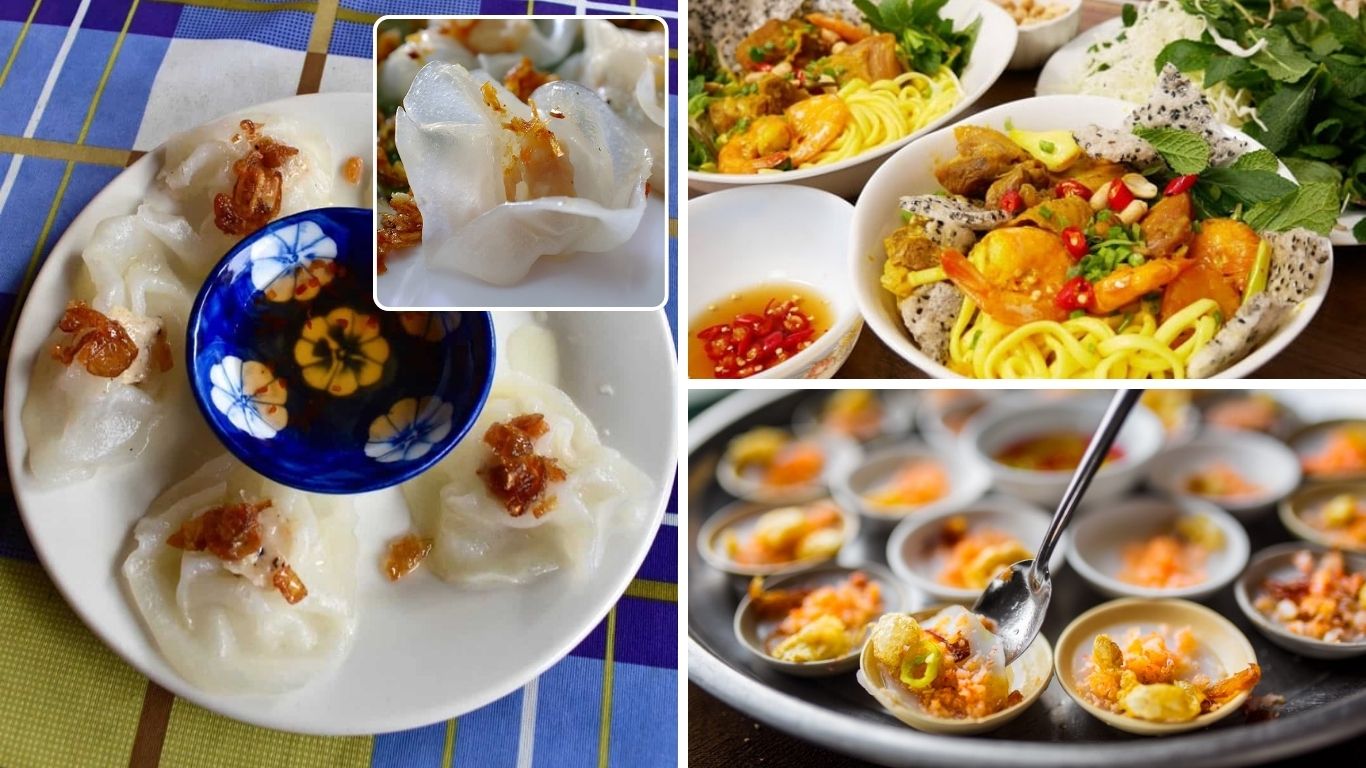
- Mì Quảng: Turmeric-yellow noodles topped with shrimp, pork, herbs, and crunchy rice crackers, finished with just a splash of broth for a hearty yet light meal.
- Bánh Bèo: Delicate steamed rice cakes served in small dishes, topped with minced shrimp, scallions, and crispy pork skin, drizzled with fish sauce.
- White Rose Dumplings: A Hoi An specialty of translucent rice-flour dumplings shaped like blooming flowers, filled with shrimp or pork and topped with fried shallots.
Southern Vietnam
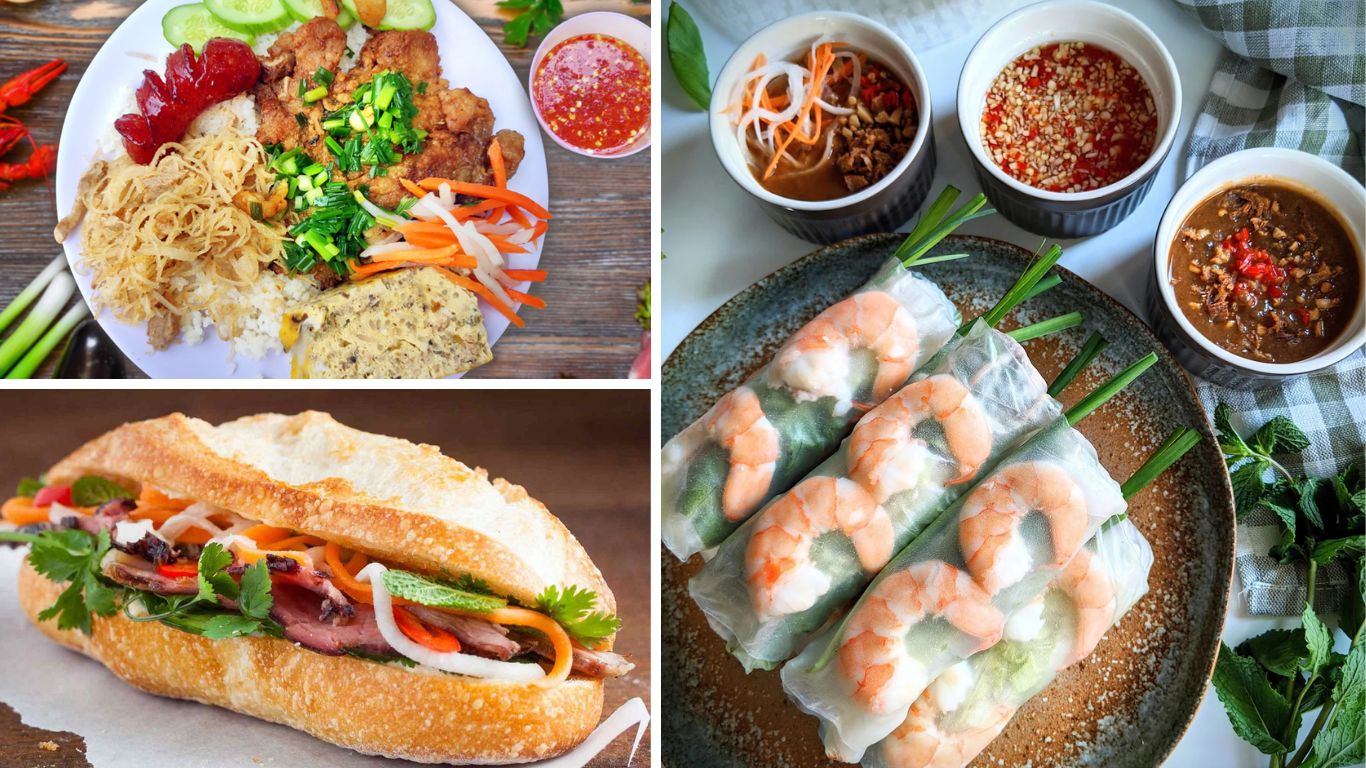
- Bánh Mì: A French-inspired baguette stuffed with a mix of pâté, grilled meats, pickled vegetables, fresh herbs, and chili for the perfect balance of crunch and flavor.
- Cơm Tấm: Broken rice served with grilled pork chop, fried egg, pickled veggies, and sweet. Try with savory fish sauce you will have a true Saigon comfort food.
- Fresh Spring Rolls (Gỏi Cuốn): Soft rice paper rolls packed with shrimp, pork, vermicelli, and herbs, served with peanut dipping sauce for a light, refreshing bite.
Practical Travel Tips When You First Time in Vietnam
Transport
- Domestic Flights: Fast and efficient for covering long distances (Hanoi ↔ Ho Chi Minh City, Da Nang ↔ Phu Quoc). Book early for better fares.
- Trains: The Reunification Express connects north to south with scenic views. Sleeper cabins are comfortable for overnight trips.
- Buses & Private Cars: Ideal for short distances (Hanoi → Ninh Binh, Ho Chi Minh City → Mekong Delta). Private drivers offer flexibility and convenience.
- Local Travel: In cities, taxis, ride-hailing apps, and motorbike rentals are widely available. For the Mekong Delta or islands, boats and ferries are essential.
Health & Comfort
- Accommodation: Choose centrally located hotels to reduce commuting time, especially in major cities.
- Pacing: Avoid overpacked itineraries; include rest days to enjoy each destination without fatigue.
- Weather Prep: Northern winters can be chilly; southern days are hot and humid. Carry layers, hats, sunscreen, and a reusable water bottle.
- Medical: Bring any personal medications, basic first-aid supplies, and insect repellent for rural or river areas.
Packing Essentials
- Lightweight, breathable clothing for warm days; a light jacket for evenings or northern regions.
- Good walking shoes for city streets, hiking, or temple visits.
- Waterproof items for sudden tropical showers, especially in the rainy season.
- Power adapters, portable chargers, and a small daypack for excursions.
FAQs
Do I need a visa?
Most travelers need a visa. Vietnam offers e-visas (90 days, single or multiple entry) and visa on arrival for certain nationalities. Always check current regulations before booking.
Is Vietnam safe?
Yes, it’s generally safe. Petty theft can occur in crowded markets or public transport, keep valuables secure and stay aware of your surroundings.
What’s the tipping culture?
Tipping isn’t mandatory but is appreciated, especially for tour guides, drivers, or hotel staff. Small amounts (5–10% in restaurants) are customary.
Can I drink tap water?
No, stick to bottled or filtered water. Ice in reputable restaurants is usually safe, but caution is advised.
What’s the best way to stay connected?
Local SIM cards with data are inexpensive and convenient for maps, ride-hailing apps, and communication.
How can I travel comfortably as a 40+ traveler?
Prioritize fewer destinations per trip, book private transfers when possible, stay in comfortable accommodations, and schedule downtime between major activities.
If you’re dreaming of a journey where vibrant culture, breathtaking landscapes, and authentic connections come together, we’d be honored to craft it for you. At Vietnam Travel Online, we create personalized Vietnam itineraries that go far beyond the usual tourist path. Whether you want a leisurely day exploring Hanoi’s hidden alleys, a private cruise through Ha Long Bay, or a deep dive into the Mekong’s floating life, we tailor every detail to your pace and passions.
Let your Vietnam story be unforgettable and uniquely yours.