

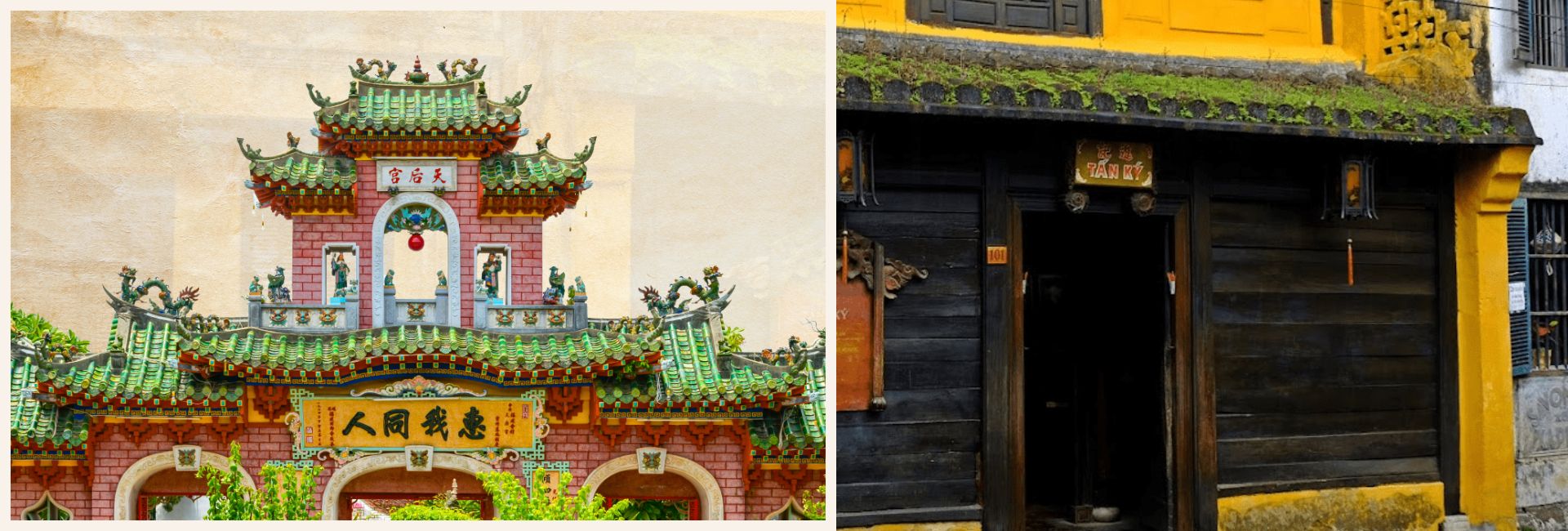
Hoi An Ancient Town is one of Vietnam’s most beloved destinations, and for good reason. The town feels like a living museum, where every corner tells a story. Once a bustling port between the 15th and 19th centuries, Hoi An welcomed traders from China, Japan, and beyond. That mix of cultures still lives on in its architecture, food, and traditions.
But what makes Hoi An truly special is how peaceful it feels. Lantern-lit alleys, quiet riverside walks, and warm smiles from locals all make you want to slow down and stay a little longer. And among its many historical gems, Phuc Kien Assembly Hall and Tan Ky House are two places that really give you a feel for the soul of this town.
What can you find in this travel blog?
- Visiting Phuc Kien Assembly Hall (Phuc Kien Pagoda)
- Step Inside Tan Ky Old House
- Activities Worth Trying While You’re in Hoi An
- Other Must-See Spots Nearby
Visiting Phuc Kien Assembly Hall (Phuc Kien Pagoda)
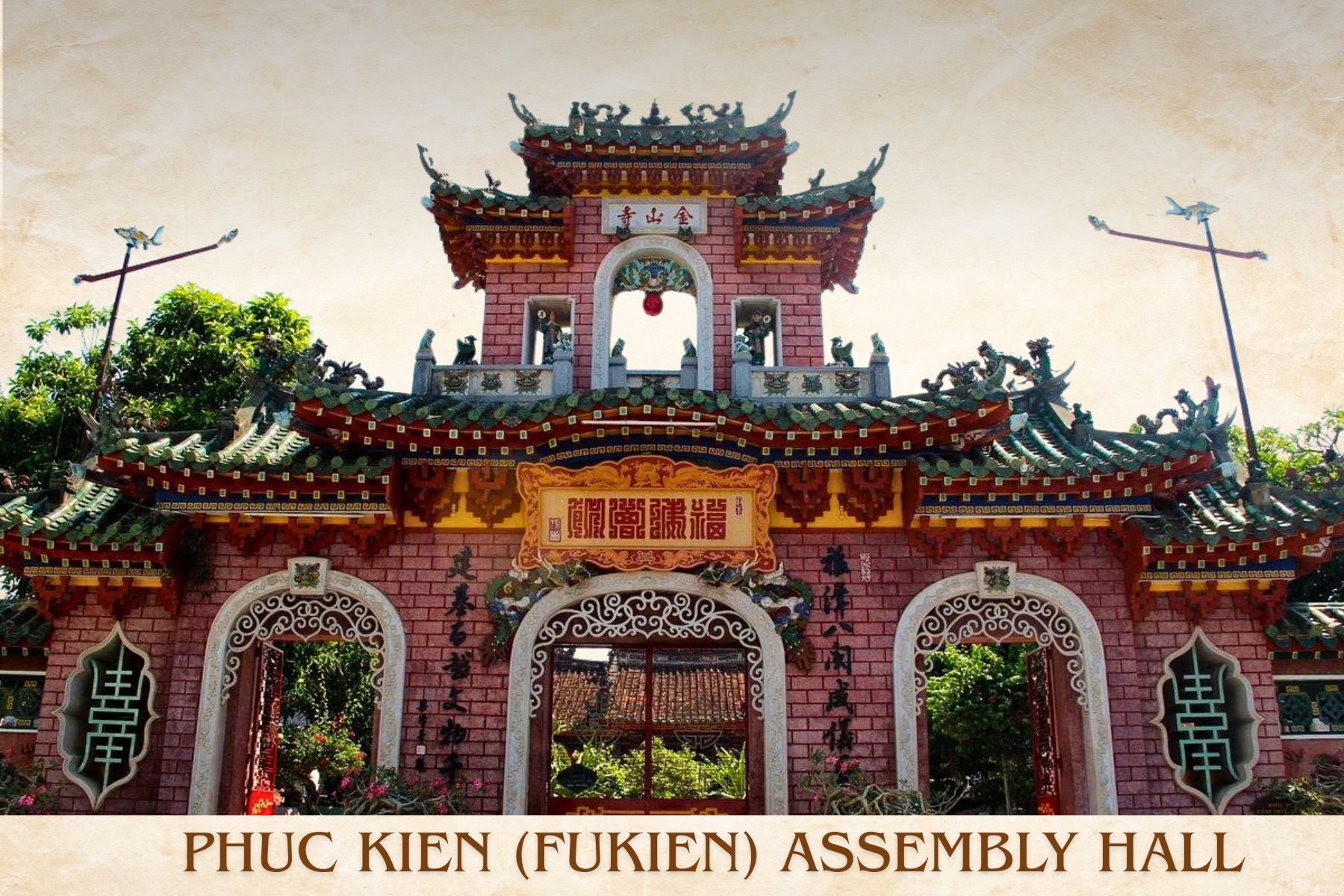
You won’t miss Phuc Kien Assembly Hall, it’s one of the most eye-catching buildings in the old town. Also known as Phuc Kien Pagoda, this beautiful site stands proud on Tran Phu Street with its vivid red details, dragon sculptures, and classical Chinese layout.
But it’s not just for show. This hall has been a spiritual home for generations of Hoi An’s Chinese-Vietnamese community, a place to pray, gather, and keep their culture alive. Step through the gate, and you’ll immediately feel the peaceful energy inside.
A Bit History of Phuc Kien Assembly Hall
Phuc Kien Hall dates back to the 17th century, built by Chinese merchants from Fujian Province who had made their way to Hoi An by sea. Imagine arriving in a new land after a long, dangerous journey, it’s no wonder they built this hall to honor Thien Hau Thanh Mau, the sea goddess they believed guided and protected them.
What started as a small temple slowly expanded into a much larger structure. Over time, it became more than just a place of worship. It became a center of connection, where people could celebrate, support each other, and pass down traditions in a foreign land.
Today, the hall is included in the Hoi An Ancient Town heritage ticket (120,000 VND for five sites), so there’s no need to pay separately.
What to Expect When You Visit Phuc Kien Assembly Hall
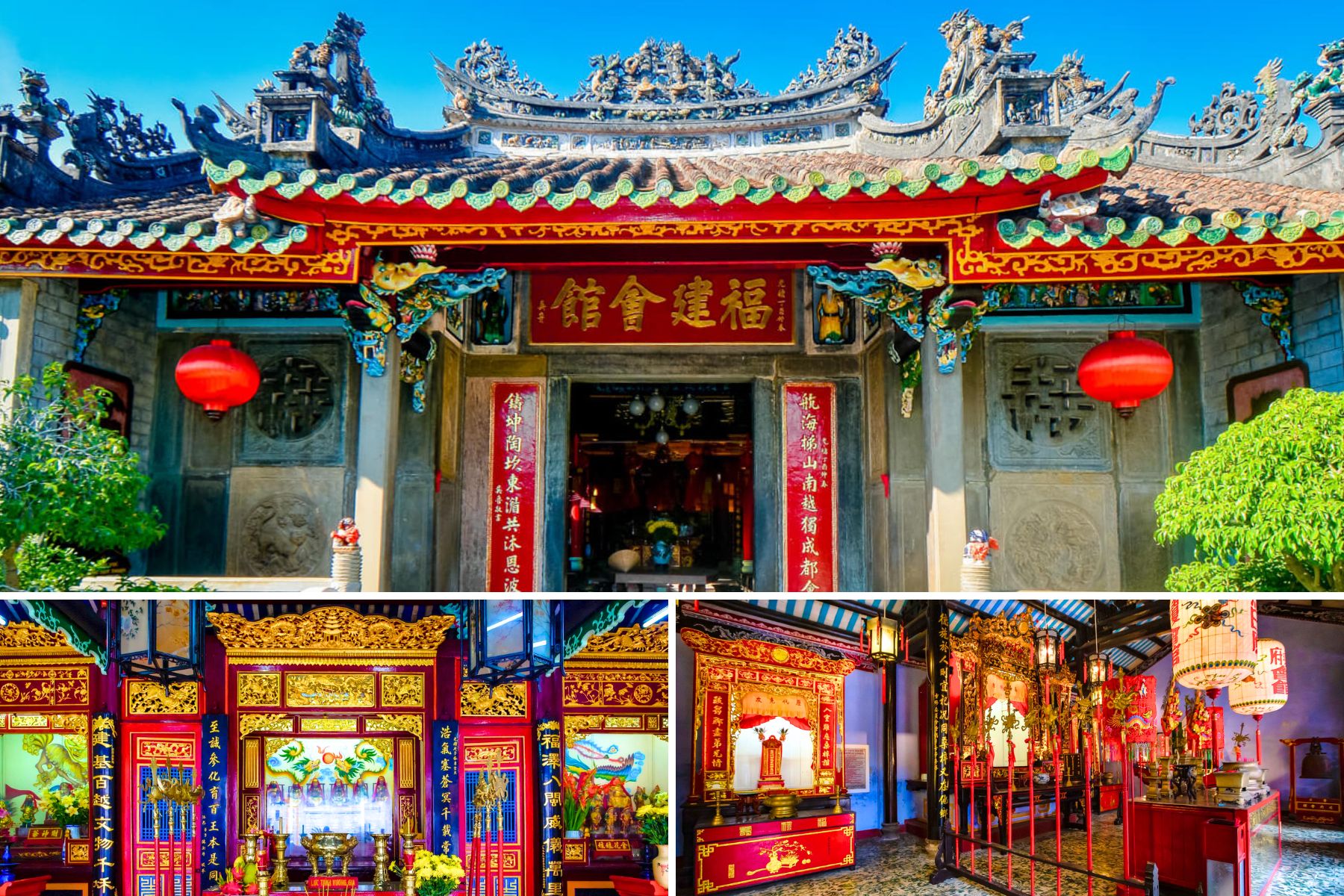
Inside, you’ll walk through courtyards filled with potted trees and incense smoke curling through the air. The main altar is beautifully decorated with offerings, incense coils, and statues of Thien Hau and other deities. You might notice miniature boats placed in front of the altar, symbolic prayers for safe travels.
There’s something calming about being there, especially when locals come in quietly to pray. Even if you’re not religious, it’s a peaceful moment to pause and reflect.
Plan for around 30–45 minutes to take it all in without rushing. Mornings are usually less crowded, ideally, if you prefer a more relaxed experience.
Practical Tips for Your Visit
- Clothing: Modest wear is appreciated. Shoulders and knees covered if possible.
- Footwear: No need to take off your shoes, but the floors can be slippery then comfy shoes with grip are a good choice.
- Photos: Allowed, but be mindful not to disturb people who are there to worship.
If you enjoy architecture with meaning or cultural spots that feel alive with stories, this place is a must.
Step Inside Tan Ky Old House
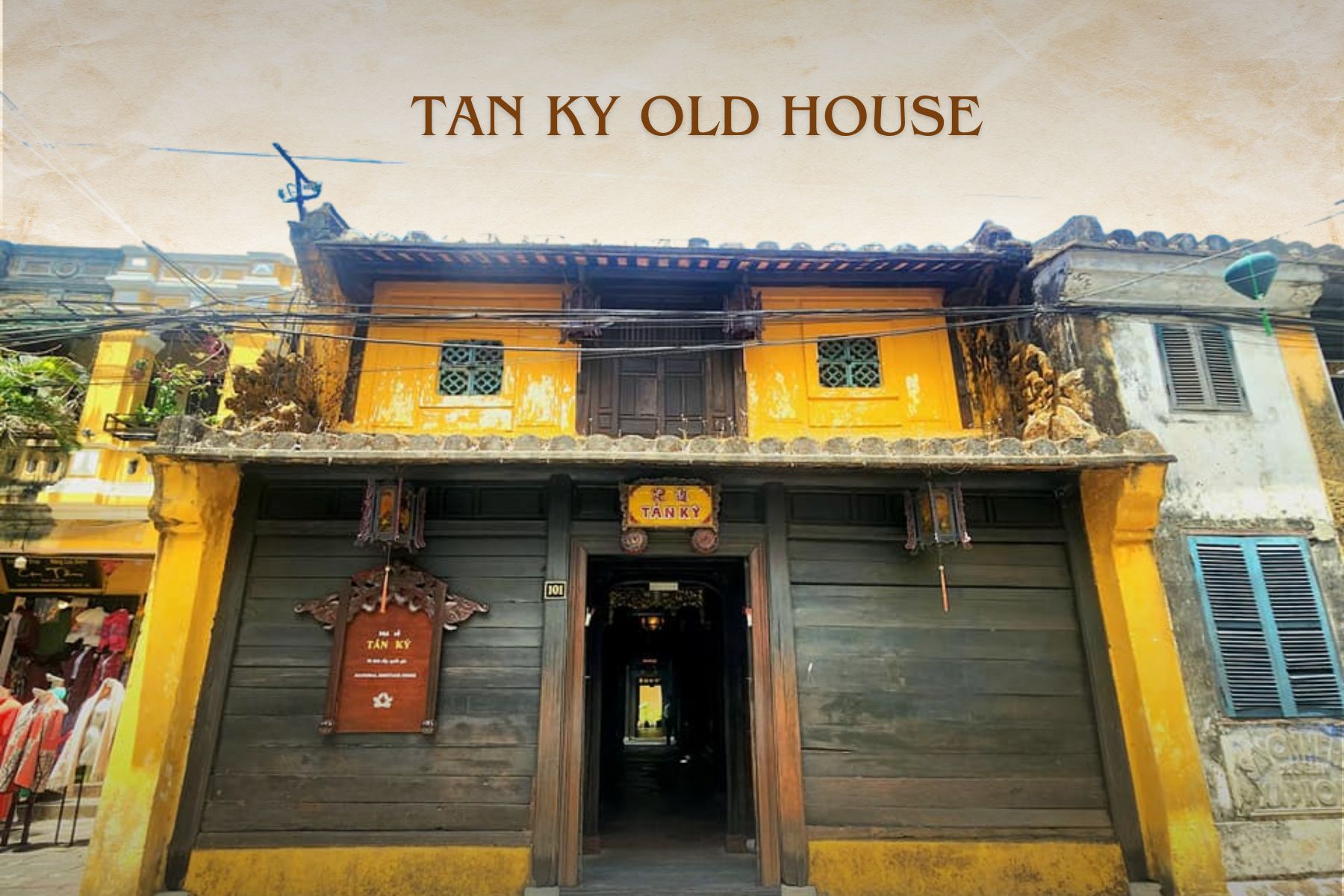
Just a short walk from Phuc Kien Hall, Tan Ky House is a different kind of Hoi An treasure. It’s not grand or flashy, in fact, from the outside, you might walk right past it. But once you step inside, it’s like entering a time capsule.
Located at 101 Nguyen Thai Hoc Street, this home has been lived in by seven generations of the same family, and it shows in the best possible way.
Tan Ky Old House – A House with a Story
Tan Ky was built in 1741, during the height of Hoi An’s trading days. The family who lived here ran a prosperous business, and the house served both as their home and their base for trading goods like cinnamon, silk, and ceramics.
The name “Tan Ky” means “Progress Shop” – a hopeful name, showing the family’s ambition to thrive in changing times. It’s easy to imagine this house full of life, with goods coming in from the river just a few steps away.
Entry is included in the Ancient Town ticket, so no need to pay extra.
Highlights and What to See inside Tan Ky Old House
Inside, the house is compact and dimly lit, with dark wooden beams, old tiled floors, and a small open courtyard in the center. You’ll notice how Vietnamese, Chinese, and Japanese design influences blend seamlessly throughout.
One of the most interesting features is the flood mark wall. These clear signs showing how high the water has reached during major floods. It’s both fascinating and humbling to see how the house has endured over time.
There are antique furnishings, a family altar, and old photographs that give you a quiet glimpse into centuries of life here. If you’re lucky, one of the family’s descendants might be around to chat, and that’s often the highlight for many visitors.
Expect to spend 20–30 minutes here. It’s best visited mid-morning or late afternoon, when the space tends to be calmer.
How to Prepare for Your Visit
- Dress code: Not strict, but smart-casual clothing shows respect.
- Shoes: No need to remove them, but avoid heels or slippery soles.
- Explore slowly: This is one of those places where the quiet details speak volumes.
If you’re the kind of traveler who values depth over checklists, this house will stay with you long after your trip.
Why These Two Places Belong on Your List
Phuc Kien Assembly Hall and Tan Ky House are very different, but both show what makes Hoi An so rich in character. One is spiritual as full of color, incense, and centuries of prayers. The other is quiet and personal such a home that has survived storms and change while keeping its soul.
They’re close to each other, easy to explore in one go, and together give you a more complete picture of what Hoi An is really about: faith, family, history, and resilience.
Activities Worth Trying While You’re in Hoi An
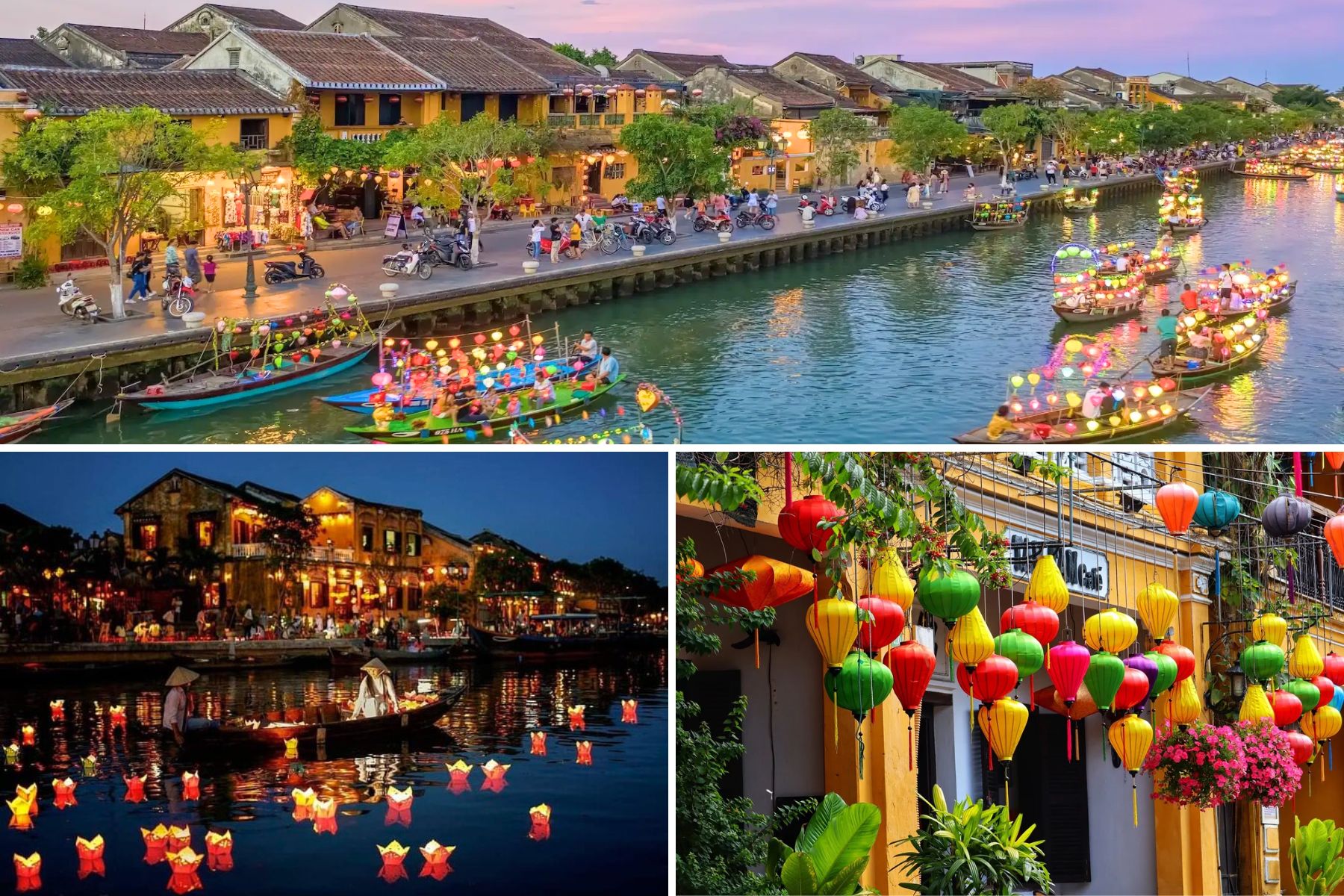
Hoi An is full of surprises, it’s not just about seeing temples and old houses. If you’ve got a bit more time, here are some easy and meaningful activities that will help you connect with the town in a more personal way:
Make Your Own Lantern
Joining a lantern-making class is a fun way to get creative, and you’ll take home a lovely keepsake. The process is simple, relaxing, and great for all ages.
Where: Old Town workshops (walk-in friendly)
How long: 30–45 minutes
Why try: It’s hands-on, unique, and you’ll have your own handmade lantern to bring home.
Catch a Folk Performance
Included in your Ancient Town ticket, these short shows include traditional music, dancing, and sometimes even folk games. They give more life and context to the cultural sites you’re visiting.
Where: Traditional Art Performance House – 66 Bach Dang
How long: 20–30 minutes
When: Check schedule when you enter the Old Town
Leave a Wish at a Temple
Places like Phuc Kien Assembly Hall often have small areas where you can leave a written wish or prayer. It’s a quiet, lovely ritual that locals believe brings good luck, especially for travelers.
Tip: Look near the main altar for red papers or wooden tags.
Savor a Tea with Locals
If you’re visiting Tan Ky or another old house, don’t rush. Sometimes the caretakers, often part of the original families, are happy to share a cup of tea and a bit of their story.
Why try: These unplanned moments are often the most memorable.
Take a Guided Heritage Walk
A local guide can make the history of Hoi An come alive, explaining symbols you might miss, telling personal stories, or showing hidden spots along the way.
Tip: Book a short 1.5–2 hour private walk to go deeper without feeling rushed. If you’re traveling with Vietnam Travel Online, just ask, we’ll help tailor it to your interests.
Other Must-See Spots Nearby
While you’re in the neighborhood, here are a few more places that are well worth a quick visit:
- Japanese Covered Bridge: Probably the most photographed spot in Hoi An, and for good reason.
- Cantonese Assembly Hall: Similar in function to Phuc Kien but with a different visual style and history.
- Ba Mu Temple Gate: A peaceful, Instagram-friendly spot to take a break.
- Thu Bon River: Great for a boat ride or sunset stroll.
- Hoi An Night Market: End your day with local snacks, handmade souvenirs, and a lantern-lit walk.
These heritage sites may not be as flashy as a beach resort or a busy city tour, but they’re the heart of Hoi An. If you want to truly feel the town and not just see it, visiting places like Phuc Kien and Tan Ky is the way to go. And if you’d like to explore these stories with a local expert or add in some hands-on experiences, Vietnam Travel Online is here to help you craft a journey full of heart.