

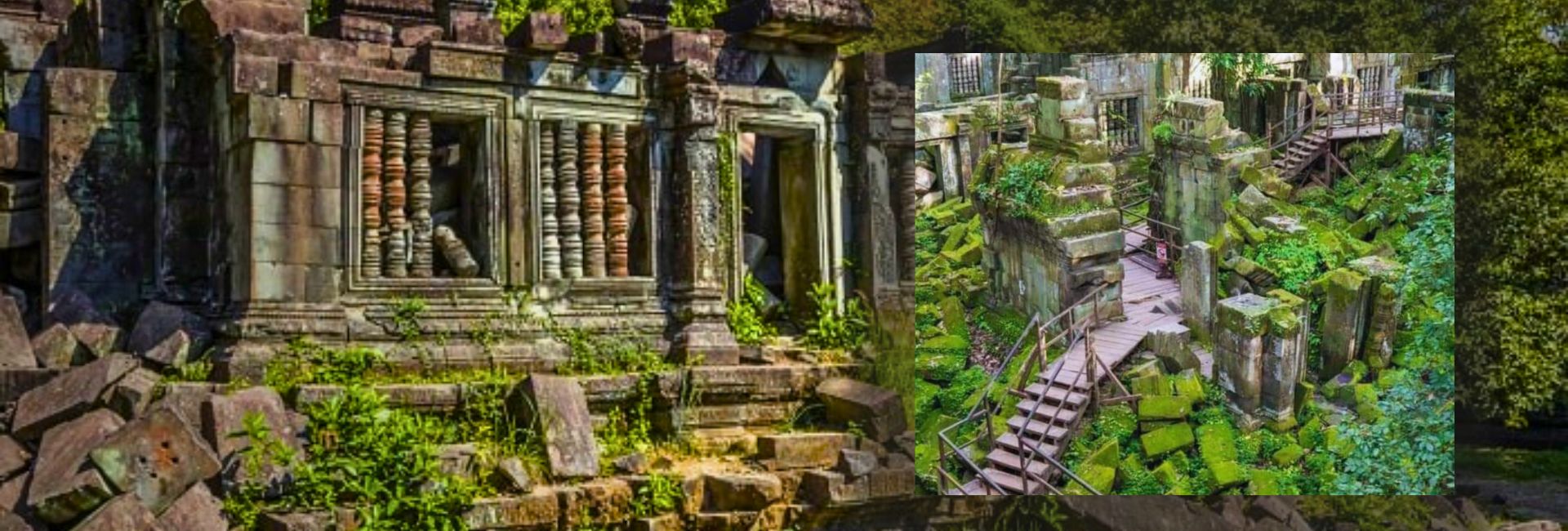
Deep in Cambodia’s jungle, Beng Mealea stands as a hauntingly beautiful relic of the past. Overgrown by nature, this temple is a dramatic blend of crumbling stones, giant roots, and silence. Unlike Angkor Wat’s grandeur or Ta Prohm’s fame, Beng Mealea offers a raw, untamed experience, this is perfect for those seeking mystery and adventure.
What can you find in this travel blog?
- Beng Mealea and the Story Itself
- What You Should Know Before Visiting Beng Mealea
- What Makes Beng Mealea Special?
- Worthwhile Things to Explore Inside Beng Mealea
- Nearby Attractions to Visit After Beng Mealea
- Suggested Vietnam & Cambodia Itineraries
- Practical Tips for Visiting Beng Mealea
- FAQs
Beng Mealea and the Story Itself
History of the Place
Built in the early 12th century under King Suryavarman II, Beng Mealea likely followed the same architectural style and purpose as Angkor Wat. It was dedicated to the Hindu god Vishnu, though Buddhist elements later appeared. For centuries, it lay forgotten, swallowed by jungle growth and shielded from the outside world until recent decades.
How It Compares to Ta Prohm and Angkor Wat
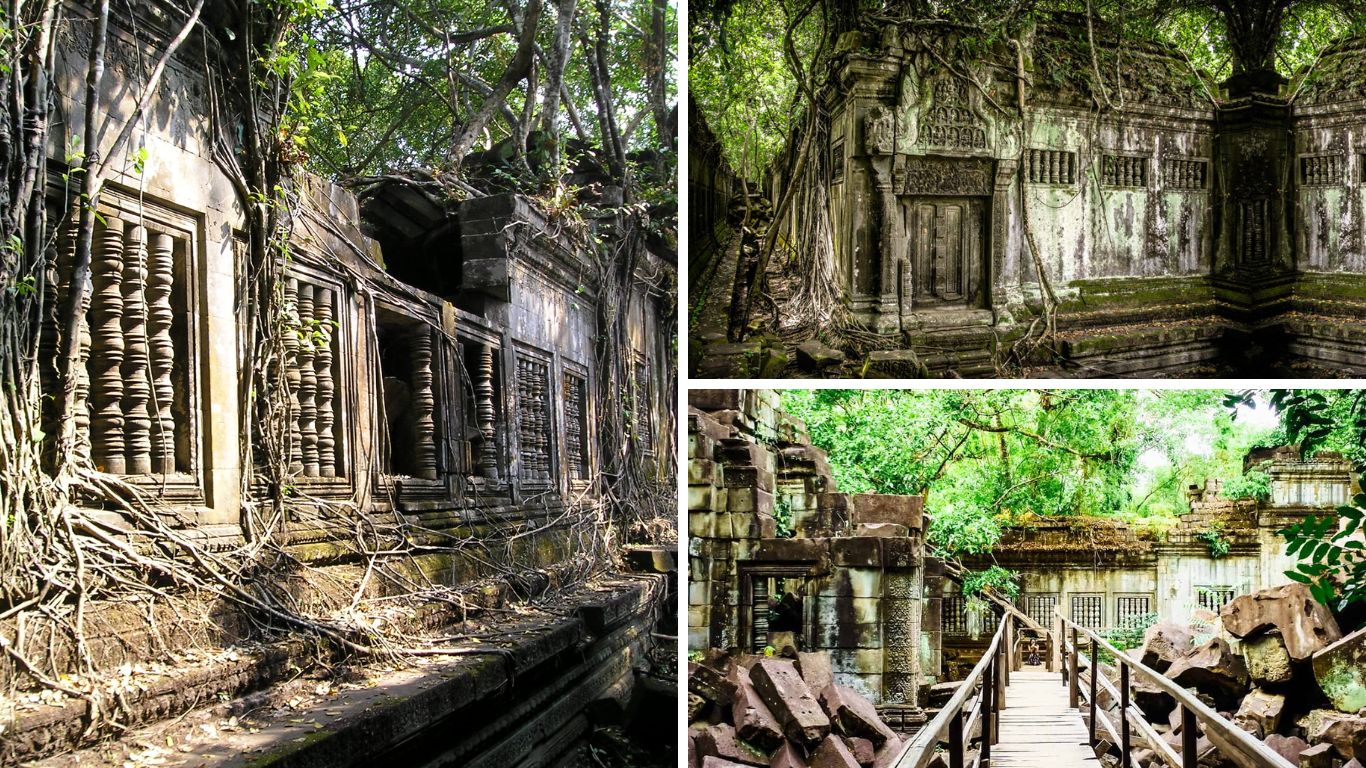
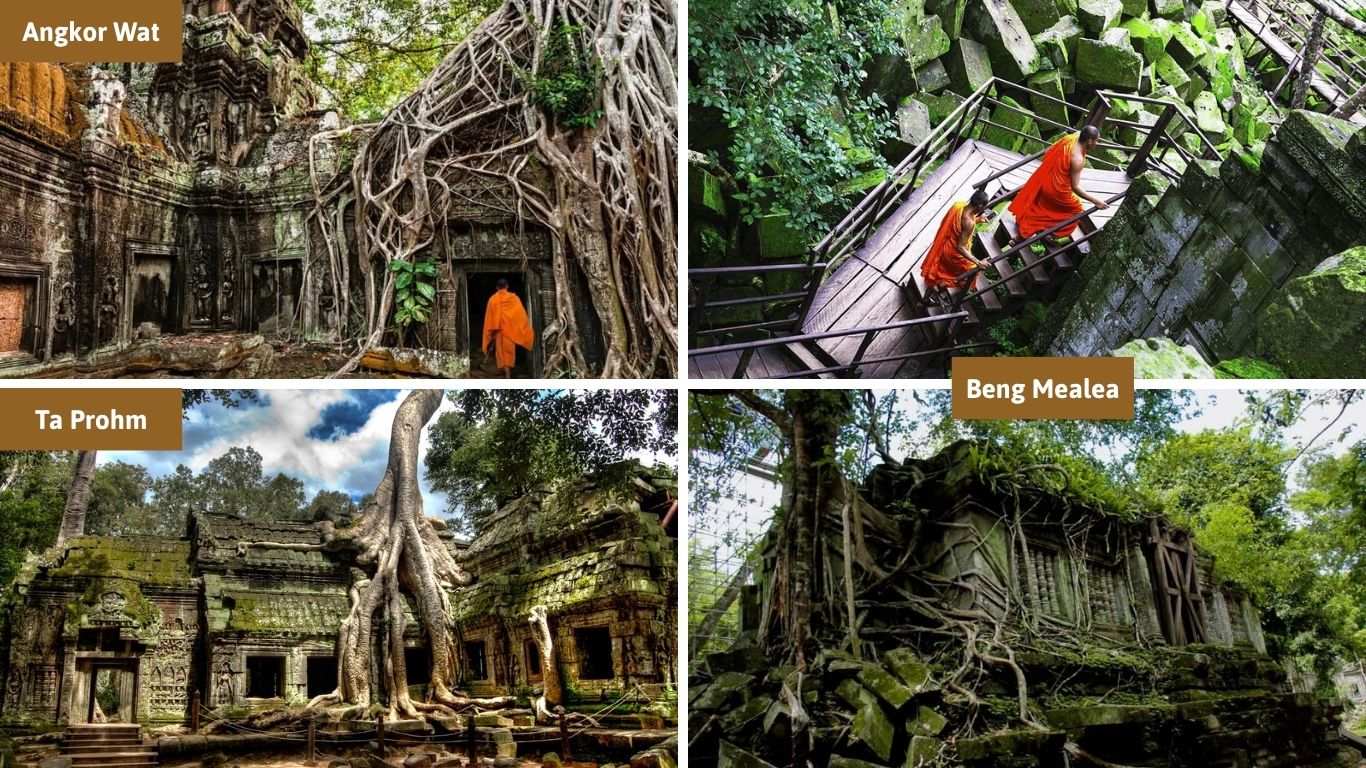
Though often compared to Ta Prohm due to its tree-covered walls, Beng Mealea is less restored and far wilder. There are no neatly marked paths or barriers, just moss-covered stones and total freedom to explore. Unlike Angkor Wat’s intricate carvings and polished structures, Beng Mealea is rugged, broken, and deeply atmospheric. This makes it feel even more ancient and cinematic.
Ownership and UNESCO Status
Beng Mealea is managed by the APSARA Authority, which oversees the Angkor region’s heritage. While not individually inscribed as a UNESCO World Heritage Site, it falls under the broader protection of the Angkor complex designation since 1992.
What You Should Know Before Visiting Beng Mealea
Where is Beng Mealea?
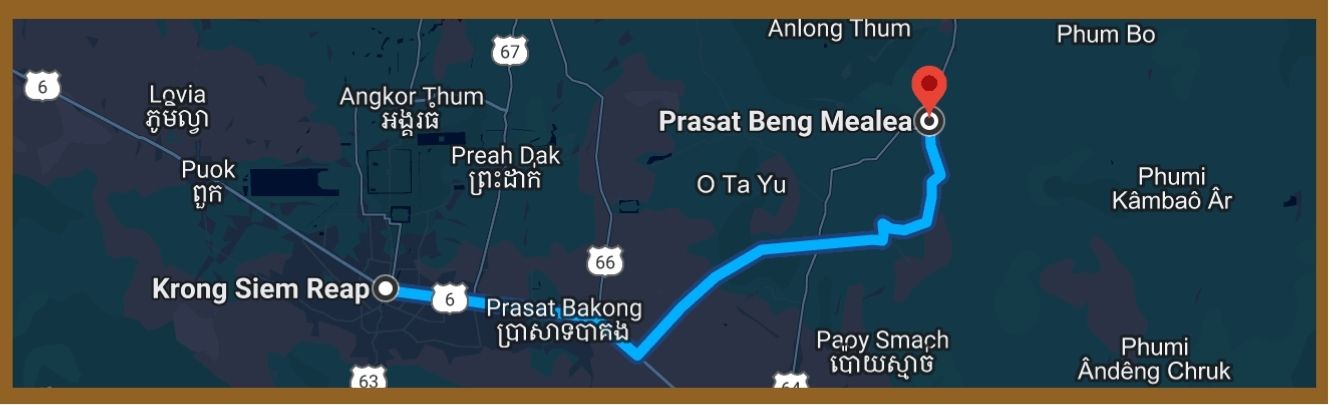
Beng Mealea is located about 65 kilometers east of Siem Reap, nestled between rice fields and thick forest. Its remote setting is part of the charm, creating a strong sense of escape and exploration.
How to Get to Beng Mealea
Reaching Beng Mealea is part of the adventure. The temple lies about 65 kilometers east of Siem Reap, surrounded by rice fields and quiet countryside. Most visitors travel by private car or tuk-tuk, depending on comfort and time.
The drive takes around one and a half to two hours. The main road is mostly paved, though some parts can be bumpy during the rainy season. It’s better to start early and go with a local driver who knows the route well.
If you have a full day, combine your trip with nearby attractions such as Koh Ker or Phnom Kulen. This countryside route lets you enjoy rural Cambodia and discover hidden temples along the way. You can also join a guided tour from Siem Reap. These tours usually include round-trip transport and a local guide who shares stories about the temple’s past.
Best Time to Visit Beng Mealea
Beng Mealea welcomes visitors all year, but each season brings a different charm.
The dry season, from November to April, is the most convenient time. Roads are easier to travel, and the weather stays warm but pleasant. You can explore comfortably and take photos without worrying about mud or rain.
The rainy season, from May to October, reveals Beng Mealea’s wild side. The jungle turns greener, the ponds fill with water, and the air feels fresh after each shower. It’s great for photographers who love misty, natural scenes. Just wear good shoes and bring a light raincoat.
For the best light and fewer people, visit early in the morning or late in the afternoon. The soft sunlight makes the mossy stones glow and gives the temple a calm, mysterious look.
Entry Tickets & Opening Hours
The temple is open daily from 7:00 AM to 5:30 PM. Tickets cost $5 USD per person and must be purchased at the entrance. Note that the Angkor Pass does not cover Beng Mealea, so bring cash to avoid surprises.
💡If you’re dreaming of exploring Cambodia’s hidden temples but prefer everything arranged with care, let Vietnam Travel Online create it for you. From private transfers to Beng Mealea and Koh Ker, to guided tours through Angkor Wat or Phnom Kulen, our tailor-made journeys ensure you experience Cambodia the way it should be: personal, authentic, and stress-free.
Who Should Visit Beng Mealea?
Beng Mealea is ideal for travelers who want to avoid crowds, photographers seeking raw jungle backdrops, and those who love a bit of physical adventure. It’s especially appealing to returning visitors who’ve already explored the main temples of Angkor. However, due to its uneven terrain and crumbled structure, it may not suit visitors with mobility issues or very young children.
What Makes Beng Mealea Special?
Why It’s Different from Other Temples
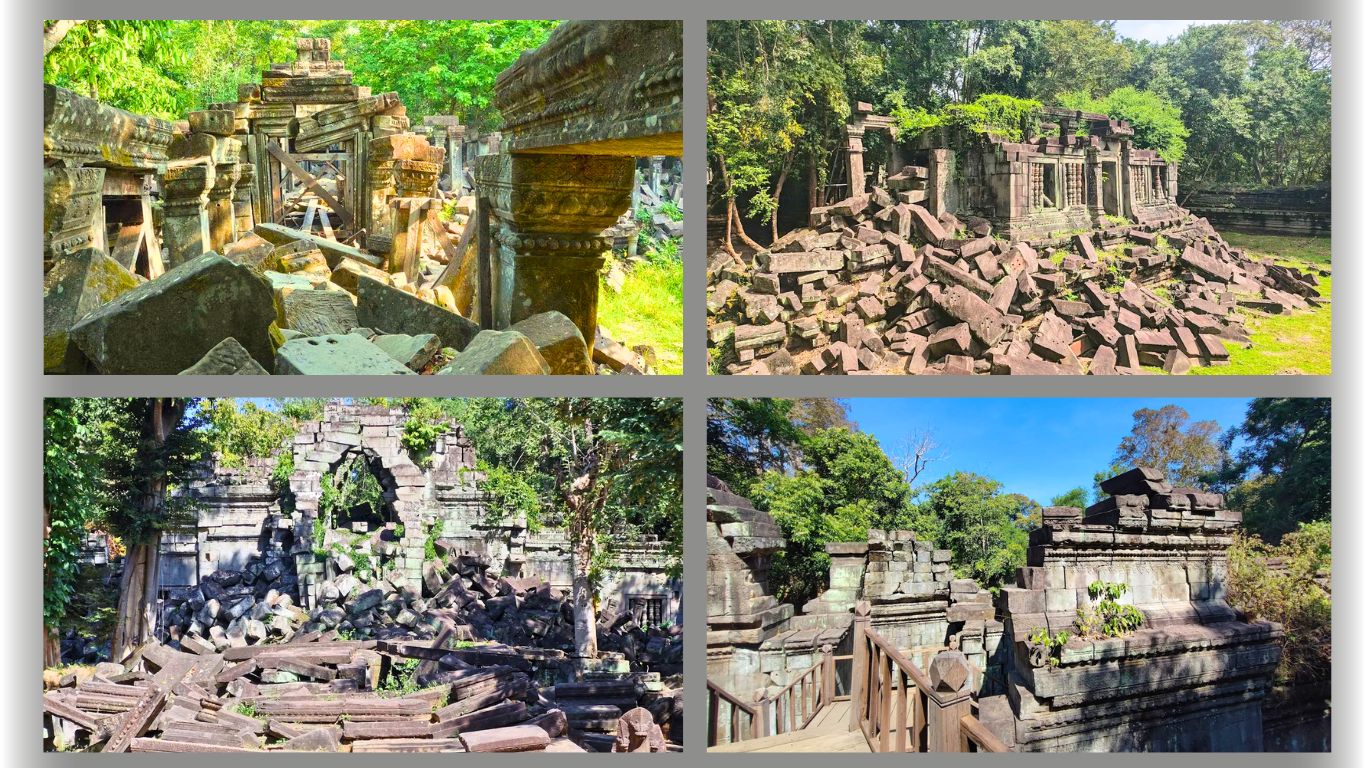
Beng Mealea is unlike any other site in the Angkor region. It’s not about perfect preservation but raw, immersive discovery. With fewer tourists, more freedom to explore, and a uniquely wild setting, it offers an experience that feels truly personal.
The Raw Charm of a “Lost Temple”
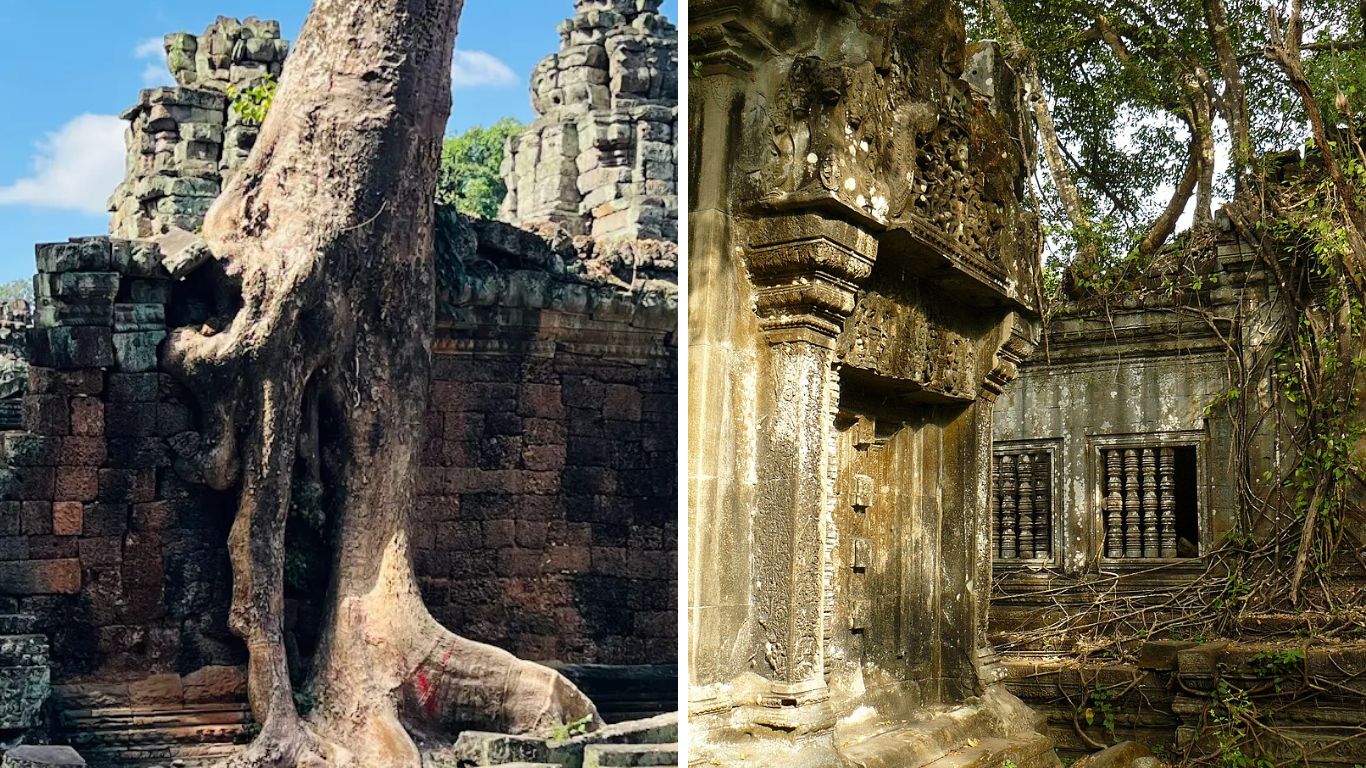
There’s an almost mythical energy at Beng Mealea. Nature has truly reclaimed the site á you can see these trees grow through walls, roots weave through windows, and green moss softens every surface. With no loud tour groups or roped-off zones, it feels like stepping into a forgotten world.
No Crowds, No Ropes…..Just You and the Ruins
Even in high season, Beng Mealea remains quiet. Visitors are free to climb over stones, peer into collapsed halls, and explore corners that remain untouched by restoration. This freedom is rare in a world of well-guarded heritage sites.
Still Off the Tourist Radar
Most group tours skip Beng Mealea, leaving it to curious explorers and travelers seeking something unique. If you’re someone who prefers meaningful solitude over guided itineraries, this temple delivers.
Worthwhile Things to Explore Inside Beng Mealea
Tree Roots Growing Through Ancient Stone
At Beng Mealea, strangler figs and massive silk-cotton trees grip the temple walls like ancient fingers. Their roots twist through doorways, archways, and staircases, making the site feel like a jungle-born relic. You can stand beneath these living sculptures and witness the power of nature reclaiming stone.
Collapsed Galleries and Hidden Hallways
As you wander through the ruins, you’ll come across crumbling corridors and toppled galleries. Some stones lie in heaps, others still bear delicate carvings from centuries past. You can crouch through broken doorways or peek into tight passageways where time seems to have stopped.

Lotus Ponds and Courtyards
Inside the temple’s layout are sunken courtyards and lotus ponds, some of which come to life during the rainy season. When filled with water, they reflect the surrounding trees and ruins, offering a peaceful pause from your adventure.
Towering Structures and Secret Chambers
Despite the ruin, several towers still rise above the canopy, some reachable by climbing over rubble. Behind shattered entrances, you’ll discover quiet chambers, once sacred, now half-swallowed by shadows and vines. It’s easy to imagine ancient rituals once held here.
Unique Photo Opportunities
Light filters through cracks and fallen stones, casting dramatic shadows across moss-covered blocks. Tree roots curve around narrow windows, and the mix of decay and greenery creates dreamlike scenes you’ll want to capture from every angle.
Nearby Attractions to Visit After Beng Mealea
Koh Ker – A Forgotten Pyramid in the Jungle
Just about 50 kilometers (roughly 1 hour by car) from Beng Mealea, Koh Ker is another hidden gem that complements your temple-hopping journey. Once the capital of the Khmer Empire, Koh Ker is home to over 40 temples scattered across a forested landscape. Its centerpiece is the seven-tiered Prasat Thom, a dramatic step pyramid unlike anything in Angkor.
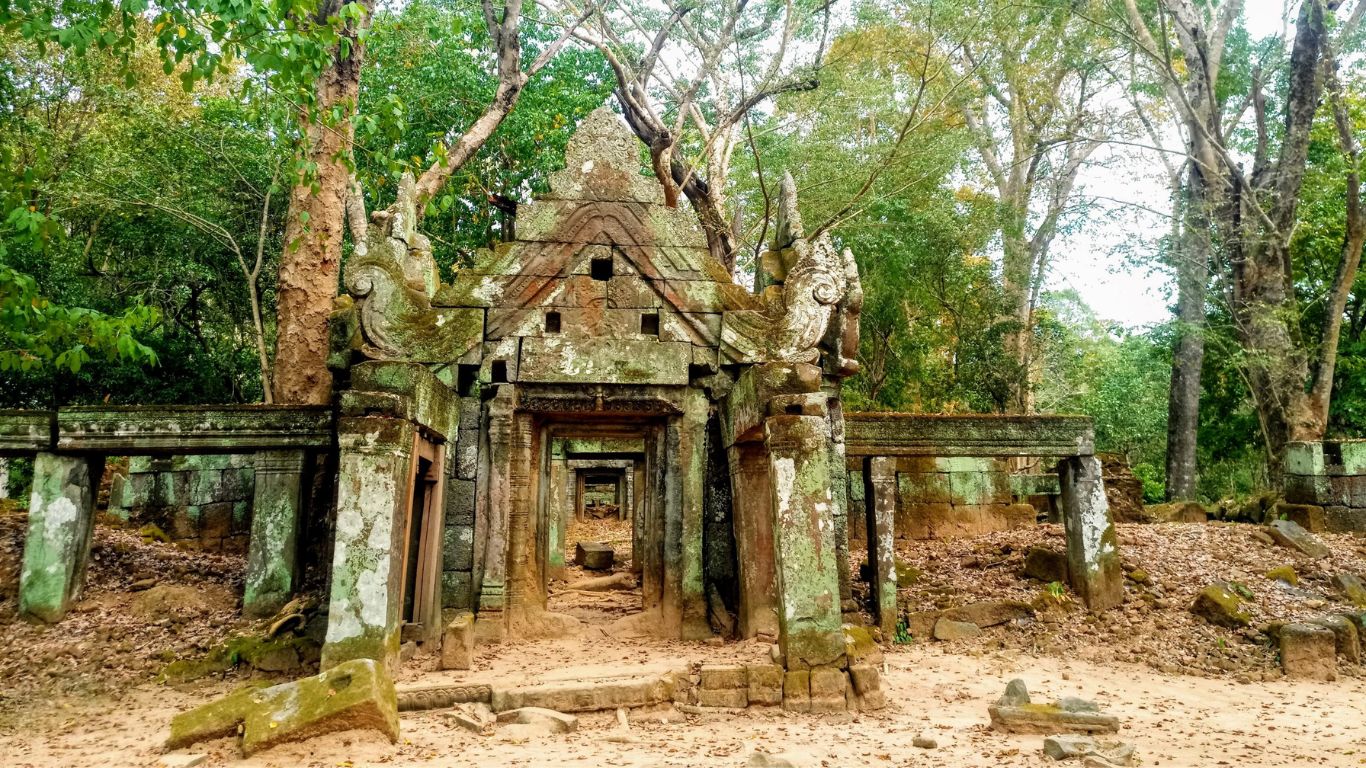
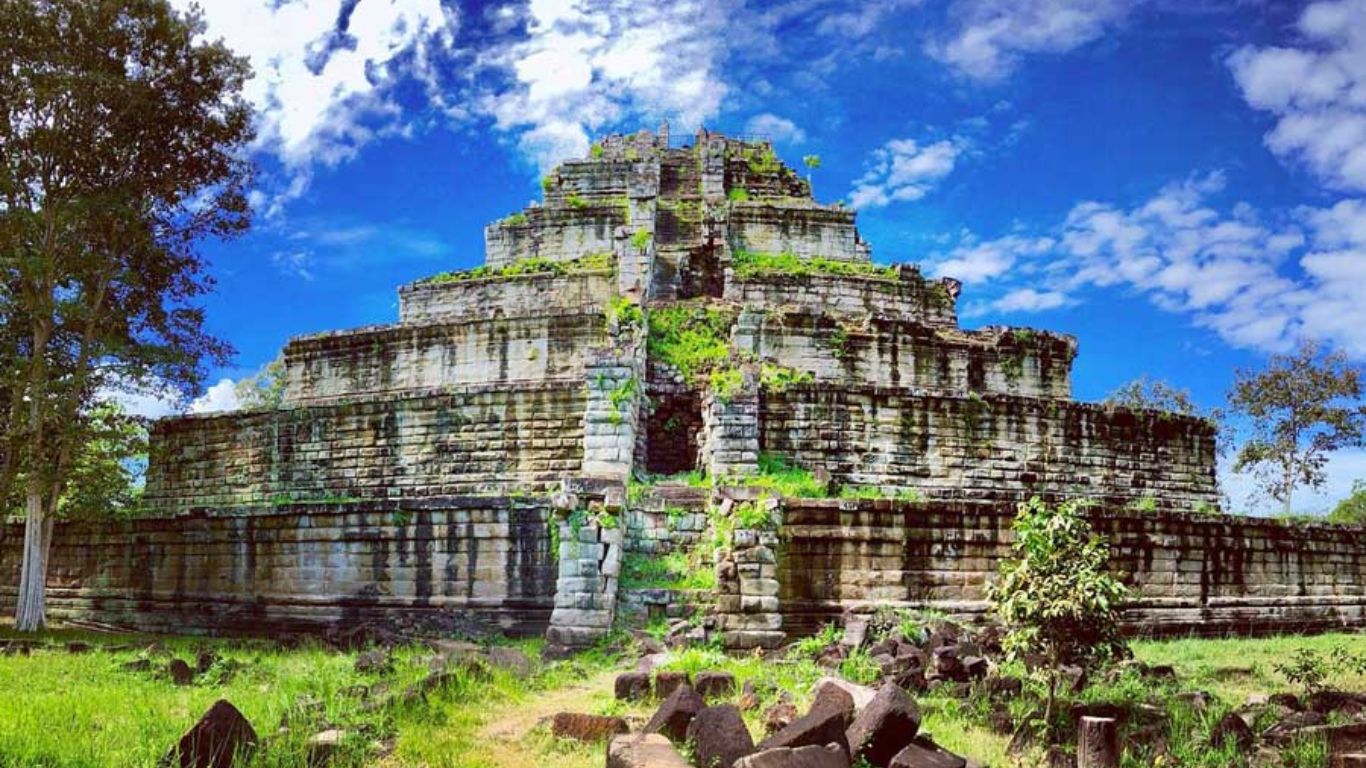
You can climb to the top for panoramic views over the treetops, it’s such a perfect reward after the quiet, crumbled corridors of Beng Mealea. The site is less visited and feels remote, adding to the thrill of exploration.
Phnom Kulen – Sacred Mountain with Waterfalls and History
Located about 40 kilometers (1.5 hours) from Beng Mealea in the opposite direction toward Siem Reap, Phnom Kulen is both spiritually and naturally enriching. This sacred mountain is believed to be the birthplace of the ancient Khmer Empire. It features:
- The River of a Thousand Lingas carved into the riverbed
- A reclining Buddha at the top of a hill
- And a picturesque waterfall, ideal for cooling off after a morning of temple exploring
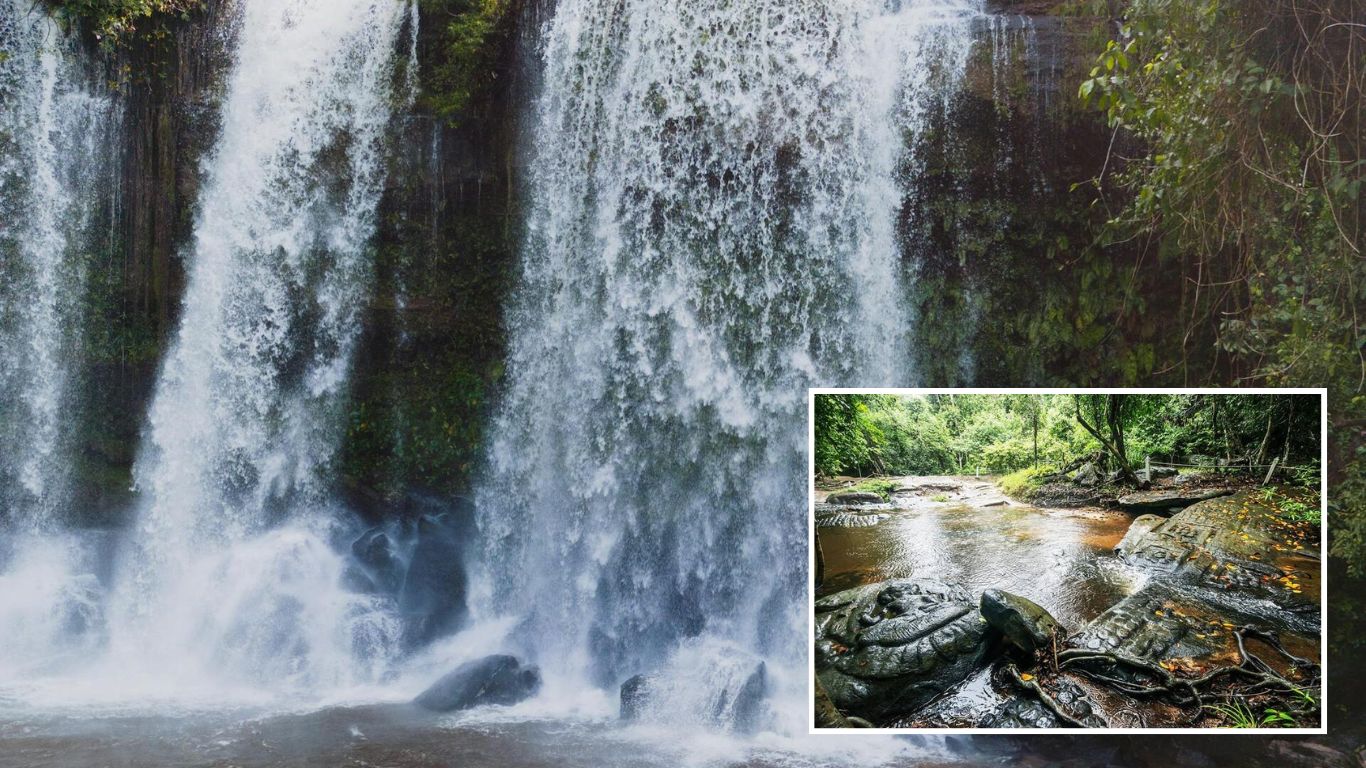
Phnom Kulen blends nature, legend, and spirituality, making it a fantastic detour if you want something more than just temples.
Banteay Srei – The Jewel of Angkor Artistry
About 65 kilometers (1.5 to 2 hours) from Beng Mealea, on the way back to Angkor, lies Banteay Srei, known as the “Citadel of Women.” This pink sandstone temple is famous for its intricate carvings and well-preserved details that tell stories of Hindu mythology. It’s smaller than most Angkor temples but incredibly refined, it’s great for those who appreciate fine art and craftsmanship.
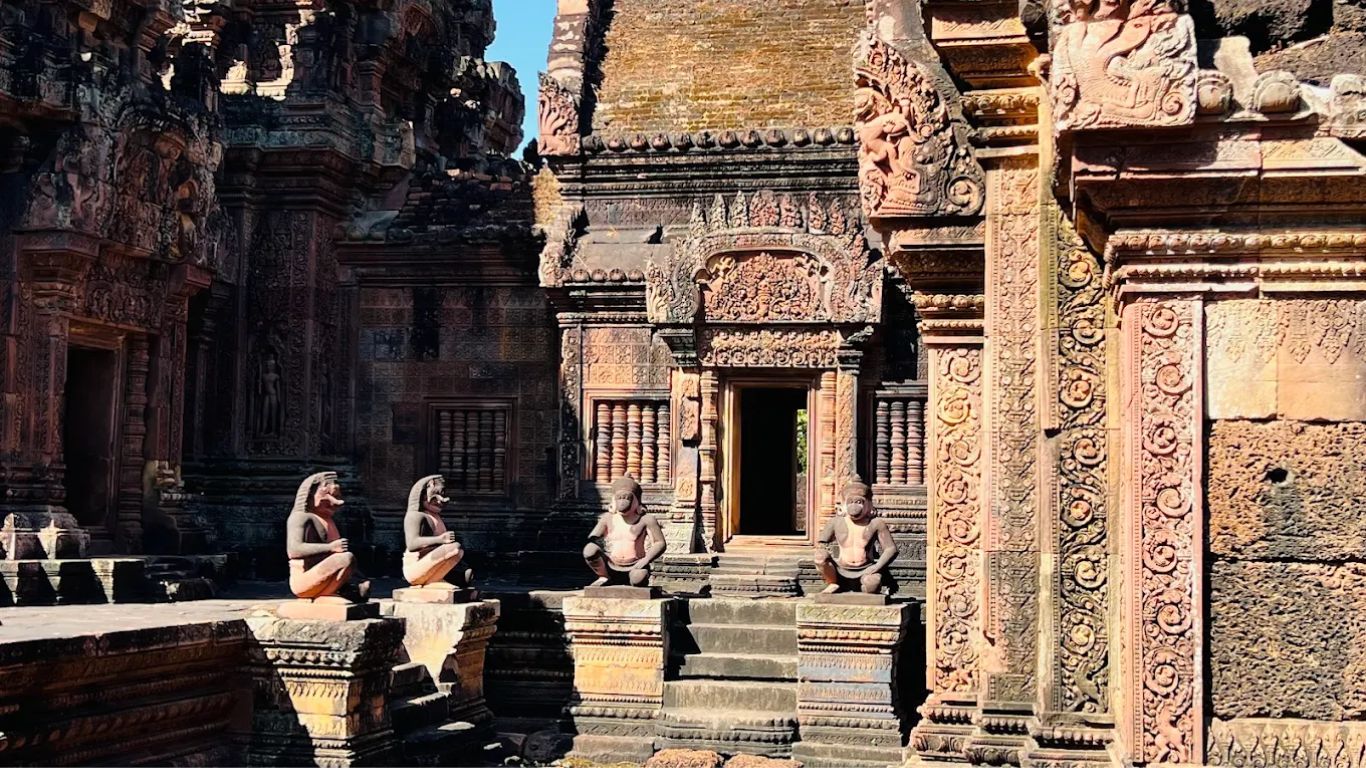
Stop here on your return to Siem Reap, especially in the late afternoon when the carvings glow under the golden light.
Suggested Vietnam & Cambodia Itineraries
Vietnam & Cambodia Discovery
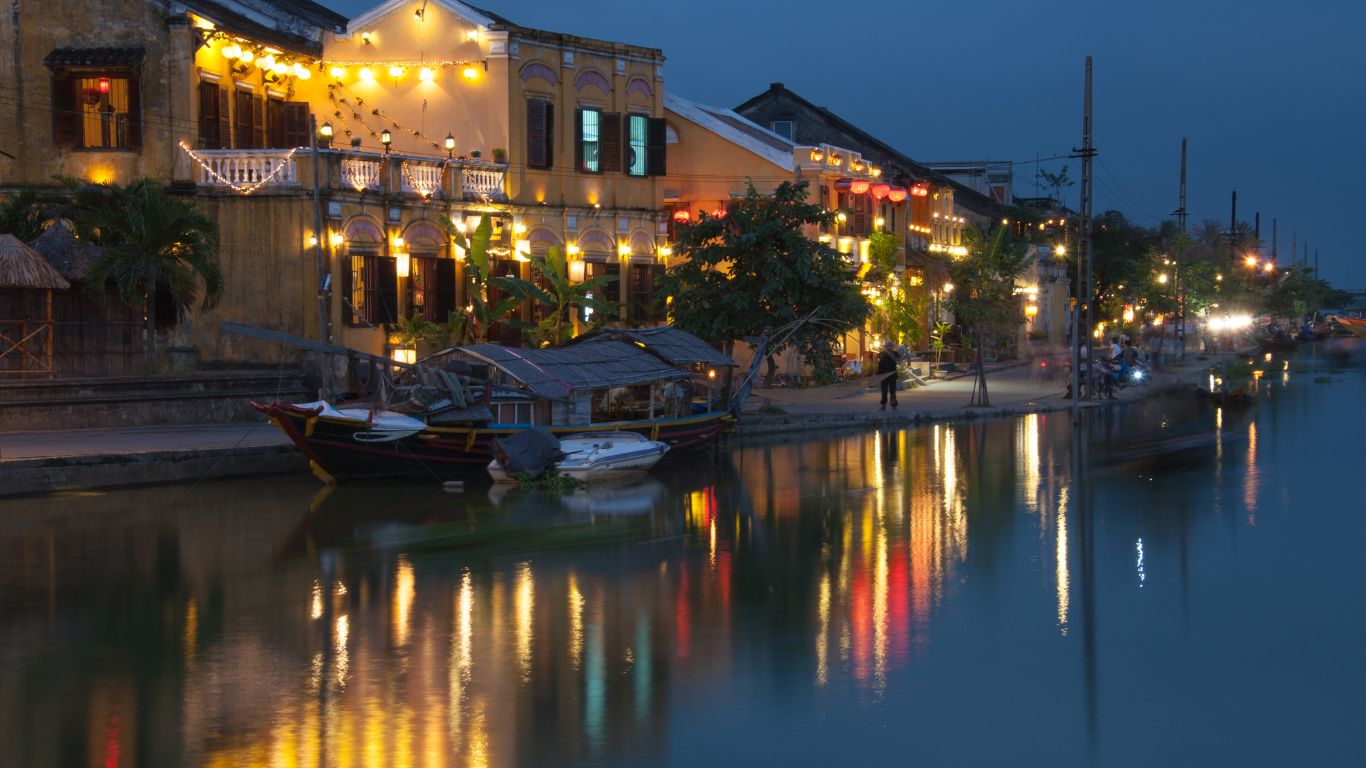
If you want to uncover the best of Vietnam and Cambodia in one seamless trip, this 15-day journey is a perfect match. Begin in Hanoi, where French charm meets local life, then sail through the emerald waters of Halong Bay. Move south to Hoi An for lantern-lit evenings and delicious cuisine before flying to Ho Chi Minh City. From there, cross into Cambodia to visit Phnom Penh’s royal landmarks and end your journey at the legendary Angkor Wat. The Vietnam & Cambodia Discovery 15 Days tour blends culture, history, and nature in a balanced way, making it ideal for first-time visitors to Indochina.
Immerse in the Cambodia Kingdom’s Heritage
If Cambodia has long been on your list, this 16-day itinerary gives you the full picture. Wander through Siem Reap’s ancient temples, explore the floating villages of Tonle Sap Lake, and dive into the charm of Phnom Penh. Later, continue to southern Cambodia for peaceful countryside moments before crossing into Vietnam.
The Grand Cambodia 16 Days tour is designed for travelers who want to go beyond the highlights. It allows time to connect with locals, enjoy slower travel days, and truly feel the heart of the region.
A Deep Dive into Indochina
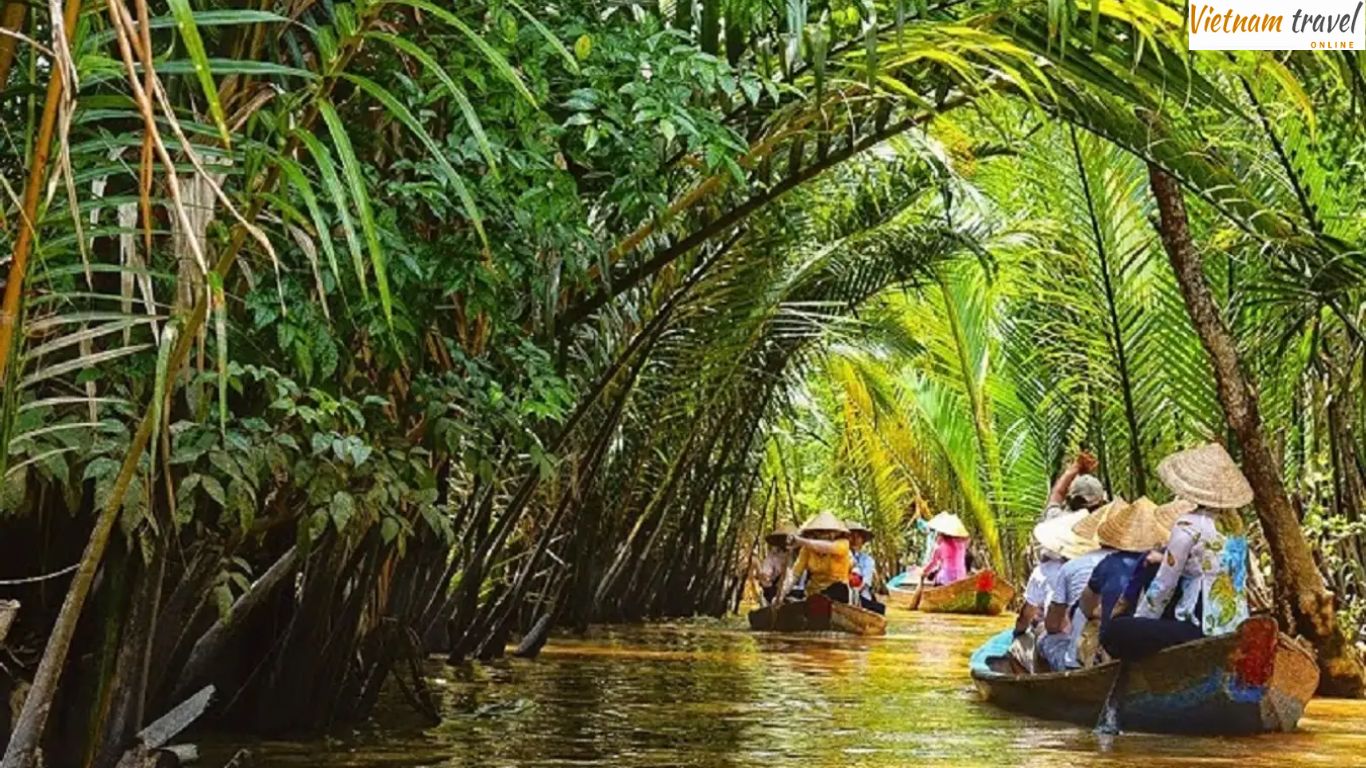
For travelers seeking a long, immersive adventure, this 22-day route is a dream come true. From the old streets of Hanoi to the timeless temples of Angkor, every stop reveals a new layer of culture and landscape. Cruise Halong Bay, wander Hoi An’s riverside, explore the Mekong Delta, and uncover the best of Cambodia at a relaxed pace. The Far East Discovery 22 Days journey suits those who love both depth and comfort, blending famous landmarks with authentic encounters.
💡If this Indochina adventure excites you, we can help make it yours. At Vietnam Travel Online, you can either pick from our wide range of ready-made or a fully customized journey. Whether it’s Vietnam tours or Indochina trips, we’re here to make it complete. From Saigon’s cathedral and the Mekong River to riverside communities and Cambodia’s Angkor temples. Simply reach out at [email protected] or via our form to start planning an unforgettable experience.
Practical Tips for Visiting Beng Mealea
-
Dress for the jungle: Wear light and breathable clothes to stay comfortable in the tropical heat. Long sleeves and pants help protect against mosquitoes and sunburn. Choose sturdy walking shoes because the paths can be uneven and sometimes slippery.
-
Pack wisely: Bring enough drinking water to keep yourself hydrated throughout the visit. Include sunscreen, insect repellent, and a small towel in your bag. Since there are no shops nearby, carry some light snacks or fruit. A camera is essential because every corner of the temple offers beautiful views.
-
Stay safe while exploring: Watch where you step because many stones are loose or covered in moss. Use your hands when climbing or moving between areas. Avoid exploring hidden corners alone, especially after rain. A small flashlight can help when looking into darker sections of the temple.
-
Plan your visit carefully: Come early in the morning or late in the afternoon when the temperature is cooler and the light is softer. These hours are also quieter and better for photos. During the rainy months, the temple becomes greener and the lotus ponds reflect the ruins beautifully, although some trails may be muddy.
-
Show respect and care: Beng Mealea is an ancient and sacred site. Avoid touching carvings or climbing fragile walls. Speak softly to keep the calm atmosphere and leave everything as it is. Take your time and enjoy the quiet power of this forgotten temple.
FAQs
Where is Beng Mealea located?
Beng Mealea lies about 65 kilometers east of Siem Reap. It sits between rice fields and thick jungle, creating a peaceful and remote atmosphere.
How long should I spend at the temple?
Plan for 2–3 hours to fully explore the ruins, take photos, and enjoy the surroundings. You may stay longer if you want to wander quietly and explore hidden corners.
Can I visit Beng Mealea with children or seniors?
Yes, but keep in mind the paths are uneven and some areas are steep. Families with very young children or visitors with mobility issues should exercise caution.
What is the best time of day to visit?
Early morning or late afternoon is ideal. The light is softer, temperatures are cooler, and the site is less crowded.
Is it possible to combine Beng Mealea with other attractions?
Absolutely. Many travelers combine it with Koh Ker, Phnom Kulen, or Banteay Srei in a full-day loop from Siem Reap. This gives a richer experience of Cambodia’s hidden temples.
Do I need a guide to visit Beng Mealea?
A guide is optional but recommended. Guides provide historical context, point out hidden features, and help you explore safely.
How much is the entrance fee?
Tickets cost 5 USD per person, payable at the entrance. The Angkor Pass does not cover Beng Mealea, so bring cash to avoid surprises.