

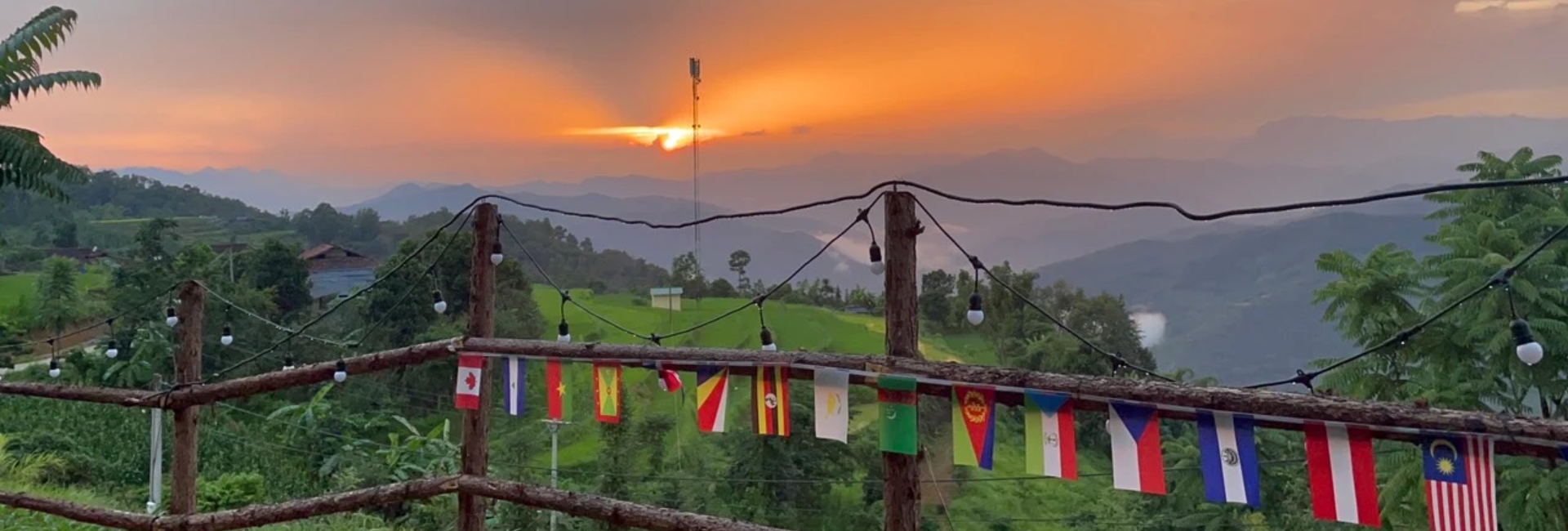
Tucked into the far northeastern corner of Vietnam, Cao Bang is one of the country’s most rewarding mountain provinces. It is home to the thundering Ban Gioc Waterfall, the limestone corridors of Nguom Ngao Cave, the historic Pac Bo site, and villages shaped by Tay and Nung traditions. Unlike the tropical south, this province has four genuinely distinct seasons. Its high elevation and folded mountain terrain mean the weather can shift from valley floor to ridge line within the same afternoon.
Every season here offers something worth planning around. Spring brings soft light and blooming hillsides. Summer swells the waterfalls into full roar. Autumn delivers the clearest skies and golden rice fields. Winter wraps the valleys in mist and quiet. Late September through November tends to offer the best mix of comfortable weather, strong scenery, and cultural events. Still, every month has a case to be made for it. The breakdown below will help match a trip to the season that fits what matters most.
What can you find in this travel blog?
- Understanding Cao Bang Weather and Climate
- Cao Bang Weather by Season
- Cao Bang Weather by Month
- Best Time to Visit Cao Bang for Different Travel Experiences
- Does the Weather Affect Traveling Around Cao Bang?
- What to Pack for Cao Bang in Every Season
- Suggested Cao Bang Itineraries by Season
- FAQs
Understanding Cao Bang by Season and Climate
Before the month-by-month detail, it helps to understand why Cao Bang feels so different from the rest of northern Vietnam. Geography and elevation explain almost every weather pattern found on the ground here.
Where is Cao Bang and how does its geography shape the weather?
Cao Bang sits in the far northeast of Vietnam. It shares a long border with China. The landscape is dominated by limestone mountains, deep valleys, and river corridors. Elevation here runs noticeably higher than Hanoi or the Red River Delta. That elevation keeps temperatures several degrees cooler year-round. It also means weather can vary between a sheltered valley town and an exposed mountain pass just a short drive away. Travelers moving between Cao Bang City and higher districts like Nguyen Binh should expect the temperature to drop as the road climbs.
What climate does Cao Bang have?
The province has a humid subtropical climate. Four seasons are clearly defined here. Summers run warm and rainy. Winters stay cool and dry. Spring and autumn sit gently in between. Average annual temperatures stay mild. Rainfall is substantial and concentrated in summer. Humidity stays moderate to high most of the year. Sunshine hours peak during the autumn dry season. This rhythm is the backbone of everything that follows.
Cao Bang Weather by Season
Each season paints the province in a different mood. Knowing what to expect shapes everything from a packing list to a full itinerary. Here is how the year unfolds.
Spring in Cao Bang (February to April)
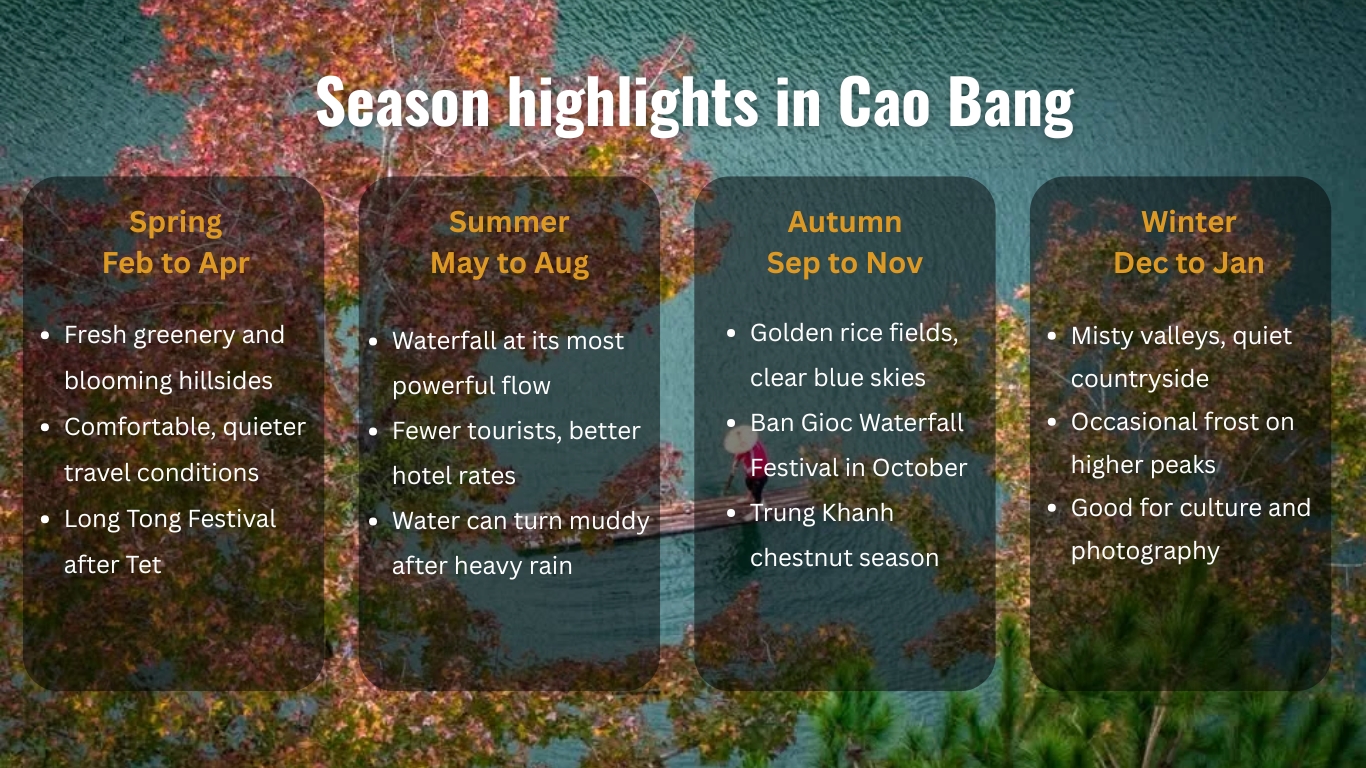
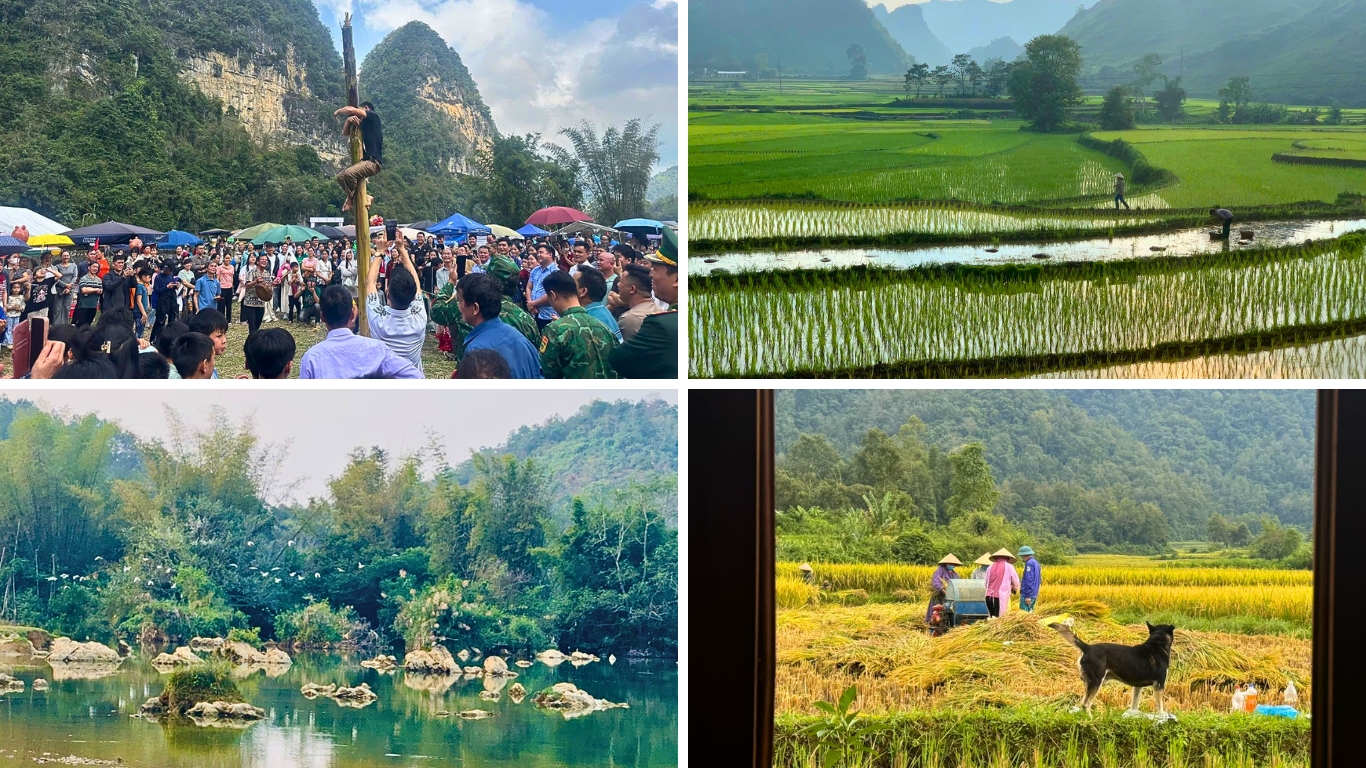
Spring arrives gently. Daytime temperatures stay comfortable. Mornings stay cool. Sunshine increases steadily. Rainfall stays light, and the mountain air feels fresher after winter. Forests turn a richer green. Wildflowers open across the hillsides. Rice terraces begin their new planting cycle. Rivers run clear. Villages come alive after Tet. Travelers arriving in the weeks that follow may catch the Long Tong Festival, the Tay and Nung “going down to the fields” celebration. It falls in the early days of the lunar new year, when communities gather for folk games and rituals asking for a good harvest.
This is a rewarding window for Ban Gioc Waterfall before the autumn crowds arrive. Nguom Ngao Cave, Pac Bo, and quiet village walks all suit this season well. The advantages are clear: comfortable weather, good road conditions, and a noticeably quieter pace than the high season months. Pack a light jacket, sturdy walking shoes, and a compact rain jacket for the odd shower.
Planning a spring trip is easier with local support on the ground. Vietnam Travels Online’s private tours can arrange a private driver or a guided village visit timed around festival dates.
Summer in Cao Bang (May to August)
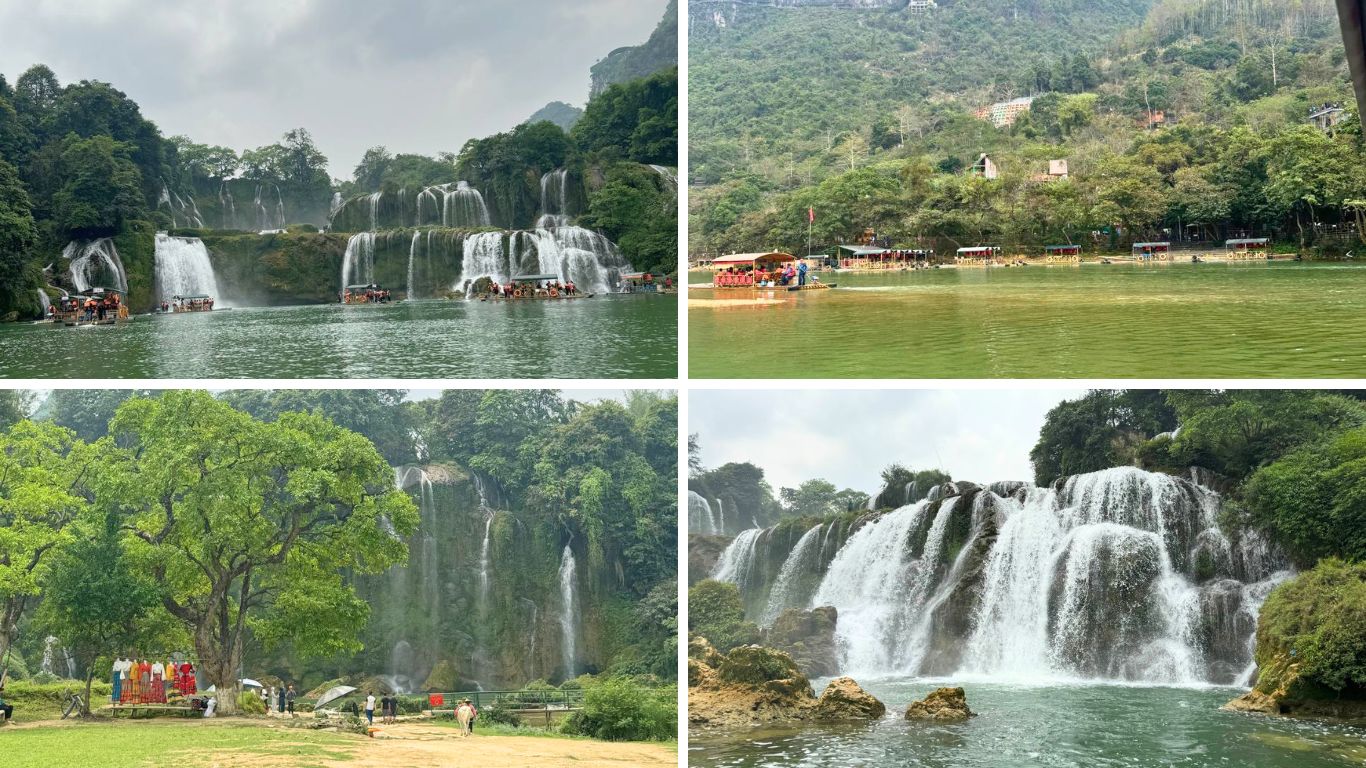
Summer brings warmth, humidity, and the heaviest rainfall of the year. Storms tend to arrive as short, intense afternoon downpours rather than all-day rain. The upside is dramatic. Mountains turn a vivid green. Rivers swell. Ban Gioc Waterfall reaches its most powerful flow of the year. The forests around the falls look genuinely lush during this stretch.
Photographers and waterfall chasers tend to love this season. It comes with real perks too: fewer tourists and better hotel rates. There is one trade-off worth knowing before booking flights around it. Heavy rain can wash sediment into the river, turning the water from turquoise to a muddier brown or tan. The flow still stays impressive. For the classic postcard blue, October onward is more reliable.
Rain also means slicker hiking trails and the occasional fog after heavy downpours. Pack a proper rain shell, quick-dry layers, and shoes with real grip. A private vehicle and driver remove most of the stress from navigating summer road conditions. Our team can build a route around the weather rather than against it.
Autumn in Cao Bang (September to November)
Autumn is widely considered the best season to visit. Skies turn a clean, deep blue. Humidity drops. Rainfall tapers off. Mornings and evenings settle into a genuine coolness. Visibility improves dramatically compared to the hazy days of summer, which matters in a province built around dramatic mountain views.
Mid-September through October is the window to watch closely. This is when the rice fields around Phong Nam Valley and Trung Khanh district turn a deep gold before harvest. Timing shifts slightly year to year depending on elevation and rainfall, so build in some flexibility. The same stretch marks the Trung Khanh chestnut season too. Roadside stalls sell freshly roasted chestnuts from local groves, a regional treat found almost nowhere else in Vietnam. Early to mid October brings the Ban Gioc Waterfall Festival as well. It fills a few days with folk games, food stalls, chestnut picking activities, and cultural performances held right at the falls.
Autumn also delivers Ban Gioc Waterfall at its most photogenic. The water clears to a jade blue tone against golden fields. Nguom Ngao Cave, Pac Bo, Angel Eye Mountain, and Phia Oac National Park all shine during this stretch. It is no surprise most travel specialists point clients here first. Accommodation near the falls books out quickly around festival dates. Arranging things through our private tour and accommodation service well ahead of time is worth doing.
Winter in Cao Bang (December to January)
Winter settles in cold and dry. Mornings run chilly. Afternoons stay cool. Rainfall drops to its lowest point of the year. Mist rolls through the valleys. Higher mountains can see frost on particularly cold nights. The countryside turns quiet. Foggy valleys wrap around dramatic limestone peaks. The whole province takes on a peaceful, almost meditative atmosphere.
This season suits cultural visits, historical sites, and photography in soft misty light. Slow mornings with coffee overlooking mountain views feel especially good here. Short hikes remain enjoyable with the right clothing. Warm layers, a proper jacket, and cautious driving through morning fog are the essentials. A private driver familiar with these roads makes winter mornings far less stressful than self-driving through low visibility.
Cao Bang Weather by Month
For travelers who plan against exact dates rather than broad seasons, here is the year broken down month by month.
| Month | Average Temperature | Rainfall | Weather Highlights | Travel Recommendation |
|---|---|---|---|---|
| January | Cold | Low | Dry, misty mornings | Good for culture and photography |
| February | Cool | Low | Tet season, spring stirring | Great for festivals |
| March | Mild | Low to moderate | Blooming hillsides | Excellent all round |
| April | Mild to warm | Moderate | Fresh greenery | Strong shoulder season |
| May | Warm | Rising | Early rains begin | Good for fewer crowds |
| June | Warm | High | Lush landscapes | Waterfall power builds |
| July | Warm | Highest | Peak thunderstorms | Dramatic scenery, plan flexibly |
| August | Warm | High | Powerful waterfalls | Strong for photographers |
| September | Pleasant | Moderate | Early harvest begins | Excellent transition month |
| October | Pleasant | Low | Golden rice fields, festival season | Best overall month |
| November | Cool | Low | Clear skies, chestnut season ending | Excellent for hiking |
| December | Cold | Low | Misty, quiet | Peaceful and photogenic |
July stands out as the warmest and wettest month. January and December bring the coldest air. October holds the title for driest and most balanced conditions. That is exactly why so many seasoned travelers call it the best month to visit Cao Bang.
Best Time to Visit Cao Bang for Different Travel Experiences
The right timing depends on what a trip is really built around. Here is how to match the calendar to specific interests.
Best time to visit Ban Gioc Waterfall
August through October brings the strongest water flow and the most dramatic scale. Spring offers calmer scenery with far fewer visitors at the viewpoints. Worth remembering: peak summer rain can turn the water a muddy brown. The clear turquoise shots most travelers picture become far more reliable from October onward. For both power and clarity in the same frame, early to mid October tends to split the difference well.
Best time for trekking and hiking
September through November is the sweet spot. Temperatures cool down. Humidity drops. Skies stay clear. Angel Eye Mountain and Phia Oac National Park stand out as the top trekking destinations during this window. Both reward hikers with sweeping views that summer haze usually blocks.
Best time for photography
Every season hands photographers something different. Spring offers soft light over blooming hillsides. Summer delivers the drama of a waterfall at full force. Autumn brings golden rice fields under deep blue skies. Winter wraps the mountains in atmospheric mist. Shooters chasing one unforgettable frame tend to favor late September through October, when the rice harvest meets clear autumn light.
Best time to experience local culture and festivals
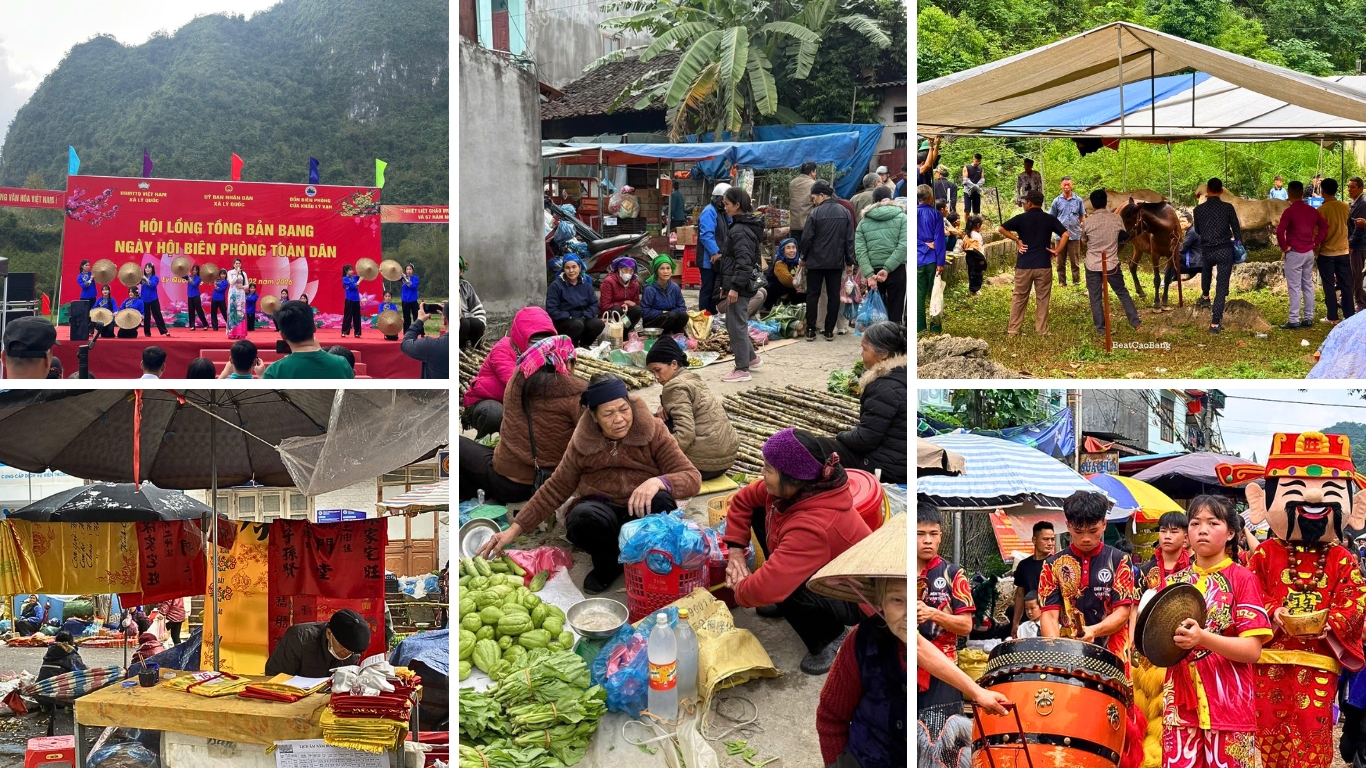
Two events are worth building a trip around. The Long Tong Festival falls in the early days of the lunar new year. Exact dates shift by village and by year. It offers a genuine window into Tay and Nung agricultural traditions. The Ban Gioc Waterfall Festival runs in early to mid October, right at the falls. Expect food stalls, folk games, and cultural performances. Since dates move with the lunar calendar, check the current year’s schedule before locking in flights. Reaching out to our team is an easy way to confirm timing before booking.
Best time for budget travelers
May through August generally sees fewer visitors. That means easier hotel discounts and quieter attractions, even with the occasional afternoon downpour to work around.
Does the Weather Affect Traveling Around Cao Bang?
Weather in a mountainous province shapes what practical day-to-day is. It is worth addressing before finalizing a route.
Is the rainy season safe for road trips?
Mountain passes can turn slick after heavy rain. Some rural roads see minor flooding during the heaviest summer storms. None of this rules out a summer visit. It does mean routes benefit from local knowledge of current conditions. That is exactly where a private driver earns their keep.
Can you still visit Ban Gioc Waterfall during the rainy season?
Absolutely. Many travelers prefer it this way for the sheer power of the flow. Stay cautious around slippery viewpoints near the falls. The water may run a muddier tone than the classic turquoise shots taken later in the year.
Is winter too cold for sightseeing?
Not at all. With the right layers, winter stays fully workable for exploring caves, historical sites, and villages. The misty light often makes for some of the most atmospheric photography of the year.
A private guide and vehicle takes the guesswork out of navigating seasonal road conditions, whatever time of year a trip lands.
What to Pack for Cao Bang in Every Season
Packing well for Cao Bang comes down to smart layering. A sunny valley morning can turn misty and cool once the road climbs.
- Spring packing list: Light jacket, comfortable walking shoes, compact rain jacket, sun protection.
- Summer packing list: Waterproof shell, quick-dry clothing, sturdy grip footwear, insect repellent, portable umbrella.
- Autumn packing list: Light layers for cool mornings, comfortable hiking shoes, a good camera, a light jacket for evenings.
- Winter packing list: Warm layers, insulated jacket, gloves, and shoes with solid traction for foggy mornings.
Suggested Cao Bang Itineraries by Season
Whatever the trip length, pairing the route to the season makes a real difference in what actually gets seen.
Northeast Vietnam Adventure, 6 Days
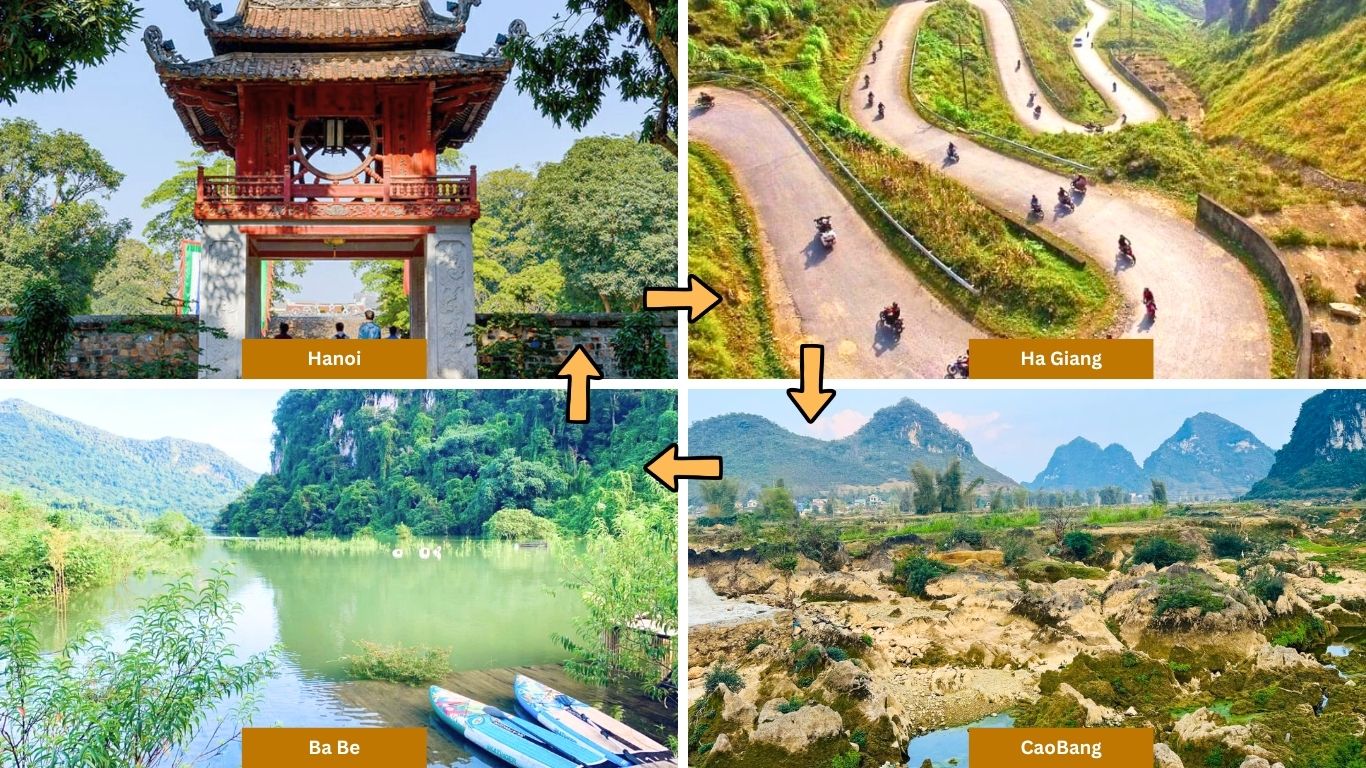
Travelers with a bit more time can follow the ready-made Northeast Vietnam Adventure, 6 Days, which combines Cao Bang with Ba Be National Park in one smooth loop. It suits anyone who wants a proper northeast circuit without piecing together the logistics themselves, and it also works well for travelers comparing this route against Cao Bang versus Ha Giang before deciding where to spend their week.
Northeast Vietnam Explorer, 7 Days
For a slower, more immersive pace, the Northeast Vietnam Explorer, 7 Days adds extra room for village stops, photography, and unhurried mornings around Ban Gioc and Phia Oac. This is the better fit for travelers who would rather linger than rush, and for those weighing a wider northern loop, the Cao Bang, Ha Giang, and Sapa comparison is worth a look before finalizing the itinerary.
Building any of these routes from scratch takes real local knowledge of road conditions, opening hours, and seasonal crowd patterns. Our private tour planning service handles all of that, matching the itinerary to the exact season of travel.
FAQs
What is the best month to visit Cao Bang?
October offers the best mix of clear skies, comfortable temperatures, golden rice fields, and festival season. It is the single most recommended month.
Is Cao Bang cold in winter?
Winter mornings run cold. Mountain areas can see frost. Warm layers are essential from December through January.
When is Ban Gioc Waterfall most beautiful?
August through October for sheer power. October specifically for the clearest turquoise water paired with golden fields.
Can I visit Cao Bang during the rainy season? Y
es. Many travelers enjoy the dramatic full flow waterfalls of summer. Just plan around occasional slippery trails and muddier water color.
How many days should I spend in Cao Bang?
Two days cover the highlights. Three allows time for villages and historical sites. Four to five lets you combine it with Ba Be National Park.
Does Cao Bang ever experience frost?
Higher elevation areas can see light frost during the coldest winter nights.
When is the Trung Khanh chestnut season?
Roughly September through November. Roasted chestnuts sell at roadside stalls throughout Trung Khanh district.
When is the Ban Gioc Waterfall Festival held?
Typically early to mid October each year, timed to coincide with the rice harvest around the falls.
Ready to build a Cao Bang trip around the right season? Get in touch with our team or browse our full range of Vietnam tours and Indochina itineraries to start planning. Reach out directly at [email protected], and explore more in the Cao Bang travel guide for additional planning details.