

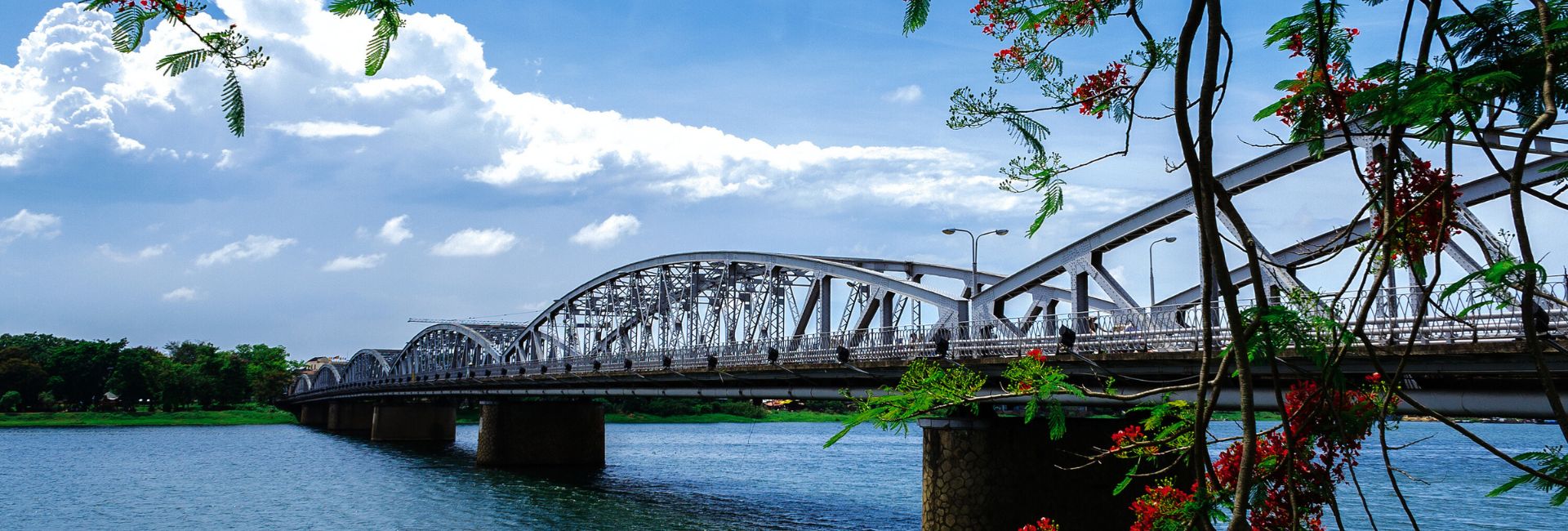
For travelers planning a late-spring journey, Hue in May often raises an important question: is it a good time to visit? The answer depends on understanding the weather, travel conditions, and available experiences during this month. Fortunately, May offers many sunny days and vibrant landscapes, which make exploring the city both enjoyable and rewarding.
Located in Central Vietnam, Hue is famous for its imperial history, peaceful riverside scenery, and refined cuisine. As the former capital of the Nguyen Dynasty, the city preserves remarkable heritage sites, ancient temples, and elegant royal tombs. Because of this historical depth, Hue remains one of the most culturally significant destinations in Vietnam.
What can you find in this travel blog?
- Weather in Hue in May
- Pros of Visiting Hue in May
- Possible Downsides of Visiting Hue in May
- Best Things to Do in Hue in May
- Festivals and Events in Hue in May
- Is May a Good Time to Visit Hue?
- Recommended Itineraries for Visiting Hue
- Travel Tips for Visiting Hue in May
- FAQs
Weather in Hue in May
The weather is the first thing travelers consider when planning a visit, and Hue in May generally marks the beginning of the early summer season in Central Vietnam. During this time, the climate becomes warmer, yet the city still experiences many bright and sunny days. As a result, visitors can comfortably explore outdoor attractions, especially during the morning and late afternoon.
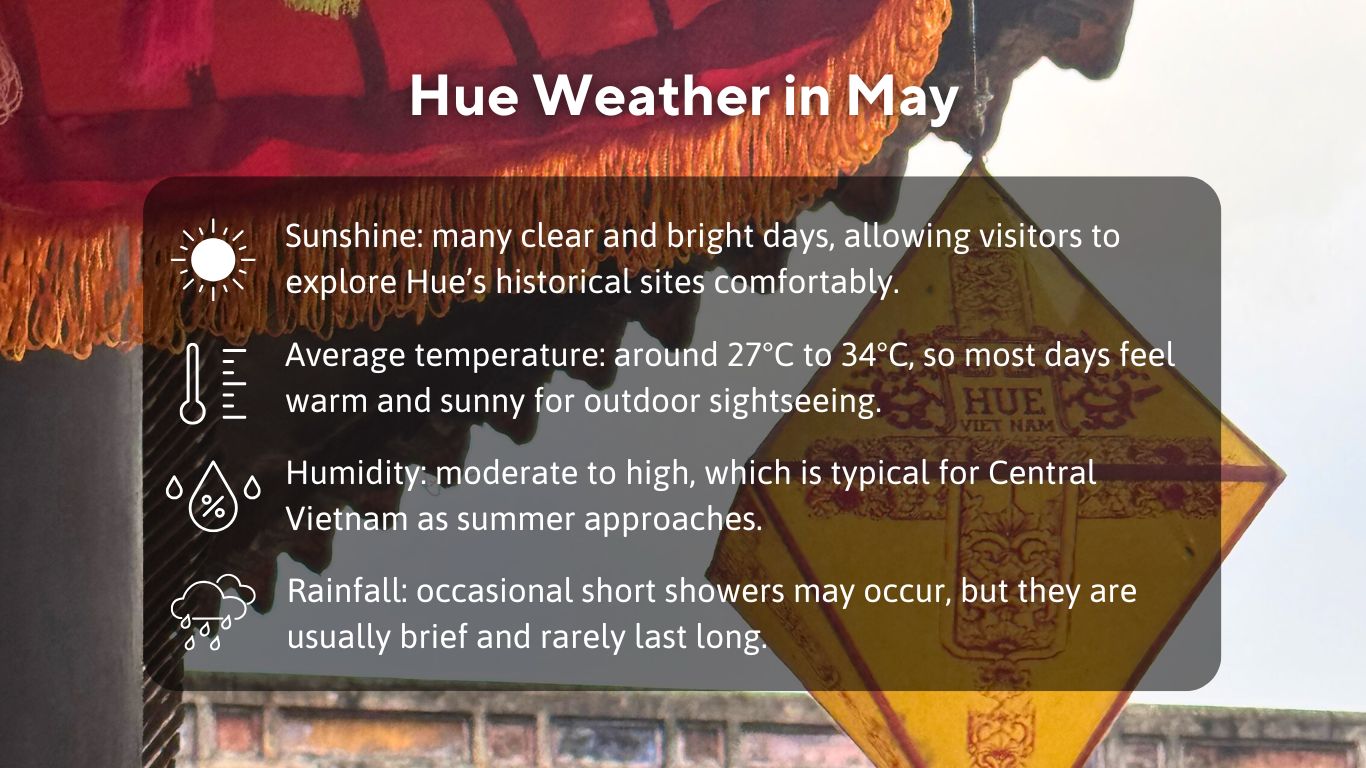
Although temperatures can rise around midday, the overall conditions remain favorable for sightseeing. Therefore, travelers who plan their activities wisely can still enjoy a very pleasant experience.
Pros of Visiting Hue in May
Many travelers find that Hue in May offers a pleasant balance between good weather and enjoyable travel conditions. The city begins to feel warmer during this time, yet the skies are often clear and bright. As a result, the historic sites and old architecture look especially beautiful in the sunlight. Walking around the ancient courtyards of the Imperial City of Hue or along the river can feel very rewarding during these sunny days.
In addition, May brings several small advantages that make exploring the city even more enjoyable:
-
Sunny weather that makes visiting historical landmarks easier and more pleasant
-
Green landscapes and gardens, as the countryside still looks fresh and lively
-
Beautiful lighting for photos, especially during sunrise and sunset
-
Moderate crowds, allowing visitors to explore attractions more comfortably
Because of these conditions, many travelers can take their time discovering Hue’s temples, tombs, and quiet riverside views without feeling rushed.
Possible Downsides of Visiting Hue in May
Although Hue in May has many advantages, travelers should also be prepared for a few seasonal challenges. As the city moves toward summer, temperatures gradually rise, and afternoons can feel quite warm. This is especially noticeable when visiting outdoor attractions or walking through large historical sites such as the Imperial City of Hue.
Visitors may also experience a few common conditions during this time:
-
Hot afternoons, particularly between 12 pm and 3 pm
-
Increasing humidity, which can make long walks feel more tiring
-
Occasional short rain showers, usually brief and scattered
However, these conditions are generally manageable with simple planning. For instance, starting sightseeing earlier in the day and taking a break during the hottest hours can make exploring Hue much more comfortable.
Best Things to Do in Hue in May
With long sunny days and lively scenery, Hue in May creates wonderful conditions for exploration. The former imperial capital is widely known for its historic citadel and royal tombs. However, the city also offers pagodas, markets, nature escapes, and cultural experiences that reveal many different sides of Hue.
From peaceful temples overlooking the river to scenic lagoons and traditional craft villages, visitors can easily fill their days with memorable discoveries. The following highlights show how travelers can experience both the heritage and everyday charm of Hue.
Historic and Cultural Sites
Hue’s identity is deeply connected with its spiritual traditions and historical landmarks. Besides the imperial palaces, the city is home to beautiful pagodas and lively markets that reflect daily local life. Exploring these places helps visitors understand how culture, religion, and history blend together in this former royal capital.
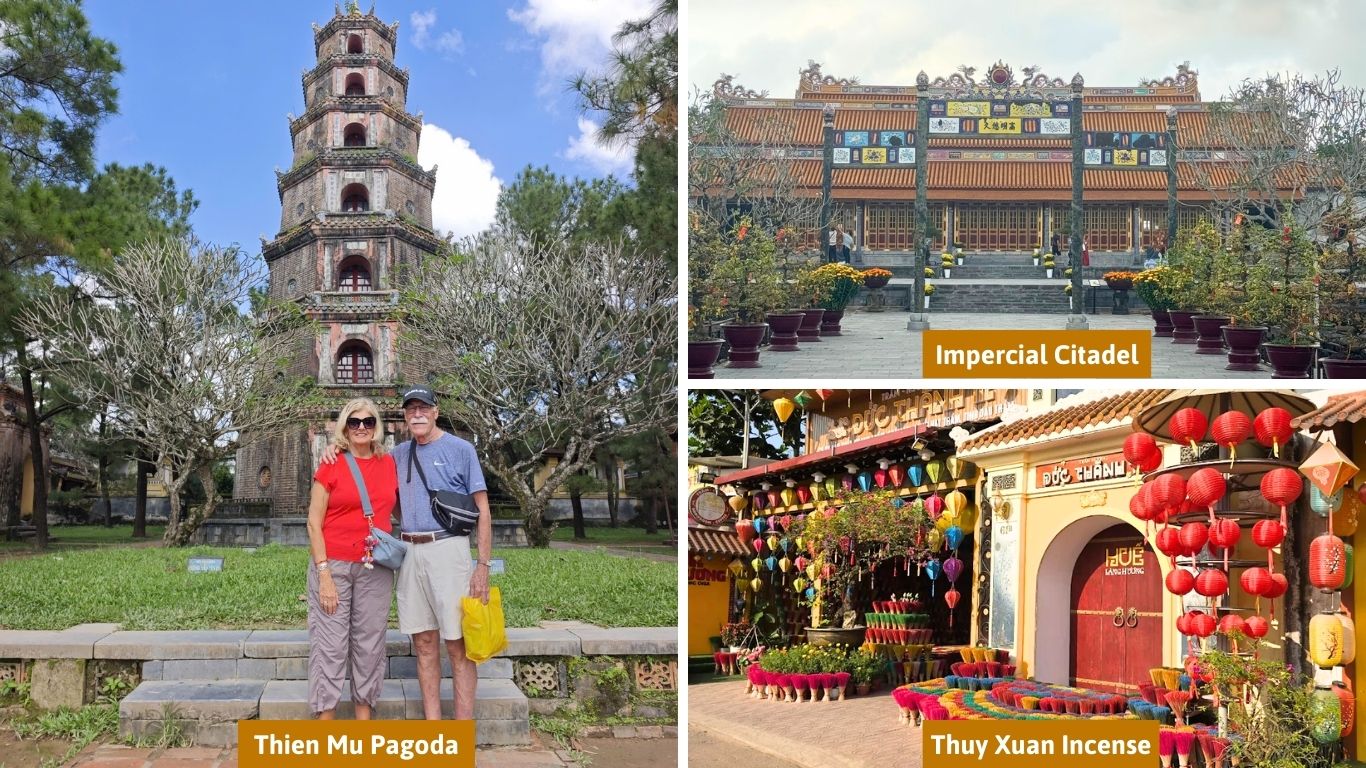
Imperial City of Hue
The Imperial City stands as the most important historical attraction in Hue. Once the political center of the Nguyen Dynasty, this vast complex of palaces, gates, and courtyards reveals the grandeur of Vietnam’s last imperial capital.
Thien Mu Pagoda
Overlooking the peaceful Perfume River, Thien Mu Pagoda is widely considered one of the most iconic landmarks in the city. The elegant seven-story tower and quiet gardens create a beautiful spiritual setting.
Dong Ba Market
Dong Ba Market offers a lively contrast to the city’s historic monuments. Visitors can wander through busy stalls, observe everyday trading activities, and sample local dishes that reflect Hue’s culinary culture.
Thuy Xuan Incense Village
Located on the outskirts of the city, Thuy Xuan Incense Craft Village is known for its colorful incense-making workshops. Visitors can watch artisans create incense by hand while learning about an important part of Hue’s cultural heritage.
Natural Landscapes Around Hue
Although Hue is best known for its royal heritage and historic monuments, the surrounding region also offers impressive natural scenery. Travelers who venture beyond the city center can discover beaches, mountains, and lagoons that provide a refreshing contrast to the imperial architecture.
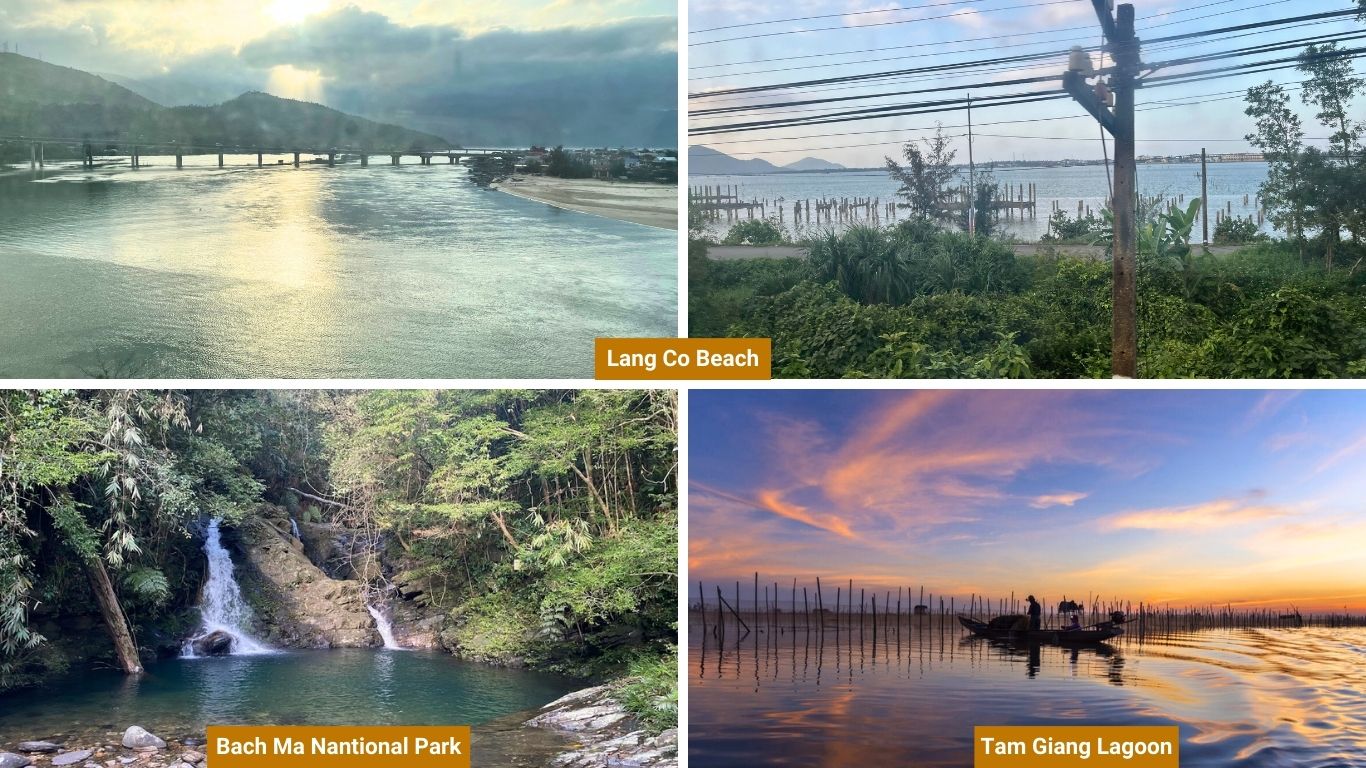
Lang Co Beach
Located along the scenic coastal road between Hue and Da Nang, Lang Co Beach is famous for its long stretch of soft sand and clear blue water. The peaceful seaside atmosphere makes it an appealing stop for travelers who want to relax and enjoy coastal landscapes after exploring Hue’s historic sites.
Bach Ma National Park
Nature lovers often visit Bach Ma National Park for its forest trails, waterfalls, and panoramic mountain views. Because the park sits at a higher elevation, the air is usually cooler than in the city, making it a refreshing escape during warmer months.
Tam Giang Lagoon
Stretching along the northern coast of Hue, Tam Giang Lagoon is one of the largest lagoon systems in Southeast Asia. In the late afternoon, fishing boats move slowly across the calm water while the sunset colors reflect on the surface, creating a peaceful and memorable landscape.
Cultural Experiences
Beyond historical landmarks, Hue offers many cultural experiences that allow travelers to connect with the city’s living traditions. Music, cuisine, and traditional crafts all contribute to the distinctive atmosphere of this former imperial capital.
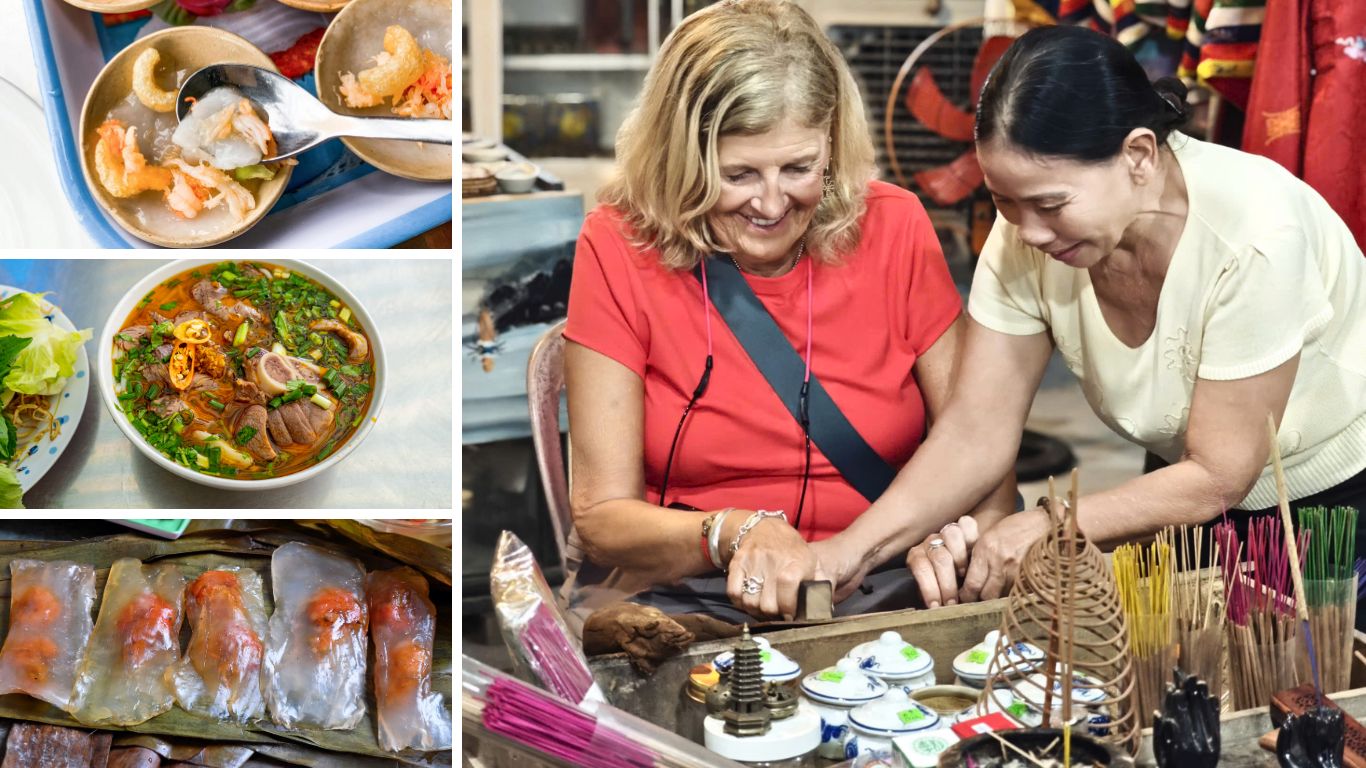
Listen to Hue Royal Court Music on the Perfume River
A traditional dragon boat cruise along the peaceful Perfume River often includes performances of Hue royal court music. This elegant musical tradition is recognized by UNESCO as an important part of Vietnam’s cultural heritage. As the boat moves slowly along the river, the soft melodies create a relaxing and memorable experience.
Explore Traditional Craft Villages
Several traditional craft villages around Hue continue to preserve skills that have been practiced for generations. Visitors may observe artisans creating incense, conical hats, or handmade paper flowers. These workshops offer an interesting glimpse into the everyday craftsmanship that still supports local communities.
Discover Hue’s Street Food Culture
Hue is widely celebrated for its refined cuisine, which originally developed from imperial court traditions. Travelers often enjoy tasting specialties such as Bún bò Huế, Bánh bèo, and Bánh khoái. Exploring small restaurants or evening food stalls is a delicious way to experience the city’s culinary identity.
Festivals and Events in Hue in May
Another interesting aspect of Hue in May is the opportunity to experience local cultural traditions. Although major festivals do not take place every year during this month, the city occasionally hosts performances or cultural activities connected with the well-known Hue Festival. These events often include traditional music, dance performances, and exhibitions that highlight the region’s artistic heritage.
In addition, Buddhist celebrations such as Vesak, which commemorates the birth of the Buddha, may also occur in May. During this time, temples and pagodas like Thien Mu Pagoda become lively with prayer ceremonies, lantern decorations, and spiritual gatherings.
Together, these cultural moments allow visitors to see a different side of Hue, where history, religion, and community traditions continue to shape everyday life.
Is May a Good Time to Visit Hue?
FAQs
Is May a good time to visit Hue?
Yes, Hue in May can be a very pleasant time to visit. The city usually enjoys many sunny days, which are ideal for exploring outdoor historical sites and scenic landscapes. In addition, tourist crowds are often moderate, allowing visitors to experience attractions more comfortably.
Does it rain in Hue in May?
Rainfall in May is possible, but showers are usually short and scattered. In most cases, they pass quickly and rarely disrupt travel plans for long. Therefore, visitors can still enjoy sightseeing throughout the day with only minor interruptions.
Is Hue too hot in May?
Temperatures can become warm during the afternoon, especially under direct sunlight. However, the heat is generally manageable with good planning. Starting sightseeing early in the morning and taking a break around midday can make the experience much more comfortable.
How many days should you spend in Hue?
Most travelers spend 2–3 days exploring Hue. This timeframe allows enough time to visit the historic Imperial City of Hue, explore royal tombs and pagodas, and enjoy the city’s famous cuisine at a relaxed pace.