

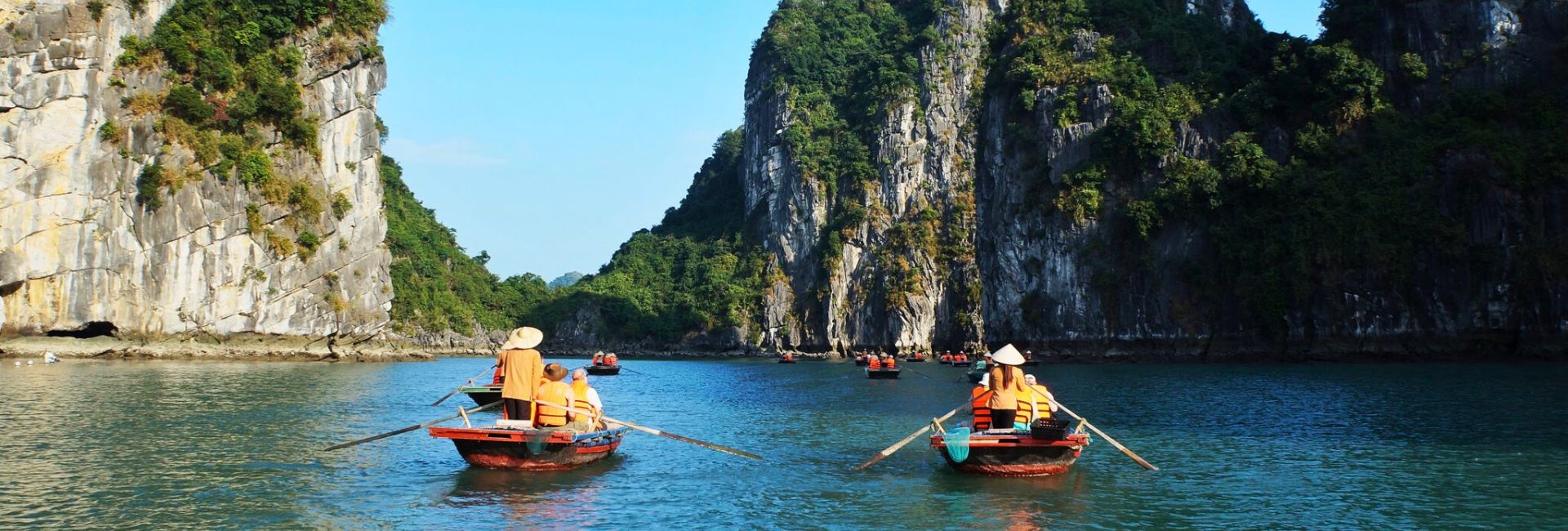
Halong Bay and Sapa are two of northern Vietnam’s most stunning destinations. One offers limestone islands and emerald waters, while the other shows off terraced rice fields and mountain culture that stays with you long after you leave. Traveling between them may feel like a big undertaking, but with the right plan, it is one of the most rewarding journeys you can make in the north.
This guide covers everything you need: the distance, every transport option with real costs, the best time to go, and ready-made itineraries for 2026.
What can you find in this travel blog?
- Why You Should Visit Halong Bay and Sapa
- Distance and Journey Overview
- How to Get from Halong Bay to Sapa
- Best Time to Visit Halong Bay and Sapa
- Things to Do in Halong Bay
- Things to Do in Sapa
- Suggested Itineraries
- Practical Tips for Visiting Halong Bay and Sapa
- FAQs
Why You Should Visit Halong Bay and Sapa
Northern Vietnam is a destination that rewards those who go beyond just one highlight. Halong Bay gives you calm mornings on the water, towering karst islands, and that rare feeling of being completely surrounded by nature. Sapa, on the other hand, pulls you into a world of golden rice terraces, misty peaks, and villages where traditions have been kept alive for generations. Together, they show you two completely different faces of Vietnam, and the contrast is exactly what makes the trip unforgettable.
Combining both destinations is not just worth it. It is the best way to truly feel the north.
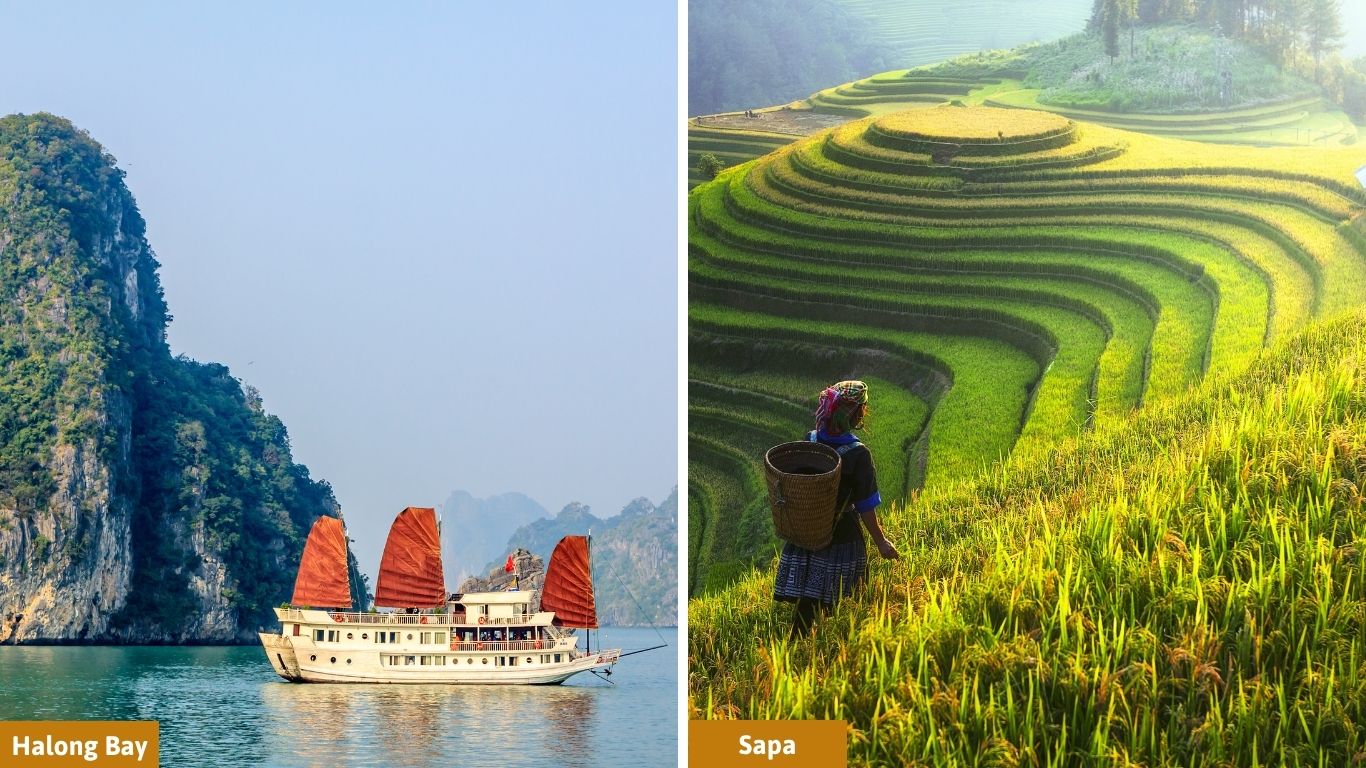
Distance and Journey Overview
The journey from Halong Bay to Sapa covers roughly 420 kilometres (261 miles). Depending on your chosen transport, expect to spend between 6 and 9 hours on the road. Nearly every route passes through Hanoi, which sits naturally between the coast and the mountains, making it a logical midpoint rather than a detour.
Think of it as a natural progression: coastal karst landscapes give way to the energy of Hanoi’s streets, before the scenery opens up into the sweeping highland views of Lao Cai and Sapa.
How to Get from Halong Bay to Sapa
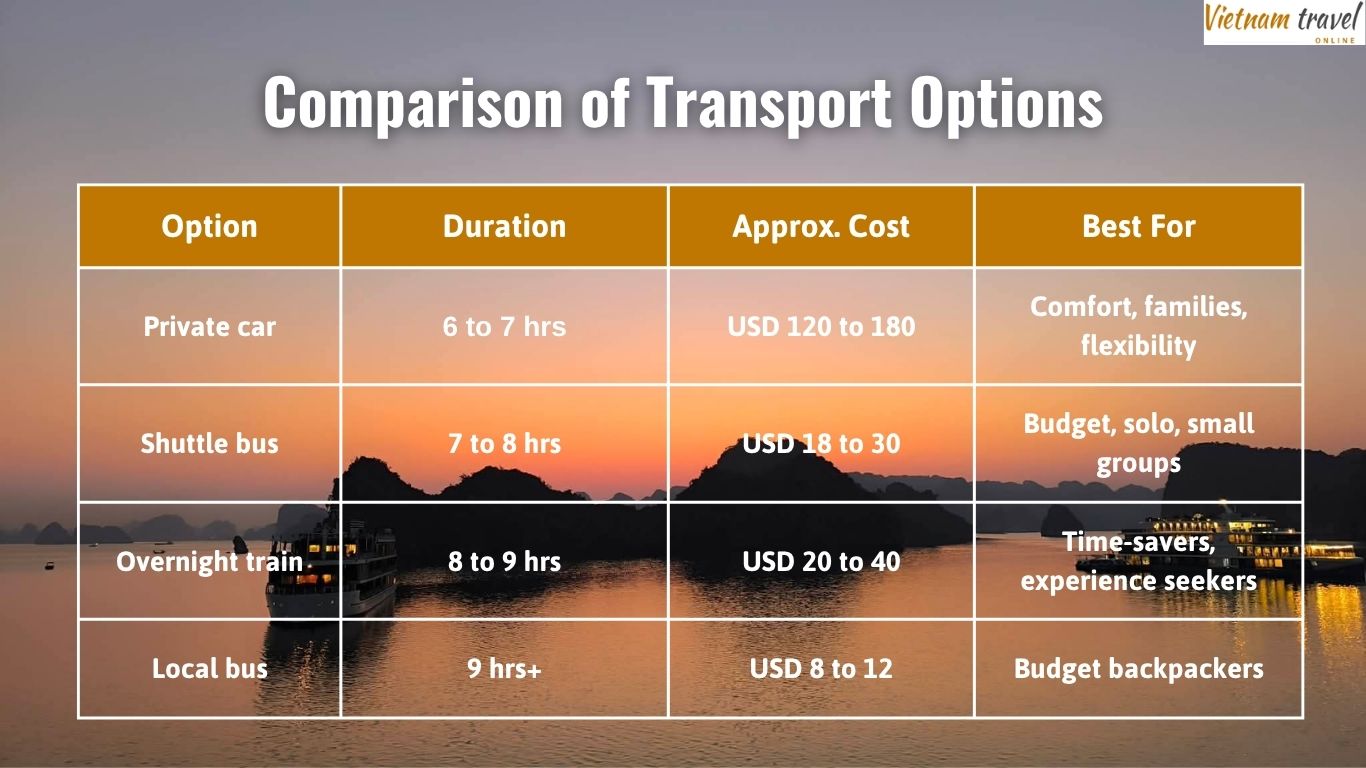
Whether you are travelling on a tight budget or looking for a seamless private experience, there is a transport option that fits. Here is a breakdown of every realistic way to make the journey in 2026.
Private Car Transfer
A private car is the most comfortable and flexible way to travel between the two destinations. Your driver picks you up directly from your cruise pier or hotel, and you can stop along the route to eat, stretch, or take photos at your own pace. It is the top choice for families, couples, and anyone who values time and comfort over saving a few dollars.
Approximate cost: USD 120 to 180 for a private transfer. For those planning a private tour from the start, our team at Vietnam Travels Online can arrange door-to-door transfers as part of a wider itinerary.
Shuttle Bus
Shuttle buses are a solid middle-ground option: air-conditioned, reasonably comfortable with reclining seats, and far more affordable than a private car. Most departures leave between 7 and 8 AM, so you get an early start and arrive in Sapa by mid-afternoon.
Approximate cost: USD 18 to 30. Book at least a few days ahead during peak season, as popular routes fill up quickly.
Overnight Train via Hanoi
For travellers who want to make the most of their time, the overnight train is a smart move. You board in Hanoi in the evening, sleep through the journey, and wake up in Lao Cai ready to head straight up to Sapa. Soft sleeper berths are comfortable, and the experience itself feels distinctly Vietnamese. If you are deciding between transport options, this train vs sleeping bus to Sapa comparison breaks it down in detail.
Approximate cost: USD 20 to 40 for a soft sleeper. Book at least one week ahead during the September to November peak season.
Local Bus
The local bus is the cheapest way to make this journey, and for the adventurous traveller it offers something no other option can: an unfiltered look at everyday Vietnamese life on the road. Seating is basic and journey times are longer, but if budget and authenticity are your priorities, it delivers on both.
Approximate cost: USD 8 to 12. Factor in extra time and the possibility of transfers.
Best Time to Visit Halong Bay and Sapa
Timing your trip well makes a real difference in what you experience. Both destinations have their peak windows, and knowing them helps you plan around the crowds and the weather.
Halong Bay
The best conditions for cruising Halong Bay fall between October and April, when the skies are clear, the seas are calm, and visibility across the karst landscape is at its finest. March and April in particular bring warm weather and a quieter bay before the summer crowds arrive. If you are comparing nearby options, it is worth reading up on Bai Tu Long Bay vs Halong Bay and Ha Long Bay vs Lan Ha Bay to find the right fit for your style of travel.
Sapa
Sapa rewards visitors most generously between September and November, when the rice terraces turn a deep gold before harvest, and the weather stays cool and crisp. March to May is equally beautiful: flowers bloom across the hillsides, and the trekking conditions are at their best. Both windows are ideal for photography and village walks.
The Sweet Spot
If you want both destinations at their best in a single trip, late September through to early November is your window. The terraces are golden in Sapa, the bay is calm and clear, and the weather across the north is about as good as it gets. Book private tours and accommodation well ahead if you are travelling during this period, as it is the most popular time of year.
Things to Do in Halong Bay
Halong Bay is one of those places that looks exactly like the photos and somehow still manages to exceed expectations when you are actually there. The key is knowing how to spend your time well.
Cruising and Cave Exploration
An overnight cruise is the single best way to experience the bay. Waking up on the water, with mist still sitting over the karst towers and no other sound but the gentle movement of the boat, is something you genuinely cannot replicate on a day trip. During the cruise, a visit to Sung Sot (Surprise Cave) or Thien Cung Cave should be on every itinerary. The formations inside are extraordinary, and both caves are accessible from most cruise routes.
If you are travelling from Hanoi and still figuring out logistics, this guide on ways to get to Halong Bay from Hanoi is a useful starting point. For those with extra time, Halong Bay to Ninh Binh makes a natural extension to the itinerary.
Kayaking, Swimming, and Seafood
Beyond the cruise deck, kayaking through the quieter lagoons gives you access to corners of the bay that larger boats cannot reach. It is peaceful, a little adventurous, and completely different to the view from above. End the day at a floating restaurant with freshly grilled crab, squid, or prawns. The seafood here is as fresh as it gets, and sharing a meal on the water is one of those small moments that ends up being a highlight of the trip.

Ready to plan your Halong Bay cruise? Our team handpicks the best vessels for every budget and travel style. Browse options at Halong Junk Cruise or reach out directly at [email protected].
Things to Do in Sapa
Sapa is the kind of place that draws you in slowly. The landscape unfolds the further you walk into it, and every village, market, and hillside trail adds another layer to the experience.
Trekking Routes for Every Level
The most celebrated walk in the area is through Muong Hoa Valley, where the trail winds past layered rice terraces, wooden bridges, and fields dotted with water buffalo. It is a full-day route that feels more like moving through a painting than hiking. For those who want a bigger challenge, Mount Fansipan, the highest peak in Indochina, is accessible by cable car or on foot and rewards you with panoramic views across the northern highlands. If you are weighing up whether to head to Sapa or somewhere more off the beaten path, this Sapa vs Ha Giang guide and the Cao Bang vs Ha Giang vs Sapa comparison are worth a read before you decide.
Villages, Markets, and Waterfalls
Lao Chai and Ta Van are two of the most visited villages near Sapa, each with its own character. Lao Chai is home to the Black H’mong community, while Ta Van sits along the river with a quieter, more relaxed pace. The Bac Ha Market, held on Sundays, is one of the most authentic highland markets in Vietnam, bringing together ethnic minority groups from across the region to trade goods and keep centuries-old customs alive. Between villages, keep an eye out for the waterfalls hidden among the forested hills. A short detour on many trekking routes will bring you to one, and the cool mist after a warm climb is always worth it. A homestay in one of these villages rounds out the experience in a way that no hotel can match.

Suggested Itineraries
You do not need months to experience the best of northern Vietnam. Whether you have just under a week or three weeks to spare, there is an itinerary that fits your pace.
6 Days: Halong Bay and Sapa Express
This is the ideal shape for travellers who want both destinations without stretching the trip. Spend your first two nights on a cruise in Halong Bay, exploring caves and kayaking through the lagoons. On day three, transfer through Hanoi and take the overnight train to Lao Cai. Days four and five are full trekking days in Sapa, with evenings spent in a village homestay. Day six brings you back to Hanoi for your onward journey.
8 Days: Northern Vietnam Loop
For a richer experience of the north, an 8-day loop gives you time to breathe. Start in Hanoi’s Old Quarter, head up to Sapa for trekking and village life, then slow down in Ninh Binh for a sampan ride through Trang An’s limestone caves before finishing with an overnight cruise on Halong Bay. This route, similar to our Northern Charm Discovery tour, layers culture, nature, and history in a way that feels complete rather than rushed. If you are also considering Ninh Binh vs Sapa as a standalone choice, that guide can help you prioritise.

20 Days: Full Vietnam Journey
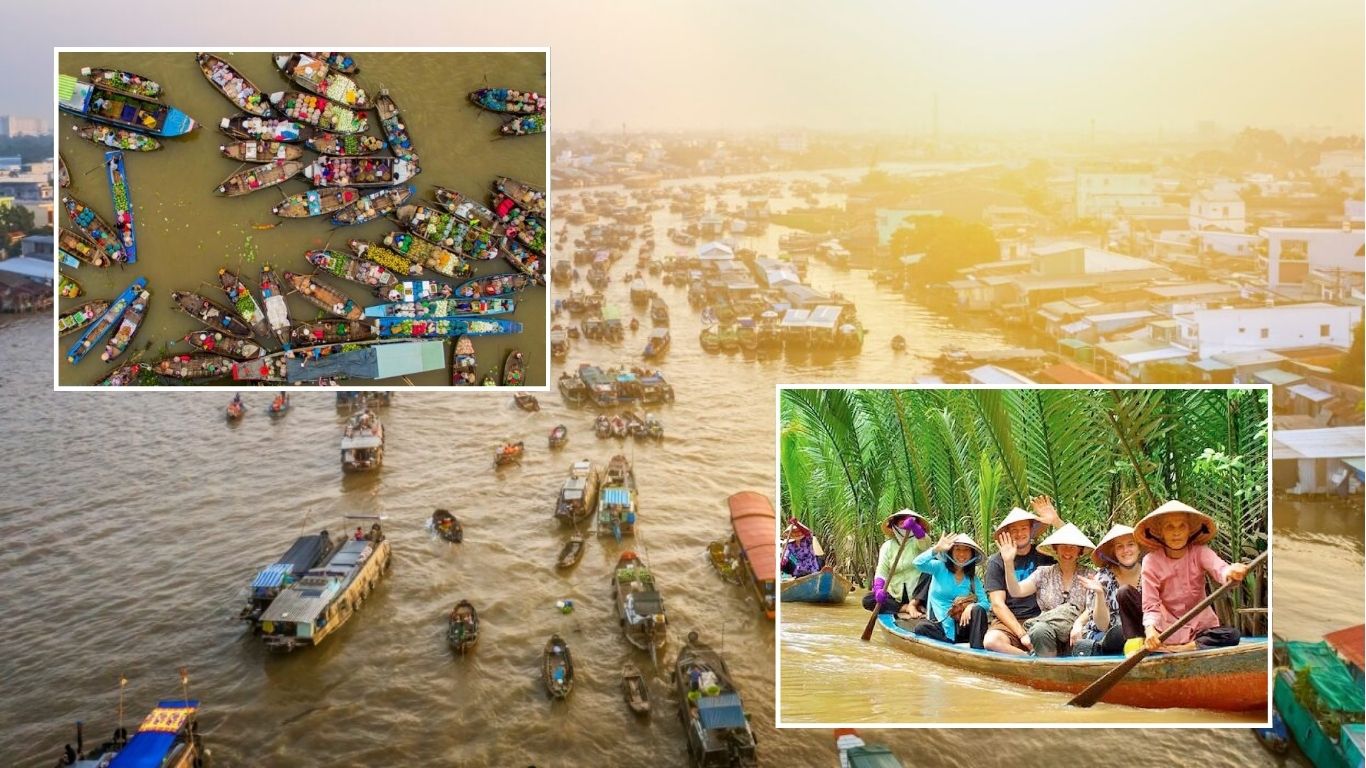
Three weeks in Vietnam gives you the whole picture. Beginning in Hanoi, the route takes you through the highland landscapes of Pu Luong and Sapa, the seascapes of Halong Bay, the royal history of Hue, the lantern-lit streets of Hoi An, the pine forests of Da Lat, and finally Ho Chi Minh City and the Mekong Delta. This is Vietnam without shortcuts, and every region adds something that the others do not. For Mekong cruise options that pair beautifully with the southern leg, visit Luxury Cruise Mekong.
Want a trip built around your pace and interests? Our team designs private itineraries across Vietnam and Indochina. Start planning at Indochina Voyages or fill in this form.
Practical Tips for Visiting Halong Bay and Sapa
A little preparation goes a long way on a trip that covers this much ground. These are the things worth knowing before you go.
- Pack for two climates. Halong Bay is warm and humid, especially from May to September, while Sapa can be genuinely cold in the evenings year-round. Bring layers, a light rain jacket, and shoes that work both on a boat deck and a muddy mountain trail.
- Book early for peak season. September to November fills up fast, particularly for overnight cruises, sleeper train tickets, and private transfers. Securing your bookings at least two to three weeks ahead during this window will save you both stress and money.
- Choose an overnight cruise. A day trip to Halong Bay is fine, but an overnight stay on the water is the experience worth having. Sunset on the deck, a seafood dinner, and an early morning before the tour boats arrive are the moments that people talk about for years.
- Stay connected on the road. Wi-Fi is patchy in Sapa’s villages and unreliable on the bay. Download offline maps via Google Maps or Maps.me before you leave Hanoi, and grab a local SIM card at the airport for data on the go.
- Respect the culture you are visiting. In ethnic minority villages around Sapa, ask before taking photographs and take the time to learn a little about the community you are walking through. Buying handmade crafts directly from local makers is one of the best ways to contribute meaningfully to the communities that make Sapa so special.
FAQs
Is Halong Bay or Sapa better? They offer completely different experiences, so the honest answer is both. If you only have time for one, choose Halong Bay for a relaxing, scenic escape and Sapa for adventure and cultural depth.
Can I get from Halong Bay to Sapa without going through Hanoi? Not practically. Almost every route passes through Hanoi, but it is a natural stop rather than a detour and easy to navigate with a private transfer or shuttle connection.
How many days do I need for both? A minimum of 6 days gives you a solid experience of both. Eight days is more comfortable and lets you add Ninh Binh or more time in Hanoi.
What is the cheapest way to travel between them? The local bus is the most affordable option at around USD 8 to 12, though the shuttle bus at USD 18 to 30 offers significantly more comfort for a modest price difference.
Is this trip suitable for families or older travellers? Yes. Halong Bay cruises are well set up for all ages, and Sapa has trekking routes ranging from gentle village walks to full-day mountain trails. A private guide makes the whole trip flexible around your group’s pace.
Is it safe to trek in Sapa without a guide? Some trails are well-marked, but having a local guide adds real value, both for navigation and for understanding the culture of the villages you pass through. Our team can arrange certified local guides as part of any private tour.